空调

Search documents
奥克斯空调“品质 + 创新”价值驱动厚积薄发,生态协同开启全球化新征程
Sou Hu Wang· 2025-09-18 03:35
Core Insights - The Chinese air conditioning industry is projected to reach a total sales volume of 196 million units in the 2025 cooling year, representing a year-on-year growth of 11.5%, with domestic shipments exceeding 100 million units for the first time, growing by 8.7% [1] - The air conditioning market has seen a few leading brands maintain stable growth over nearly 30 years, with AUX emerging as a "minority" and "leader" in the industry [1] - The industry is entering a critical phase of "boundary-breaking reconstruction," where user-centric value reshaping and technological innovation are essential for overcoming homogenized competition [1][2] Company Strategy and Philosophy - AUX has successfully navigated the air conditioning industry's challenges through a dual strategy of "small steps fast" and "big steps slow," establishing itself as a leader capable of transcending both time and industry cycles [2] - The company's philosophy emphasizes "quality as the foundation and innovation as the soul," which has been integrated into all aspects of its operations, enabling it to adapt to competitive pressures over time [2][3] - AUX's commitment to quality and continuous innovation has allowed it to build a robust defense against market challenges, demonstrating that Chinese home appliance companies can gain global trust through these principles [2][3] Competitive Advantages - AUX has developed a "four comprehensive capabilities" framework that enhances its competitive edge in the global air conditioning market, aligning with the industry's shift towards ecological and business model reconstruction [4] - The company has established a full industry chain layout, comprehensive channel distribution, and a full product category strategy, which are essential competitive thresholds in the air conditioning sector [4] - AUX's global operations cover over 150 countries and regions, with international revenue accounting for a significant portion of its overall income, showcasing its successful globalization strategy [5] Innovation and Technology - AUX has embraced cutting-edge technologies and formed partnerships with leading tech companies to enhance its product offerings, particularly in AI and voice technology [6] - The company has achieved a breakthrough in self-research and production of compressors through strategic collaboration with Panasonic, solidifying its core competitive capabilities [6] - AUX's focus on user needs has led to the establishment of a comprehensive lifecycle service system, enhancing customer experience and brand trust [7] Market Position and Future Outlook - AUX's recent listing on the Hong Kong Stock Exchange marks a significant milestone, positioning the company for further global brand development and operational expansion [8] - The company aims to transition from a manufacturer to a provider of smart air solutions, leveraging its diverse brand portfolio to meet varied consumer demands [9] - AUX's 30-year journey illustrates that true global competitiveness stems from a commitment to quality, innovation, and respect for user needs, integrating its growth into the global industrial upgrade wave [9]
中国空调何以走俏国外市场
Zhong Guo Zhi Liang Xin Wen Wang· 2025-09-16 06:57
Core Viewpoint - China's air conditioning exports are projected to reach nearly 94 million units in the 2025 cooling year, marking a 14.7% year-on-year increase, with Europe experiencing a significant growth of 39.5% [1] Group 1: Market Demand and Growth - The increase in air conditioning exports is driven by extreme summer temperatures in Europe, where many regions have seen temperatures exceed 40°C, leading to a shift in perception of air conditioning from a luxury to a necessity [1] - China's air conditioning brands, including Gree, Midea, and Haier, have increased their market share in Europe from 27% in 2023 to 41% in 2025 [1] - The penetration rate of Chinese air conditioning products in Europe has risen from 12% in 2020 to 27% in 2025, indicating a rapid market expansion [3] Group 2: Competitive Advantages - Chinese air conditioning products are competitive due to their energy efficiency, with many meeting the EU's A+++ standard, and their prices being 20%-30% lower than local European brands [1] - The focus on green and energy-efficient technologies has become a key selling point for Chinese air conditioning products, aligning with strict EU environmental standards [2] - Innovations such as low-noise systems and solar-powered air conditioning units are enhancing the green competitiveness of Chinese brands [2] Group 3: Targeted Innovation and Market Strategy - Chinese air conditioning companies are adopting targeted innovation strategies, such as offering portable air conditioning units that are easy to install, catering to the high installation costs in Europe [3] - Products designed for specific demographics, such as simplified controls for elderly users and emotionally designed products for younger consumers, are part of the differentiated approach to market entry [3] - Companies like Midea and Gree have invested in local operations and R&D in Europe to better understand consumer needs and adapt products accordingly [3] Group 4: Future Market Opportunities and Challenges - The International Energy Agency predicts that the number of air conditioning units in the EU will double by 2050, creating a demand for over 10 million units annually in the coming years [4] - However, European manufacturers face a significant supply gap, with local production capacity projected at only 3.2 million units in 2024, presenting a market opportunity for Chinese companies [4] - Chinese air conditioning manufacturers must prepare for stricter EU regulations on refrigerants by 2026, which will require about 35% of current exports to undergo technical modifications [4] - Long-term competitiveness will depend on transitioning from price competition to value competition, focusing on brand building, localization, and sustainable technology development [4]


破局与重构:2025 空调行业趋势与消费需求白皮书
艾瑞咨询· 2025-09-15 00:05
Core Viewpoint - The air conditioning industry is undergoing a critical phase of "breaking through and restructuring," driven by policies promoting low-carbon transformation, extreme high temperatures, and consumer subsidy policies, leading to increased market demand. The consumer focus is shifting from basic temperature control to "comfort + health + high-end" upgrades, with comfort and health-oriented air conditioners emerging as clear new growth points [1]. Group 1: Environmental Factors - The dual drivers of policy and technological innovation are reshaping the air conditioning market, emphasizing energy efficiency and low-carbon transformation, which is expected to stabilize the industry's lifecycle development [2]. - National subsidy policies have reduced consumer purchase costs, while extreme high temperatures have directly stimulated market demand, enhancing air conditioning sales and positively impacting the related supply chain [3]. Group 2: Market Dynamics - The air conditioning market is entering a mature phase with stable growth, where online sales account for 60% of the market, and traditional e-commerce remains the core traffic entry point. Price differentiation is evident, with low-priced and high-priced segments both seeing increased market share [5]. Group 3: Consumer Demand - Social media discussions reflect the evolving demands for air conditioning, with energy efficiency, comfort, cooling performance, aesthetics, and health becoming the top ten topics of interest for 2025 [9]. - The evolution of air conditioning from a "single temperature regulator" to a "quality lifestyle hub" that integrates comfort, health, and aesthetics is evident, with a focus on improving air quality and harmonizing with home decor [11]. - The high-end air conditioning market is evolving towards a comprehensive experience that combines "extreme comfort + health purification + aesthetic integration + smart connectivity" [13]. Group 4: Opportunities and Trends - The transition from "selling products" to "selling lifestyles" is a significant opportunity, focusing on specific living scenarios, spatial functions, and emotional needs of users [15]. - The demand for air conditioning is shifting towards comfort, health, and high-end features, indicating a deeper consumer need for quality and experience [17]. - The main consumer groups for air conditioning are shifting towards younger generations, particularly those born in the 2000s and 1990s, with a focus on comfort in family settings [19]. Group 5: Purchase Behavior - Consumers are increasingly motivated by the need for functionality and quality of life improvements, moving from basic needs to higher quality and better experiences [21]. - The primary information channel for consumers is e-commerce platforms, with JD.com recognized as the leading source for appliance information and purchases [24]. - Performance and quality are critical factors in purchase decisions, with consumers becoming more rational and focused on comprehensive experiences rather than just price sensitivity [28]. Group 6: Product Features and User Feedback - High satisfaction rates (over 99%) for features like "no-wind" and "soft wind" indicate strong consumer preference for comfort and health functionalities in air conditioning products [58]. - The integration of health features, such as air purification and self-cleaning technologies, is becoming a key selling point, enhancing the overall value of air conditioning products [57]. Group 7: Collaborative Innovations - JD.com collaborates with major air conditioning brands to promote comfort and health technologies, successfully driving sales of various air conditioning products that meet evolving consumer demands [61].






中国空调品牌东南亚突进 避免重走低价竞争老路
Di Yi Cai Jing· 2025-09-12 11:03
Core Insights - Gree has transitioned from an agency model to brand self-operation in Southeast Asia, marking a significant shift in strategy [1][2] - Chinese home appliance brands are expected to achieve an average growth rate of over 30% in Southeast Asia this year, with market share potentially exceeding 50% in the coming years [1][4] Group 1: Market Dynamics - Gree's revenue from self-owned brands in Southeast Asia has increased from 30% a decade ago to 80% currently [2] - The air conditioning market in Thailand has become a key manufacturing hub, with annual production capacity exceeding 20 million units [3] - The ASEAN market is projected to grow, with a GDP compound growth rate of 4.3% and a population of approximately 680 million [3] Group 2: Competitive Landscape - The market share distribution among Chinese, Japanese, and Korean brands in Southeast Asia is currently 30:40:30, with expectations for Chinese brands to surpass 50% within two years [4] - Major Chinese brands like Haier and Midea are expanding their production capacities in Thailand, with Haier planning to add 4 million units and Hisense targeting 12 million units annually [5] Group 3: Consumer Trends - Southeast Asian consumers exhibit a strong preference for cost-effective products, which benefits Chinese brands due to their cost advantages in the supply chain [5] - The region's young population and low ownership rates of air conditioning units indicate significant growth potential [3][5] Group 4: Challenges and Opportunities - The rise of social e-commerce platforms like TikTok in Southeast Asia presents new sales opportunities for Chinese brands [6] - Despite a recent decline in air conditioning sales due to weather and high previous year bases, the long-term outlook remains positive, with expectations for the market to exceed $5 billion by 2028 [6]
全球研发+AI赋能!海尔空调主导升级热舒适性国家标准
Quan Jing Wang· 2025-09-12 06:29
Core Viewpoint - Haier Air Conditioning has successfully led the revision of the national standard GB/T 33658-2025, marking a significant upgrade from the 2017 version, reflecting the company's strategic drive for technological iteration and industry comfort benchmarks [1][2] Group 1: Standard Upgrade - The new standard separates the assessment of cooling and heating comfort indicators, addressing user experience needs across different seasons [1] - New metrics such as "heating time" and local equivalent temperature limits for 16 body parts have been introduced to enhance user comfort [1] Group 2: Technological Innovation - Haier's AI technology strategy and global R&D layout support the standard upgrade, with 13 R&D centers and 17 manufacturing bases enhancing core technologies [2] - The self-developed "heat flow defrosting" technology significantly reduces defrosting time in low-temperature, high-humidity environments [2] - The "Energy-saving AI" product series has sold over 1.1 million units, becoming a market hit [2] Group 3: Market Performance - According to GfK data, Haier Air Conditioning achieved a market share of 21.4% from January to August, becoming the fastest-growing brand among the top three [2] - The dual breakthroughs in market performance and standard leadership validate the foresight and execution of Haier's "AI + Healthy Air" strategy [2] Group 4: Comprehensive Solutions - In addition to the thermal comfort standard, Haier has also led the release of two other national standards related to noise testing and safety requirements for air purification systems, showcasing its comprehensive capabilities in air solutions [2]

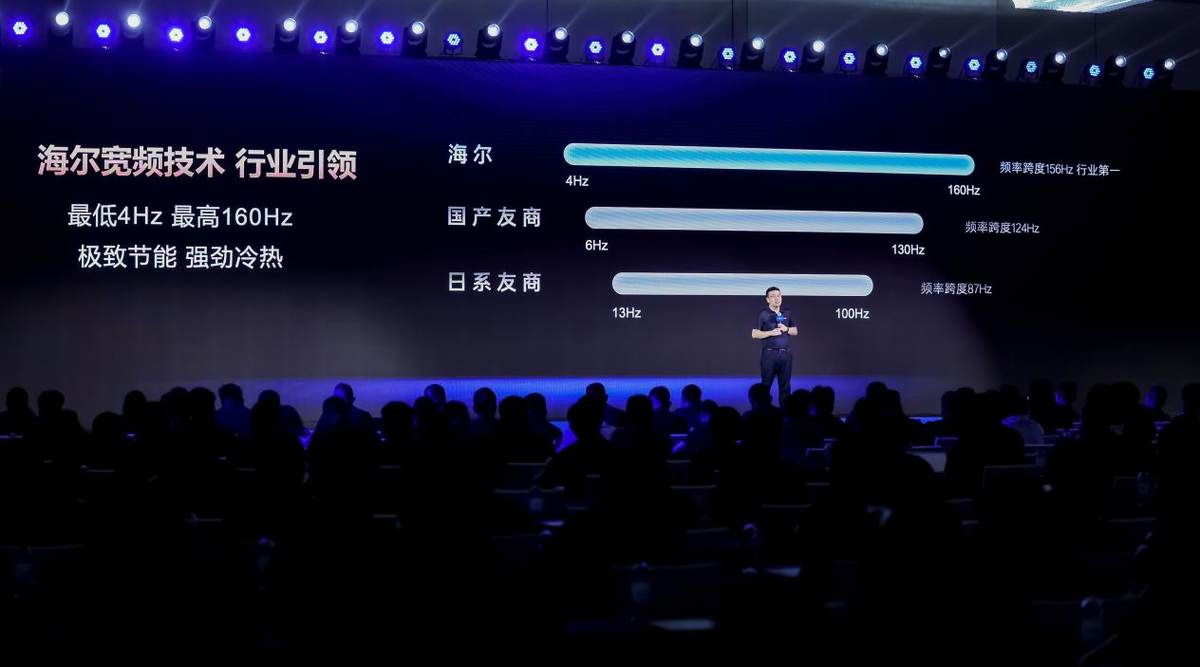
海尔中央空调运行频率跨度唯一做到156Hz,行业最宽
Sou Hu Wang· 2025-09-12 04:51
Core Insights - Haier's home central air conditioning showcases ultra-wide frequency technology, addressing the industry's narrow operational frequency range, achieving a frequency span of 4Hz to 160Hz, surpassing the current industry range of 6Hz to 130Hz, and becoming the only brand to reach a frequency span of 156Hz [1][3] Group 1: Product Performance - The ultra-wide frequency technology significantly enhances product performance across all operating conditions, addressing long-standing user pain points such as discomfort, noise, and high energy consumption [3] - During winter heating, the 160Hz ultra-high frequency operation effectively mitigates poor heating performance due to low outdoor temperatures, achieving 100% heating capacity at -7℃, a 15.5% increase in heating capacity at -15℃, and a 10% increase at -30℃, ensuring stable heating in extreme cold [3][4] - In daily use, Haier's 4Hz ultra-low frequency operation consumes only 124W, significantly improving energy efficiency compared to the industry average of over 200W for low-frequency operation [3] Group 2: Technological Innovation - Haier's ultra-wide frequency technology, empowered by AI algorithms and system upgrades, breaks traditional technical bottlenecks in wide temperature range operation, creating a generational gap with the industry [4] - The technology's leading features include extending the industry's lower frequency limit to 4Hz for 24-hour continuous operation with temperature fluctuations controlled within ±0.1℃, ensuring constant room temperature [4] - The upper frequency limit is pushed to 160Hz, ensuring rapid response and stable output under high load demands, with optimized airflow and intelligent algorithm upgrades allowing for more precise frequency adjustments and smoother operation [4] Group 3: Strategic Alignment - The ultra-wide frequency technology supports the strategic goal of continuously optimizing product structure and enhancing product competitiveness, redefining industry standards for wide temperature range operation [4] - The core technologies of Haier's ultra-wide frequency system are independently developed, showcasing the innovation capabilities of Chinese air conditioning brands and providing tailored smart air solutions for users in various climate regions [4]
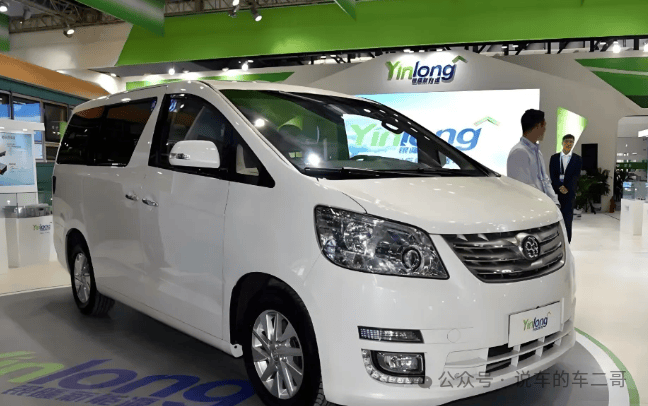
董明珠终于成功造车,十年烧几十亿,车标一出惊艳众人,一看价格,网友崩溃:你疯了吧?
Sou Hu Cai Jing· 2025-09-11 06:00
Group 1: Initial Intent and Background - In 2015, Dong Mingzhu announced the acquisition of Yinlong Automotive under Gree Group, aiming to enter the electric vehicle market, which was seen as a bold attempt by a leader in the home appliance industry [3] - The initial investment plan exceeded 10 billion yuan, but faced strong opposition from shareholders who viewed the automotive industry as high-risk and questioned the expected returns [3] - Despite the setbacks, Dong invested 3 billion yuan of her own money to continue the car manufacturing plan, transitioning from a corporate manager to a personal investor bearing significant risks [3] Group 2: Financial and Management Issues - Upon entering Yinlong Automotive, significant internal issues were discovered, including financial discrepancies exceeding 1 billion yuan due to the founder's misconduct [4] - Dong's initial lack of awareness regarding these issues highlighted the risks associated with entering a new industry, despite her management experience [4] Group 3: Product Launch and Market Response - The Yinlong Aifei was launched in 2019, featuring an appealing design but priced at 430,000 yuan, significantly higher than competitors like the Buick GL8 and Toyota Alphard [5][7] - The Aifei's sales were disappointing, with only 2,708 units sold in 2019 compared to 150,000 units for the Buick GL8, indicating the challenges faced by new brands in the high-end MPV market [7] Group 4: Technical and Pricing Analysis - The Aifei's technical specifications were competitive, with a range of 450 kilometers and a fast charging time of about 2 hours, but the high price and lack of brand recognition hindered its market acceptance [8] - The decision to adopt a high pricing strategy without established consumer trust or a compelling brand narrative led to poor sales performance [8] Group 5: Lessons from Cross-Industry Ventures - Dong Mingzhu's experience illustrates that success in one industry does not guarantee success in another, particularly in the automotive sector, which has unique challenges such as long R&D cycles and complex distribution channels [9] - The diversification strategy, while potentially beneficial, can also dilute resources and negatively impact core business performance, as evidenced by Gree's market valuation compared to competitors [9] Group 6: Consumer Insights - Consumers are advised to critically evaluate new brands, especially in high-value purchases like automobiles, considering brand recognition, pricing, after-sales support, and technical specifications [11] - The story serves as a reminder that new automotive brands must build trust and a strong market presence to succeed, as technical capabilities alone are insufficient [11] Group 7: Conclusion - Dong Mingzhu's decade-long investment in car manufacturing reflects both determination and significant lessons learned, emphasizing the importance of rational decision-making and market understanding in business ventures [13] - The narrative underscores that while passion can drive action, rationality and market logic are essential to avoid costly failures in cross-industry endeavors [13]
小米、格力争“老二”,关键不在国内
阿尔法工场研究院· 2025-09-08 00:02
Core Viewpoint - The competition between Xiaomi and Gree has intensified, with a focus on market share in the air conditioning sector, leading to disputes over data credibility and industry dynamics [6][7][17]. Group 1: Competition Dynamics - The "bet" initiated by Lei Jun against Dong Mingzhu has evolved into a significant rivalry, with Xiaomi claiming to have surpassed Gree in online market share for air conditioners [6][9]. - Discrepancies in data from Aowei Cloud Network have raised questions about the credibility of market share claims, with both companies presenting conflicting statistics [10][15]. - The air conditioning market is shifting, with traditional players like Midea, Gree, and Haier maintaining dominance in offline channels, while Xiaomi is rapidly gaining ground in online sales [7][24]. Group 2: Market Performance - Gree's air conditioning business has experienced negative growth, while Xiaomi's air conditioning shipments surged by 60% year-on-year in Q2 [7][30]. - Gree's revenue for 2024 was reported at 190 billion yuan, a decline of 7.3%, contrasting with Midea's revenue growth of 9.5% to 409 billion yuan [20][21]. - Gree's heavy reliance on air conditioning sales poses a risk, as it accounted for 78.54% of total revenue in 2024, compared to Midea's diversified approach [21][22]. Group 3: Pricing and Market Strategy - The air conditioning industry is witnessing a trend towards lower prices, with Xiaomi's competitive pricing strategy appealing to consumers [31][30]. - The market is experiencing a shift towards online sales, with online sales accounting for nearly 60% of total market sales by mid-2025, indicating a need for Gree to adapt [27][29]. - The international market is becoming increasingly important, with leading companies like Midea and Haier already achieving significant overseas sales, while Gree lags behind [32][32].
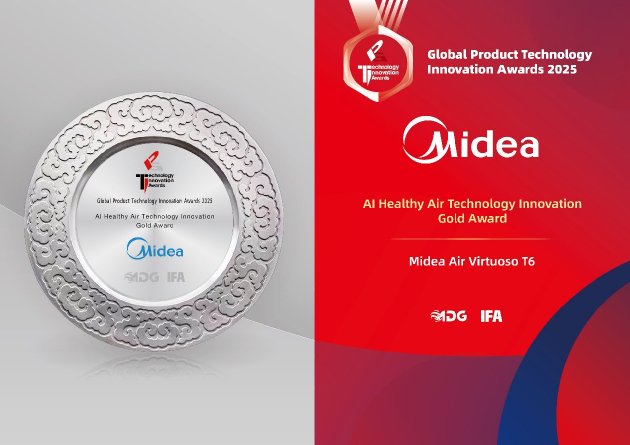
IFA柏林国际电子消费品展 美的鲜净感空气机获金奖
Xin Lang Cai Jing· 2025-09-07 09:56
Core Insights - The IFA Berlin International Consumer Electronics Show, one of the largest global consumer electronics exhibitions, showcased the "Global Product Technology Innovation Awards," where Midea's Fresh Air Machine T6 won the AI Healthy Air Technology Innovation Gold Award, highlighting China's innovation capabilities [1][3][21] Group 1: Event Overview - IFA 2025 focused on themes of "Smart Living and Sustainable Future," emphasizing advancements in artificial intelligence, the Internet of Things, and green technology [3] - The Global Product Technology Innovation Awards, co-founded by IDG and IFA in 2014, serves as a prestigious platform for evaluating and showcasing global consumer electronics brands [3] Group 2: Midea's Achievements - Midea ranked first globally in air conditioning sales with 71.83 million units sold, capturing a 27.5% market share, meaning one in every four air conditioners worldwide is manufactured by Midea [5] - Midea has invested over 18 billion yuan in R&D over the past five years, establishing 38 R&D centers globally and a team of 1,600 researchers, with nearly 50% holding master's or doctoral degrees [5] Group 3: Product Innovation - The Midea Fresh Air Machine T6 features advanced AI capabilities, including a multi-model fusion architecture and the ability to understand vague commands, dialects, and provide comprehensive home appliance control [7] - The T6 integrates multiple functions such as air conditioning, fresh air, purification, humidification, dehumidification, and air sterilization, making it a comprehensive health air device [9][16] Group 4: Market Impact - The T6 has sold 1.1116 million units since its launch, achieving a 2.2% market share in the home market, with a year-on-year growth of 119.2% [5] - Midea's commitment to innovation and technology positions it to gain further trust and recognition from global consumers, leading the industry towards a more innovative future [21]
AI智能语音、AI智能省电 空调行业 “卷” 向 AI
Mei Ri Shang Bao· 2025-09-04 22:20
Core Insights - The rise of AI-enabled air conditioners is gaining attention, with brands like Midea, Gree, Hisense, and Haier actively developing AI features to capture market opportunities [1][2] - Midea's "singing" air conditioner, priced at 4999 yuan, is marketed as a smart air conditioning and health device, although its actual AI capabilities may not fully align with promotional claims [1] - The introduction of AI energy-saving features is becoming a key selling point across various brands, with Gree's AI air conditioner reportedly achieving a 13.6% annual energy savings [2] Group 1 - The "singing" air conditioner from Midea has gone viral on social media, highlighting the potential of AI in the air conditioning market [1] - Competitors are also launching their own AI air conditioners, indicating a growing trend towards AI integration in home appliances [1] - The actual functionalities of many AI air conditioners are being questioned, with some consumers perceiving them as traditional smart devices rebranded with AI features [2] Group 2 - The air conditioning market is becoming increasingly competitive, with a significant price drop of 17.2% in the average price of popular 1.5 HP models expected by 2025 [3] - Haier has initiated the first industry standard for AI air conditioners, focusing on evaluating AI energy-saving algorithms and user interaction capabilities [3] - Brands must innovate and upgrade their products to attract consumers in a market characterized by price competition and consumer downgrade trends [3]