电影

Search documents
国产片为什么越来越命苦
Hu Xiu· 2025-08-21 23:32
Core Insights - The article discusses the rise of "working-class" films in Chinese cinema, reflecting the struggles and emotions of contemporary young workers, often referred to as "bulls and horses" [7][21][22]. Group 1: Themes in Contemporary Films - Films like "Year-End Party Can't Stop!" and "The Ghostly Talent" highlight the pressures of modern work life, including job insecurity and performance metrics, resonating with audiences [10][30][32]. - The emergence of these films indicates a shift in societal conditions, with urbanization and increased higher education leading to a higher proportion of urban workers among the youth [23][24][26]. - The themes of critique and relief are prevalent in these films, addressing the frustrations of the workforce while also providing entertainment [28][29]. Group 2: Audience Expectations - Current audiences seek films that serve as a reflection of their experiences, desiring both validation and solutions to their workplace challenges [61][62]. - There is a growing demand for films that accurately depict the harsh realities of work life, moving away from idealized portrayals to more critical narratives [50][52][60]. - The audience's emotional response has shifted from seeking comfort to wanting to confront and resolve their issues, indicating a deeper engagement with the content [61][66]. Group 3: Historical Context - The article traces the evolution of working-class films through various decades, noting that each era's films have played a significant role in reflecting societal conditions and worker experiences [72][73]. - Early films like Chaplin's "Modern Times" and Kurosawa's "Ikiru" addressed the alienation and struggles of workers, setting a precedent for later narratives [75][88]. - The portrayal of workers has evolved, with contemporary films often emphasizing the absurdity and challenges of modern corporate life, while still maintaining a focus on the human experience [116][120].


衍生品成为“第二增长曲线”
Mei Ri Shang Bao· 2025-08-21 23:05
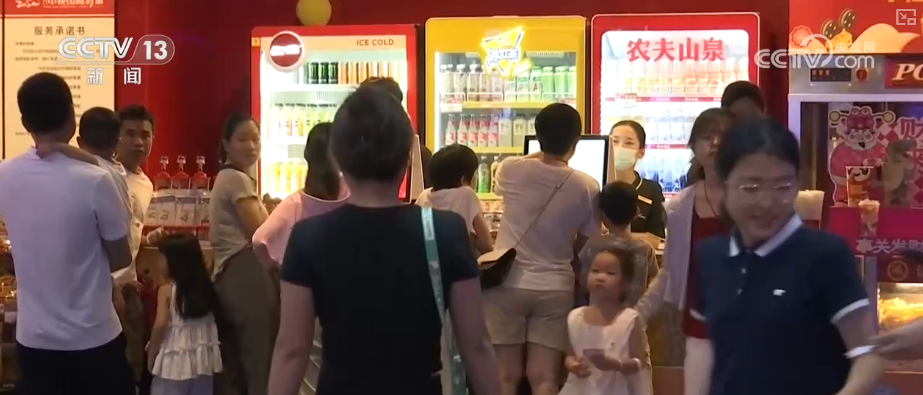
Core Insights - The domestic film market in the summer of 2025 is experiencing significant growth, with both box office revenues and merchandise sales seeing strong performance [1][3] - The rise of derivative products is indicative of a new stage in the full industry chain IP value development for Chinese films [1][3] Group 1: Film and Merchandise Performance - The summer film season has seen a notable increase in brand collaborations, with films like "Wang Wang Mountain Little Monster" achieving over 30 brand partnerships and "The Legend of Luo Xiaohei 2" exceeding 20 [1][2] - "Wang Wang Mountain Little Monster" has led the market with over 800 merchandise items launched prior to its release, showcasing the effectiveness of early IP licensing [1][3] - Sales of related cultural products in theaters have surged, with one store reporting a 300% increase in sales compared to the previous year [2] Group 2: Market Trends and Consumer Preferences - The trend in derivative products is leaning towards trendy toys, with "The Legend of Luo Xiaohei 2" focusing on collaborations in this category [2] - Animation films are particularly excelling in the merchandise sector, contrasting with other genres, due to their stable content output and broad audience base [3] Group 3: Industry Transformation and Future Outlook - The growth in derivative product sales reflects a deeper transformation in the structure of the Chinese film industry, which has historically relied heavily on box office revenues [3][4] - The summer film season's derivative product revenue has increased by 120% year-on-year, with "Wang Wang Mountain Little Monster" contributing nearly 30% of this revenue [3] - The potential for IP commercialization is significant, with predictions suggesting that if "Wang Wang Mountain Little Monster" surpasses 500 million yuan in box office, its total IP value could exceed 1 billion yuan [3]
传统IP不怕有诚意的“翻炒”
Bei Jing Shang Bao· 2025-08-21 16:18
Core Viewpoint - The article discusses the evolution of traditional IP in the gaming and film industry, highlighting the importance of sincerity and innovation in creating new works based on established cultural icons like Sun Wukong and Nezha. The upcoming game "Black Myth: Zhong Kui" is presented as a continuation of this trend, aiming to capture the essence of Chinese culture while appealing to modern audiences [1][2]. Group 1: Traditional IP and Cultural Impact - Traditional IP such as "Black Myth: Wukong" and "Nezha" have significantly influenced both the gaming and film industries, achieving record box office success and global recognition [1][2]. - The recent animated film "Wang Wang Mountain Little Monster," which is also based on the "Journey to the West" universe, showcases the potential for innovative storytelling that resonates with contemporary audiences [1]. Group 2: Innovation and Audience Trust - The CEO of Game Science emphasizes the desire to create a new game rather than merely expanding existing titles, indicating a commitment to fresh narratives and gameplay experiences [2]. - The article notes that while traditional IP has a built-in audience, there is a risk of audience fatigue from poorly executed derivative works, making sincerity in creation essential for maintaining trust [2]. - Successful examples like the "Nezha" film series and "Black Myth" games demonstrate that continuous innovation can enhance the value of traditional IP and rebuild audience trust [2]. Group 3: Development Time and Quality - The development timeline for projects like "Nezha 1" to "Nezha 2" and "Black Myth: Wukong" reflects a commitment to quality, with significant time invested in creating polished products [3].
【省文化旅游厅】打造文旅消费新场景新体验
Shan Xi Ri Bao· 2025-08-20 00:32
Group 1 - The XR cinema in Xi'an has attracted over 15,000 visitors since its opening in January, showcasing immersive cultural experiences through virtual reality [1] - The cinema plans to establish 100 XR cinema locations across the country within the next two years, with 21 XR films currently available [1] - The "Yingpu" AI-assisted content creation platform has been launched, significantly reducing the time required for film content creation from a month to seconds [2] Group 2 - Digital technology is becoming a major accelerator for cultural industry development in Shaanxi, with projects like the immersive performance "Chang Hen Ge" generating over 2 billion yuan in revenue [2] - The "You Shaanxi" smart tourism platform integrates cultural and tourism resources, enhancing customized services and emergency management [2] - Shaanxi's strategic layout for cultural digitalization was initiated with a joint implementation plan released by six departments in late 2020 [2] Group 3 - The recent provincial meeting approved a plan to strengthen cultural development, emphasizing the dual empowerment of culture and technology [3] - The plan aims to enhance the entire cultural and tourism industry chain, focusing on industry upgrades, project advancements, and consumer promotion [3] - The initiative is seen as timely and significant for the growth of a trillion-yuan cultural tourism industry cluster [3] Group 4 - Shaanxi is advancing towards cultural digitalization, aligning with national strategies and establishing effective mechanisms for cultural and technological synergy [4]
暑期档百亿票房苏州超2亿 领跑全省 总出票约576万张
Su Zhou Ri Bao· 2025-08-20 00:17
Core Insights - The total box office for the summer film season in 2025 has exceeded 10 billion yuan, with Suzhou leading the province with over 220 million yuan in ticket sales [1][2] - Suzhou ranks seventh nationally in box office performance, with approximately 5.76 million tickets sold during the summer season [1] Group 1: Box Office Performance - Suzhou's summer box office has reached over 220 million yuan, with a total of about 5.76 million tickets sold [1] - The film "Nanjing Photo Studio" has attracted 1.6383 million viewers in Suzhou, generating over 60.45 million yuan in revenue, making it the top performer in the region [1] - Other popular films in Suzhou include "Wandering Monster" and "Lychee of Chang'an," ranking second and third in local box office sales [1] Group 2: Film Variety and Audience Engagement - The summer film season features over 150 films across various genres, catering to diverse audience preferences [1] - Historical and war-themed films like "Nanjing Photo Studio" have resonated with viewers, while comedies and animated films have also gained popularity [1] - The presence of film stars in Suzhou for promotional events has boosted local tourism and engagement, with actors expressing their fondness for the city [2] Group 3: Upcoming Releases - Despite the summer season nearing its end, new films are set to be released, including "Death Comes: Blood Curse," "Eden," and a re-release of "Green Snake" [2]
横店影视:8月19日召开董事会会议
Mei Ri Jing Ji Xin Wen· 2025-08-19 14:54
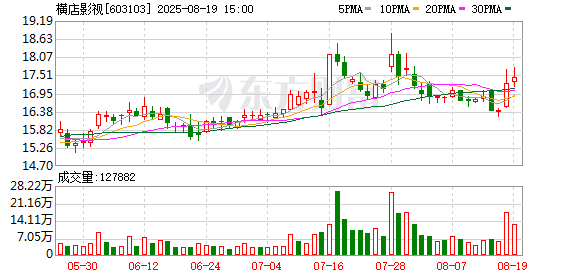
2024年1至12月份,横店影视的营业收入构成为:电影行业占比97.29%,其他业务占比2.71%。 横店影视(SH 603103,收盘价:17.44元)8月19日晚间发布公告称,公司第四届第七次董事会会议于 2025年8月19日在公司三楼会议室以现场结合通讯方式召开。会议审议了《关于公司<2025年半年度报 告>及摘要的议案》等文件。 (文章来源:每日经济新闻) ...

从哪吒2到浪浪山,为何国产动画电影总能出爆款?
Xin Jing Bao· 2025-08-19 12:05
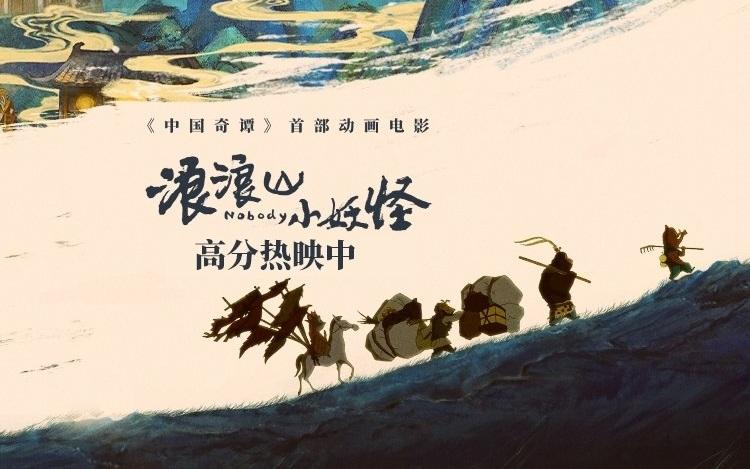
Core Insights - The animated film "Wang Wang Mountain Little Monster" has surpassed 1 billion in box office revenue within 17 days of its release, becoming a summer blockbuster in 2025 and setting a record for Chinese 2D animated films [2] - The film's success has led to a surge in sales of related merchandise, particularly plush toys, indicating a strong market potential for domestic animated films [2] Group 1: Cultural Innovation - The film is based on the popular animated short "Chinese Tales," which reinterprets classic Chinese mythology, allowing audiences to connect with familiar characters without extensive backstory [3] - This approach of modernizing traditional IPs has proven effective in engaging viewers, as seen in the character development of the little pig monster who embodies themes of self-discovery and resilience [3] Group 2: Emotional Resonance - The film resonates emotionally with audiences by reflecting real-life struggles and aspirations, allowing viewers to see themselves in the characters [5] - Unlike live-action films, animated movies can abstract and amplify emotions, providing a unique lens through which to explore complex social issues [5] Group 3: Focus on Content Quality - Animation films are less constrained by actor-related factors, allowing for a concentrated investment in content quality, which can enhance the overall cinematic experience [6] - The production team for "Wang Wang Mountain Little Monster" comprised 600 members, meticulously crafting over 1800 scenes, showcasing a commitment to high-quality content [6] Group 4: Market Opportunities - The audience's potential fatigue with live-action films presents an opportunity for animated films to thrive, as they offer fresh narratives and artistic styles [7] - The success of animated films hinges on their ability to creatively transform traditional culture, focus on content quality, and express deep emotional narratives, which can lead to both critical acclaim and commercial success [7]
暑期档电影票房一路飘红 多渠道联动激活电影衍生品消费
Yang Shi Wang· 2025-08-19 08:20
Group 1 - The core viewpoint of the articles highlights the significant growth in the film industry's non-box office revenue, which is increasingly contributing to creative development and forming a positive cycle [1][7]. - The animated film "Wang Wang Mountain Little Monster" has seen a surge in merchandise sales, with over 10,000 units sold within three days of launch, indicating strong consumer demand [3][5]. - The development of peripheral merchandise for "Wang Wang Mountain Little Monster" began during the creative phase, leading to the launch of dozens of products across various categories, showcasing the commercial potential and cultural value of IP development [5][7]. Group 2 - Data from online platforms indicates that the revenue from film-related merchandise is expected to grow by 120% year-on-year by 2025, with non-box office income from animated films becoming a key driver of the "film+" economy [7]. - The classic domestic animation IP "Pleasant Goat and Big Big Wolf" has a merchandise revenue share of 70%, significantly surpassing the 30% revenue from broadcasting rights, with total retail sales of licensed products exceeding 1 billion yuan [7]. - The popularity of peripheral products is also fostering further development of the IP, creating a cycle of growth and innovation within the industry [7].

高频数据跟踪:生产热度回升,原油金属价格下降
China Post Securities· 2025-08-19 08:20
Report Information - Report Type: Fixed Income Report - Release Date: August 19, 2025 - Analysts: Liang Weichao, Cui Chao [2] Core Views - The overall heat of the production end is rising, with the operating rates of blast furnaces and semi-steel tires decreasing, and those of coke ovens, asphalt, PX, PTA, and all-steel tires increasing [2][29] - The real estate market is weakening marginally, with both the transaction volume of commercial housing and the land supply area decreasing [2][29] - The price trend is diverging. Crude oil, non-ferrous metals, and rebar prices are decreasing, while coking coal prices are slightly increasing. Agricultural product prices are generally rising, at the beginning of the seasonal upward trend, with pork and fruit prices decreasing and egg and vegetable prices increasing [2][29] - Shipping indices are declining, including SCFI, CCFI, and BDI, indicating potential pressure on global foreign trade. Short-term focus should be on the implementation of a new round of stable growth stimulus policies, the recovery of the real estate market, and the impact of international geopolitical changes [2][29] Production - Coke ovens: The capacity utilization rate increased by 0.38 pct. On the week of August 15, the capacity utilization rate of coke ovens was 74.13%, up 0.38 pct from the previous week [7] - Blast furnaces: The operating rate decreased by 0.16 pct. On the week of August 15, the operating rate of blast furnaces was 83.59%, down 0.16 pct from the previous week [7] - Rebar: The output decreased by 0.73 tons. On the week of August 15, the output of rebar was 220.45 tons, down 0.73 tons from the previous week, and the inventory increased by 4.06 tons [7] - Petroleum asphalt: The operating rate increased by 1.2 pct. On the week of August 13, the operating rate of petroleum asphalt was 32.9%, up 1.2 pct from the previous week [7] - Chemical industry: The operating rate of PX increased by 2.28 pct, and that of PTA increased by 1.91 pct. On August 14, the operating rate of PX was 84.63%, up 2.28 pct from the previous week, and the operating rate of PTA was 76.7%, up 1.91 pct from the previous week [7] - All-steel tires: The operating rate increased by 2.09 pct. On the week of August 14, the operating rate of all-steel tires was 63.09%, up 2.09 pct from the previous week [8] - Semi-steel tires: The operating rate decreased by 2.28 pct. On the week of August 14, the operating rate of semi-steel tires was 72.07%, down 2.28 pct from the previous week [8] Demand - Real estate: The transaction area of commercial housing decreased marginally, and the inventory-to-sales ratio increased. The land supply area decreased, and the transaction premium rate of residential land decreased. On the week of August 10, the transaction area of commercial housing in 30 large and medium-sized cities was 129.45 million square meters, down 35.64 million square meters from the previous week. The inventory-to-sales ratio of commercial housing in 10 large cities was 119.01, up 3.95 from the previous week. The land supply area in 100 large and medium-sized cities was 1168.53 million square meters, down 214.86 million square meters from the previous week. The transaction premium rate of residential land in 100 large and medium-sized cities was 2.45%, down 1.49 pct from the previous week [12] - Movie box office: It decreased by 137 million yuan. On the week of August 10, the total box office revenue of movies in China was 1615.24 million yuan, down 137.3286 million yuan from the previous week [12] - Automobiles: The daily average retail sales of automobile manufacturers decreased by 52,000 units, and the daily average wholesale sales decreased by 132,000 units. On the week of August 10, the daily average retail sales of passenger cars were 45,207 units, down 52,284 units from the previous week, and the daily average wholesale sales were 40,253 units, down 131,503 units from the previous week [14] - Shipping indices: SCFI decreased by 1.98%, CCFI decreased by 0.62%, and BDI decreased by 0.34%. On the week of August 15, SCFI was 1460.19 points, down 29.49 points from the previous week. CCFI was 1193.34 points, down 7.39 points from the previous week. BDI was 2044 points, down 7 points from the previous week [17] Prices - Energy: The price of Brent crude oil decreased by 1.11% to $65.85 per barrel. On August 15, the settlement price of Brent crude oil futures was $65.85 per barrel, down $0.74 per barrel from the previous week [19] - Coking coal: The futures price increased by 0.33% to 1223.5 yuan per ton. On August 15, the settlement price of coking coal futures was 1223.5 yuan per ton, up 4 yuan per ton from the previous week [19] - Metals: The futures prices of LME copper, aluminum, and zinc changed by -0.08%, -0.46%, and -1.32% respectively, and the domestic rebar futures price decreased by 1.0%. On August 15, the closing price of LME copper futures was $9760 per ton, down $8 per ton from the previous week. The closing price of LME aluminum futures was $2603 per ton, down $12 per ton from the previous week. The closing price of LME zinc futures was $2796.5 per ton, down $37.5 per ton from the previous week. The settlement price of domestic rebar futures was 3183 yuan per ton, down 32 yuan per ton from the previous week [20] - Agricultural products: The overall price rebounded, with the agricultural product wholesale price 200 index increasing by 0.82%. The prices of pork, eggs, vegetables, and fruits changed by -1.76%, +1.07%, +2.37%, and -1.85% respectively compared with the previous week. On August 15, the agricultural product wholesale price 200 index was 114.88, up 0.94 from a week ago. The average wholesale price of pork was 20.05 yuan per kilogram, down 0.36 yuan per kilogram from a week ago. The average wholesale price of eggs was 7.59 yuan per kilogram, up 0.08 yuan per kilogram from a week ago. The average wholesale price of 28 key monitored vegetables was 4.75 yuan per kilogram, up 0.11 yuan per kilogram from a week ago. The average wholesale price of 7 key monitored fruits was 6.91 yuan per kilogram, down 0.13 yuan per kilogram from a week ago [22][23] Logistics - Subway passenger volume: It increased in Beijing and decreased in Shanghai. On August 15, the seven-day moving average of subway passenger volume in Beijing was 10.5208 million person-times, up 283,300 person-times from the previous week. The seven-day moving average of subway passenger volume in Shanghai was 10.6857 million person-times, down 62,900 person-times from the previous week [25] - Flight volume: Domestic flight volume increased, while international flight volume decreased. On August 16, the seven-day moving average of domestic (excluding Hong Kong, Macao, and Taiwan) flight volume was 14,822.57 flights, up 204 flights from the previous week. The seven-day moving average of domestic (Hong Kong, Macao, and Taiwan) flight volume was 377.57 flights, down 9.14 flights from the previous week. The seven-day moving average of international flight volume was 1891.29 flights, down 4.86 flights from the previous week [27] - Urban traffic: The peak congestion index in first-tier cities increased. On August 16, the seven-day moving average of the peak congestion index in first-tier cities was 1.68, up 0.01 from the previous week [27]
票房飘红、衍生品“破圈” IP全产业链开发拉动“电影+”经济飙升
Yang Shi Wang· 2025-08-19 07:23
Core Viewpoint - The 2025 summer movie season in China has seen a total box office exceeding 10 billion yuan, with domestic films dominating the top five positions [1][9]. Group 1: Box Office Performance - The summer season features around 150 films across various genres, including historical, animation, comedy, and suspense, catering to diverse audience preferences [1]. - Notable films such as "Nanjing Photo Studio" and "East Extreme Island" have sparked significant viewer interest due to their real historical content and impactful scenes [1][3]. - The box office share from first-tier cities has rebounded, while films like "Nanjing Photo Studio" have also energized the market in third and fourth-tier cities [9]. Group 2: Animation Film Success - Domestic animated films like "The King's Avatar: For the Glory" and "Wang Wang Mountain Little Monster" have performed exceptionally well, with "Wang Wang Mountain Little Monster" setting a new record for animated films in China within two weeks of release [6][8]. - The animation industry in China has made significant advancements in aesthetics, industrial standards, narrative depth, and creative models, as evidenced by the success of these films [8]. Group 3: Consumer Engagement and Promotions - Various "movie+" promotional activities have been launched across regions to stimulate consumer engagement, enhancing the overall movie market vitality [8][9]. - The issuance of movie consumption vouchers, such as those in Zhejiang province totaling over 36.8 million yuan, has significantly boosted box office revenues, with a reported 85.81% year-on-year increase in ticket sales during a specific period [9]. Group 4: Non-Box Office Revenue Growth - The revenue from movie-related merchandise has increased by 120% year-on-year during the summer season, indicating a growing importance of non-box office income in the film industry [14]. - The success of merchandise tied to animated films, such as "Wang Wang Mountain Little Monster," demonstrates the commercial potential and cultural value of IP development, with rapid sales of related products [12][14]. Group 5: IP Development and Long-Term Revenue - The classic animated IP "Pleasant Goat and Big Big Wolf" has seen merchandise revenue account for 70% of its total income, significantly surpassing broadcast rights revenue [16]. - The retail sales of licensed products related to this IP have exceeded 1 billion yuan, showcasing the positive feedback loop between merchandise sales and continued IP development [16].