
同城货运

Search documents
流程做“减法”、效率做“加法” “小伤快赔”守护新业态劳动者健康防线
Yang Shi Wang· 2025-12-03 03:29
Core Points - Beijing has launched a "Quick Compensation for Minor Injuries" model aimed at gig economy workers such as delivery personnel and ride-hailing drivers, allowing for online reimbursement of minor medical expenses, significantly reducing claim processing time [1][3][5] Group 1: Implementation of the Model - The "Quick Compensation" model is designed for minor injuries that occur during work, specifically those that do not require hospitalization and have clear documentation, benefiting over 1.57 million gig workers across 21 companies in the delivery and transportation sectors [3][5] - The model simplifies the claims process by reducing the required documentation from 10 items to 5, allowing for full online submission, thus enhancing convenience for workers [5][7] Group 2: Operational Efficiency - The model focuses on three key review elements: amount, medication list, and treatment area, streamlining the materials required for claims [7][8] - The frequency of compensation payments for minor injuries has been optimized from three times a month to once daily, improving the efficiency of benefit disbursement [9]

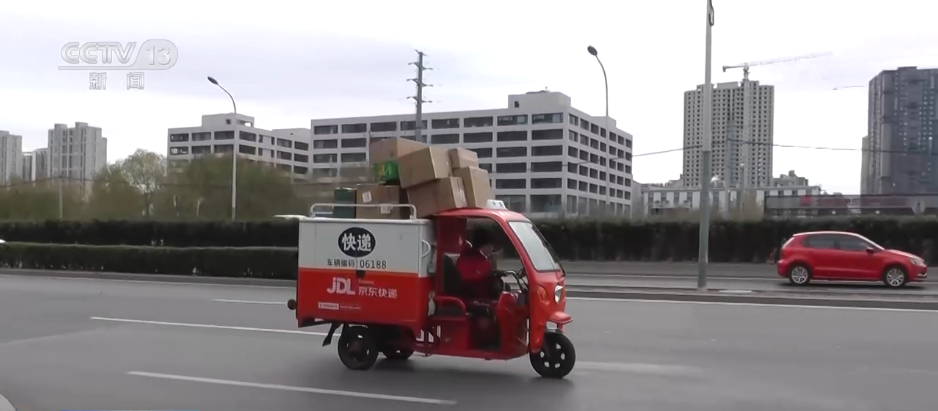
面向外卖员、网约车司机等 北京全面推行“小伤快赔”
Yang Shi Wang· 2025-12-02 23:14
Core Points - Beijing has launched a "Quick Compensation for Minor Injuries" model aimed at gig economy workers such as delivery personnel and ride-hailing drivers, allowing for online reimbursement of minor medical expenses, significantly reducing claim processing time [1][3][10] Group 1: Implementation Details - The "Quick Compensation" model covers three industries: transportation, instant delivery, and local freight, benefiting over 1.57 million gig workers in Beijing [3] - "Minor injuries" are defined as those that do not require hospitalization, are clear-cut, and have no disputes regarding responsibility, allowing for expedited processing [3][5] - The model simplifies the claims process by reducing the required documentation from 10 items to 5, all of which can be submitted online, enhancing convenience for workers [6][8] Group 2: Operational Efficiency - The claims process includes six steps: reporting, medical treatment, and application, with the material submission phase being notably complex and time-consuming [6] - The new model focuses on three core review elements: amount, medication list, and treatment area, streamlining the material requirements and allowing for electronic submissions [8] - The frequency of compensation payments for minor injuries has been optimized from three times a month to once daily, improving the efficiency of benefit disbursement [10]
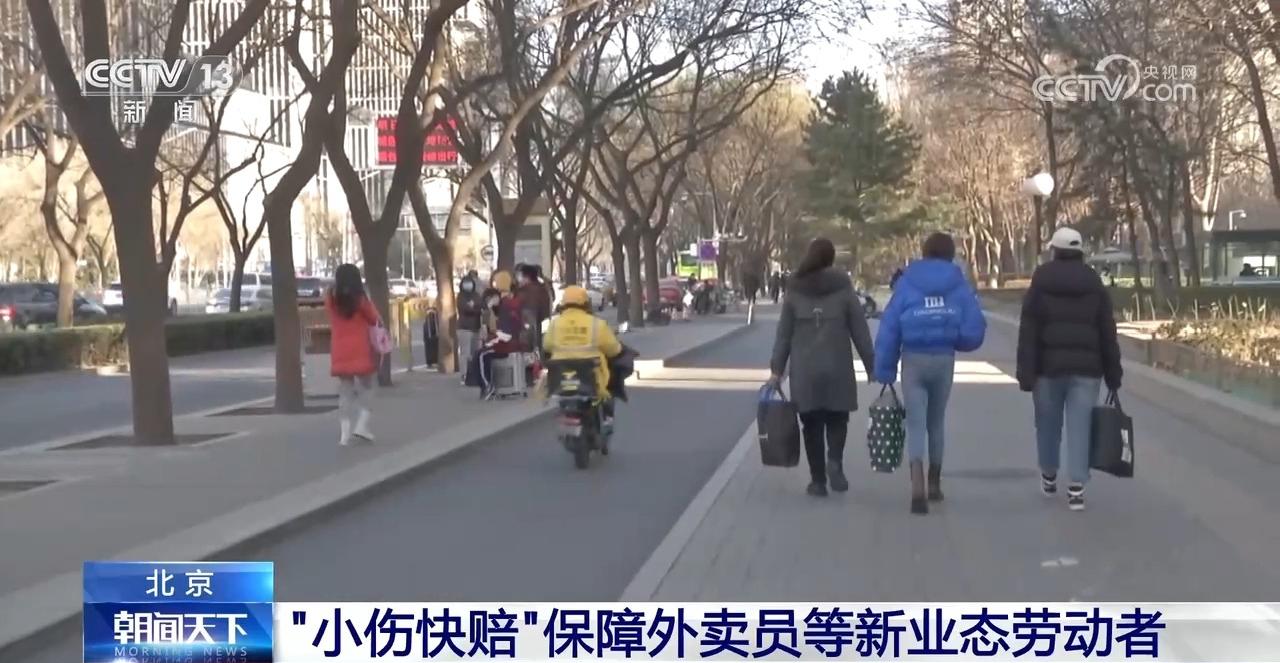
北京推动实施职业伤害保障制度 已覆盖21家平台企业,累计参保157万人
Ren Min Ri Bao· 2025-12-02 23:02
Core Insights - Beijing has implemented a work injury protection system since July 2022, covering high-risk industries such as transportation, food delivery, and local freight, with 21 platform companies participating and 1.57 million insured individuals [1] Group 1: Work Injury Protection System - The work injury protection system is designed to accommodate the characteristics of new employment forms, including flexibility and high mobility, using a pay-per-order insurance model funded by platform companies [1] - Workers injured during work can have their medical and rehabilitation expenses covered by the work injury insurance fund, and families of workers who die from work-related injuries receive compensation equivalent to work injury insurance benefits [1] Group 2: Impact and Statistics - Over the past three years, the city has confirmed 11,800 cases of work-related injuries and has provided relevant benefits to more than 7,700 workers [1] - The system employs a floating rate based on the accident rate of platform companies, encouraging them to prioritize work injury prevention through safety training and improved safety measures [1]
北京推动实施职业伤害保障制度
Ren Min Ri Bao· 2025-12-02 22:33
Group 1 - The core viewpoint of the article highlights the implementation of a professional injury insurance system in Beijing since July 2022, aimed at high-risk industries such as transportation, food delivery, and local freight [1] - The system has covered 21 platform enterprises and insured a total of 1.57 million individuals, adapting to the characteristics of new employment forms that are flexible and highly mobile [1] - The insurance model is based on a pay-per-order system, with platform companies bearing the costs, ensuring that workers injured during work can have their medical and rehabilitation expenses covered by the work injury insurance fund [1] Group 2 - Over the past three years, the city has confirmed a total of 11,800 cases of occupational injuries, with over 7,700 workers receiving related benefits [1] - The professional injury insurance system employs a floating rate based on the accident rate of platform companies, encouraging them to prioritize injury prevention through safety training and improved safety measures [1] - The initiative aims to reduce the incidence of accidents at the source by optimizing order mechanisms and enhancing safety protocols [1]
我国将建立健全职业伤害保障制度
Xin Hua Wang· 2025-11-27 06:50
Group 1 - The core viewpoint of the articles emphasizes the establishment of a comprehensive occupational injury protection system for new employment forms, which is a pressing need for workers in the gig economy [1][2] - As of September, over 22 million individuals have been included in the occupational injury protection pilot program, with 11 platform companies participating across 17 provinces [2] - By 2026, the pilot program for occupational injury protection for new employment forms will expand to all provinces in China, covering the delivery, instant logistics, and local freight industries [2] Group 2 - The new occupational injury protection system will not require a traditional labor relationship for participation, focusing instead on the order as the key element, with innovative methods such as daily insurance and order-based fees [1] - Experts suggest further optimization of the system design, enhancement of operational efficiency, and strengthening of technical support to ensure comprehensive protection for gig workers against various occupational injury risks [2]
聚焦“十五五”规划建议丨我国将建立健全职业伤害保障制度
Xin Hua She· 2025-11-27 02:32
Core Points - The proposal from the Central Committee emphasizes the establishment of a comprehensive occupational injury protection system for new employment forms, which is a pressing need for workers in the gig economy [1] - As of September, over 22 million individuals have been covered under the pilot program for occupational injury protection, with 11 platform companies participating across 17 provinces [1] - By 2026, the pilot program will expand to all provinces in China, including the transportation, instant delivery, and local freight industries, with plans to include other sectors by 2027 [2] Group 1 - Occupational injury protection is identified as a critical concern for new employment form workers, particularly for those in delivery roles who face risks while fulfilling platform orders [1] - The innovative insurance model focuses on daily coverage and order-based billing, which aligns with the flexible nature of gig work and aims to enhance the protection of workers' rights [1] - The pilot program's progress indicates a significant step towards ensuring occupational injury protection for a growing segment of the workforce, which now comprises 21% of the total workforce in China [1] Group 2 - Recommendations for optimizing the system design and enhancing operational efficiency have been made to ensure comprehensive protection for new employment form workers against various occupational injury risks [2] - The initiative reflects a broader trend of adapting social security systems to accommodate the evolving labor market shaped by the rise of platform economies [1][2]
“十四五”全省城镇新增就业超608万人
Da Zhong Ri Bao· 2025-11-27 01:09
Core Insights - The province has exceeded its "14th Five-Year Plan" employment target by creating 6.09 million new urban jobs, with a focus on high-quality employment and social security measures [2][4] - The basic pension insurance coverage rate has reached 96.1%, with significant participation in unemployment and work injury insurance programs [4] - A total of 18.16 billion yuan in one-time entrepreneurial subsidies and 97.87 billion yuan in entrepreneurial guarantee loans have been disbursed over the past five years [3][4] Employment and Social Security - The province's employment system prioritized job stability, achieving 6.09 million new urban jobs ahead of schedule, focusing on key groups such as college graduates and migrant workers [2][3] - The government has implemented various employment support measures, including subsidies, skill enhancement programs, and entrepreneurial support, with 472.9 million training sessions conducted [3][4] Insurance and Coverage - As of October 2023, the number of participants in basic pension insurance reached 80.18 million, with unemployment and work injury insurance participants at 16.81 million and 21.07 million, respectively [4] - The province has initiated a pilot program for occupational injury protection for new employment forms, covering 1.45 million individuals from various platforms [4] Labor Relations and Rights - The province has improved labor relations by enhancing wage standards and implementing measures to protect workers' rights, including a three-time increase in minimum wage standards during the "14th Five-Year Plan" period [5] - An electronic labor contract platform has been launched to strengthen labor rights protection and prevent disputes [5]
货拉拉六递招股书:规模神话下的变现困局
Sou Hu Cai Jing· 2025-10-31 10:50
Core Viewpoint - The latest prospectus update from Lalamove (the operating entity of Huolala) reveals a mixed performance, with impressive global growth metrics overshadowed by declining monetization rates in its core Chinese market, highlighting the challenges faced by platform-based logistics companies in balancing regulatory compliance and commercial interests [1][8]. Market Overview - The same-city freight market in China has reached a scale of 1.6 trillion yuan in 2024, growing by 8.5% year-on-year, and is expected to rise to 1.73 trillion yuan in 2025 [2]. - The growth is driven by structural factors such as the demand for "hourly delivery" from new retail, increased delivery density from community group buying, and the digital transformation of SMEs [2]. - The contribution from third- and fourth-tier cities is increasing, accounting for 39% of the market in 2024, up 2.3 percentage points from the previous year [2]. Competitive Landscape - Huolala holds a dominant position in the domestic market with a 63.1% market share, while competitors like Kuaigou and Manbang are also vying for market share through various strategies [4]. - The regulatory environment is evolving, with increased scrutiny on driver rights and commission transparency, pushing the industry towards more standardized development [4][22]. Business Expansion - Huolala has diversified its services beyond same-city freight, including moving, less-than-truckload transportation, and enterprise logistics solutions, with diversified logistics services accounting for 40.1% of revenue in the first half of 2025 [6][13]. - The company has expanded globally, entering markets in Southeast Asia and Latin America, with overseas revenue contributing 9.5% of total income [6][13]. Financial Performance - Huolala achieved adjusted profits of $2.72 billion in the first half of 2025, with expectations to exceed $5.4 billion for the full year, driven by cost control and the growth of high-margin enterprise services [7][8]. - The company has seen a significant reduction in operating expenses, with the operating expense ratio dropping from 57.8% in 2022 to 34.1% in 2024 [7]. Monetization Challenges - The monetization rate for Huolala's core domestic freight services has declined for three consecutive years, reaching 9.2% in the first half of 2025, which could limit future revenue growth [11][12]. - The decline is attributed to the company's proactive commission reduction policies, which have decreased revenue per transaction [12]. Strategic Focus - To address the declining monetization rate, Huolala is accelerating its business structure adjustment, focusing on diversified logistics services and overseas markets as new growth engines [12][13]. - The company plans to enhance its high-margin enterprise services and aims to increase their revenue share from 33% to 50% by 2027 [24]. Technological Innovation - Huolala emphasizes technological innovation as a core competitive advantage, with significant investments in R&D, particularly in smart logistics and AI-driven dispatch systems [16][25]. - The company aims to reduce driver idle time and improve operational efficiency through advanced algorithms and the adoption of new energy vehicles [16][25]. Conclusion - Huolala's journey towards IPO reflects the broader transition of platform economies in China, balancing growth with quality and regulatory compliance [26]. - The company's future success will depend on its ability to navigate the challenges of monetization, competition, and regulatory pressures while leveraging its technological and operational strengths [26].
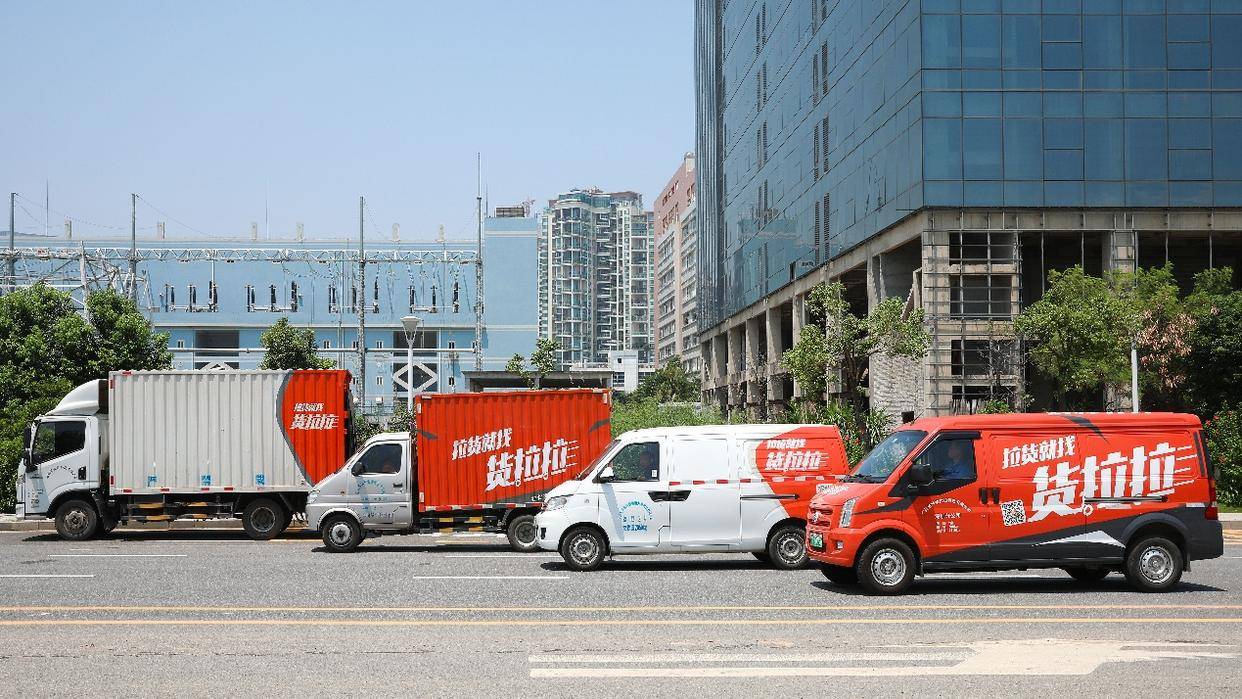
“三费”普降的货拉拉香港再递招股书
3 6 Ke· 2025-10-30 04:35
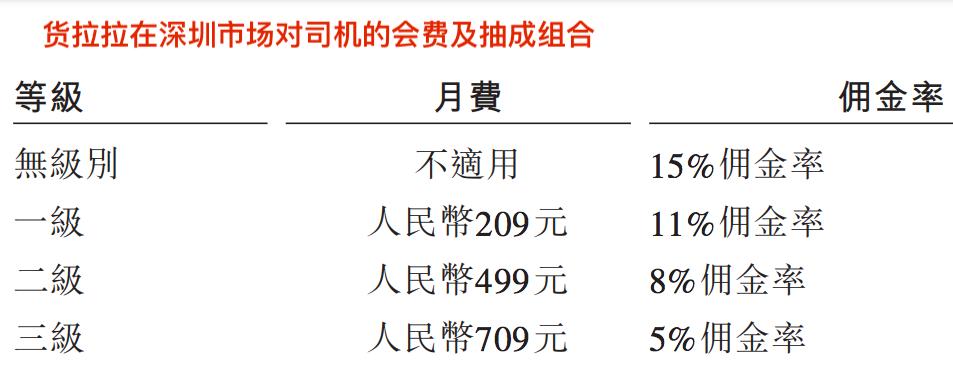
Core Viewpoint - Huolala has submitted its prospectus to the Hong Kong Stock Exchange again, indicating its urgency to complete the IPO process amidst a competitive landscape where rivals have already gone public [1][2]. Company Overview - Huolala operates as a light-asset platform similar to Didi in the ride-hailing sector, benefiting from high gross margins as it does not own the trucks or employ drivers directly [2][5]. - The company has a membership model for drivers, where higher membership levels correspond to lower commission rates, incentivizing experienced drivers to pay more for better terms [3][5]. Financial Performance - The revenue from driver fees and commissions constituted 54.7% of total revenue in 2022, decreasing to 44.9% by mid-2025, indicating a shift towards diversifying revenue streams [5][10]. - The total revenue for Huolala is projected to grow from $990.048 million in 2022 to $1.536903 billion in 2024, with significant contributions from various service categories [6][11]. Market Dynamics - The domestic market is characterized by a labor buyer's market, with a surplus of drivers, which supports the subscription model for revenue generation [10]. - Huolala's gross transaction value (GTV) in the domestic market is expected to rise from $6.208 billion in 2022 to $9.444 billion in 2024, reflecting growth in completed orders and service demand [11]. Cost Management - The company has successfully reduced its expense ratios across marketing, research and development, and administrative costs, which has improved profitability, with a projected net profit of $430 million in 2024 [13][15]. - The reduction in marketing expenses is attributed to decreased subsidies and a shift towards a more established market position, allowing for cost optimization [15]. International Expansion - Huolala is expanding its operations internationally, targeting Southeast Asia and Latin America, where it has a simplified revenue structure and higher monetization rates compared to the domestic market [8][12]. - The international market's revenue contribution is approaching 10% of total income, indicating a growing trend that enhances the company's narrative for capital markets [12]. Technological Integration - The company is exploring artificial intelligence applications for dynamic pricing and order matching, which could enhance operational efficiency and competitiveness in the logistics sector [12][16].
保障青年就业、骑手安全与养老钱:人社部详解“十四五”成果
2 1 Shi Ji Jing Ji Bao Dao· 2025-09-26 12:30
Employment and Social Security Achievements - The "14th Five-Year Plan" has achieved significant results in employment and social security, with urban new employment reaching 59.21 million by the end of August, exceeding the target of 55 million [1][3] - The unemployment rate for urban youth aged 16-24 was reported at 18.9% in August, reflecting a slight increase from the previous year [1][3] New Employment Forms and Rights Protection - The rise of new employment forms, such as delivery workers and ride-hailing drivers, has led to increased focus on their rights, particularly regarding occupational injury protection [4][5] - Pilot programs for occupational injury protection have been initiated in seven provinces, expanding to 17 provinces, covering various industries [5] Skills Training Initiatives - A large-scale vocational skills training initiative aims to train 30 million people over three years, addressing the skills mismatch in the labor market [2][3] - Specific training programs are being implemented for different groups, including enterprise employees, migrant workers, and recent graduates [3] Pension System Enhancements - The social security system has been strengthened, with the number of basic pension insurance participants reaching 1.072 billion, an increase of over 73 million since the end of the "13th Five-Year Plan" [6] - The second pillar of pension insurance, enterprise annuities, has grown to 7.56 trillion yuan, with significant investment returns reported [7] Social Security Fund Management - The total scale of the three social insurance funds reached 69.27 trillion yuan during the "14th Five-Year Plan," with a cumulative surplus of 9.81 trillion yuan [7] - The national social security fund has grown to 3.22 trillion yuan, with a consistent annual investment return of 7.55% since its establishment [8]