婚庆

Search documents
常熟首张个体户“一照多址”营业执照发出
Su Zhou Ri Bao· 2025-12-21 22:48
Core Viewpoint - The introduction of the "one license, multiple addresses" policy for individual businesses in Changshu significantly simplifies the process of opening multiple locations, reducing administrative burdens and supporting entrepreneurship [1] Group 1: Policy Implementation - The first "one license, multiple addresses" business license was issued in Meili Town, benefiting the owner of a wedding service store, who expressed satisfaction with the streamlined process [1] - The policy was enacted on July 15, under the new "Individual Business Registration Management Regulations," allowing individual businesses to register multiple physical locations within the jurisdiction of their registration authority [1] Group 2: Benefits of the New Policy - The new regulation eliminates the traditional "one address, one license" restriction, simplifying the application process and saving time for entrepreneurs [1] - It effectively lowers the entrepreneurial threshold and operational burdens for individual businesses, providing strong support for flexible employment and business expansion [1]
婚庆消费品质升级
Sou Hu Cai Jing· 2025-12-08 07:35
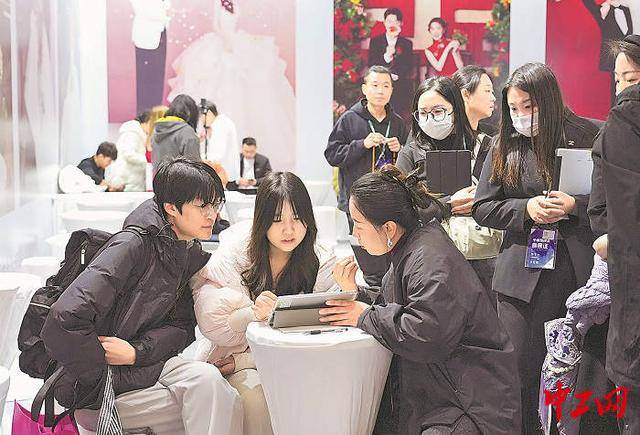
本报记者 王伟伟 实习生 董鲁豫 摄 12月7日,2025冬季北京婚博会现场,工作人员正在介绍相关产品。据了解,本次展会构建了覆盖婚礼 筹备全场景的服务体系,实现了"一站备齐"的筹备模式。 2025年是农历"双春年",展会精准契合了市场需求,通过集中展示、优惠联动,推动婚庆消费品质升 级,为年终消费市场注入活力。 来源:工人日报 ...

婚假“加时”激活婚恋经济
Ren Min Ri Bao· 2025-11-25 22:54
在酒店举办婚宴、请婚庆公司组织婚礼、购买婚纱摄影服务、投入一场蜜月旅行……"婚恋经济"涉及众 多行业,一对新婚夫妇可能带动餐饮、服装、住宿、旅游等多项消费。 婚假是上述消费活动的基础。婚假的延长,有望为婚恋经济带来更多活力。近年有不少地方延长婚假, 在鼓励适龄婚育,拉动新婚人群消费方面发挥了一定作用。据不完全统计,全国已有超20个省份延长婚 假。 从延长幅度上,山西省、甘肃省婚假"加时"最长,新人可享受30天婚假。去年底,浙江省婚假延长至13 天,且国家法定休假日和休息日不计入假期。今年初,山东省明确,依法登记结婚最高可享受18天婚 假。湖南省近日提出,鼓励用人单位在国家规定婚假的基础上,将职工的婚假延长至20天。 "20天的婚假,意味着筹办婚礼之余,增加了更多时间用于新婚旅行、拜访夫妻双方亲人。"29岁的湖南 省长沙市民唐昊计划明年春节假期结婚,并已安排好之后的海南蜜月之旅。 婚假延长、结婚登记便利化水平提升,一定程度上提高了适婚人群的结婚热情。民政部近日公布的数据 显示:今年前三季度,结婚登记数量为515.2万对,与去年同期相比,增加40.5万对。 如何使婚假延长的消费潜力充分释放?聚焦"婚恋经济"和新婚 ...
中国进入低欲望时代,没人愿意花钱了?5条赛道正闷声发大财!
Sou Hu Cai Jing· 2025-11-24 15:45
Group 1: Marriage and Family Trends - The number of marriage registrations in 2024 is 6.106 million pairs, a decrease of 1.574 million pairs or 20.5% from the previous year, marking the lowest level since 1980 [2] - The marriage rate has dropped to 4.3‰, with over 240 million single adults, indicating a trend of young people delaying marriage due to economic pressures and high living costs [2][5] - The demand for wedding-related services has decreased significantly, with wedding orders down by 40% compared to five years ago, leading to the closure of many wedding-related businesses [2] Group 2: Consumer Spending and Economic Sentiment - Overall consumer spending is declining, with the 618 shopping festival experiencing its first negative growth, and a significant drop in the consumption confidence index to 88.5 points, the lowest in ten years [4][5] - 62% of individuals aged 25 to 35 are only purchasing necessities, with discretionary spending dropping from 28% to 19% [4] - The average monthly savings rate is 35%, and there is a notable decrease in the use of credit card installments by 10% [4] Group 3: Emerging Consumption Trends - Five new consumption sectors are thriving despite the overall decline in traditional consumption: pet economy (300.2 billion), outdoor sports (over 400 billion), aromatherapy (12 billion), health and wellness (80 billion), and emotional economy (1200 billion) [9][11][13] - The pet economy is growing at 7.5%, with 80 million pet-owning households, while the outdoor sports sector has seen a rise in new participants, reaching 520 million [9][11] - The emotional economy, driven by trends in collectibles and toys, is projected to grow significantly, with blind box sales expected to reach 58 billion by 2025 [13][15] Group 4: Market Dynamics and Future Outlook - The shift in consumer spending from traditional family-oriented purchases to individual experiences is evident, with a focus on emotional and experiential value [7][15] - The total market size of the five emerging sectors exceeds one trillion, indicating a robust potential for growth in these areas [15][17] - The trend of low desire for traditional consumption is not indicative of a lack of spending power but rather a shift towards more meaningful and emotionally resonant purchases [17]

章丘吕家村:不只有铁锅,还有诗和远方
Jing Ji Guan Cha Wang· 2025-10-14 13:16
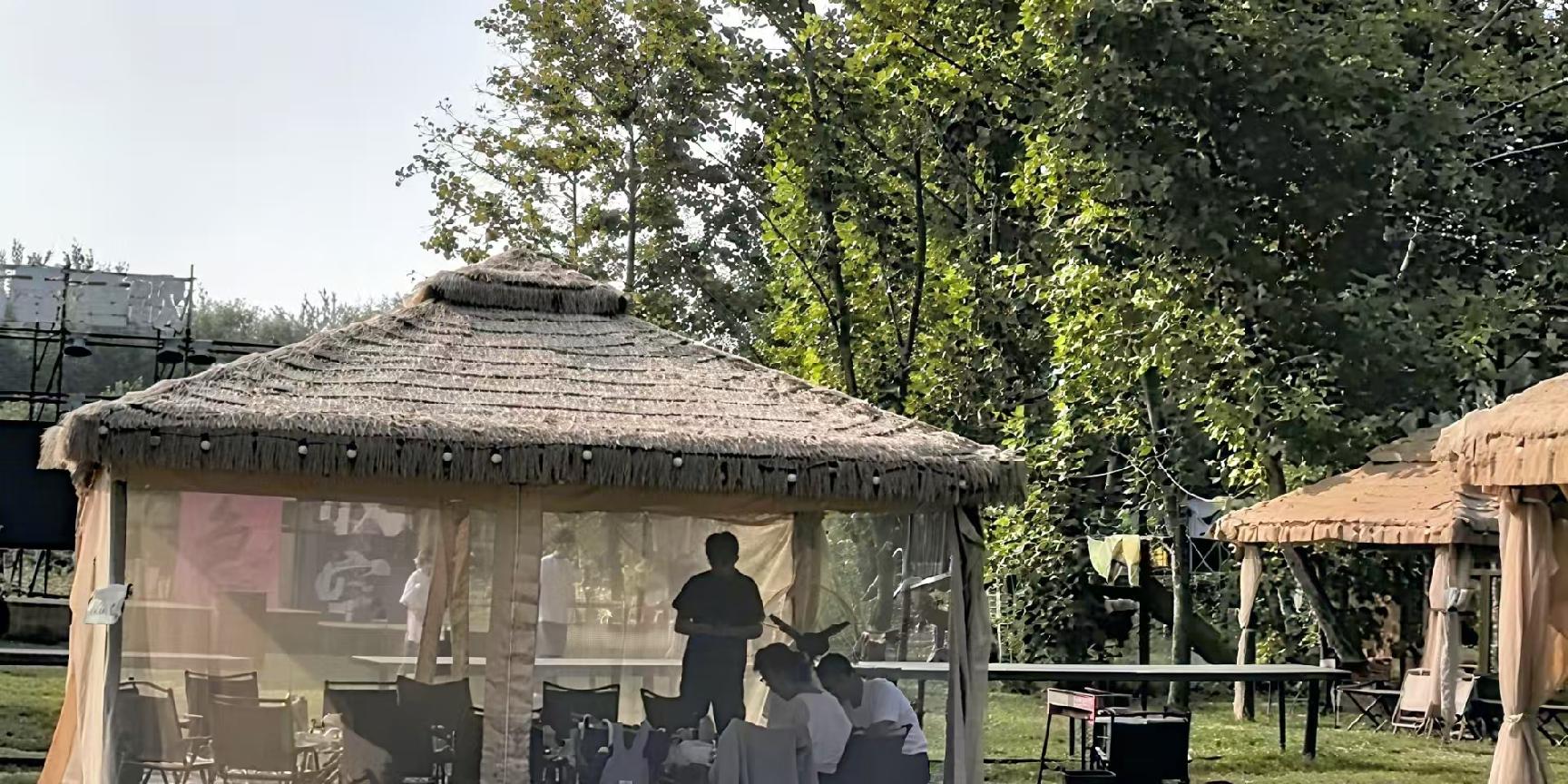
Core Insights - The transformation of Lujia Village from a traditional industrial base to a diversified economy focusing on wedding and tourism services is highlighted, showcasing a successful shift from reliance on high-pollution industries to sustainable, high-value sectors [5][6][10] Group 1: Economic Transformation - Lujia Village has shifted from a predominantly industrial economy (55% industrial, 40% agricultural, 5% service) to a more balanced structure with 70%-75% industrial focus on high-end manufacturing, 15%-20% in service sectors like wedding and tourism, and 5%-10% in agriculture [5] - The village has developed a wedding industry that includes five banquet hotels with 12 themed halls, accommodating nearly 400 wedding events annually, indicating a robust demand for wedding services [4][6] Group 2: Tourism and Recreational Development - The establishment of the Daoxiang Yuge Camping Base has attracted a stable customer base, with 60% of visitors being individual tourists and 40% group events, demonstrating the growing popularity of outdoor recreational activities [2][6] - The village is enhancing its tourism offerings by integrating outdoor weddings and camping experiences, aiming to create a comprehensive tourism package that appeals to families and young people [10] Group 3: Community and Employment Impact - The shift in industry has led to significant employment opportunities for local residents, with many villagers now working in the wedding and tourism sectors, reducing the need for out-migration for work [8][9] - The village's collective income has increased, allowing for improved social welfare programs, such as free medical care for seniors and monthly subsidies for elderly residents [9] Group 4: Future Development Plans - Future plans include the development of the Xiujing Fengqing Garden, with an investment of 150-200 million yuan, aimed at enhancing the village's appeal to tourists and promoting a slower, more immersive rural experience [10]
章丘吕家村:不只有铁锅,还有诗和远方 | 乡村新图景
Jing Ji Guan Cha Wang· 2025-10-14 13:05
Core Insights - The article highlights the transformation of Lujia Village in Jinan's Zhangqiu District from a traditional industrial base to a diversified economy focused on wedding and tourism services, leveraging its agricultural foundation and proximity to historical sites [2][10]. Group 1: Economic Transformation - Lujia Village has shifted from high-energy industries like mold manufacturing and lime production, which constituted 55% of its economy, to high-end manufacturing and service sectors, with industrial enterprises now making up 70%-75% of the local economy [10]. - The village has developed a "celebration + cultural tourism" model, with wedding services and camping becoming significant economic drivers, contributing to a more balanced economic structure [10][12]. Group 2: Wedding and Tourism Services - The "Xiangfu Wedding Creative Center" offers comprehensive wedding planning services, including venue design and decoration, catering to the growing demand for affordable and diverse wedding options [4][7]. - The "Daoxiang Yuge Camping Base" has become a popular destination, attracting a mix of individual and group visitors, with a ticket price of 39.9 yuan per person, and offering various activities such as outdoor barbecues and movie nights [3][6]. Group 3: Community and Employment Impact - The transformation has led to a significant reduction in the outflow of young workers, with many now employed in local industries and services, creating a "home-based employment" cycle [12][13]. - The village's collective income has increased, allowing for improved welfare benefits for residents, including medical care for the elderly and financial subsidies [13]. Group 4: Future Development Plans - Future initiatives include enhancing the synergy between outdoor weddings, camping, and agricultural experiences, with plans to introduce wedding packages and improve job opportunities to attract returning young residents [12][14]. - A new investment of 150-200 million yuan is expected to develop the "Xiujiang Fengqing Garden," aimed at enhancing tourism and providing a more leisurely experience for visitors [14].
目的地婚礼火了!这两地预订“火爆”
新华网财经· 2025-10-11 02:54
Core Viewpoint - The rise of destination weddings in Yunnan is significantly contributing to the region's "romantic economy," driven by unique natural resources and cultural diversity [4][5]. Group 1: Market Trends - During the National Day and Mid-Autumn Festival holiday, numerous destination weddings were held in Dali and Lijiang, showcasing the integration of travel and ceremony, which enhances the overall experience [4]. - The popularity of destination weddings reflects a shift in young people's wedding preferences towards personalized and lightweight ceremonies, with many couples opting for combined wedding and travel experiences [5][6]. Group 2: Economic Impact - The destination wedding trend is boosting local economies, with Dali expected to host over 5,000 destination weddings in 2024, generating an industry output value of nearly 1.8 billion yuan [6]. - The wedding industry in Dali has over 100 established wedding service providers, which in turn supports hundreds of related businesses, including photography and accommodation services [6]. Group 3: Industry Innovation - The demand for destination weddings has led to innovations in the industry, such as a significant increase in makeup service orders, which rose from 200 to nearly 1,000 annually, enhancing local talent development [5][6]. - Yunnan is positioning itself as a premier destination for travel weddings, aiming to transition from one-time sightseeing consumption to a more integrated emotional consumption model [6].

目的地婚礼受追捧,云南“浪漫经济”升温
Xin Hua She· 2025-10-10 02:56
Core Insights - The rise of destination weddings in Yunnan, particularly in Dali and Lijiang, is driven by the combination of beautiful landscapes and diverse cultures, enhancing the "romantic economy" in the region [1][2] Group 1: Market Trends - Destination weddings are becoming a fashionable choice, with high demand leading to fully booked venues and wedding companies halting new orders during peak seasons [1] - Young couples are increasingly favoring personalized and experiential weddings, often combining the ceremony with travel, as seen in the case of a couple from Shanxi who held their wedding at an altitude of 3200 meters [1][2] Group 2: Industry Development - Yunnan's unique resources and collaborative industry efforts are crucial for the growth of the destination wedding market, with over 30 different wedding products developed in Dali alone [2] - The local wedding industry has seen significant growth, with Dali expected to host over 5000 destination weddings in 2024, generating an industry output value of nearly 1.8 billion yuan [3] Group 3: Economic Impact - The destination wedding trend not only attracts tourists but also stimulates growth in related industries, including photography, accommodation, and local cultural experiences [3] - The shift towards destination weddings reflects a broader change in consumer behavior, moving from traditional wedding practices to more innovative and experiential offerings [2][3]
北上广不相信婚姻,但县城年轻人“结疯了”
Hu Xiu· 2025-10-09 09:09
Group 1 - The article highlights a significant increase in wedding ceremonies in Wenzhou during the National Day holiday, contrasting with the declining marriage registration rates across China [2][5][6] - The wedding industry in Wenzhou is thriving, with high demand for wedding hosts and related services, reflecting the local culture's emphasis on elaborate celebrations [7][9][10] - The average cost of weddings in Wenzhou is notably high, with expenses ranging from 400,000 to 500,000 yuan, and some families spending over 1 million yuan [11][12][13] Group 2 - The article discusses the cultural significance of weddings in Wenzhou, where they serve as a display of family wealth and social status, particularly among business families [7][15][21] - There is a clear distinction between weddings of ordinary families and those of affluent families, with the latter focusing more on social networking and family legacy rather than romantic love [15][21][25] - The wedding market in Wenzhou is characterized by high service fees for wedding hosts, with prices starting at 4,500 yuan, which is considered expensive compared to other regions [9][10][11] Group 3 - The article notes a shift in wedding planning, with more couples opting for wedding halls instead of traditional wedding companies, leading to a more cost-effective approach to wedding arrangements [33][34] - The rise of wedding halls reflects changing consumer preferences, as they offer themed decorations at lower costs compared to custom wedding planning [34][35] - Despite the high costs associated with weddings, there is a growing trend towards more rational spending in the wedding industry, influenced by social media and online platforms [33][36]
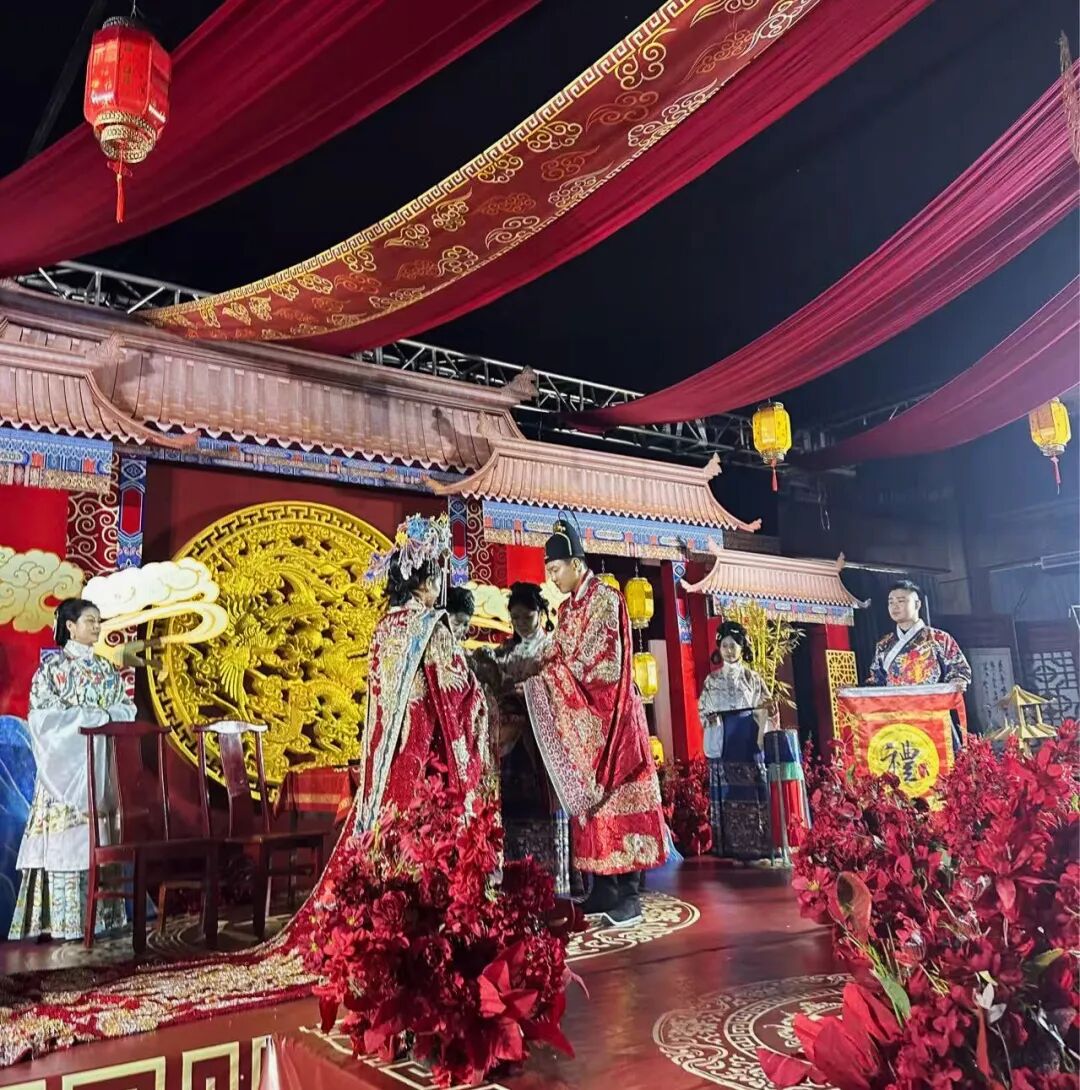
实探一场中式婚礼,“甜蜜经济”走向多元化
Zhong Guo Zheng Quan Bao· 2025-10-06 11:42
Core Insights - The article highlights the growing trend of personalized and culturally rich wedding ceremonies among young couples, particularly in the context of traditional Chinese weddings [1][3][6]. Group 1: Wedding Trends - There is an increasing preference for traditional Chinese weddings among young people, as they seek a blend of cultural significance and modern elements [3][6]. - The wedding planning process is becoming more individualized, with couples opting for customized experiences that reflect their personal tastes and family involvement [5][6]. Group 2: Market Dynamics - The wedding industry is witnessing a shift towards personalization and diversity, moving away from standardized wedding formats to more unique and tailored services [7]. - The rise of "cloud wedding planning" indicates that young couples are utilizing social media and online platforms to gather information and share experiences, enhancing the overall wedding planning process [7]. Group 3: Economic Implications - The concept of "sweet economy" is evolving, incorporating various elements such as traditional attire, folk performances, and photography, thus enriching the wedding-related industries [7][8]. - Destination weddings are gaining popularity, combining wedding ceremonies with travel experiences, particularly in scenic locations across China [7][8]. Group 4: Industry Innovation - Wedding companies are innovating their business models by integrating cultural elements and offering customized services to create distinctive wedding experiences [8]. - There is a push for collaboration between the wedding industry and local cultural resources to enhance competitiveness and create unique products and services [8].