
数码和智能产品

Search documents
新华财经早报:2月4日
Xin Hua Cai Jing· 2026-02-04 02:18
Group 1 - The Central Document No. 1 for 2026 emphasizes the importance of agricultural modernization and rural revitalization as a key strategy for China's modernization, aiming to enhance agricultural productivity and improve living conditions for farmers [1] - In January 2026, A-share new accounts reached 4.9158 million, a year-on-year increase of 213% compared to January 2025, indicating a significant rise in retail investor participation [1] - The Ministry of Industry and Information Technology, along with eight other departments, released guidelines for the safe export of automotive data, aiming to facilitate efficient and secure cross-border data flow in the automotive sector [1] Group 2 - Recent rumors regarding potential increases in VAT rates for the gaming and financial sectors have been deemed unfounded by experts, indicating stability in tax policies for these industries [1] - The People's Bank of China announced a reverse repurchase operation of 800 billion yuan, indicating a strategy to manage liquidity in the financial system [1] - The National Development and Reform Commission reported an increase in domestic gasoline and diesel prices by 205 yuan and 195 yuan per ton, respectively, reflecting fluctuations in international oil prices [1] Group 3 - The Ministry of Commerce plans to optimize the implementation of appliance recycling and subsidy policies, with sales of six categories of home appliances and four categories of digital products exceeding 15 million units and nearly 59 billion yuan in sales in January [1] - The Shanghai Gold Exchange and other trading platforms have implemented risk control measures, including adjustments to margin levels and trading limits for various commodities, indicating a proactive approach to market volatility [2] - The announcement of significant investments by companies such as Fulin Precision and Wangneng Environment in new projects highlights ongoing growth and expansion in the manufacturing and environmental sectors [4]

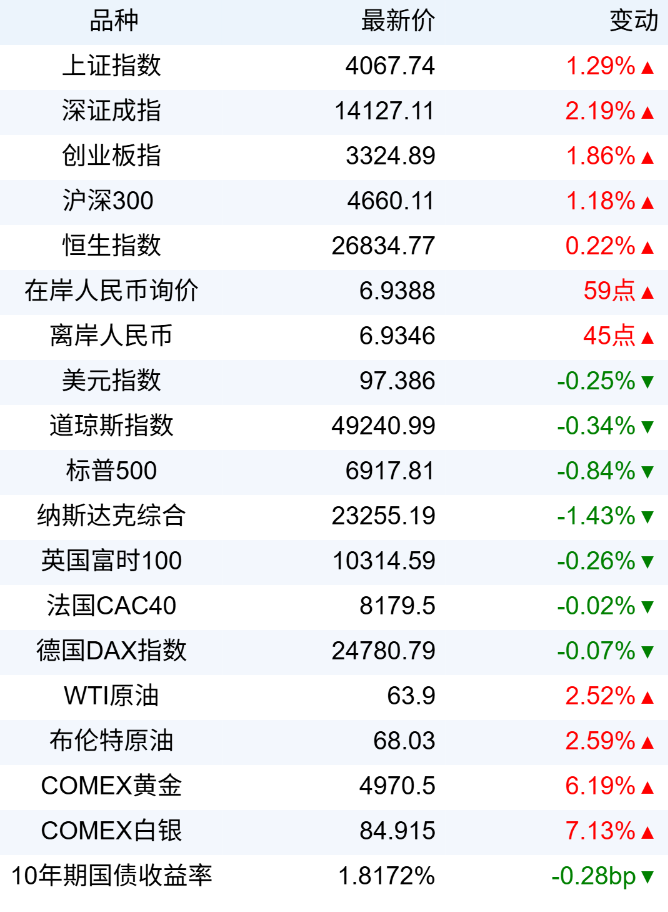
全国家电、数码和智能产品补贴超1500万台
Xin Lang Cai Jing· 2026-02-03 22:55
Group 1 - The new subsidy policy for replacing old home appliances and purchasing new digital and smart products has led to significant sales, with over 15 million units sold and nearly 59 billion yuan in sales revenue in January [1] - The sales breakdown shows that 6 categories of home appliances accounted for 6.81 million units sold, generating 29.71 billion yuan, while 4 categories of digital and smart products saw 9.12 million units sold, contributing 29.21 billion yuan [1] - The offline retail sector has experienced a strong performance, with nearly 80% of sales coming from the replacement and new purchase programs, reflecting a year-on-year growth of approximately 20% [1] Group 2 - The subsidy policy has favored green and smart products, with the standard for subsidies raised to first-level energy efficiency, resulting in significant growth in high-performance appliances [1] - Online sales of first-level energy efficiency water heaters and televisions increased by 35.7% and 28.9% year-on-year, respectively, while mid-to-high-end smartphone models accounted for over 70% of sales [1] - Smart glasses were included in the subsidy program for the first time, achieving sales of 7.197 million yuan [1] Group 3 - The Ministry of Commerce plans to continue supporting the implementation of the subsidy policies, focusing on enhancing offline retail support and promoting the replacement of old products with new ones [2]
“新国补”落地首月全国家电、数码 和智能产品补贴超1500万台
Xin Lang Cai Jing· 2026-02-03 19:46
Core Insights - The implementation of the appliance trade-in and digital product subsidy policy has shown positive effects, with significant sales figures reported in January 2023 [1] Group 1: Sales Performance - In January, sales of six categories of home appliances and four categories of digital and smart products exceeded 15 million units, generating nearly 59 billion yuan in sales [1] - The trade-in program for home appliances resulted in 6.813 million units sold, driving sales of 29.71 billion yuan, while the purchase of new digital and smart products reached 9.115 million units, contributing 29.21 billion yuan in sales [1] - Offline sales from the trade-in program and new purchases accounted for nearly 80% of total sales, showing a year-on-year growth of approximately 20% [1] Group 2: Consumer Trends - The trade-in program has led to increased foot traffic and sales in physical retail stores, positively impacting cross-scenario consumption in leisure, transportation, and specialty dining [1] - There is a growing preference for green and smart products, with the subsidy standards for the trade-in program raised to first-level energy efficiency, resulting in rapid growth in high-performance appliances [1] - Online sales of first-level energy-efficient water heaters and televisions increased by 35.7% and 28.9% year-on-year, respectively, while mid-to-high-end smartphone models accounted for over 70% of sales [1] - Smart glasses were included in the subsidy program for the first time, achieving sales of 7.197 million yuan [1] Group 3: Future Initiatives - The Ministry of Commerce plans to continue supporting the implementation of the trade-in and subsidy policies, focusing on enhancing offline retail support and promoting the introduction of new products and production capabilities [2]
“新国补”落地首月全国家电、数码和智能产品补贴超1500万台
Sou Hu Cai Jing· 2026-02-03 12:37
Core Insights - The implementation of the appliance trade-in and digital product subsidy policy has shown positive effects, with sales of 6 categories of home appliances and 4 categories of digital and smart products exceeding 15 million units and generating nearly 59 billion yuan in sales in January [1] Group 1: Sales Performance - In January, 6.813 million home appliances were traded in, driving sales of 29.71 billion yuan, while 9.115 million digital and smart products were purchased, leading to sales of 29.21 billion yuan [1] - Offline sales of home appliances and digital products accounted for nearly 80% of total sales, with a year-on-year growth of approximately 20% [1] Group 2: Consumer Trends - The trade-in program has attracted consumers to offline retail, enhancing foot traffic and boosting sales in various sectors such as leisure, transportation, and specialty dining [1] - There is a growing preference for green and smart products, with the subsidy standard for home appliances upgraded to first-level energy efficiency, resulting in significant growth in high-performance appliances [1] Group 3: Product Specifics - Online sales of first-level energy-efficient water heaters and televisions increased by 35.7% and 28.9% year-on-year, respectively [1] - Mid-to-high-end smartphone models accounted for over 70% of sales, and smart glasses were included in the subsidy program for the first time, achieving sales of 7.197 million yuan [1] Group 4: Future Initiatives - The Ministry of Commerce plans to continue supporting the implementation of the trade-in and subsidy policies, focusing on enhancing offline retail support and promoting the replacement of old products with new ones [2]
家电及数码和智能产品补贴政策全面落地,1月补贴超1500万台
Xin Lang Cai Jing· 2026-02-03 12:35
Group 1 - The Ministry of Commerce is implementing policies to promote the replacement of old home appliances and the purchase of new digital and smart products, with effects gradually becoming evident [1][2] - In January, sales of six categories of home appliances and four categories of digital and smart products exceeded 15 million units, generating nearly 59 billion yuan in sales [1] - The old-for-new appliance program saw 6.813 million units replaced, driving sales of 29.71 billion yuan, while 9.115 million new digital and smart products were purchased, generating 29.21 billion yuan in sales [1] Group 2 - The subsidy standards for the old-for-new appliance program have been raised to first-level energy efficiency, leading to significant growth in high-performance appliances, with online sales of first-level energy-efficient water heaters and televisions increasing by 35.7% and 28.9% year-on-year, respectively [2] - Mid-to-high-end smartphone models now account for over 70% of sales, and smart glasses have been included in the subsidy program for the first time, achieving sales of 7.197 million yuan [2] - The Ministry of Commerce will continue to support the implementation of the old-for-new and new purchase subsidy policies, focusing on enhancing support for offline retail and promoting the replacement of old products with new ones [2]
家电及数码和智能产品补贴政策全面落地 1月补贴超1500万台
Jing Ji Guan Cha Wang· 2026-02-03 12:21
Group 1 - The core viewpoint of the article highlights the implementation of the appliance trade-in and digital product subsidy policies, which are showing positive effects on sales and supporting offline retail development [1] - In January, sales of six categories of home appliances and four categories of digital and smart products exceeded 15 million units, generating nearly 59 billion yuan in sales [1] - The appliance trade-in program saw 6.813 million units exchanged, driving sales of 29.71 billion yuan, while 9.115 million digital and smart products were purchased, leading to sales of 29.21 billion yuan [1] Group 2 - The offline sales of the trade-in and new purchase programs accounted for nearly 80% of total sales in January, reflecting a year-on-year growth of approximately 20% [1] - The subsidy standards for energy-efficient appliances have been raised, resulting in significant sales growth for high-performance products, with online sales of energy-efficient water heaters and televisions increasing by 35.7% and 28.9% respectively [1] - The Ministry of Commerce plans to continue supporting the implementation of these policies, focusing on enhancing offline retail support and promoting new products and production capabilities [2]
多地推出2026年消费品以旧换新新举措
Zheng Quan Ri Bao· 2026-02-02 16:24
Core Viewpoint - The implementation of the "old-for-new" policy for consumer goods in Shanghai and other regions is a proactive response to top-level design, aimed at expanding consumption and improving the quality of life for citizens [1][2][3] Group 1: Policy Implementation - Shanghai's Development and Reform Commission and Finance Bureau have jointly issued guidelines for the "old-for-new" policy, with similar initiatives launched in multiple regions including Beijing and Chongqing [1] - The policy aims to support the growth of quality supply and enhance living standards through a structured approach to consumer goods replacement [1][3] Group 2: Key Highlights of Local Policies - Local departments emphasize a combination of uniformity and specificity in their policies, allowing for tailored implementation based on regional characteristics [2] - New policies focus on providing subsidies for digital and smart products, including smartphones, tablets, and smart home devices, which are seen as new growth points in consumption [2] - Requirements for participating enterprises include resisting arbitrage behaviors and maintaining a strong complaint handling capability, ensuring effective policy implementation [2] Group 3: Future Outlook - The Ministry of Finance reports that in 2025, sales related to the "old-for-new" policy exceeded 2.6 trillion yuan, benefiting over 360 million people [3] - Experts anticipate that more detailed policies will be introduced at both central and local levels, leading to further advancements in the "old-for-new" initiative by 2026 [3]
从一个家电卖场看国补新账(财经深一度)
Ren Min Ri Bao· 2026-02-02 13:31
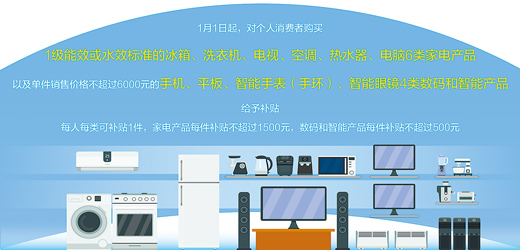
Core Viewpoint - The new national subsidy policy for 2026 aims to stimulate consumer spending by focusing on energy-efficient and smart products, with a more targeted approach to financial resources [3][15]. Group 1: Policy Changes - The 2026 subsidy policy narrows its focus from 12 categories in 2025 to 6 key categories: televisions, refrigerators, water heaters, computers, washing machines, and air conditioners [3]. - The subsidy standard has been reduced from 20% to 15%, and the maximum subsidy per household appliance has decreased from 2000 yuan to 1500 yuan, emphasizing the efficient use of fiscal funds [3][15]. - New products like smart glasses have been included in the subsidy list, reflecting the government's responsiveness to emerging consumer demands [3]. Group 2: Implementation and Market Response - The Chongqing Municipal Commerce Committee quickly implemented the subsidy policy, with a well-prepared execution plan ready within hours of the official announcement [6]. - The initial response from consumers was strong, with a significant increase in foot traffic at stores like JD MALL, doubling the number of visitors [8]. - However, there were issues with the redemption rate of subsidy coupons, leading to a policy adjustment to allow for daily coupon claims instead of weekly [9][10]. Group 3: Financial Support and Consumer Behavior - Financial institutions have been proactive in addressing the cash flow pressures faced by retailers, introducing products like "National Subsidy Loans" to support businesses [12]. - The average transaction value at stores has increased by over 40% compared to 2024, indicating that consumers are opting for higher-quality products rather than just cheaper options [15]. - The new policy is seen as a driver for consumption upgrades, with a notable increase in sales of energy-efficient and smart products, reflecting a shift in consumer preferences towards quality [14][15]. Group 4: Future Outlook - The 2026 subsidy policy is expected to foster a more advanced, intelligent, and green domestic market, aligning with national goals for sustainable consumption [16].
向上2026:一月经济观察 聚新动能向未来
Xin Hua Wang· 2026-02-01 03:59
Economic Development - The "14th Five-Year Plan" aims to expand domestic demand, stabilize investment, reduce costs, promote innovation, and maintain foreign investment, driving high-quality economic development [1] Consumer Market - A new round of "national subsidies" for replacing old consumer goods has been officially implemented, enhancing the consumption market and improving the quality of life for citizens [2][4] - Various regions are hosting promotional activities to ensure the timely implementation of policy benefits, aiming for a strong start in the consumption market [4] Foreign Trade - The establishment of a robust trade connectivity framework is set to support stable growth and quality improvement in foreign trade throughout the year, showcasing China's resilience and openness [5] Infrastructure Development - Major engineering projects across the country are advancing rapidly, focusing on high-quality development goals to strengthen the foundation for economic growth [10] - Significant progress has been made in key infrastructure projects, such as the completion of the longest tunnel in the Lanzhou to Hezuo railway [12] and the opening of the Jiangxi Zhangshu to Ji'an expressway expansion project [14] Technological Innovation - New technological achievements are emerging, laying a solid foundation for cultivating new productive forces [17] - The successful long-duration test of a 240-ton reusable rocket engine by China Aerospace Science and Technology Corporation marks a significant advancement in commercial space technology [19] Manufacturing Sector - Enterprises are ramping up production and fulfilling orders, leveraging self-developed technologies to enhance product competitiveness, striving for a strong start in the new year [20] Tourism Industry - The ice and snow tourism sector is continuously innovating, unlocking new experiences and generating strong demand from "cold resources" [25]
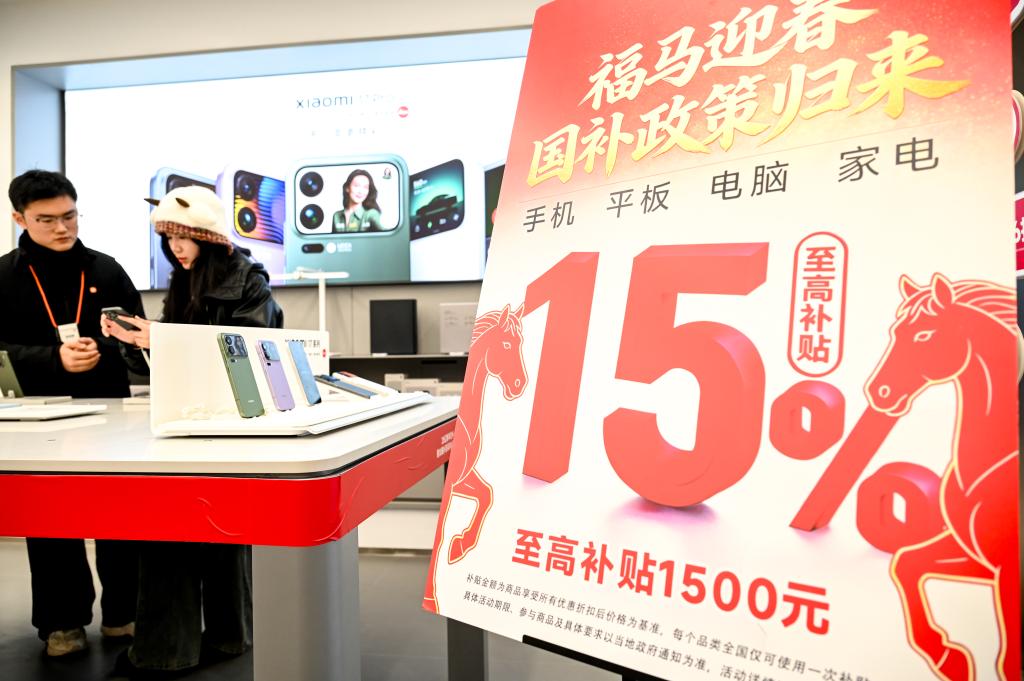
今年将优化实施消费品以旧换新,促进大宗耐用商品消费
Xin Lang Cai Jing· 2026-01-26 21:05
Core Viewpoint - The Chinese government is set to implement various measures in 2026 to boost consumption, support foreign trade innovation, and expand bilateral investment opportunities. Group 1: Foreign Trade Innovation - The establishment of a negative list management system for cross-border service trade and the construction of a national service trade innovation development demonstration zone will be prioritized [1][6] - A national digital trade demonstration zone will be initiated, along with the formulation of relevant standards for digital trade to promote the digital transformation of service outsourcing [1][6] Group 2: Consumption Promotion - The optimization of the old-for-new consumption policy will be implemented to stimulate the consumption of durable goods such as automobiles, home appliances, and digital products [2][5] - Pilot reforms in automotive circulation consumption will be conducted to further unleash the potential of automobile consumption [2][5] - The service consumption quality improvement initiative will continue, focusing on enhancing the supply levels in cultural entertainment, tourism, and healthcare sectors [2][5] Group 3: Investment Expansion - The government plans to gradually open up sectors such as telecommunications, healthcare, and education to foreign investment [7] - A national-level overseas comprehensive service platform will be established to support foreign investors and facilitate their participation in various economic activities [8] Group 4: International Trade Cooperation - The government aims to sign free trade agreements with more willing countries and establish trade facilitation working groups to enhance international economic cooperation [6][7] - The focus will be on expanding self-trade cooperation with countries in the Gulf Cooperation Council, Switzerland, South Korea, and others [7]