
文化遗产保护

Search documents
400年“西天梵境”将恢复全貌
Xin Lang Cai Jing· 2026-01-22 06:51
Core Points - The signing of the transfer agreement for the Liuli Pavilion courtyard marks the return of this historical site to Beihai Park after over 70 years, restoring the complete appearance of the "Western Paradise" which has a history of over 400 years [1][2] - The Liuli Pavilion courtyard, built in 1759 during the Qianlong era, is a key part of the architectural complex in Beihai Park, showcasing exemplary mid-Qing royal garden architecture [1] - The pavilion features 1,424 glazed figures of the Infinite Life Buddha, making it a rare example of Qing dynasty official glazed architecture, and the Seven Buddha Pagoda Pavilion contains inscriptions that highlight ancient Chinese architectural skills [1] Industry and Policy Context - The transfer of the Liuli Pavilion to Beihai Park is a significant achievement in the second batch of cultural relics transfer and protection projects in the core functional area of the capital, aligning with the implementation of the Beijing Urban Master Plan (2016-2035) [2] - The Beijing Municipal Bureau of Cultural Heritage aims to enhance overall protection of the old city and collaborate with the Municipal Bureau of Landscape and Forestry to facilitate the early public opening of the Liuli Pavilion courtyard, promoting the living heritage of cultural assets [2]

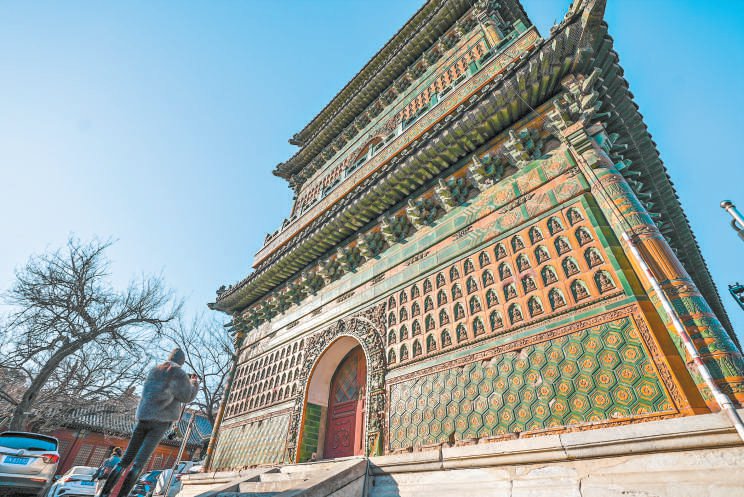
琉璃阁院落腾退移交,北海“西天梵境”将重现完整风貌
Xin Jing Bao· 2026-01-22 04:45
1月22日上午,由北京市文物局和园林绿化局、公园管理中心主办的北海公园琉璃阁院落腾退移交仪式 成功举办,有着400多年历史的北海"西天梵境"将恢复其完整性。 ...
南宁市新增37项市级非遗代表性项目
Xin Lang Cai Jing· 2026-01-20 21:55
这些源自田间地头、市井巷陌的传统技艺,记载了过往生活方式。它们仿佛一条条生动的文化脉络,为 现代生活注入传统的温度,也为乡村振兴与文化繁荣提供了深厚的资源与不竭的灵感。 饮食之艺,蕴含一方风土人情。南宁人对"酸"的钟情与巧思,在果蔬酸、酸糟粽、生榨米粉、那陈糯米 醋等制作技艺中体现得淋漓尽致,共同构成独特的"酸食"文化体系。此外,承载味觉记忆的老水街老友 酱、寓意团圆的兴宁传统月饼,以及深植乡土的马山燕台山壮家白酒、横州壮家酿酒等制作技艺,每一 味都关联着节庆、民俗与平常生活,既是传统技艺的延续,亦是情感纽带与生活智慧的结晶。 手工之巧,诉说着"用"的艺术。竹编技艺在南宁多地生根开花,武鸣等地的编织工艺充分利用本土竹 材,创造出结构精巧、耐用美观的生活器具,体现了生态理念与实用美学的融合。上林木雕技艺在方寸 木料上雕刻万千世界,兼具装饰效果与文化寓意,宾阳大桥制香技艺则将草本植物的芬芳融入日常,为 传统产业增添了新的文化内涵。 本报讯(记者陈蕾)近日,南宁市正式公布第十一批市级非物质文化遗产代表性项目名录。此次入选的 非遗代表性项目共计37项,充分展现了南宁非遗保护工作的丰硕成果与地方文化的蓬勃生机。 值得一 ...
德格印经院院藏雕版档案冲刺《世界记忆国际名录》丨市州观察
Xin Lang Cai Jing· 2026-01-18 08:10
Core Viewpoint - The Dege Printing Institute is making significant progress in its efforts to have its collection of woodblock archives included in the UNESCO Memory of the World International Register, with key tasks entering the final stages of completion [1] Group 1: Digital Archiving and Technology - The Dege Printing Institute has initiated a high-precision scanning project for its collection of 335,500 woodblocks, creating a "digital identity" for each piece and establishing a cloud-based shared database [2] - A VR platform called "Digital Printing Institute" has been developed and is now open to users, allowing for immersive exploration of the Dege Printing Institute [2] Group 2: Exhibition and Promotion - The exhibition titled "Traces of Engraving: Special Exhibition of Woodblock Archives of Dege Printing Institute" has been completed and is now open to the public, showcasing the cultural achievements of woodblock archives from the 18th century to the mid-20th century in various fields [4] - The nomination materials, including bilingual nomination forms and promotional videos, have undergone four rounds of refinement and have been submitted to the National Archives Administration [4]

用活态传承讲述文明嬗变
Xin Lang Cai Jing· 2026-01-14 22:46
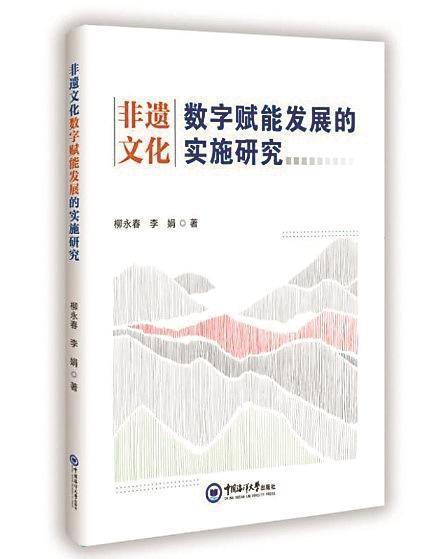
Core Viewpoint - The book "Research on the Implementation of Digital Empowerment for Intangible Cultural Heritage" emphasizes the transformation of traditional culture through digital technology, highlighting that intangible cultural heritage (ICH) is a living entity rather than a static exhibit, and digital technology serves as a bridge for its continuation and revitalization [3][4]. Group 1: Digital Empowerment of ICH - The core argument of the book is that digital technology injects new vitality into ICH in the digital age, breaking the temporal and spatial barriers of traditional transmission methods [4][5]. - Digital tools allow for precise recording and preservation of traditional techniques, such as Kunqu opera and Su embroidery, providing a reliable reference for successors and laying a foundation for future research [5][6]. - Digital dissemination methods, including themed short videos and virtual exhibitions, have expanded the reach of ICH, making it accessible to a broader audience [5][6]. Group 2: Cultural Diversity and Integration - The book showcases the diversity and inclusiveness of ICH, highlighting various regional and ethnic practices that contribute to the richness of Chinese culture [6][7]. - Digital technology facilitates the integration of ICH with modern design, animation, gaming, and film, resulting in culturally rich and fashionable products that appeal to contemporary audiences [6][7]. - Examples such as AI digital shadow puppetry illustrate how digital means can unite different ICH projects for online exhibitions and cultural exchanges, allowing for a comprehensive appreciation of Chinese ICH [6][7]. Group 3: Challenges and Future Directions - The book acknowledges that the digital empowerment of ICH faces challenges such as uneven technological application, insufficient content innovation, and lack of copyright protection [7]. - Some ICH projects in remote areas struggle with funding and technical support, hindering their digital transformation [7]. - The future of ICH relies on innovative methods that respect tradition while embracing digital opportunities, ensuring the cultural roots of the Chinese nation remain vibrant and enduring [7].
“十四五”时期阳江经济总量连跨3个百亿级台阶 跃升全省第一电力能源大市
Nan Fang Ri Bao Wang Luo Ban· 2026-01-14 08:40
Economic Growth and Industrial Development - During the "14th Five-Year Plan" period, Yangjiang's economic total crossed three significant thresholds of 140 billion, 150 billion, and 160 billion yuan, becoming the top power energy city in the province with an installed capacity exceeding 24.29 million kilowatts, accounting for about one-tenth of the province's total [1] - Yangjiang has established a modern industrial system characterized by "4+4+X," with fixed asset investment growth rates ranking first in the province for 2021, 2023, and 2024, and a cumulative investment increase of over 30% compared to the "13th Five-Year Plan" [1] - The number of industrial enterprises with over 100 billion yuan in output has increased to seven, and the number of "specialized, refined, distinctive, and innovative" enterprises has grown nearly 12 times since the end of the "13th Five-Year Plan" [1] Infrastructure and Trade Integration - Yangjiang actively integrates into the Guangdong-Hong Kong-Macao Greater Bay Area by establishing a comprehensive transportation system, including "airports + dual high-speed rail + high-speed road network + a major port," facilitating a "one-hour living circle" within the Bay Area [2] - The city has expanded its international connections to 178 countries and regions, with average annual growth rates of 7.4% in foreign trade imports and exports, and 28.4% in actual foreign investment during the first four years of the "14th Five-Year Plan" [2] - Yangjiang has implemented 460 key reform tasks across ten major areas, resulting in over 100 national and provincial reform pilot projects, with a net increase of over 100,000 market entities in five years, surpassing a total of 270,000 [2] Cultural and Ecological Development - Yangjiang is promoting its cultural heritage by participating in the joint application for the "Maritime Silk Road" World Cultural Heritage and establishing the Guangdong Provincial Underwater Cultural Heritage Protection Center [3] - The city has developed the Hailing International Tourism Island as a leisure and vacation destination, with the number of visitors from Hong Kong and Macau increasing over 20 times compared to the "13th Five-Year Plan" period [3] - Yangjiang has made significant progress in ecological construction, being recognized as a national forest city and an international garden city, with nearly 80% of fiscal spending allocated to public welfare, enhancing the quality of life for residents [3]
东西城推动中轴线文保示范区创建
Xin Lang Cai Jing· 2026-01-13 20:54
中轴线上15个要素点位,有12个位于东城,保护与提升责任重大。今年,东城区将落实《北京市中轴线 保护传承三年行动计划(2025年-2027年)》,结合东城实际,进一步细化任务,明确分工,系统推 进。 在推进文物遗产系统性保护方面,将深入推进永定门城楼修缮保护、钟楼大钟钟架加固等中轴线文物修 缮工程,按"最小干预"原则实现文物保护。开展文物状况监测,完善文物"四有"档案,提升文物安全监 管效能。持续开展核心区文物腾退,配合编制第二批文物腾退保护利用计划并按要求启动。 本报讯(记者 张骜)围绕中轴线系统性保护与提升,核心区将有哪些新动作?昨天,记者从东城区两 会发布会上了解到,2026年,东城区将与西城区联手,系统整合两区资源,推动高标准创建北京中轴线 国家文物保护利用示范区。同时,推进中轴线文化遗产的系统性保护、价值深度阐释与业态融合创新。 ...
外国友人镜头里欣欣向荣的中国——“小家”热气腾腾 “大家”蒸蒸日上
Ren Min Ri Bao· 2026-01-13 05:15
Group 1 - The article emphasizes the importance of innovation in driving high-quality development in China's technology sector, highlighting the integration of scientific research and practical applications [2][5] - China's research environment is described as internationally leading, fostering innovation and exploration, which provides vast development opportunities for researchers [3] - The collaboration among government, enterprises, and universities is focused on addressing real-world problems, transforming cutting-edge research into practical solutions for everyday life [4] Group 2 - The article illustrates the positive impact of development in regions like Xinjiang, where local communities experience improved living standards and express hope for the future [6] - Cultural heritage is highlighted as a vital aspect of daily life in China, contributing to the spiritual well-being of its people and enhancing the recognition of Chinese civilization [11] - The successful hosting of the 9th Asian Winter Games in Harbin is noted as a significant event that showcases China's advancements in sports and technology, attracting global attention [12]
四中全会精神在基层丨古籍“数字化” 指尖“续千年”
Xin Hua She· 2026-01-12 08:47
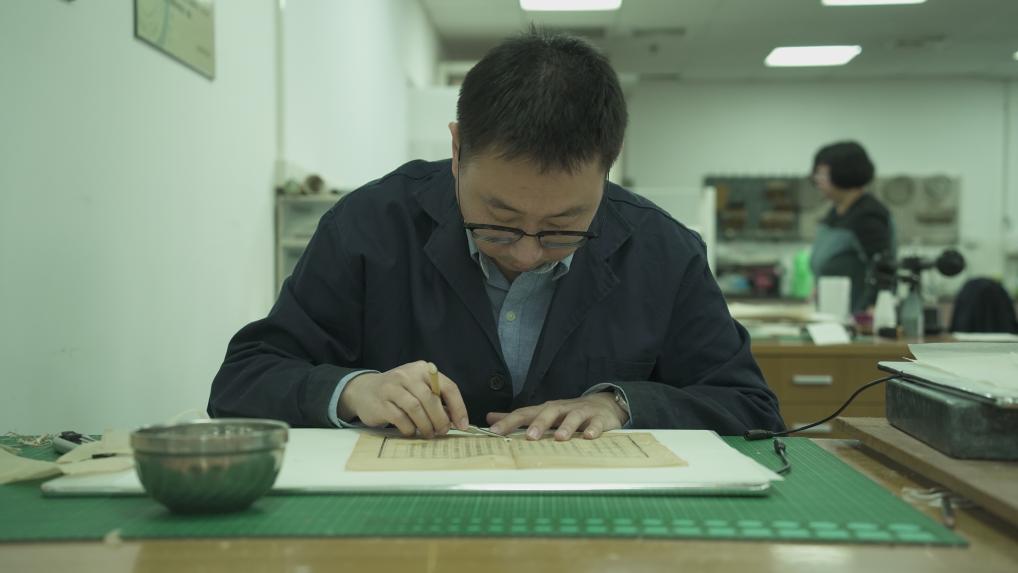
Core Viewpoint - The article highlights the efforts of the Tianjin Library in preserving ancient texts through restoration and digitization, emphasizing the integration of traditional techniques with modern technology to enhance the protection of cultural heritage [3][6]. Group 1: Ancient Text Restoration - The Tianjin Library is recognized as a key unit for the protection of ancient texts, actively fulfilling its role in restoration [3]. - Restoration involves not only repairing physical damage but also safeguarding the cultural lineage of civilization [3]. - Advanced restoration equipment, such as fiber detection instruments and pH testers, allows for more precise diagnosis and treatment of ancient texts, significantly improving restoration success rates [3][6]. Group 2: Documentation and Archiving - Restoration specialists create detailed "restoration archives" for each ancient text, documenting basic information, damage extent, and restoration steps [4]. - These archives serve as valuable references for future restorations and contribute to the long-term protection of ancient texts [4]. Group 3: Digitalization Efforts - As of the end of 2025, the Tianjin Library holds over 580,000 volumes, with approximately 100,000 ancient texts digitized, of which nearly 59,000 are available for public access [6]. - The digitalization process is integrated into the overall cultural heritage protection strategy, ensuring standardized processing and quality control [6]. - The application of artificial intelligence is set to revolutionize the digitalization of ancient texts, enabling more efficient analysis and accessibility for readers [6].
以法治之力让文化的光芒更璀璨
Shan Xi Ri Bao· 2026-01-12 00:28
Core Viewpoint - The article highlights the legislative efforts in Shaanxi province during the "14th Five-Year Plan" period to enhance cultural heritage protection and promote cultural development through local laws and regulations. Group 1: Legislative Achievements - During the "14th Five-Year Plan," Shaanxi's provincial legislature enacted 4 local regulations and revised 1, while approving 22 regulations from district-level cities, emphasizing the importance of legal frameworks in cultural development [1][2]. - The "Regulations on the Protection of Baota Mountain" were established to address practical issues in the management and protection of this revolutionary landmark, marking a new model of characteristic legislation [2]. - The "Regulations on the Protection and Development of Hanzhong Rattan Weaving" created a three-dimensional inheritance system for this intangible cultural heritage, focusing on recording, inheriting, and innovating [3]. Group 2: Cultural Heritage and Arts Protection - The "Regulations on the Protection and Development of Qin Opera" were introduced as the first provincial-level regulations in the country, providing a comprehensive framework for the development and protection of this ancient art form [4][5]. - The "Regulations on the Protection of the Yellow Emperor's Tomb" emphasize the historical, cultural, and social values of the site, marking a new phase in its legal protection [5]. - The "Regulations on the Protection and Utilization of Revolutionary Cultural Relics" provide legal guidelines for the management and utilization of revolutionary heritage [6]. Group 3: Supervision and Implementation - The provincial legislature has prioritized cultural prosperity as a key area for supervision, conducting multiple inspections to ensure the implementation of cultural laws and regulations [7][8]. - Continuous monitoring of the implementation of laws related to intangible cultural heritage has led to increased financial support for local cultural practitioners, enhancing their ability to pass on traditional skills [8][9]. - The legislature plans to deepen its supervisory efforts in the "15th Five-Year Plan" to ensure that cultural laws are effectively enforced and cultural confidence is strengthened [9].