
氮肥

Search documents
氮肥行业2025年持续承压
Zhong Guo Hua Gong Bao· 2025-12-24 03:05
Core Viewpoint - The nitrogen fertilizer industry is facing significant economic pressure, with a notable decline in profits and an increase in losses among enterprises, indicating a challenging market environment for 2025 [1][2]. Group 1: Industry Performance - The total profit of large-scale nitrogen fertilizer enterprises from January to October was 4.04 billion yuan, a year-on-year decrease of 53.7% [1]. - The losses of enterprises reached 5.37 billion yuan, an increase of 34.1% year-on-year [1]. - The production of synthetic ammonia, nitrogen fertilizer, and urea saw significant increases, with synthetic ammonia production at 64.64 million tons (up 6.5%), nitrogen fertilizer at 44.47 million tons (up 8.9%), and urea at 60.36 million tons (up 9.5%) [1]. Group 2: Price Trends - The average ex-factory price of urea from January to October was 1,702 yuan per ton, reflecting a year-on-year decline of 18.9% [2]. - Urea prices fell to a low of 1,542 yuan per ton in mid-October but saw a slight recovery to 1,604 yuan per ton by the end of November [2]. - The average arrival price of anthracite coal was 981 yuan per ton (down 11.5%), while the average price of coking coal was 732 yuan per ton (down 23.2%) [2]. Group 3: Policy and Market Outlook - The government is accelerating policies to address "involution" competition, which may include stricter project approvals for coal-based synthetic ammonia and urea [3]. - Enterprises are encouraged to respond to national policy requirements and consider domestic and international supply-demand situations to avoid excessive capacity expansion [3].
德国施诺德增效技术2.0全面发力,硬核赋能氮肥产业绿色转型
新华网财经· 2025-12-19 09:28
Core Viewpoint - The introduction of the German Schnorr Efficiency Technology 2.0 by Jinzhe Group marks a significant advancement in China's nitrogen fertilizer industry, aiming to break the long-standing price competition and promote high-quality development through technology and ecological priorities [2][9]. Group 1: Industry Challenges - The domestic nitrogen fertilizer industry faces dual challenges: structural overcapacity and low nitrogen utilization rates, with production capacity expected to reach 73.8 million tons by 2025, while effective market demand is only around 65.5 million tons, leading to a supply-demand imbalance [5][6]. - Traditional nitrogen utilization rates in China range from 30% to 42.6%, significantly lower than developed countries, resulting in over 60% of nitrogen being wasted, which exacerbates agricultural costs and environmental issues [5][6]. Group 2: Need for Transformation - The industry must transition from a focus on cost competition to value creation to unlock broader development opportunities [6]. - The shift from price competition to value enhancement is not optional but essential for survival, as highlighted by the increasing demand for high-quality, efficient, and environmentally friendly nitrogen fertilizers, which is growing at over 15% annually [7]. Group 3: Technological Advancements - The German Schnorr Efficiency Technology 2.0, introduced by Jinzhe Group, enhances nitrogen fertilizer efficiency, potentially increasing utilization rates to over 65%, while reducing fertilizer application and agricultural production costs [9][11]. - This technology aligns with the long-term goals of green, low-carbon, and efficient development in the nitrogen fertilizer industry, addressing issues of soil degradation and environmental pollution [9][16]. Group 4: Strategic Collaborations - Strategic partnerships have been formed between Jinzhe Group, Mingquan Group, and Hebei Dongguang Chemical, focusing on the large-scale application of the new technology through a shared model that includes capacity, technology, marketing, and data [13][14]. - The collaboration aims to create a "technology + capacity + market" synergy, leveraging the strengths of each partner to drive innovation and market penetration [14][24]. Group 5: Future Outlook - The implementation of the Schnorr Efficiency Technology 2.0 is expected to resolve the overcapacity issue in the nitrogen fertilizer industry and enhance agricultural production efficiency, addressing long-standing problems of low utilization and environmental pollution [16][24]. - This model not only capitalizes on China's production scale and complete industrial chain but also offers a replicable solution for nitrogen fertilizer industry upgrades in developing countries [24].


德国施诺德增效技术2.0落地中国 推动氮肥产业绿色升级
Ren Min Wang· 2025-12-18 08:57
Core Viewpoint - The collaboration between Jinzhe Group and leading domestic urea producers aims to promote the application of German Schneider's efficiency-enhancing technology in the nitrogen fertilizer sector, addressing industry challenges such as overcapacity and environmental pressures [1][2]. Industry Challenges - The nitrogen fertilizer industry, particularly urea, faces significant challenges including overcapacity and stringent environmental policies, making transformation essential for survival [2][4]. - Over the past three years, over ten strict environmental policies have been implemented, leading to the elimination of outdated production capacity, while the demand for high-quality, environmentally friendly nitrogen fertilizers has been growing at an annual rate exceeding 15% [2][4]. Technological Innovation - The German Schneider efficiency-enhancing technology 2.0 focuses on controlling nitrogen release rates to better match crop nutrient needs, potentially increasing nitrogen utilization rates to over 65% [4]. - This technology aims to achieve dual goals of "reducing input while increasing efficiency and protecting soil while increasing income" [4]. Strategic Collaboration - Jinzhe Group plans to deepen cooperation with Mingquan Group through a "five-sharing" model, which includes sharing capacity, technology, market solutions, digital communication, and demonstration data [4]. - The collaboration forms a synergistic combination of "technology + capacity + market," with Schneider providing core technology, Jinzhe leveraging market and agricultural service advantages, and Dongguang Chemical focusing on industrial production transformation [4]. Industry Transformation - The collaboration signifies a shift in the competitive focus from price and scale to technological content, product quality, and ecological value, which may alleviate current overcapacity pressures in the nitrogen fertilizer industry [7]. - This model provides a reference framework for the green upgrade of traditional industries in China and other developing countries [7].
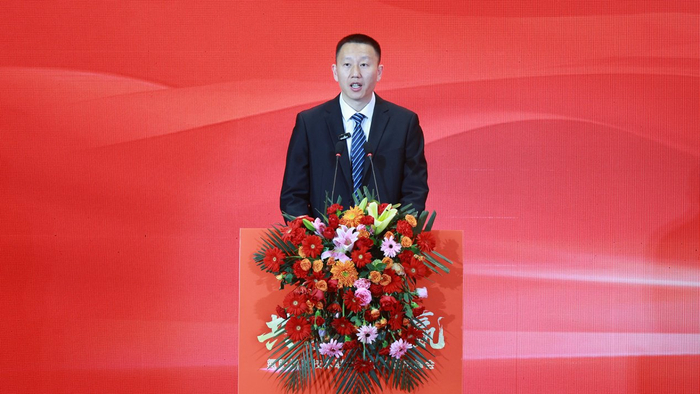
德国施诺德增效技术2.0落地中国 推动氮肥产业绿色升级
Ren Min Wang· 2025-12-18 08:41
Core Insights - The conference "Shared Win: Nitrogen Fertilizer Efficiency Technology Joint Cooperation and Application Summit" was held in Tai'an, Shandong, where Jinzhe Group signed strategic cooperation agreements with leading domestic urea producers to promote the application of German Schnorr's efficiency technology 2.0 in the nitrogen fertilizer sector, addressing industry challenges of overcapacity and environmental pressures [1][2] Industry Challenges - The nitrogen fertilizer industry, particularly urea, faces significant challenges, including internal price pressures from overcapacity and external constraints from strict environmental policies. The industry must transition to survive, as highlighted by the China Nitrogen Fertilizer Industry Association [2] - Over the past three years, more than ten stringent environmental policies have been implemented, leading to the elimination of outdated production capacity. The demand for high-quality, environmentally friendly nitrogen fertilizers is growing at an annual rate exceeding 15% [2] Technological Advancements - The German Schnorr efficiency technology 2.0 aims to enhance nitrogen utilization efficiency to over 65% by controlling the release rate of nitrogen to better match crop nutrient needs throughout their growth cycles. This technology is expected to achieve both reduced input costs and increased yields while minimizing environmental impact [5] - Jinzhe Group's president emphasized the potential for significant upgrades in basic fertilizers through advanced technology, which can help farmers lower costs and increase profits [5] Collaborative Efforts - The collaboration involves a "five-sharing" model, where partners share production capacity, technology, market solutions, digital communication, and demonstration data. Mingquan Group plans to add 5 million tons of large particle urea capacity within three years [5] - The partnership creates a synergistic combination of technology, production capacity, and market access, with each company playing a specific role: Schnorr provides core technology, Jinzhe Group offers market and agricultural services, and Dongguang Chemical focuses on industrial production [5] Strategic Implications - This collaboration represents a transformative model centered on technology, shifting the competitive focus from price and scale to technological content, product quality, and ecological value. It aims to alleviate overcapacity pressures in the nitrogen fertilizer industry and serves as a reference framework for green upgrades in traditional industries in China and other developing countries [7]
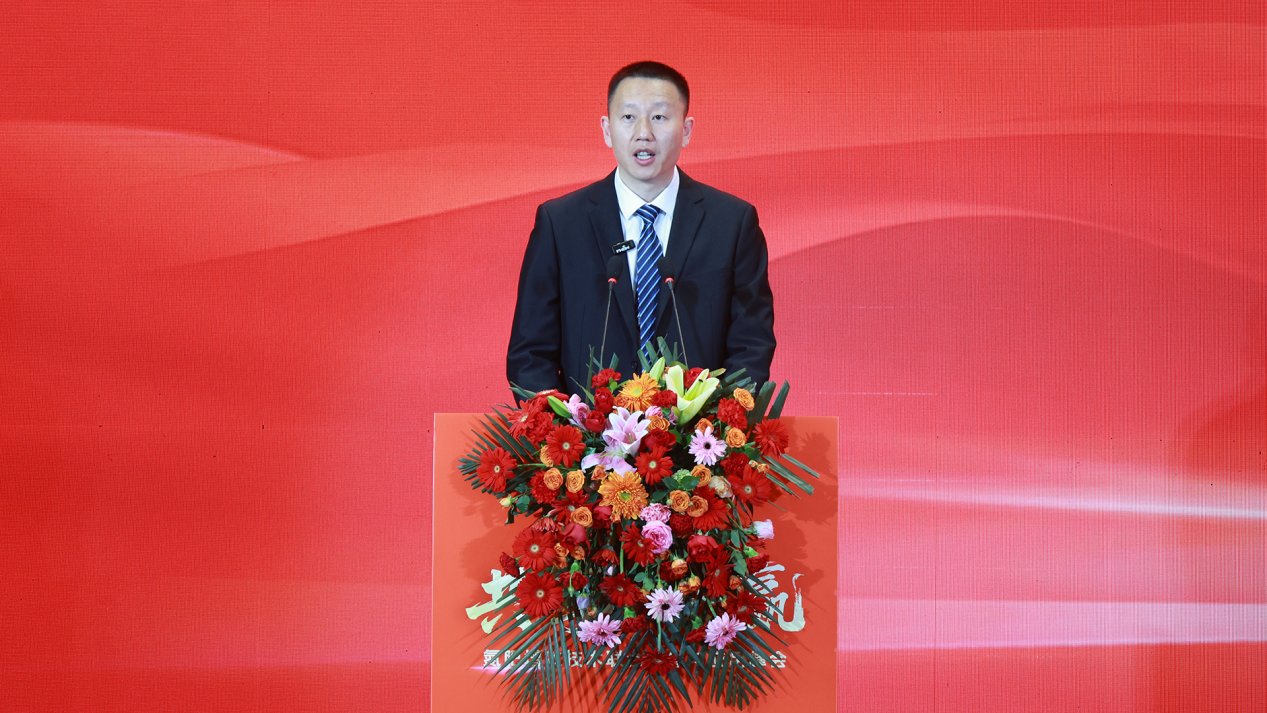
以“三个创新”引领氮肥行业突围 | 大家谈 如何破除“内卷式”竞争
Zhong Guo Hua Gong Bao· 2025-12-16 02:44
Group 1 - The nitrogen fertilizer industry is currently facing a homogenization competition dilemma, with many companies struggling in low-price competition. The key to breaking through this "involution" is to shift from a single dimension of "low-price competition" to a new track of "value creation" [1] - Companies should focus on "three innovations" for transformation and breakthrough, delving into high-end, refined, and green transformation tracks to promote the industry's transition from "scale expansion" to "value enhancement" [1] Group 2 - Product innovation involves deepening into niche markets to break the homogenization dilemma. The core lies in upgrading product technology to create differentiated advantages. For instance, Shanxi Lanhua Coal Chemical Co., Ltd. recently launched a new product, polypeptide urea, which received an intention order of 20,000 tons on the same day of its release, showcasing rapid value conversion in niche technology [1] - Green innovation aims to anchor the "dual carbon" goals and activate growth momentum through technological breakthroughs across the entire chain, transforming ecological benefits into development momentum. Shanxi Tianze Coal Chemical Group's innovative transportation practice of large particle ton-bag urea by train has successfully reduced logistics energy consumption and enhanced competitiveness [1] - Institutional innovation is essential for supporting product and technological breakthroughs. The industry must build an ecosystem that encourages, guarantees, and transforms innovation, improving incentive mechanisms for innovation. For example, the "442" mechanism of Lu'an Chemical Group allocates 40% of the technology achievement revenue to the R&D team, 40% to the achievement transformation department, and 20% to the company, effectively releasing innovation vitality [2] - Overall, only by integrating innovation throughout product development, production operations, and institutional construction can the industry achieve stable and sustainable high-quality development [2]
加速人工智能应用,氮肥前景向好,石油市场供应过剩
Haitong Securities International· 2025-12-07 12:31
Global Energy Strategy - The report highlights an acceleration in the application of artificial intelligence in the energy sector, with ExxonMobil reporting significant improvements in seismic data processing times, reducing from months to weeks, potentially realizing over $1 billion in value [3][7] - The outlook for nitrogen fertilizer is positive, with CF Industries projecting strong demand in North America, India, and Brazil, and low global inventory levels [5][12] - The oil market is expected to face oversupply by 2026, as indicated by Shell, which notes increased crude oil reserves in China and a significant rise in in-transit crude volumes [4][9] Investment Focus - ADNOC Gas, ADNOC Drilling, and ADNOC Distribution are rated as outperform, with projected P/E ratios for 2025E at 15.7, 16.1, and 17.4 respectively [1] - Fertiglobe is also rated outperform, with a projected P/E of 25.1 for 2025E, benefiting from the positive nitrogen fertilizer outlook [1][12] - Companies like Saudi Aramco and Vestas Wind Systems are highlighted for their strong performance and positive growth outlooks, with P/E ratios of 16.4 and 18.6 for 2025E respectively [1] Key Industry Trends - The report emphasizes the importance of carbon capture in data centers, with ExxonMobil focusing on developing low-carbon data centers with over 90% carbon capture rates [8] - The liquid natural gas market is expected to see a balance in supply and demand, with Cheniere Energy forecasting a gradual decline in spot LNG prices due to new liquefaction capacity coming online [10][11] - The nitrogen fertilizer market is projected to maintain a favorable supply-demand balance, with CF Industries estimating global nitrogen fertilizer demand growth of 1-2% annually [5][12]
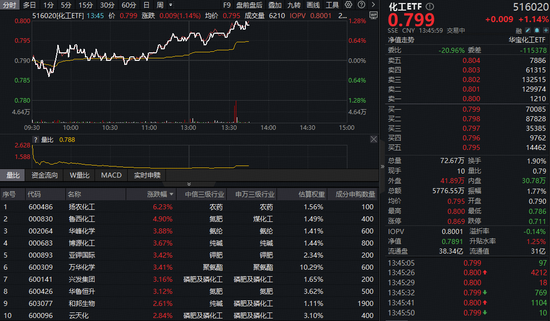
供需双底确立!化工板块持续拉升,化工ETF(516020)上探1.65%!机构:化工板块或迎“戴维斯双击”
Xin Lang Cai Jing· 2025-12-05 12:09
Group 1 - The chemical sector experienced a significant rally on December 5, with the Chemical ETF (516020) showing a nearly unilateral upward trend, peaking at a 1.65% increase during the day and closing with a 1.39% gain [1][8] - Key stocks in the sector included agricultural chemicals, nitrogen fertilizers, and polyurethanes, with notable gains from Yangnong Chemical (up 6.11%), Luxi Chemical (up 4.69%), and several others exceeding 4% [1][8] - The Chemical ETF tracks a diversified index that includes leading companies in the lithium battery sector, such as Tianqi Lithium and Enjie, which are expected to benefit from the ongoing recovery in lithium battery demand [3][10] Group 2 - The current valuation of the chemical sector appears attractive, with the Chemical ETF's index price-to-book ratio at 2.32, placing it at the 39.61 percentile relative to the past decade, indicating a favorable long-term investment opportunity [3][10] - Looking ahead, the chemical industry is expected to see a gradual recovery in demand starting in 2024, driven by improvements in both domestic and international markets, particularly in sectors like automotive and textiles [4][11] - The "14th Five-Year Plan" emphasizes enhancing quality and efficiency in economic growth, which is anticipated to lead to increased domestic demand and a significant rise in new energy vehicle penetration [10][11] Group 3 - The Chemical ETF (516020) offers a high-efficiency investment vehicle for gaining exposure to the chemical sector, with nearly 50% of its holdings in large-cap stocks like Wanhua Chemical and Salt Lake Industry, while also diversifying into other segments such as phosphate and nitrogen fertilizers [5][12] - The industry is projected to face a reduction in capital expenditures starting in 2024, which, combined with the clearing of outdated overseas capacities, may lead to a contraction in supply and a potential turning point for the sector by 2026 [4][11]




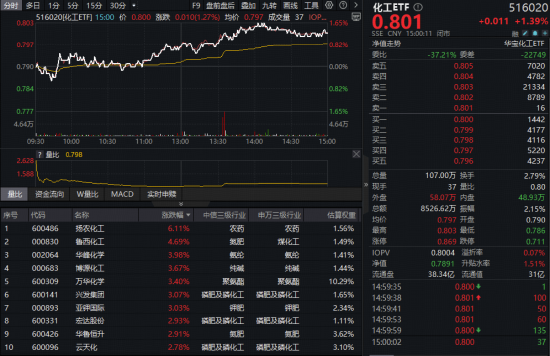
磷酸铁锂掀涨价潮!化工板块继续猛攻,化工ETF(516020)涨超1%!机构:未来行业景气有望边际回暖
Xin Lang Cai Jing· 2025-12-05 05:56
Group 1 - The chemical sector is experiencing a strong upward trend, with the Chemical ETF (516020) showing a maximum intraday increase of 1.27% and a current increase of 1.14% [1][6] - Key stocks in the sector include agricultural chemicals, nitrogen fertilizers, polyurethane, and phosphate chemicals, with notable gains from Yangnong Chemical (over 6%), Luxi Chemical (over 4%), and several others rising over 3% [1][6] - The lithium iron phosphate industry is undergoing a collective price increase, driven by rising raw material costs and expanding market demand, which is seen as the core driver for this price adjustment [7][8] Group 2 - Analysts indicate that strong demand in power and energy storage is pushing the lithium battery supply chain to a turning point, with tight capacity leading to price increases [8] - By 2025, the lithium iron phosphate industry is expected to see a significant shift, with processing fees potentially increasing by 3,000 yuan per ton, raising the average profit margin to 7.5%, an increase of over 7 percentage points from current levels [8] - The current valuation of the chemical sector remains attractive, with the Chemical ETF's underlying index price-to-book ratio at 2.32, positioned at the 39.61 percentile over the past decade, indicating a favorable long-term investment opportunity [9] Group 3 - Looking ahead, the chemical industry is expected to see a recovery in demand starting in 2024, driven by improvements in both domestic and international demand, particularly in sectors like automotive, home appliances, and textiles [10] - The Chemical ETF (516020) tracks the CSI segmented chemical industry theme index, covering various sub-sectors, with nearly 50% of its holdings in large-cap leading stocks such as Wanhua Chemical and Salt Lake Co., thus providing a robust investment opportunity [10]
科技创新成气头肥企破局关键
Zhong Guo Hua Gong Bao· 2025-12-05 02:17
Core Insights - The natural gas fertilizer industry is facing severe challenges due to price ceilings and cost floors, leading to a situation of "price inversion and cost pressure" [1] - Technological innovation has become a critical factor for breaking through these challenges, with a focus on cost reduction and value chain enhancement [1] Group 1: Technological Innovation - The industry must increase R&D investment and establish an innovation system that integrates enterprises, market orientation, and deep collaboration between industry, academia, and research [1] - Development and application of green low-carbon technologies are essential, including efficient conversion, low-pressure ammonia synthesis, and coupling with new energy to reduce energy consumption and carbon emissions [1] - Accelerating digital transformation through the application of big data and artificial intelligence can enhance operational efficiency and reduce labor and maintenance costs [1] Group 2: Industry Standards and Structure - The industry is urged to implement existing national standards like the "Energy Consumption Limits for Fertilizer Products" and to develop a comprehensive green standards system [2] - There is a need for new guiding standards such as zero-carbon factory evaluation guidelines and zero-waste factory technical requirements to support the green low-carbon transition [2] - The industry should adjust product structures to strengthen new fertilizer systems and meet the demands for agricultural greening and precision, focusing on differentiated products like controlled-release fertilizers and high-efficiency urea [2] Group 3: Collaborative Development - The industry is encouraged to promote the "ammonia-fertilizer-chemical" collaborative development model to optimize and extend the industrial chain [2] - New materials like high-end engineering plastics are becoming focal points for differentiated layouts, emphasizing the dual approach of strengthening new fertilizers and extending high-end chemical products [2]
华鲁恒升跌2.20%,成交额7032.20万元,主力资金净流出399.79万元
Xin Lang Zheng Quan· 2025-12-03 01:53
Core Viewpoint - Hualu Hengsheng's stock price has shown a significant increase of 33.09% year-to-date, despite a recent decline of 2.20% in intraday trading, indicating volatility in the market [1] Financial Performance - For the period from January to September 2025, Hualu Hengsheng reported a revenue of 23.55 billion yuan, a year-on-year decrease of 6.46%, and a net profit attributable to shareholders of 2.37 billion yuan, down 22.14% year-on-year [2] - Cumulative cash dividends since the company's A-share listing amount to 8.97 billion yuan, with 4.78 billion yuan distributed over the past three years [3] Shareholder Information - As of September 30, 2025, the number of shareholders decreased by 16.59% to 44,000, while the average circulating shares per person increased by 19.90% to 48,213 shares [2] - The top ten circulating shareholders include Hong Kong Central Clearing Limited, which holds 37.98 million shares, a decrease of 38.37 million shares from the previous period [3]
