
社交平台

Search documents
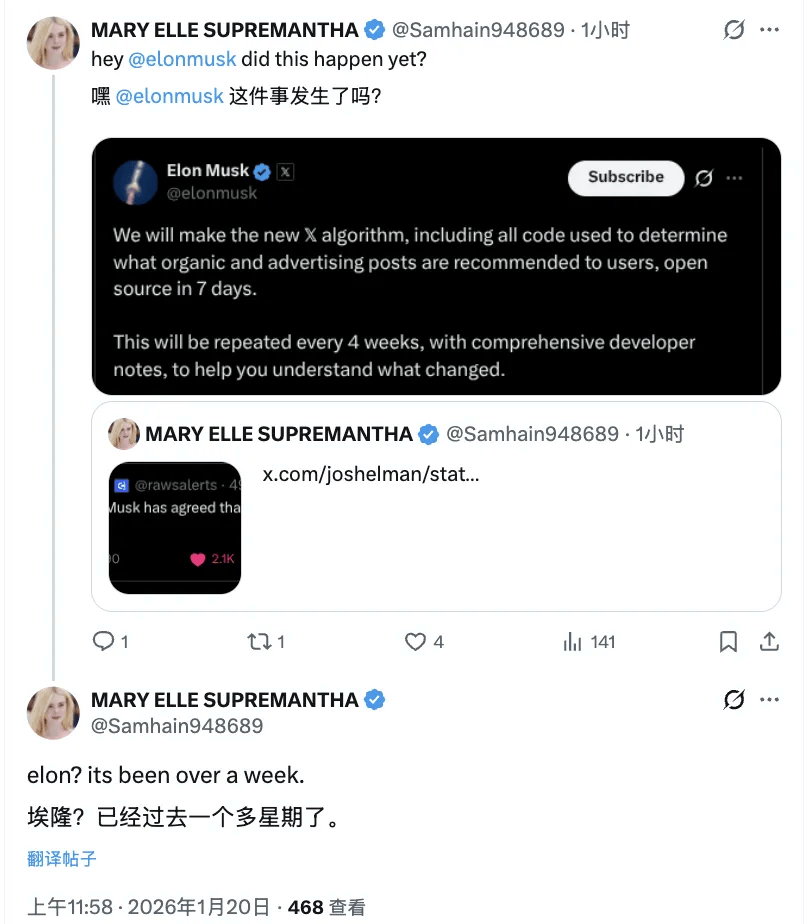
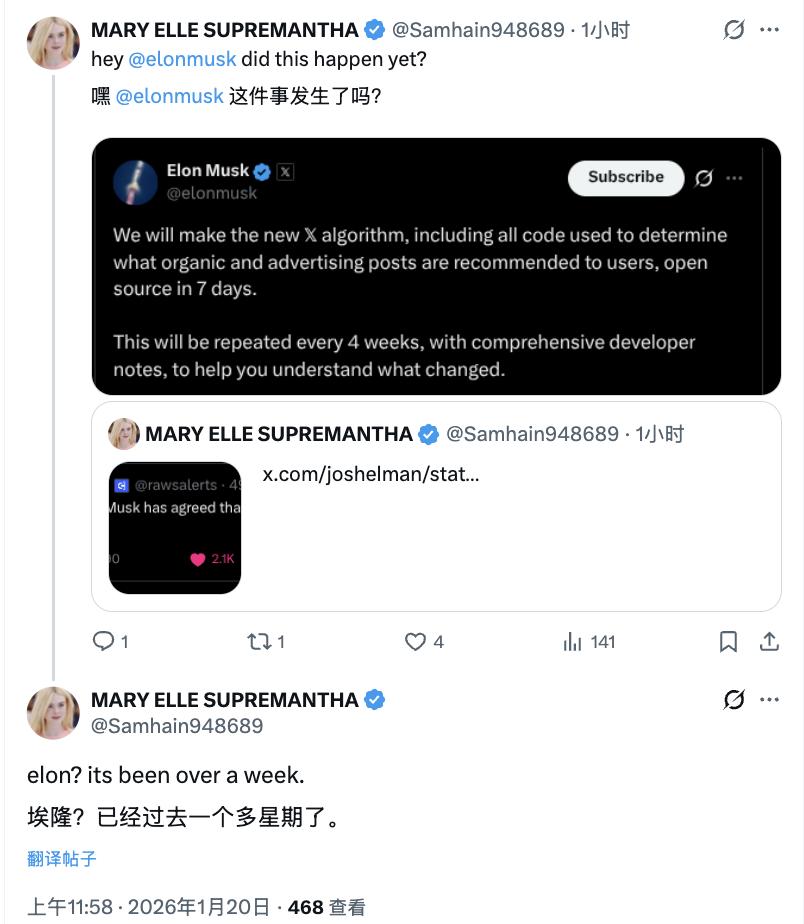
马斯克甩出王炸,X平台推荐算法重磅开源,6小时斩获1.6k Star,放话:没有对手这样做!
Sou Hu Cai Jing· 2026-01-21 03:13
Core Insights - X platform has officially open-sourced its new content recommendation algorithm, which utilizes the same Transformer architecture as xAI's Grok model, allowing external developers and users to understand how content is recommended [3][6][8] - The open-sourcing of the algorithm is a strategic move by Elon Musk to enhance transparency, reduce algorithmic bias, and leverage community input for optimization, marking a significant shift in the social media landscape [6][7][30] - The recommendation system focuses on two main content sources: internal content from followed accounts and external content from a broader web database, analyzed through the Phoenix model [8][11][17] Technical Overview - The open-sourced repository on GitHub has gained significant attention, receiving 1.6k stars within six hours, indicating strong interest from the developer community [4][8] - The recommendation system is built primarily using Rust and Python, adhering to the Apache License 2.0 [13] - The algorithm operates through a seven-step process, starting with user data collection and ending with final content validation before pushing to user feeds [16][22] Algorithm Features - The system eliminates manual feature design, relying instead on the Grok Transformer model to autonomously learn content relevance based on user interactions [23] - It incorporates multiple scoring mechanisms to ensure diverse content presentation and to balance the display of internal and external content [23] - The architecture allows for high flexibility and scalability, enabling easy integration of new content sources and scoring rules [23] Industry Implications - The move to open-source the recommendation algorithm may set a precedent for other social media platforms, potentially leading to a broader industry shift towards transparency in algorithmic processes [30] - The open-source initiative is seen as a way to democratize attention allocation systems, making them more understandable and less prone to manipulation [24] - Concerns have been raised about the potential for increased cheating and manipulation of content visibility following the open-sourcing [29]

马斯克甩出王炸,X平台推荐算法重磅开源,6小时斩获1.6k Star,放话:没有对手这样做
3 6 Ke· 2026-01-20 10:55
Core Insights - X platform has open-sourced its latest content recommendation algorithm, allowing external parties to understand how it decides which content and advertisements to recommend to users [1][3][6] - The algorithm is based on the same Transformer architecture as xAI's Grok model, marking a significant step towards transparency in social media algorithms [3][8] Group 1: Open-Sourcing the Algorithm - Elon Musk announced the open-sourcing of the X platform's recommendation algorithm, which has been a closely guarded secret in the social media industry [1][6] - The open-source initiative aims to enhance transparency, allowing global developers and users to scrutinize the algorithm and reduce concerns about bias and manipulation [7][24] - The GitHub repository for the algorithm received 1.6k stars within six hours of its launch, indicating strong interest from the developer community [4][8] Group 2: Technical Details of the Algorithm - The core recommendation system, "For You," integrates content from both internal (Thunder module) and external (Phoenix recall module) sources [8][12] - The algorithm utilizes Rust and Python programming languages and is structured into several functional modules, each responsible for different aspects of the recommendation process [12][13] - The system operates through a seven-step process, starting with user data retrieval and ending with final content validation before pushing to the user's feed [15][20][22] Group 3: Unique Features and Innovations - The recommendation system eliminates manual feature design, relying instead on the Grok Transformer model to learn content relevance from user interactions [23] - It employs a "isolation computation" method during the scoring phase to ensure that the scoring of one piece of content does not affect others, enhancing stability [23] - The algorithm predicts multiple behavior probabilities for content, providing a more comprehensive scoring system compared to traditional models [23] Group 4: Industry Implications - Musk's move to open-source the algorithm could pressure other social media platforms to adopt similar transparency measures, as user demand for algorithmic clarity increases [29][30] - The open-source approach is seen as a potential way to shift the balance of power in social media, moving from opaque systems to more adaptable and transparent ones [26][29]
小红书上线社区公约2.0 明确反对制造对立
Feng Huang Wang· 2026-01-19 08:52
Core Viewpoint - Xiaohongshu officially released the updated "Community Charter 2.0," which merges the old Community Charter and Community Business Charter, emphasizing the importance of opposing divisiveness [1] Group 1: Key Features of the New Charter - The new charter includes three main sections: "Sincere Sharing," "Friendly Interaction," and "Orderly Operation," comprising a total of 25 detailed rules [1] - In the "Friendly Interaction" section, specific requirements against creating divisiveness are outlined, such as respecting different genders, regions, races, professions, and interests [1] - The charter mandates that creators must disclose the use of AI-assisted tools when generating content and prohibits the creation of false personas related to wealth, education, and income [1]
各地公布最低时薪|首席资讯日报
首席商业评论· 2026-01-16 04:10
Group 1 - The Ministry of Human Resources and Social Security has released the minimum wage standards for various provinces, with Guangdong's monthly minimum wage set at 2500 yuan for the highest tier and 1750 yuan for the lowest tier, while hourly wages range from 23.7 yuan to 17.4 yuan [2] - Two films, including "Boonie Bears: Year of the Bear" and "Fast and Furious 3," have been officially scheduled for release during the 2026 Spring Festival [3] - CK Hutchison is seeking a valuation of approximately $30 billion for its retail subsidiary, Watsons, in an upcoming IPO, aiming for a dual listing in Hong Kong and London by mid-year [4] Group 2 - Xibei's founder confirmed the closure of 102 stores, representing 30% of its total outlets, while ensuring that customer prepaid cards can be used at other locations or refunded [5][6] - The U.S. plans to suspend visa processing for 75 countries, including Somalia, Russia, and Nigeria, to combat potential public burden applicants [7] - Elon Musk's social platform X announced measures to restrict its AI chatbot Grok from generating explicit images, following widespread criticism for misuse [8] Group 3 - Sun Yinan, former CEO of Wei Long, has joined Dayao as CEO, bringing significant experience from the fast-moving consumer goods sector [9] - Nvidia has raised the supply standards for HBM4 chips from Samsung and SK Hynix, prompting Samsung to adjust its chip designs to enhance performance [10] - Tesla's lithium refining plant has commenced operations, marking it as the largest lithium refining facility in the U.S. [11] Group 4 - Daiwa Capital forecasts strong growth in the South Korean robotics market, predicting installations will surge from 31,000 units in 2024 to 99,000 units by 2030, driven by AI advancements [12] - SF Express and Jitu Express have signed a subscription agreement for mutual share recognition, involving nearly 8.3 billion Hong Kong dollars [13] - EDG esports club's affiliated company has been penalized for tax evasion, resulting in a fine of 53,890.93 yuan for underreported tax [14]
筹资20亿美元!快手科技拟发首单离岸债券
Xin Hua Cai Jing· 2026-01-15 03:31
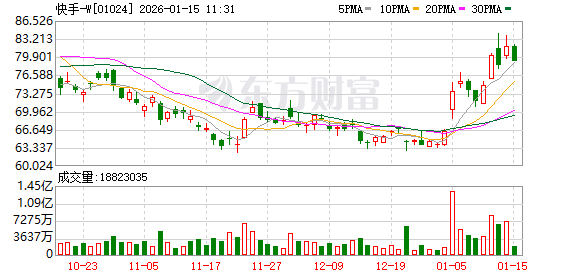
Group 1 - Kuaishou Technology is advancing its first offshore bond issuance plan, aiming to raise approximately $2 billion, marking a significant step in diversifying its capital structure and enhancing international financing capabilities [2] - The company plans to issue $1.5 billion in 5-year and 10-year USD-denominated bonds, along with approximately $500 million in 5-year dim sum bonds, with proceeds primarily allocated for general corporate purposes and to bolster offshore cash reserves [2] - Kuaishou's total capital expenditure is expected to exceed 14 billion RMB by 2025, with over two-thirds directed towards its AI platform "Kling," which is central to its technology strategy [2] Group 2 - Kuaishou's AI platform "Kling" achieved a monthly revenue of over $20 million in December 2025, corresponding to an annual recurring revenue (ARR) rate of approximately $240 million, marking a significant milestone in its commercialization process [2] - The offshore bond issuance is expected to optimize Kuaishou's debt structure and reduce financing costs, while also enhancing its credit recognition in international capital markets [3] - Analysts project that Kuaishou's main business will continue to grow steadily in 2026, with a revenue increase of 9% year-on-year to 154.9 billion RMB, driven by a 10% growth in advertising and a 21% increase in other business segments [3]

中新网评:莫让“避雷帖”变“造雷帖”
Zhong Guo Xin Wen Wang· 2026-01-12 13:45
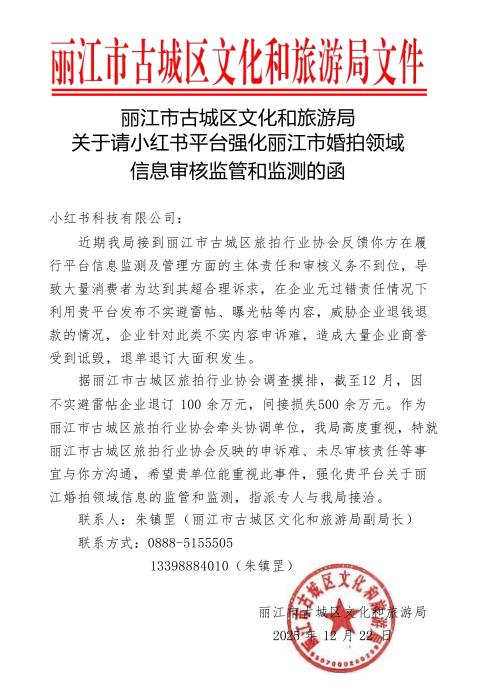
Core Viewpoint - The rise of misleading "avoidance posts" on social media platforms like Xiaohongshu has led to significant financial losses for businesses, highlighting the need for better content governance and consumer education [1][2]. Group 1: Impact on Businesses - Businesses have reported losses exceeding 500 million yuan due to unsubstantiated "avoidance posts," with over 100,000 yuan in direct refunds [1]. - Some merchants claim that none of the 30 exaggerated and malicious "avoidance posts" they reported on Xiaohongshu were successfully appealed [1]. - The tourism and related sectors are particularly vulnerable due to the subjective nature of services like wedding and travel photography, which can lead to disputes [1]. Group 2: Nature of "Avoidance Posts" - The term "avoidance posts" originated from a genuine need for transparent consumer information, but has been distorted by some users seeking attention [2]. - The overall viewership of "avoidance" tags on Xiaohongshu has surpassed 10.8 billion, with over 66.61 million discussions, often lacking specific evidence [2]. - The proliferation of emotional and exaggerated "avoidance posts" misleads public perception and harms local tourism industries [2]. Group 3: Platform Responsibility and Recommendations - The platform's algorithms tend to favor controversial and extreme content, creating a vicious cycle of negativity [2]. - If platforms prioritize traffic over content governance, it could undermine their credibility [2]. - There is a call for platforms to develop refined content evaluation and guidance mechanisms to help users discern information more rationally [2]. Group 4: Industry Self-Improvement - Local tourism departments and industry businesses are encouraged to self-assess and address shortcomings in service quality, complaint response, and integrity [2]. - Continuous service optimization and the establishment of effective dispute resolution mechanisms are essential to reduce negative experiences [2]. - The ultimate goal is to ensure that every shared experience is trustworthy and every journey is anticipated positively [3].
民生调查局丨小红书“避雷帖”,反被避雷
Zhong Guo Xin Wen Wang· 2026-01-12 11:30
Core Viewpoint - The controversy surrounding "avoidance posts" on Xiaohongshu highlights the challenges in the wedding photography industry, where some consumers exploit these posts to pressure businesses for refunds, raising questions about the platform's content review mechanisms and the balance of consumer rights and business integrity [2][4][5]. Group 1: Industry Challenges - The increase in "avoidance posts" on Xiaohongshu has been notable since October 2024, with businesses reporting difficulties in contesting these posts due to the platform's inadequate appeal process [4][5]. - Businesses in the wedding photography sector have experienced significant financial losses due to "avoidance posts," with one business reporting over 200,000 yuan in forced refunds and indirect losses exceeding 1 million yuan from cancellations [6]. - The rise of social media platforms like Xiaohongshu and Douyin has shifted consumer traffic away from traditional platforms, creating new challenges for businesses in managing their reputations [4]. Group 2: Consumer Behavior - Consumers often do not voice dissatisfaction during the photography process, leading to post-service complaints that businesses find difficult to address [8][9]. - Factors such as time constraints and communication issues during the shoot can prevent consumers from expressing their concerns, which complicates the evaluation of service satisfaction [9][10]. - Some consumers perceive the act of posting "avoidance posts" as a legitimate means of expressing dissatisfaction, despite businesses arguing that these posts can be misleading and damaging [11][12]. Group 3: Legal Perspectives - Legal experts emphasize the need to distinguish between legitimate consumer feedback and malicious defamation, noting that false negative reviews could infringe on a business's reputation [11][12]. - Courts have ruled in some cases that consumer reviews, even if subjective, do not necessarily constitute defamation if they reflect genuine experiences [13][14]. - The ongoing disputes between consumers and businesses over "avoidance posts" highlight the necessity for clearer regulations and better management practices within the industry [14].
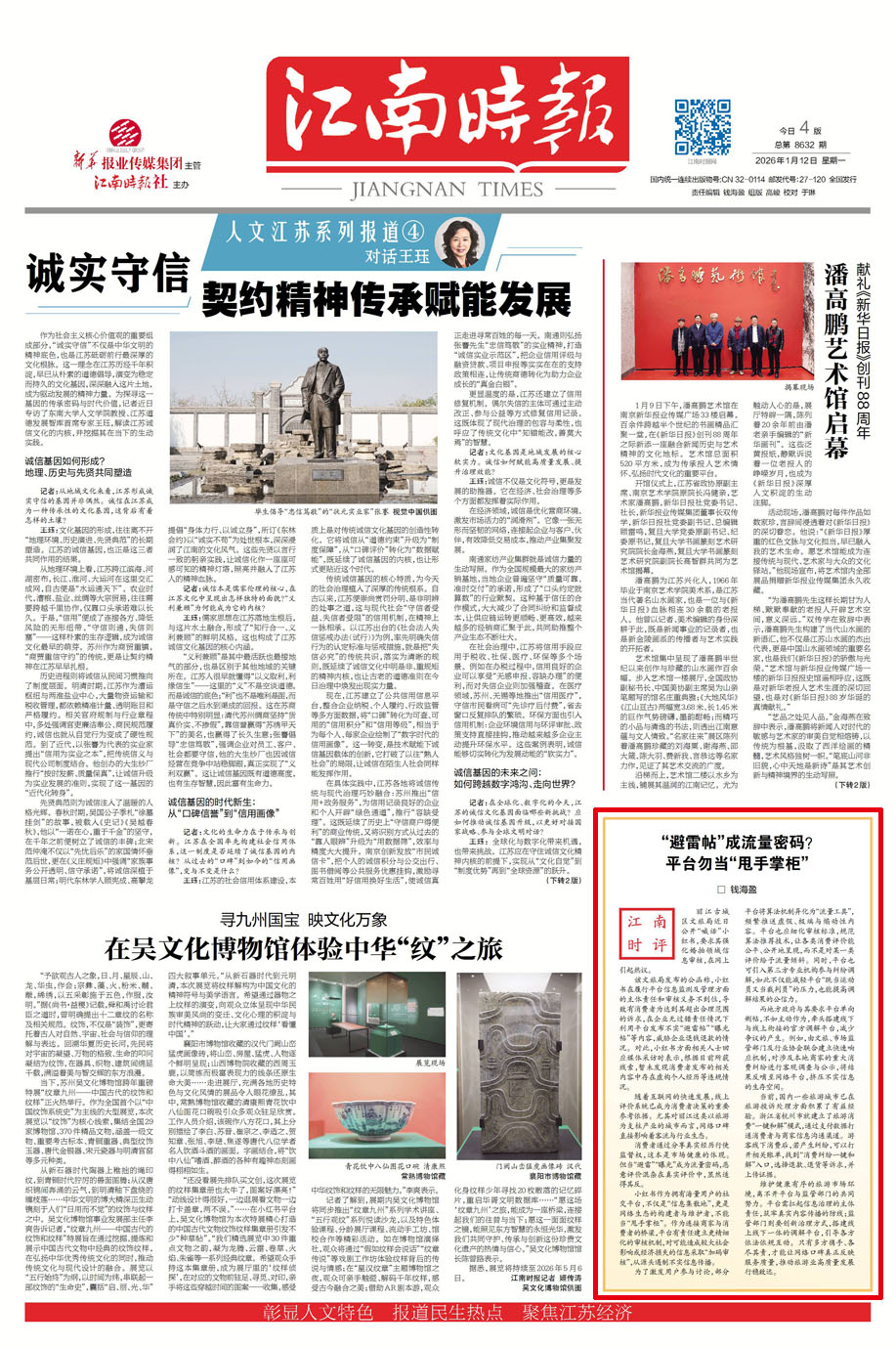
避雷帖”成流量密码?平台勿当“甩手掌柜
Jiang Nan Shi Bao· 2026-01-11 13:30
Core Viewpoint - The article discusses the evolution and significance of the concept of integrity in Jiangsu's culture, emphasizing its historical roots and contemporary relevance in promoting economic and social development. Group 1: Historical Context of Integrity in Jiangsu - Jiangsu's integrity culture is deeply rooted in its geographical and historical context, where trade and communication necessitated trust and reliability among merchants [1][2] - The region's historical figures, such as Zhang Rui, emphasized the importance of integrity in business practices, transforming it into a principle for industrial development [1][2] Group 2: Contemporary Applications of Integrity - Integrity is now seen as a cultural symbol that drives economic and social governance, acting as a catalyst for market vitality and reducing transaction costs [3] - Jiangsu has implemented a public credit information system that integrates various data sources, allowing for the creation of a "credit image" for individuals and businesses, thus modernizing the traditional integrity concept [3][11] Group 3: Challenges and Innovations - The rise of digital platforms has introduced challenges to maintaining integrity, as malicious reviews and misinformation can undermine trust [15][16] - Platforms like Xiaohongshu are urged to enhance their content moderation mechanisms to prevent the spread of false information, thereby protecting the integrity of the market [15][17] Group 4: Future Directions - The article suggests that Jiangsu should leverage its integrity culture to engage in global dialogue and adapt to the digital age, ensuring that traditional values are preserved while embracing modern governance [4][11]
全球产业链供应链重塑期的中国企业:能力提升!| 跨越山海
Di Yi Cai Jing· 2025-12-31 05:09
Core Insights - The article discusses the evolving landscape of globalization in 2025, highlighting the rise of trade protectionism and the emphasis on national economic policies, which create uncertainties for Chinese enterprises in their global expansion efforts [2][4]. Group 1: Globalization Trends - The global trade environment is increasingly characterized by protectionism, with countries favoring regional trade agreements over multilateral cooperation, leading to a fragmented trade landscape [6]. - Major economies are tightening foreign economic policies under the guise of national security, particularly the U.S. and EU, which are implementing measures aimed at reducing reliance on Chinese technology and supply chains [6][7]. - The EU is establishing new compliance barriers through regulations that impose environmental and labor standards, creating additional challenges for Chinese products entering the European market [7][11]. Group 2: Market-Specific Challenges - In the U.S. market, Chinese companies face stringent export controls and investment scrutiny, particularly in high-tech sectors, which complicates their operational landscape [9][10]. - The EU has introduced a unified foreign direct investment review mechanism, increasing barriers for Chinese investments in critical sectors, alongside new environmental regulations that impose additional costs on Chinese exports [11][12]. - India has adopted a cautious approach towards Chinese enterprises, implementing strict market entry barriers and local compliance requirements, which complicates the operational environment for Chinese firms [14][15]. Group 3: Regional Dynamics - The RCEP agreement offers both opportunities and challenges for Chinese companies, facilitating trade with ASEAN nations while also intensifying competition from regional players [17][18]. - In Latin America, political changes and regional trade agreements introduce uncertainties for Chinese investments, necessitating a flexible approach to navigate the evolving landscape [19][20]. - The Middle East presents a mixed opportunity for Chinese enterprises, with potential for collaboration in infrastructure and technology, but also challenges related to geopolitical tensions and compliance with local regulations [21][22]. Group 4: Case Studies - DHgate has successfully navigated the U.S. market by leveraging a flexible supply chain and innovative marketing strategies, despite facing significant regulatory challenges [28][29]. - Xiaohongshu has capitalized on the migration of users from TikTok, rapidly expanding its user base internationally, but must address content regulation and data security concerns [34][35]. - BYD has adopted a localization strategy in Europe to mitigate the impact of anti-subsidy investigations, while facing significant barriers in the U.S. market due to high tariffs and restrictive policies [39][40][42].



第一创业晨会纪要-20251230
First Capital Securities· 2025-12-30 06:49
Group 1: Industry Overview - The latest auction by PJM, the largest grid operator in the U.S., indicates that the capacity price for 2027/2028 has reached a ceiling of $333.4, with a simulated "shadow price" suggesting that actual costs may be 60% higher. Goldman Sachs warns that if future auctions eliminate price caps, electricity costs could potentially double. In November, the U.S. data center power demand capacity saw an increase of 1.6 GW, significantly surpassing the average monthly growth of 0.26 GW from 2017 to 2024, bringing the total capacity to 44.6 GW. This trend supports the view that the development of AI in the U.S. is increasingly constrained by electricity costs, leading to a positive outlook for the power equipment industry [3]. Group 2: Semiconductor Industry - On December 29, SMIC announced that its subsidiary, SMIC Southern, will increase its registered capital from $6.5 billion to $10.0773 billion. The capital increase will primarily come from SMIC Holdings and various national and regional integrated circuit funds, totaling $7.778 billion. Following this capital increase, SMIC will hold a 41.56% stake in SMIC Southern. This significant growth indicates ongoing large-scale expansion, and with the current favorable outlook for storage demand, the semiconductor front-end equipment industry is expected to see improved market conditions [4]. Group 3: Advanced Manufacturing - The Secretary-General of the China Passenger Car Association, Cui Dongshu, has made forward-looking predictions regarding the demand for new energy batteries in early 2026. He suggests that due to seasonal disruptions from the Spring Festival and a temporary weakening of downstream demand, lithium battery demand may experience a noticeable month-on-month decline. The production data indicates that the total planned production of lithium batteries (including energy storage, power, and consumer) in China for January 2026 is approximately 210 GWh, a 4.5% decrease month-on-month, while the global market's planned production is about 220 GWh, down 6.4%. However, this decline is attributed to seasonal and structural factors, and the overall industry outlook remains positive, with a year-on-year increase of 39.8% in planned production for January [7]. Group 4: Consumer Sector - Soulgate plans to submit its prospectus to the Hong Kong Stock Exchange for the third time in November 2025. Tencent (holding 49.9%, not involved in daily operations) and miHoYo (holding 5.47%) are core shareholders. Since its launch in 2016, the Soul APP has attracted a large number of young users through its differentiated positioning of "soul socializing." The platform's average daily active users reached 10.96 million from January to August 2025, with an average of 20.1 launches per user per day and a 30-day user retention rate of 23%. The company has achieved a net profit since 2023, with steady revenue growth projected from 2022 to 2024, and a revenue of 1.683 billion yuan (up 17.82% year-on-year) for the first eight months of 2025, maintaining a gross margin above 80%. The integration of AI capabilities is expected to enhance user engagement and explore new business models in the social space [9].