智能家居

Search documents
丰立智能:12月25日召开董事会会议
Mei Ri Jing Ji Xin Wen· 2025-12-25 10:06
每经AI快讯,丰立智能(SZ 301368,收盘价:59.42元)12月25日晚间发布公告称,公司第三届第十二 次董事会会议于2025年12月25日在公司会议室召开。会议审议了《关于募集资金投资项目延期的议案》 等文件。 2024年1至12月份,丰立智能的营业收入构成为:智能家居行业占比46.07%,气动工具行业占比 24.13%,减速机行业占比23.56%,新能源传动行业占比5.72%,其他行业占比0.52%。 每经头条(nbdtoutiao)——对话马斯克脑机接口"一号受试者":大脑植入芯片23个月,我正重新夺回 人生的独立 (记者 曾健辉) 截至发稿,丰立智能市值为71亿元。 ...

华为鸿蒙智家新品发布:“品价比”拉满,让你“想怎么装就怎么装”
Jing Ji Wang· 2025-12-24 08:16
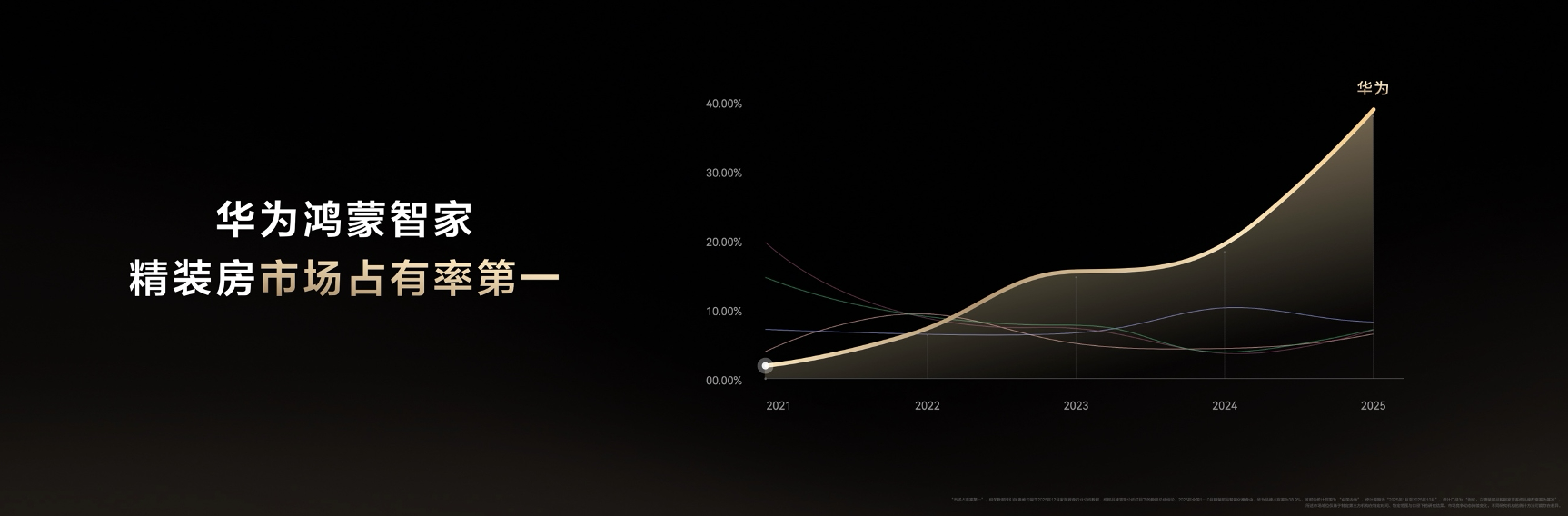
Core Insights - Huawei's HarmonyOS Smart Home has achieved a market share of 38.9% in the intelligent decoration sector, significantly outpacing competitors whose combined share is 34% [1][3] - The launch of the nova15 series and new products emphasizes the integration of smart technology and aesthetic design, aiming to create a "smart and beautiful future home" experience for consumers [1][8] Product Innovations - The upgraded AI assistant, "Xiao Yi Butler," now features advanced natural language understanding, allowing it to comprehend user intent beyond simple commands, enhancing user interaction [3][4] - The new X2 Pro smart host serves as a central control system with significant upgrades in intelligence, connectivity, security, and aesthetics, enabling faster and more reliable responses without cloud dependency [6][10] Aesthetic Integration - Huawei emphasizes that smart devices should not only serve functional purposes but also contribute to home aesthetics, as seen in the introduction of high-end artistic panels and smart switches designed to match various home styles [8][10] - The products reflect a commitment to merging technology with design, catering to the growing consumer demand for both smart functionality and aesthetic appeal [8][11] Market Strategy - Huawei has introduced three tiers of smart decoration packages for both pre-installation and post-installation scenarios, making smart home solutions more accessible and affordable for a wider range of consumers [10][11] - The pricing strategy for these packages is designed to lower entry barriers, transforming high-end smart living into an attainable option for ordinary households [10][11]

众成商会刘志杰:决策本质——实战逻辑的透视
Sou Hu Cai Jing· 2025-12-23 18:45
众成商会刘志杰:决策本质——实战逻辑的透视 "决策的第一步,永远是打破信息的茧房。"刘志杰常对商会成员强调,市场从不缺乏数据,但多数信息以碎片化、甚至误导性的形式存在。他曾在一次制造 业企业危机咨询中发现,企业主仅凭季度销售额下滑便判定"市场饱和",却忽略了供应链成本波动、区域政策调整、竞品渠道策略等关联变量。刘志杰带领 团队用三个月时间,将企业内部数据流与行业宏观趋势、区域消费特征交叉分析,最终定位问题核心——并非市场萎缩,而是产品迭代速度滞后于年轻群体 需求变化。 这种"穿透式解读"的关键,在于建立"系统认知框架"。刘志杰主张决策者需像拼图者,既要看到单片碎片的纹理(具体数据),也要想象完整图案的轮廓 (行业本质与周期规律)。他在商会内部推动"三维信息过滤法":其一,区分"事实数据"与"观点解读",比如"原材料涨价10%"是事实,而"涨价将导致行业 洗牌"则是观点;其二,追溯信息源头的利益立场,警惕被刻意放大的焦虑或被掩盖的风险;其三,将孤立信息嵌入产业链上下游的动态关系中,判断其是 短期波动还是长期趋势。唯有如此,才能避免"盲人摸象"式的误判,让决策建立在坚实的认知基础之上。 动态平衡的艺术:风险与机遇 ...

未来10年,最挣钱的凭什么一定是这群人?
创业家· 2025-12-23 10:10
Group 1 - The core viewpoint of the article is that Amazon's report on global e-commerce trends highlights emerging consumer demands and market opportunities driven by technology and emotional needs [1][2][39]. Group 2 - Trend 1: AI Quality Space - Consumers are willing to spend more on smart home products that enhance emotional interaction and comfort, with over 65% of consumers in Europe and the US expressing this willingness [4][6]. - Trend 2: Sleep Economy - 37% of American adults reported a decline in sleep quality in 2023, indicating a growing market for sleep-related products and services [10][11]. - Trend 3: Happy Office - There is an increasing demand for ergonomic office furniture and environments that enhance comfort and productivity [13][14]. - Trend 4: Subtle Technology - Consumers are seeking technology that seamlessly integrates into their lives, enhancing quality without being intrusive [15]. - Trend 5: Pet Economy - The global pet industry is expected to grow by 45% over the next six years, with 55% of pet owners in developed markets willing to invest more in pet health and wellness [16][17][19]. - Trend 6: Outdoor Cooking - The rise of camping and outdoor cooking reflects a demand for products that enhance social experiences and lifestyle [20][22]. - Trend 7: Mobile Treasure Chest - Vehicles are evolving into multifunctional spaces, with consumers looking for comfort and efficiency in their car environments [23][27]. - Trend 8: Generation Z Consumers - This demographic values sustainability, personalization, and emotional connection in their purchasing decisions [28][29]. - Trend 9: Fitness Pioneers - There is a growing focus on personalized and efficient fitness solutions, supported by technology [31][34]. - Trend 10: E-sports Enthusiasts - Emerging markets are seeing rapid growth in e-sports, with consumers seeking high-performance equipment and immersive experiences [35][37].

从规模扩张到价值跃迁:品质消费如何重塑万亿级市场
Huan Qiu Wang· 2025-12-23 04:23
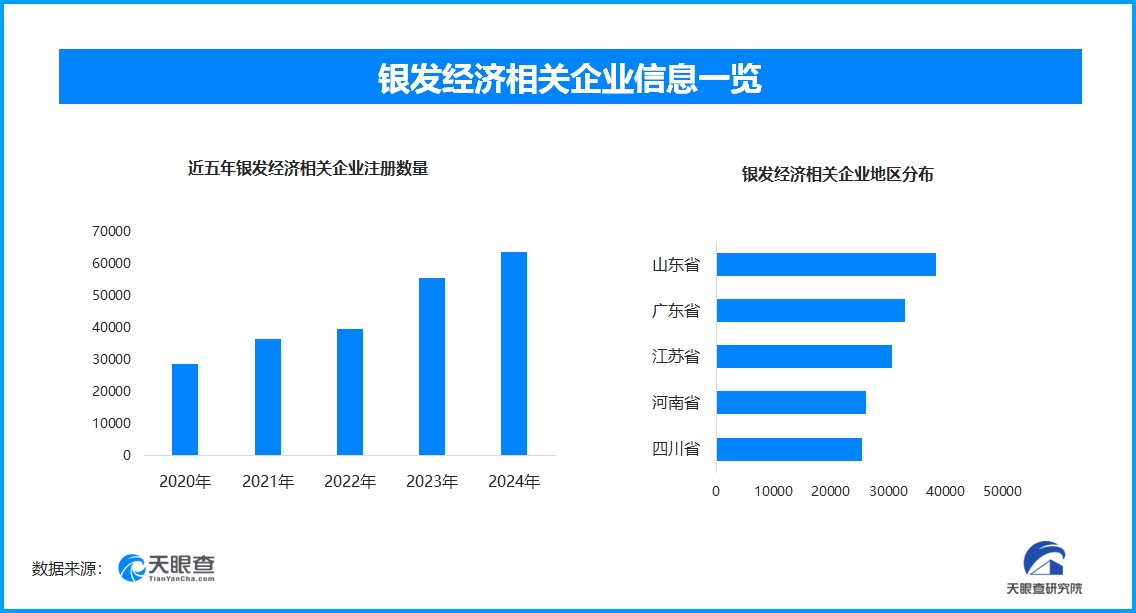
Core Viewpoint - The consumption market is undergoing a structural transformation from policy-driven expansion to quality-driven growth, with a focus on three key sectors: silver economy, maternal and infant consumption, and smart home technology [1] Silver Economy - The aging population in China is projected to reach 310 million by the end of 2024, accounting for 22% of the total population, with 220 million aged 65 and above [2] - The elderly population is increasingly seeking quality and intelligent living solutions, leading to a shift from traditional elderly care to technology-driven and health-oriented services [2] - The market for elderly products is expected to grow from 5.4 trillion yuan in 2024 to 6.1 trillion yuan by 2025, with a compound annual growth rate of 7.3% from 2014 to 2024 [2] - Over 405,000 companies related to the silver economy are currently registered in China, with approximately 75,000 new registrations in 2025 alone [2] Maternal and Infant Consumption - The retail sales of maternal and infant products (excluding food) are projected to reach 565.33 billion yuan in 2024, driven by the demand for smart, safe, and personalized products [6] - The number of registered maternal and infant product companies has exceeded 11.37 million, with about 2.99 million new registrations in 2025 [6] - Key regions for maternal and infant product companies include Guangdong, Hainan, and Hubei, which collectively account for over 35% of the total [6] Smart Home Technology - The smart home market in China is expected to reach 756 billion yuan in 2024 and surpass 800 billion yuan in 2025, with a target of reaching 1 trillion yuan by 2027 [9] - AI technology is transforming smart home products and services, enabling interconnected ecosystems that enhance user experience and energy efficiency [9] - There are over 92,000 registered smart home companies in China, with Guangdong leading in company numbers [9] Overall Market Trends - The three sectors are expected to drive significant growth in the consumption economy, transitioning from scale expansion to high-quality development, supported by policy initiatives and technological innovations [10]
钛媒体「年度前沿科技产品」榜重磅揭晓 | 2025 T-EDGE AWARDS
Tai Mei Ti A P P· 2025-12-22 11:39
Group 1: Industry Trends - 2025 marks a pivotal year for the global technology industry, transitioning from "smart connectivity" to "intelligent autonomy" [1] - Hardware products are entering a new era of "edge AI explosion," driven by advancements in AI technology, the proliferation of 5G-A, and sustainable development [1] - The transformation of smart hardware is shifting from "single hardware parameters" to a "full-scenario intelligent ecosystem" [1] Group 2: Consumer Electronics and Innovations - Seamless integration between different types of devices is becoming more common, enhancing user experience across smartphones, computers, and tablets [1] - The rise of smart home appliances, automotive technology, and drones is significantly transforming lifestyles and industrial models [1] - The automotive sector is redefining its role, moving beyond being just a transportation tool to becoming part of a broader economic opportunity in low-altitude airspace [1] Group 3: 2025 EDGE Awards - The 2025 EDGE Awards will recognize outstanding technological products that have made significant contributions in functionality, design, user experience, and market performance [3] - Award-winning products are expected to address industry pain points, optimize user experiences, and explore new scenarios, setting market benchmarks and driving innovation [3] - The awards will highlight the most innovative products of the year, showcasing the profound impact of technological innovation on human life [3]






华为何刚:鸿蒙智家稳居精装房智能家居市场第一
Zheng Quan Shi Bao Wang· 2025-12-22 07:46
Core Insights - Huawei's HarmonyOS Smart Home has maintained a leading market share in the smart home market for newly decorated homes since 2025, showcasing a significant competitive advantage [1] Group 1 - Huawei's Terminal BG CEO He Gang announced the launch of the nova 15 series and other new products on December 22 [1] - The company emphasizes its strong position in the smart home sector, particularly in the context of newly decorated homes [1]
全球化迈入新周期,中国品牌如何借力亚马逊重塑“价值”?
Sou Hu Cai Jing· 2025-12-22 03:08
Group 1 - The global consumer market is undergoing significant changes, with overall consumption growth slowing down, but this does not indicate a complete contraction. Economic uncertainty is reshaping consumer behavior towards "strategic shopping" [3] - High-end products that offer emotional value, differentiated innovation, and upgraded experiences are outperforming the mass market in certain segments [3] - Chinese brands are experiencing reverse growth in international markets, with examples like Yarbo's snow-clearing robot and Why Worry's adult care products achieving success despite higher price points [4][5] Group 2 - Amazon is at the center of the "value export" trend, serving as a critical platform for global consumers to make value judgments and for emerging brands to convert their differentiated advantages into scalable growth [4][5] - 79% of consumers compare prices before purchasing, with 87% prioritizing Amazon for product comparisons, indicating its dominance in consumer decision-making [5] - Amazon Prime has over 220 million global members, with approximately 180 million in the U.S., covering about 80% of American households, creating a strong consumer base for high-frequency purchases [5] Group 3 - High-value brands face the challenge of making their value clear and credible to global consumers, as "value" is often an abstract concept. Amazon's efficiency and concentration provide fertile ground for translating this value [7] - By 2025, Amazon is expected to have 9.7 million registered sellers globally, with an active seller count of about 2.5 million, holding nearly 40% market share in the U.S. e-commerce sector [7] - Successful brands are building a "value pyramid" on Amazon, addressing consumer concerns at different decision-making levels, emphasizing the importance of product reliability [7][8] Group 4 - Brands are increasingly focusing on emotional and cultural expressions as a path to high value, with successful examples like the beauty brand "Hua Zhixiao" resonating with consumers through relatable narratives [14][16] - The emotional value must be validated in mainstream consumption scenarios to translate into sustainable business scale [16] - Amazon serves as a crucial infrastructure for brands to establish legitimacy and reliability in the North American market, with its GMV accounting for about 20% of Hua Zhixiao's overall market in the U.S. [17] Group 5 - Amazon is becoming an essential platform for brands to validate high value, amplify trust, and enter mainstream markets, especially when brands have clear value propositions [19][20] - In 2024, Amazon's total net sales are projected to reach $638 billion, with global e-commerce GMV around $447.5 billion, reflecting an 8.6% year-on-year growth [20] - The Amazon strategic account team is aiding many emerging brands in their international expansion, helping them achieve significant revenue milestones in their first year [21] Group 6 - Amazon's transparent review system enhances product differentiation and reduces ambiguous marketing, which is crucial for brands with high technical density [25] - The platform provides a smoother and more reassuring purchasing path, which is particularly important for brands attracting consumers through aesthetics and emotions [25] - Post-purchase certainty is vital for high-ticket items, with Amazon's guarantees and established after-sales processes helping to mitigate consumer anxiety [27] Group 7 - Emerging brands are often entering the global market with innovative categories or differentiated solutions, moving away from low-price competition [28] - Consumers are increasingly willing to pay a premium for products that enhance safety, convenience, and overall experience, with 76% of U.S. consumers open to spending more on smart home devices [28] - Amazon is becoming a critical starting point for Chinese brands in their value export journey, facilitating the transition from product selling to brand building [29]


那个周末,我的吸尘器开始骂我
3 6 Ke· 2025-12-22 01:33
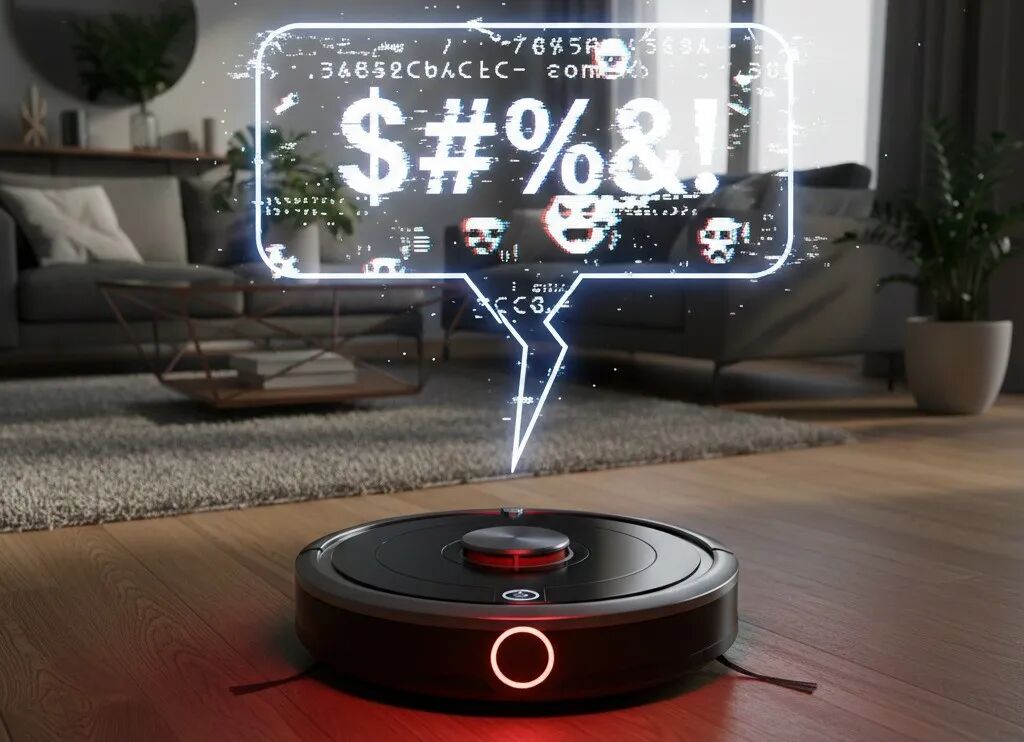
Group 1: Emerging Threats in Smart Home Technology - The article discusses incidents where smart home devices, such as vacuum robots, have been hacked, leading to privacy invasions and inappropriate behavior, highlighting the vulnerabilities in these technologies [3][4][9] - Europol's report titled "The Unmanned Future" warns about the potential for "unmanned" crimes, indicating a shift in how humans will need to coexist with machines and the need to redefine human-machine relationships [7][8] - Security researchers have identified significant flaws in smart home devices, such as Bluetooth vulnerabilities, which allow hackers to easily take control of these devices [9][12] Group 2: The Evolution of Crime and Law Enforcement - The article illustrates how technology has enabled new forms of crime, including the use of drones for smuggling and the creation of botnets from compromised smart devices [14][16][18] - Criminals are increasingly using consumer technology for high-tech crimes, making it difficult for law enforcement to keep pace with evolving threats [17][18] - The report emphasizes that the rapid weaponization of civilian technology has outpaced legislative and law enforcement responses, creating a challenging environment for public safety [17][18] Group 3: Human-Machine Relationships - The article explores the complex emotional responses humans have towards robots, ranging from fear to affection, influenced by cultural narratives and media representations [19][20][26] - In Japan, there is a cultural practice of mourning robots, indicating a deep emotional connection between humans and machines, contrasting with Western fears of robotic domination [22][25] - The relationship between humans and machines is evolving, with technology becoming a new vessel for human emotions, raising questions about the future definition of "human" in a technologically advanced society [26]
280亿,扫地机器人鼻祖宣布破产
虎嗅APP· 2025-12-21 10:08
Core Viewpoint - The collapse of iRobot, a pioneer in the robotic vacuum industry, highlights the consequences of regulatory paradoxes, trade policy conflicts, and competition from Chinese firms, ultimately leading to its bankruptcy and acquisition by a Chinese supplier [4][9]. Group 1: Company Background and Market Position - iRobot was founded in 1990 by MIT roboticists and initially focused on defense and space applications, but gained fame with the launch of the Roomba vacuum in 2002, which became a household name in the U.S. [6][7]. - By 2021, iRobot's valuation peaked at $35.6 billion, with Roomba capturing 42% of the U.S. market and 65% in Japan, selling over 50 million units [7][8]. Group 2: Competitive Landscape and Challenges - The pandemic-induced boom masked structural issues, as competitors like Ecovacs and Roborock emerged with significantly higher R&D investments and aggressive pricing strategies, leading to a loss of market share for iRobot [7][8]. - iRobot's reliance on manufacturing in Vietnam became a liability when punitive tariffs were imposed, increasing costs by $23 million and squeezing profit margins [8][9]. Group 3: Acquisition Attempt and Regulatory Impact - In August 2022, Amazon proposed a $17 billion acquisition of iRobot, which was seen as a lifeline for the struggling company, but regulatory bodies in the U.S. and EU blocked the deal, citing antitrust concerns [8][12]. - Following the failed acquisition, iRobot's stock plummeted by 80%, leading to significant layoffs and a halt in non-core R&D projects, marking the beginning of its decline [9][12]. Group 4: Bankruptcy and Acquisition by Chinese Supplier - iRobot filed for Chapter 11 bankruptcy and sold its assets to Shenzhen Picea Robotics for $190 million, a move that ironically resulted in the foreign control that regulators sought to prevent [9][10]. - The failure of iRobot serves as a cautionary tale about the consequences of regulatory overreach and the need for a more nuanced understanding of global competition [12][14]. Group 5: Industry Implications and Future Trends - The bankruptcy of iRobot signals a significant shift in the smart home industry, moving from single-product successes to a focus on integrated smart home ecosystems [18][19]. - Companies must adapt to the new reality where ecosystem integration and technological innovation are crucial for survival, as evidenced by the struggles of other smart home brands facing similar growth challenges [19][23].