种植业

Search documents
2026年中央一号文件,全文来了!
Xin Hua She· 2026-02-04 00:11
Core Viewpoint - The document outlines the central government's commitment to modernizing agriculture and rural areas, emphasizing the importance of addressing "three rural issues" (agriculture, rural areas, and farmers) as a priority for the upcoming "14th Five-Year Plan" period from 2026 to 2030 [3][4]. Group 1: Agricultural Production Capacity and Quality - The goal is to stabilize grain production at approximately 1.4 trillion jin (700 million tons) and enhance agricultural production capacity through various initiatives [4]. - The document emphasizes the need to improve the quality and efficiency of the "vegetable basket" industry, ensuring a balanced supply and demand for meat and dairy products [4][5]. - It highlights the importance of protecting arable land and improving its quality, with strict management and monitoring to prevent illegal land use [5][6]. Group 2: Support for Farmers and Rural Development - The government aims to enhance the income stability of farmers through various support mechanisms, including price guarantees and subsidies for key crops [10][11]. - There is a focus on developing county-level industries that benefit farmers, promoting the integration of agriculture with other sectors [11][12]. - The document stresses the importance of providing stable employment opportunities for migrant workers and supporting their skills training [12][13]. Group 3: Infrastructure and Public Services - The plan includes significant investments in rural infrastructure, such as water supply systems, electricity networks, and road improvements [14][15]. - It emphasizes the need for better public services in rural areas, including education and healthcare, to improve living standards [15][16]. - The document outlines the importance of enhancing digital infrastructure in rural areas to support modern living conditions [14][16]. Group 4: Environmental Protection and Sustainable Practices - The government aims to promote ecological protection and restoration in rural areas, addressing issues like waste management and pollution control [17][18]. - There is a commitment to developing low-carbon agricultural practices and improving the management of natural resources [17][18]. Group 5: Governance and Leadership in Rural Affairs - The document highlights the need for strong leadership and governance in rural development, ensuring that local party organizations play a key role in implementing policies [23][24]. - It calls for improved methods of rural governance, focusing on accountability and community involvement in decision-making processes [24].
全文丨2026年中央一号文件发布!
Xin Hua She· 2026-02-04 00:10
Core Viewpoint - The document outlines the importance of agricultural and rural modernization as a foundation for China's overall modernization, emphasizing the need for comprehensive rural revitalization and the establishment of a strong agricultural nation by 2026 [2][21]. Group 1: Agricultural Production Capacity and Quality - The goal is to stabilize grain production at approximately 1.4 trillion jin, implementing actions to enhance grain capacity and optimize agricultural production structures [3][4]. - The document emphasizes the need to improve the quality and efficiency of the "vegetable basket" industry, ensuring a balanced supply of meat and dairy products while promoting sustainable agricultural practices [3][4]. Group 2: Support and Assistance Mechanisms - A robust policy framework for ongoing assistance is to be established, focusing on maintaining financial support and resource allocation to prevent large-scale poverty [7][8]. - The document highlights the importance of precise monitoring and timely assistance to prevent poverty, ensuring early detection and intervention for at-risk populations [7][8]. Group 3: Enhancing Farmers' Income - Policies will be implemented to protect and incentivize farmers' engagement in agriculture, including price supports and insurance mechanisms to stabilize income from key crops [9][10]. - The development of county-level industries that promote wealth for farmers is prioritized, integrating technology and sustainable practices into agricultural production [10][11]. Group 4: Rural Infrastructure and Services - The document stresses the need for improved rural infrastructure, including water supply, electricity, and transportation, to enhance living conditions and support economic activities [13][14]. - It calls for a comprehensive approach to public service provision in rural areas, ensuring access to education and healthcare while promoting community welfare [14][15]. Group 5: Ecological and Cultural Development - There is a focus on ecological protection and restoration in rural areas, promoting sustainable agricultural practices and improving the rural living environment [15][16]. - The document advocates for the promotion of cultural values and community engagement in rural areas, fostering a sense of belonging and social responsibility among residents [16][17]. Group 6: Governance and Leadership - Strengthening the leadership of the Communist Party in rural revitalization efforts is emphasized, ensuring that local governance aligns with national policies [21][22]. - The document outlines the need for innovative governance methods to enhance the effectiveness of rural policies and reduce bureaucratic burdens on local administrations [22][23].
一号文件正式发布,首提实施常态化精准帮扶,粮价近期也连续走高
Xuan Gu Bao· 2026-02-03 23:17
Industry Insights - The 2026 Central Document No. 1 emphasizes the implementation of normalized precise assistance for the first time, aiming to enhance the policy framework for assistance, improve monitoring precision and timeliness, and boost the effectiveness of industry and employment support, particularly for underdeveloped regions [1] - According to Pacific Securities, the national average purchase price of wheat reached 2529 yuan/ton, an increase of 4 yuan from the previous week, with a total increase of 14 yuan in the week prior. There is a strong expectation for rising international grain prices due to a loosening global liquidity environment and a global inventory reduction cycle, which may lead to domestic price increases [1] Company Developments - Suqian Agricultural Development reported that as of the summer sowing of 2025, the company managed approximately 1.358 million acres of farmland, an increase of 42,000 acres compared to the same period last year [2] - Top Cloud Agriculture has deployed a significant number of smart hardware devices in the application of IoT technology, establishing a comprehensive agricultural IoT system [3]
朝着建设农业强国目标扎实迈进(政策解读·中央一号文件)
Ren Min Ri Bao· 2026-02-03 22:23
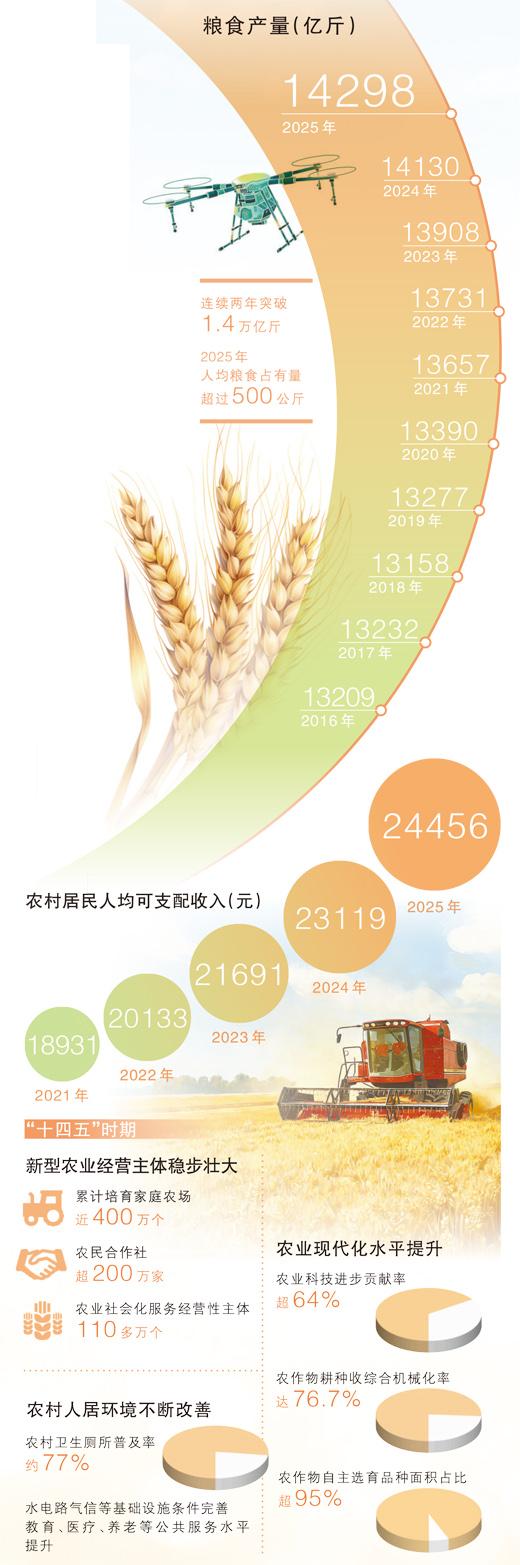
Core Viewpoint - The central government emphasizes the importance of addressing agricultural and rural issues as a priority, aiming for modernization in agriculture and improved living conditions for farmers by 2026 [3]. Group 1: Agricultural Production and Food Security - Grain production in China is expected to remain stable at around 1.4 trillion jin, with a focus on enhancing agricultural productivity and quality [4][5]. - The government aims to implement measures to increase grain yield, including optimizing agricultural production structures and improving crop quality [5][6]. - Strengthening disaster prevention and response capabilities is crucial for enhancing grain production capacity [6][7]. Group 2: Rural Development and Poverty Alleviation - The government stresses the need for continuous support to prevent large-scale poverty and ensure the sustainability of poverty alleviation efforts [9][10]. - A systematic approach to regularized assistance is proposed, focusing on maintaining financial support and optimizing existing policies to enhance effectiveness [9][10][11]. - The emphasis is placed on targeted assistance for different regions, particularly for underdeveloped areas, to ensure equitable development [11]. Group 3: Income Growth for Farmers - Increasing farmers' income is identified as a central task, with measures to broaden income channels and enhance agricultural productivity [13][14]. - The average disposable income for rural residents is projected to reach 24,456 yuan in 2025, reflecting a nominal growth of 5.8% [13]. - The government plans to support farmers through various income sources, including agricultural production, labor income, and local industries [14][15]. Group 4: Infrastructure and Rural Living Conditions - The government aims to improve rural infrastructure and public services, addressing issues such as transportation, water supply, and waste management [16][18]. - There is a focus on enhancing the quality of rural living environments and ensuring that development aligns with local needs and conditions [17][18]. - The initiative includes promoting cultural and social improvements in rural areas to foster a better quality of life [17][19].

中共中央国务院关于锚定农业农村现代化扎实推进乡村全面振兴的意见
Xin Lang Cai Jing· 2026-02-03 20:48
Group 1 - The article emphasizes the importance of promoting dairy consumption and supporting the development of forage production, facility agriculture, and modern fishing practices [1] - It highlights the need for strict food safety regulations and multi-departmental collaboration to ensure compliance and prevent illegal practices [1] - The article discusses the significance of protecting and improving arable land quality, including measures to combat illegal land use and enhance soil fertility [1] Group 2 - The article outlines the enhancement of agricultural technology innovation, focusing on the development of key agricultural technologies and the promotion of breakthrough crop varieties [2] - It stresses the integration of artificial intelligence and modern agricultural practices, including the use of drones and IoT [2] - The need for reform in agricultural research institutions and the promotion of agricultural technology at the grassroots level is also mentioned [2] Group 3 - The article discusses the establishment of a robust agricultural disaster prevention and mitigation system, including improved monitoring and response capabilities for extreme weather events [3] - It emphasizes the construction of flood control infrastructure and the management of agricultural pests and diseases [3] - The importance of enhancing the trade of agricultural products and supporting the export of competitive agricultural goods is highlighted [3] Group 4 - The article outlines the implementation of a regularized assistance policy system to prevent poverty and ensure water safety [4] - It emphasizes the need for precise monitoring and timely assistance to prevent the return of poverty among rural populations [4] - The article discusses the importance of optimizing industrial assistance methods to support market-competitive industries [5] Group 5 - The article highlights the need to protect and incentivize farmers' engagement in agriculture through price support and insurance mechanisms [7] - It discusses the importance of market monitoring and the establishment of a safety net for key agricultural products [7] - The article also mentions the promotion of rural e-commerce and the development of local agricultural brands [8] Group 6 - The article emphasizes the importance of improving rural infrastructure and public services to enhance living conditions in rural areas [10][11] - It discusses the need for integrated planning and management of rural infrastructure projects [10] - The article highlights the significance of enhancing educational and healthcare services in rural regions [12] Group 7 - The article discusses the promotion of ecological protection and restoration in rural areas, focusing on waste management and pollution prevention [13] - It emphasizes the need for sustainable agricultural practices and the management of agricultural pollution [13] - The article also highlights the importance of cultural heritage preservation and community engagement in rural development [14] Group 8 - The article outlines the need for a comprehensive approach to rural governance, including the strengthening of local party organizations and community participation [19][20] - It emphasizes the importance of addressing corruption and improving the effectiveness of rural policies [20] - The article discusses the need for innovative financing mechanisms to support rural development projects [17][18]
智慧农业让种地更“聪明”
Xin Lang Cai Jing· 2026-02-03 19:46
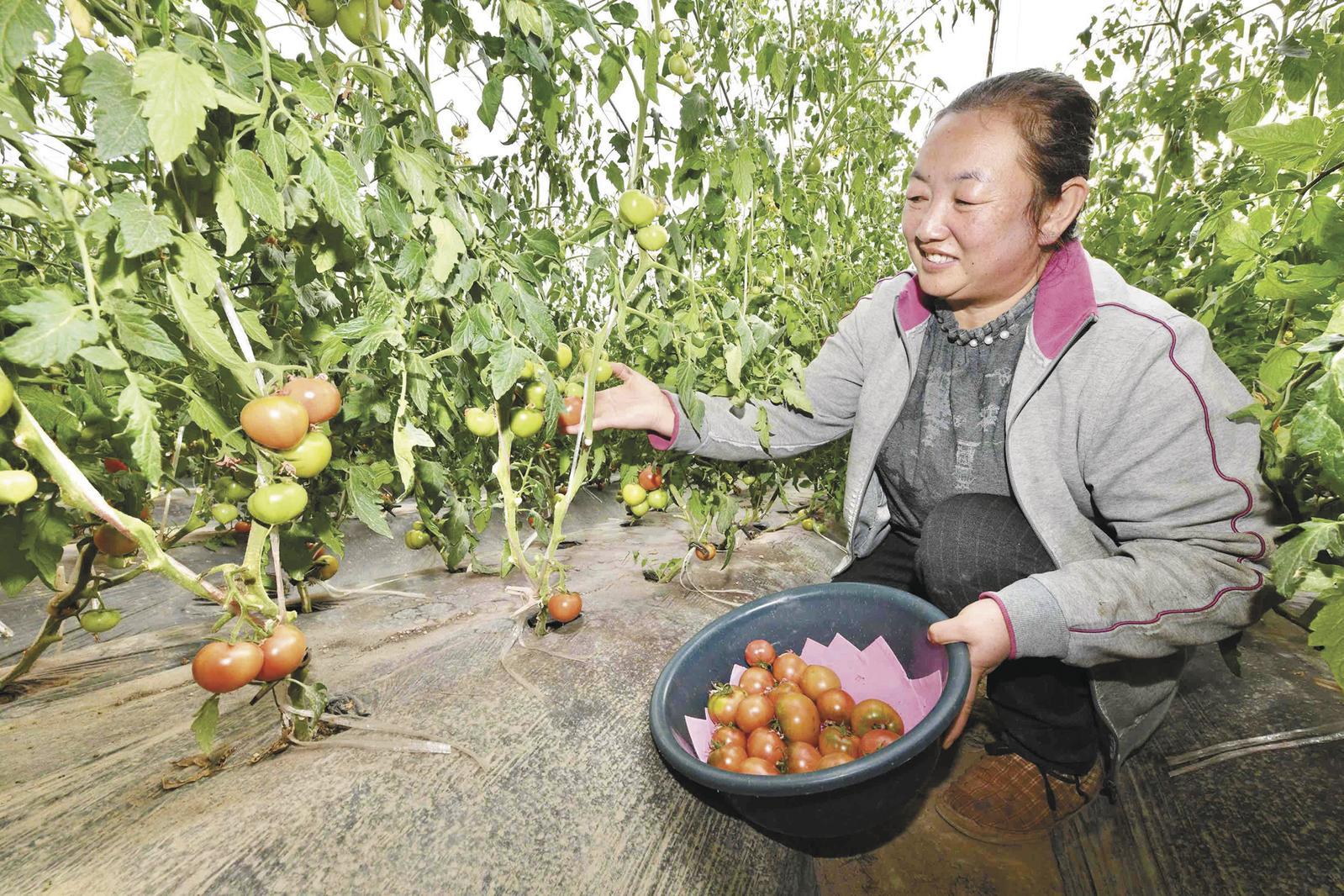
Core Insights - The article highlights the development of greenhouse agriculture in Huangzhong District, Xining City, which has established a robust "greenhouse economy" to ensure a stable supply of vegetables for the urban population [16][17]. Group 1: Greenhouse Economy Development - Huangzhong District has built three large-scale facilities covering thousands of acres and 34 medium-sized facilities, with a total greenhouse area reaching 800 hectares [16]. - The district's modern agricultural industrial park features orderly rows of greenhouses, cultivating over 30 varieties of fruits and vegetables, including peppers, eggplants, and strawberries, which thrive throughout the year [16]. Group 2: Seasonal Crop Management - Different crops are prioritized in various seasons, with strawberries and mushrooms being prominent in the first and fourth quarters, while cucumbers, peppers, and tomatoes dominate in the second and third quarters [16]. - This strategic planting arrangement allows for year-round production and staggered market availability, ensuring a diverse supply of vegetables for consumers [16]. Group 3: Technological Integration - The district has implemented a smart agriculture control platform, including 11 "four-conditions" monitoring stations, integrating IoT sensing and smart irrigation systems [17]. - The establishment of the province's first automated tidal logistics seedbed system enables the stable supply of 3 million quality seedlings annually, while promoting a 30% increase in water and fertilizer utilization efficiency through integrated water-fertilizer technology [17]. Group 4: Economic Impact on Farmers - The greenhouse economy not only secures the urban "vegetable basket" but also enhances the income of local farmers, who can engage in greenhouse contracting and cooperative planting, leading to stable employment and increased earnings [17].

为全年农业生产开好局
Xin Lang Cai Jing· 2026-02-03 17:45
Core Viewpoint - The central government emphasizes the importance of agricultural modernization and rural revitalization, with a primary focus on ensuring food security and enhancing agricultural production capacity and quality efficiency [1][2]. Group 1: Agricultural Production and Food Security - The first priority in the central government's document is to enhance agricultural comprehensive production capacity and quality efficiency, while firmly maintaining the national food security bottom line [1]. - The document outlines a multi-faceted approach to food supply, including the development of forest foods and bio-agriculture, as well as promoting deep-sea aquaculture and modern ocean fishing [1]. - The target for grain production is to stabilize at around 1.4 trillion jin (approximately 700 million tons), while also improving agricultural production capacity and quality efficiency [1]. Group 2: Poverty Alleviation and Agricultural Development - Strengthening the capacity for grain and important agricultural products is crucial for consolidating and expanding the achievements of poverty alleviation [2]. - The focus is on transforming agricultural resources into stable income sources, particularly in areas that have already achieved poverty alleviation [2]. - The document stresses the need for early and detailed preparations for spring farming, ensuring the availability of seeds, fertilizers, and agricultural machinery to support farmers [2].
新华时评|为全年农业生产开好局
Xin Hua She· 2026-02-03 15:18
为全年农业生产开好局 新华社记者王立彬 抓粮食生产,要处理好稳定与提升的关系。要在粮食产量稳定在1.4万亿斤左右的基础上,提升农业综 合生产能力和质量效益,产量产能、生产生态、增产增收一起抓。要推进粮油作物大面积提单产,因地 制宜优化农业生产结构和区域布局,推动粮食品种培优和品质提升。 抓好粮食和重要农产品产能建设,也是巩固拓展脱贫攻坚成果的重要抓手。总体看,脱贫地区发展根基 在农业,脱贫户增收主力靠种养。让农业资源变成稳收增收的硬支撑,要立足已脱贫地区自然禀赋,强 产业、固底盘、稳收入,以产能建设防返贫、保增收、促振兴。 农事不等人。端牢中国饭碗,就从中央一号文件的落实抓起,对春耕备耕各项工作要抓早抓实抓细。做 好种子、化肥、农机等农资保障,健全种粮农民收益保障机制,确保开春就把强农惠农富农的红利送到 种粮农民手中,调动农民种粮、地方抓粮的积极性,牢牢把握粮食安全主动权。 (新华社北京2月3日电) 立春在即,春耕可望,2026年中央一号文件如约而至。"十五五"开局之年,做好"三农"工作至关重要, 锚定农业农村现代化、扎实推进乡村全面振兴,头等大事就是抓好粮食和重要农产品生产,为做好全年 农业生产、端牢中国饭 ...
2026年中央一号文件发布!事关发展农业新质生产力、扩大乡村消费
Zhong Guo Ji Jin Bao· 2026-02-03 14:25
Core Viewpoint - The modernization of agriculture and rural areas is crucial for China's overall modernization, with significant progress expected during the 14th and 15th Five-Year Plans, focusing on enhancing agricultural production capacity, consolidating poverty alleviation achievements, and improving farmers' living standards [1] Group 1: Agricultural Production Capacity and Quality - The grain production target is set to stabilize at approximately 1.4 trillion jin, with efforts to enhance production capacity through a new round of initiatives [2] - A diversified food supply system will be promoted, with measures to stabilize pig production and support dairy and beef industries [2] - The protection and quality enhancement of arable land will be prioritized, with strict management and planning to prevent illegal land use [3] Group 2: Agricultural Technology and Innovation - Strengthening agricultural technology innovation is essential, focusing on key technologies and efficient application of scientific achievements [4] - The integration of artificial intelligence and agriculture will be promoted, expanding the use of drones and IoT in farming practices [4] Group 3: Support for Farmers and Rural Development - A robust support system for farmers will be established, including price guarantees and insurance mechanisms to ensure stable income from farming [8] - The development of county-level industries will be encouraged, focusing on green and quality agriculture, as well as rural e-commerce [9] Group 4: Infrastructure and Public Services - Rural infrastructure will be improved, including water supply, electricity, and transportation systems, to enhance living conditions [12] - The provision of basic public services in rural areas will be optimized, ensuring access to education and healthcare [13] Group 5: Governance and Leadership - The leadership of the Communist Party in rural work will be reinforced, with a focus on training and enhancing the capabilities of officials responsible for agricultural and rural affairs [20][21] - A comprehensive legal framework for rural governance will be established to ensure effective management and protection of rural rights [16]
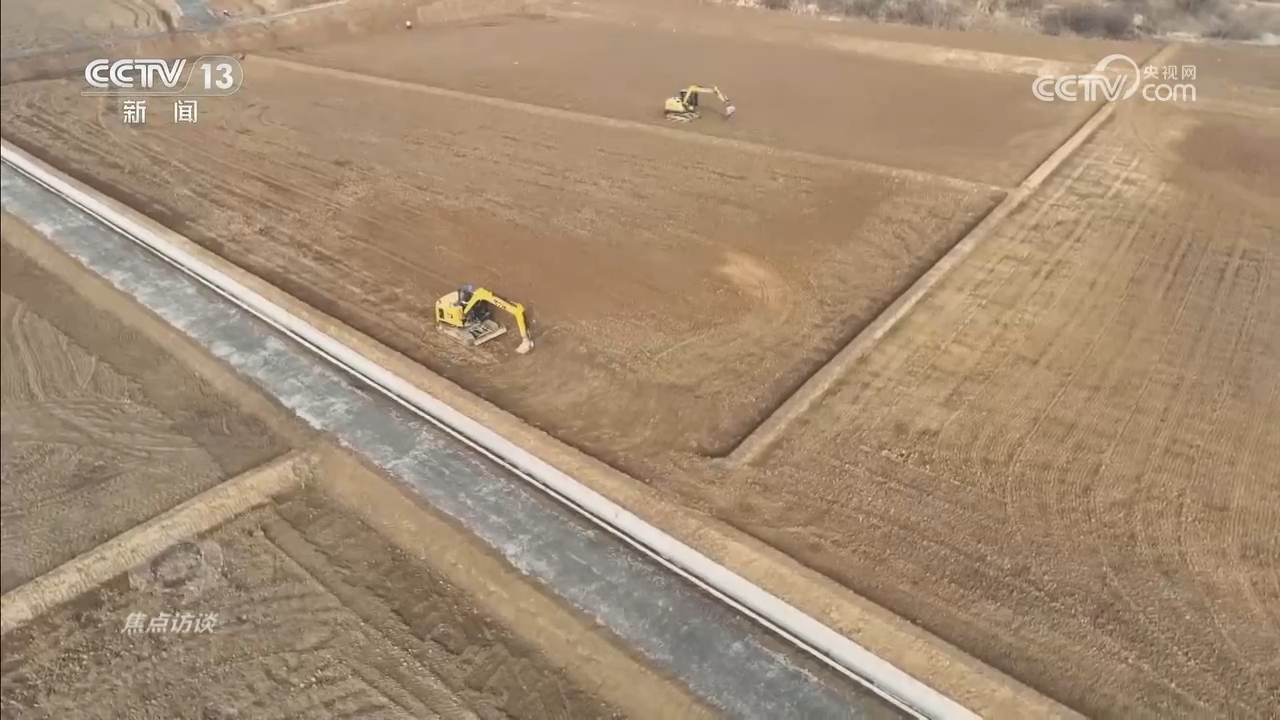
焦点访谈|“十五五”开局之年 “一号文件”为“三农”工作划重点
Yang Shi Wang· 2026-02-03 13:33
Core Viewpoint - The central document released by the Chinese government outlines a comprehensive plan for agricultural and rural modernization, emphasizing the importance of "three rural issues" (agriculture, rural areas, and farmers) as foundational to China's modernization efforts [1][4]. Group 1: Agricultural Modernization Goals - The document aims to enhance food security by implementing a new round of actions to increase grain production capacity, focusing on both quality and variety improvements [6][10]. - It emphasizes the need for high-quality agricultural development to ensure food security for a population of 1.4 billion, highlighting the importance of ecological considerations alongside production [6][10]. Group 2: Technological Advancements - The integration of artificial intelligence and digital technologies in agriculture is crucial for improving efficiency and productivity, although challenges remain in the practical application of these technologies [10][12]. - The document calls for the cultivation of leading agricultural technology enterprises and the acceleration of key technology breakthroughs to enhance the conversion and application of research results [10][12]. Group 3: Rural Revitalization and Poverty Alleviation - The document outlines a systematic approach to maintaining and expanding the achievements of poverty alleviation, transitioning from a focus on crisis intervention to a more normalized support system [12][17]. - It emphasizes the importance of tailored support for different regions, enhancing the internal development dynamics of impoverished populations and areas through industry-focused assistance [12][17]. Group 4: Infrastructure and Community Development - The document highlights the need for infrastructure improvements and the establishment of modern living conditions in rural areas, promoting a comprehensive upgrade of rural economies, politics, culture, society, and ecological civilization [14][17]. - It advocates for a categorized and orderly approach to rural revitalization, focusing on the integration of neighboring villages for coordinated planning and resource allocation [14][17]. Group 5: Urban-Rural Integration - The document stresses the importance of urban-rural integration as a fundamental path for achieving agricultural modernization and rural revitalization, encouraging not only the return of rural residents but also the influx of urban populations into rural areas for entrepreneurial activities [17].