
锂矿

Search documents
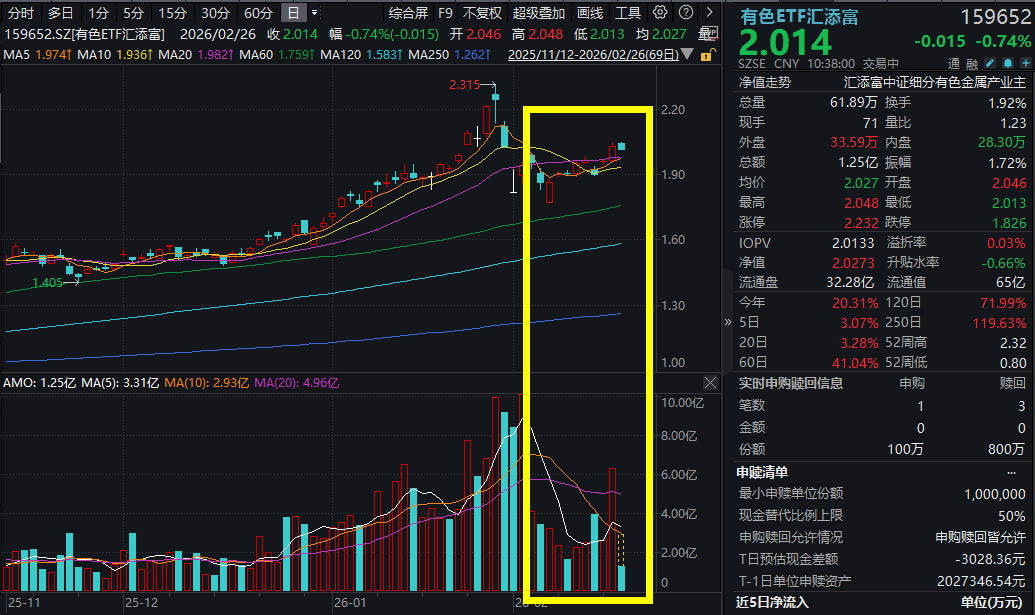
津巴布韦突发,锂矿出口禁令!影响几何?有色ETF汇添富(159652)早盘异动!金银铜回调是否到位?机构激辩有色“击球”时机
Sou Hu Cai Jing· 2026-02-26 03:17
Core Viewpoint - The A-share market experienced fluctuations, with the non-ferrous sector showing mixed performance, particularly influenced by recent geopolitical tensions and policy changes affecting lithium exports from Zimbabwe [1][5][6]. Group 1: Market Performance - As of February 26, the A-share market saw the Shanghai Composite Index retreat, with the non-ferrous ETF Huatai-PineBridge (159652) down by 0.74% [1]. - The non-ferrous ETF's key components showed varied performance, with small metals and lithium stocks leading gains, while major players like Zijin Mining and Luoyang Molybdenum experienced pullbacks [1][2]. Group 2: Lithium Market Impact - Zimbabwe's Ministry of Mines announced an immediate ban on all lithium ore and concentrate exports, significantly impacting global lithium supply dynamics [5][6]. - This ban is expected to drive lithium prices up, as Zimbabwe accounted for approximately 12% of global lithium production in 2026, with China being a primary importer [6][7]. Group 3: Precious Metals Outlook - Precious metals, including gold and silver, saw price increases due to heightened geopolitical tensions and inflation expectations, with Morgan Stanley projecting gold prices to reach $6,300 per ounce by the end of 2026 [3]. - The recent rise in lithium stocks in the U.S. market reflects the immediate market reaction to Zimbabwe's export ban, with lithium carbonate futures surging over 4% [3][5]. Group 4: Strategic Metal Policies - The trend of resource nationalism is likely to continue, with countries implementing stricter export controls on strategic metals like lithium, cobalt, and nickel, which may lead to further supply disruptions [7]. - Analysts suggest that the recent policy changes in Zimbabwe are part of a broader strategy to enhance local processing capabilities and retain more value from mineral resources [5][6]. Group 5: Investment Opportunities - The non-ferrous sector is viewed as having significant investment potential, driven by macroeconomic factors, supply constraints, and emerging demand from new industries such as AI and renewable energy [8][10]. - The Huatai-PineBridge non-ferrous ETF is highlighted for its comprehensive exposure to various metal sectors, including gold, copper, aluminum, and lithium, making it a favorable investment vehicle [10][12].

津巴布韦叫停锂矿出口,碳酸锂价格将要“狂飙”?
Ge Long Hui· 2026-02-26 03:07
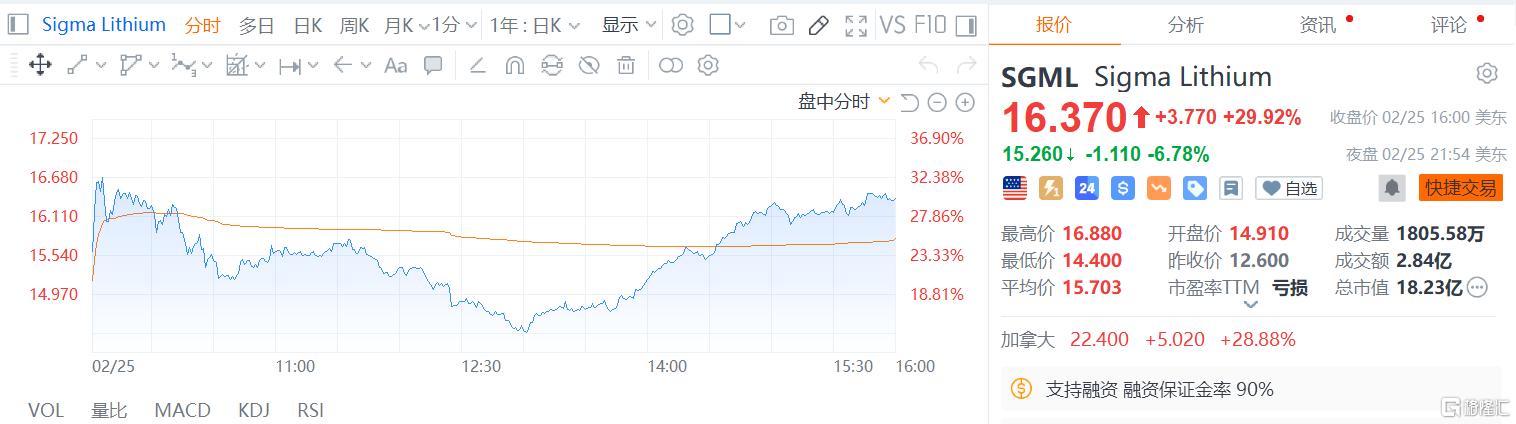
Core Viewpoint - Zimbabwe's Ministry of Mines has announced an immediate suspension of all unprocessed mineral and lithium concentrate exports, significantly impacting the global lithium supply chain [1][5][7]. Group 1: Market Impact - Following the announcement, U.S. lithium producers saw significant stock price increases, with Sigma Lithium rising nearly 30% and Livent up 8% [1]. - In the A-share market, lithium-related stocks were notably active, with companies like Keli Yuan and Jinyuan shares hitting the daily limit, and Salt Lake shares increasing over 8% [3]. - The price of lithium carbonate has surged, with recent contracts reaching 175,960 yuan per ton, reflecting a 4.84% increase [8]. Group 2: Supply Chain Dynamics - Zimbabwe is the fourth largest lithium producer globally and the largest in Africa, with over 90% of its lithium concentrate exported to China [7]. - The suspension of exports is part of a broader trend, as countries like Namibia and Botswana have implemented similar measures, reshaping the global lithium supply chain towards local processing [7]. - By 2025, Zimbabwe's lithium concentrate production is expected to account for 12% of global supply, with China importing 15.5% of its lithium concentrate from Zimbabwe [7]. Group 3: Domestic Industry Response - China's lithium upstream inventory is critically low, with less than 20,000 tons available, which may exacerbate supply shortages due to the export ban [10]. - The ban is expected to create a supply gap of up to 20,000 tons per month, further intensifying the existing supply-demand imbalance in the lithium market [11]. - The situation may lead to a short-term increase in lithium prices, benefiting domestic lithium companies and prompting them to accelerate overseas mining investments [13]. Group 4: Beneficiary Companies - Huayou Cobalt holds a 51% stake in Zimbabwe's Arcadia lithium mine, with a lithium carbonate equivalent of 245,000 tons, and is developing a processing plant [14]. - Zhongkuang Resources fully controls Zimbabwe's Bikita lithium mine, which is the largest operational lithium mine in Africa, with a high lithium oxide grade [14]. - Tianqi Lithium has full control over the Talison lithium mine, ensuring a self-sufficient resource rate and benefiting from rising lithium prices [14]. - Ganfeng Lithium, a global leader in the lithium industry, has a diversified resource layout and is well-positioned to avoid risks from Zimbabwe's export ban [15].




碳酸锂:津巴布韦禁令发酵助推盘面强势运行,成材:重心下移偏弱运行
Hua Bao Qi Huo· 2026-02-26 02:42
Report Summary 1. Report Industry Investment Rating No information provided. 2. Core View of the Report Supply and demand have returned to a tight balance, and prices are expected to run strongly within a certain range [4]. 3. Summary by Relevant Catalogs 3.1 Lithium Carbonate Market - Yesterday, the price of the main lithium carbonate futures contract closed at 166,480 yuan/ton, with increased trading volume and open interest, and the long - short ratio decreased month - on - month. Guangzhou Futures Exchange inventory decreased by 330 lots to 38,525 lots. The average price of SMM electric carbon was 161,750 yuan/ton, with an electric - industrial price difference of 3,500 yuan/ton. Downstream demand was for replenishment, while upstream suppliers were reluctant to sell and held up prices, resulting in light trading [2]. - After the market yesterday, Zimbabwe suspended lithium exports (with an annual production capacity of about 220,000 tons), increasing supply concerns. The current tight supply - demand situation and low inventory in China, along with emotional disturbances, boosted the futures price [2]. 3.2 Raw Material Fundamentals - Supply side: Before the festival, the price of spodumene concentrate (CIF) rose slightly, while that of mica decreased slightly. The SMM weekly operating rate was 46.02% (-1.27%), and the operating rates of all processes except lithium mica decreased. The SMM weekly total output was 20,184 tons (-560 tons), indicating a slight contraction in supply [3]. - Demand side: There was a differentiation in demand. Lithium iron phosphate production increased and inventory decreased, while ternary production and inventory both decreased. As of February 8, the penetration rate of new energy vehicle sales in SMM dropped to 36.3%, at a relatively low level. In January, the combined production of power and energy - storage batteries was 168.0 GWh, a month - on - month decrease of 16.7% and a year - on - year increase of 55.9%; sales were 148.8 GWh, a month - on - month decrease of 25.4% and a year - on - year increase of 85.1%. Energy - storage cells had strong production and sales and low inventory, being a structural highlight [3]. - Inventory side: Before the festival, the SMM four - location sample social inventory increased by 3,160 tons to 46,210 tons. The sample weekly total inventory decreased to 102,932 tons, and the total inventory days decreased to 29.6 days, returning to a tight - balance pattern [3]. 3.3 Macro - policy and International Environment - Macro - policy: On the demand side, subsidies for trading in old cars for new ones and export tax rebates for batteries directly stimulate terminal consumption and improve macro - liquidity. On the supply side, the National Development and Reform Commission issued a management method for the comprehensive utilization of new energy vehicle power batteries in January, raising recycling thresholds and eliminating backward production capacity, which will optimize domestic supply in the long term and raise the cost - support center. Industrial planning, including the development of Qinghai salt lakes, the focus of energy - storage in the 15th Five - Year Plan, and a series of deployments in the Central Economic Work Conference, work together to support long - term supply - demand balance. The central bank's structural interest - rate cuts strengthen the long - term positive atmosphere [4]. - International environment: On February 20, the US Supreme Court ruled that the IEEPA tariff was illegal, and the White House imposed a 15% temporary tariff. The tariff on energy - storage cells decreased from 48.4% to 43.4%, improving export profit margins and benefiting demand during the window period [4].
2000亿市值巨头盐湖股份,冲涨停
Xin Lang Cai Jing· 2026-02-26 02:37
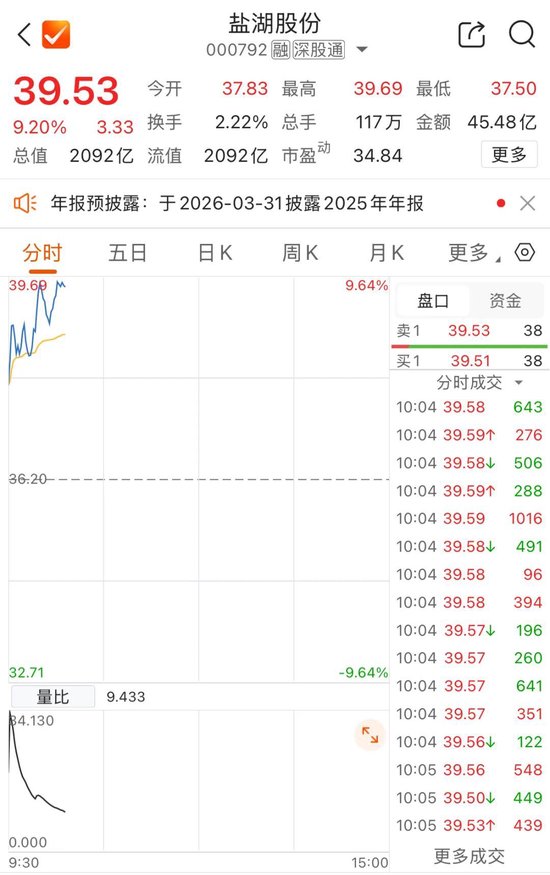
Core Viewpoint - The lithium mining sector is experiencing significant upward movement, with various companies seeing substantial stock price increases, particularly following policy changes in Zimbabwe that affect lithium exports [1][4]. Group 1: Market Performance - Lithium concept stocks opened strongly, with Erkang Pharmaceutical hitting a 20% limit up, and companies like Keli Yuan and Jinyuan shares also reaching their limit up [1][4]. - Salt Lake Co., Ltd. (000792) saw a price increase of 9.2%, bringing its market capitalization to over 200 billion yuan [1][4]. - Other companies such as Rongjie Co. and Tianqi Lithium also experienced stock price increases [1][4]. Group 2: External Market Influences - Global lithium producers like Sigma Lithium saw stock prices rise nearly 30%, while other companies like Yabao and Chilean Mining Chemical also reported gains of approximately 5% and 4% respectively [5][6]. - On February 25, Zimbabwe announced a suspension of all raw and lithium concentrate exports to enhance mineral regulation and accountability, impacting the global supply chain [3][6]. - UBS projected a supply shortage in the global lithium carbonate market by 2026, raising the price forecast to $26,000 per ton (approximately 180,000 yuan per ton) [3][7].

港股异动 津巴布韦暂停锂矿出口 天齐锂业(09696)高开逾6% 赣锋锂业(01772)高开逾5%
Jin Rong Jie· 2026-02-26 02:25
中信证券研报称,此次政策旨在加强矿产监管,推动矿产品深加工发展。2025年中国19%的进口锂精矿 来自津巴布韦,预计2026年津巴布韦锂资源产量占全球12%,该国的锂矿出口禁令将导致碳酸锂短期供 应愈发紧缺,有望推动锂价大幅上涨。建议关注不受出口政策影响的标的。 本文源自:智通财经网 消息面上,全球第四大锂矿生产国津巴布韦宣布,即日起暂停所有原矿及锂精矿出口,禁令覆盖范围包 括已在途货物,暂停措施将持续至另行通知。津巴布韦矿业部长Polite Kambamura周三在首都哈拉雷对 记者表示,津巴布韦暂停了锂精矿和原矿出口,该出口禁令立即生效,只有在矿企遵守政府要求后,禁 令才会解除。 智通财经获悉,锂矿双雄集体高开,截至发稿,天齐锂业(09696)涨6.11%,报50.4港元;赣锋锂业 (01772)涨5.48%,报71.2港元。 ...
创业板跌超1%,锂矿股上演涨停潮,人民币升破6.84关口,恒科指跌近1%,科网股普跌
Hua Er Jie Jian Wen· 2026-02-26 02:07
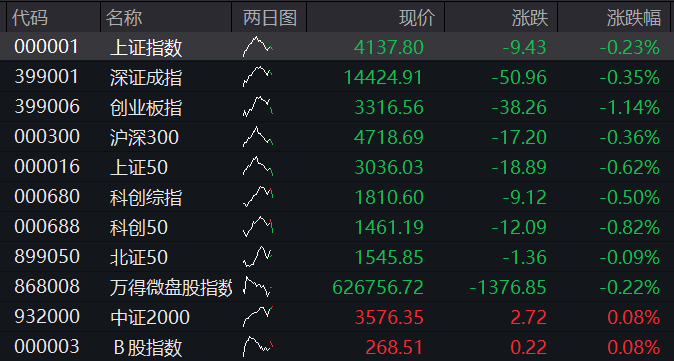
Group 1: Market Overview - The lithium mining sector experienced a surge, with stocks hitting the limit up, following Zimbabwe's Ministry of Mines and Mining Development's emergency statement to suspend all raw mineral and lithium concentrate exports [1] - On February 26, A-shares showed a downward trend, with major indices collectively declining; the ChiNext index fell nearly 1% [1] - The offshore RMB strengthened, surpassing the 6.84 mark, reaching a high of 6.8384 [1][7] Group 2: Stock Performance - Key A-share indices as of the report: Shanghai Composite Index at 4137.80 (-0.23%), Shenzhen Component Index at 14424.91 (-0.35%), and ChiNext Index at 3316.56 (-1.14%) [1] - In the Hong Kong market, the Hang Seng Index fell by 0.08% to 26745.06, while the Hang Seng Tech Index dropped by 0.96% to 5210.13 [2][3] Group 3: Commodity Market - Domestic commodity futures mostly rose, with lithium carbonate increasing by over 5% [4] - Other commodities such as tin, platinum, and fuel oil also saw gains, with tin rising by 4% and platinum, fuel oil, and manganese silicon increasing by over 2% [4] Group 4: Renewable Energy Sector - The renewable energy sector showed activity, with companies like Ganfeng Lithium and Tianqi Lithium experiencing significant stock price increases, reflecting a positive market sentiment towards lithium-related stocks [1][18] - The National Energy Administration's recent report indicated that by 2025, the newly installed capacity for renewable energy generation is expected to reach 452 million kilowatts, a year-on-year increase of 21%, accounting for 83% of the total new power generation capacity [10]

长江有色:津巴布韦暂停锂矿出口,26日碳酸锂价或上涨
Xin Lang Cai Jing· 2026-02-26 02:07
Core Viewpoint - The lithium carbonate futures market is experiencing significant volatility due to a sudden export ban from a major lithium-producing country, leading to a tightening of the global lithium supply chain and a surge in prices [1][3]. Supply Side Summary - A major lithium-producing country has announced an indefinite suspension of all lithium ore and concentrate exports, which has immediate effects on the market, significantly impacting China's lithium raw material imports [1]. - This decision is part of a broader trend of resource nationalism, which is tightening supply channels and exacerbating market tensions, especially as domestic lithium salt manufacturers are already facing supply reductions due to seasonal maintenance [1]. Demand Side Summary - Despite supply constraints, downstream demand remains resilient, with high operating rates in key material industries during the Spring Festival [2]. - The energy storage sector is experiencing explosive demand driven by favorable domestic and international policies, which is further amplified by companies preemptively increasing purchases of lithium carbonate in anticipation of upcoming export tax changes [2]. Policy and Macro Summary - The export ban reflects a strategic intent to promote local mineral processing and retain resource value domestically, aligning with global trends in export controls for critical metals [3]. - The shift in focus from efficiency to security and controllability in the supply chain is raising systemic risks associated with lithium supply disruptions, thereby supporting long-term price stability [3]. Comprehensive Overview - The lithium carbonate market is currently characterized by strong price increases driven by supply shocks, resilient demand, and significant macroeconomic changes [4]. - In the short term, market sentiment and fundamentals are aligned, making prices likely to rise; however, there is a need to monitor potential technical corrections and the execution of resource country policies [4]. - In the long term, the dual narratives of resource nationalism and global energy transition are fundamentally reshaping the strategic value and pricing logic of lithium [4].

锂矿股大幅高开
Di Yi Cai Jing Zi Xun· 2026-02-26 01:55
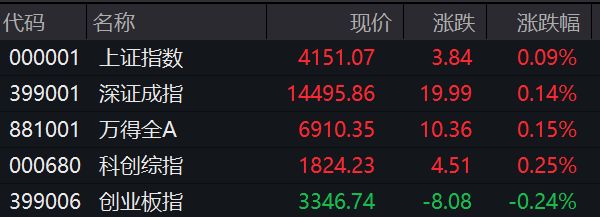
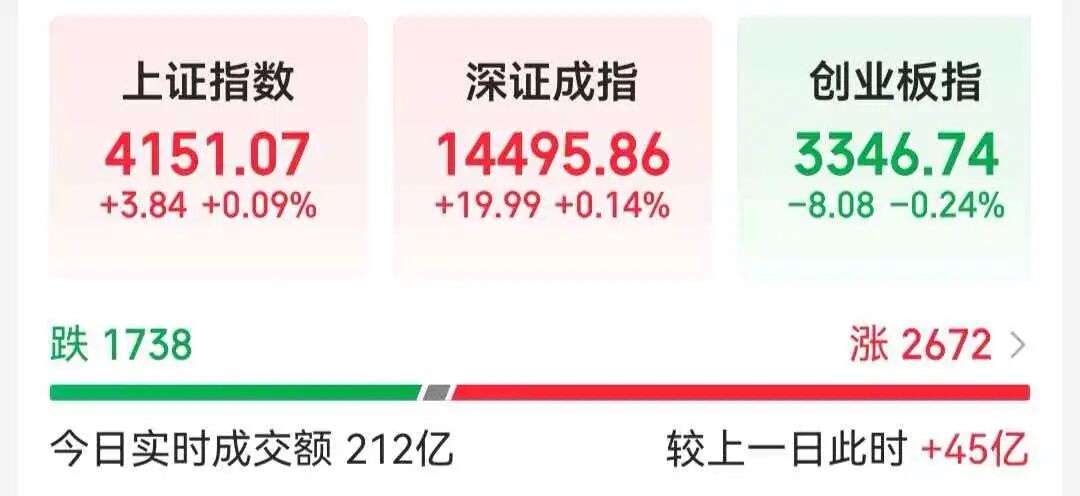
Group 1 - Lithium mining stocks opened significantly higher, with Jinyuan Co. hitting the daily limit, and Jiangte Electric, Yongshan Lithium Industry, and Dazhong Mining showing notable gains [1] - The A-share market opened with the Shanghai Composite Index up 0.09% and the Shenzhen Component Index up 0.14%, while the ChiNext Index fell by 0.24% [2] - The Hong Kong market opened with the Hang Seng Index rising by 0.95% and the Hang Seng Tech Index increasing by 0.46%, with major lithium stocks like Tianqi Lithium and Ganfeng Lithium seeing substantial increases of 6.11% and 5.48% respectively [3][4] Group 2 - The central parity rate of the RMB against the USD was reported at 6.9228, an increase of 93 basis points from the previous trading day's rate of 6.9321 [4]



锂矿概念股大幅高开
Mei Ri Jing Ji Xin Wen· 2026-02-26 01:52
Group 1 - The Shanghai Composite Index opened up 0.09%, while the Shenzhen Component Index opened up 0.14%, and the ChiNext Index opened down 0.24% [1] - The sectors showing gains included non-ferrous metals, chemicals, and steel, while sectors such as MLCC, fiberglass, and oil & petrochemicals experienced declines [1] Group 2 - The Hong Kong Hang Seng Index opened up 0.95%, and the Hang Seng Tech Index rose by 0.46% [3] - Lithium mining stocks saw significant increases, with Tianqi Lithium rising over 6% and Ganfeng Lithium up over 5% [3] - A report from CITIC Securities indicated that Zimbabwe's mining department announced a ban on lithium ore exports, aimed at enhancing mineral regulation and promoting deep processing of mineral products [3] - It is projected that by 2025, 19% of China's imported lithium concentrate will come from Zimbabwe, and the export ban may lead to a significant short-term supply shortage of lithium carbonate in China, potentially driving prices up [3]
天齐锂业股价涨5.85%,东方基金旗下1只基金重仓,持有786.09万股浮盈赚取2499.78万元
Xin Lang Ji Jin· 2026-02-26 01:51
Group 1 - Tianqi Lithium Industries Inc. experienced a stock price increase of 5.85%, reaching 57.50 CNY per share, with a trading volume of 602 million CNY and a turnover rate of 0.71%, resulting in a total market capitalization of 98.109 billion CNY [1] - The company, established on October 16, 1995, and listed on August 31, 2010, is located in Chengdu, Sichuan Province, and specializes in the production and sales of lithium concentrate products and lithium compounds and their derivatives [1] - The revenue composition of Tianqi Lithium includes 50.54% from lithium compounds and derivatives, 49.25% from lithium ore, and 0.21% from other sources [1] Group 2 - Dongfang Fund holds a significant position in Tianqi Lithium, with its Dongfang New Energy Vehicle Theme Mixed Fund (400015) maintaining 7.8609 million shares, unchanged from the previous period, representing 4.83% of the fund's net value, ranking as the eighth largest holding [2] - The fund has a total scale of 9.019 billion CNY and has achieved a year-to-date return of 2.59%, ranking 6286 out of 8887 in its category, while its one-year return stands at 51.5%, ranking 1317 out of 8134 [2] Group 3 - The fund manager of Dongfang New Energy Vehicle Theme Mixed Fund is Li Rui, who has been in the position for 8 years and 76 days, overseeing assets totaling 9.246 billion CNY [3] - During Li Rui's tenure, the fund has achieved a best return of 128.07% and a worst return of -8.55% [3]