茶叶

Search documents
“被遗弃”的茶叶果成为“香饽饽”,扬州绿杨春茶衍生品再添“重磅成员”
Yang Zi Wan Bao Wang· 2025-11-22 04:45
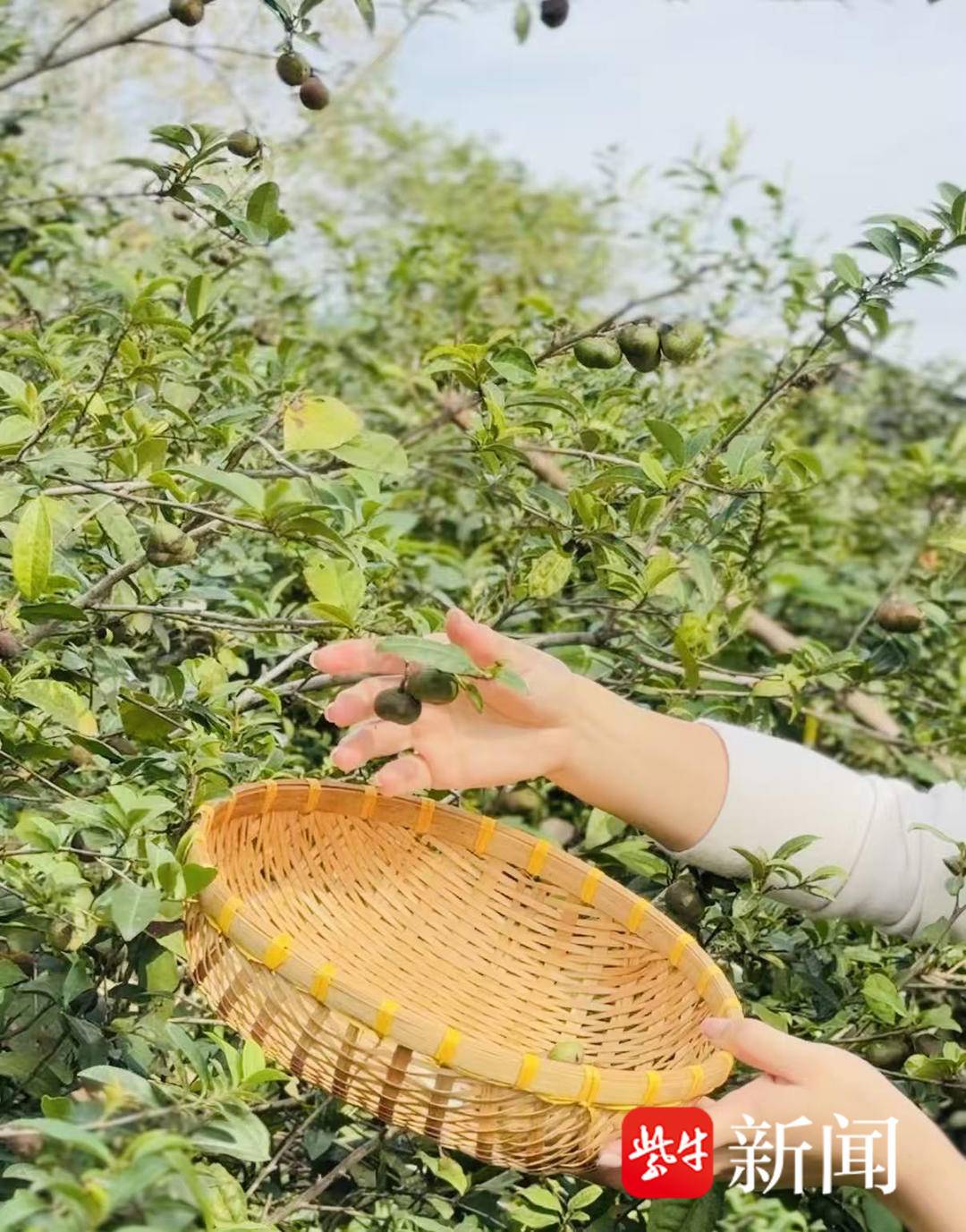
Core Insights - The article highlights the innovative use of "tea fruit" in the production of camellia seed oil, which has become a valuable product in the tea industry of Yangzhou [1][3] - The local cooperative has successfully transformed a previously wasted resource into a profitable product, contributing to the economic growth of local farmers and the sustainability of the tea industry [1][9] Group 1: Product Development - The cooperative has developed camellia seed oil from tea fruit, which was previously overlooked during the tea harvesting season [1][3] - The market demand for camellia fruit has been increasing due to its high nutritional value and versatility, leading to a significant rise in its value chain [3][8] - The price of fresh camellia fruit is approximately 8-12 yuan per pound, while processed camellia oil can reach market prices of up to 200 yuan per pound [3][8] Group 2: Processing and Quality Control - The cooperative has implemented strict quality control measures by handpicking mature camellia fruit to ensure high oil yield and quality [5][6] - The processing involves multiple steps, including cleaning, drying, and pressing, without the addition of any chemicals, to preserve the natural nutrients [6][8] - The cooperative has faced challenges in finding suitable processing facilities but has successfully established a partnership with a local oil mill [6] Group 3: Economic Impact - The initiative has created additional income opportunities for local farmers by involving them in the harvesting of camellia fruit [8] - The byproduct of oil extraction, tea cake, is used as organic fertilizer, enhancing the quality of the tea plants and promoting a circular economy [8] - The cooperative aims to expand its operations by integrating tea production with fruit processing and developing a diverse range of products [9]

2025年10月中国茶叶出口数量和出口金额分别为3.66万吨和1.4亿美元
Chan Ye Xin Xi Wang· 2025-11-22 03:02
Core Viewpoint - The report by Zhiyan Consulting highlights the competitive landscape and investment recommendations for the Chinese tea industry from 2026 to 2032, indicating a slight decline in export volume while showing growth in export value [1]. Export Data Summary - In October 2025, China's tea export volume was 36,600 tons, representing a year-on-year decrease of 2.3% [1]. - The export value for the same period was 14 million USD, reflecting a year-on-year increase of 1.7% [1]. Company Profile - Zhiyan Consulting is recognized as a leading industry consulting firm in China, specializing in in-depth industry research, business plans, feasibility studies, and customized services [1]. - The company has over a decade of experience in the industry research field, providing comprehensive industry solutions to empower investment decisions [1].

老字号如何扛稳金字招牌
Zheng Quan Ri Bao· 2025-11-21 16:17
Core Insights - The overall development of China's time-honored brands is strong, with increasing consumer preference, projected to achieve over 2 trillion yuan in revenue in 2024, showcasing significant market value and brand vitality [1][2] - There are currently 1,450 time-honored brands in China, with an average brand lifespan of over 145 years, playing a crucial role in consumption promotion, industrial upgrading, cultural leadership, and enhancing national confidence [1][2] Group 1: Digital Transformation - Time-honored brands need to leverage digital technology for product diversification and intelligent marketing to maintain competitiveness in new consumption scenarios [1][2] - An example is Tongrentang, which has improved its production supply chain through real-time data collection and equipment monitoring, enhancing market penetration and brand exposure [1] Group 2: Balancing Tradition and Innovation - Time-honored brands must balance tradition and innovation to meet the needs of consumption upgrades and modern development [2] - Brands like Wuyutai have successfully combined traditional tea-making techniques with modern consumer demands by launching new products and packaging [2] Group 3: Talent Development and Sustainability - There is a need for improved talent cultivation and inheritance mechanisms to ensure sustainable development of time-honored brands [2] - Initiatives from the Ministry of Commerce and other departments have introduced measures for talent training, technician certification, and innovation support to enhance both technology and management [2] Group 4: Policy Support - The dual drive of policy support and brand innovation is expected to help time-honored brands maintain their historical essence while adapting to modern markets [3]
文化中国行·国潮里的“Z世代”自信丨抹茶出海:潮流茶饮喝出“东方韵味”
Xin Hua Wang· 2025-11-21 14:08
Core Insights - Chinese tea, particularly matcha, is gaining global recognition and popularity, especially among younger consumers, transforming from a traditional beverage ingredient to a trendy symbol [1] - The export of Jing Mountain matcha from Hangzhou Yuhang has seen a significant increase, with overseas orders doubling compared to the previous year [1] - The matcha industry in Yuhang has expanded its product lines and successfully entered international markets with over ten standardized products [1] Industry Overview - Currently, there are 14 matcha production enterprises in Yuhang, with a total matcha garden area of 8,320 acres, producing over 910 tons of powdered tea and nearly 1,600 tons of matcha annually, generating a market value of 450 million yuan [2] - It is projected that by 2025, China's total matcha production will exceed 5,000 tons, indicating a rapid growth in the matcha sector and its successful penetration into overseas markets [2] - The success of matcha exports represents a breakthrough in the international dissemination of Chinese tea culture and offers new strategies for the transformation and upgrading of traditional agricultural products [2]
山东“新”青年激活乡村振兴“一池春水”
Zhong Guo Xin Wen Wang· 2025-11-21 09:17
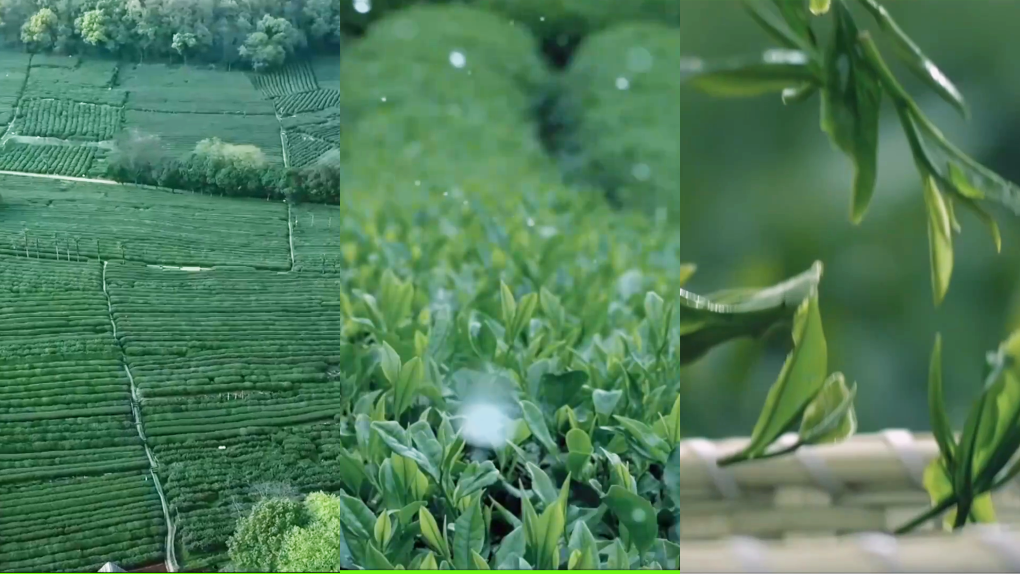
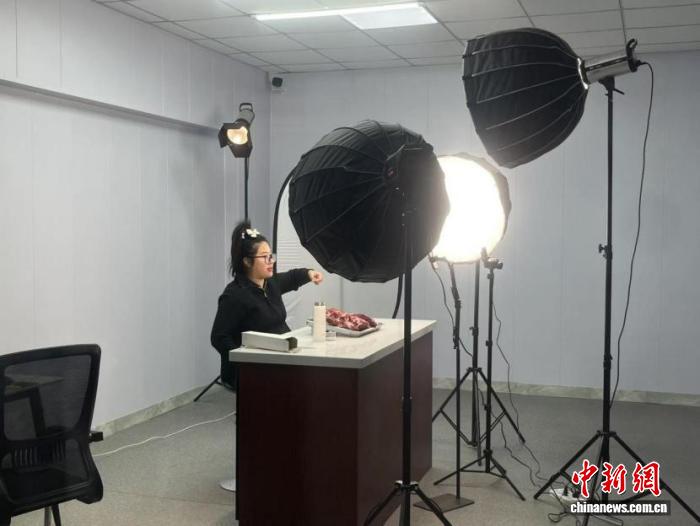
Core Viewpoint - Shandong province is leveraging local resources and the youth demographic to drive rural revitalization through digital empowerment, cultural heritage preservation, technological innovation in agriculture, and artistic engagement, creating a vibrant rural economy [1][8]. Group 1: Digital Empowerment and E-commerce - The company in Zibo is focused on integrating e-commerce into rural revitalization, providing practical training and support to local entrepreneurs, which has led to significant sales increases for products like beef [2][4]. - A "95后" mother, Sun Zemin, has successfully transitioned to selling beef products via live streaming, achieving sales of 15,000 to 20,000 RMB in just two hours, showcasing the potential of digital platforms for flexible employment [1][3]. Group 2: Cultural Heritage and Community Engagement - The integration of intangible cultural heritage into rural development is exemplified by the establishment of a black pottery workshop in Zibo, which has trained over 30 youths in traditional pottery-making techniques [4][5]. - The workshop offers various courses that combine skill development with agricultural experiences, enhancing local tourism and creating a new economic model for the community [4][5]. Group 3: Technological Innovation in Agriculture - The Daylight Tea Science and Technology Innovation Demonstration Park is addressing challenges in the tea industry by developing rapid breeding techniques and improving planting success rates, creating over 3,158 job opportunities [4][5]. - The park has established platforms to support young entrepreneurs in the tea industry, attracting over 20 youth teams and fostering multiple tea-related creative brands [5][6]. Group 4: Artistic Engagement and Tourism Development - The Daylight Egret Bay Cultural Tourism Development Company has created a unique tourism model that combines art and agriculture, leading to the establishment of a distinctive town that has become a provincial demonstration area for rural revitalization [7][8]. - The town is projected to provide over 3,000 job opportunities and attract more than 3 million visitors in the next three years, significantly contributing to local economic growth [7][8].
广西获准使用地理标志专用标志企业突破2000家
Guang Xi Ri Bao· 2025-11-21 03:25
Core Points - The National Intellectual Property Administration recently announced that 164 enterprises in Guangxi have been approved to use geographical indication special marks on their products, bringing the total number of enterprises using such marks in the region to 2059 [1] - These 2059 enterprises cover various specialty industries including traditional Chinese medicine, fruits and vegetables, livestock, tea, and seafood, representing a fivefold increase compared to the end of the 13th Five-Year Plan, with a geographical indication mark coverage rate of 76.11% [1] Industry Support Measures - The Market Supervision Administration of the Autonomous Region has implemented multiple measures to assist enterprises in effectively utilizing geographical indications as a "golden key" [1] - The administration has integrated geographical indication mark usage into key service offerings through trademark brand guidance stations, helping rights holders improve trademark management rules and providing targeted reminders and comprehensive guidance to those yet to use special marks [1] - A network of 127 "one-stop" quality service platforms has been established, focusing on building specialized geographical indication inspection and testing service points, and creating a complete traceability system for geographical indication products to ensure quality control from "field to table" [1] - Collaboration with geographical indication inspection and testing institutions has been strengthened to conduct quality supervision and assist enterprises in efficiently applying for special mark usage [1] - A comprehensive support mechanism has been established, including an eight-year campaign promoting geographical indications to aid rural revitalization and organizing expert-led "one-on-one" precise guidance [1]
南农晨读 | 食在广东 养在肇庆
Nan Fang Nong Cun Bao· 2025-11-21 02:31
Group 1 - The 2025 China Southern Medicine Food and Health Industry Conference was successfully held in Zhaoqing, focusing on the development of Southern medicine and food integration [4][30] - The conference gathered leaders from the Ministry of Agriculture and Rural Affairs, Guangdong Provincial Department of Agriculture and Rural Affairs, and experts in traditional Chinese medicine to discuss the development of cinnamon and Ba Jitian [6][5] - The event aimed to establish a standardized system and brand development path for the Southern medicine industry in Zhaoqing [7][6] Group 2 - The "China Agricultural Product Wholesale Market Industry Development 40 Years Conference" is scheduled to take place from December 12 to 14, 2025, in Guangzhou, highlighting the evolution of the agricultural product circulation system [14][13] - The conference will leverage the media advantages of the Greater Bay Area to showcase the significant changes in the agricultural product wholesale market over the past four decades [22][19] Group 3 - Guangdong's tea industry performed well in the 2025 "National Tea Figures" selection, with two individuals recognized as "Master Tea Makers" and one as a "Tea Craftsman" [26][24] - The event reflects the growing recognition and development of the tea industry in Guangdong [27]

张家界清茗茶叶有限公司成立 注册资本50万人民币
Sou Hu Cai Jing· 2025-11-20 06:23
Core Insights - Zhangjiajie Qingming Tea Co., Ltd. has been established with a registered capital of 500,000 RMB, indicating a new player in the tea industry [1] - The company is represented by Huang Hongbo and has a diverse range of business activities, including the sale of tea sets, pre-packaged food, and various retail products [1] Company Overview - The registered capital of Zhangjiajie Qingming Tea Co., Ltd. is 500,000 RMB [1] - The legal representative of the company is Huang Hongbo [1] Business Scope - The company’s business activities include: - Sales of tea sets [1] - Internet sales of pre-packaged food [1] - Retail of edible agricultural products [1] - Retail of daily household appliances [1] - Sales of agricultural and sideline products [1] - Sales of unprocessed nuts and dried fruits [1] - Retail of daily necessities and office supplies [1] - Retail of stationery and arts and crafts [1] - Manufacturing of arts and crafts and ceremonial supplies (excluding ivory and its products) [1] - Internet sales (excluding goods requiring permits) [1]
双江县雪钧茶叶厂(个体工商户)成立 注册资本99万人民币
Sou Hu Cai Jing· 2025-11-19 11:17
天眼查App显示,近日,双江县雪钧茶叶厂(个体工商户)成立,法定代表人为杨光琴,注册资本99万 人民币,经营范围为一般项目:茶叶种植;农副产品销售;食品互联网销售(仅销售预包装食品);食 品销售(仅销售预包装食品);食用农产品零售;茶具销售;初级农产品收购;食用农产品初加工;新 鲜水果零售;新鲜水果批发;食用农产品批发;新鲜蔬菜零售;新鲜蔬菜批发。(除依法须经批准的项 目外,凭营业执照依法自主开展经营活动)许可项目:茶叶制品生产;食品互联网销售;食品销售。 (依法须经批准的项目,经相关部门批准后方可开展经营活动,具体经营项目以相关部门批准文件或许 可证件为准)。 ...
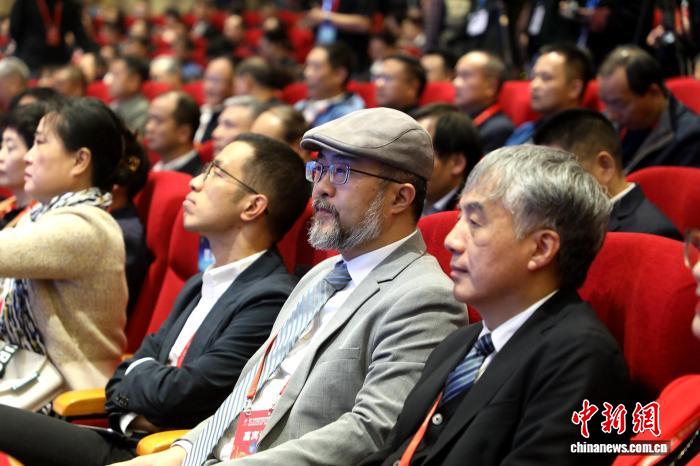
俄罗斯华侨跨越万里赴海峡茶博会 助力福建茶叶“走出去”
Zhong Guo Xin Wen Wang· 2025-11-19 06:31
Core Points - The 17th Cross-Strait Tea Expo in Wuyishan, Fujian, has seen significant participation from Russian tea merchants, enhancing trade collaboration along the "Tea Road" [1][3] - The event aims to promote Chinese tea culture and facilitate cultural exchanges between China and Russia through various initiatives [4][6] Group 1: Event Overview - The tea expo features a dedicated Russian pavilion and the "Tea Road" pavilion, attracting numerous visitors with its exotic appeal [1] - This year's expo marks the first deepening of trade cooperation with international cities along the "Tea Road," including Kazan, St. Petersburg, and Chaktuk [1][3] Group 2: Cultural and Trade Initiatives - The Russian-Chinese Cultural Exchange Association's Executive Vice President, Qiao Xiangpeng, emphasizes the importance of tea as a medium for building friendships between nations [3][6] - Qiao has been actively involved in promoting trade and cultural exchanges over the past decade, establishing the "Tea Road" Sino-Russian Trade and Cultural Center [3][4] Group 3: Future Plans and Goals - The "Wuyishan Water·Tea Space" initiative aims to tell the story of Wuyishan tea to a global audience and promote Chinese tea culture and intangible cultural heritage [4] - The expo also hosted international cooperation activities and discussions to foster cross-regional collaboration and cultural integration [4]