量子计算

Search documents
美国发布最新《国家安全战略》,只字未提加密货币和区块链
Sou Hu Cai Jing· 2025-12-08 11:49
Core Insights - The latest National Security Strategy (NSS) report from the Trump administration notably omits any mention of cryptocurrencies and blockchain technology, contrasting sharply with previous pro-crypto statements from the President [1][4][11] - This silence has led to significant market reactions, including a drop in Bitcoin prices, indicating a negative sentiment in the crypto community regarding the lack of strategic endorsement from the highest levels of government [1][9] Policy Actions - The Trump administration had previously taken steps to create a favorable environment for cryptocurrencies, including signing executive orders to roll back strict regulations and promoting the first federal stablecoin regulation bill, the GENIUS Act [4] - A "Presidential Digital Asset Market Working Group" was established to coordinate regulatory efforts across departments, and an executive order was signed to prohibit the issuance of any form of Central Bank Digital Currency (CBDC) [4] - The administration announced the establishment of a "Bitcoin National Strategic Reserve," symbolizing a commitment to the cryptocurrency sector, although the assets were sourced from government seizures rather than new purchases [4] Strategic Focus - The NSS report emphasizes the importance of artificial intelligence (AI), biotechnology, and quantum computing as core national interests, while cryptocurrencies are relegated to a financial asset category rather than a strategic technology [5][6] - The report suggests that the administration views cryptocurrencies primarily as financial instruments rather than tools that could enhance national competitiveness [5][6] Market Reactions - Following the NSS release, Bitcoin's price fell below $90,000, driven by market fears regarding the implications of the report and its perceived negative signals about the future of cryptocurrency policy [9][10] - Analysts interpreted the NSS's call for NATO allies to increase defense spending from 2% to 5% of GDP as a potential driver of increased government borrowing, which could lead to higher inflation and prolonged high interest rates, further impacting the crypto market [9][10] Implications for the Crypto Industry - The omission of cryptocurrencies from the NSS may not be entirely negative; it could represent a form of "strategic ambiguity" that allows the crypto sector to evolve without stringent military-level scrutiny and regulation [10] - This "silence" may provide a buffer for the crypto industry, allowing it to continue its growth as a financial innovation rather than being entangled in geopolitical tensions [10][11] Conclusion - The NSS's lack of reference to cryptocurrencies highlights a disconnect between political rhetoric and actual strategic priorities, signaling that the crypto sector has not yet entered the core of U.S. national security considerations [11] - Investors are cautioned that reliance on political figures' promises may no longer suffice, as the fate of crypto assets increasingly aligns with broader macroeconomic trends and geopolitical developments [11]

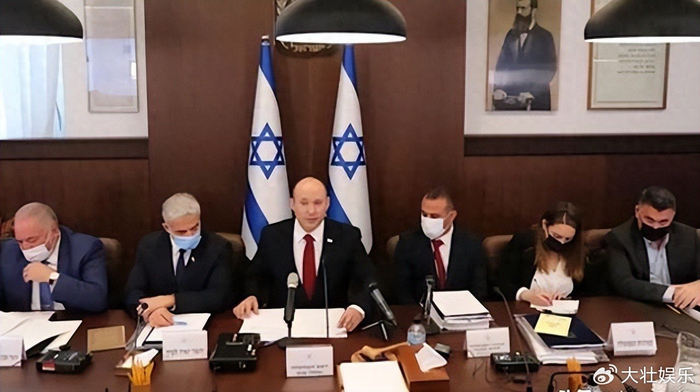
以色列人预测,未来10年世界上科技实力最强大的“6个国家”
Xin Lang Cai Jing· 2025-12-08 10:23
Core Insights - The report titled "Great Power Competition: Future Global Technology Development Trends Forecast" predicts that by 2033, the top six countries in technological strength will be the United States, Israel, Germany, Japan, China, and Russia, based on 82 indicators such as R&D investment and patent numbers [3][5]. Group 1: Country Rankings and Strengths - The United States holds the top position, with a projected global innovation index ranking of third by 2025, leading in technology output, particularly in AI and quantum computing [8][10]. - Israel ranks second, with a high-tech industry that contributes significantly to its GDP, and an R&D expenditure of 6.35% of GDP, which is double the OECD average [12][13]. - Germany is ranked third, with a strong industrial base and a projected innovation index ranking of ninth by 2025, heavily investing in smart manufacturing and industrial 4.0 [15]. - Japan is in fourth place, with an innovation index ranking of twelfth by 2025, known for its meticulous attention to detail in technology and high R&D spending [16]. - China ranks fifth, showing rapid progress with a projected innovation index ranking of tenth by 2025, leading in patents and advancements in quantum computing and 5G technology [18]. - Russia is sixth, with a strong legacy in aerospace and nuclear energy, and a focus on advancing its scientific research capabilities [20]. Group 2: Future Outlook and Trends - The report anticipates that by 2025, the total number of patents among these six countries will increase by 15%, indicating a growing trend in international collaboration and project partnerships [22]. - By 2033, advancements in quantum networks and sustainable energy are expected to reshape the global technological landscape, benefiting the general public through improved technologies in mobile payments, healthcare, and green energy [24].
依托辽宁优势加速布局“原子级制造”
Liao Ning Ri Bao· 2025-12-08 01:37
Core Viewpoint - The development of Atomic and Close-to-Atomic Scale Manufacturing (ACSM) represents a significant breakthrough in material manipulation, allowing for precise atomic-level assembly and modification, which fundamentally changes traditional manufacturing paradigms [1][2]. Group 1: Development and Historical Context - ACSM has evolved from theoretical predictions in the 1950s to practical applications, with key milestones including the invention of the scanning tunneling microscope in the 1980s and the first demonstration of atomic manipulation by IBM scientists in 1989 [2]. - In the 21st century, a pivotal moment occurred when Professor Fang Fengzhou proposed a systematic framework for ACSM, transitioning it from a collection of experiments to a defined academic discipline [2]. Group 2: Research Achievements - Dalian University of Technology has established a distinctive research system in ACSM, hosting the third International Nanomanufacturing Society Advanced Manufacturing Symposium in 2023, which gathered over a hundred top experts [3]. - Key technological breakthroughs include a new method for atomic-scale semiconductor etching achieving controllable etching depths of 0.1 nanometers, advancements in atomic-level surface processing, and the development of dynamic simulation methods for material removal at the atomic scale [3]. Group 3: Application Potential and Challenges - ACSM technology has transformative potential in fields requiring extreme material performance and device precision, such as next-generation chip manufacturing and quantum computing [5]. - Despite its promise, ACSM faces developmental bottlenecks, including the need to understand atomic interactions and develop new equipment while balancing manufacturing efficiency and costs [5]. Group 4: Regional Development and Industrial Impact - For Liaoning to advance in ACSM, it is recommended to leverage its industrial foundation and educational advantages by integrating research resources and forming interdisciplinary teams [6]. - The impact of ACSM on Liaoning's industrial upgrade includes enhancing traditional industries, addressing critical challenges in chip manufacturing, and fostering new industries in quantum technology and advanced materials [6].
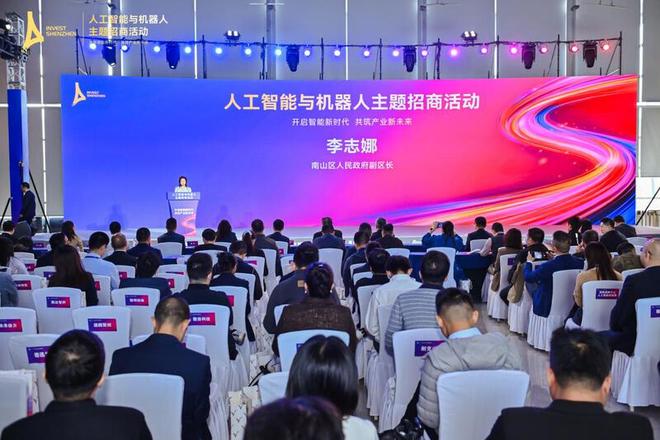
南山:34个项目亮相大会 意向投资超千亿
Nan Fang Du Shi Bao· 2025-12-07 23:09
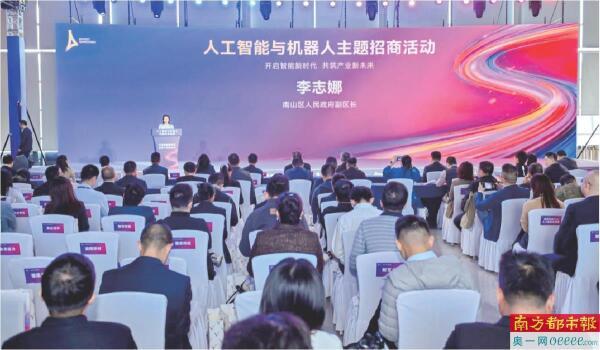
Core Insights - Nanshan District showcases its strong industrial "magnetism" and cooperation willingness through targeted promotion and major project signings at the 2025 Shenzhen Global Investment Conference [2] Group 1: Artificial Intelligence and Robotics - Nanshan has gathered 1,351 large-scale enterprises in the artificial intelligence sector, with 56 ranked among the city's top 100 AI companies [2] - The district is building a comprehensive innovation system for AI and robotics, supported by specialized industrial spaces and precise industrial policies [2] Group 2: AI Terminal and Harmony Ecosystem - Nanshan has established a significant first-mover advantage in the Harmony ecosystem, having built the country's first Harmony ecosystem innovation center [3] - The district is developing a collaborative innovation system focusing on "RISC-V chips, Harmony system, and AI terminals," supported by the "Eight Policies for Harmony" to empower enterprise technology implementation and product innovation [3] Group 3: Major Project Signings - Nanshan successfully signed contracts with four key enterprises, including China Electronics, Hilton, Bosi Quantum, and Yahua Electronics, focusing on core technology, high-end services, quantum frontiers, and high-end electronics [4] - The China Electronics project will establish a new R&D institution focusing on integrated circuits and advanced computing [4] - Hilton's project will enhance the internationalization of Nanshan's high-end service industry with the opening of its first Waldorf Astoria hotel in Guangdong [4] Group 4: Quantum Computing and Healthcare - Bosi Quantum will establish a coherent optical quantum computing equipment manufacturing center in Nanshan, marking a significant step in China's engineering mass production in this field [5] - Yahua Electronics will build a healthcare technology integration innovation demonstration base in Nanshan [5] Group 5: Economic Performance and Investment - Nanshan's GDP reached 950.1 billion yuan, leading the province for 12 consecutive years, with a focus on precise industrial policies to support innovation and entrepreneurship [6] - The district attracted 378 key projects this year, with a total intended investment exceeding 150 billion yuan, showcasing strong industrial clustering effects [6] - Nearly 40% of the world's top 500 foreign-invested enterprises are located in Nanshan, which aims to enhance its dual empowerment capabilities in global industrial and innovation chains [6]


“南山引力”何来?一场大会透视广东经济第一区产业强磁场
Nan Fang Du Shi Bao· 2025-12-06 12:53
Core Insights - The 2025 Shenzhen Global Investment Conference opened on December 5, attracting over 1,000 representatives from more than 30 countries and regions, highlighting Shenzhen's economic vitality and investment potential [1] - Nanshan District showcased its strong industrial magnetism and cooperation willingness through targeted promotions and significant project signings during the conference [1] Group 1: Investment Opportunities - Nanshan District hosted two themed investment activities focusing on artificial intelligence, robotics, AI terminals, and software services, demonstrating its robust industrial strength and complete ecosystem [2] - The district has gathered 1,351 AI enterprises, with 56 ranked among the city's top AI companies, emphasizing its leadership in the AI and robotics sector [2] - Nanshan is building a collaborative innovation system around "RISC-V chips, HarmonyOS, and AI terminals," supported by specific policies to empower technology implementation and product innovation [4] Group 2: Major Project Signings - Nanshan successfully signed projects with four key companies: China Electronics, Hilton, Bosi Quantum, and Yahua Electronics, focusing on core technology, high-end services, quantum frontiers, and high-end electronics [6] - The projects reflect strong confidence from leading enterprises in Nanshan's future development, including a new research institute by China Electronics and the first Waldorf Astoria hotel in Guangdong by Hilton [6][8] - Bosi Quantum will establish a quantum computing equipment manufacturing center, marking a significant step in China's engineering production phase in this field [8] Group 3: Economic Performance and Policies - Nanshan District has led the province in GDP for 12 consecutive years, with a total GDP of 950.1 billion yuan in 2024, and is implementing a precise industrial policy matrix for 2025 [9] - The district introduced 378 key projects this year, with a total intended investment exceeding 150 billion yuan, showcasing strong industrial clustering effects [10] - Nanshan is home to 26,700 foreign-funded enterprises, with nearly 40% of the world's top 500 foreign-invested companies located there, enhancing its dual empowerment capabilities in global industry and innovation [10]

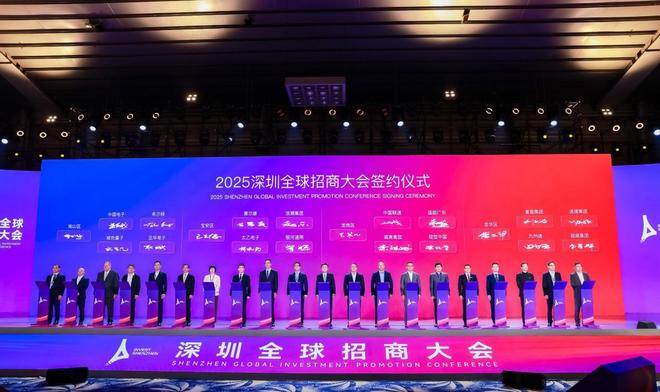
深圳南山签约中国电子、希尔顿等重大项目 意向投资超千亿
2 1 Shi Ji Jing Ji Bao Dao· 2025-12-06 02:33
Core Insights - The 2025 Shenzhen Global Investment Conference resulted in over 340 projects being signed, with a total investment exceeding 770 billion yuan [1] - Nanshan District introduced 378 key projects this year, with a total intended investment surpassing 150 billion yuan, showcasing strong industrial clustering effects [5] Group 1: Major Projects and Investments - Nanshan District signed 34 high-quality projects at the conference, with an intended investment exceeding 100 billion yuan [1] - China Electronics, a Fortune 500 state-owned enterprise, is establishing a Spring Research Institute project in Nanshan, focusing on integrated circuits and advanced computing [3] - Hilton Group is opening its first Waldorf Astoria hotel in Guangdong at the Shenzhen Bay Super Headquarters Base, enhancing the international service level in Nanshan [3] - Boson Quantum, a top-tier team from Stanford and Tsinghua, is setting up a quantum computing equipment manufacturing center in Nanshan, marking a significant step in China's engineering production phase for quantum computers [3] - Yahua Electronics, a leader in smart hospital interaction systems, is building an innovative demonstration base for medical and elderly care technology in South China [3] Group 2: Economic Performance and Policies - Nanshan District has maintained a GDP of 950 billion yuan, leading the province for 12 consecutive years [4] - The district has implemented a precise industrial policy matrix, including support for innovation and entrepreneurship through various initiatives [4] - Nanshan has attracted 26,700 foreign-funded enterprises, with nearly 40% of the world's Fortune 500 foreign-invested companies located there [5] - The district aims to continue leading with technological innovation, upgrading its industrial ecosystem, and optimizing service levels [5]

深圳星际量子科技有限公司成立 注册资本1000万人民币
Sou Hu Cai Jing· 2025-12-05 02:46
天眼查App显示,近日,深圳星际量子科技有限公司成立,法定代表人为李承军,注册资本1000万人民 币,经营范围为一般经营项目是:量子计算技术服务;智能机器人的研发;智能机器人销售;工业机器 人制造;工业机器人销售;工业机器人安装、维修;服务消费机器人制造;服务消费机器人销售;特殊 作业机器人制造;工业设计服务;虚拟现实设备制造;可穿戴智能设备销售;可穿戴智能设备制造;人 工智能理论与算法软件开发;人工智能应用软件开发;人工智能基础软件开发;信息系统集成服务;软 件开发;人工智能硬件销售;人工智能通用应用系统;人工智能行业应用系统集成服务;智能控制系统 集成;工业自动控制系统装置销售;工业自动控制系统装置制造;工业控制计算机及系统制造;工业控 制计算机及系统销售;数据处理和存储支持服务;信息技术咨询服务;货物进出口;技术进出口。(除 依法须经批准的项目外,凭营业执照依法自主开展经营活动),许可经营项目是:无。 ...
成立不足半年,不筹量子完成数千万元天使轮融资
Sou Hu Cai Jing· 2025-12-05 01:39
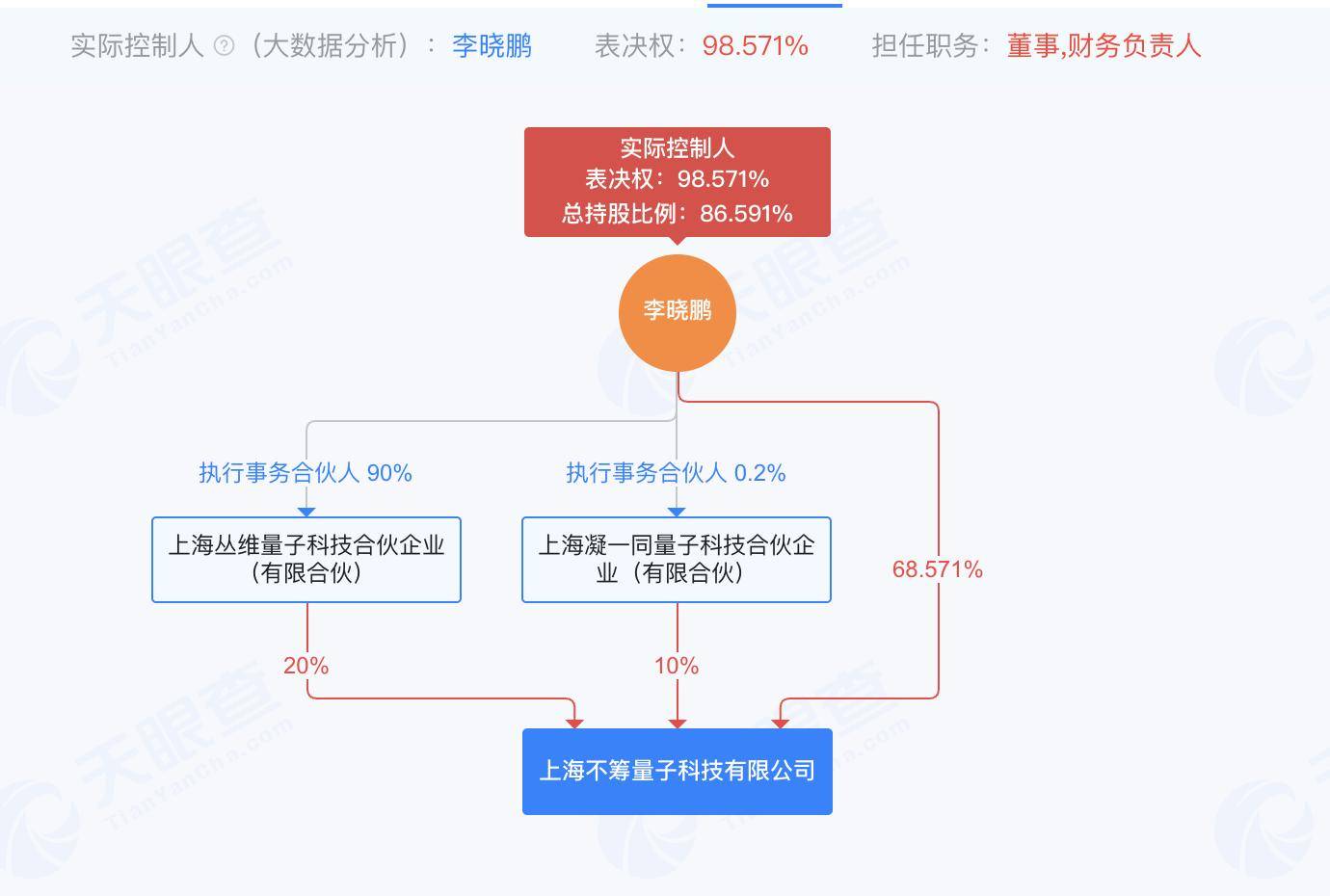
所获资金将主要用于建设低噪声超净间、搭建软硬件工程化体系,并加速推进量子计算核心技术的研发与产业化。 天眼查显示,不筹量子实际控制人为李晓鹏,总持股比例为86.59%,表决权为98.57%。目前,李晓鹏担任公司董事、财务负责人。 不筹量子团队主要源自复旦大学中性原子量子计算实验室。当前团队正聚焦于大规模原子量子计算系统的模块化、工程化与集成化,以打造面向容错量子计 算、量子算法应用和量子算力平台的长时稳定底层技术体系。 瑞财经 刘治颖 近日,上海不筹量子科技有限公司(以下简称"不筹量子")完成数千万人民币的天使轮融资,本轮融资由中科创星领投,复容投资、东方富 海共同参与。 不筹量子成立于2025-08-05,法定代表人为李晓鹏,注册资本为200万元,经营范围包含:量子计算技术服务;计算机软硬件及辅助设备批发;计算机系统 服务等。 ...
南非媒体:“十五五”规划建议是以人为本的中国式现代化发展蓝图
Xin Hua Wang· 2025-12-04 10:56
Group 1 - The "14th Five-Year Plan" outlines a blueprint for human-centered modernization in China, connecting past achievements with future goals towards self-reliance and common prosperity [1] - The plan emphasizes high-quality development, aiming to build a modern industrial system that serves the real economy and fosters new productive forces, with breakthroughs in core technologies such as high-performance chips and artificial intelligence [1] - The plan also focuses on strengthening the domestic market and promoting a new development pattern through sectors like the silver economy, low-altitude economy, and rural tourism, which will enhance agricultural modernization and urban-rural integration [1] Group 2 - China, as the largest country in terms of renewable energy capacity, is committed to a low-carbon development path and aims to export affordable green technologies to help combat climate change globally [2] - The recent meeting encourages a focus on self-reliance, green innovation, and shared prosperity, presenting a progressive path that benefits all [2]
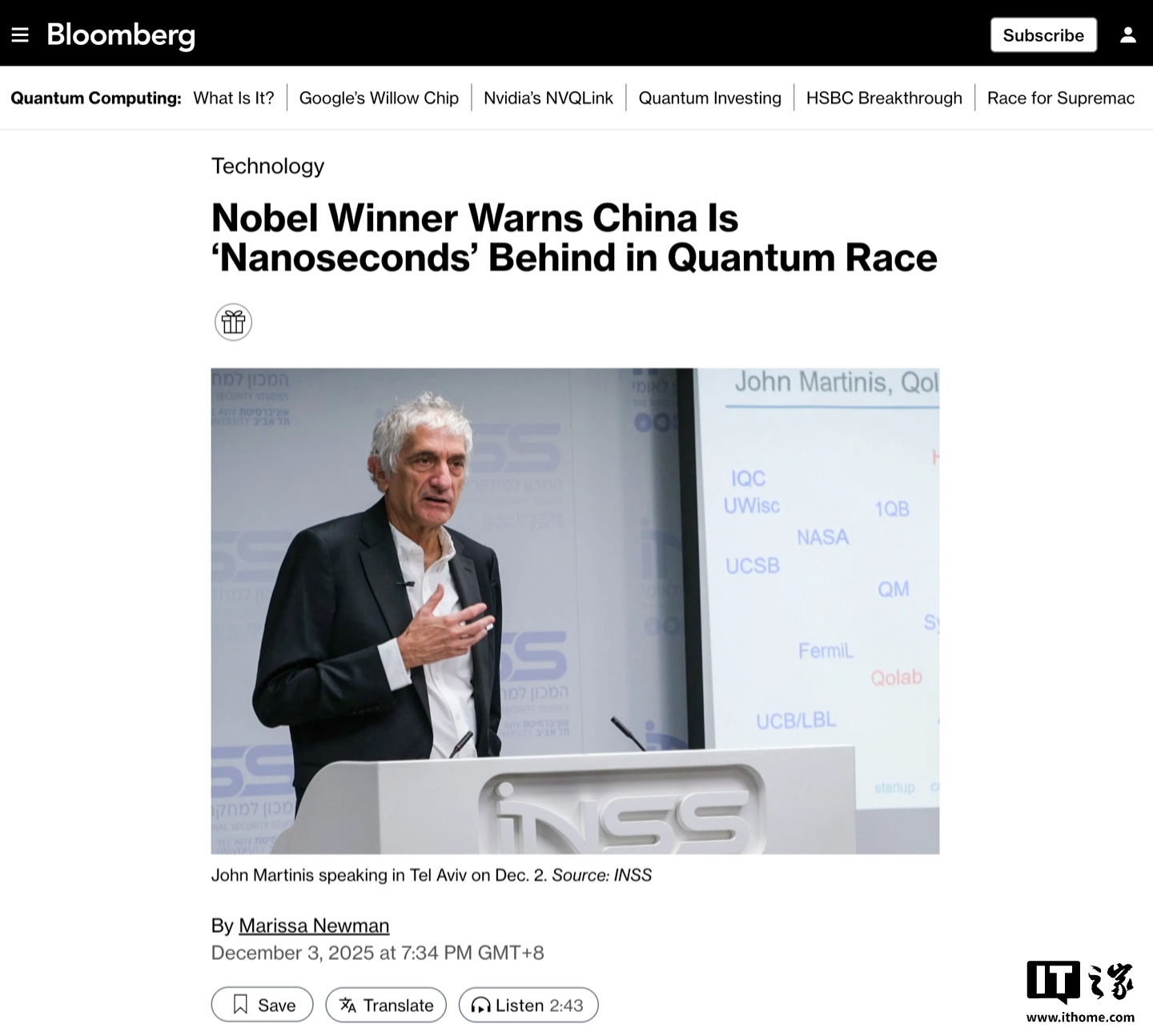
2025 诺贝尔物理学奖得主马蒂尼斯:中国在量子竞赛中仅落后美国“几纳秒”
Xin Lang Cai Jing· 2025-12-04 01:48
Core Viewpoint - John Martinis, one of the Nobel Prize winners in Physics this year, warns that China's rapid advancement in quantum computing is significantly narrowing the technological gap with the United States [1][8]. Group 1: Competitive Landscape - The competition in quantum computing is intensifying among the US, Europe, and China, with Martinis stating that practical quantum computers are still 5 to 10 years away from realization [4][11]. - Quantum computing is considered a strategic technology that could surpass traditional computing capabilities, potentially enabling the decryption of military communications and attacks on critical infrastructure [4][11]. Group 2: Technological Progress - Martinis, who previously worked on quantum hardware development at Google, noted that when Google announced achieving "quantum supremacy" in 2019, it was believed that China was about three years behind [4][11]. - However, Martinis pointed out that China has rapidly caught up, with the current lead of the US being only a few nanoseconds [4][11]. - Chinese research teams have a clear grasp of technological trends, often producing results with similar capabilities within months of key advancements announced by the West [4][11]. Group 3: Quantum Computing Fundamentals - Quantum computers utilize quantum bits (qubits) that can exist in both 0 and 1 states simultaneously, leading to an exponential increase in information processing capabilities compared to traditional computers [7][11].