
信息传输

Search documents
2025年前三季度服务业增加值同比增长5.4%
Bei Jing Shang Bao· 2025-10-20 02:34
Core Insights - The core viewpoint of the article highlights the growth of the service industry in China, with a year-on-year increase in value added of 5.4% in the first three quarters of the year [1] Group 1: Service Industry Growth - The value added in the information transmission, software, and IT services sector grew by 11.2% [1] - The rental and business services sector saw a growth of 9.2% [1] - The transportation, warehousing, and postal services sector increased by 5.8% [1] - The wholesale and retail sector experienced a growth of 5.6% [1] Group 2: Production Index and Business Activity - In September, the national service production index increased by 5.6% year-on-year [1] - The production index for information transmission, software, and IT services grew by 12.8% [1] - The financial sector's production index rose by 8.7% [1] - The rental and business services sector's production index increased by 7.8% [1] - The transportation, warehousing, and postal services sector's production index grew by 5.7% [1] Group 3: Revenue and Business Activity Index - From January to August, the operating revenue of large-scale service enterprises increased by 7.7% year-on-year [1] - In September, the service business activity index was recorded at 50.1% [1] - The service business activity expectation index stood at 56.3% [1] - Industries such as postal, telecommunications, and satellite transmission services, as well as monetary financial services, had business activity indices above 60.0%, indicating a high level of prosperity [1]
郑学工:前三季度国民经济运行保持总体平稳
Guo Jia Tong Ji Ju· 2025-10-20 02:17
Economic Overview - In the first three quarters, China's GDP reached 10,150.36 billion yuan, with a year-on-year growth of 5.2% [2] - The contribution rates to economic growth from the primary, secondary, and tertiary industries were 4.7%, 34.6%, and 60.7% respectively [2] Industry Performance - Agricultural production showed stability with a year-on-year increase of 4.0%, contributing 0.3 percentage points to economic growth [3] - Industrial production increased by 6.1% year-on-year, contributing 1.8 percentage points to economic growth, with manufacturing growing by 6.5% [3] - The service sector also performed well, with significant growth in information transmission, software, and IT services, which grew by 11.2% [3] Domestic Demand and Trade - Final consumption expenditure contributed 53.5% to economic growth, adding 2.8 percentage points to GDP [5] - Investment in key areas showed rapid growth, with capital formation contributing 17.5% to economic growth [5] - Net exports maintained stable growth, contributing 29.0% to economic growth [5] Market Dynamics - The digital economy showed significant support, with revenue from information transmission and IT services growing by 12.1% [6] - The manufacturing sector is accelerating its transformation, with high-tech manufacturing increasing by 9.6% [7] - Modern service industries are also improving, with high-tech service sector revenue growing by 9.4% [7]
彭永涛:服务业经济平稳运行 新动能加快发展
Guo Jia Tong Ji Ju· 2025-10-20 02:17
Core Insights - The service industry has shown significant growth, contributing notably to the overall economic performance, with a service value added of 592,955 billion yuan, representing a year-on-year increase of 5.4% [2] - The modern service sector is thriving, driven by innovations in technology and new business models, particularly in information transmission and software services [3][4] - Consumer demand for services has increased, particularly in tourism and cultural sectors, leading to a rise in service retail sales [5] Group 1: Economic Growth Contribution - The service sector's value added accounted for 58.4% of GDP, up 0.8 percentage points from the previous year, contributing 60.7% to national economic growth [2] - In the third quarter, the service sector's value added was 202,641 billion yuan, with a contribution rate of 61.8% to GDP growth [2] - The service production index grew by 5.6% year-on-year in September, indicating sustained growth [2] Group 2: Innovation and New Growth Drivers - The modern service industry is expanding rapidly, with information transmission and software services growing by 11.2% and 9.2% respectively in the first three quarters [3] - The strategic emerging service industries and high-tech service industries saw revenue growth of 10.6% and 9.4% respectively from January to August [4] - Fixed asset investment in high-tech services increased by 6.1%, with information services seeing a remarkable growth of 33.1% [4] Group 3: Service Consumption Trends - Service retail sales increased by 5.2%, outpacing the growth of goods retail sales by 0.6 percentage points [5] - Online retail sales grew by 9.8% in the first three quarters, reflecting a shift towards digital consumption [5] - The cultural and tourism sectors experienced significant growth, with revenue from cultural arts and travel services increasing by 13.3% and 9.5% respectively [5] Group 4: International Trade and Investment - Service trade imports and exports totaled 52,476.9 billion yuan, with a year-on-year growth of 7.4%, and travel service exports surged by 57.6% [6] - The actual use of foreign capital in the service sector reached 3,661.9 billion yuan, accounting for over 70% of total foreign investment [6] - The execution of service outsourcing contracts remained robust, with significant growth in business operation and maintenance services [6] Group 5: Business Activity and Future Outlook - The business activity index for the service sector was at 50.1 in September, indicating expansion, with several industries exceeding 60.0 [7] - The business activity expectation index remained stable at 56.3, reflecting optimistic outlooks among service sector enterprises [8] - Overall, the service industry is expected to continue its stable performance, although challenges such as external uncertainties and insufficient domestic demand persist [8]
↑5.2%!重磅经济数据公布!
证券时报· 2025-10-20 02:14
Economic Overview - In the first three quarters, China's GDP reached 10,150.36 billion yuan, with a year-on-year growth of 5.2% [1] - The GDP growth rates for the first, second, and third quarters were 5.4%, 5.2%, and 4.8% respectively, with a quarter-on-quarter growth of 1.1% in Q3 [1] Agriculture - Agricultural value added grew by 3.6% year-on-year, with summer grain and early rice production totaling 178.25 million tons, an increase of 0.1% [2] - Livestock production saw a total output of 73.12 million tons, up 3.8%, with specific increases in pork, beef, and poultry [2] Industry - Industrial value added for large enterprises increased by 6.2% year-on-year, with manufacturing growing by 6.8% [3] - High-tech manufacturing and equipment manufacturing saw significant growth rates of 9.6% and 9.7% respectively [3] - In August, the total profit of large industrial enterprises was 46.93 billion yuan, reflecting a 0.9% increase year-on-year [3] Services - The service sector's value added grew by 5.4%, with notable increases in information transmission and software services at 11.2% [4] - The service industry business activity index was at 50.1%, indicating stable growth [4] Retail and Consumption - Total retail sales of consumer goods reached 3,658.77 billion yuan, with a year-on-year growth of 4.5% [5] - Online retail sales amounted to 1,128.30 billion yuan, growing by 9.8% [6] Investment - Fixed asset investment (excluding rural households) was 371.54 billion yuan, showing a slight decline of 0.5% [7] - Manufacturing investment grew by 4.0%, while real estate investment saw a significant drop of 13.9% [7] Trade - Total import and export value reached 3,360.78 billion yuan, with exports growing by 7.1% [8] - Private enterprises accounted for 57.0% of total trade, marking a 2.0 percentage point increase from the previous year [8] Prices and Inflation - The national CPI decreased by 0.1% year-on-year, with food prices dropping by 0.8% [9] - The core CPI, excluding food and energy, rose by 0.6%, indicating a slight increase in inflationary pressure [9] Employment - The urban surveyed unemployment rate averaged 5.2%, with a slight decrease in September [10] - The total number of rural migrant workers reached 191.87 million, reflecting a year-on-year growth of 0.9% [10] Income - Per capita disposable income reached 32,509 yuan, with a nominal growth of 5.1% [11] - Rural residents experienced a faster income growth rate compared to urban residents, with rural income growing by 6.0% [11]


前三季度我国GDP同比增长5.2%,经济运行稳中有进
Guo Jia Tong Ji Ju· 2025-10-20 02:06
Economic Overview - The national GDP for the first three quarters reached 10,150.36 billion yuan, with a year-on-year growth of 5.2% [1] - The GDP growth rates by quarter were 5.4% in Q1, 5.2% in Q2, and 4.8% in Q3, with a quarter-on-quarter growth of 1.1% in Q3 [1] Agriculture - Agricultural value added grew by 3.6% year-on-year, with summer grain and early rice production totaling 178.25 million tons, a slight increase of 0.1% [1] - Livestock production saw a total output of 73.12 million tons, up 3.8%, with specific increases in pork, beef, and poultry [1] Industrial Production - The industrial value added for large-scale enterprises increased by 6.2% year-on-year, with manufacturing growing by 6.8% [2] - High-tech manufacturing and equipment manufacturing sectors showed strong growth, with increases of 9.6% and 9.7% respectively [2] - In September, the industrial value added grew by 6.5% year-on-year and 0.64% month-on-month [2] Service Sector - The service sector's value added increased by 5.4% year-on-year, with significant growth in information technology services and leasing services [2] - The service industry production index rose by 5.6% year-on-year in September [2] Retail Sales - The total retail sales of consumer goods reached 3,658.77 billion yuan, with a year-on-year growth of 4.5% [3] - Online retail sales amounted to 1,128.30 billion yuan, growing by 9.8% year-on-year [3] Fixed Asset Investment - Fixed asset investment (excluding rural households) totaled 3,715.35 billion yuan, a decrease of 0.5% year-on-year [5] - Manufacturing investment grew by 4.0%, while real estate development investment fell by 13.9% [5] Trade - The total import and export value reached 3,360.78 billion yuan, with exports growing by 7.1% and imports slightly declining by 0.2% [6] - In September, the import and export value increased by 8.0% year-on-year [6] Employment - The urban surveyed unemployment rate averaged 5.2% in the first three quarters, with a slight decrease in September [7] - The total number of rural laborers working outside their hometowns reached 191.87 million, a year-on-year increase of 0.9% [7] Income - The per capita disposable income reached 32,509 yuan, with a nominal growth of 5.1% [8] - Rural residents' income growth outpaced that of urban residents, with rural disposable income growing by 5.7% [8]
中国经济向好态势不断稳固
Jing Ji Wang· 2025-10-17 02:29
Group 1 - The implementation of a package of incremental policies since September 26 last year has led to a steady recovery in both invoice sales and tax revenue growth, indicating a positive trend in the Chinese economy [1][3] - From Q3 of last year to Q3 of this year, the quarterly sales revenue growth rates for enterprises were 0.4%, 2.6%, 2.1%, 3.1%, and 4.4%, showing a gradual increase [1] - Tax revenue has turned positive after seven months of negative growth, with a cumulative increase in tax revenue since February this year, reflecting improved fiscal income collection [1] Group 2 - Tax revenue from the manufacturing sector increased by 5.4%, accounting for 31% of total tax revenue, with high-end manufacturing sectors like railway and aerospace seeing significant growth [2] - The domestic value-added tax grew by 3.2%, indicating improved business operations, while corporate income tax rose by 4.1%, reflecting better profitability in certain industries [2] - The real estate sector's tax revenue decreased by 9.8%, but the decline has narrowed significantly compared to earlier periods, aided by tax incentives aimed at stabilizing the market [2] Group 3 - The acceleration of equipment updates and the continuation of the old-for-new consumption policy have boosted consumer activity, with machinery equipment purchases rising by 9.7% year-on-year [3] - Retail sales of household appliances, such as refrigerators and televisions, have seen substantial growth, with increases of 55.4% and 35.3% respectively [3] - The incremental policies are viewed as effective measures to address economic challenges, focusing on stimulating consumption, stabilizing the real estate market, and activating the capital market [3]
上海提升智能算力终端规模,企查查显示近四成相关企业在一线城市
Qi Cha Cha· 2025-10-16 06:09
Core Insights - Shanghai is enhancing the scale of intelligent computing terminals through the "Shanghai Intelligent Terminal Industry High-Quality Development Action Plan (2026-2027)" which aims to accelerate the deployment of edge computing integrated machines and develop lightweight inference machines to empower various industries with AI [1] Group 1 - As of October 14, there are 732 existing computing-related enterprises in China, with 39.56% located in first-tier cities and 23.79% in new first-tier cities [2] - Over 43% of the existing computing-related enterprises belong to the information transmission, software, and information technology services industry, while 39.83% are in scientific research and technical services [3] - The annual registration of computing-related enterprises has shown an upward trend over the past decade, with 150 registered so far this year and a projected 215 registrations for 2024 [4]
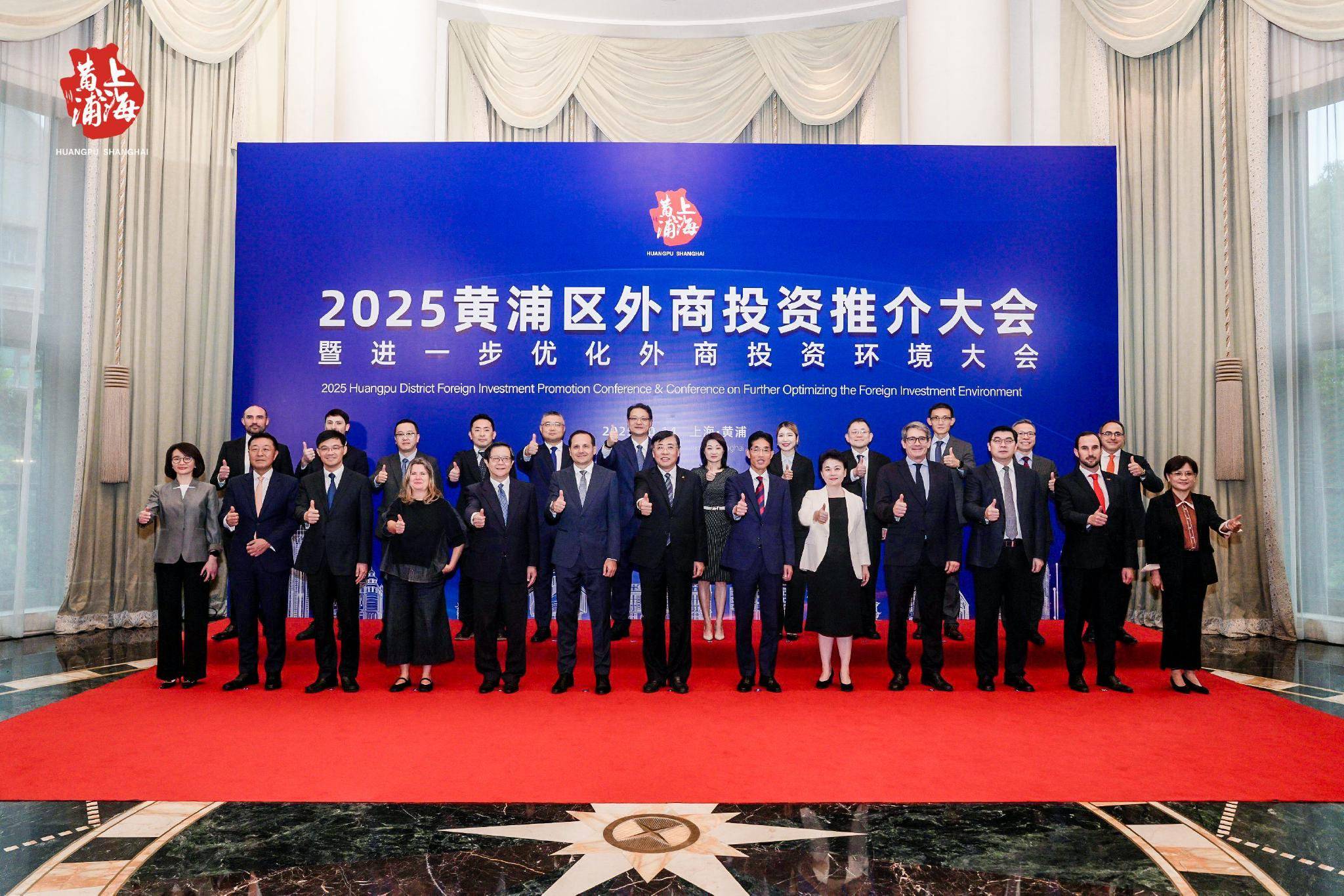
上海黄浦擘画外资新高地,“十四五”引资攀峰彰显强磁力
Sou Hu Cai Jing· 2025-10-14 13:55
Core Insights - During the "14th Five-Year Plan" period, Huangpu District in Shanghai has achieved significant foreign investment results, with a total contracted foreign capital of $8.657 billion and actual foreign capital of $6.86 billion, exceeding the target of $5 billion ahead of schedule [1][3] - The foreign investment environment in Huangpu is being continuously optimized, with a focus on attracting high-quality foreign projects and enhancing the overall investment ecosystem [5][7] Investment Performance - Huangpu District has introduced several representative foreign investment projects in sectors such as digital technology, pharmaceuticals, and real estate, with a 25% year-on-year increase in the number of newly established foreign enterprises this year [3][4] - The actual foreign capital for the year is expected to exceed $2 billion, maintaining a leading position in the city [3] Company Landscape - As of 2024, Huangpu District has 2,657 foreign-funded independent legal entities, accounting for 4% of the city's total foreign enterprises, with investment sources from 73 countries and regions [4] - The district ranks first in Shanghai for the proportion of profitable foreign enterprises from 2021 to 2024, with 24 companies listed among the city's top 100 foreign enterprises [4] Economic Contribution - Foreign enterprises in Huangpu contribute over 40% to the district's economy, with a significant increase in the number of regional headquarters of multinational companies from 53 in 2020 to 83 currently, marking a 57% increase [4] Investment Promotion Strategy - Huangpu District has established a diversified and professional foreign investment promotion service system, forming strategic partnerships with 21 entities, including foreign chambers of commerce and top consulting firms [5] - The district has successfully hosted online investment promotion events, attracting participation from various international enterprises [5] Future Development Plans - Huangpu District is focusing on urban renewal and technological innovation, with significant projects planned in key areas to provide ample development space for foreign investors [6][7] - The district aims to enhance its business environment by implementing targeted policies and improving communication mechanisms with foreign enterprises [7]
最新税收数据显示:去年一揽子增量政策实施一年来我国经济向好态势不断稳固
Shang Hai Zheng Quan Bao· 2025-10-14 10:38
Core Insights - The implementation of a series of incremental and stock policies since September 26 last year has led to a steady recovery in invoice sales and tax revenue, reflecting a positive trend in China's economy [1][2][6]. Group 1: Economic Indicators - The growth rate of national enterprise sales revenue has shown a steady increase, with quarterly growth rates of 0.4%, 2.6%, 2.1%, 3.1%, and 4.4% from last year's third quarter to this year's third quarter [2]. - Tax revenue has turned positive after seven months of negative growth, with a cumulative increase since February this year, showing year-on-year changes of -0.4%, +2.6%, and +6.9% for the first three quarters [2]. Group 2: Capital Market Performance - Capital market-related tax revenue has increased significantly, with a year-on-year growth of 56.8%, and securities transaction stamp duty rising by 110.5% [3]. - The total market value of A-share listed companies surpassed 100 trillion yuan for the first time in August, and the Shanghai Composite Index reached a ten-year high in September [3]. Group 3: Industry and Tax Revenue Growth - The manufacturing sector's tax revenue grew by 5.4%, accounting for 31% of total tax revenue, with high-end manufacturing sectors like railway and aerospace seeing tax revenue growth of 31.5% [4]. - The domestic value-added tax increased by 3.2%, and corporate income tax rose by 4.1%, indicating improved profitability in various industries [4]. Group 4: Real Estate Market - The decline in real estate-related tax revenue has narrowed, with a year-on-year decrease of 9.8%, and a reduction of about 5% after accounting for tax incentives [5]. - The implementation of policies to stabilize the real estate market has led to a significant reduction in housing transaction costs, contributing to market stabilization [5]. Group 5: Consumer Activity - The policy of replacing old consumer goods has stimulated consumption, with machinery equipment purchases increasing by 9.7% year-on-year, and high-tech manufacturing equipment purchases rising by 11.8% [5]. - Retail sales of home appliances, such as refrigerators and televisions, have seen substantial growth, with increases of 55.4% and 35.3% respectively [5].
西城区去年人均可支配收入10.76万元,居北京市首位
Xin Jing Bao· 2025-10-14 06:05
Group 1 - The GDP of Xicheng District is projected to exceed 600 billion yuan in 2024, reaching 603.8 billion yuan with an average annual growth rate of approximately 5.2% [1] - Xicheng District has the highest per capita disposable income in Beijing, reaching 107,600 yuan in 2023 [1] - The district maintains the best performance in comprehensive energy consumption, water consumption, and carbon emissions per ten thousand GDP during the 14th Five-Year Plan period [1] Group 2 - The digital economy in Xicheng is expected to surpass 240 billion yuan in 2024, with revenue from information transmission, software, and IT services exceeding 110 billion yuan, representing a growth of over 40% compared to the end of the 13th Five-Year Plan [1] - The district has implemented 18 industrial support policies and has disbursed 6.2 billion yuan in funding since the beginning of the 14th Five-Year Plan [2] - The proportion of the real estate industry in Xicheng has decreased from 66.1% to 44.9% as state-owned enterprises transition towards high-end service industries [2]