
批发和零售

Search documents
图说行业利差:关注政策支持下重点领域结构性机会,稳地产基调下优质主体或有修复空间
Zhong Cheng Xin Guo Ji· 2026-03-25 05:28
Interest Rate Spread Overview - Since 2026, the bond market has performed well, with yields on government bonds and short-term notes generally declining[2] - The credit spread for short-term notes has narrowed, with changes mostly between 1-11 basis points (bp)[2] - The highest industry spread is in the real estate sector at 107bp, which expanded by 17bp due to the Vanke incident[2][9] - Other sectors with spreads above 45bp include information technology, agriculture, wholesale and retail, coal, and pharmaceuticals[2][9] Investment Strategy Insights - The government work report emphasizes structural opportunities in policy-supported sectors, particularly in consumption and technology innovation[3][4] - The report highlights the need to accelerate the cultivation of new consumption growth points, focusing on cultural tourism, events, and health care[3] - The commercial and personal services sector has a current spread of around 30bp, indicating potential for compression[3][10] - Continuous support for real estate policies is expected, with a focus on stabilizing market expectations and risk mitigation[5][7] Market Dynamics - The real estate sector's sales area decreased by 8.7% year-on-year, indicating ongoing pressure on sales[7] - The bond market sentiment has been affected by the outflow of technology innovation bonds (Tech Bonds), with a total reduction of 88.8 billion yuan as of March 11[6][10] - The spreads for AAA-rated industries are mostly compressing, while the real estate sector's spread has notably widened[17][23]

四川2025年GDP同比增长5.5% 规上工业增加值增长6.5%
Xin Hua Cai Jing· 2026-01-21 05:30
Economic Overview - In 2025, Sichuan's GDP reached 67,665.34 billion yuan, reflecting a year-on-year growth of 5.5% at constant prices [1] - The primary industry added value was 5,751.35 billion yuan, growing by 3.7%; the secondary industry added value was 23,260.22 billion yuan, increasing by 4.9%; and the tertiary industry added value was 38,653.77 billion yuan, rising by 6.1% [1] Agricultural Production - The total grain output in Sichuan for 2025 was 36.625 million tons, a 0.8% increase from the previous year [1] - Notable increases in agricultural products included vegetables and edible fungi (4.1%), winter rapeseed (2.0%), tea (5.4%), and fruits (6.0%) [1] - Livestock production included 62.48 million pigs (1.6% growth), 3.01 million cattle (1.1% growth), and 1.97 million tons of aquatic products (5.2% growth) [1] Industrial Performance - The added value of Sichuan's above-scale industrial sector grew by 6.5%, with a product sales rate of 96.1% [2] - Among 41 major industries, 33 experienced growth, with automotive manufacturing increasing by 16.7%, electrical machinery by 13.2%, and computer and communication equipment by 12.9% [2] - Key industrial product outputs included natural gas (10.9% growth), industrial robots (45.9% growth), and lithium-ion batteries (45.1% growth) [2] High-Tech Industry Growth - The added value of high-tech manufacturing in Sichuan rose by 12.3%, with electronic and communication equipment manufacturing growing by 20.2% [2] - The aerospace and aircraft manufacturing sector also saw a significant increase of 19.0% [2] Service Sector Development - The added value of the service sector increased by 6.1%, with leasing and business services growing by 14.4% and information technology services by 9.8% [3] - The total retail sales of consumer goods reached 29,135.4 billion yuan, marking a 5.1% increase, with notable growth in communication equipment (50.8%) and jewelry (32.6%) [3] Economic Strategy and Challenges - The overall economic outlook for Sichuan in 2025 indicates steady progress, with a focus on enhancing resilience and vitality [4] - Key strategies include promoting the Chengdu-Chongqing economic circle, implementing synchronized urban-rural development, and ensuring high-quality growth [4]
菲律宾2025年11月失业率回落至4.4%
Zhong Guo Xin Wen Wang· 2026-01-07 05:57
Core Insights - The unemployment rate in the Philippines decreased to 4.4% in November 2025, down by 0.6 percentage points from October [1] - The number of unemployed individuals in November 2025 was 2.25 million, a reduction of 290,000 from October [1] - The labor force participation rate increased to 64.0%, up by 0.4 percentage points from October, indicating enhanced labor market activity [1] Employment Sector Analysis - The services sector accounted for the highest employment, with 30.59 million jobs in November 2025, representing 62.1% of total employment [1] - Agriculture and industry contributed 20.0% and 17.9% to total employment, respectively [1] - Significant year-on-year employment growth was observed in public administration, defense, compulsory social security, education, and administrative support services [1] - Month-on-month increases in employment were noted in wholesale and retail, as well as automotive and motorcycle repair sectors [1] Employment Quality Improvement - The underemployment rate in the Philippines improved to 10.4% in November, a decrease of 1.6 percentage points from October [1] - Underemployment indicates that workers are seeking more hours or better job opportunities [1] Youth Employment Trends - The unemployment rate for the youth aged 15 to 24 years was 11.7% in November 2025, down by 2.4 percentage points from October [1] - The youth underemployment rate was 9.4%, a decline of 1.6 percentage points from October [1]
吉林2025年全社会用电量 首次突破1000亿千瓦时
Zhong Guo Dian Li Bao· 2026-01-07 03:30
Group 1 - Jilin Province's total annual electricity consumption exceeded 100 billion kilowatt-hours for the first time, reaching 101.19 billion kilowatt-hours, with a year-on-year growth of 6.49%, marking a significant milestone in the province's economic expansion [1] - The growth rates of electricity consumption by sector were as follows: primary industry 13.6%, secondary industry 4.2%, tertiary industry 10.1%, and residential use 7.5% [1] - Specific industries such as chemical raw materials and products manufacturing, chemical fiber manufacturing, and electronic equipment manufacturing saw electricity consumption growth rates exceeding 40%, while accommodation and catering, wholesale and retail, and financial industries experienced growth rates above 10% [1] Group 2 - Since 2025, State Grid Jilin Electric Power Company has taken significant steps to ensure food security by fully electrifying 17,800 high-standard farmland wells before spring plowing [2] - The company established 571 service teams to provide on-site support, visiting over 22,400 individuals in agricultural production and identifying 6,100 potential electricity safety hazards [2] - Efforts to optimize the electricity business environment included implementing a "project leader" system to support key enterprises and major projects, completing electricity connection tasks for 576 significant projects, and reducing connection costs by 910 million yuan [2]
中小企业数量超6000万户,广东江苏山东占比近三成
第一财经· 2025-12-12 08:30
Core Viewpoint - The development of small and medium-sized enterprises (SMEs) in China has entered a new stage, with significant increases in quantity, efficiency, and quality during the 14th Five-Year Plan period, contributing over 60% of GDP, over 70% of technological innovation, and over 80% of urban employment [3][5]. Group 1: Growth and Contribution of SMEs - As of the end of 2024, the number of registered SMEs in China is expected to exceed 60 million, with an average annual increase of over 4 million since 2021 [5][3]. - In 2023, the employment from large-scale SMEs surpassed 128 million, with their value-added, operating income, and total profit growth rates averaging 6.4%, 7.4%, and 5.4% respectively, all exceeding those of large enterprises [5][3]. - By September 2025, the total number of registered SMEs is projected to reach 63.49 million, with micro-enterprises making up 79.4%, small enterprises 18.7%, and medium enterprises 1.9% [5][8]. Group 2: Regional and Sectoral Distribution - The top five provinces for SME numbers are Guangdong, Jiangsu, Shandong, Zhejiang, and Henan, collectively accounting for 40.9% of the total [6]. - The wholesale and retail, rental and business services, scientific research and technical services, manufacturing, and construction sectors represent the largest shares of SMEs, totaling 75.8% [6]. Group 3: Financing and Support for SMEs - The financing scale for SMEs in various sectors, particularly in wholesale and manufacturing, has shown an upward trend, with significant increases in investment amounts and events in Guangdong, Beijing, Shanghai, Jiangsu, and Zhejiang [15]. - Since 2014, the balance of loans to small and micro enterprises has increased over 30 times, reaching 65 trillion yuan by mid-2025, with their share of total enterprise loans rising from 30.4% to 38.2% [19][20]. - The government has implemented various policies to support the high-quality development of SMEs, including investments from the National SME Development Fund exceeding 69 billion yuan and initiatives for digital transformation [17][19].

前十个月济南限额以上单位消费品零售额1666.7亿元
Feng Huang Wang Cai Jing· 2025-12-04 07:23
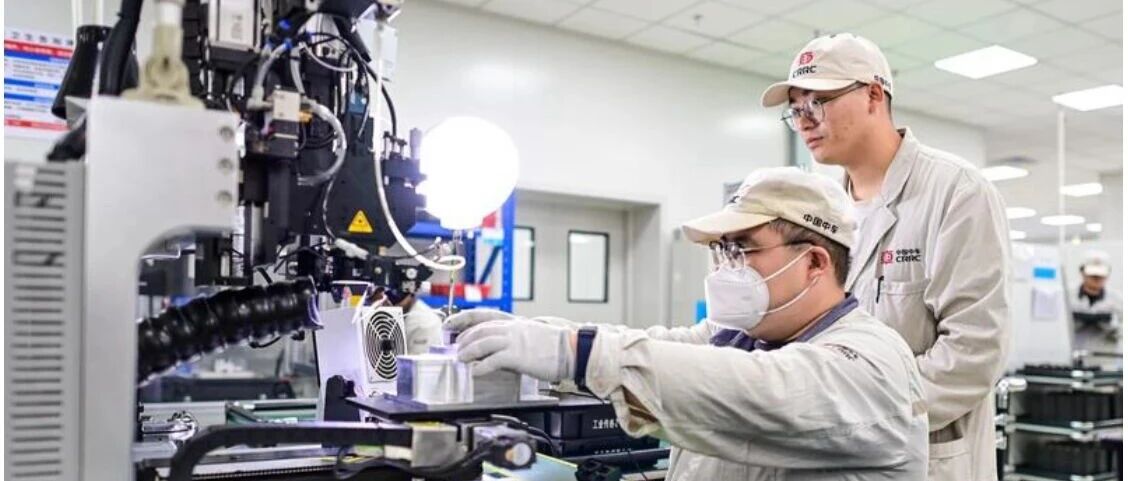
Group 1 - The core viewpoint of the articles highlights the positive impact of consumer policies in Jinan, leading to a stable retail market and increased consumer demand in 2023 [1][2] - From January to October, the retail sales of consumer goods in Jinan reached 166.7 billion yuan, showing a year-on-year growth of 1.5% [1] - Online consumption has seen significant growth, with retail sales through public networks amounting to 44.58 billion yuan, a year-on-year increase of 20.8%, which is 19.3 percentage points higher than the overall retail sales growth [1] Group 2 - The sales of communication equipment and cultural office supplies have experienced substantial growth, with increases of 38.3% and 30.3% respectively, contributing 2.0 and 0.5 percentage points to the overall retail sales growth [1] - The retail sales of basic living goods, including grain, oil, food, beverages, and tobacco, grew by 8.3%, surpassing the overall retail sales growth by 6.8 percentage points, contributing 1.1 percentage points to the total [2] - Daily necessities also showed a positive trend, with retail sales increasing by 11.4%, contributing an additional 0.2 percentage points to the overall growth [2]
全新好:10月30日召开董事会会议
Mei Ri Jing Ji Xin Wen· 2025-10-30 23:05
Group 1 - The company All-New Good (SZ 000007) announced on October 31 that its 12th Board of Directors meeting was held via communication on October 30, 2025, where the 2025 Q3 report and other documents were reviewed [1] - For the first half of 2025, the company's revenue composition was as follows: automotive sales and services accounted for 88.54%, property leasing and management for 10.57%, wholesale and retail for 0.66%, and other businesses for 0.24% [1]

前三季度全社会用电量同比增长4.6% 增速呈逐季回升态势
Ren Min Ri Bao· 2025-10-23 21:54
Core Insights - In September, China's total electricity consumption reached 888.6 billion kWh, marking a year-on-year increase of 4.5% [1] - For the first three quarters, total electricity consumption accumulated to 7,767.5 billion kWh, with a year-on-year growth of 4.6% [1] - The second industry showed a significant recovery in electricity consumption growth in Q3, contributing 51% to the overall increase [1] Group 1: Electricity Consumption by Sector - In September, the first industry consumed 12.9 billion kWh (up 7.3%), the second industry consumed 570.5 billion kWh (up 5.7%), and the third industry consumed 176.5 billion kWh (up 6.3%) [1] - For the first three quarters, the first, second, and third industries saw year-on-year growth in electricity consumption of 10.2%, 3.4%, and 7.5% respectively [1] Group 2: Trends and Drivers - The electricity consumption growth rate showed a quarterly recovery, with increases of 2.5%, 4.9%, and 6.1% in Q1, Q2, and Q3 respectively [1] - High-tech and equipment manufacturing industries experienced a 9.5% increase in electricity consumption in Q3, surpassing the average growth rate of the manufacturing sector by 4.3 percentage points [2] - The service sector's electricity consumption grew by 8.3% in Q3, driven by the rapid development of new infrastructure such as electric vehicles and 5G [2]
上海黄浦擘画外资新高地,“十四五”引资攀峰彰显强磁力
Sou Hu Cai Jing· 2025-10-14 13:55
Core Insights - During the "14th Five-Year Plan" period, Huangpu District in Shanghai has achieved significant foreign investment results, with a total contracted foreign capital of $8.657 billion and actual foreign capital of $6.86 billion, exceeding the target of $5 billion ahead of schedule [1][3] - The foreign investment environment in Huangpu is being continuously optimized, with a focus on attracting high-quality foreign projects and enhancing the overall investment ecosystem [5][7] Investment Performance - Huangpu District has introduced several representative foreign investment projects in sectors such as digital technology, pharmaceuticals, and real estate, with a 25% year-on-year increase in the number of newly established foreign enterprises this year [3][4] - The actual foreign capital for the year is expected to exceed $2 billion, maintaining a leading position in the city [3] Company Landscape - As of 2024, Huangpu District has 2,657 foreign-funded independent legal entities, accounting for 4% of the city's total foreign enterprises, with investment sources from 73 countries and regions [4] - The district ranks first in Shanghai for the proportion of profitable foreign enterprises from 2021 to 2024, with 24 companies listed among the city's top 100 foreign enterprises [4] Economic Contribution - Foreign enterprises in Huangpu contribute over 40% to the district's economy, with a significant increase in the number of regional headquarters of multinational companies from 53 in 2020 to 83 currently, marking a 57% increase [4] Investment Promotion Strategy - Huangpu District has established a diversified and professional foreign investment promotion service system, forming strategic partnerships with 21 entities, including foreign chambers of commerce and top consulting firms [5] - The district has successfully hosted online investment promotion events, attracting participation from various international enterprises [5] Future Development Plans - Huangpu District is focusing on urban renewal and technological innovation, with significant projects planned in key areas to provide ample development space for foreign investors [6][7] - The district aims to enhance its business environment by implementing targeted policies and improving communication mechanisms with foreign enterprises [7]
用电量连破万亿 正在印证制造升级的基本盘
2 1 Shi Ji Jing Ji Bao Dao· 2025-09-24 15:24
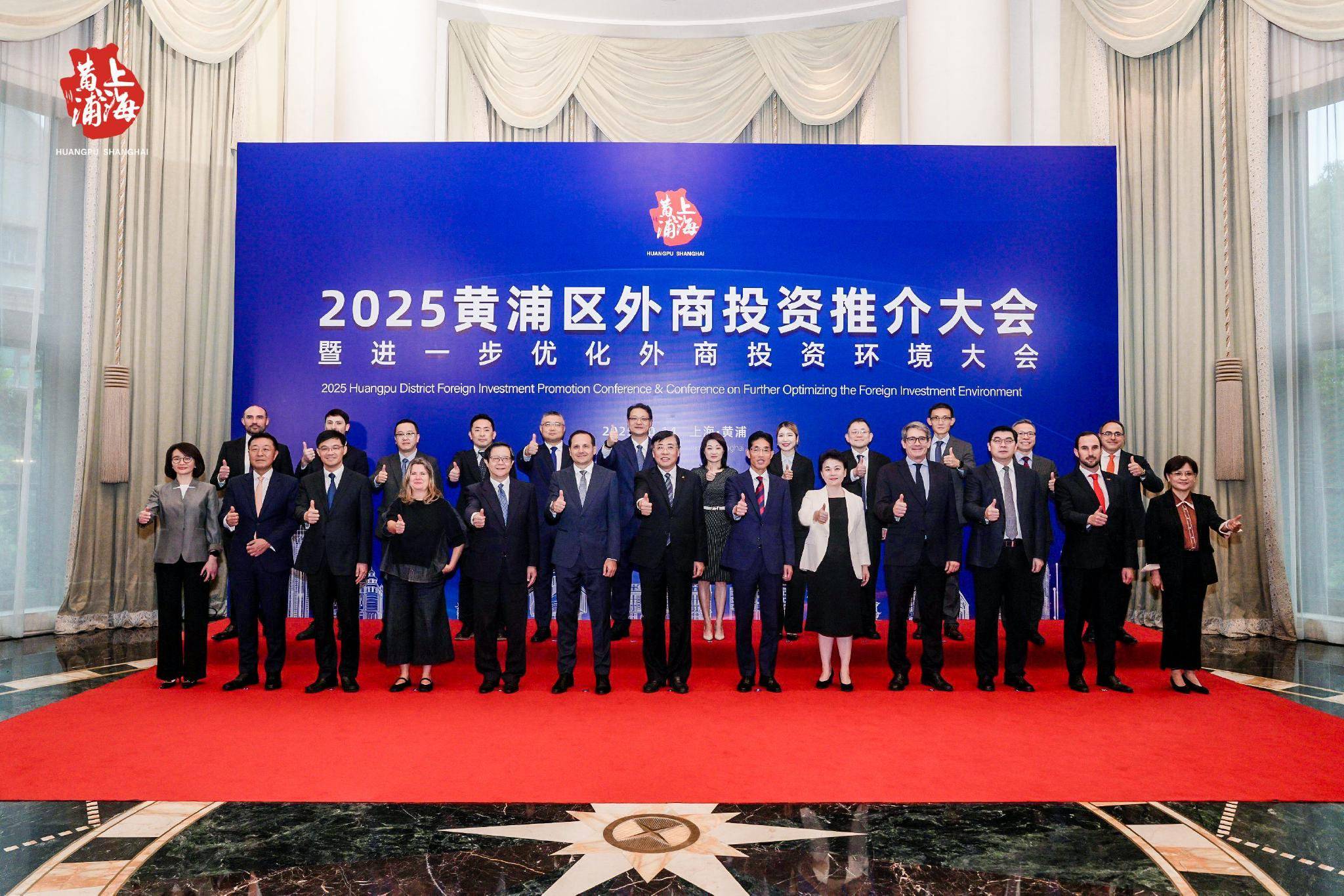
Core Insights - In August, China's total electricity consumption reached 10,154 billion kWh, marking a year-on-year increase of 5.0%, and achieving over 10 trillion kWh for the second consecutive month [1][2][3] Electricity Consumption by Sector - The primary industry consumed 164 billion kWh, up 9.7% year-on-year [1][5] - The secondary industry consumed 5,981 billion kWh, with a year-on-year growth of 5.0% [1][5] - The tertiary industry consumed 2,046 billion kWh, reflecting a year-on-year increase of 7.2% [1][6] - Urban and rural residential electricity consumption was 1,963 billion kWh, growing by 2.4% year-on-year [1] Economic Factors Influencing Electricity Demand - The high electricity consumption is attributed to extreme summer temperatures and a recovering macroeconomic environment, leading to increased capacity utilization across various industries [2][3][4] - Manufacturing electricity consumption rose by 5.5% in August, the highest monthly increase this year, with significant recovery in sectors like steel, building materials, and chemicals [3][5] Growth in High-Tech and Equipment Manufacturing - High-tech and equipment manufacturing sectors showed resilience, with a combined electricity consumption growth of 9.1%, surpassing the average manufacturing growth rate [3][6] - The new energy vehicle manufacturing sector experienced a remarkable growth of 23.0% in electricity consumption from January to August [6] Trends in Service Sector Electricity Consumption - The information transmission, software, and IT services sector saw a 15.8% increase in electricity consumption, driven by advancements in mobile internet and cloud computing [7] - The electric vehicle charging services sector reported a staggering 44.1% growth in electricity consumption [7] Future Outlook - The overall electricity demand is expected to continue growing, influenced by the expansion of high-tech industries and the increasing adoption of electric vehicles [6][7] - The stability of the electricity supply system is becoming a critical concern due to the rising share of renewable energy sources, prompting the government to implement policies to enhance supply stability [7]