装备制造

Search documents
(经济观察)大连GDP破万亿元:为东北振兴注入更多信心
Zhong Guo Xin Wen Wang· 2026-01-24 02:08
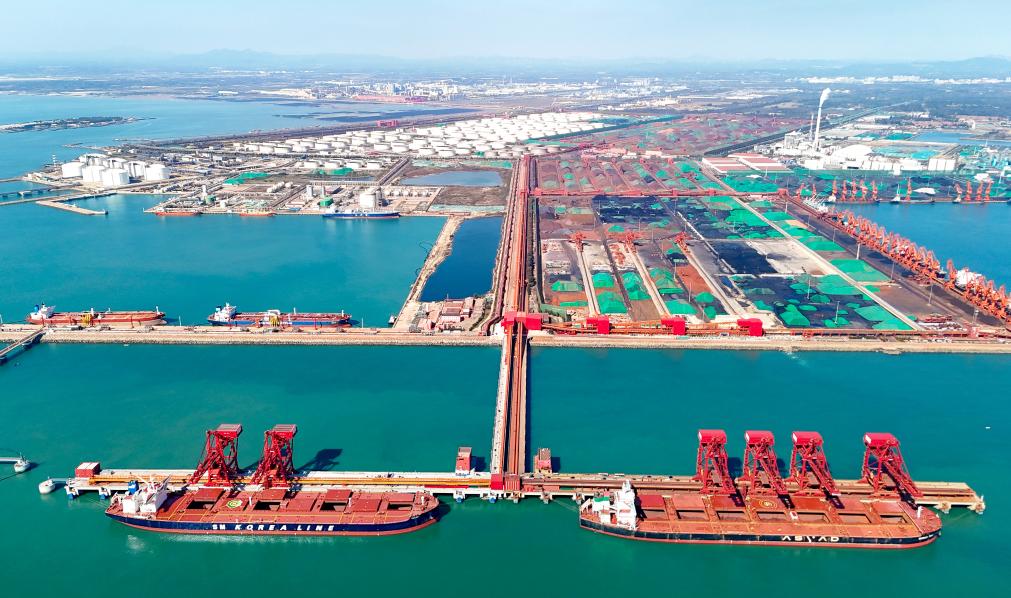
Core Insights - Dalian has achieved a significant milestone by becoming the first city in Northeast China to surpass a GDP of 1 trillion yuan, with a projected GDP of 1,002.1 billion yuan in 2025, reflecting a year-on-year growth of 5.7% at constant prices [1][3] Economic Growth and Structure - The growth trajectory of Dalian's GDP has been a result of eight years of consistent progress, starting from 650.09 billion yuan in 2018, crossing the 700 billion yuan mark in 2020, and accelerating to 900 billion yuan in 2023, with a solid foundation of 951.69 billion yuan in 2024 [3][4] - The industrial economy serves as a core pillar, contributing significantly to GDP growth, with the industrial sector's contribution rate reaching 60% in 2023. Dalian's industrial base includes strong traditional sectors such as equipment manufacturing, shipbuilding, and petrochemicals, with the petrochemical industry ranking first in Northeast China and fourth nationally [4][5] Port Economy and Trade - Dalian Port plays a crucial role in the regional economy, handling over 98% of Northeast China's foreign trade containers and more than 60% of imported crude oil. The port's container throughput is expected to exceed 4 million standard containers by 2025, driving the development of logistics, trade, and finance sectors [4][5] New Growth Drivers - New economic drivers are emerging alongside traditional industries, with significant projected increases in the value added by key sectors such as railways, shipbuilding, pharmaceuticals, and automotive manufacturing, expected to grow by 57.5%, 30.9%, and 19.5% respectively by 2025 [4][5] Regional Economic Impact - Dalian's achievement is seen as a beacon of hope for the revitalization of Northeast China, addressing the region's previous lack of trillion-yuan cities and providing a model for transformation for other cities in the area [5][6] - The breakthrough is expected to reshape the regional economic landscape, fostering a more concentrated growth model and enhancing the flow of capital, technology, and talent across the region [5][6] Future Outlook - Dalian is committed to maintaining a stable and sustainable growth path, as evidenced by the recent launch of the "Version 7.0 Enhancement Plan" aimed at optimizing the business environment and implementing targeted policies to support enterprises [8] - Despite the achievements, challenges remain in optimizing industrial structure, transitioning between old and new growth drivers, and promoting regional collaboration [8]

财经聚焦|再上新台阶!大连缘何成为东北首个“万亿之城”
Xin Hua Wang· 2026-01-24 00:36
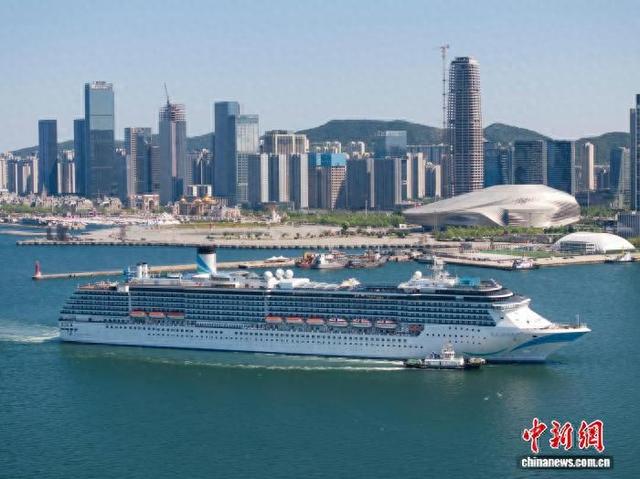
Core Insights - Dalian has achieved a GDP of 1 trillion yuan in 2025, marking it as the first city in Northeast China to reach this milestone, with a growth rate of 5.7% compared to the previous year [1] - The city is expected to play a leading role in the revitalization of Liaoning and Northeast China as a whole [1] Economic Growth - Dalian's economic scale reflects a new atmosphere in promoting high-quality development [2] - The industrial sector remains a cornerstone of Dalian's economy, with a reported 11.7% year-on-year growth in industrial added value for 2025, an increase of 4.1 percentage points from the previous year [3] - The equipment manufacturing industry showed strong support with a growth rate of 15.4% [3] Technological Innovation - Dalian is focusing on technological innovation to empower industrial upgrades, with strategic emerging industries accounting for 15% of GDP [3] - The number of technology-based enterprises in Dalian has exceeded 10,000, and the number of high-value invention patents has increased by over 75% in five years [4] Business Environment - Dalian has made significant efforts to optimize its business environment, reducing the time for business establishment from four days to under two hours [5] - The city has implemented 41 policies that allow businesses to enjoy benefits without application, enhancing operational efficiency [5] Foreign Investment and Trade - Dalian's import and export scale accounts for approximately 40% of Northeast China's total, attracting over a hundred Fortune 500 companies [6] - In 2025, Dalian established 286 new foreign-invested enterprises and over 200 new cross-border e-commerce companies, with cross-border e-commerce import and export volume increasing by 16% [7] Future Development Goals - Dalian aims to build a modern industrial system and a high-level open hub, focusing on five leading industries and three trillion-level industrial clusters [7] - The city is expected to play a crucial role in the comprehensive revitalization of Northeast China, contributing to regional confidence and development [7]
数+智,如何强健苏州制造筋骨
Su Zhou Ri Bao· 2026-01-23 23:50
Core Insights - Suzhou's manufacturing sector is robust, with a leading number of global lighthouse factories and national-level 5G factories, indicating a strong industrial foundation and a high level of integration between information technology and industrialization [1][2] - The government work report emphasizes strengthening the real economy and building a modern industrial system as key priorities for 2026, focusing on enhancing competitive advantages in industrial clusters and promoting smart manufacturing [1][2] Group 1: Industrial Clusters and Economic Foundation - Suzhou has developed three trillion-level industries: electronic information, equipment manufacturing, and new materials, with manufacturing value added consistently accounting for over 40% of GDP [2] - The city aims to advance its industrial clusters towards higher value chains, particularly in biomedicine, electronic information, and new energy sectors, while also promoting the establishment of over 3,500 smart factories [2][3] Group 2: AI Integration in Manufacturing - Artificial intelligence is positioned as a key driver for upgrading Suzhou's manufacturing, with over 3,000 AI-related companies and initiatives to integrate AI into manufacturing processes [3][4] - The government is focusing on high-end chips, algorithms, and intelligent equipment innovation, with the local robot industry valued at over 160 billion yuan, accounting for one-seventh of national production [4] Group 3: Modern Service Industry Development - The modern service industry is seen as essential for supporting industrial growth, with plans to enhance the quality and capacity of production services, targeting an 8% revenue growth by 2026 [5] - Proposals include providing comprehensive services such as consulting and training to facilitate the upgrade of small and medium enterprises through collaborative platforms [5][6] Group 4: Talent Development - Talent is identified as a critical factor for industrial upgrading, with a strong demand for engineers and skilled technicians capable of addressing complex engineering challenges [6] - Suggestions include establishing specialized programs in universities to align educational outcomes with industry needs, ensuring a continuous supply of practical talent for industrial development [6]
中国经济微观察 “两新”政策加力提效 供需良性循环增强发展后劲
Ren Min Wang· 2026-01-23 17:42
Core Insights - The "Two New" policies in China are effectively driving investment and consumption, optimizing supply structure, and enhancing economic quality, providing a solid foundation for stable and long-term economic growth [1] Investment Sector - Equipment investment is experiencing strong growth, with a year-on-year increase of 11.8% in 2025, contributing 1.8 percentage points to overall investment growth and accounting for 18.0% of total investment, an increase of 2.5 percentage points from the previous year [2] - The growth in equipment investment is attributed to a combination of government policies, such as fiscal subsidies and tax incentives, and proactive responses from enterprises in the manufacturing and high-tech sectors [2] - This investment is not only expanding production capacity but also driving the digitalization, intelligence, and greening of production systems, thereby enhancing the resilience and safety of the industrial supply chain [2] Consumption Sector - The "old-for-new" consumption policy has been significantly strengthened in 2025, stimulating potential consumer demand and promoting the optimization of consumption structure, with retail sales of consumer goods above designated size increasing by 3.4% year-on-year, accelerating by 0.7 percentage points from the previous year [3] - Key trends in consumption include: - Green and smart products becoming the main theme, with retail sales of communication equipment and cultural office supplies growing by 20.9% and 17.3% respectively [4] - Home furnishings seeing a 14.6% increase in retail sales, significantly up by 11 percentage points from the previous year [4] - New energy vehicle retail sales reaching 12.809 million units, a 17.6% year-on-year increase, with a penetration rate of 53.9%, up 6.3 percentage points from the previous year [4] Mechanism and Policy Integration - The success of the "Two New" policies is attributed to their integration with industrial, technological, and environmental policies, creating a virtuous cycle of investment, supply enhancement, demand creation, and re-investment [5] - The policies effectively address structural contradictions in the market, such as overcapacity in some industries and insufficient high-end supply, accelerating the marketization of new technologies and products [5] - The policies are also aligned with the "dual carbon" goals, promoting energy efficiency and reducing pollution, thus facilitating a comprehensive green transformation of economic and social development [6] Future Outlook - The ongoing implementation of the "Two New" policies is expected to further release their synergistic effects, solidifying the economic recovery and supporting the cultivation of new productive forces, the construction of a modern industrial system, and the achievement of carbon neutrality goals [6]
经济大省挑大梁!四个维度解读2025山东经济数据
Qi Lu Wan Bao· 2026-01-23 15:27
Economic Overview - In 2025, Shandong Province achieved a GDP of 10,319.7 billion yuan, becoming the third province in China to surpass 10 trillion yuan, following Guangdong and Jiangsu, and the first in Northern China [1] - The economic structure improved, with the three industries' composition adjusted to 6.6:39.3:54.1, reflecting a 0.8 percentage point increase in the tertiary sector's share, contributing 59.1% to economic growth [1] Supply and Demand Dynamics - The province focused on strengthening both supply and demand, ensuring robust production across agriculture, industry, and services, with high-tech service industry revenue growing by 6.7% from January to November [2] - Consumer potential was effectively released, with significant sales growth in communication equipment and cultural office supplies, increasing by 29.8% and 22.8% respectively [2] Development Momentum - Innovation and new industries continued to thrive, with industrial technological transformation investment rising by 5.3% and equipment manufacturing value-added increasing by 11.4% [2] - Production in smart manufacturing, including industrial robots and electronic components, saw substantial growth, with outputs increasing by 26.6%, 14.6%, and 8.3% respectively [2] Social Welfare and Employment - Employment remained stable, with 1.249 million new urban jobs created, and per capita disposable income increased by 5.0%, narrowing the income gap between urban and rural residents [3] - The market prices were stable and controllable, with ample supply of various goods, reinforcing the foundation for social welfare [3]
沈阳冰雪,何止冰雪
Liao Ning Ri Bao· 2026-01-23 14:22
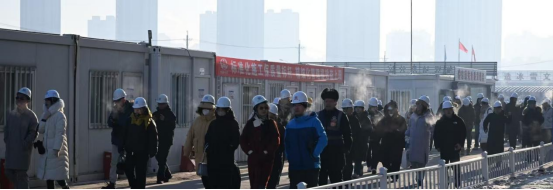
Core Viewpoint - The article highlights the vibrant development of ice and snow sports in Shenyang, emphasizing the transformation of natural cold resources into high-quality economic growth, driven by a series of events and infrastructure projects related to the upcoming 2028 National Winter Games [1][4]. Group 1: Infrastructure Development - The Wangjiabay Ice Sports Center in Shenyang is a key venue for the 2028 National Winter Games, featuring a speed skating rink, a comprehensive hall, and media center, with construction progressing rapidly [4][5]. - The center utilizes innovative architectural designs, including a large-span hybrid structure, making it the largest ultra-low energy consumption sports building in the country [5]. - Post-Games, the center will be open to the public, promoting ice and snow sports among citizens and integrating existing tourism brands to enhance the local ice and snow experience [6]. Group 2: Economic Impact - Liaoning Province has over 30 ski resorts and 70 ice rinks, generating more than 1 billion yuan in annual consumption [10]. - The Northeast Asia International Ski Resort is the largest in Liaoning and recently hosted an international A-class snowboarding event, showcasing the province's growing presence in the global ice and snow sports arena [10]. - The article notes the cultural significance of ice and snow traditions in Shenyang, which contribute to the local economy and tourism development [13]. Group 3: Community Engagement - Ice and snow activities are deeply embedded in the daily lives of Shenyang residents, with various recreational options available, such as natural ice rinks and snow sculpture parks [11]. - The article mentions a collaborative cultural initiative between the Liaoning Provincial Museum and the Northeast Asia Ski Resort, promoting cross-industry engagement and enhancing the cultural experience of visitors [13][15]. - The resilience and spirit of the local population are highlighted, with examples of businesses overcoming challenges through innovation and hard work, contributing to the region's economic growth [17][19].
财经聚焦丨再上新台阶!大连缘何成为东北首个“万亿之城”
Xin Hua Wang· 2026-01-23 14:17
Core Viewpoint - Dalian has achieved a significant milestone by becoming the first city in Northeast China to surpass a GDP of 1 trillion yuan, reaching 10,002.1 billion yuan in 2025, with a growth rate of 5.7% compared to the previous year, reflecting its role as a leader in the region's economic revitalization [1][8]. Economic Growth and Industrial Development - Dalian's industrial output value increased by 11.7% year-on-year in 2025, with equipment manufacturing growing by 15.4%, indicating a robust industrial sector [3]. - The city has established a stable green petrochemical industry cluster valued at 400 billion yuan, with significant contributions from shipbuilding, high-end bearings, and advanced rail transit equipment [1][3]. - The added value of strategic emerging industries accounted for 15% of Dalian's GDP, showcasing a shift towards high-quality development [1]. Technological Innovation and Transformation - Dalian is focusing on technological innovation to drive industrial upgrades, with over 10,000 technology-based enterprises and a 75% increase in high-value invention patents over five years [3]. - The city is transitioning from traditional industries to intelligent, green, and digital transformations, with significant investments in technological renovations, which rose by 14.5% year-on-year [3] . Business Environment and Investment - Dalian has made substantial improvements to its business environment, reducing the time for business establishment from four days to under two hours and implementing 41 policies that allow for immediate benefits to enterprises [5]. - The city has attracted over 100 Fortune 500 companies and accounted for approximately 40% of the import and export scale in Northeast China, highlighting its strategic importance in international trade [5][7]. Open Economy and Regional Integration - Dalian has launched 540 institutional innovations in the past five years within the Liaoning Free Trade Zone, achieving full coverage of container shipping routes to core ports of RCEP member countries [7]. - The establishment of 286 new foreign-invested enterprises and a 16% increase in cross-border e-commerce trade in 2025 demonstrate Dalian's growing role in regional economic integration [7]. Future Development Goals - Dalian aims to build a modern industrial system and a high-level open hub, focusing on five leading industries, including green petrochemicals and high-end consumer goods, while also developing three trillion-yuan-level industrial clusters in software, electronics, and new energy [7][8].

山东成为中国第三个GDP超10万亿元省份
Xin Hua Wang· 2026-01-23 13:54
Economic Growth - Shandong Province's GDP is projected to reach 10.3 trillion yuan by 2025, with a year-on-year growth of 5.5%, making it the third province in China to exceed this milestone after Guangdong and Jiangsu, and the first in Northern China [2] - The total grain output in Shandong is expected to stabilize at over 110 billion jin, with the total output value of agriculture, forestry, animal husbandry, and fishery reaching 1.3 trillion yuan [2] - The industrial added value above designated size is anticipated to grow by 7.6% year-on-year, while the service sector's added value is expected to increase by 6.1% [2] Industrial Development - Shandong is recognized for having the most complete industrial categories and systems in China, with new growth drivers continuously emerging and high-quality development being promoted [4] - Industrial technological transformation investment is projected to grow by 5.3% year-on-year, and the added value of the equipment manufacturing industry is expected to increase by 11.4% [4] - The production of industrial robots, electronic components, and semiconductor discrete devices is experiencing rapid growth, with Shandong leading in the number of smart factories cultivated [4] Trade and Export - The total import and export volume of Shandong is expected to reach 35.303 trillion yuan, marking a growth of 4.5%, which accounts for 7.8% of China's total import and export value [5] - Shandong's contribution to national foreign trade growth is approximately 9.1%, with exports to countries involved in the Belt and Road Initiative growing by around 7% [5] - The province aims to be a promoter of a unified national market domestically and a bridgehead for Northeast Asia and the Belt and Road Initiative internationally [5]
2025年上海规上工业总产值4.07万亿元
Guo Ji Jin Rong Bao· 2026-01-23 12:38
上海市经济和信息化委员会经济运行处(电力处)相关负责人介绍,2025年,上海完成规上工业总 产值4.07万亿元,创历史新高,时隔两年再次迈上4万亿元台阶,规上工业增加值增长5.1%,是近四年 以来的最快增速,较2024年加快2.9个百分点,全市规上工业总产值同比增长4.6%,较2024年加快3.9个 百分点,工业经济规模持续加速扩大。 分行业情况看,2025年,上海装备制造业加快发展,铁路、船舶、航空航天和其他运输设备制造业 产值增长15.8%,电气机械和器材制造业产值增长11.1%,汽车制造业产值增长7.8%,计算机、通信和 其他电子设备制造业增长7.7%。 同时,上海新质生产力持续发力,2025年全年战略性新兴制造业产值同比增长6.5%,快于面上工 业增速1.9个百分点,其中新能源和高端装备实现两位数增长,同比分别增长12.9%和11.1%。 2025年,上海三大先导制造业合计增长9.6%,其中,集成电路、人工智能制造业分别增长15.1%、 13.6%,成为上海工业经济发展的骨干支撑。 上海市主要行业的细分结构持续优化。例如,上海市全年实现汽车规上工业产值7421亿元,占上海 全市规上工业总产值比重达19 ...
新华鲜报丨第三个!山东GDP超10万亿元
Xin Hua Wang· 2026-01-23 12:26
Group 1 - Shandong has become the third province in China, after Guangdong and Jiangsu, to achieve a GDP exceeding 10 trillion yuan, with a projected GDP of 10,319.7 billion yuan in 2025, representing a growth of 5.5% from the previous year [1] - The province is focusing on deepening the transformation of old and new growth drivers and promoting green, low-carbon, and high-quality development, overcoming the challenges of industrial structure transformation [3] - In 2025, Shandong's industrial technology investment is expected to grow by 5.3%, with the added value of the equipment manufacturing industry increasing by 11.4%, indicating a shift towards new production capabilities [6] Group 2 - Shandong's total import and export volume is projected to reach 35,303.3 billion yuan in 2025, growing by 4.5%, which accounts for 7.8% of the national total and contributes 9.1% to the national foreign trade growth [6] - The province is strategically positioned to become a significant economic growth pole in northern China, with advantages in connectivity and trade, including the operation of the China-Europe Railway Express and a strong coastal port throughput [8] - The service sector's added value growth rate is expected to exceed the national average by 0.7 percentage points, reflecting a robust performance in this area [6]