便利店

Search documents
三只松鼠官宣“大消费全品类、全渠道全业态”发展方向,一分利便利店已达4家
Cai Jing Wang· 2025-05-22 03:29
Group 1 - The core strategy of the company is to transition from "nut snacks" and "online sales" to "full-category, all-channel, and all-business consumption" [1] - The company launched 33 new brands, including Damao Nuts, Gold Medal Dad, She Zhi Mei, Orange Cat, Huxi, Little Deer Blue Blue Care, and Dear Wheat [1] - The company introduced its own brand full-category lifestyle store and a new generation convenience store called "Yifenli" [1] Group 2 - Yifenli convenience store is a wholly-owned subsidiary of the company, providing comprehensive solutions for community supermarket operators, retail entrepreneurs, and chain store franchisees [2] - Since February 2025, Yifenli has opened 4 stores in Wuhu, Anhui, with the Squirrel Sunshine City store achieving daily sales exceeding 15,000 yuan [2] - The company plans to open 20 new stores by 2025, with the first store, Squirrel Sunshine City, expected to open on June 19 [1][2]

中国便利店十年混战:谁赢了,谁还在拼?
创业邦· 2025-05-22 03:04
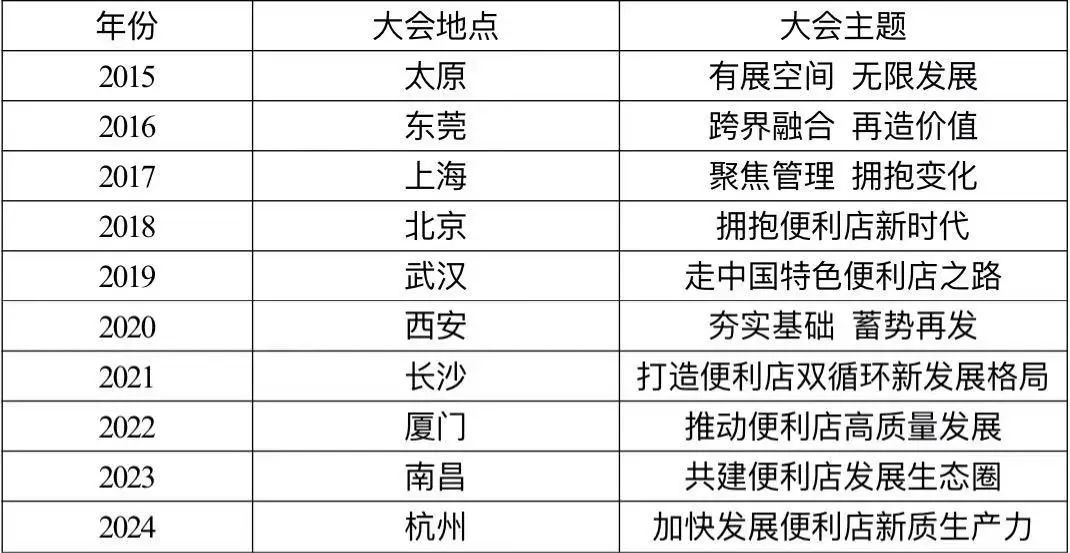
Core Viewpoint - The annual convenience store conference serves as a significant gathering for industry professionals, summarizing the past year's developments and forecasting future trends in the convenience store sector [3][5]. Group 1: Conference Themes Over the Years - The conference themes from 2015 to 2024 reflect the evolution of the convenience store industry, transitioning from market exploration to standardization and localization, and finally to digitalization and sustainable ecosystems [4][14]. - The themes from 2015 to 2017 focused on early exploration, emphasizing market potential and transformation distinct from traditional supermarkets [7][8][10]. - The themes from 2018 to 2020 highlighted the entry into a new era for convenience stores, stressing standardization, localization, and foundational improvements [11][12][14]. - The themes from 2021 to 2024 emphasize development, digitalization, and the creation of an ecosystem to meet consumer needs, showcasing the industry's maturity [14][28]. Group 2: Competitive Landscape - The competitive landscape for convenience stores has shifted from traditional competitors to cross-industry challenges, including snack stores, discount stores, and delivery platforms, which threaten the core value of "convenience" [5][15][17]. - The rise of discount stores and online delivery services has eroded the traditional advantages of convenience stores, necessitating a reevaluation of their value propositions [17][18]. - The retail wheel theory suggests that convenience stores must innovate and differentiate themselves to survive in a rapidly changing competitive environment [19]. Group 3: Strategic Responses - Convenience stores are adopting a long-term customer strategy, transitioning from membership to subscription models, focusing on creating value that encourages customer loyalty [23][24]. - The integration of diverse services and products in convenience stores is becoming a trend, with stores evolving into community hubs to meet local needs and counteract competition [27][28]. - Successful convenience store operators are demonstrating adaptability and innovation in response to market changes, emphasizing the importance of understanding consumer behavior and leveraging technology [28][29].

中国便利店十年竞合启示录
3 6 Ke· 2025-05-19 23:54
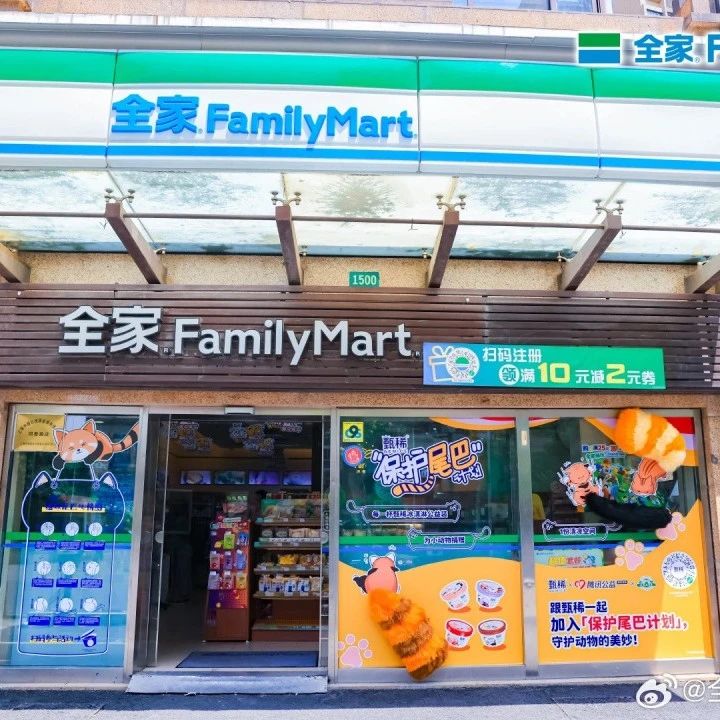
Core Insights - The annual convenience store conference will be held in Fuzhou, serving as a significant gathering for industry professionals to reflect on the past year and look forward to future developments [1] - The themes of the conference over the past decade reflect the industry's evolution and the challenges faced by convenience retail in adapting to new market dynamics [2][4] Group 1: Conference Themes and Evolution - The conference themes from 2015 to 2017 focused on early exploration, emphasizing market potential and expansion opportunities [4][6] - From 2018 to 2020, the themes highlighted the transition to a new era for convenience stores, with an emphasis on standardization, localization, and foundational improvements [8][12] - The themes from 2021 to 2024 indicate a shift towards developing an ecosystem for convenience stores, focusing on high-quality development and the integration of technology [10][14] Group 2: Competitive Landscape - The convenience store industry is currently facing blurred boundaries in competition, with challenges from various sectors such as snack shops, discount stores, and delivery platforms [3][15] - The competition has evolved from traditional peer rivalry to a broader challenge from diverse industries, necessitating a redefinition of value and innovation in the convenience store model [18][34] Group 3: Strategic Responses - To survive and thrive in the new competitive landscape, convenience stores must embrace innovation, differentiate their offerings, and leverage data insights to better understand consumer needs [19][20] - The shift from membership to subscription models is emerging as a strategy to enhance customer loyalty and engagement, focusing on delivering long-term value rather than just price [21][23] Group 4: Case Studies and Best Practices - Successful convenience store brands in Taiwan, such as 7-ELEVEn and FamilyMart, are adapting by introducing multi-functional stores that cater to community needs and enhance customer experience [28][30] - These brands are leveraging technology and innovative service offerings to transform their stores into community hubs, thereby increasing foot traffic and customer loyalty [32][34]
从“印尼九条龙”手里抢肉,中国出海者还剩多少机会?
Hu Xiu· 2025-05-16 01:50
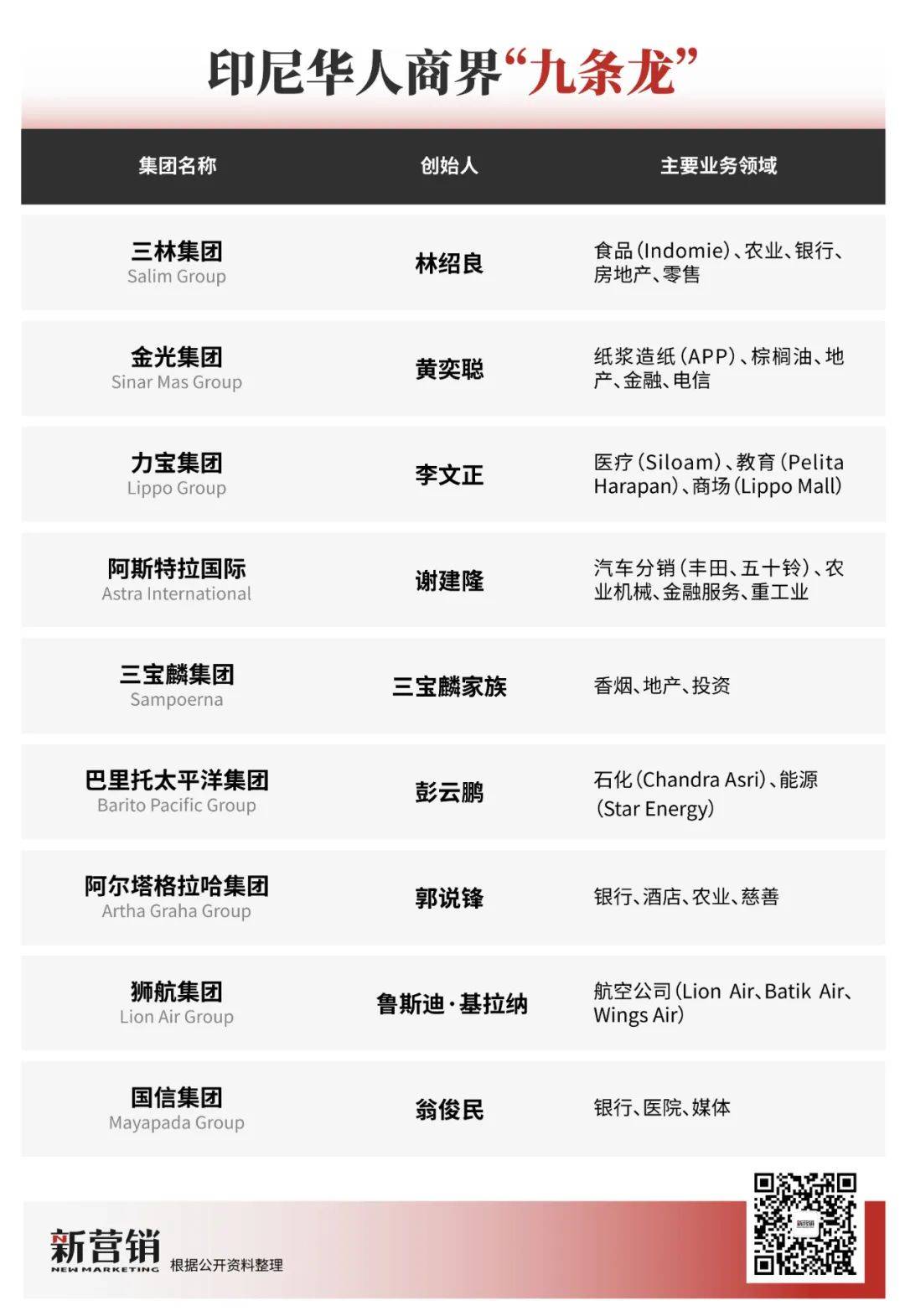
Core Viewpoint - The article discusses the complexities and challenges faced by Chinese businesses entering the Indonesian market, emphasizing the need for collaboration with local Chinese entrepreneurs and understanding the competitive landscape dominated by established local players [1][2][3][4][5]. Group 1: Market Dynamics - Indonesia is seen as a land of opportunity where many have made money but few have returned with substantial gains, highlighting the importance of strategic timing and risk management [2][3]. - The local Chinese community has a complicated relationship with new Chinese entrants, as they feel threatened by the competition for market share [4][5]. - The "Nine Dragons" concept refers to nine influential Chinese business tycoons who dominate key industries in Indonesia, indicating a significant barrier to entry for newcomers [8][10]. Group 2: Key Players and Market Control - Salim Group's Indomie instant noodles hold over 60% market share, with 99.4% of urban consumers consuming at least three packs monthly, showcasing the stronghold of established brands [12]. - Lippo Group operates the largest retail real estate development in Indonesia, with over 22 shopping centers and a yearly foot traffic of approximately 119.6 million visitors, indicating the scale of established operations [12]. - Indomaret and Alfamart, two major convenience store chains, control over 80% of the market, further illustrating the dominance of local players in the retail sector [13]. Group 3: Strategies for Entry - New entrants are advised to collaborate with established local businesses to navigate the competitive landscape effectively, as direct competition may be challenging [7][14]. - The cultural affinity and trust among the Chinese community in Indonesia can facilitate partnerships, making collaboration a viable strategy for new entrants [14][15]. - Understanding the unique socio-economic dynamics of Indonesia, including its diverse population and regional disparities, is crucial for successful market entry [16][17].
郑州便利店为何多而不强?
3 6 Ke· 2025-05-16 00:11
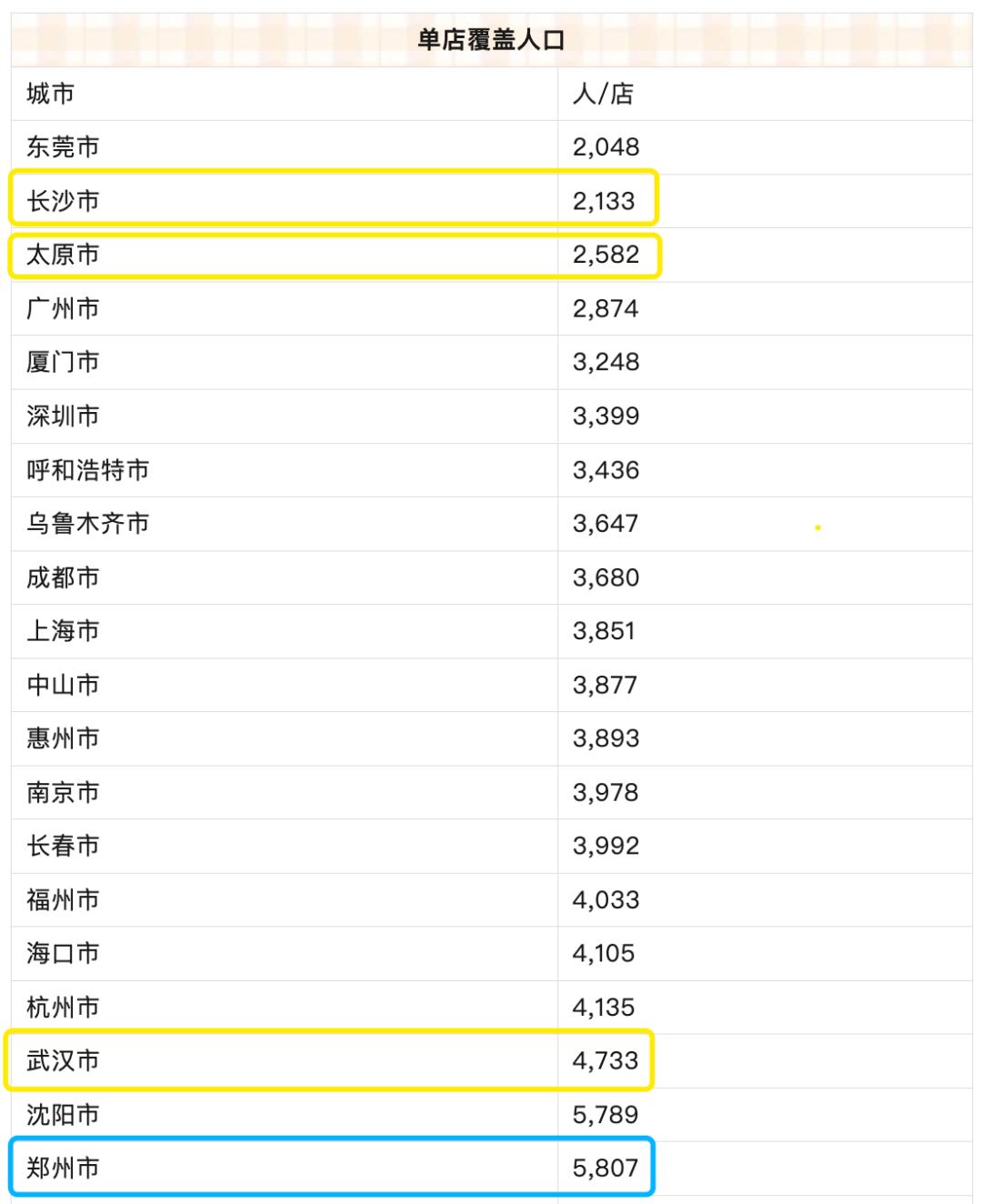
Core Viewpoint - Zhengzhou's convenience store industry must strengthen supply chain resilience and innovate consumer scenarios to break through the challenges posed by "couple stores" and national brand competition [1][26]. Group 1: Industry Overview - Zhengzhou has a rich history in the convenience store sector, emerging as a commercial hub in the 1990s with brands like Sili Supermarket and Apollo Convenience Store [1]. - The convenience store landscape in Zhengzhou consists of local chains (e.g., Yuelai Yuexi, Fulujia), domestic leaders (e.g., Meiyijia, Tangjiu Convenience), and foreign brands (e.g., 7-ELEVEn) [1]. - The convenience store coverage density in Zhengzhou exceeds the national average, but it faces deep-rooted challenges in regional competition and growth momentum [1][3]. Group 2: Market Data - According to the China Chain Store & Franchise Association, Zhengzhou's convenience store per capita coverage is 5,807 people/store, better than the national average of 6,866 people/store, but ranks fourth among six provincial capitals in Central China [1][2]. - The convenience store development index in Zhengzhou grew by only 0.3% in 2024, a decrease of 4.25 percentage points from the previous year, dropping 16 places to 27th among 40 surveyed cities [3]. Group 3: Competitive Landscape - Local convenience store brands in Zhengzhou are perceived as "weak" despite a large number of stores, with limited expansion capabilities outside the province [3][10]. - The competition is intense, with brands like Yuelai Yuexi achieving over 1 billion yuan in annual sales and 7-ELEVEn setting a global single-day sales record upon opening in Zhengzhou [11][12]. - The lack of a dominant local brand with over a thousand stores contributes to a fragmented market where brands compete fiercely for locations and supply chain efficiency [10][14]. Group 4: Consumer Behavior and Trends - The convenience store sector in Zhengzhou is evolving, with brands focusing on stable consumer traffic locations such as subway stations and major commercial areas [14][18]. - There is a growing trend towards 24-hour operations, with Yuelai Yuexi leading in this area to stimulate the local "night economy" [18][19]. - The convenience stores are also working to cultivate consumer habits of relying on them for daily meals, leveraging Zhengzhou's status as a major food production area [19][21]. Group 5: Future Prospects - Zhengzhou's convenience store ecosystem has significant growth potential, supported by a large number of individual businesses and a high student population [22][24]. - The local market is characterized by a high number of individual operators, which poses a challenge to convenience stores in terms of competition for consumer spending [22][25]. - The industry is expected to continue evolving, with a focus on enhancing supply chain resilience and optimizing product offerings to meet consumer demands [25][26].
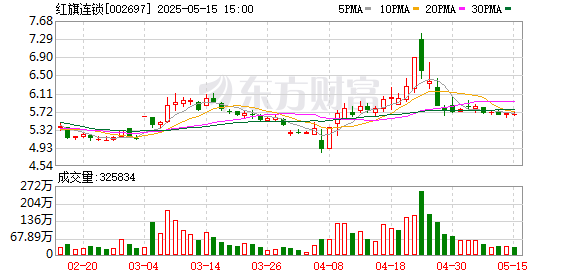
【直击】红旗连锁股东大会:深化线上线下融合发展 将向川南等区域渗透布局
Zheng Quan Shi Bao Wang· 2025-05-15 12:25
Group 1: Company Overview - Hongqi Chain officially held its 2024 annual shareholder meeting on May 15, with key executives in attendance [2] - In November 2024, the controlling stake and actual controller of Hongqi Chain changed to Sichuan Shantou Investment Co., Ltd. and Sichuan Provincial State-owned Assets Supervision and Administration Commission, respectively [2] - The company reported a total operating revenue of 10.123 billion yuan for 2024, remaining stable compared to the previous year, while the net profit after deducting non-recurring gains and losses was 477 million yuan, a decrease of 13 million yuan year-on-year [2] Group 2: Financial Performance - The main business revenue for Hongqi Chain was 9.371 billion yuan, reflecting a growth of 0.23% compared to the previous year [2] - The decline in overall performance was primarily attributed to a decrease in investment income, with the company recognizing a cumulative income of 122 million yuan from its investment in Xinwang Bank, down nearly 30 million yuan from the previous year [2] Group 3: Market Position and Strategy - The retail convenience store industry is facing increasing competition, with large supermarkets experiencing a wave of store closures [4] - Hongqi Chain emphasizes the importance of continuous innovation and scientific management, having developed the "Hongqi Cloud Platform" to enhance decision-making efficiency across the supply chain [4] - The company has been actively integrating online and offline operations, achieving over 1 billion yuan in sales through Douyin live streaming in 2024 [4] Group 4: Product and Service Expansion - Hongqi Chain has introduced a variety of products, including coffee, meals, and fresh produce, to meet diverse consumer needs [5] - The company has over 3,000 stores, primarily concentrated in the Chengdu area, and aims to expand into second and third-tier cities in Sichuan [5] - As a state-owned enterprise, Hongqi Chain is committed to promoting local products and enhancing shopping environments to improve market competitiveness [5]

中国品牌在印尼,越不过“九条龙”
阿尔法工场研究院· 2025-05-12 12:47
Core Viewpoint - The article discusses the opportunities and challenges for Chinese companies entering the Indonesian market, emphasizing the unique characteristics of the market and the importance of understanding local dynamics and competition [2]. Group 1: Market Dynamics - The Indonesian market is characterized by a significant potential for growth, particularly as the GDP per capita approaches $10,000, which indicates a transition to a "middle-upper income" stage [4]. - The consumption patterns in Indonesia are similar to those in China during its early economic development, with a strong demand for various consumer goods and services [4]. - The rise of the middle class in Indonesia is leading to a diversification of consumption, with sectors such as healthcare, entertainment, education, automotive, and tourism becoming new engines of domestic demand [4]. Group 2: Competitive Landscape - The presence of established competitors in Indonesia poses a challenge for new entrants, but there are still opportunities due to the relatively low density of retail outlets compared to China [6]. - The article highlights the "Nine Dragons," a term used to describe nine influential Chinese business tycoons in Indonesia who dominate key industries, indicating a competitive landscape that is difficult to penetrate without local partnerships [11]. - Major local players, such as the Salim Group and Lippo Group, have significant market shares in sectors like instant noodles and retail, making collaboration with these entities essential for success [11][12]. Group 3: Cultural and Historical Context - The article emphasizes the historical context of Chinese businesses in Indonesia, noting the complex relationships between local Chinese and Indonesian communities, which can impact market entry strategies [9]. - The older generation of Chinese entrepreneurs in Indonesia has experienced both success and setbacks, providing valuable insights for newcomers about the importance of timing and strategy in the market [9][10]. - There is a call for newer generations of Chinese entrepreneurs to engage with local businesses and learn from their experiences to navigate the market effectively [10]. Group 4: Strategic Recommendations - New entrants are advised to consider partnerships with established local businesses to mitigate risks and enhance market entry strategies [11][12]. - The importance of understanding local consumer behavior and preferences is highlighted, as Indonesian consumers tend to have a strong desire for consumption, often willing to take loans for purchases [6]. - The article suggests that rapid expansion in key urban areas is crucial for establishing a foothold in the Indonesian market, with a focus on first and second-tier cities [6][7].

美国便利店协会谈全球便利店五大趋势:餐饮化、设计化、新产品、新技术、体验提升
3 6 Ke· 2025-05-12 07:31
Core Insights - The presentation by George Zheng highlighted five key trends reshaping global convenience retail: increased focus on food service, enhanced design, new product development, technology adoption, and improved customer experience [1][4]. Group 1: Industry Trends - Convenience stores are evolving to become more food-oriented, with coffee services being a significant focus area [4][5]. - The design aspect of convenience stores is gaining importance, with a push for more collaboration with architects and designers to enhance store aesthetics [6]. - New product offerings and services are essential for competitiveness, with a trend towards featuring food prominently in store layouts [6][7]. Group 2: Market Dynamics - In the U.S., convenience stores account for 56% of beer sales, 28% of carbonated drinks, 89% of cigarettes, and 95% of e-cigarettes [2]. - The U.S. convenience store market comprises over 150,000 stores as of December 31, 2024 [2]. - The association emphasizes knowledge sharing and data collection from over 30,000 members to inform industry practices [2][3]. Group 3: Technological Integration - The adoption of technology in convenience stores is cautious, with a focus on ensuring that innovations like unmanned stores are suitable for specific scenarios [7]. - There is potential for integrating charging services for electric vehicles with convenience store offerings to enhance customer engagement [7]. Group 4: Competitive Landscape - The competitive analysis indicates that many convenience store operators primarily observe local competitors, highlighting a need for broader market awareness [4]. - Differentiation in food offerings, such as fresh sandwiches and unique local products, is crucial for attracting customers [5][6].
便利店赛道杀出一匹黑马“左邻右舍”
FBIF食品饮料创新· 2025-05-11 16:14
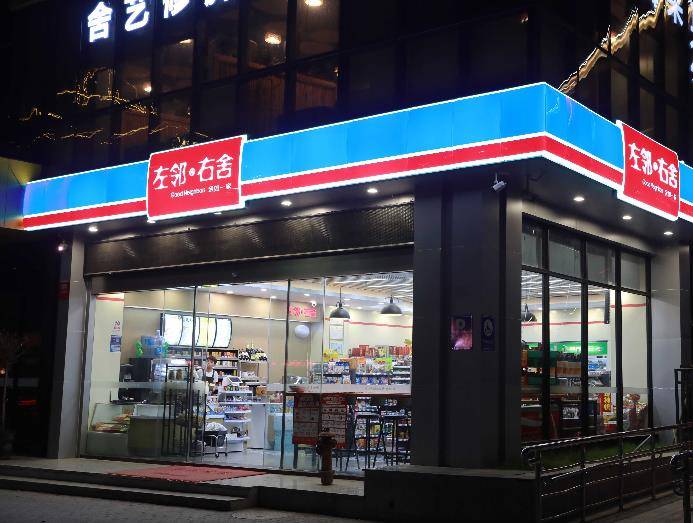
Core Viewpoint - The convenience store industry in China is witnessing significant growth, with the emergence of new players like "左邻右舍" (Left Neighbour) and "生活驿站" (Life Station) under the Chicheng Holding Group, which have rapidly expanded their store numbers and are challenging established brands like 美宜佳 (Meiyijia) and 芙蓉兴盛 (Furong Xingsheng) [1][5][12]. Group 1: Industry Overview - The latest convenience store TOP100 list by the China Chain Store & Franchise Association (CCFA) shows that 美宜佳 leads with nearly 40,000 stores, maintaining its position for three consecutive years [1]. - The entry threshold for the top ten has increased, with the tenth place, 红旗连锁 (Hongqi Chain), now requiring 3,447 stores, up from 2,800 the previous year [3]. - The overall ranking stability among top brands contrasts with significant fluctuations among lower-ranked brands, indicating a solidified position for leading players [3]. Group 2: Growth of New Players - "左邻右舍" and "生活驿站" have collectively reached 5,310 stores, marking a notable entry into the top ten for the first time [3][5]. - The rapid growth of these brands is attributed to their franchise model, with an average of over 400 new stores opened annually over the past four years [5]. - In 2024, "左邻右舍" is projected to exceed 11 billion in sales, with Chicheng Holding reporting a revenue of 1.065 billion, a 15.39% increase year-on-year [12]. Group 3: Business Model and Strategy - The franchise model allows for low entry costs, with an investment of approximately 120,000 to 140,000 yuan for a 30-40 square meter store [6]. - "左邻右舍" focuses on community services, offering utilities payment, package collection, and public transport card recharges, which enhances customer foot traffic [8][9]. - The product offering is more localized and affordable compared to competitors, avoiding imported trendy items and focusing on everyday necessities [7][8]. Group 4: Competitive Landscape - "左邻右舍" is positioned to compete directly with 芙蓉兴盛, which also emphasizes community service and has a similar store count [12]. - Other local supermarkets are enhancing their community service offerings, indicating a competitive environment for "左邻右舍" [13]. - The introduction of popular products in stores aims to attract more customers, with items like 瑞士卷 (Swiss Roll) and 榴莲千层 (Durian Layer Cake) being offered at competitive prices [14].
中国便利店“开店王”:一年净增4095家,月均服务超过2.5亿人次
Sou Hu Cai Jing· 2025-05-09 12:22
Core Insights - The convenience store sector in China continues to experience rapid growth, with a total of 196,000 stores among the top 100 companies, reflecting a net increase of 14,000 stores year-on-year, representing a growth rate of 7.7% [1][3][5] Group 1: Market Overview - The convenience store format is the closest retail model to consumers, providing a wide range of products and services, which has led to strong market demand despite the decline of hypermarkets and department stores [1] - The top 100 convenience store companies have a combined store count of 196,000, with an entry threshold of 129 stores, indicating a competitive landscape [1][3] Group 2: Industry Concentration - There are 38 companies with over 1,000 stores, an increase of 7 from the previous year, indicating a trend towards higher industry concentration [3] - The top 20 companies account for 148,128 stores, representing 75.57% of the total, while the top 10 companies hold 124,066 stores, a year-on-year increase of 8,325 stores (7.19%) [3][6] Group 3: Leading Companies - Meiyijia remains the largest convenience store chain in China, with 37,943 stores, a net increase of 4,095 stores, averaging 11.2 new stores opened daily [8][9] - The top three companies, Meiyijia, Yijie, and Kunlun Haoke, have store counts exceeding 10,000, with Kunlun Haoke experiencing a decrease of 80 stores to 19,700 [6][8] - Lawson continues to be the leading foreign convenience store brand in China, with 6,652 stores after a net increase of 332 stores [5][6] Group 4: Future Outlook - Meiyijia aims to expand its store count to over 39,000 by April 2025, while Lawson has set a target of reaching 10,000 stores by the end of 2025, although achieving this goal may be challenging [8][5]