
快餐

Search documents
遇见小面正式登陆港交所:「中式面馆第一股」有望开启新一轮快速成长周期
IPO早知道· 2025-12-05 03:38
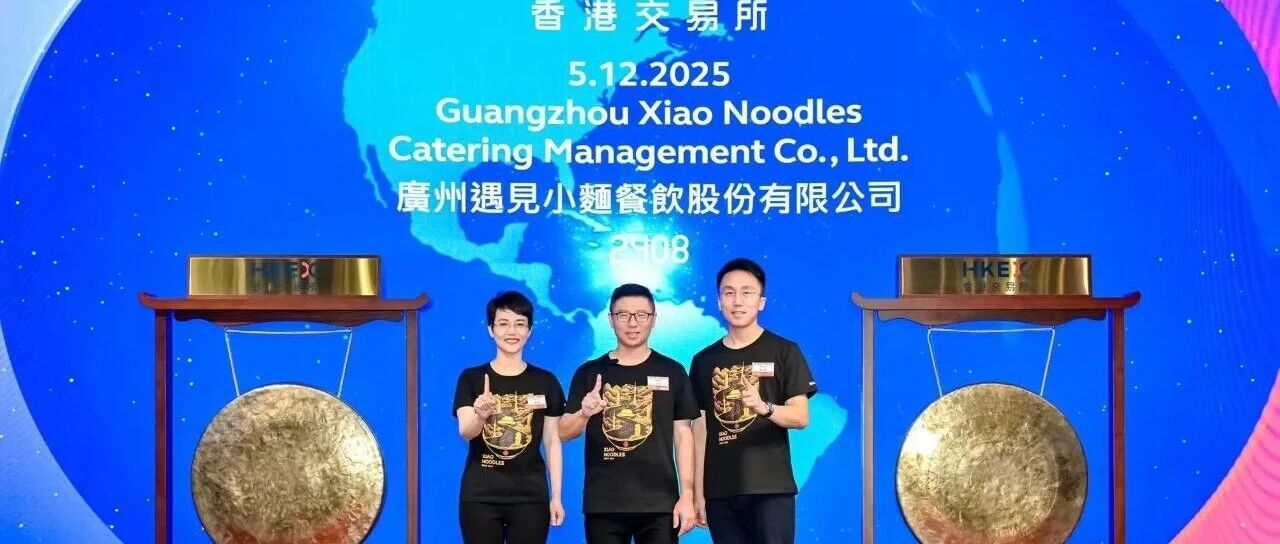
Core Viewpoint - The company "Yujian Xiaomian" has successfully listed on the Hong Kong Stock Exchange, becoming the first Chinese noodle restaurant stock, marking a significant milestone for the brand and the industry [3][18]. Company Overview - Yujian Xiaomian issued a total of 97,364,500 H shares in its IPO, with the Hong Kong public offering being oversubscribed by 426 times and the international offering by approximately 5 times [3]. - The company has opened 465 stores across 22 cities in mainland China and Hong Kong, with plans to exceed 500 stores by the end of the year [7]. Financial Performance - The total revenue for Yujian Xiaomian from 2022 to 2024 is projected to grow from 418 million to 1.154 billion yuan, with a compound annual growth rate (CAGR) of 66.2% [12]. - In the first half of 2024, the company reported a revenue of 703 million yuan, a year-on-year increase of 33.8%, and an adjusted net profit of 52.175 million yuan, up 131.56% year-on-year [12]. Market Position and Growth Potential - The Chinese noodle restaurant market is expected to grow from 183.3 billion yuan in 2020 to 510 billion yuan by 2029, with a CAGR of 10.9% [9][10]. - Yujian Xiaomian plans to open 520 to 610 new stores over the next three years, effectively doubling its current operational network [10]. Product Offering and Customer Engagement - The company has a diverse product range, with its Chongqing noodles, pea noodles, and sour and spicy noodles ranking first in sales among all Chinese chain restaurants for three consecutive years [14]. - Yujian Xiaomian has attracted over 22.1 million registered members, with a 44.5% repurchase rate among stored-value members in 2024, significantly higher than the industry average [16]. Strategic Vision - The company aims to expand internationally, with its first overseas store set to open in Singapore, leveraging similarities in culinary culture and high urban consumption density [10]. - Yujian Xiaomian's successful listing is seen as a benchmark for the capitalization of Chinese fast-food chains and is expected to attract international capital for further growth [18].

彼得·林奇:不要把增长和赚钱混为一谈
Sou Hu Cai Jing· 2025-12-05 02:50
Group 1: Peter Lynch's Four Rules of Stock Investment - Rule 1: Understand the stocks held. Investors should be able to explain their reasons for buying a stock in simple terms. If the only reason for purchasing a stock is the expectation of price increase, it is advisable not to buy it [3]. - Rule 2: Economic predictions are futile. Investors should not attempt to predict interest rates or market movements, as even experts like Alan Greenspan cannot accurately forecast these [4]. - Rule 3: Do not worry about indices. Focus on individual companies like McDonald's and Walmart, as their performance can differ significantly from overall market trends [5][6]. - Rule 4: Patience is key. Investors have ample time to research companies before making purchases, and successful investments often come after years of observation [7][8]. Group 2: Common Dangerous Statements in the Stock Market - Dangerous Statement 1: "How much lower can the stock price go?" This mindset can lead to poor investment decisions, as seen with the example of Kaiser Industries [10][11]. - Dangerous Statement 2: "How much higher can the stock price go?" This can result in missed opportunities, as demonstrated by the case of Philip Morris [12]. - Dangerous Statement 3: "I can only lose a little since the stock price is low." This is misleading, as the potential loss is the same regardless of the stock price [15]. - Dangerous Statement 4: "Eventually, the price will rebound." Historical examples show that some stocks never recover to previous highs [16]. - Dangerous Statement 5: "It can't get any worse, so I should buy." This reasoning can lead to further losses, as seen in the railroad and oil drilling examples [17][18]. Group 3: Peter Lynch's Ten Pieces of Advice - Advice 1: Avoid long-shot companies that lack near-term earnings. These companies often do not succeed [26][27]. - Advice 2: Do not confuse growth with profitability. High-growth industries can lead to losses due to increased competition [28][29]. - Advice 3: Basic math is sufficient for investing. Investors do not need advanced mathematics to succeed in the stock market [30][31]. - Advice 4: Spend time reviewing balance sheets. A quick assessment can reveal a company's financial health [32]. - Advice 5: Research stocks as thoroughly as one would research a microwave. This diligence can lead to better investment outcomes [35]. - Advice 6: Great stocks are often unexpected. Investors cannot predict which stocks will become successful [36]. - Advice 7: Retail investors have significant advantages. They often have access to information that can inform better investment decisions [40][42]. - Advice 8: Professional investors may have biases that limit their investment choices. This can lead to missed opportunities in less conventional stocks [43][44]. - Advice 9: There will always be concerns. Investors must be prepared to tolerate uncertainty in the market [45][46].



塔斯汀大规模开店关店
3 6 Ke· 2025-12-04 10:57
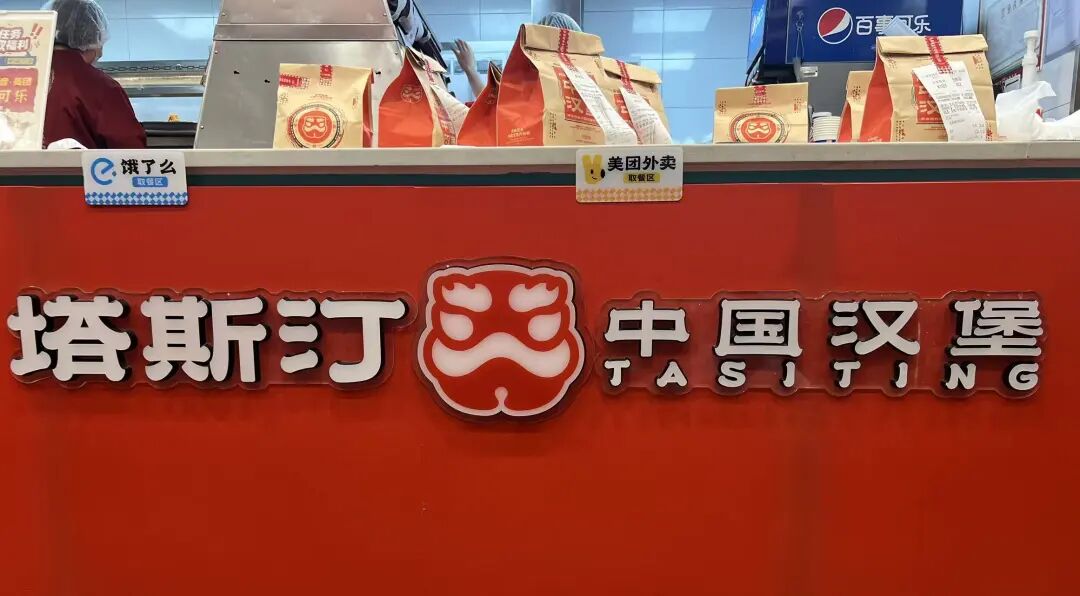
Core Insights - Tasting, a fast-food brand, is experiencing a high rate of store openings and closures, with 968 new stores opened and 907 closed in the past 90 days, resulting in approximately 10,296 operational stores as of December 2 [1][4] - The brand's rapid expansion has led to a significant number of closures, indicating potential instability compared to more established competitors like Wallace and KFC [1][7] - Tasting's aggressive growth strategy, particularly in lower-tier markets, has resulted in a high number of openings, but the brand is now facing challenges in maintaining profitability and attracting franchisees [10][12] Expansion and Closure Dynamics - Tasting's rapid expansion has been facilitated by a mature supply chain and digital management systems, allowing it to grow faster than competitors like Wallace and KFC [9] - The brand's strategy involved opening multiple stores in close proximity, which has led to market saturation and subsequent closures due to poor performance [4][5] - The average investment required to open a Tasting store is approximately 452,300 yuan, which is lower than KFC's investment threshold, making it attractive for franchisees [9] Market Position and Competition - Tasting's market position is characterized by a pricing strategy that is higher than Wallace but lower than McDonald's and KFC, providing a unique offering in the Chinese fast-food market [9] - The brand is actively seeking to expand in first-tier cities and northern regions, despite the recent closures, indicating a continued focus on growth [9][10] - The competitive landscape includes significant pressure from established brands like KFC and McDonald's, which have a stronger consumer acceptance in urban areas [5][10] Franchisee Challenges - Franchisees are facing longer payback periods, with estimates now around two years, compared to previous expectations [12] - The average gross margin for Tasting is reported to be around 45%, which is lower than the typical margins for beverage brands, indicating profitability challenges [12] - There is a concern among franchisees regarding the brand's aggressive expansion strategy, which may lead to market saturation and reduced profitability for individual stores [13]
塔斯汀90天关了907家店
Di Yi Cai Jing· 2025-12-04 10:50
Core Insights - Tasiting has opened 968 new stores and closed 907 in the past 90 days, resulting in approximately 10,296 operating stores, indicating a high closure rate compared to established brands like Wallace and KFC [1] - Founded in 2012 by three individuals, Tasiting initially focused on Western fast food before pivoting to a differentiated product positioning of "Chinese hamburgers" in 2019, which led to accelerated growth [1] - Starting in 2024, Tasiting will increase its franchise fees from 369,800 RMB to 452,300 RMB and raise the standard store size from 60 square meters to 65 square meters, reflecting a strategic shift to slow down expansion [4] Store Performance - Tasiting's store closure rate is significantly higher than that of competitors, with Wallace opening 314 new stores and closing 135, while KFC opened 676 and closed 130 in the same period [1] - The rapid expansion of Tasiting is notable, as it has outpaced KFC and McDonald's in terms of new store openings, despite the latter two having a longer presence in the Chinese market [4] Business Model and Strategy - Tasiting relies heavily on a franchise model for rapid expansion, but has faced food safety issues in its franchise stores, prompting a reevaluation of its growth strategy [4] - The dynamic changes in store numbers are considered normal for a company with a significant number of franchise locations, often due to market saturation or underperformance of certain stores [4][5]
塔斯汀90天关了907家店
第一财经· 2025-12-04 10:37
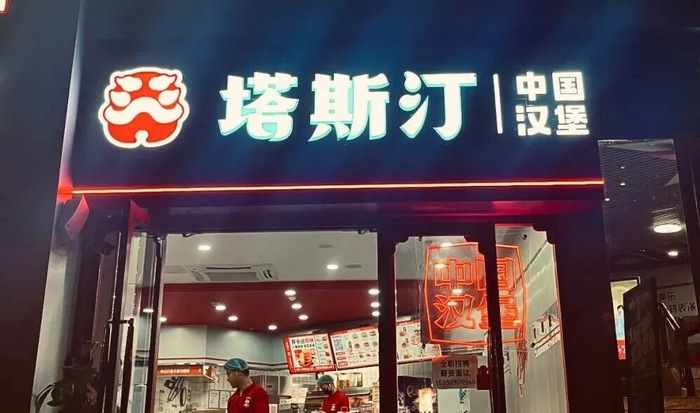
Core Viewpoint - The article discusses the rapid expansion and subsequent store closures of the fast-food brand Tasiting, highlighting its operational challenges compared to more established brands like KFC and Wallace [3][4]. Group 1: Store Expansion and Closure - Tasiting opened 968 new stores and closed 907 in the past 90 days, resulting in approximately 10,296 operational stores [3]. - In contrast, Wallace opened 314 new stores and closed 135, while KFC opened 676 and closed 130 during the same period [3][4]. - The high closure rate of Tasiting indicates a potentially unstable expansion strategy compared to its competitors [4]. Group 2: Company Background - Tasiting was founded in 2012 in Fuzhou, China, by three individuals born in the 1980s, with the main founder having prior experience as a Wallace franchisee [4]. - Initially starting as a Western fast-food chain, Tasiting shifted to a differentiated product positioning with "Chinese hamburgers" in 2019, which contributed to its growth [4]. Group 3: Franchise Model and Challenges - Tasiting relies heavily on a franchise model for rapid expansion, but has faced food safety issues with its franchise stores [5][6]. - Starting in 2024, Tasiting increased its franchise fees from 369,800 RMB to 452,300 RMB and expanded the standard store size from 60 to 65 square meters [6]. - Despite a slowdown in new store openings, Tasiting's growth rate still surpasses that of McDonald's and KFC, which have been in China for longer [6]. Group 4: Market Dynamics - The fluctuations in store openings and closures are attributed to the consequences of Tasiting's earlier aggressive expansion strategy [7].

乐视宣布,要拿1.8亿元炒股
Zhong Guo Ji Jin Bao· 2025-12-04 07:28
Group 1 - LeEco plans to invest in stock trading, with at least 50% allocated to bank stocks and a total investment cap of 180 million yuan [1] - The company has announced a detailed investment plan, including a maximum of 30 million yuan in secondary market stocks and a minimum of 1.5 billion yuan in new stock subscriptions and reverse repos [1] - This marks the second announcement of stock trading investments by LeEco this year, following a previous plan in April with a cap of 50 million yuan [1] Group 2 - LeEco has a significant debt burden, with total liabilities increasing from 213.71 billion yuan in 2020 to 237.63 billion yuan in 2024, while assets are only 18.55 billion yuan [2] - The company reported revenues of 2.45 billion yuan in 2023 and 1.88 billion yuan in 2024, with net losses of 2.18 billion yuan and 971 million yuan respectively [2] - Despite ongoing losses and increasing debt, LeEco has not faced bankruptcy, attributed to communication with creditors and the operational value of its business [2] Group 3 - LeEco has made various external investments, including a financial support agreement with a Burger King franchisee for up to 100 million yuan, aiming to diversify into the fast-food industry [3] - The company also plans to invest in its own IP and the robotics industry, with a total investment cap of 100 million yuan over three years [3] - The decline in annual revenue from 7 billion yuan in 2017 to approximately 1.88 billion yuan in 2024 necessitates the exploration of new business avenues for sustainable operations [3] Group 4 - LeEco was founded by Jia Yueting, who has since distanced himself from the company, transferring voting rights to a management-controlled entity [4] - As of the end of 2024, LeEco has a total debt of 4.779 billion yuan owed to Jia's related companies, with shared debt obligations exceeding 2.065 billion yuan [4]
负债238亿!乐视网拟投1.8亿元炒股打新
Zheng Quan Shi Bao· 2025-12-04 05:08
Group 1 - The core strategy of the company involves investing in stocks, with a focus on bank stocks making up at least 50% of the investment portfolio [1][2] - The total investment amount for stock purchases, new stock subscriptions, and reverse repos will not exceed 180 million yuan [1] - The company has announced its second investment plan for stock trading this year, with a previous plan in April involving an investment limit of 50 million yuan [2] Group 2 - The company has a significant debt burden, with total liabilities increasing from 21.37 billion yuan in 2020 to 23.76 billion yuan in 2024, while assets are only 1.855 billion yuan [5][6] - The net asset value attributable to the parent company is reported at -21.31 billion yuan as of 2024 [6] - The company has been operating at a loss, with revenues declining from 7 billion yuan in 2017 to approximately 188 million yuan by the end of 2024 [12] Group 3 - The company's main revenue sources include paid membership services, short video operations, copyright business, and television series distribution [8] - In 2024, revenue from film and television distribution was 29.79 million yuan, while internet services generated 287 million yuan [9] - The company has been exploring diversification through investments in the fast-food industry and smart robotics, with planned investments not exceeding 30 million yuan in the first year [11][12] Group 4 - The company has distanced itself from its former founder, Jia Yueting, with no direct communication reported in recent years [13][14] - The company continues to maintain operations despite its financial challenges, indicating a potential for future recovery [8][12]
负债238亿!乐视网拟投1.8亿元炒股打新
证券时报· 2025-12-04 04:32
Core Viewpoint - LeEco plans to invest in stock trading, with at least 50% of its investments allocated to bank stocks, aiming to generate additional financial returns without affecting its core business operations [3][5]. Investment Plans - The investment types include subscriptions for new shares on the Beijing Stock Exchange, freely traded stocks in the secondary market, and reverse repos of government bonds, with a total investment cap of 180 million yuan [4]. - The total market value for freely traded stocks is capped at 30 million yuan, with at least 50% allocated to bank stocks and at least 80% to stocks in the CSI 300 index. The minimum investment in new share subscriptions and reverse repos is set at 150 million yuan [5]. Financial Condition - LeEco has a significant debt burden, with total liabilities increasing from 21.37 billion yuan in 2020 to 23.76 billion yuan in 2024, while total assets were only 1.86 billion yuan [8][9]. - The company's net assets attributable to shareholders were reported at -21.31 billion yuan in 2024, indicating a negative net worth [9][10]. - The asset-liability ratio for the parent company was 783.91% in 2024, reflecting a high level of indebtedness [10]. Revenue and Profitability - LeEco's operating revenues were 245 million yuan in 2023 and decreased to 188 million yuan in 2024, with net losses of 2.18 billion yuan and 971 million yuan respectively [12]. - As of the third quarter of 2025, the company reported operating revenue of 115 million yuan, maintaining the same level year-on-year, but continued to incur losses with a net profit of -242 million yuan [12]. Business Operations - Despite ongoing losses and increasing debt, LeEco's core business remains operational, primarily generating revenue from paid membership services in the online video sector, short video operations, copyright business, and TV series distribution [14]. - In 2024, revenue from film and television distribution was 29.79 million yuan, while internet services contributed 287 million yuan, leading to a total operating revenue of 188 million yuan after inter-segment eliminations [15][16]. Strategic Initiatives - LeEco has explored various external investment opportunities, including a financial support agreement with a hamburger franchise, aiming to diversify its business operations [19][20]. - The company also plans to invest in its own intellectual property and the robotics industry, with a focus on smart health services, intending to invest up to 30 million yuan within a year and a total of 100 million yuan over three years [21]. Management and Ownership - LeEco was founded by Jia Yueting, but as of June 2022, he has no direct communication with the company, and the current controlling shareholder is a management-controlled entity [22][24].

为什么都在抢购"洋品牌"的中国资产?
3 6 Ke· 2025-12-04 04:17
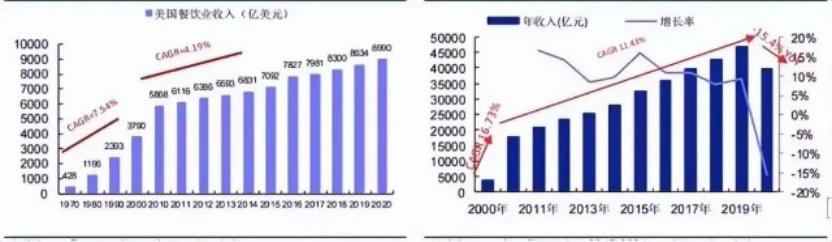
Core Insights - The recent ownership battle for Starbucks' China operations has concluded, highlighting a trend where foreign brands are being acquired by local capital in China [1][2] - This trend is not isolated, as seen with McDonald's China operations, which have thrived under local management after being acquired [3][10] Group 1: Market Dynamics - The competition between foreign brands' "slow operations" and local capital's "fast strategies" is evident in the Chinese market, leading to a clash of business logics [2][4] - The Chinese coffee market is growing at an annual rate of approximately 15%, with the industry scale expected to exceed 300 billion yuan by 2024, making it an attractive target for investment [3][10] Group 2: Case Studies - McDonald's China, after being acquired, increased its store count from 2,400 to over 7,100, becoming one of the fastest-growing markets globally [3][10] - Starbucks is viewed as a valuable asset due to its potential for operational improvement, particularly in its "third space" model, which lags behind competitors like Luckin Coffee [3][10] Group 3: Strategic Approaches - Local capital's "fast strategy" is characterized by rapid market adaptation and efficiency, contrasting with the slower, more methodical approach of foreign brands [4][5] - The difference in market growth rates—4.19% for the U.S. restaurant market from 2001 to 2020 versus 11.43% for China's restaurant market from 2010 to 2019—illustrates the need for different operational strategies [5][8] Group 4: Consumer Behavior and Market Potential - The saturation of high-tier cities in the coffee market contrasts with the growth potential in lower-tier cities, where local brands are increasingly focusing their efforts [10][12] - The rise of digital platforms and changing consumer perceptions in lower-tier cities have made them ripe for expansion, with local brands effectively targeting price-sensitive consumers [10][12] Group 5: Long-term Considerations - The rapid expansion of local brands, while beneficial in the short term, poses risks of brand dilution and profitability challenges in the long run [13][14] - The balance between maintaining brand integrity and adapting to local market dynamics is crucial for sustained success [15][16]

东方甄选将在京开首家旗舰店|首席资讯日报
首席商业评论· 2025-12-04 04:16
Group 1 - Dongfang Zhenxuan will open its first flagship store in Beijing, marking the beginning of its plan to establish 100 stores nationwide. The store will have an area of approximately 400 square meters and will offer fresh produce, snacks, daily necessities, and a dining area [2] - Moore Threads announced that it will be listed on the Shanghai Stock Exchange's Sci-Tech Innovation Board on December 5, 2025, following approval from the Shanghai Stock Exchange [3] - Douyin e-commerce has adjusted the rules for its "Super Lucky Bag," prohibiting misleading terms such as "random delivery" and "mystery box" due to violations found during inspections [3] - McDonald's sold a store in Hong Kong for 38 million HKD, part of a strategy where it has sold four stores in the region within a month, totaling approximately 300 million HKD [3] - LVMH responded to accusations from the Hermes heir, denying any secret shareholding in Hermes and stating that such claims have been dismissed by Swiss authorities [4] Group 2 - TikTok announced plans to invest in its first data center in Latin America, located in Brazil, as part of its expansion strategy in the region [5] - Microsoft has lowered its sales targets for AI software due to lukewarm responses from enterprise customers, reflecting a shift in market expectations for AI product adoption [6] - The film "Unnamed: Meaning Extraordinary" has been postponed to ensure quality, originally scheduled for release on December 31 [7] - Doubao Mobile Assistant responded to privacy infringement allegations, clarifying that user consent is required for data access and that no data is stored on the cloud [8] - Liu Xin, a prominent investor, publicly announced a search for a partner, revealing that his stock holdings exceed 1 billion CNY, attracting attention in the financial community [9] - Huawei signed a cooperation agreement with the China Foreign Languages Publishing Administration to enhance collaboration in areas such as innovation and AI technology in the media industry [10] - Luzhou Laojiao's board has nominated Yi Zhi and Chen Guoxiang as independent director candidates, confirming their qualifications and commitment to independence [11]


