
医美

Search documents
美容护理系列深度报告2:技术、需求双轮驱动,PDRN应用提速
Orient Securities· 2025-12-31 15:40
Investment Rating - The report maintains a "Positive" investment rating for the beauty and personal care industry, specifically focusing on PDRN applications [6]. Core Insights - The report highlights that PDRN (Polydeoxyribonucleotide) is expected to unleash stronger commercial potential due to increasing registrations and search metrics. The extraction of PDRN is transitioning from animal sources to microbial fermentation and synthetic biology, laying a solid foundation for accelerated applications in the medical beauty and skincare sectors [3][4]. - The report emphasizes that domestic beauty companies are likely to redefine the value boundaries of PDRN, with leading firms accelerating their strategies in this competitive landscape [3][4]. Summary by Sections PDRN Overview - PDRN, derived from salmon and other sources, has a high similarity to human DNA (98%) and is known for its skin repair and cell regeneration properties. Its historical development spans from the 15th century to its current applications in medical aesthetics and cosmetics [8][13][19]. Market Growth Potential - The PDRN market is projected to grow significantly, with estimates indicating an increase from USD 0.72 billion in 2024 to USD 8.55 billion by 2031, reflecting a CAGR of 43%. The demand for anti-aging products is a core driver of this growth [8][30]. Competitive Landscape - Domestic companies are actively entering the PDRN medical and skincare sectors, with significant advancements in extraction technologies. Companies like Huaxi Biological and Lepu Medical are leading the charge in developing PDRN-based products [8][30][34]. Key Mechanisms and Benefits - PDRN operates through two main mechanisms: acting as an agonist for the adenosine A2A receptor to suppress inflammation and providing nucleotides for DNA synthesis, thus promoting cell regeneration and tissue repair [34][36]. - The primary benefits of PDRN include skin repair, anti-inflammatory effects, and anti-aging properties, making it suitable for various cosmetic and medical applications [34][39].




科创板医药2025:赛道分化显冷暖 支持“硬科技”仍然是主调⎜年终盘点
Xin Lang Cai Jing· 2025-12-31 05:25
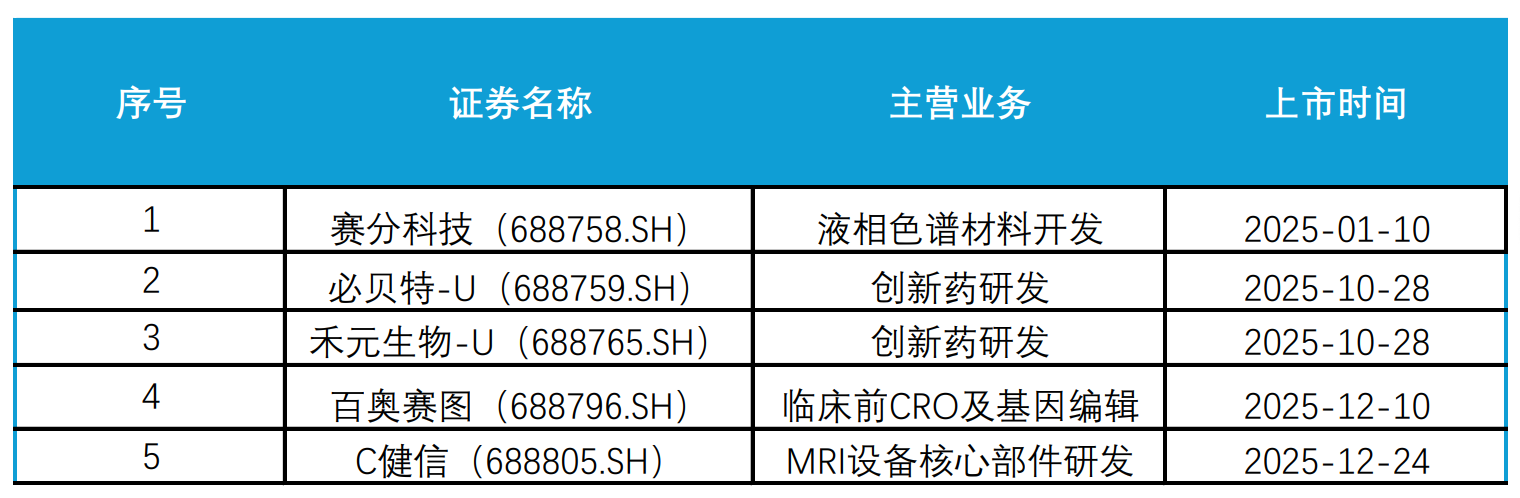
Core Insights - The pharmaceutical sector of the Sci-Tech Innovation Board (STAR Market) has shown significant market narrative capabilities and has attracted more attention from the capital market in 2025 [1] - As of December 26, 2025, there were 118 listed companies in the STAR Market's pharmaceutical sector, with 98 companies experiencing stock price increases throughout the year [1] - The number of IPOs for biopharmaceutical companies on the STAR Market has decreased significantly, with only one company, Tianxing Medical, terminating its review in 2025, compared to over 10 in 2024 [2] Market Performance - The STAR Market's overall index has risen by 48.35% since its launch on January 20, 2025, outperforming major broad-based indices [5] - By December 26, 2025, 40 companies in the pharmaceutical sector had stock price increases exceeding 50%, with the top ten companies all surpassing a 100% increase compared to the previous year [6][7] New Listings and Policies - In 2025, five new biopharmaceutical companies were listed on the STAR Market, a significant increase from one in 2024 [2] - The introduction of the "1+6" policy measures by the China Securities Regulatory Commission (CSRC) on June 18, 2025, aimed to enhance the inclusivity of the STAR Market, particularly for unprofitable technology companies [2][3] Company Performance - The top-performing pharmaceutical companies in terms of stock price increase included Tianchen Medical, with a 226.84% rise, and others like Kangzhong Medical and SanSheng Guojian, which also saw significant gains [8] - Many of the companies with the highest stock price increases reported substantial revenue and net profit growth, indicating a strong correlation between financial performance and market valuation [8] Innovation Drug Sector - The innovation drug sector has emerged as a major highlight in 2025, with a total annual increase of 60.75%, driven by supportive policies and increasing market interest [9] - The total amount of business development (BD) transactions in the domestic innovation drug sector exceeded $130 billion in 2025, more than doubling from $64.08 billion in 2024 [10] Challenges in Other Sectors - The IVD (in vitro diagnostics), vaccine, and medical aesthetics sectors faced significant challenges, with many companies experiencing stock price declines and performance pressures [11] - The IVD sector, once considered a golden opportunity, is now facing a downturn due to various factors, including prolonged accounts receivable cycles and lower-than-expected demand [12] - The medical aesthetics industry is also under pressure, with both listed companies reporting declines in performance and stock prices due to increased competition and regulatory changes [13][14]

九州通掌舵奥园美谷重整收官 7.06亿加码千亿医美赛道布局
Chang Jiang Shang Bao· 2025-12-30 23:19
Core Viewpoint - 九州通 has successfully completed the restructuring investment plan for Aoyuan Meigu, acquiring its core assets for 706 million yuan, marking a strategic entry into the medical beauty sector [1][2][4] Group 1: Company Overview - Aoyuan Meigu, established in 1993 and formerly known as Hubei Jinhui, transitioned into the medical beauty industry after being acquired by Aoyuan Group in 2020 [2] - The company primarily focuses on bio-based fibers and medical beauty services, operating two high-end medical beauty hospitals with over 330,000 members and 80,000 active members annually [2] - In 2024, Aoyuan Meigu's medical beauty business is projected to generate 624 million yuan in revenue, accounting for 57% of total revenue [2] Group 2: Financial and Operational Challenges - Aoyuan Meigu has faced continuous operating losses and a debt crisis, leading to its stock being marked with "delisting risk warning" in 2023 [2] - The company was unable to repay due debts, prompting creditors to apply for restructuring in November 2024, which was approved by the court in December [3][4] Group 3: Strategic Implications for 九州通 - 九州通, as a leading private pharmaceutical distribution company, has built a comprehensive supply chain service platform and has been involved in the medical beauty sector for over 10 years [5][6] - The acquisition of Aoyuan Meigu allows 九州通 to establish a full-chain layout from upstream procurement to downstream service terminals, enhancing its competitive edge [6][7] - The domestic medical beauty market has surpassed 300 billion yuan, with an annual growth rate exceeding 18%, presenting significant opportunities for 九州通 to leverage its supply chain and improve profitability [6][7]

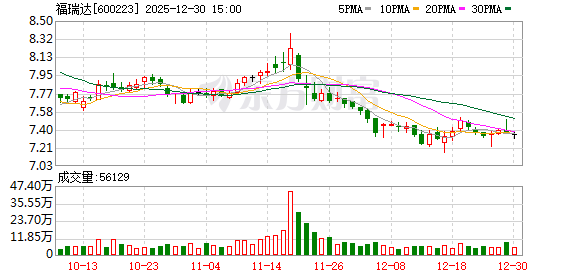
福瑞达:公司逐步实现从“以产品为主”向“服务与体验驱动”转变
Zheng Quan Ri Bao· 2025-12-30 12:07
Group 1 - The company focuses on the "health + beauty" core track, aligning with the trend of consumption structure upgrading [2] - The strategy involves a dual integration of "cosmetic + medical beauty" and the establishment of multi-form offline experience scenarios [2] - The company is gradually transitioning from a product-centric model to a service and experience-driven approach, enhancing the full-link user service system [2]

营收涨25%利润却降了:高客单行业正集体掉进“流量陷阱”
3 6 Ke· 2025-12-30 07:59
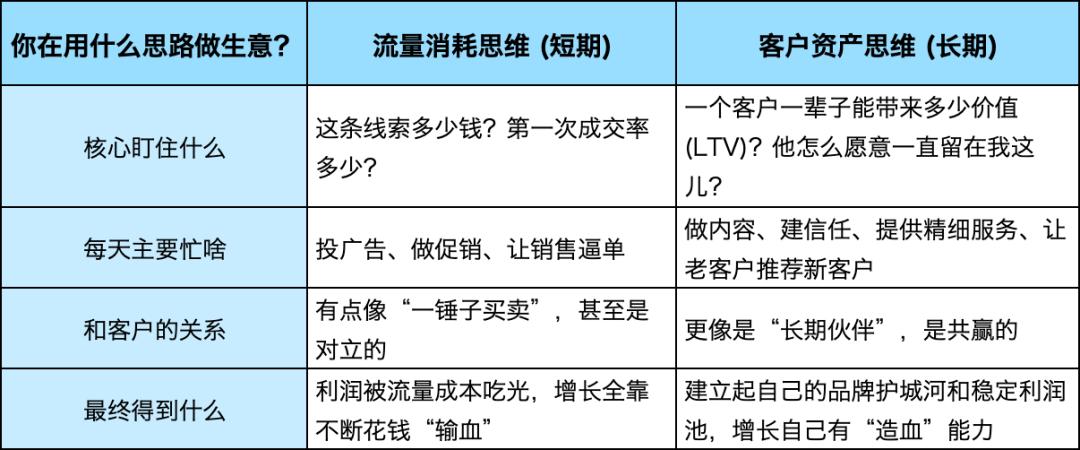
Core Insights - Many companies that appear to be industry leaders are actually struggling with profitability despite increasing revenues, primarily due to rising costs associated with customer acquisition and retention [1][2][4][6]. Group 1: Revenue vs. Profitability - Companies in high-ticket industries like health, elder care, and education are experiencing revenue growth, with one health company reporting a 25% increase in revenue [5][6]. - However, these companies are facing declining profits as they invest heavily in advertising and marketing to drive growth, leading to increased operational strain on their teams [6][10]. - The primary issues affecting profitability include rising platform costs, increased commissions for external channels, and higher internal sales incentives, all of which erode profit margins [7][8][10]. Group 2: Customer Retention Challenges - The focus on acquiring new customers often leads to neglecting existing customers, which is critical for high-ticket businesses where repeat purchases are essential for profitability [9][10]. - A case study indicates that reducing customer churn by just 5% could increase annual net profits by 15%, highlighting the importance of customer retention strategies [10]. - Companies are caught in a cycle of spending more on customer acquisition while failing to effectively manage and retain existing customers, leading to a situation where they are essentially "working for" platforms and sales teams [10][11]. Group 3: New Customer Acquisition vs. Long-term Value - High conversion rates for new customers can be misleading, as they may indicate a focus on easy sales rather than nurturing potential long-term customers [12][14]. - Companies are often prioritizing quick sales over developing relationships with customers who require more time and effort to convert, resulting in wasted marketing investments [14][15]. - This short-sighted approach can lead to significant losses, as valuable leads are neglected in favor of immediate gains [14][15]. Group 4: Strategic Recommendations - Companies need to shift from a "funnel" mentality focused on immediate sales to a "customer asset" approach that emphasizes long-term relationships and customer lifetime value [16][17]. - The current market environment necessitates a transition from broad growth strategies to more refined customer management practices, including enhancing customer loyalty and reducing churn [16][18]. - A systematic approach to customer activation, lead nurturing, and retention is essential for maintaining a healthy conversion chain and ensuring sustainable growth [18][20].
中信证券:胶原蛋白注册证虽增未满 当前产业仍处红利期
智通财经网· 2025-12-30 01:04
Core Insights - The collagen market is experiencing strong consumer demand and awareness, with a current industry growth phase [1][2] - The number of registered products is increasing, but the supply is not yet fully meeting consumer demand, indicating a continued industry opportunity [1][2] - In the medium term, brands with strong product differentiation will be more competitive, relying on materials and technology [1][2] - Long-term competition will shift towards a combination of product, channel, and marketing strengths [1][2] Demand Perspective - Consumers have a strong recognition of collagen, leading to robust demand [1][2] - The aesthetic medicine injection market in China is projected to reach approximately 26.8 billion yuan in 2024, with a year-on-year growth of 26.4% [2] - The collagen product segment is expected to grow at a CAGR of 50.7% from 2024 to 2028 [2] Supply Perspective - The number of registered certificates for natural and recombinant collagen is on an upward trend, with a total of 10 certificates approved for 7 companies [3][4] - The current supply of collagen products is limited, with high prices and insufficient market penetration [2][4] - The market is expected to develop a product tier system with high (>10,000 yuan), medium (4,000-6,000 yuan), and low (500-2,000 yuan) price points to cater to diverse consumer needs [2] Product Differentiation - New products are expected to innovate around materials, indications, and concentrations, leading to differentiated pricing [4] - The majority of registered products are I-type collagen, with a focus on non-crosslinked and crosslinked types [3][4] - Future developments will likely focus on unique types and amino acid sequences, enhancing product differentiation [5] Market Dynamics - The industry is currently in a growth phase, with opportunities for companies to capture market share through innovation and strategic positioning [7] - Companies with strong R&D capabilities and marketing strategies are likely to succeed in the competitive landscape [7] - The market is anticipated to see an increase in registered products, enhancing the variety of indications and price tiers available [7]

中信证券:胶原蛋白产业仍处红利期,推荐关注三类企业
Xin Lang Cai Jing· 2025-12-30 00:29
Core Insights - The technology and processes for natural collagen and recombinant collagen are continuously improving, leading to an expansion of application scenarios [1] - The increasing number of approved collagen products will enrich the indications and enhance the pricing tiers, thereby expanding the customer base and penetration rates [1] - The current registration certificates for natural and recombinant collagen products are increasing but are far from saturation, providing opportunities for companies to share in the industry's growth [1] Industry Trends - The approval of recombinant collagen freeze-dried fibers is expected to lead to market entry in the first half of 2026, with recombinant collagen solutions and gels anticipated to gain approval in 2026, potentially becoming a second growth curve for companies [1] - Companies entering the natural collagen sector through acquisitions are steadily advancing the research and clinical trials of related medical beauty Class III devices, which may lead to future approvals and strengthen their position in the existing medical beauty biomaterials matrix [1] - Companies with strong drug development and review experience are strategically positioning themselves in both natural and recombinant collagen markets through agency and self-research efforts [1]
新材料驱动医美新生态-供给革命推动千亿市场重回增长
2025-12-29 15:51
Summary of Key Points from the Conference Call Industry Overview - The Chinese medical aesthetics market has a significantly lower penetration rate compared to developed countries, with an expected penetration rate of approximately 3.2% by 2025, compared to South Korea's 16.1%, indicating substantial growth potential over the next decade, potentially reaching a market size of 700 to 800 billion or even over 1 trillion yuan [1][4] - The market is currently facing challenges due to consumer fatigue and accelerated regulatory approvals, leading to increased competition and price reductions for products like homologous injections [1][5] Core Insights and Arguments - Medical aesthetics institutions are struggling with high sales expense ratios, often between 30% and 40%, which erodes profits. New business models like the "Xiaoyang model" and "dual beauty integration model" are seen as effective ways to reduce sales costs and improve profitability [2][3] - PDIN (salmon needle) is gaining attention as a new medical aesthetic material due to its high similarity to human DNA, good biocompatibility, and regenerative properties, potentially becoming a new profit growth point for medical aesthetic institutions [1][10] - The leading brand in the Korean PDN market, Rejuran, is expected to generate approximately 870 million yuan in global revenue in 2024, with projections of reaching 1.5 billion yuan in 2025, supported by a planned 25% compound annual growth rate over the next five years [1][17] Investment Opportunities - Investment opportunities in the medical aesthetics industry can be categorized into upstream (new materials) and downstream (medical aesthetic institutions). Upstream new materials are currently a key investment direction, while downstream institutions that can effectively lower sales costs and improve profitability are also valuable [2][6] - Companies like Lepu Medical are actively developing PDI and ECM medical aesthetic products, with PDI products expected to be approved in the first half of 2026, potentially serving as new growth engines for the company [2][23] Competitive Landscape - The competitive landscape for medical aesthetic materials has changed significantly, with new products being approved at a rapid pace, increasing competition and driving down prices for traditional materials like collagen [7][9] - The overall growth rate of the Chinese medical aesthetics industry has slowed to about 10% in recent years, down from over 30% pre-pandemic, with a decline in average transaction prices impacting profit margins [8] Future Outlook - Long-term growth potential remains strong for the Chinese medical aesthetics industry, driven by low current penetration rates and the anticipated normalization of domestic consumption [6] - The demand for PDI materials is expected to increase, with several companies, including Lepu Medical, actively pursuing development in this area, indicating a shift towards new profit sources as traditional materials face declining margins [23] Company-Specific Insights - Lepu Medical's current valuation is considered undervalued at around 30 billion yuan, with a potential market value of at least 40 billion yuan based on its serious medical business, PDIN, and innovative drug potential [2][26] - Rejuran's market share in the Korean PDN market is estimated to be between 70% and 80%, with significant revenue contributions from both domestic and international markets [17][19] Additional Considerations - The approval status of Rejuran in various countries, including Singapore, Thailand, and Australia, is progressing, with pending applications in China and the U.S. that could significantly enhance its global market presence [21] - The ECM component market is also showing potential, with several companies in China working on related products, indicating a growing interest in this area [24][25]

新成分带来行业增长新引擎
East Money Securities· 2025-12-29 08:37
Investment Rating - The report maintains an "Outperform" rating for the beauty and personal care industry, indicating a positive outlook for growth opportunities in the sector [3]. Core Insights - The report emphasizes that innovation in ingredients, particularly new materials like PDRN (Polydeoxyribonucleotide) and ECM (Extracellular Matrix), is a significant driver for growth in the beauty and medical aesthetics industry. Companies that successfully integrate these new components into their product lines are expected to enhance their growth potential and market competitiveness [5][14]. Summary by Sections 1. PDRN: A New Ingredient Driving Growth - PDRN has been validated in overseas markets for over a decade and is recognized for its effectiveness in promoting tissue regeneration and anti-inflammatory properties. The introduction of PDRN products in the medical aesthetics sector has shown a compound annual growth rate (CAGR) of 30% from 2014 to 2024 for companies like PharmaResearch, which has established a strong market presence with its Rejuran product line [5][18][32]. - The domestic market for PDRN is expected to grow significantly, with a projected revenue of approximately 330 million RMB from Q4 2024 to Q3 2025, indicating robust demand for PDRN products in China [5][20]. - The report highlights that the increasing awareness and education around PDRN among consumers, coupled with regulatory clarity and rapid supply chain development, will further drive demand in the medical aesthetics sector [5][68]. 2. ECM: Potential in Regenerative Fields - ECM is gaining attention as a promising ingredient in both medical aesthetics and cosmetics, with applications in serious medical fields already established. The report notes that the market for ECM products is still developing, with several companies beginning to explore its potential in aesthetic applications [5][24][28]. - The report suggests that the introduction of ECM products could fill existing gaps in the market, particularly in the medical aesthetics sector, where consumer education and awareness are crucial for adoption [5][24]. 3. Investment Opportunities - The report recommends focusing on companies with established pipelines for new materials, particularly in the medical aesthetics sector, such as Lepu Medical and Marubi Biotechnology, which are expected to lead in the approval and commercialization of PDRN products [5][6]. - In the cosmetics sector, brands that are quick to adopt PDRN and other innovative ingredients are likely to gain a competitive edge, with several major brands already launching PDRN-infused products in 2025 [5][6].

落入“医美剧本杀”陷阱,消费者该咋办
Xin Lang Cai Jing· 2025-12-28 18:23
Group 1 - The article discusses the legal responsibilities of various parties involved in the "medical beauty group housing script killing" marketing scam, emphasizing that the medical beauty service institution is ultimately responsible for the contractual obligations to consumers [1] - It highlights the roles of beauty salons as intermediaries and the misleading actions of individuals referred to as "Ka Jie," indicating that they also contribute to consumer fraud [1] - Consumers who suspect they have fallen into this scam are advised to request a contract upon payment, ensuring that the payment account matches the name of the medical service provider, and to keep records of all transactions [1]