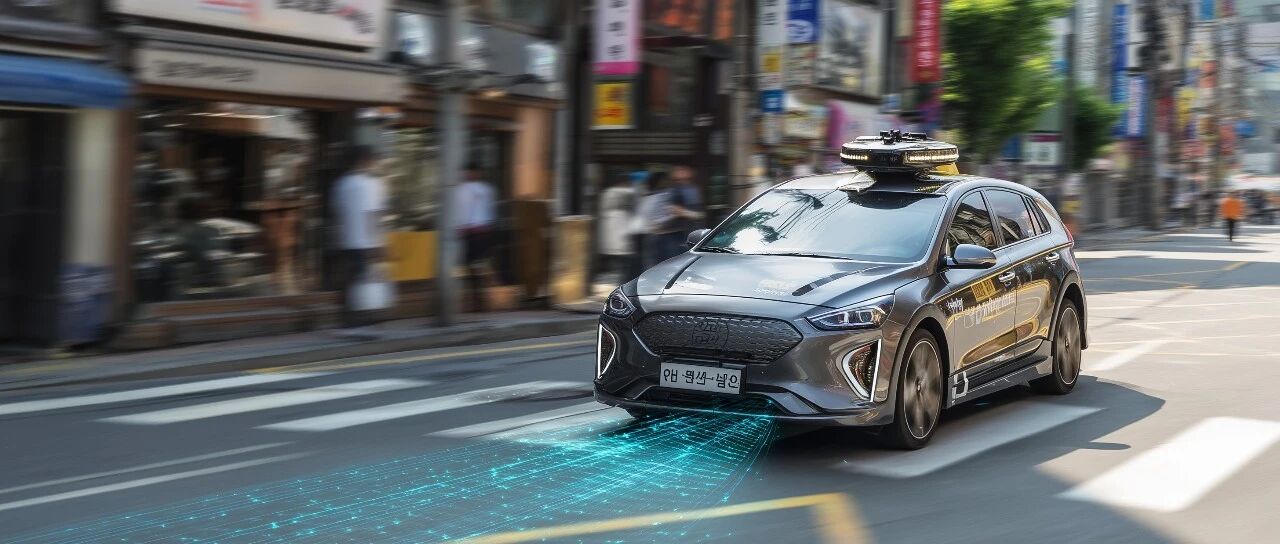
出租车

Search documents
哥伦比亚总统宣布推动5.4万辆出租车电动化
Shang Wu Bu Wang Zhan· 2026-01-06 16:44
佩特罗表示,政府将向更换电动出租车的燃油、柴油或天然气出租车车主提供每辆约5200万比索 (约合13756美元)的补贴。他还回顾称,其在担任波哥大市长期间曾启动电动出租车试点项目,首批 50辆电动出租车目前仍在运营。 此外,该国总统表示,政府已上调燃油类进口汽车和摩托车进口关税,以鼓励相关车辆在哥本地组 装生产,并推动包括电动机在内的关键零部件国产化。 (原标题:哥伦比亚总统宣布推动5.4万辆出租车电动化) 据哥伦比亚《共和国报》1月2日报道,哥总统佩特罗近日通过社交平台表示,政府将推动全国约 5.4万辆出租车逐步更换为电动汽车,以加快交通领域绿色转型。 ...
截至2025年底,北京巡游出租车新能源化率已达100%
Xin Jing Bao· 2026-01-04 09:00
Group 1 - The core viewpoint of the articles highlights Beijing's commitment to transforming its transportation sector towards greener alternatives, aiming for significant reductions in energy consumption and carbon emissions by 2025 [1][2] - By the end of 2025, the proportion of new energy vehicles in the city's transportation sector is expected to exceed 46%, with 100% of taxi operations transitioning to new energy vehicles [1] - The total energy consumption in the transportation sector is projected to be around 2.5 million tons, a decrease of approximately 21% compared to the end of the 13th Five-Year Plan [1] - Carbon emissions from operational vehicles are expected to be controlled at around 2.9 million tons, reflecting a 30% reduction from the end of the 13th Five-Year Plan [1] Group 2 - By 2025, the green travel ratio in the central urban area is anticipated to reach 76.5%, indicating a growing public willingness to adopt environmentally friendly transportation options [2] - The city is focusing on establishing a green freight transport system that integrates rail and new energy vehicles, with a target of achieving a 12% green transport ratio for goods by 2025 [2] - Ongoing efforts include enhanced management of road cleanliness, with a reported 12% reduction in mechanical cleaning debris and a 21% reduction in manual cleaning debris on the Fifth Ring Road [2] - The automotive repair industry is undergoing pollution prevention improvements, with a shift to more efficient technologies for paint and coating processes [2] - Looking ahead to the 15th Five-Year Plan, the city aims to further optimize travel, transport, and energy structures, targeting a carbon emission cap by 2030 that does not exceed historical peak levels [2]
海鲜缺斤短两、啤酒原料不合格
Qi Lu Wan Bao· 2025-12-31 11:55
Group 1 - Qingdao's market supervision department has reported a series of typical cases of illegal activities in key consumer sectors, including food, transportation, accommodation, and dining, with five cases publicly exposed [1][2] - The reported cases include serious violations such as the use of non-compliant carbon dioxide in beer production, the detection of pork in beef steak, and the installation of cheating devices in taxi meters to overcharge customers [2] - The local authorities have taken immediate legal action against the involved parties, ensuring strict enforcement of laws and regulations to uphold consumer rights and safety [2][3] Group 2 - The market supervision department emphasizes that the upcoming holidays are a peak consumption period and a critical time for consumer rights protection, aiming to deter illegal business practices and remind operators of their responsibilities [3] - Future efforts will focus on increasing law enforcement inspections during the holiday season, regularly exposing typical cases, and ensuring safety in food, drug, and tourism consumption sectors [3]
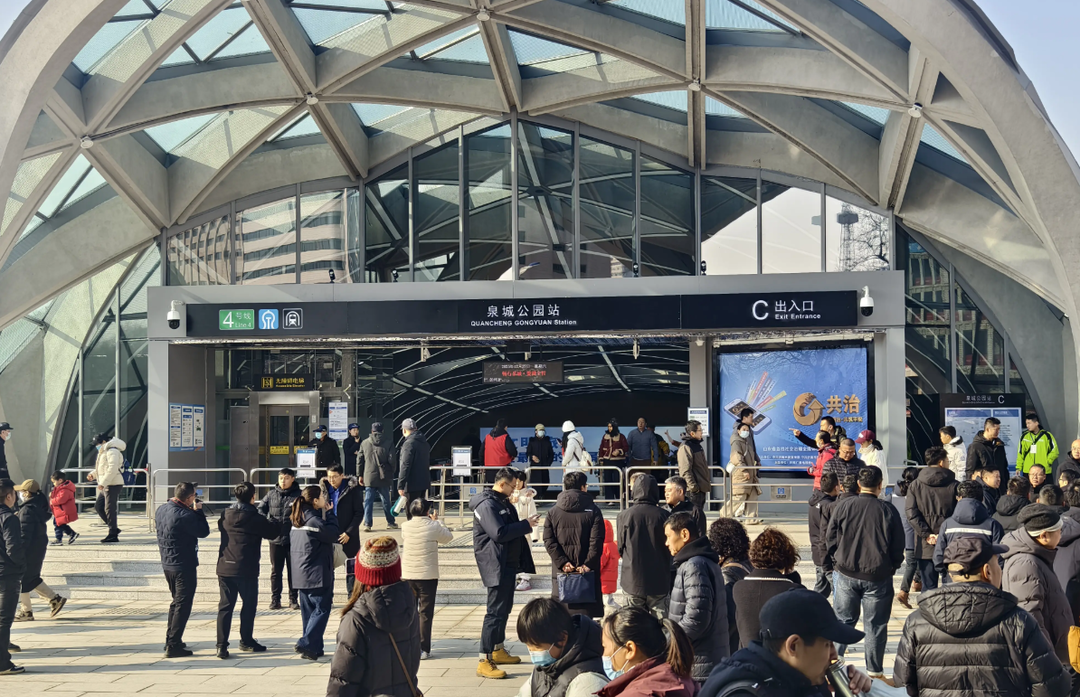
机场等大单要8小时,地铁联网给济南出租车带来革新动力
Qi Lu Wan Bao· 2025-12-30 05:16
Core Viewpoint - The introduction of new metro lines in Jinan has significantly reduced transportation costs for residents, leading to a decline in taxi demand and driver income, prompting the taxi industry to reassess its positioning in the market [1][3]. Industry Impact - Taxi drivers are experiencing a notable decrease in income, with waiting times for fares increasing significantly. For instance, a driver reported that it now takes over eight hours to secure a major fare, compared to five hours previously [3]. - A specific case highlighted that a taxi driver earned only 248.5 yuan in a full day of work, down from over 400 yuan on weekends before the metro lines opened, indicating a substantial drop in earnings [3]. - The early morning peak hours have seen a drastic reduction in earnings, with one driver stating he made only 50 yuan during this time, compared to 70-80 yuan before the metro's introduction [3]. Service Improvement - Despite the challenges, the compliance level within the Jinan taxi industry has improved, with a reported 47.94% decrease in complaints in 2024 compared to the previous year [6]. - The compliance rate for ride-hailing services has increased from 84.5% in 2023 to 92.6%, moving from 17th to 7th place among 36 major cities in China [6]. - Enhanced regulatory measures, including the installation of recording devices in taxis and strict penalties for violations, have contributed to a significant reduction in complaints [6][7]. Expert Analysis - Experts suggest that the relationship between taxis and the metro system is evolving from competition to a complementary one, with potential for mutual benefits [8]. - Dynamic pricing strategies for taxis could be a solution to remain competitive, especially during adverse weather conditions when ride-hailing prices increase [8]. - The overall efficiency of the transportation system is expected to improve, with the potential for taxis to benefit from increased demand during off-peak hours and in areas not covered by the metro [9].


“寻子的哥”杨晓青:把孩子找回来,不是为了让他做“笼子里的鸟”
Jing Ji Guan Cha Bao· 2025-12-25 04:39
Core Insights - The article narrates the story of Yang Xiaoqing, a taxi driver in Shenzhen, who has been searching for his son, missing for 17 years, after a moment of negligence while playing chess [4][21][46]. Group 1: Background and Context - Yang Xiaoqing has been a taxi driver in Shenzhen for 28 years, transitioning from a factory worker to a driver during the city's "golden age" for the taxi industry [6][7][22]. - The taxi industry in Shenzhen was once lucrative, with drivers earning significant income, especially during peak times like holidays [8][22]. Group 2: The Incident - On December 19, 2004, while playing chess, Yang's two-year-old son went missing, leading to a frantic search that lasted through the night [10][13][14]. - The police were unable to take action until 24 hours had passed, which hindered the search for his son [15][21]. Group 3: The Search for His Son - Over the years, Yang spent substantial amounts on printing missing person flyers and traveling to follow leads, often returning home disappointed [24][26][27]. - Despite societal pressure to move on, Yang continued his search, driven by guilt and fear for his son's well-being [30][31][32]. Group 4: Reunion and Aftermath - In December 2021, advancements in DNA matching technology led to the discovery that Yang's son was alive and studying in Hubei [36][39]. - The reunion was marked by a mix of emotions, as both father and son had changed significantly over the years, leading to challenges in their relationship [40][42][46]. Group 5: Current Situation - Yang's taxi business has been affected by the rise of ride-hailing services, leading to reduced income compared to earlier years [47]. - Despite financial struggles, Yang feels a sense of relief and happiness now that his son is safe, indicating a shift in his emotional state [50][51].
Robotaxi产业深度报告:高阶智驾准入,Robotaxi商业化提速
Shanghai Aijian Securities· 2025-12-23 10:51
证券研究报告 行业研究 / 行业深度 2025 年 12 月 23 日 资料来源:聚源数据,爱建证券研究所 相关研究 《特斯拉 Robotaxi 取消安全员,纯视觉方案商 业化提速——Robotaxi 系列报告(三)》 2025-12-12 《曹操出行提"十年百城千亿"战略目标—— Robotaxi 系列报告(二)》2025-12-12 《奔驰自动驾驶出租车于阿布扎比开启路测— —Robotaxi 系列报告(一)》2025-12-12 《车企年销量目标完成度分化——智能汽车数 据销量跟踪(二)》2025-12-03 《蔚来业绩创历史新高,25Q4 有望实现盈利 ——智能汽车系列报告(五)》2025-12-03 证券分析师 汽车 一年内行业指数与沪深 300 指数对比走势: 吴迪 S0820525010001 021-32229888-25523 wudi@ajzq.com 联系人 徐姝婧 S0820124090004 021-32229888-25517 xushujing@ajzq.com 行业及产业 高阶智驾准入,Robotaxi 商业化提速 ——Robotaxi 产业深度报告 强于大市 投资要点: 规模 ...

的哥福音!北京出租车计价器“路过即检”
Xin Jing Bao· 2025-12-22 13:33
不用排队、无需停车,开车路过就能完成计价器检定,一点不耽误拉活儿。近期,北京首创的"出租汽 车计价器在线检定系统"正式投用,并发出全国首张在线检定证书。这一科技便利到底是如何实现 的?"体验官"带大家实地去看看。校对李立军 ...
“交易即开票”助力智慧城市体验升级
Xin Lang Cai Jing· 2025-12-21 22:46
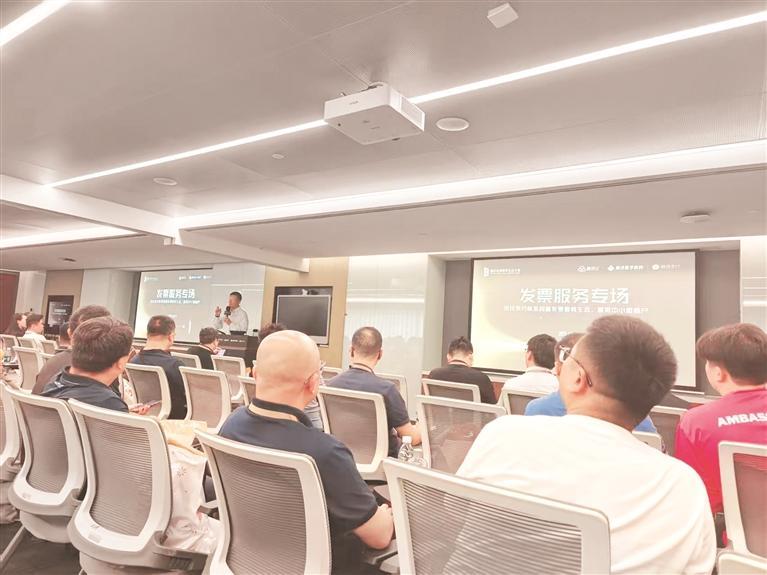
Core Viewpoint - The "transaction-based invoicing" initiative in Guiyang aims to enhance the efficiency of invoice issuance and improve user experience by allowing consumers to receive electronic invoices instantly after payment through WeChat, thereby streamlining the invoicing process and reducing operational costs [2][3][4]. Group 1: Implementation and Benefits - The "transaction-based invoicing" service was launched in the taxi industry in Guiyang, enabling passengers to receive invoices automatically upon payment, significantly improving the convenience of obtaining invoices [4][5]. - As of December 14, 7269 taxis in Guiyang have adopted the "transaction-based invoicing" system, issuing a total of 27095 invoices with a total invoicing amount of 696355 yuan [4]. - The initiative has reduced the burden on taxi drivers and minimized disputes related to delayed invoicing, enhancing overall service efficiency [4][5]. Group 2: Technological Integration - The service utilizes the "Leqi Lian Yong" platform and Tencent Cloud's real-name authentication to automate invoice issuance and data transmission, ensuring compliance and efficiency [2][3]. - The integration of payment, invoicing, and data sharing has created a seamless process that enhances tax supervision and reduces risks associated with fraudulent invoicing [8]. Group 3: Future Expansion and Impact - The "transaction-based invoicing" model is being expanded to other sectors such as parking lots and charging stations, with plans to include gas stations, restaurants, and tourism services, promoting a digital transformation in tax management [5][8]. - The initiative is expected to contribute to the construction of a smart city by integrating consumer needs with public services, thereby enhancing the overall quality of life for citizens [6][8].
盐城全面启动出租汽车市场经营秩序专项整治
Xin Lang Cai Jing· 2025-12-19 10:13
Core Viewpoint - The Salt City Transportation Bureau has initiated a three-month special governance action to regulate taxi operations, aiming to enhance service quality and ensure passenger rights [1][2]. Group 1: Governance Action Details - The special governance action was officially launched on December 16, with a focus on improving the overall service quality and civility of the taxi industry [1]. - The meeting outlined the objectives, key focus areas, and measures for the governance action, emphasizing the need to address prominent issues raised by the public [1]. - The Transportation Enforcement Team reported on recent complaints regarding taxi services, highlighting significant management issues within the industry [1]. Group 2: Implementation and Responsibilities - The action requires taxi companies to take responsibility, enhance driver training, and improve internal regulations to better handle passenger complaints [2]. - A mechanism for rapid response and closed-loop management will be established, ensuring that all reported violations are thoroughly investigated and responded to [1][2]. - The meeting emphasized a problem-oriented approach, focusing on public concerns to elevate the overall service quality of the taxi industry [2]. Group 3: Expected Outcomes - The initiative aims to significantly reduce illegal operations and passenger complaints while improving overall satisfaction with taxi services [2]. - The governance action will involve multi-departmental collaboration to enforce regulations and address violations effectively [2]. - The goal is to foster a culture of compliance among taxi operators, leading to enhanced service levels and a more civilized industry environment [2].
Robotaxi们, 又又又闯祸了
创业邦· 2025-12-09 10:40
Core Viewpoint - The article discusses the ongoing challenges faced by autonomous taxi services, particularly focusing on Waymo's recent incidents and regulatory scrutiny regarding safety and compliance with traffic laws [5][8]. Group 1: Waymo's Incidents and Regulatory Actions - Waymo's autonomous vehicles have been involved in multiple incidents, including running red lights and colliding with pedestrians, raising significant safety concerns [5][20]. - The National Highway Traffic Safety Administration (NHTSA) initiated an investigation into Waymo's automated driving system after a video showed a vehicle illegally passing a stopped school bus with its warning lights activated [11][12]. - Following repeated violations, including 19 incidents of illegal overtaking of school buses, Waymo was compelled to submit a voluntary software recall to improve its system's response in such scenarios [14][16]. Group 2: Expansion and Safety Concerns - In 2025, Waymo plans to expand its operations to major cities like Las Vegas, San Diego, and Detroit, but this rapid growth has been accompanied by an increase in safety incidents [18]. - Reports indicate that Waymo's vehicles have been involved in at least 14 animal collisions and have displayed increasingly aggressive driving behaviors, leading to public concern about their safety [18][20]. - Despite claims of improved safety statistics, including a 91% reduction in severe accidents compared to human drivers, the systemic nature of the issues raises doubts about the maturity of autonomous driving technology [25].