稻米种植

Search documents
鱼满舱、稻谷黄 “梯田+”撬动农旅融合产业链 村民乐享发展红利
Yang Shi Wang· 2025-09-19 07:10
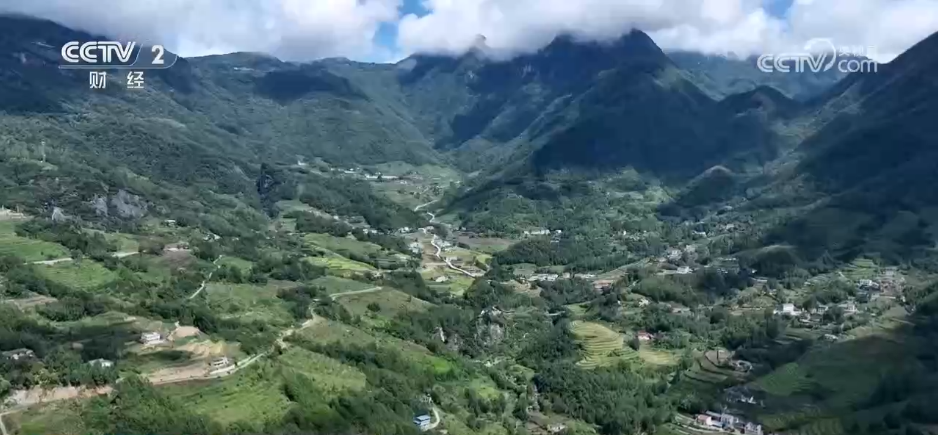
Group 1: Agricultural Development - The Fengyan Terraces in Hanyin, Shaanxi, have a rice planting area of 12,000 acres with a yield exceeding 450 kg per acre this year [1][3] - The terraces have been recognized as a World Irrigation Heritage site, enhancing their cultural and agricultural significance [3] - A selenium-rich rice processing enterprise was established in August, improving the value and brand influence of the rice produced [3] Group 2: Aquaculture and Seafood Industry - The crab-catching season for Taihu Lake has officially begun, with local farmers reporting that 90% of the female crabs have matured [5][7] - The average weight of the crabs is between 2.5 to 3.0 taels, with yields ranging from 180 to 250 jin per acre [5] - The introduction of quality water sources and aquatic plants has positively impacted crab growth [7] Group 3: Fishing Industry - The first catch of seafood after the East China Sea's fishing ban was successfully brought to port on September 17, with fresh catches being rapidly transported to markets [9][11] - A specialized transport vessel, known as a "fish transport ship," consolidates catches from various fishing boats, enhancing efficiency in the supply chain [13] - With the resumption of fishing, seafood supply is expected to increase, leading to a stable or declining price trend for common seafood varieties [15]

品鲜、玩趣、赢好礼!这个周日,清远丝苗米香飘广州华南新城
Nan Fang Nong Cun Bao· 2025-08-29 11:00
Core Viewpoint - The article highlights the promotion of Qingyuan Silmiao Rice in Guangzhou, emphasizing its unique flavor and quality, and the upcoming community event aimed at increasing awareness and sales of this premium rice variety [9][19][57]. Group 1: Product Overview - Qingyuan Silmiao Rice is described as a premium rice variety known for its long, slender grains and fragrant aroma, which has gained popularity among food enthusiasts [4][12][19]. - The rice is part of a broader initiative in Qingyuan to enhance modern agricultural practices, focusing on brand development and quality improvement [17][18][24]. Group 2: Event Details - A promotional event for Qingyuan Silmiao Rice will take place on August 31 at Huannan New City, featuring free tastings, interactive games, and exclusive gifts [10][33][34]. - The event aims to engage the local community, with activities designed to attract families and food lovers, enhancing the visibility of Qingyuan Silmiao Rice [30][55]. Group 3: Marketing Strategy - The event will include a showcase of various rice products, allowing attendees to taste and compare different varieties, with an option to purchase directly through an online platform [38][39]. - Interactive elements such as games and quizzes will be incorporated to create a fun atmosphere while promoting the rice brand [40][45]. Group 4: Community Engagement - The event is positioned as a "taste journey" that invites local residents to explore the quality of Qingyuan Silmiao Rice, fostering a sense of community and shared culinary experience [11][56]. - Participants will have opportunities to join community groups for ongoing engagement and education about rice cultivation and cooking techniques [51][52].

吉林省和龙市光东村推动农文旅深度融合 一粒米串起产业链
Ren Min Ri Bao· 2025-08-10 21:57
Core Viewpoint - The integration of technology in agriculture, particularly in rice cultivation, is enhancing productivity and attracting tourism, leading to significant economic growth in Guangdong Village, Yanbian Korean Autonomous Prefecture, Jilin Province [1][2]. Group 1: Agricultural Innovation - The "Jilin Helong Rice Technology Small Courtyard" has 3 hectares of experimental fields where new rice varieties, such as Yan University 802, are being cultivated, suitable for cold regions like Jilin and Heilongjiang [1]. - The use of laser-assisted seedling technology has improved plant resistance, showcasing the role of advanced agricultural techniques in enhancing crop yields [1]. Group 2: Economic Impact - The rice industry has led to the emergence of new business models, such as "rice + crab" cooperatives and tourism ventures, transforming rice fields into attractions that draw significant visitor numbers [2]. - The average annual income for farmers in Guangdong Village is projected to exceed 24,000 yuan in 2024, with collective economic income increasing by 10.2 times over the past decade [2].
日本高温破历史纪录 日本高温面临新米危机
news flash· 2025-08-03 07:40
Core Insights - Japan's average temperature in July 2023 was 2.89 degrees Celsius higher than the historical average, marking the highest level since records began in 1898, and breaking the previous record for three consecutive years [1] - Precipitation levels in many regions of Japan in July 2023 were less than half of the historical average, with the northeastern and Hokuriku regions experiencing record low rainfall at only 13% and 8% of their usual amounts, respectively [1] - The high temperatures and low rainfall are affecting rice production areas, leading to concerns about the growth of rice crops [1] - The Japanese Ministry of Agriculture, Forestry and Fisheries established a "Water Shortage and High Temperature Countermeasure Headquarters" on July 30, 2023, to promote water conservation and discuss response measures [1]
电商直播增强黑龙江“同江大米”品牌影响力
Zhong Guo Chan Ye Jing Ji Xin Xi Wang· 2025-07-29 00:29
Core Viewpoint - The integration of e-commerce and live streaming has significantly enhanced the market reach and sales of "Tongjiang Rice," leveraging the unique natural conditions and strict quality control in Tongjiang Town, Heilongjiang Province [1][2]. Group 1: Company Overview - Tongjiang Rice is produced in a region with favorable natural conditions, specifically in the Sanjiang Plain, benefiting from high-quality irrigation water from the Heilong River [1]. - The company has adopted an "e-commerce + live streaming" model to connect directly with consumers, resulting in daily sales of 200 to 300 orders within two months of launching live streaming [1]. Group 2: Market Strategy - The use of live streaming has increased the visibility and market share of Tongjiang Rice, with a focus on promoting its unique qualities and organic farming practices [2]. - The establishment of a rice processing cooperative in Tongjiang Town further supports the local agricultural economy and enhances product value [2]. Group 3: Quality Assurance - Tongjiang Rice benefits from a dual advantage of natural growth conditions and stringent quality control measures, including the exclusive use of organic fertilizers to eliminate pesticide and chemical fertilizer residue [1]. - In 2016, Tongjiang Rice was awarded a geographical indication trademark, underscoring its quality and regional significance [1].
日本米价翻倍,农民却不想种了
Hu Xiu· 2025-07-07 12:57
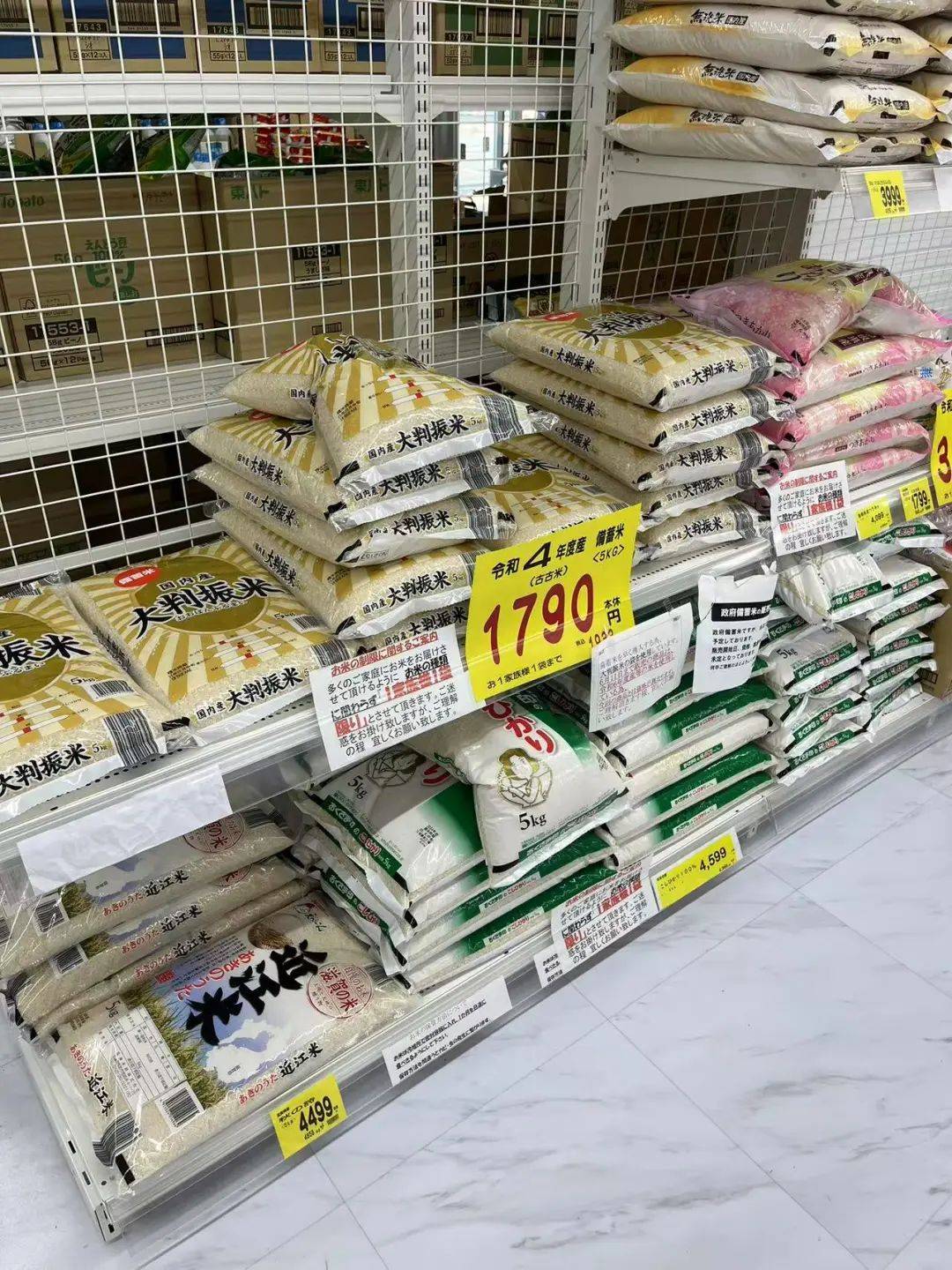
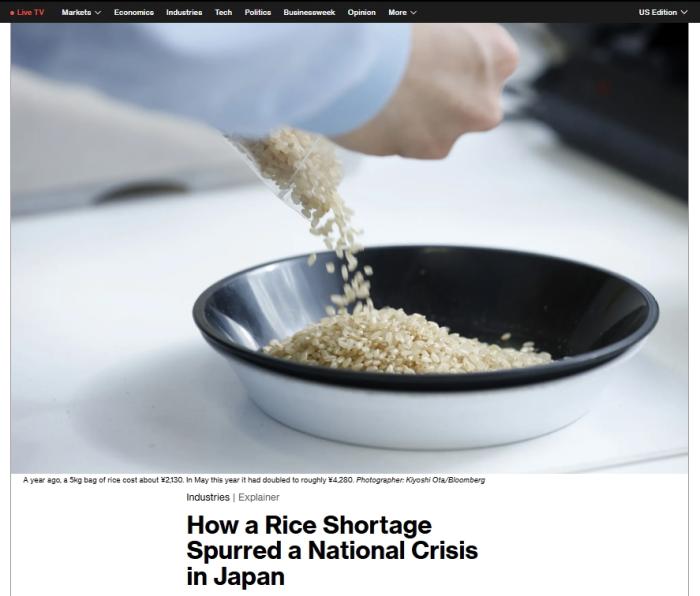
Core Points - The ongoing rice price surge in Japan, termed the "Reiwa rice turmoil," has led to public discontent and protests from farmers, despite the country not facing an actual rice shortage [1][2][3] - The price of rice has more than doubled over the past year, with a 1.4 kg bag of glutinous rice rising from 800 yen to 1400 yen [3][4] - The Japanese government has intervened by releasing reserve rice and importing rice from the U.S. to stabilize prices, but prices have continued to rise, with a 60% increase compared to the previous year [6][8][9] Group 1: Current Situation - The price of 5 kg of rice in Tokyo has reached 5072 yen, marking a 2511 yen increase compared to the previous year, indicating a more than double increase [9][10] - Despite the high prices, there is no actual shortage of rice in supermarkets, although prices have surged significantly [10][11] - The traditional agricultural policy in Japan, known as the "reduction and compensation policy," has contributed to the current situation by prioritizing price stability over production increases [12][15] Group 2: Historical Context - Japan's rice production peaked in the 1960s but has since declined due to changing dietary habits influenced by Western culture, with rice consumption dropping from 118.3 kg per person in 1962 to 50.8 kg in 2020 [13][14] - The self-sufficiency rate for rice remains at 100%, but other grains and food products are heavily reliant on imports, leading to a food security concern [14][17] - The "reduction and compensation policy" was implemented to prevent overproduction and stabilize prices, resulting in a significant decrease in rice production from over 1.3 million tons in the late 1960s to 776,000 tons in 2020 [15][17] Group 3: Economic Implications - The average income for rice farmers has been low, with production costs exceeding selling prices, necessitating government subsidies to cover losses [17][19][37] - The aging population of farmers poses a significant challenge, with 70% of farmers over the age of 65 and a lack of successors for many farms [34][35] - The high costs of farming and low profitability have led to a decline in the number of active farmers and abandoned farmland, exacerbating the rice supply issue [39][40] Group 4: Market Dynamics - The Japanese Agricultural Cooperative (JA) plays a crucial role in determining rice prices and has significant political influence, effectively monopolizing the domestic rice market [21][22] - Farmers face high fees and strict quality standards imposed by the JA, leading some to seek alternative sales channels to escape the cooperative's control [26][27] - The current rice price crisis has prompted a shift towards boutique farming, where small-scale farmers focus on high-quality products for niche markets [28][31]
我在广州东部中心当东“稻”主 ——增城东“稻”主培育计划启动
Nan Fang Nong Cun Bao· 2025-07-05 05:00
Core Viewpoint - The launch of the Dong "Dao" Master Cultivation Plan in Zengcheng aims to promote specialty agriculture and support rural revitalization, coinciding with the preparations for the 15th National Games [2][28]. Group 1: Cultivation Plan Details - The Dong "Dao" Master Cultivation Plan was officially released by the Zengcheng Rice Industry Alliance under the guidance of the Zengcheng Agricultural and Rural Bureau [3][10]. - The plan is centered around the "1616" system, which includes one champion variety, six planting entities, one ordering procedure, and six unified standards [4][7]. - The champion variety selected is "Zengke New Selection Rice No. 1," known for its excellent taste and awarded multiple honors [9]. Group 2: Planting Entities and Standards - Six main planting entities involved in the plan include various agricultural companies and family farms, ensuring quality rice production and market stability [10][12]. - The plan implements a unified approach to agricultural inputs, seedling cultivation, technical training, production standards, contract orders, and sales distribution, ensuring quality control throughout the process [16]. Group 3: Consumer Engagement and Experience - The plan introduces a digital platform called "Rice Field Time" for consumers to participate in rice cultivation through online subscriptions, enhancing consumer engagement [13][15]. - Participants can enjoy various agricultural experiences, including planting ceremonies and tasting events, fostering a deeper connection with the rice culture [19][21]. Group 4: Economic and Cultural Impact - The Dong "Dao" Master Cultivation Plan is expected to drive the integration of agriculture, culture, and tourism, contributing to the economic vitality of the Zengcheng rice industry [22][24]. - The initiative aims to enhance the market competitiveness and brand influence of Zengcheng's geographical indication product, Zengcheng Rice, while providing a unique agricultural showcase for the National Games [30][31].
日本大米为什么越来越贵? | 声动早咖啡
声动活泼· 2025-06-24 05:01
Core Viewpoint - The article discusses the ongoing rice crisis in Japan, highlighting the impact of government policies, climate change, and market dynamics on rice production and pricing. Group 1: Rice Production and Pricing - Japan's rice consumption heavily relies on domestic production, with only 100,000 tons allowed for duty-free import, constituting about 1% of total consumption [1] - Despite government intervention by releasing 300,000 tons of reserve rice, retail prices have doubled compared to last year [1] - The rice crisis is attributed to a combination of rare high temperatures in 2023 leading to poor harvests and increased demand from international tourists [2] Group 2: Government Policies and Historical Context - Japan's long-standing policies have restricted rice production, leading to a lack of market elasticity [2] - The "Reduction Policy" initiated in the 1970s aimed to stabilize rice prices by limiting the area for rice cultivation, which has continued to influence production decisions [4][6] - The abolition of the "Reduction Policy" in 2018 did not eliminate government support for reduced rice planting, indicating a continuation of restrictive practices [6] Group 3: Agricultural Structure and Challenges - Japan's agricultural sector is characterized by smallholder farms rather than large agricultural groups, relying on the Japan Agricultural Cooperatives (JA) for support [7] - The complex supply chain, where rice is collected by cooperatives before reaching retailers, has contributed to market inefficiencies [7] - The aging farming population, with an average age of 69, and a significant decline in agricultural workforce pose challenges for increasing rice production [8] Group 4: Potential Solutions and Future Outlook - The Japanese government is exploring options to alleviate the rice crisis, including relaxing import restrictions and directly contracting with large retailers [9] - The rice crisis reflects the broader struggle between protecting traditional agriculture and adapting to market changes in a globalized economy [11]
日本大米短缺问题加剧 部分学校午餐减少供应米饭
Zhong Guo Xin Wen Wang· 2025-06-11 09:43
Group 1 - The core issue of rice shortage in Japan is intensifying, with the average price of 5 kg of rice reaching 4,223 yen (approximately 209.07 RMB), nearly doubling compared to the same period last year [1][3] - Some schools have reduced the number of days they provide rice in lunches, and restaurants have increased prices for rice-based dishes due to soaring rice prices [1][3] - The surge in rice prices has increased the cost of living for the public, leading to widespread dissatisfaction, with Japan's core inflation rate accelerating to 3.5% in April [1][3] Group 2 - The rice shortage in Japan began in 2023, primarily due to extreme heat affecting annual rice harvests, resulting in the lowest production levels in over a decade [3] - The increase in inbound tourists post-pandemic has led to a rebound in dining demand, exacerbating the tight rice supply situation [3] - A government earthquake warning in August 2024 prompted citizens to stockpile rice, causing prices to rise even though no earthquake occurred [3] - Japan's long-standing policy of protecting its domestic rice industry has made it difficult to resolve the rice shortage issue in the short term [3] - Historical context shows that in the 1970s, Japan faced a surplus of rice, leading to government purchases and stockpiling, and although a policy to curb overproduction was abolished in 2018, the government still provides subsidies to farmers adhering to rice planting quotas, limiting flexibility in the industry [3]
这国农民,成为低关税的牺牲品
Hu Xiu· 2025-05-13 02:44
Group 1 - The Philippine government announced a pilot program to sell rice at 20 pesos per kilogram, significantly lower than the current market price, in response to public dissatisfaction with high food prices [3][4][6] - The implementation of the Rice Tariffication Law in 2019 led to the removal of import quotas on rice, allowing for increased imports from countries like Vietnam and Thailand, but did not benefit local farmers as intended [7][10] - The Philippines has become the world's largest rice importer in 2023, surpassing China, with a self-sufficiency rate below 80% for two consecutive years [10][11] Group 2 - The price of rice in the Philippines increased by 17.9% in September 2023, contradicting government promises to control food inflation [11] - Local farmers are facing declining purchasing prices for their rice, with the price dropping from 20 pesos to 14 pesos per kilogram, leading to significant income losses [12][14] - The Rice Tariffication Law has resulted in an estimated loss of 52 billion RMB for farmers due to decreased purchasing prices since its implementation [15] Group 3 - The Philippine government has allocated 10 billion pesos annually to improve rice competitiveness through the Rice Competitiveness Enhancement Fund, but many provided agricultural machines are unsuitable for local conditions [20][21] - The government has also implemented measures such as seed promotion, low-interest loans, and cash subsidies to support farmers, but these efforts have not effectively addressed the underlying issues [21][39] - Climate disasters have exacerbated the challenges faced by rice farmers, with significant crop losses reported during events like the El Niño phenomenon [24][25] Group 4 - The rising rice prices have led to increased spending on rice, which constitutes nearly 10% of household budgets in the Philippines, and up to 20% for poorer families [29][30] - The government plans to reduce rice tariffs from 35% to 15% in June 2024 to stabilize prices, aiming for a target price of 29 pesos per kilogram [33] - Despite increased supply, rice prices have continued to rise, indicating complexities in the market that are not accounted for by traditional supply-demand models [35][36] Group 5 - The Rice Tariffication Law has not fulfilled its promises to consumers and farmers, leading to calls for a reevaluation of trade liberalization policies [39][41] - Activists argue for a return to supporting local agriculture and empowering farmers, emphasizing the need for sustainable practices and self-sufficiency [42][61] - Organizations like SEARICE are working to empower farmers by promoting local seed varieties and reducing dependency on commercial seeds, which could lead to more sustainable agricultural practices [44][49][50]