电动自行车

Search documents
【理响中国·铿锵有理|经济向好有底气】中国消费赶“潮”迎“新”
Sou Hu Cai Jing· 2025-10-16 07:17
Core Insights - The article emphasizes the importance of boosting consumption and improving investment efficiency to expand domestic demand comprehensively, aligning with the goals of the 14th Five-Year Plan and the upcoming 15th Five-Year Plan [1][10] Group 1: Consumption Trends - Over 66 million consumers participated in the "old-for-new" program for 12 categories of home appliances, resulting in the purchase of over 100 million units [5] - The contribution rate of final consumption expenditure to GDP growth reached 52% in the first half of the year, highlighting consumption's role as a key driver of economic growth [5] - The shift in consumer behavior from merely purchasing goods to valuing quality and experience is evident, with service consumption growing faster than goods consumption [6] Group 2: Demographic Shifts - The Z generation has emerged as a major consumer group, focusing on personal value and emotional satisfaction in their purchasing decisions [7] - The elderly population (aged 60 and above) now accounts for 22% of the total population, possessing significant economic resources and a strong desire for knowledge and experiences, thus contributing to market growth [7] - There is a notable demand gap in county-level consumption, driven by rising income levels and the return of populations to rural areas, alongside the increasing interest of urban residents in rural experiences [7] Group 3: Policy Implications - The government aims to enhance consumption and investment efficiency through macroeconomic policies that increase disposable income and reduce financial burdens on consumers [10] - Structural reforms on the supply side are necessary to optimize products and innovate services, thereby meeting and stimulating consumer demand [10]


国产万元电动自行车走红欧洲
21世纪经济报道· 2025-10-15 07:46
Core Insights - The article highlights the rapid growth of the E-bike market, projecting a global market size of $35 billion in 2024, expected to reach $62.25 billion by 2030, with China playing a significant role in this expansion due to its supply chain advantages and cost-effectiveness [1]. Company Development - Engwe, a brand under Shenzhen Dayu Sports Technology, has emerged as a leading player in the E-bike sector, ranking first in the outdoor sports category of the "2025 Mid-Year China Cross-Border E-Commerce Brand Influence List" [1]. - The company has achieved a 70.4% year-on-year sales growth in the first four months of this year, serving over 2 million users across more than 60 countries [1]. Founding Team and Key Milestones - Engwe's core founding team includes Xiong Hao and other members with diverse backgrounds, initially focusing on domestic e-commerce and ODM models for brands like Yadi and Green Source [4]. - A pivotal moment occurred in 2021 when the company shifted its focus to foreign trade, launching a high-cost performance model priced at €999 [4]. - Engwe's flagship product, the X26, raised $1.25 million on a crowdfunding platform in 2022, becoming the ninth largest global crowdfunding item [4]. Market Strategy and Sales Channels - Engwe has fully transitioned to an export-focused model, with approximately 70% of sales in Europe, particularly in Italy, Germany, and France, and 25% in the U.S. [7]. - The company has opted for a self-operated and franchise model for 60%-65% of its sales, avoiding reliance on third-party platforms to maintain profit margins and brand integrity [7][8]. Product Differentiation and Market Position - Engwe's core product features a lightweight design with a carbon fiber frame, smart functions, and compliance with European regulations, distinguishing it from domestic offerings [10]. - The E-bike industry is characterized by a fragmented competitive landscape, with the top 10 brands holding less than 20% market share, indicating significant opportunities for growth, especially for Chinese brands [11]. Future Goals and Funding Needs - Engwe aims to transition from a "brand + product" model to a "technology-driven" approach over the next three years, focusing on R&D in battery optimization and smart controls [13]. - The company's funding needs are primarily for inventory costs, R&D, and logistics, with a preference for self-funding and bank financing to maintain independence [13].
卖上千欧元的国产E-bike,圈粉200万老外
2 1 Shi Ji Jing Ji Bao Dao· 2025-10-15 00:28
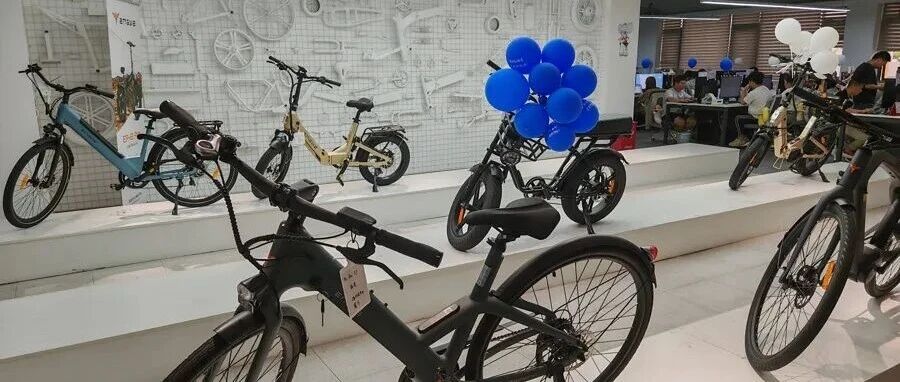
21世纪经济报道记者 曹媛 深圳报道 当中国新能源车在全球市场掀起"弯道超车"热潮时,另一种绿色出行工具也在欧美市场悄然走红。它叫 E-bike,即电动助力自行车。 大数跨境数据显示,全球E-bike市场规模2024年为350亿美元,预计到2030年将达到622.5亿美元, 在这场全球绿色出行革命中,中国作为自行车和电单车生产大国,凭借供应链优势和高性价比,成为E- bike出海的重要力量。 其中,深圳大鱼运动科技旗下品牌Engwe(英格威)在《2025上半年中国跨境电商品牌影响力榜》户外 运动品类中位列第一。截至目前,Engwe品牌的产品已覆盖60余国,累计服务用户超200万人,今年前 四个月销售额同比增长70.4%,是国产电动自行车出海的代表性案例。 近期,21世纪经济报道对话英格威创始人之一彭睿,拆解其从国内代工厂到全球品牌的进阶之路,及背 后的战略思考。 21世纪:目前英格威产品在国内外的销售占比如何?海外市场主要覆盖哪些区域,渠道布局有何特点? 从代驾赛道到全球品牌 21世纪:能否介绍英格威的创始团队背景及发展历程中的关键节点? 彭睿:英格威的核心创始人是熊昊,我和其他核心成员则在不同阶段加入,各自 ...
广州举行世界标准日主题活动
Guang Zhou Ri Bao· 2025-10-14 02:06
标准化提升行业治理水平。此前,广州市电动自行车行业协会发布《电动自行车销售门店管理规范》团 体标准;多家门店在现场签署自律宣言,推动行业规范发展。该规范的内容覆盖电动自行车销售过程的 全链条,包括门店选址的安全与合规要求、经营场所管理、经营行为规范、售后服务管理等内容。 相关附件 10月14日是世界标准日,2025年世界标准日的国际主题为"美好世界的共同愿景",中国主题为"增强伙 伴关系 共促可持续发展"。10月13日,由广州市市场监督管理局与越秀区人民政府共同主办的第56届世 界标准日主题活动在广东科学馆举行,集中展示了广州市在标准化建设方面取得的积极成效。全市各区 同步开展形式多样的标准化宣传活动。 标准化激发民营经济活力。一年来,市民营企业标准化服务站累计举办质量安全、合规生产等主题标准 化知识大讲堂15期,组织专家团队为企业提供条码、标准化等技术咨询。在化妆品、声光电产品、轨道 交通等领域,通过质量基础设施一站式服务助力企业技术改造。目前,已在多个重点行业辅导1555家企 业开展对标达标,发布对标结果4146项,有力推动制造业从"跟跑""并跑"向"领跑"转变。 标准化助力新能源汽车"走出去"。国家新能 ...
25km/h限速,围住3.8亿电驴大军
第一财经· 2025-10-13 14:02
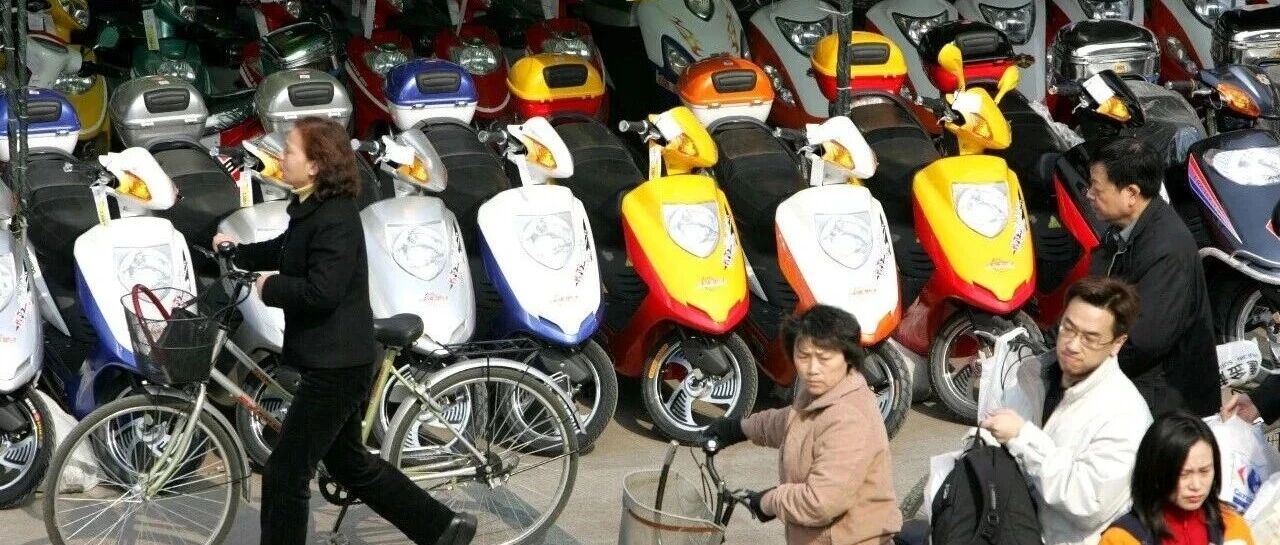
Core Viewpoint - The introduction of the new national standard for electric bicycles in China aims to enhance safety by enforcing a maximum speed limit of 25 km/h, yet the market continues to see widespread illegal modifications that allow for higher speeds, raising significant safety concerns [3][10][11]. Group 1: New National Standard Implementation - The new national standard, effective from September 1, 2025, mandates that electric bicycles must not exceed a speed of 25 km/h, with automatic power cut-off for violations [3][10]. - Despite the new regulations, many retailers continue to offer services to bypass the speed limit, allowing customers to modify their bicycles to reach speeds of 60 km/h or more [5][6]. - The demand for higher speeds among consumers, particularly in delivery services, has led to a culture of illegal modifications, which poses serious safety risks [6][10]. Group 2: Safety Concerns and Modification Techniques - Various methods for illegally modifying electric bicycles include removing speed limit chips and upgrading battery voltage, which can lead to severe safety hazards such as collisions and battery fires [6][8]. - The use of decoders to alter system parameters without triggering speed alerts has become a common practice, further complicating enforcement of the new standards [7][8]. - The new national standard includes specific anti-tampering requirements for battery packs, controllers, and speed limiters to mitigate these risks [8][12]. Group 3: Market Dynamics and Consumer Behavior - The transition to the new standard has resulted in increased manufacturing costs due to stricter safety and material requirements, leading to higher retail prices for compliant products [13][15]. - The "trade-in" policy for old electric bicycles has seen significant growth, with a reported 113.5% month-on-month increase in sales through this program in the first half of the year [14][15]. - However, recent announcements from several cities to pause the "trade-in" policy could negatively impact sales during the transition period between old and new standards [14][15]. Group 4: Future Outlook - Despite current challenges, the electric bicycle market in China is expected to continue growing, with estimates suggesting a potential increase in the number of electric bicycles to between 460 million and 510 million [15]. - The new standard is anticipated to accelerate technological upgrades and industry consolidation, pushing the market towards higher quality products [15].
25km/h限速,围住3.8亿电驴大军
Di Yi Cai Jing· 2025-10-13 09:45
Core Viewpoint - The introduction of the new mandatory national standard for electric bicycles on September 1, 2023, aims to address safety concerns, but the practice of modifying speed limits remains prevalent in the market, posing ongoing challenges for regulation [1][6]. Group 1: New National Standard - The new national standard mandates a maximum speed of 25 km/h for electric bicycles, with automatic power cut-off for exceeding this limit [1][6]. - The standard includes anti-tampering requirements for battery packs, controllers, and speed limiters to enhance safety [5][8]. Group 2: Market Practices - Many retailers continue to offer services to modify electric bicycles to exceed the 25 km/h limit, often for free, with some modifications allowing speeds up to 100 km/h [3][4]. - The practice of modifying speed limits has become an industry "unwritten rule," driven by consumer demand for faster bicycles [4][5]. Group 3: Safety Concerns - The methods used to bypass speed limits, such as removing limiters or upgrading batteries, pose significant safety risks, including potential accidents and fire hazards [4][5]. - The increase in traffic accidents involving electric bicycles has been alarming, with a reported annual growth rate of 5.85% in fatalities from 2019 to 2023 [7]. Group 4: Market Dynamics - The transition to the new standard has led to a significant increase in the cost of electric bicycles, with some products nearly doubling in price due to enhanced safety materials and components [9][10]. - The "trade-in for new" policy has seen substantial growth, with a reported 113.5% month-on-month increase in sales through this method in the first half of 2023 [10]. Group 5: Future Outlook - Despite current challenges, the electric bicycle market is expected to grow, with estimates suggesting a potential increase in ownership from 4.6 billion to 5.1 billion units [11]. - The new standard is anticipated to accelerate technological upgrades and industry consolidation, pushing the market towards higher quality products [11].


国庆中秋假期河北零售和餐饮消费金额实现291.35亿元,同比增长3.96%
Sou Hu Cai Jing· 2025-10-10 12:54
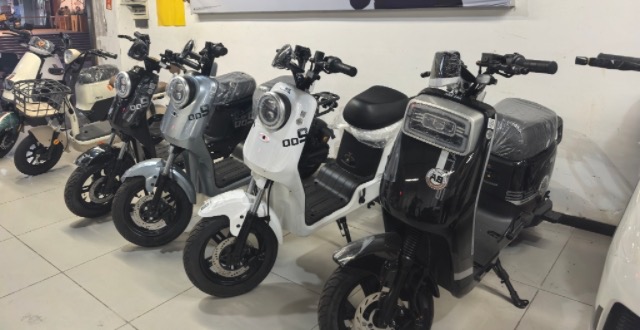
Core Insights - The retail and catering consumption in Hebei province reached 29.135 billion yuan during the National Day and Mid-Autumn Festival holiday, showing a year-on-year growth of 3.96% [1][3] - Retail consumption accounted for 26.467 billion yuan, with a growth of 3.87%, while catering consumption was 2.668 billion yuan, growing by 4.86% [3] Group 1: Consumption Trends - Various regions in Hebei launched unique promotional activities to stimulate consumer enthusiasm, leading to a vibrant shopping atmosphere [3][4] - The opening of the flagship store in Handan's historical cultural district attracted significant foot traffic, showcasing local specialties and cultural experiences [3][5] Group 2: Restaurant and Food Sector - The restaurant industry saw a surge in reservations, with innovative dining experiences being offered to enhance customer satisfaction [4][5] - The Baoding Dining Museum became a popular choice for family gatherings, combining traditional cuisine with immersive cultural performances, attracting approximately 130,000 visitors during the holiday [5] Group 3: Specialty Products - The Huangzhuang mooncakes gained popularity due to their traditional craftsmanship and new flavor offerings, becoming a trending product for the Mid-Autumn Festival [6][7] - The online sales of specialty products surged, reflecting the effectiveness of promotional activities in drawing consumer interest [7][8] Group 4: Consumer Events - The implementation of trade-in policies for consumer goods led to a spike in sales of automobiles, home appliances, and electric bicycles [8][9] - The 12th Automobile Exhibition in Langfang attracted 19,500 visitors, indicating strong consumer engagement in the automotive sector [9]

提振消费进行时 | 假期前四天广西交出亮眼消费成绩单
Guang Xi Ri Bao· 2025-10-06 02:06
Core Insights - The consumer market in Guangxi has shown a strong recovery during the first four days of the National Day and Mid-Autumn Festival holiday, with retail and catering sales increasing by 11.3% year-on-year [1][2] - Various promotional activities, including the distribution of consumption vouchers and trade-in policies, have effectively stimulated consumer spending [1] Group 1: Retail and Catering Performance - Sales from nearly 200 key monitored retail and catering enterprises increased by 11.3% year-on-year, with retail enterprises growing by 11% and catering enterprises by 23% [1] - Specific categories such as automotive, petroleum products, communication equipment, and furniture saw sales growth of 2.5%, 16.6%, 10.2%, and 11.4% respectively [1] Group 2: Consumer Activities and Events - The "Shopping in China · AI Shining Guangxi - 2025 Golden Autumn International Consumption Season" initiative has been launched, promoting multi-theme and multi-level consumption activities [1] - The trade-in activities have led to significant sales, with over 187,000 new cars, 3.724 million home appliances, 1.77 million 3C digital products, and 250,000 electric bicycles sold, generating over 41.9 billion yuan in sales [1] Group 3: Tourism and Local Consumption - The number of external tourists visiting Guangxi increased by 58.5% compared to the same period last year, with local service consumption rising by 21.7% [2] - The accommodation and catering sectors experienced significant growth, with platform revenues increasing by 9.1% and 52% respectively, and nighttime consumption rising by 38.6% [2] Group 4: Digital and Online Retail Growth - Online retail sales in Guangxi grew by 10.2% year-on-year, with non-physical goods sales increasing by 21.2% [2] - Categories such as online dining and tourism saw substantial growth, with sales increasing by 11% and 21.1% respectively, while agricultural product online sales surged by 21% [2] Group 5: Market Supply and Stability - Local business departments ensured sufficient inventory of essential goods such as grains, cooking oil, meat, and vegetables, maintaining overall price stability during the holiday [2]
“十四五”期间我国轻工业经济总量持续增长
Xin Hua Wang· 2025-10-05 06:35
Core Insights - The light industry in China has shown significant development during the 14th Five-Year Plan period, with continuous growth in economic scale and structural optimization [1] Summary by Categories Economic Performance - In 2024, there are expected to be 140,000 large-scale enterprises in the light industry, creating employment for 17.92 million people [1] - The total export value of the industry is projected to reach $925.4 billion, accounting for 25.9% of the national export total, maintaining the top position for five consecutive years [1] Industry Development - The light industry is experiencing accelerated growth in sectors such as smart home appliances, new energy batteries, and electric bicycles [1] - The coverage rate of industrial internet platforms has exceeded 60%, with 1,321 national-level green factories established [1] Innovation and Research - Since the beginning of the 14th Five-Year Plan, the light industry has established 25 national key laboratories, 44 national engineering research centers, 2 national manufacturing innovation centers, and 214 national enterprise technology centers, forming a multi-level innovation platform system [1] Future Goals - The light industry aims to achieve a revenue of over 30 trillion yuan by 2030, with an average annual growth rate of over 5% [1] - The total number of key laboratories and engineering research centers is expected to exceed 300, with an annual growth of effective invention patents at 15% [1] - The industry plans to cultivate over 10 globally recognized brands and more than 50 regional characteristic brands, maintaining the highest global market share for light industry products [1] - The coverage rate of green factories is targeted to reach 40%, with green products accounting for 35% of the total, aiming to establish a green and low-carbon industrial system [1]
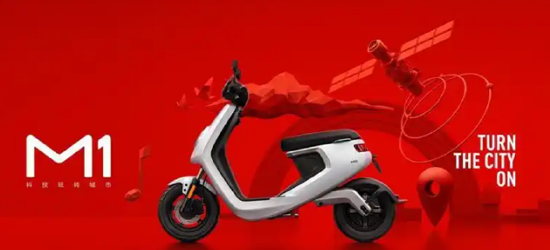
小牛电动车三年多亏超5亿 非法改装电动自行车现象尚存、巨头猛追下智能化光环有所褪色
Xin Lang Zheng Quan· 2025-09-25 09:41
Core Viewpoint - The electric bicycle industry is experiencing rapid growth in the first half of 2025, driven by the end of the transition period for new national standards and a nationwide trade-in subsidy policy, with a significant increase in sales volume and market concentration among leading companies [1][17]. Industry Overview - In the first half of 2025, the national sales volume of electric two-wheelers reached 32.325 million units, a year-on-year increase of 29.5% [1]. - The performance of listed companies in the electric bicycle sector has been strong, with six representative companies achieving double growth in performance [1]. Company Performance - Niu Technologies reported a revenue increase of 34.1% year-on-year to 1.938 billion yuan in the first half of 2025, but still recorded a net loss of 32.96 million yuan, making it the only listed company in the industry with a loss [1][2]. - Niu's sales figures have fluctuated since 2021, with sales of 1.038 million units in 2021, dropping to 0.83 million in 2022, and 0.7098 million in 2023, before a slight recovery in 2024 [2][5]. Financial Challenges - Niu Technologies has accumulated losses exceeding 500 million yuan over three years, with net losses of 49 million yuan in 2022, 272 million yuan in 2023, 193 million yuan in 2024, and 33 million yuan in the first half of 2025 [2][7]. - The company's stock price has been volatile, dropping from an initial public offering price of $9 to $4.31 as of September 19, 2025, indicating a significant decline in market confidence [10]. Market Dynamics - Niu Technologies faces increasing competition from traditional giants like Yadea and Aima, which have adopted similar smart features, diminishing Niu's competitive edge in the market [17][18]. - The implementation of the new national standard for electric bicycles on September 1, 2025, aims to tighten safety controls and curb illegal modifications, posing a challenge for Niu to balance user demands with compliance [17]. Consumer Behavior - There is a growing trend of illegal modifications among Niu users, with reports of significant speed increases post-modification, raising safety concerns and regulatory scrutiny [12][14][15].