
蔬菜种植

Search documents
服务百姓温暖过冬!各地多举措应对降温 保障供热平稳与“菜篮子”供应
Yang Shi Wang· 2025-10-22 08:12
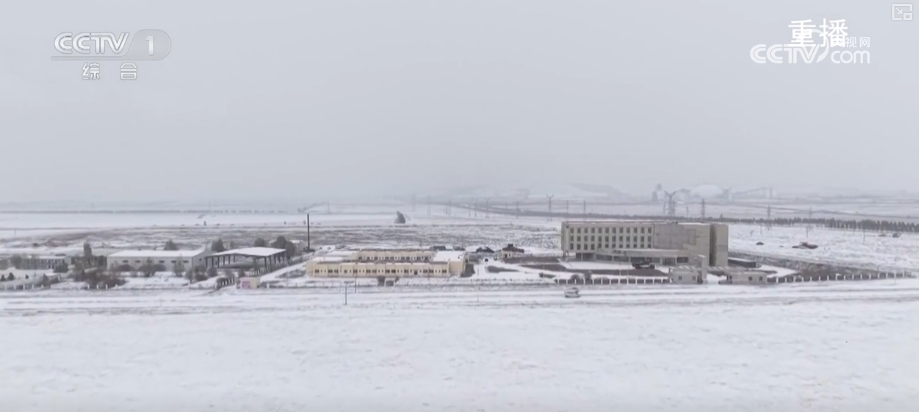
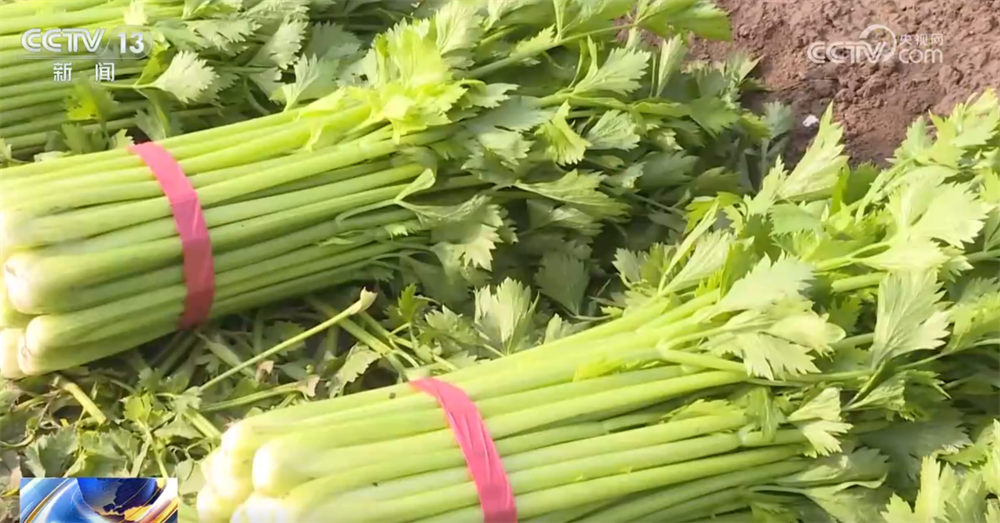
Group 1 - Inner Mongolia's Chen Barhuqi has initiated coal supply distribution to ensure warmth for over 14,000 households, with the program running until December 30 [4] - Gansu province has started heating earlier than usual, with nine cities commencing heating services 12 days ahead of last year, and new electronic balancing valves installed to improve temperature regulation [6] - In Henan's Shijiazhuang, over 1,300 acres of celery are being harvested to mitigate the impact of cold weather, with daily fresh harvests exceeding 200,000 pounds [8]

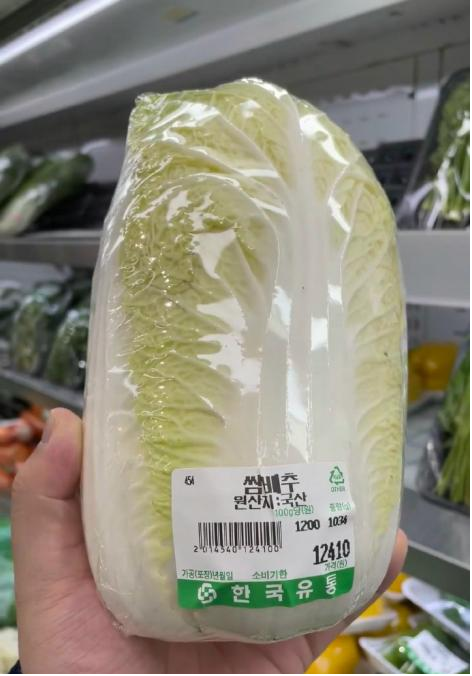
“菜篮子”这样的工程奇迹,为何只出现在中国?
Hu Xiu· 2025-10-22 02:39
Core Insights - The article emphasizes the significance of the "vegetable basket project" in China, which has transformed the country's food supply system and ensured food security for its citizens [13][43][64] - It highlights the differences between China's approach to food supply and that of Western developed countries, focusing on the role of government intervention and public welfare [44][61] Group 1: Historical Context - The "vegetable basket project" was initiated in the late 1980s to address food supply shortages in rapidly urbanizing areas, establishing a comprehensive system for production, circulation, and regulation [13][15][18] - The project has evolved through four stages, each addressing different challenges in food supply and quality [14][31] Group 2: Stages of Development - The first stage (1988-1994) focused on improving urban food supply channels and establishing a national circulation framework to alleviate food shortages [15][20] - The second stage (1994-1999) introduced facility agriculture to overcome seasonal limitations in vegetable production, leading to significant increases in output [21][25] - The third stage (1999-2009) aimed at enhancing food quality and safety, introducing certification systems and market access regulations [27][28] - The fourth stage (2010-present) emphasizes the integration of technology and logistics to create a resilient food supply system, including cold chain logistics and modern market structures [31][33] Group 3: Comparison with Western Models - The article contrasts China's "vegetable basket project" with the food supply systems in Western countries, highlighting the latter's reliance on market forces and capital efficiency, which often leads to limited product diversity [46][61] - It discusses how China's government-driven approach ensures a diverse and stable food supply, while Western models tend to prioritize profit over public welfare [45][52] Group 4: Current Impact and Future Outlook - The "vegetable basket project" has successfully eliminated food shortages in China, providing citizens with a wide variety of fresh produce year-round [44][64] - The project continues to adapt and evolve, demonstrating resilience during crises such as the COVID-19 pandemic, ensuring food security for millions [39][41][43]
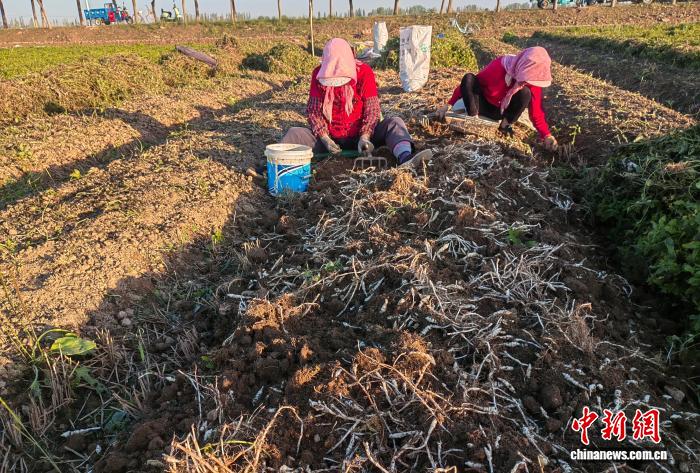
宁夏青铜峡:“土宝贝”迎丰收 鼓起村民“钱袋子”
Zhong Guo Xin Wen Wang· 2025-10-21 09:27
Core Viewpoint - The successful harvest of "screw vegetable" in Sha Bawan Village, Ningxia, has significantly boosted the local economy and improved the financial situation of villagers, showcasing the effectiveness of targeted agricultural development strategies [1][3]. Group 1: Agricultural Production - The screw vegetable harvest in Sha Bawan Village has reached a stable yield of 3,000 pounds per acre, with prices ranging from 2 to 3 yuan per pound [5]. - The soil in Sha Bawan Village is sandy, providing ideal conditions for screw vegetable growth, resulting in a product that is tender, sweet, and versatile for various culinary uses [3][5]. Group 2: Economic Impact - The screw vegetable industry has not only increased the income of farmers but also created job opportunities for over 280 local residents during the harvest season, allowing them to earn around 140 yuan per day while managing family responsibilities [5]. - The local government has focused on developing the screw vegetable industry as a key economic driver, transitioning from scattered planting to large-scale cultivation, thereby enhancing the brand value and market recognition of the product [5]. Group 3: Community Engagement and Branding - The local government has organized the "Clever Wife" screw vegetable pickling skills competition for six consecutive years, which has helped to promote skills, attract attention, and enhance the brand effect of screw vegetables [5]. - The initiative aims to elevate screw vegetables from mere agricultural products to regional trademarks, increasing their added value and market acceptance [5].
“多点发力”全力保障居民“菜篮子”供应 冬储菜价格亲民受欢迎
Yang Shi Wang· 2025-10-21 03:47
Core Points - The article highlights the efforts in Henan's Anyang City, particularly in Shijian Village, to ensure vegetable production and market supply amid a drop in temperature [1][5] - Local farmers are actively harvesting vegetables, with over 20 million pounds of celery being picked daily from 1,300 acres of greenhouses [1] - The current market price for vegetables is stable at around 1 yuan per pound, with farmers reporting good sales [3][12] Group 1 - The area of vegetable cultivation in Shijian Village has reached over 300,000 acres, with measures taken to mitigate the impact of cold weather [1] - Farmers are receiving guidance from agricultural technicians on managing temperature drops and pest control [5][7] - The local market is seeing a high volume of vegetable sales, with reports of individual farmers selling up to 10,000 yuan per acre [3] Group 2 - In Taiyuan, Shanxi Province, winter vegetables such as cabbage, potatoes, and green onions are being sold, attracting many consumers [8] - Merchants in Taiyuan report selling hundreds of pounds of winter vegetables daily, with expectations of selling out within two to three weeks [10] - The price of vegetables in Taiyuan is also around 1 yuan per pound, indicating a stable market [12]
60天直销山姆会员商店!汕尾陆河首次成功移栽甜杆西兰花
Nan Fang Nong Cun Bao· 2025-10-20 12:31
Core Insights - The article discusses the successful transplantation of sweet stem broccoli in Luhua, Shanwei, which will be directly sold to major Sam's Club stores in two months [2][38]. Group 1: Company Operations - The sweet stem broccoli cultivation is managed by Youjia Agriculture Co., Ltd., which has utilized the "land bank" model to establish operations in Luhua [4][15]. - The company has completed the land transfer of 300 acres, converting previously abandoned land into productive high-end vegetable fields [24][41]. - The climate and soil conditions in Luhua are favorable for growing sweet stem broccoli, enhancing the quality of the produce [5][15]. Group 2: Market Demand - Sweet stem broccoli, a hybrid variety originating from Japan, is highly sought after and is referred to as the "traffic king" among vegetables in Sam's Club, retailing at 19.8 yuan for 600g [10][9]. - The cultivation aims to meet the demand of the Greater Bay Area market, facilitating direct sales to large supermarkets like Sam's Club [15][16]. Group 3: Employment and Community Impact - The project has created job opportunities for local villagers, with daily labor demand reaching 60-70 workers, doubling the usual number [35][36]. - Local residents can earn around 100 yuan per day working at the cultivation base, providing significant financial support for their families [33][30]. - The initiative has revitalized local agriculture and contributed to rural employment development [41][42].

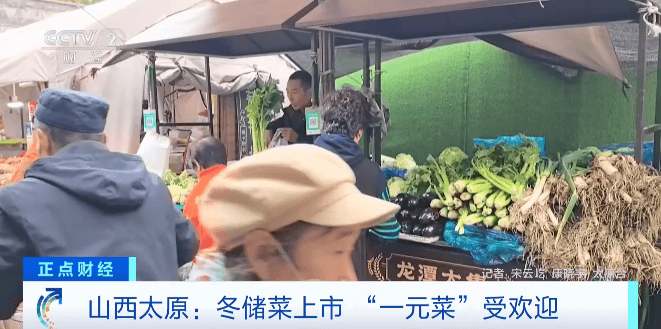
太原冬储菜集中上市,商户日售几百斤!“一元菜”装满“菜篮子”
Sou Hu Cai Jing· 2025-10-20 12:17
Core Points - The article highlights the availability of winter storage vegetables in Taiyuan, Shanxi Province, as the temperature drops in autumn, ensuring a stable supply for the public's vegetable needs during the colder months [1][9]. Group 1: Market Conditions - In the convenience market of the Xinghualing District in Taiyuan, there is a steady flow of customers purchasing winter storage vegetables such as mustard greens, cabbage, and potatoes [3]. - Vegetable vendors report selling hundreds of kilograms of winter storage vegetables daily, indicating strong demand as the season progresses [5][7]. Group 2: Pricing Trends - Many local winter storage vegetables are priced around 1 yuan per kilogram, with specific prices reported as 1 yuan for snow red and mustard greens, and 1.5 yuan for carrots and cabbages [9][11]. - Vendors anticipate that prices may decrease further as more local produce becomes available in the coming days [11].
甘肃宕昌贾河:打造“田园综合体” 绘就乡村新画卷
Zhong Guo Fa Zhan Wang· 2025-10-17 08:45
Core Viewpoint - The development of livable and workable beautiful rural areas is essential for building a strong agricultural nation, emphasizing the integration of agricultural modernization and rural revitalization [1] Group 1: Rural Development Initiatives - Gansu Province's Zhangchuan County is focusing on "comprehensive rural complexes" to enhance village construction, transitioning from isolated beauty to an overall improvement in rural aesthetics and quality of life [1] - The establishment of the rural revitalization talent training base in Zhangchuan County aims to equip local farmers with essential agricultural skills through practical training led by local experts [2] Group 2: Agricultural Production and Economic Growth - The Dabaizi Industrial Training Base in Jiahe Township has been developed on 25 acres, featuring 20 double-layer steel frame greenhouses and a high-efficiency solar greenhouse, supporting the cultivation of various vegetables and fruits [2] - The collaboration between local farmers and the training base has led to increased vegetable production, with successful yields of tomatoes and cucumbers, contributing to local economic growth [2] Group 3: Tourism and Community Engagement - The "San Yue Jian" farmhouse in Dabaizi Village combines leisure, dining, and tourism, attracting many visitors and enhancing the local economy through improved service quality [3] - Infrastructure improvements in Dabaizi Village, including road hardening and the creation of recreational spaces, have significantly enhanced the village's environment and attractiveness for tourism [3][5] Group 4: Environmental and Ecological Projects - New projects in Shen Zha Village focus on ecological preservation and the development of rural tourism, including the construction of a water conservation park and the hardening of roads for better access to medicinal herb planting areas [4] - The implementation of environmental enhancement projects in nearby villages has led to increased green spaces and improved living conditions, contributing to the overall aesthetic and functional quality of the rural areas [4][5] Group 5: Future Development Plans - The local government plans to leverage the training base and comprehensive rural complexes to further integrate agriculture, culture, and tourism, aiming for high-quality development in the region [5]
让冷资源“热”起来(新知)
Ren Min Ri Bao· 2025-10-16 22:05
Core Insights - Qinghai Province is transforming its agricultural landscape by leveraging its cold climate to develop a "cold economy," focusing on cold-resistant crops and innovative agricultural practices [1][2]. Group 1: Agricultural Development - The cold climate in Qinghai, characterized by an average temperature of only 3.4 degrees Celsius, is conducive to the growth of cold-resistant vegetables, which are now being cultivated in the "golden altitude" range of 2000 to 2800 meters [1]. - The province has seen a significant increase in cold-water fish exports, projected to exceed 300 million yuan in 2024, marking a nearly 12-fold year-on-year growth [1]. - The development of cold-resistant vegetable varieties through technological innovation is essential for establishing a robust agricultural foundation [2]. Group 2: Economic Transformation - The establishment of the "Huangzhong Cold Vegetable" brand in Xining's Huangzhong District has benefited over 20,000 farmers, showcasing the potential of tailored agricultural branding [2]. - The cold economy not only enhances agricultural productivity but also supports the development of related industries such as eco-tourism and green computing, capitalizing on the region's unique environmental conditions [2]. - The successful transformation of disadvantages into advantages in various regions, such as Ningxia and Hebei, highlights the importance of human initiative and practical efforts in driving economic growth [3].
连续阴雨天致菜价上涨
Qi Lu Wan Bao Wang· 2025-10-16 14:53
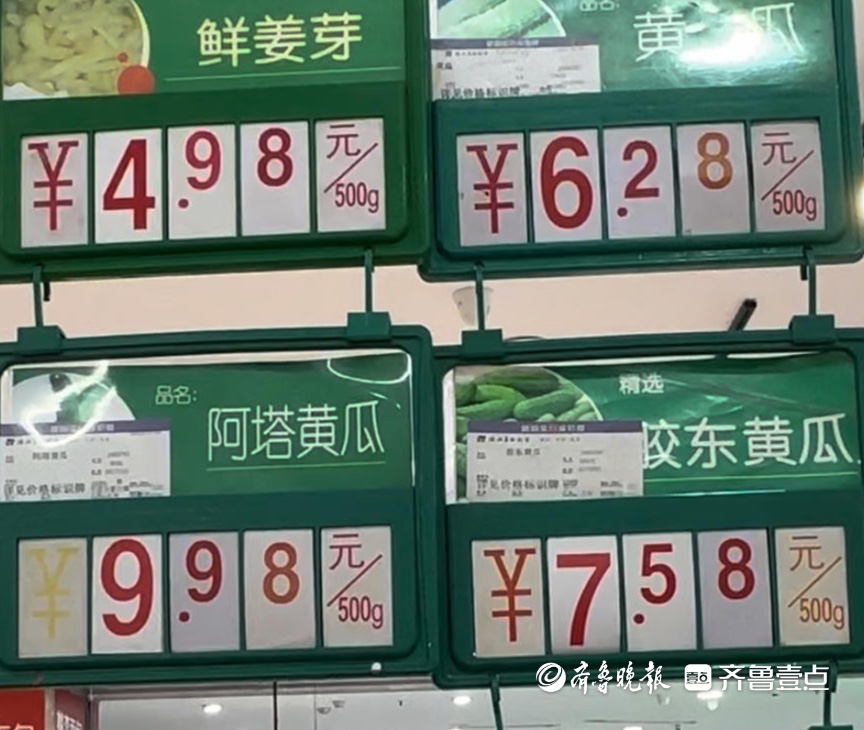
Core Insights - Recent price increases for cucumbers and tomatoes in Jinan have raised concerns among consumers, with cucumbers reaching nearly 6 yuan per jin [1] - The wholesale price of cucumbers and tomatoes has surged to around 5 yuan per jin, reflecting a significant increase from previous weeks [2][3] - Weather conditions, particularly continuous rain, have adversely affected the maturity and yield of tomatoes, contributing to the price hikes [3][4] Price Trends - The wholesale price of cucumbers has increased from approximately 1.5 yuan to around 3.7 yuan per jin, indicating a substantial rise due to weather impacts on production [4] - In retail markets, cucumbers are priced at 6.28 yuan per jin, while tomatoes and other vegetables like loofah and zucchini are priced at 5.98 yuan and 5.58 yuan per jin, respectively [1] - The price of tomatoes has nearly doubled from about 2.5 yuan to 4 yuan per jin in a short span, highlighting the rapid escalation in vegetable prices [3]
【百姓身边的“十四五”】人均粮食占有量1000斤,变化从田间到舌尖
Zhong Guo Jing Ji Wang· 2025-10-16 09:52
Core Points - Since the "14th Five-Year Plan," China's grain production has reached new heights, establishing a diversified food supply system that ensures not only sufficient food but also improved nutrition and health for residents [2][4] - The annual grain production is stable at over 1.3 trillion jin (approximately 650 million tons), with a target to reach 1.4 trillion jin by 2024 [4][6] - Per capita grain availability exceeds the internationally recognized safety line of 400 kilograms, reaching 500 kilograms [6] Group 1 - The self-sufficiency rate for soybeans has increased by 4 percentage points, while the self-sufficiency rate for edible vegetable oil has risen by nearly 5 percentage points [6] - Total production of meat, eggs, and milk is projected to reach 175 million tons by 2024, an 18.8% increase from 2020 [6] - Per capita annual consumption of meat is 72 kilograms, which is above the world average, with egg consumption at 25 kilograms and milk consumption at 40.5 kilograms, an increase of 2.3 kilograms since 2020 [7] Group 2 - The total production of aquatic products, including fish, shrimp, and crabs, is expected to reach 73.58 million tons by 2024, a 12.3% increase from 2020 [7] - During the "14th Five-Year Plan" period, the annual production of facility vegetables has exceeded 200 million tons, achieving year-round balanced supply [7] - The quality safety monitoring pass rate for agricultural products has remained stable at over 97.5% [7][9] Group 3 - New and revised standards for pesticide residue limits have increased by nearly 40% compared to the end of the "13th Five-Year Plan," with a total of 3,782 items [9] - High-toxicity pesticides have been eliminated from field agricultural production, enhancing safety measures [9] - A comprehensive regulatory system has been established, including a certification system for agricultural products, ensuring traceability and accountability [9]
