
乡村旅游

Search documents
52个项目亮相 北京乡村游向运营驱动转型
Bei Jing Shang Bao· 2025-12-09 15:44
Core Insights - Beijing has launched 52 key cultural and tourism investment projects to promote the transformation of rural tourism from "resource-driven" to "operation-driven" [1][2][3] - The total amount of projects published on the Beijing cultural tourism resource trading platform has reached 321.7 billion yuan, with 3,966 projects announced by the end of November [3] Investment Projects - The 52 projects cover various categories including village development, scenic area renovation, and technology integration across all 16 districts of Beijing [2][3] - The financing guarantee service platform for suburban tourism has supported 3,406 projects, with banks providing loans totaling 4.96 billion yuan [3] Rural Tourism Development - The rapid growth of suburban rural tourism is driven by increasing demand for short-distance vacations and in-depth experiences [2] - Key areas in agricultural districts have showcased their unique resources and clear planning, indicating an overall trend of upgrading rural tourism [2] Talent Development Initiatives - The Beijing Youth Rural CEO Training Program aims to cultivate young leaders in rural tourism, providing comprehensive support from theory to practice [4] - Measures include financial incentives for selected rural CEOs to promote tourism development and economic benefits in their regions [4] Strategic Recommendations - To avoid homogenization in rural tourism, it is essential to focus on local culture and create unique products that integrate with modern urban lifestyles [5][6] - A shift from isolated development to a collaborative ecosystem is necessary to enhance market competitiveness and create a complete consumption and experience chain [6]
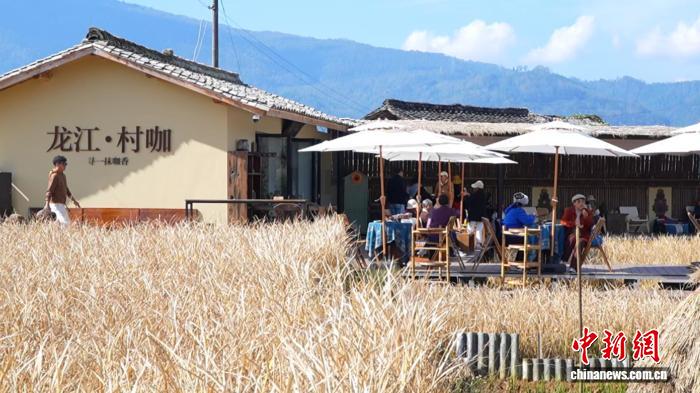
云南龙陵:“牛棚村咖”铺就乡村创业路
Zhong Guo Xin Wen Wang· 2025-12-09 13:39
Core Viewpoint - The article highlights the entrepreneurial journey of Yang Meng, who transformed a traditional cow shed into a popular coffee shop in Longjing Township, Yunnan, leveraging local agricultural resources and tourism potential to create a thriving business [1][3]. Group 1: Entrepreneurial Development - Yang Meng, a local from Longjing, returned home after years of work and decided to open a coffee shop in a renovated cow shed, inspired by the increasing tourist influx during the rice flower fish festival [3][5]. - The coffee shop opened during the National Day holiday in 2023 and quickly became a popular spot, generating over 50,000 yuan in revenue within the first month [3][5]. - Yang Meng's initial excitement was tempered by the realization that the business model was too reliant on seasonal tourism, prompting her to seek ways to diversify and sustain customer interest [5][6]. Group 2: Business Expansion and Community Impact - By 2025, Yang Meng plans to expand the coffee shop's space and offerings, including a product display area for local specialties, aiming to attract visitors year-round [5][6]. - The Longjing area has seen a significant boost in tourism, with 386,000 visitors and over 54 million yuan in revenue during the rice flower fish festival in 2025 [5][6]. - Local agricultural products, such as "red fine soft rice" and "rice flower fish," gained recognition, contributing to the region's agricultural modernization and tourism development [5][6].


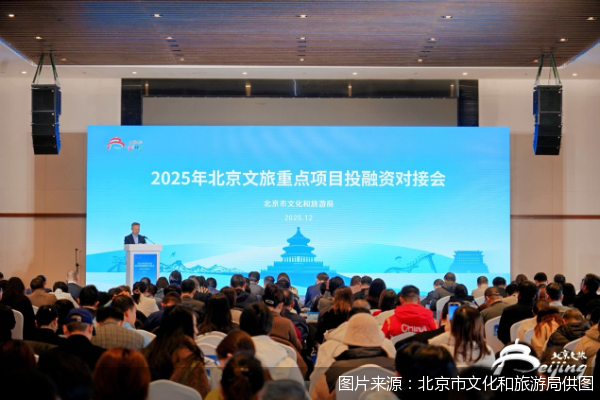
52个新项目亮相,北京乡村旅游从资源驱动向运营驱动转型
Bei Jing Shang Bao· 2025-12-09 12:04
Core Insights - Beijing has launched 52 key cultural and tourism investment projects aimed at transforming rural tourism from a "resource-driven" model to an "operation-driven" model, covering areas such as village development, scenic area renovation, and technology integration [1][3][4] Investment and Financing - As of November 2025, the Beijing cultural tourism resource trading platform has published a total of 3,966 projects with a total investment amount of 321.7 billion yuan, while the suburban tourism financing guarantee service platform has supported 3,406 projects with bank loans totaling 4.96 billion yuan [4][1] Regional Development - Ten agricultural districts in Beijing showcased key areas for rural tourism development, highlighting the transition from "resource-driven" to "operation-driven" practices. Notable projects include the Wangping Town in Mentougou District and the integration of health and rural aesthetics in Xingzhou Town of Changping District [3][4] Talent Development - The Beijing Youth Rural CEO Training Program aims to select 100 young leaders annually, providing comprehensive support from theory to practice, thereby fostering professional talent for rural revitalization [5][7] Technological Integration - The "Beijing Rural Tourism Smart Cultural Tourism Platform" was presented to enhance digital and intelligent development in rural tourism, connecting tourists, businesses, and government [7] Competitive Strategy - To avoid homogenization in rural tourism, it is essential to focus on unique local cultures and create distinctive products. The development strategy should shift from isolated efforts to a more integrated approach, forming a complete consumption, industry, and experience chain [8]
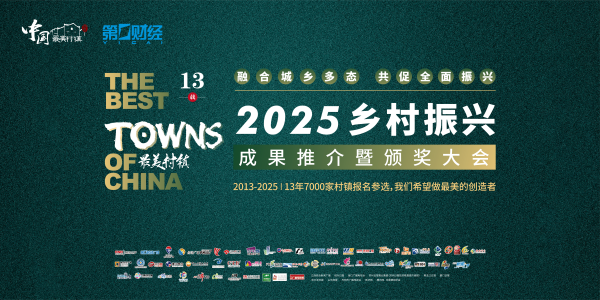
进入“城乡中国”新阶段,助力乡村振兴走深走实 2025乡村振兴成果推介会暨最美村镇颁奖典礼圆满落幕
Di Yi Cai Jing· 2025-12-07 08:43
Core Viewpoint - The article highlights the comprehensive advancement of the rural revitalization strategy in China since the 20th National Congress of the Communist Party, showcasing numerous innovative practices and examples across the countryside, culminating in the "2025 Rural Revitalization Achievement Promotion Conference and Most Beautiful Villages Award Ceremony" held in Shanghai [1][3]. Policy Guidance and Concept Innovation - Rural revitalization is deemed a cornerstone of national rejuvenation, emphasizing the importance of policy direction and alignment with contemporary trends. The concept that "ecology itself is economy" has become a core principle for rural development [5]. - The "Most Beautiful Villages" evaluation has attracted attention from over 40 countries and 400 million internet users, showcasing China's rural development model on international platforms [5]. Practical Empowerment and Industrial Integration - Industrial revitalization is identified as the core engine for rural revitalization, with various villages exploring unique paths for integrated development based on local resources. For instance, the Hunan Goulan Yao Village transformed from an overlooked ancient village to a thriving community, increasing per capita income from less than 2,000 yuan to 15,000 yuan [9]. - The "15-minute living circle" concept in Shanghai's Yangwang Village exemplifies the activation of urban-rural resources through mutual flow, enhancing the integration of urban and rural advantages [11]. Talent Return and Subject Cultivation - The return of young talents is crucial for rural revitalization, with a significant proportion of returning migrant workers being well-educated and skilled. This demographic is seen as the best "operators" for rural revitalization, particularly in e-commerce and cultural tourism [14]. - Various regions have successfully attracted talent through innovative models, such as Jiangsu's capital leverage approach, which created over 2,000 jobs by attracting 39 enterprises [14][16]. Cultural Enrichment and Quality of Life Improvement - Cultural revitalization is essential for rural transformation, with initiatives in Jiangsu's Lishui District utilizing intangible cultural heritage to boost local economic growth by 15% annually [20]. - Improvements in living standards are a focal point of rural revitalization, with projects in Yunnan's Huize County significantly increasing household income and enhancing community well-being [20]. Event Highlights and Achievements - The "2025 Rural Revitalization Achievement Promotion Conference" served as a platform for deep exchanges among government, enterprises, media, and the public, promoting collaborative efforts in rural revitalization [22]. - The event recognized various award categories, including "Rural Revitalization Leaders" and "Best Villages," showcasing exemplary models and innovative practices across different regions [24][25].
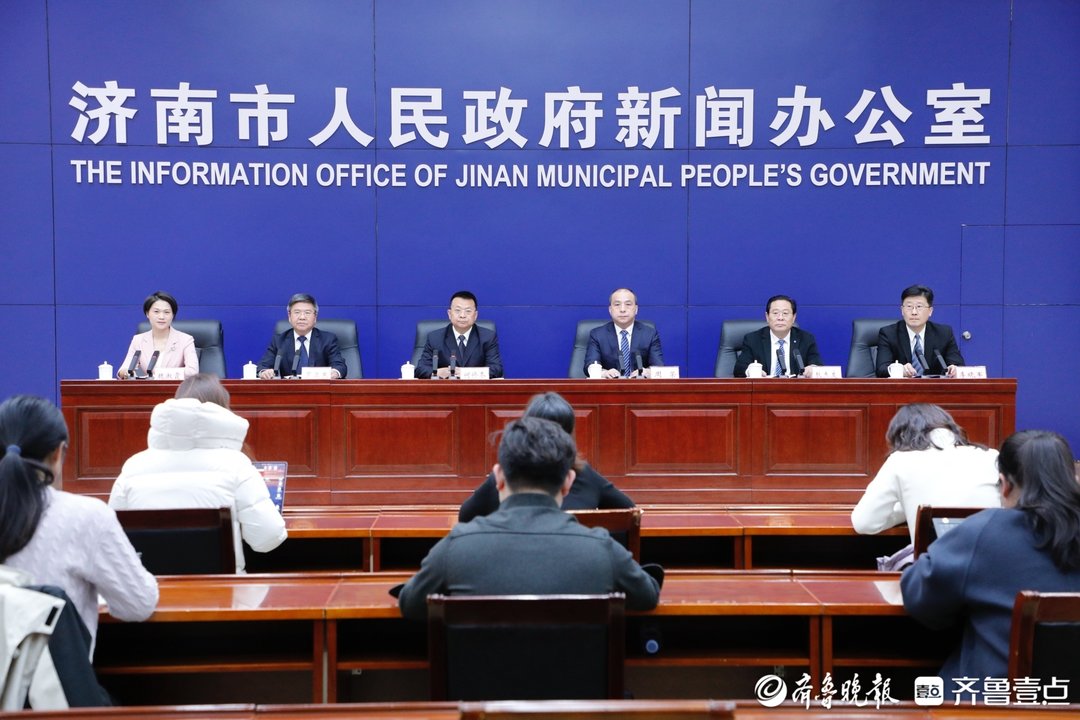
济南目前已有康养休闲、亲子玩乐等十余条农文旅融合精品线路
Qi Lu Wan Bao· 2025-12-05 04:03
Core Viewpoint - The implementation of the "Jinan City Tourism Promotion Regulations" in 2026 will provide new opportunities for rural tourism development, with a focus on the "Spring Rhythm Countryside and Beautiful Village" area, promoting the integration of agriculture, culture, and tourism [1][3]. Group 1: Development Initiatives - Jinan's Agricultural and Rural Affairs Bureau has established 44 city-level and above tourism areas, along with 410 provincial-level beautiful villages, creating over ten premium agricultural and cultural tourism routes [3]. - The bureau aims to enhance the planning and integration of tourism functions within the designated areas, leveraging Jinan's unique cultural resources to create a differentiated development model [4]. Group 2: Industry Integration - The bureau will encourage social investment and professional teams to participate in area development, promoting collaborative models such as "village collective + leading enterprises + farmers" to revitalize idle resources and stimulate community involvement [5]. - The promotion of local agricultural brands and themed events will enhance the visibility and attractiveness of rural tourism [5]. Group 3: Environmental Improvement - The bureau plans to focus on improving rural living environments by addressing infrastructure gaps and enhancing sanitation facilities, ensuring clean and functional amenities [6]. - Initiatives will include creating small gardens and parks to improve village aesthetics and promote a picturesque rural landscape [6].
“村潮”来了!
Ren Min Ri Bao Hai Wai Ban· 2025-12-04 22:24
Core Insights - The article highlights the rise of "village-themed" cultural and sports activities across rural China, which are contributing to the revitalization of these areas and attracting significant participation and tourism [3][15]. Group 1: Overview of "Village-themed" Activities - The Ministry of Agriculture and Rural Affairs reported that there are 24 types of "village-themed" activities, with over 2.2 million events expected to be held in rural areas in 2024 [3]. - Activities such as "village basketball" (村BA), "village coffee" (村咖), and "village fishing" (村钓) are gaining popularity, with the western regions hosting the most events, showing a 919.4% increase from 2021 to 2024 [7][15]. Group 2: Economic Impact - The "village-themed" activities are projected to generate economic benefits of 130.9 billion yuan in 2024, with cumulative benefits of 436.1 billion yuan during the 14th Five-Year Plan period [15]. - The "village super" (村超) events are effectively integrating sports, culture, and tourism, driving economic growth in rural areas [15]. Group 3: Case Studies - In Anji County, the "village coffee" concept has led to the establishment of 300 coffee shops, attracting 2.75 million visitors in the first half of the year, generating 750 million yuan in revenue [6]. - The "village basketball" events in Zhuji have seen participation from over 300 teams, with ticket sales for finals indicating high demand, and the events have become a significant community bonding activity [12][13]. Group 4: Community Engagement - The "village-themed" activities foster a sense of belonging among participants, as seen in the basketball events where local pride is emphasized [18]. - The integration of local resources and community involvement in these activities has created job opportunities and enhanced local economies [5][6].

南非媒体:“十五五”规划建议是以人为本的中国式现代化发展蓝图
Xin Hua Wang· 2025-12-04 10:56
Group 1 - The "14th Five-Year Plan" outlines a blueprint for human-centered modernization in China, connecting past achievements with future goals towards self-reliance and common prosperity [1] - The plan emphasizes high-quality development, aiming to build a modern industrial system that serves the real economy and fosters new productive forces, with breakthroughs in core technologies such as high-performance chips and artificial intelligence [1] - The plan also focuses on strengthening the domestic market and promoting a new development pattern through sectors like the silver economy, low-altitude economy, and rural tourism, which will enhance agricultural modernization and urban-rural integration [1] Group 2 - China, as the largest country in terms of renewable energy capacity, is committed to a low-carbon development path and aims to export affordable green technologies to help combat climate change globally [2] - The recent meeting encourages a focus on self-reliance, green innovation, and shared prosperity, presenting a progressive path that benefits all [2]
“农旅融合”富乡村(乡土中国)
Ren Min Ri Bao Hai Wai Ban· 2025-12-04 01:19
Core Viewpoint - The article highlights the development of rural tourism in Wuhu City, Anhui Province, leveraging the unique ecological resources of the Fanchang Slow Valley Tourism Resort to create a comprehensive agricultural-tourism integration model, thereby expanding employment opportunities for farmers [2] Group 1: Industry Development - The Fanchang District is focusing on rural tourism as a means to enhance local economic development and improve the livelihoods of residents [2] - The integration of agriculture and tourism is being emphasized to create a sustainable model that benefits both the environment and the local community [2] Group 2: Employment Opportunities - The initiative aims to broaden employment channels for farmers, providing them with new avenues for income generation through tourism-related activities [2] - The establishment of facilities such as RV camping sites in rural areas is attracting numerous visitors, further supporting local employment [2]
辽宁多点突破纵深推进乡村振兴
Zhong Guo Fa Zhan Wang· 2025-12-04 00:18
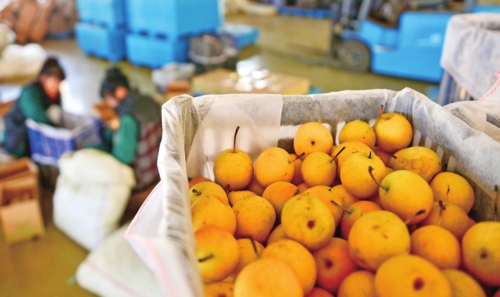
Core Viewpoint - Liaoning's Anshan City is focusing on the deep processing industry of Nanguo pear, extending the industrial chain to make it a pillar industry for rural revitalization [2] Group 1: Economic Performance - In 2024, the primary industry added value in Liaoning increased by 4.2% year-on-year, surpassing the national average by 0.7 percentage points [2] - The per capita disposable income of rural residents reached 22,744 yuan, growing by 5.9% year-on-year, which is 1.4 percentage points higher than the urban income growth rate [2] Group 2: Talent Attraction and Utilization - The "Return to Hometown" initiative in Donggang aims to address the talent outflow issue, with only about 400 out of 3,780 college graduates returning to work in agriculture and rural services [3] - By 2024, Donggang has recruited 459 university graduates to work in villages, significantly contributing to local agricultural development and e-commerce [4][5] Group 3: Agricultural Integration and Development - The Panjin City demonstration park integrates rice, crab, and persimmon industries, creating a comprehensive industrial chain that enhances farmer income, with an average increase of over 27,000 yuan per person this year [6][7] - Liaoning's agricultural clusters in key industries like grain, livestock, and aquaculture achieved outputs of 2,510 billion yuan, 2,720 billion yuan, and 1,040 billion yuan respectively, with year-on-year growth rates of 4%, 8%, and 5% [7] Group 4: Cultural and Social Development - Panjin County promotes cultural enrichment through public art programs and community engagement, enhancing the overall quality of life in rural areas [8] - The province is advancing infrastructure and public services to create livable and workable rural environments, contributing to the broader goals of rural revitalization [8] Group 5: Policy Implementation and Future Outlook - Liaoning is implementing the "Ten Million Project" to strengthen rural revitalization efforts, ensuring food security and increasing grain production to over 50 billion jin for two consecutive years [9][10] - The province is also innovating in rural reform, with successful cases in land use and property rights transactions, aiming to enhance agricultural productivity and rural economic vitality [10]
我市“十四五”标准化工作白皮书发布 “标准化+”激发跨越式发展新动能
Zhen Jiang Ri Bao· 2025-12-03 00:12
Group 1 - The core viewpoint of the news is the release of the "14th Five-Year Plan Standardization Work White Paper" by the Market Supervision Administration of Zhenjiang, highlighting the achievements and practices in standardization over the past five years, emphasizing its role in supporting industrial upgrades [1] - During the "14th Five-Year Plan" period, Zhenjiang has implemented a standardization strategy that has led to breakthroughs in key areas such as advanced manufacturing, modern services, and agricultural innovation, showcasing the "Standardization +" effect [1] - In the advanced manufacturing sector, Zhenjiang has led or participated in the formulation of 442 standards, including 9 international standards, marking a significant transition from following to leading in standardization [1] Group 2 - Zhenjiang's standardization efforts have also permeated social management and public services, exemplified by the successful implementation of the first rural grassroots party building standardization pilot in Jiangsu, which has enhanced the political function and organizational strength of grassroots organizations [2] - In the rural tourism sector, standardization has transformed the experience from "single scenic spots" to "holistic landscapes," with the establishment of a comprehensive service standard system that enhances visitor satisfaction and creates unique rural tourism brands [2] - The white paper indicates that over 2,000 agricultural standards have been promoted and implemented in Zhenjiang, contributing to the development of a full industry chain standard system and the cultivation of notable brands such as "Dingzhuang Grapes" and "Daizhuang Rice" [2]