酒店业

Search documents
四季领航:以全新开业、焕新升级与海空探索之旅,开启奢华体验新篇章
Xin Lang Cai Jing· 2025-12-23 09:49
古城卡塔赫纳的永恒奢华 — 卡塔赫纳四季酒店与住宅 — 坐落于卡塔赫纳联合国教科文组织世界遗产老 城的核心地带,将殖民时期与Beaux-Arts地标建筑焕新改造,并设有屋顶泳池与酒吧、Umari水疗中 心,以及八间餐厅,为宾客呈现哥伦比亚本土与全球风味的美食盛宴。 加拿大安大略省多伦多2025年12月19日 /美通社/ -- 四季集团以全新开业项目、焕新升级设计及精心策划 的海空探索之旅,为2026年谱写华彩篇章。无论是卡塔赫纳、河内,或是格施塔德、麦地那,每一处目 的地都延续品牌一贯的卓越服务与真挚关怀。宾客还可体验四季豪华邮轮首航之旅,或搭乘备受赞誉的 四季私人飞机,畅享全程无缝衔接的多目的地奢华旅程。 四季酒店将呈现一系列标志性酒店与度假胜地,为历史悠久的旅行目的地赋予全新风采: 佛罗里达墨西哥湾全新呈现 — 那不勒斯海滩俱乐部(四季集团旗下度假酒店)— 坐落于老那不勒斯绵 延约300米(1,000英尺)的白色沙滩上,作为墨西哥湾首家四季度假酒店,将奢华居停、海滨餐饮巧妙 融合,更有充满活力的市集广场,以及Tom Fazio全新设计的高尔夫球场,为宾客呈现别具一格的度假 体验。 波多黎各岛屿奢华体验 — ...
“小票根””撬动“大消费”,解锁冬游青岛新玩法
Qi Lu Wan Bao· 2025-12-23 08:33
当"凭票享优惠""票根别扔""二次打卡"成为社交平台上的高频词,"票根经济"在青岛正从一次性消费的附加福利,成长为一套成熟的城市消费体系。 一张交通票根串起一座城 "凭高铁票去哪些景区可以半价?""凭机票住酒店可以享优惠吗?"在社交媒体上,一则"来青岛凭交通票根可享景区、酒店等优惠"的新闻成为冬游的"引 燃器"。近日,青岛市文化和旅游局会同青岛市商务局等部门和区(市),围绕"山海冬韵.鸥遇青岛"主题,首次以"交通票根"为纽带,整合全市文旅资源, 推出冬游专属优惠。凭7日内抵达青岛的火车或飞机票根,即可解锁包含景区、酒店、文博、餐饮、影院在内的400余家商户、近700项冬游专属优惠。活 动将持续至2026年2月28日,贯通元旦、春节等重要消费节点, 齐鲁晚报.齐鲁壹点杨雪 一张票根可以做什么?在粉丝眼中,它是"演唱会周边";在旅游爱好者眼里,它是足迹"活地图";在影迷眼里,它是"上映纪念册"。而在这些纪念意义之 外,如今的票根在青岛已经化身为城市优惠"通行证":凭演唱会门票享受酒店、饭店优惠,凭交通票根解锁景区、电影半价……一张小小的票根,串联起 吃、住、行、游、购、娱的完整消费链条。 一张票根,可以走多远?在 ...


大荔法院:合同无效就不用付尾款了?
Xin Lang Cai Jing· 2025-12-22 13:12
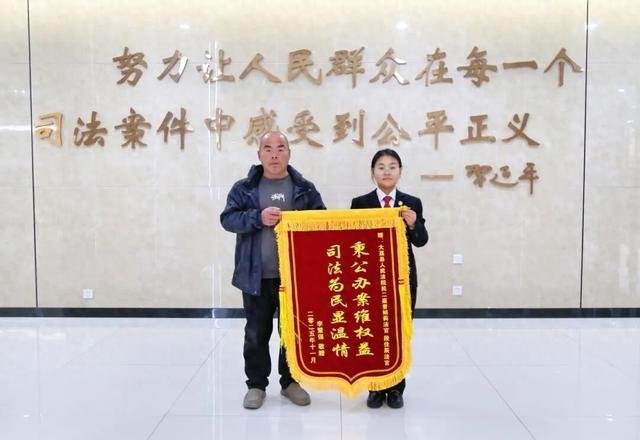
Group 1 - The case involves a contract dispute over a commercial hotel renovation, highlighting the differences between commercial and residential contracts [3][4] - The plaintiff, Mr. Li, was owed over 310,000 yuan for renovation work completed ten years ago, but only received 180,000 yuan, leading to a lawsuit [3] - The court ruled in favor of Mr. Li, ordering the hotel to pay the remaining 130,000 yuan after confirming the validity of the renovation work despite the defendant's claims of contract invalidity [4] Group 2 - The case emphasizes the importance of contractor qualifications, as the Supreme People's Court stipulates that contracts are invalid if the contractor lacks the necessary construction qualifications [4] - The court's decision reflects a commitment to uphold justice and support citizens in contract disputes, reinforcing the judicial system's role in protecting rights [4]
被“钻卡泛滥”背刺的中产,开始逃离希尔顿
3 6 Ke· 2025-12-22 10:46
01 "希尔顿,不想送水果可以不送的。" "说我是金卡,给我送水果,结果拿到手一看,还不如不要......." 前阵子,一位希尔顿金卡会员,在社交媒体上晒了一盘欢迎水果,数量不多,样式简单。 放在国内任何一家快捷酒店,它都算不上失礼,可当它跟希尔顿、金卡会员这样的字眼同时出现时,反倒被网友吐槽了一番。 (素材来源:小红书@qsb) 博主的帖子发出来后,评论区炸出不少有类似经历的网友: "希尔顿的康莱德也很抠,你不问他不说,你问就送半盒蓝莓,希尔顿图上这是常规操作,甚至我还收到过坏的水果。" "希尔顿一直这样,而且你们没人发现,他们的水早几年都换成了冰露吗?真是无力吐槽,大观上看,是节省了一大笔费用,但是真的败好 感。" "金卡给水果已经可以了。" 原本我以为,这只是一次关于酒店水果略显寒酸的情绪宣泄。 直到前天,我和一位希尔顿会员A君聊起这事,才发现事情并不像我想的这么简单。 "记得匿名哈,要不然以后全集团恶心我咋整。"聊天开启之前,A君小心翼翼地跟我打了招呼。 在他看来,帖子中的这盘水果更像是一根早已经在希尔顿会员体系中埋好的一根尖刺。 当酒店服务质量跟不上日益膨胀的会员规模时,突然"啪"的一声,把"希尔顿 ...


新酒店 | 太仓金茂隐逸玫瑰庄园酒店亮相,隐于田园的理想生活场
Xin Lang Cai Jing· 2025-12-22 06:59
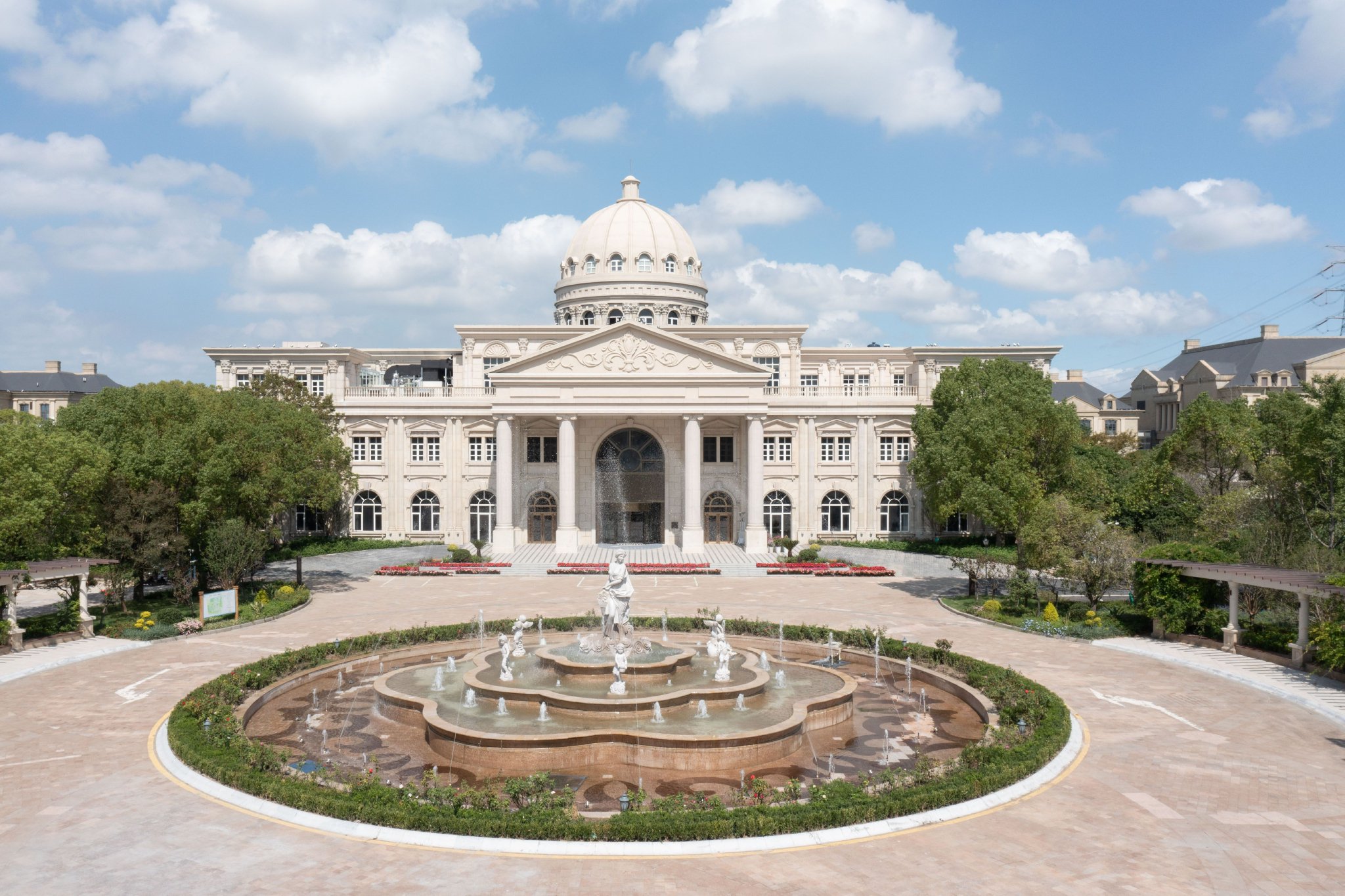
太仓地处江苏省东南端,东枕长江之畔,与上海隔江相望,素有"上海下一站"的美誉。这里不仅是郑和七下西洋的起锚圣地,承载着"天下第一码头"的辉煌 过往,如今更以太仓港为依托,跻身全球百强集装箱港之列。作为声名远扬的"德企之乡",500余家德国企业在此聚势而兴,形成高端装备制造等特色产业 集群。 太仓金茂隐逸玫瑰庄园酒店隐匿于太仓玫瑰园景区核心腹地,是以生态田园为基底,集度假、商务会议、休闲康体于一体的庄园式度假目的地。突破传统度 假空间,构建沉浸式生活美学场域,舌尖珍馐、身心疗愈、家庭欢聚等多元场景,为不同生活方式人群定制专属体验,重构理想生活的诗意想象。 临近圣诞年末,酒店推出一系列限定活动。全日制餐厅特别筹备了节日美食,从澳洲牛肉海鲜火锅、火鸡,到圣诞甜品,开放式厨房的烟火气为冬日增添治 愈感。12月24日,餐厅将推出圣诞主题自助火锅,同步供应圣诞火鸡、节庆甜品、热红酒等特色餐品,届时圣诞老人还将亲临现场与宾客互动,增添节日乐 趣。 在溪莳大堂吧的圣诞季,不止是节日限定甜品,更提供创新茶咖。与好友临窗而坐,享用冬日限定黄金暖阳姜黄拿铁、圣诞限定开心抹茶草莓牛奶以及中式 下午茶,在光影交错间享受假日的自在与惬意 ...
广湛高铁明天开通,乘坐高铁来茂名,有惊喜!
Xin Lang Cai Jing· 2025-12-21 14:32
Group 1 - The core point of the news is the official opening of the Guangzhan High-speed Railway on December 22, 2025, which is expected to boost tourism in Maoming [1] - Maoming is promoting its tourism attractions, including beaches, mountains, and local cuisine, to attract visitors [3][4] - A variety of discounts and benefits will be offered to tourists during the opening period from December 22 to 26, 2025 [4][5] Group 2 - A list of A-level tourist attractions in Maoming will provide free entry for visitors holding valid train tickets during the promotional period [5][6] - Discounts on hotel accommodations and services will be available for guests who present their high-speed train tickets [7][8] - Various local businesses, including hotels and restaurants, are participating in the promotional activities to enhance the visitor experience [7][8]

底价22.65亿,一家丽思卡尔顿要卖了
投中网· 2025-12-20 07:03
Core Viewpoint - The article discusses the sale of the Ritz-Carlton hotel in Sanya by China Jinmao, highlighting a strategic shift towards asset securitization and a light asset strategy in the hospitality sector [5][6][8]. Group 1: Sale of Ritz-Carlton Hotel - China Jinmao announced the intention to sell its 100% stake in Jinmao (Sanya) Tourism Co., Ltd., which owns the Ritz-Carlton hotel, with a base price of 2.265 billion yuan [6]. - The hotel generated approximately 236 million yuan in revenue and 37.78 million yuan in net profit as of August 31, 2025, leading to a static P/E ratio of about 60 times based on the sale price [8]. - This sale is part of a broader trend where developers are moving away from owning luxury assets to focusing on cash-generating projects or light asset operations [8][17]. Group 2: Background of China Jinmao - China Jinmao's main business includes property development, commercial leasing, retail operations, and hotel management, reporting a revenue of 25.113 billion yuan in the first half of 2025, a 14.28% increase year-on-year [15]. - The hotel segment accounted for only 3% of total revenue, with a 12% decline in hotel operating income compared to the previous year [15]. - The company aims to optimize its balance sheet and reduce liabilities through asset securitization rather than merely addressing cash flow pressures [17]. Group 3: Market Trends in Hotel Asset Sales - The hotel industry is experiencing active asset transactions due to various factors, including the financial pressures faced by real estate companies and the operational challenges of high-end hotels [20]. - Recent sales include the Hilton hotel in Sanya, sold for 1.849 billion yuan, and other high-end hotels, indicating a trend of divesting non-core assets [17][20]. - The article notes that the market is witnessing a shift where capital is increasingly being allocated to high-quality hotel assets, reflecting a broader reconfiguration of asset ownership in the hospitality sector [20][23].

兰泊湾总经理宋国清:守正创新 创造价值赢未来
Sou Hu Cai Jing· 2025-12-20 06:08
Core Insights - The hotel industry is undergoing a transformation characterized by "structural differentiation" and "demand upgrading," necessitating a dual focus on tradition and innovation to remain competitive [2][4]. Industry Trends - Consumer accommodation needs are evolving from basic requirements to higher expectations for local characteristics, cultural experiences, smart low-carbon solutions, and health-oriented services [2]. - The influx of capital into the hotel sector has intensified competition, leading to increased operational pressures for both restaurants and hotels [2]. Company Strategy - The company emphasizes "precise demand matching" and has developed a unique approach termed "hotel doctor," focusing on identifying pain points in hotel management and providing customized solutions [2][3]. - The operational model includes a comprehensive involvement in hotel management, from team training to guest reception, ensuring meticulous control over every aspect of service [3]. Performance Metrics - The company achieved significant revenue growth, generating over 10 million yuan from conference receptions in collaboration with Beijing 21st Century Hotel [3]. - The company successfully turned around the Dadu Hotel from losses to profitability within the same year [3]. Policy Environment - Recent government policies, including the "14th Five-Year Plan" and guidelines from the Ministry of Commerce, aim to enhance supply quality and promote innovation in the accommodation sector [4]. Future Outlook - The company is optimistic about the industry's future, advocating for a balance between tradition and innovation, and maintaining a tailored approach to each hotel [4][5].
瑰丽酒店集团首度进军滑雪度假市场 加速全球业务拓展
Zhong Guo Jin Rong Xin Xi Wang· 2025-12-20 01:29
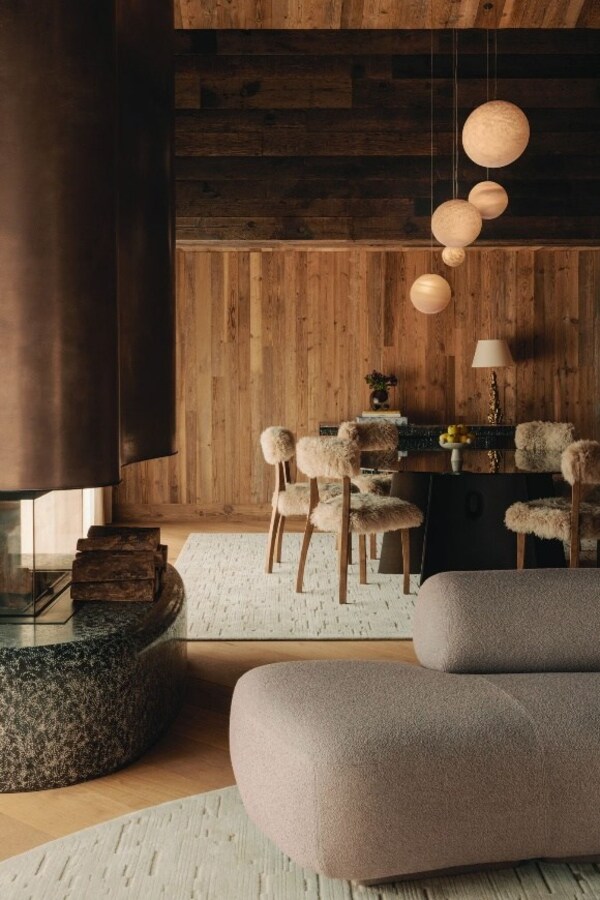
Core Insights - The core message of the news is that the Rosewood Hotel Group, under Chow Tai Fook Enterprises, is successfully advancing its global development projects, with the upcoming opening of its first ski resort hotel, the Courchevel Alpine Garden Rosewood Hotel, marking a significant milestone in its expansion into the ski resort market [1][4]. Group 1: Expansion Strategy - The opening of the Courchevel Alpine Garden Rosewood Hotel will increase the total number of projects set to open by 2025 to eight, spanning three continents, including six Rosewood hotels, one independent Rosewood residence, and the Jinzhou New World Hotel under New World Hotels & Resorts [4]. - The group is committed to a quality-centric expansion strategy, continuously enhancing its global operational performance [4]. Group 2: Unique Offerings - The Courchevel Alpine Garden Rosewood Hotel is located in a prime area of Courchevel 1850 and aims to bring the brand's signature residential luxury to one of the world's most popular ski destinations [4]. - The hotel features luxury accommodations, fine dining, wellness experiences, and a dedicated ski access, showcasing the unique charm and natural beauty of the Alps [4]. Group 3: Vision and Commitment - The CEO of Rosewood Hotel Group emphasized that the new hotel represents a significant milestone in the group's global expansion and demonstrates its ability to enter new experiential domains [4]. - The company's vision focuses on mission-driven growth, creating long-term value, and providing transformative experiences that resonate with communities [4][5].
用细节与诚意,欢迎八方来客(我在中外交流第一线)
Ren Min Ri Bao Hai Wai Ban· 2025-12-20 00:02
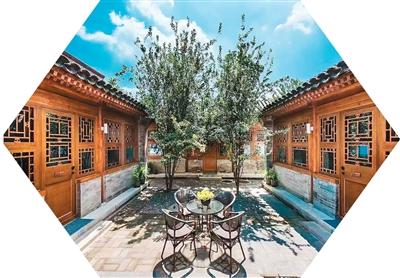
北京前门四合院漫心府酒店的户外休闲区。 北京国贸大酒店推出的烤鸭鱼子酱融合菜。 上海外滩东方美仑美奂酒店外景。本文图片均由受访企业提供 如今,"中国游""中国购"热度持续攀升,入境游客数量不断增长。而"住得好",往往是"玩得好"的第一 步。 近年来,在华酒店不断提升国际化服务能力:外币自助兑换机、双语指示牌、多样化餐饮、定制文化体 验项目……无论是国际连锁品牌,还是特色中式民宿,酒店正在用细节与诚意,迎接来自世界各地的客 人。 硬件升级 适配国际旅客多元需求 在异国他乡,如何住得习惯?适配国际需求的硬件设施是关键。 走进北京前门四合院漫心府酒店,眼前是朱红色的大门,脚下是温润的青石板路。屋内,只见青砖墙、 雕花床、瓷茶具,古色古香;再一瞧,现代化的便利设施一点不少:国际通用插座、智能马桶、恒温花 洒……便利触手可及。 今年以来,漫心府入住外宾数量同比增长超40%,客源来自马来西亚、新加坡、美国、西班牙等多个国 家。"我们想让外国客人既能沉浸式体验中式空间文化,又能享受到和国际接轨的便利配置,不用在'传 统'和'现代'之间做选择。"前门四合院漫心府经理孙晶萍介绍。 硬件升级,不仅要对接国际标准,也要满足个性化需 ...