
水产养殖

Search documents
三文鱼AI数码渔桶示范项目投苗 赣榆“陆海接力”打造蓝色经济新标杆
Yang Zi Wan Bao Wang· 2025-12-02 11:02
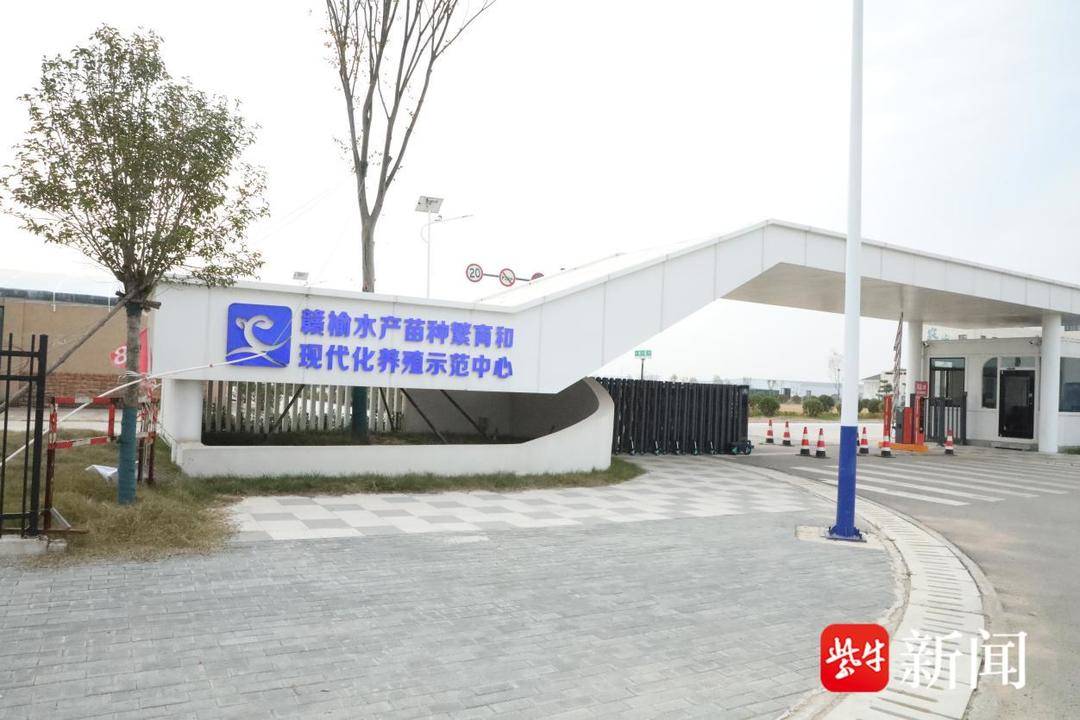
近日,在连云港赣榆水产苗种繁育和现代化养殖示范中心,赣榆农发集团成功投放了13000余尾三文鱼苗,这些鱼苗将在全智能化养殖系统中开启全新的 生长旅程。 赣榆水产苗种繁育和现代化养殖示范中心 记者在养殖车间内看到,4台直径达11米的D100型数码渔桶整齐排列,构建起一个现代化的养殖空间。该示范养殖项目采用了国内领先的陆基分布式微循 环水养殖系统,通过数码渔桶,为鱼苗提供理想的生长环境。养殖系统运用"物理过滤+生化降解+臭氧杀菌"三重净化工艺,使水体循环利用率超过97%, 仅需补充少量蒸发损耗,实现了养殖用水的循环利用和环保排放。 赣榆农发集团技术部经理徐利永介绍,这批鱼苗预计养殖11—12个月后,体重可达2公斤,届时将转移至深海网箱继续养殖。再经过六个月的深海生长, 最终部分供应市场,部分进入工船继续养殖。这种"陆海接力"的创新养殖模式,通过分段养殖、精准管控的优势,既显著缩短了养殖周期,又有效提升了 鱼肉品质和经济效益。 工人们正在投放三文鱼苗 该项目的成功运行,将为赣榆海洋经济发展注入新动能,进一步推动水产养殖业高质量发展。 三文鱼苗 整个养殖过程实现了高度智能化管理,通过AIoT智慧渔业云平台,仅需一名工 ...

支持台胞开设沙县小吃门店等 福建发布12条惠台政策措施
21世纪经济报道· 2025-12-02 06:06
Group 1: Support for Taiwanese Enterprises and Businessmen - The Fujian province has developed 12 policy measures to support Taiwanese enterprises and businessmen, focusing on land and sea use, financial incentives, and industry development [1] - A total of 1,200 acres of land is allocated for the construction of six Taiwanese investment zones, and streamlined processes for sea use projects are introduced [2] - Financial incentives are provided for Taiwanese enterprises in the precision machinery industry, with rewards ranging from 100,000 to 200,000 yuan based on investment levels [2] - Taiwanese aquaculture enterprises can benefit from a 5% discount on insurance premiums, with additional discounts for implementing energy-saving technologies and maintaining a claims-free record [3] - New Taiwanese enterprises in the Putian arts and crafts industry can receive rent exemptions and subsidies for participating in major exhibitions [3] - Taiwanese farmers can access direct supply of agricultural inputs at preferential prices and free testing services for soil and product quality [3] Group 2: Tax Service Optimization for Taiwanese Residents and Enterprises - A smart tax service platform has been established for Taiwanese residents and enterprises, offering 188 intelligent tax services and enabling online processing for 46 types of tax payments [4] - A dedicated tax consultation hotline has been set up to provide bilingual support for Taiwanese tax policies and rights [4] - The tax authority plans to hold 100 tax-related events for Taiwanese enterprises by the end of 2026 to address their concerns and maximize tax benefits [4] Group 3: Promotion of Trade and Cultural Exchange - Taiwanese individuals opening Sha County snack stores in Taiwan can receive a one-time subsidy of 5,000 yuan, with additional training opportunities provided for Taiwanese youth [5] - Support is offered for Taiwanese tourism operators to upgrade homestays in Nanping, with subsidies based on renovation costs [6] - A ticket refund insurance service is available for travelers on the Xiamen-Kinmen route, minimizing financial losses from ticket cancellations [6] - Taiwanese artists performing in Fuzhou can receive a subsidy of up to 20,000 yuan based on their performance contracts [6]

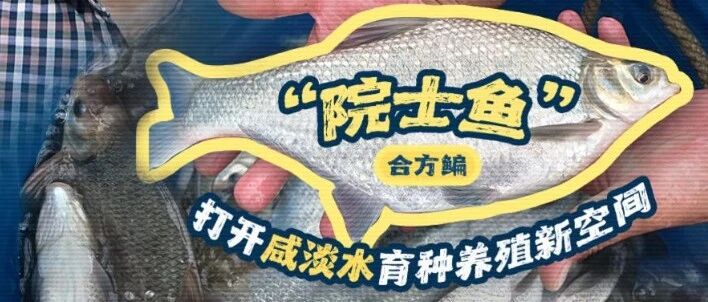
10余年攻坚“良种芯片” ,南沙“院士鱼”养成记
21世纪经济报道· 2025-12-01 09:55
Core Viewpoint - The article highlights the successful breeding and cultivation of the hybrid fish species He Fang Yan, developed by a team led by Chinese Academy of Engineering academician Liu Shaojun, showcasing its economic and ecological benefits in aquaculture [1][2][6]. Group 1: Breeding and Cultivation Process - The He Fang Yan fish, known for its rapid growth and high meat yield, was created through a decade-long research effort involving hybridization techniques [2][3]. - The breeding process involves meticulous selection of parent fish based on physical attributes and vitality, followed by precise environmental control during fertilization and hatching [3][4]. - The breeding team conducts seasonal migrations to optimize breeding conditions, starting in Hainan and moving northward as temperatures rise [3]. Group 2: Economic Impact and Market Integration - A 7-acre fish pond can yield over 30 million yuan in total output, with the fish being sold at a market price of 10 yuan per pound [1][5]. - The integration of technology in aquaculture, including automated systems for monitoring and managing water quality, enhances operational efficiency and data-driven decision-making [4][5]. - The He Fang Yan fish demonstrates adaptability to brackish water environments, achieving high fertilization and hatching rates, which supports sustainable aquaculture practices [5][6]. Group 3: Strategic Alignment and Future Prospects - The breeding and cultivation of He Fang Yan align with China's "14th Five-Year Plan" to strengthen seed innovation and promote the revitalization of the seed industry [1][2]. - The successful cultivation of this fish species not only benefits local aquaculture but also contributes to the high-quality development of the Guangdong fishery industry [6].
广东首次举办省级海洋经济职业技能大赛
Nan Fang Ri Bao Wang Luo Ban· 2025-12-01 07:55
Group 1 - The 2025 Guangdong Province Marine Economy Vocational Skills Competition is held in Zhanjiang, featuring 219 skilled professionals from 22 teams across the province [1] - The competition aims to create a comprehensive platform that integrates strategy, talent development, industry driving, and structural shaping, supporting the marine economy and the "New Maritime Guangdong" initiative [1] - The event covers the entire marine industry chain, from traditional fisheries to high-end marine equipment, aligning with real scenarios and key segments of the marine industry [1] Group 2 - The competition includes five main events: aquaculture technology, maintenance of aquaculture platform control systems, marine equipment welding technology, marine oil and gas equipment maintenance technology, and maintenance of marine oil and gas production instruments [1] - A related recruitment event, "Million Talents Gathering in South Guangdong," takes place simultaneously, with 100 companies offering 3,036 job positions across key sectors such as marine heavy industry, biomedicine, and marine ranching [2] - The job offerings range from no educational requirements to PhD positions, with over 2,600 positions offering annual salaries between 80,000 and 200,000, and nearly 400 positions exceeding 500,000 and 1 million [2]
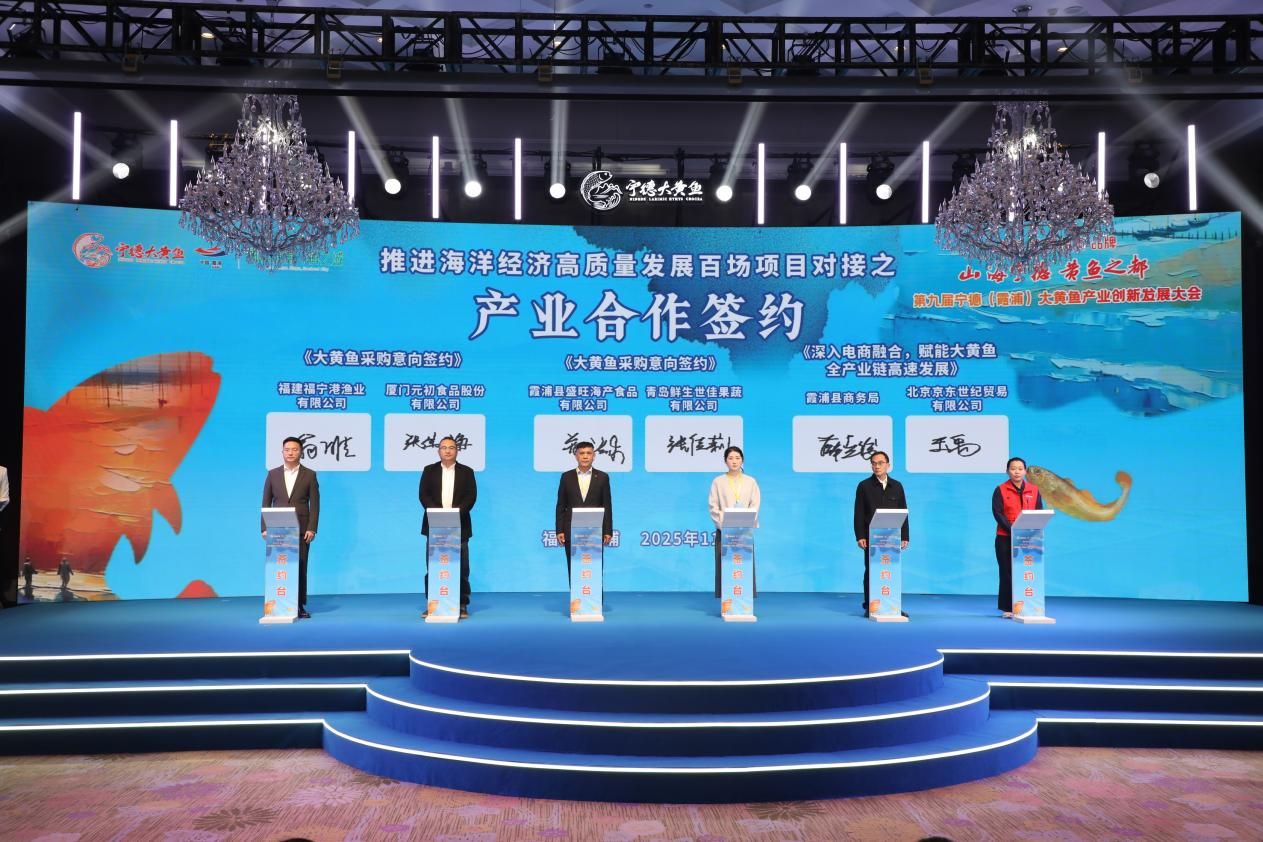
京东生鲜携手宁德霞浦政府战略合作,源头直发助力大黄鱼“游”进千家万户
Zhong Jin Zai Xian· 2025-12-01 06:51
Core Viewpoint - The ninth Ningde (Xiapu) Large Yellow Croaker Industry Innovation Development Conference highlighted the strategic partnership between JD Fresh and the Xiapu County government to enhance the high-quality development of the large yellow croaker industry [1][3]. Group 1: Industry Overview - Ningde, known as the "Capital of Large Yellow Croaker" in China, produces 80% of the country's large yellow croaker, with a projected output of 214,900 tons in 2024 and a total industry value exceeding 20 billion yuan [4]. - The large yellow croaker is a unique marine fish in China, celebrated for its taste and nutritional value, and has been a popular choice for gifting during festivals since ancient times [3][4]. Group 2: JD Fresh's Strategy - JD Fresh, as the only e-commerce company to sign a strategic agreement with the Ningde Xiapu government, leverages its supply chain capabilities to ensure fresh large yellow croaker is processed within six hours of catch and delivered quickly to consumers [3][6]. - The company has established a comprehensive quality assurance system covering production, circulation, and sales, including strict pre-sale, in-sale, and post-sale quality control measures [6][8]. Group 3: Product Innovation and Consumer Engagement - JD Fresh has introduced a "three-clean" process for large yellow croaker, simplifying cooking for consumers by removing scales, gills, and internal organs while maintaining the whole fish form [8]. - The company has implemented a traceability system with QR codes to ensure transparency from breeding to processing, enhancing consumer confidence [8]. Group 4: Market Positioning and Competitive Pricing - JD Fresh's direct sourcing model eliminates intermediaries, allowing for competitive pricing and ensuring consumers receive high-quality large yellow croaker at "production prices" [9]. - The collaboration with leading brands like Sandu Port and Haimingwei aims to create a source direct certification base for large yellow croaker, enhancing brand visibility and market competitiveness [11]. Group 5: Consumer Trends and Product Diversification - There is a growing consumer demand for high-quality protein, leading to the introduction of products like deboned yellow croaker fillets suitable for children and the elderly, as well as various new products to meet diverse consumer needs [13]. - JD Fresh plans to continue collaborating with agricultural industry chains to empower brand upgrades and increase farmer incomes, driving high-quality agricultural development [13].

年产30亿元!凌海亮出海参“金招牌”
Liao Ning Ri Bao· 2025-12-01 05:07
初冬是辽参捕捞的黄金季。在"中国辽参之乡"锦州凌海市,一只只肥硕的海参被"海碰 子"(海参捕捞员)从海中捞起,撑起了一个年产值超30亿元的富民产业。 "我们沿用传统围海养殖模式,不投喂、不用药,靠天吃饭,靠海养参。"养殖户高超承 包了1000余亩海域,今年亩产达200今至300斤。在他看来,凌海海参广受欢迎的核心秘诀就 在于"生态"二字。 如今,凌海已构建起从苗种繁育、生态养殖到精深加工、品牌营销的完整产业链。全市 海参养殖面积达28万亩,养殖户达1200余户,有初加工企业58家、深加工企业2家。预计今 年年底,海参产量将突破2.2万吨,同比增长7.8%以上。 为守护好这片"海上粮仓",凌海市建立了常态化抽检机制,对养殖水体、苗种及成品进 行不定期检测,确保每只海参都让人"吃得放心"。"我们正在规划发展工业旅游,让消费者 走进养殖基地,亲眼见证海参从海底到餐桌的全过程。"凌海市海洋与渔业局局长马达表 示,将推动产业从"卖产品"向"卖体验""卖文化"转型,全力擦亮凌海海参这块"金招牌"。 清晨,天还没亮,凌海市龙海馨港海海洋公园有限公司的养殖基地已是一派忙碌。身着 厚重干式潜水服的"海碰子"宋刚戴好水镜与脚蹼, ...
广西首个鱼生全链条管理规范发布
Guang Xi Ri Bao· 2025-12-01 03:09
Core Viewpoint - The article discusses the official release of the "Comprehensive Management Standards for Fish Sashimi in Hengxian County," which aims to establish a modern management standard system covering the entire supply chain from aquaculture to dining services in Guangxi [1] Group 1: Standard Overview - The standard includes six aspects: aquaculture, transportation, processing, dining services, supply management, and evaluation and recognition [1] - It is the first group standard for the entire fish sashimi supply chain in Guangxi [1] Group 2: Risk Management - The standard implements a closed-loop governance system for fish sashimi in Hengxian County, requiring aquaculture units to conduct risk prevention from the source [1] - Measures include controlling water environment to effectively cut off the transmission routes of parasites [1] Group 3: Inspection and Certification - Before market release, fish must undergo mandatory inspections, with a requirement to provide a qualified inspection report [1] - Inspection items include drug residue testing and key indicators such as liver fluke larvae [1] Group 4: Cultural Integration - The standard incorporates elements of intangible cultural heritage and traditional Chinese medicine dietary theory [1] - Skills such as knife techniques and plating art are included in the evaluable assessment system [1]
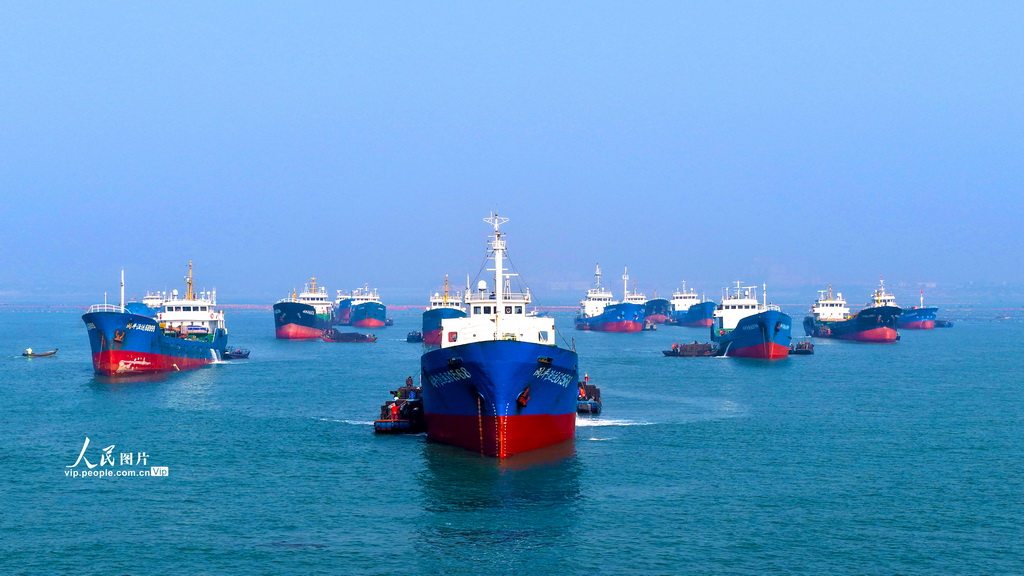
山东荣成:鲍鱼苗“南迁”
Ren Min Wang· 2025-12-01 02:52
山东荣成:鲍鱼苗"南迁"【3】 山东荣成:鲍鱼苗"南迁"【4】 山东荣成:鲍鱼苗"南迁"【5】 山东荣成:鲍鱼苗"南迁" 山东荣成:鲍鱼苗"南迁"【2】 山东荣成:鲍鱼苗"南迁"【6】 ...
鱼子酱龙头鲟龙科技转战港股
Xin Lang Cai Jing· 2025-12-01 00:37
Core Insights - The article discusses the challenges and opportunities faced by Xunlong Technology, a leading caviar producer in China, as it attempts to go public in Hong Kong after three failed attempts at an A-share IPO [5][6][7]. Company Overview - Xunlong Technology is the largest caviar producer globally, holding a market share of 35.4%, significantly surpassing its nearest competitor [5][6]. - The company has established a well-known caviar brand, "KALUGA QUEEN," and exports products to 46 countries, serving major airlines [6]. Financial Performance - From 2022 to 2024, Xunlong Technology's revenue grew from 491 million to 669 million CNY, with net profit increasing from 234 million to 324 million CNY [6]. - In the first half of 2025, the company reported revenue of 302 million CNY and a net profit of 176 million CNY [6]. - The company achieved a gross margin of 71.3% and a net margin of 58.3% in the first half of 2025, indicating exceptional profitability [6]. IPO Challenges - Xunlong Technology has faced significant hurdles in its IPO attempts, with three failed applications for A-share listings due to regulatory concerns regarding related party transactions and financial data integrity [7][8]. - The first IPO attempt in 2011 was rejected due to concerns over related party transactions, while the second attempt in 2014 faced scrutiny over overseas sales and inventory levels [7][8]. Industry Dynamics - The global caviar market is experiencing rapid growth, with sales increasing from 402.5 tons in 2019 to 729.2 tons in 2024, reflecting a compound annual growth rate of 12.6% [11]. - Xunlong Technology's competitive advantage lies in its comprehensive value chain, including breeding, farming, processing, and marketing, supported by strong research collaborations [11][12]. Market Risks - The company is heavily reliant on overseas markets, with approximately 80% of its revenue coming from international sales, making it vulnerable to changes in foreign policies [10]. - Xunlong Technology's financial performance is also affected by the volatility of biological asset valuations, which can significantly impact profit margins [9][10].

巴西可持续牡蛎养殖“双丰收”
Jing Ji Ri Bao· 2025-11-29 23:16
Core Viewpoint - The article highlights the transformation of the community in the village of Lauluso de Rey in Pará, Brazil, through sustainable oyster farming, which has shifted the local economy from traditional fishing to a more sustainable source of income while promoting ecological conservation [1][2]. Group 1: Economic Transformation - The village has over 1,000 indigenous residents who have adopted an efficient oyster farming technique, significantly changing their primary economic activity from fishing to sustainable oyster farming [1]. - The introduction of this oyster farming technology has led to a survival rate of over 90% for marketable oysters, compared to only 50% with traditional methods [2]. Group 2: Environmental Impact - The oyster farming practice contributes to ecological benefits, as oysters filter large volumes of water daily, reducing water turbidity and nutrient levels, which is crucial in the context of climate change [2]. - The region's unique ecosystem, where freshwater and seawater meet, enhances the quality of the oysters, making them more flavorful and plump [2]. Group 3: Community Development - The Chico Mendes Biodiversity Conservation Foundation has established a protected area to promote sustainable use of renewable natural resources among traditional communities [2]. - Local residents are trained in entrepreneurship and management to safeguard against environmental threats and promote sustainable practices [2]. Group 4: Cultural Aspects - The community has also found ways to utilize oyster shells, creating handmade crafts that add additional income streams, demonstrating a zero-waste approach [3].