
智能汽车

Search documents
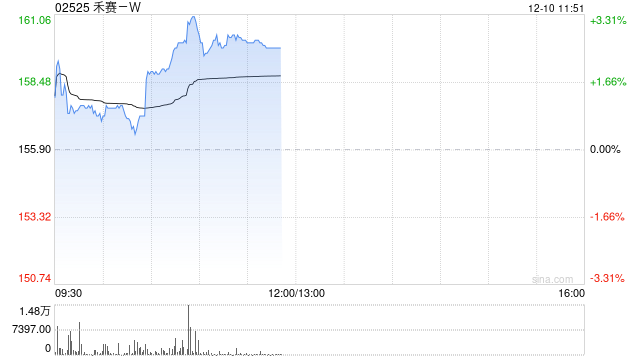
禾赛-W午前涨近3% MPV吉利银河V900搭载禾赛激光雷达
Xin Lang Cai Jing· 2025-12-10 03:52
Core Viewpoint - Hesai Technology's stock (02525) has seen a price increase of 2.57%, reaching HKD 159.90, with a trading volume of HKD 31.1976 million, following the unveiling of the Geely Galaxy V900 at the 23rd Guangzhou Auto Show, which features advanced AI technology and enhanced driving assistance capabilities [5]. Group 1: Company Developments - The Geely Galaxy V900 is the flagship MPV that incorporates the new generation of super AI range extension technology [5]. - The vehicle is equipped with the Qianli Haohan H5 driving assistance system, which includes 27 perception units, such as Hesai's long-range high-precision lidar, enabling 360-degree situational awareness [5]. - The V900 features an industry-leading end-to-end no-map NOA function, supporting navigation in various driving conditions, including highways and urban environments, and can perform complex maneuvers like voice lane changes and U-turns [5]. Group 2: Future Outlook - The launch of the Geely Galaxy V900 marks a new journey for the Geely Galaxy brand towards upward positioning [5]. - Hesai Technology plans to deepen its collaboration with Geely Galaxy in the future [5].

协同合作,加快汽车智能化“出海”——记第七届全球智能驾驶大会
Zhong Guo Qi Che Bao Wang· 2025-12-10 02:55
Core Viewpoint - During the "14th Five-Year Plan" period, China's automobile exports have increased from less than 2 million to nearly 6 million, transitioning from single vehicle exports to collaborative industry chain exports, achieving significant growth in both quantity and quality [2] Group 1: Development of Intelligent Vehicles - The automotive industry has entered the era of intelligent connected vehicles, with a consensus on the strategic transformation towards smart vehicles globally [3] - In the first seven months of this year, the penetration rate of L2+ intelligent driving in new passenger cars in China reached 62.6%, with 4G/5G installation rates at 60.5% and 22.2% respectively [3] - The shift from "single vehicle export" to "system export" includes not only intelligent vehicles but also the supply chain and digital services, indicating vast potential for growth [3][4] Group 2: Competitive Advantages - Chinese automobiles have higher hardware configurations, more complete software ecosystems, and richer intelligent functions compared to overseas markets, leading to better user experiences [4] - The penetration rate of L2+ auxiliary driving technology in China has reached 20%, with many advanced driving technologies expected to be widely applied next year, showcasing a technological lead [4] - The rapid innovation and industrialization of China's intelligent driving industry have created significant cost and scale advantages over overseas supply chains [4][5] Group 3: Challenges in Global Expansion - The intelligent vehicle export faces challenges such as regulatory differences, localization service inadequacies, and data security compliance requirements [6][7] - There is a need for deep market adaptation rather than simple technology transfer to build trust and understanding among diverse cultural backgrounds [7] - Trade barriers and geopolitical tensions, particularly between the US and Europe, pose additional challenges to the global expansion of China's intelligent vehicles [7] Group 4: Collaborative Strategies for Success - Industry players are encouraged to shift from competition to cooperation, focusing on service and solution exports rather than just product sales [8] - Establishing localized manufacturing through joint ventures, technology licensing, and enhancing collaboration with multinational companies are essential strategies [8] - Building a supportive global industrial environment requires regulatory dialogue, data compliance mechanisms, and the establishment of ecological clusters overseas [8]

销量创纪录后,鸿蒙智行“五界”齐聚一堂官宣共建新“联盟”
Xuan Gu Bao· 2025-12-10 00:40
Group 1 - The strategic alliance announced by Hongmeng Zhixing and five brands aims to enhance standardized service systems, build charging networks, and innovate technology implementation [1] - The first MPV model, Zhijie V9, is set to launch in spring 2026, with high-end configurations expected to make it a leading MPV on the market [1] - In November, Hongmeng Zhixing achieved a record monthly delivery of 81,864 vehicles, marking a year-on-year increase of 89.61% [1] Group 2 - Dongfang Securities noted that Hongmeng Zhixing has gained consumer recognition in the high-end and luxury market, with plans to expand its product matrix to capture more market share in the domestic mid-to-high-end new energy vehicle sector [1] - Huawei's advanced driving capabilities are positioned in the top tier domestically, which is crucial for high-end brands like Zunjie and Wenjie to capture market share from traditional high-end models [1] - Xiangcai Securities highlighted the rapid increase in penetration rates of intelligent components such as smart cockpits and HUDs, indicating potential benefits for related companies [2] Group 3 - Bojun Technology is the sole supplier of body parts for the Seres Wenjie M5, M7, M8, and M9 models, indicating a strong position in the supply chain [3] - BAIC Blue Valley is focusing resources on its core brands "Xiangjie" and "Jihu," with a current design capacity of 120,000 vehicles per year for the Xiangjie super factory, which can support increasing orders effectively [3]
大反转,新华社实锤雷军,一切都结束了
Xin Lang Cai Jing· 2025-12-09 13:43
Group 1 - The core issue revolves around the marketing practice of using large fonts for attractive claims while hiding important disclaimers in small fonts, which has led to consumer frustration and distrust [2][39][50] - A recent commentary by Xinhua criticized this practice, coining the phrase "big words attract attention, small words disclaim responsibility," highlighting the industry's tendency to mislead consumers [39][40] - The controversy was ignited by Xiaomi's promotional materials for the Xiaomi 17 Pro, which prominently featured the phrase "King of Backlight" in large text, while a small disclaimer stated it was merely a design goal [6][43][45] Group 2 - Xiaomi's marketing strategy has been scrutinized for using similar tactics across multiple promotional materials, leading to public backlash and increased scrutiny from consumers [8][46] - The issue is not unique to Xiaomi; industry figures like Luo Yonghao have pointed out that such practices are common in the smartphone sector, where companies often use small disclaimers to mitigate legal risks [50][54] - The company has begun to adjust its marketing approach, as seen in the recent promotion of its Xiaomi HAD enhanced driving assistance system, which now includes clear disclaimers in larger text [50][54] Group 3 - Xiaomi has experienced significant growth, with its automotive division achieving record sales, including the fastest record for a new energy vehicle company to reach 500,000 units [60][61] - Financial results for Q3 show Xiaomi's revenue at 113.1 billion yuan, a 22.3% year-over-year increase, with adjusted net profit rising 80.9% to 11.3 billion yuan [61] - Despite the positive financial performance, controversies surrounding product marketing and consumer trust issues continue to pose challenges for the company [62][66] Group 4 - Legal challenges have emerged, including a lawsuit from over 100 customers regarding alleged false advertising related to the Xiaomi SU7 Ultra, which is currently under judicial review [63][64] - A recent court ruling ordered Xiaomi to refund double the deposit to consumers for unfulfilled vehicle deliveries, signaling potential implications for the company's sales practices [66] - The shifting public perception of Xiaomi and its founder Lei Jun reflects the dual challenges of rapid growth and the need for transparent marketing practices [70][71]


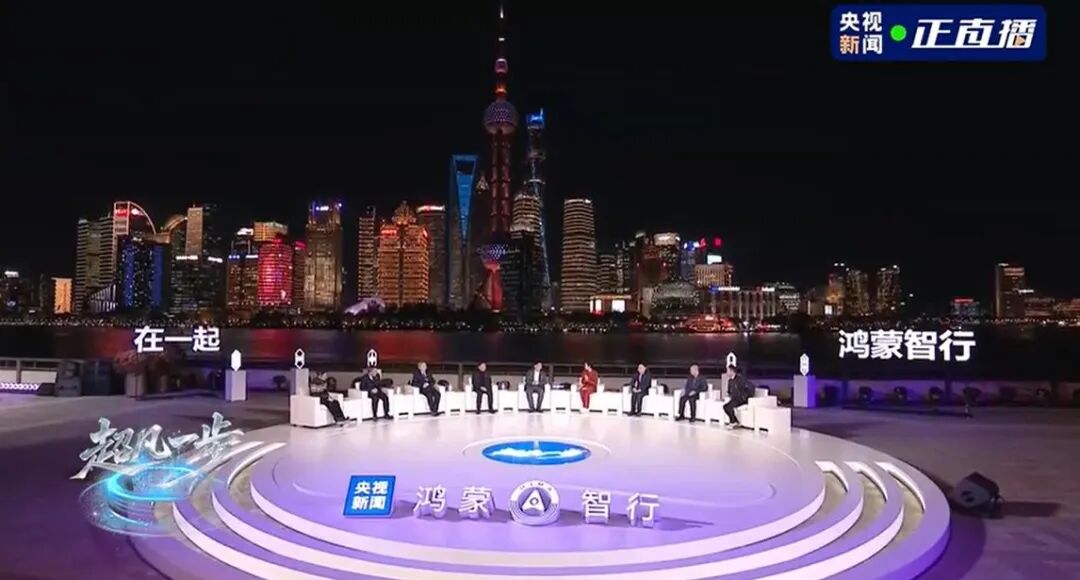
鸿蒙智行“五界”老总“合体直播”!余承东透露多款新车信息,称明年或进入L3、L3+时代
Mei Ri Jing Ji Xin Wen· 2025-12-09 13:41
Core Insights - Huawei's HarmonyOS Automotive division, known as "Hongmeng Zhixing," has achieved significant sales growth, with November sales reaching 81,864 units, marking a year-on-year increase of 89.61% and setting a record for monthly sales since its establishment [1] - The division has surpassed a cumulative delivery of 1 million vehicles, achieving this milestone in 43 months, with expectations to reach the next million in just over a year [2] - New models are set to be launched in 2024, including the first MPV named V9 and a high-performance SUV, with plans for multiple new vehicle releases across various brands [3] Group 1 - The live stream featured key executives from various automotive companies, including Huawei's Executive Director Yu Chengdong and leaders from Seres Group, Chery Automobile, Beijing Automotive Group, Jianghuai Automobile Group, and SAIC Motor [1] - Yu Chengdong emphasized the collaborative nature of the partnerships with these automotive companies, likening them to a train where each part contributes to the overall success [1] - The "Five Realms" of Hongmeng Zhixing are compared to a basketball team, indicating a preference for maintaining a focused group rather than expanding excessively [1] Group 2 - The "Zun Jie S800" has achieved over 18,000 pre-orders within 175 days of its launch, with more than 10,000 units delivered and an average monthly delivery exceeding 2,000 units [2] - The "Shang Jie H5" has surpassed 10,000 deliveries in just 43 days, with the second batch of 20,000 units delivered by December 9 [2] - Future product plans include at least two new models for the "Shang Jie" brand and a stylish new coupe aimed at competing with high-end European models [3] Group 3 - The upcoming models will feature advanced driving assistance capabilities, with plans to transition to L3 and L3+ levels of autonomous driving by next year, aiming for L4 by 2027 [3] - The "Wen Jie M6" is set to debut next year, along with three new models from the "Xiang Jie" brand, which will include an SUV and an MPV [3] - The "Zun Jie" brand is also expected to unveil ultra-luxury vehicles, with designs already completed for various models including sedans, SUVs, and MPVs [3]
理想的实践与回归
3 6 Ke· 2025-12-09 12:10
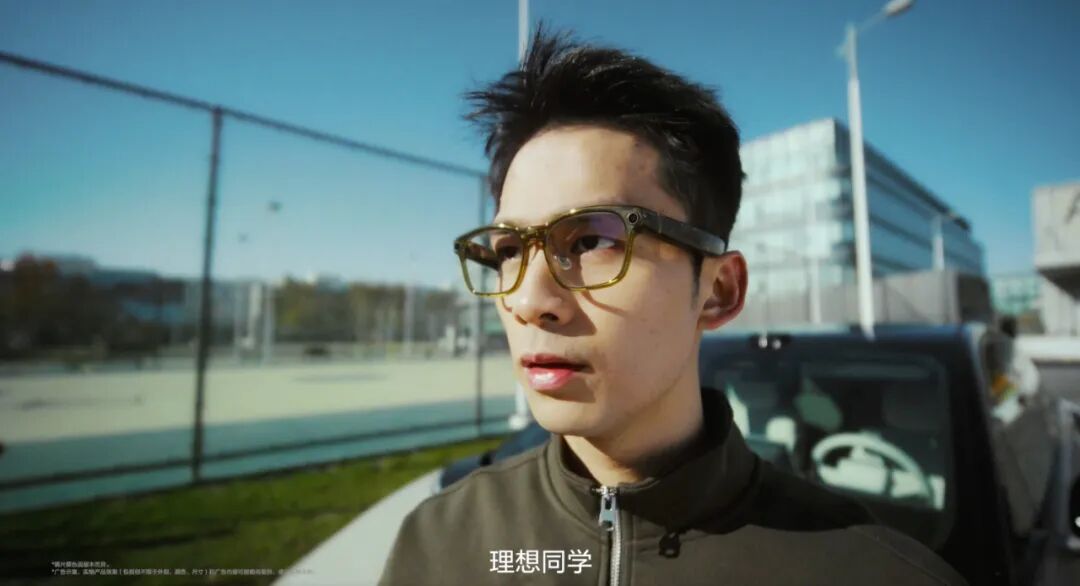
Core Insights - The article discusses the strategic shifts of Chinese automotive companies, particularly focusing on Li Auto and its CEO Li Xiang's approach to transitioning towards AI and high-end market positioning [1][4][5]. Group 1: Strategic Shifts - Li Xiang implemented a "Learn from Huawei" strategy in 2023, emphasizing the transition from efficiency to scale as the core focus of the company [1]. - The automotive industry has seen a shift where companies like Tesla and Li Auto are moving towards AI-centric models, with Tesla's focus on AI and Robotaxi indicating a broader industry trend [2][3]. - Li Auto aims to become a leading AI company by 2030, with Li Xiang dedicating significant attention to AI development while establishing a robust operational foundation [4][5]. Group 2: Market Positioning and Challenges - Li Auto's MEGA model was launched with a target price above 500,000, marking the company's entry into the high-end market, but faced challenges in achieving expected sales due to market competition [7][8]. - The competitive landscape has intensified, with other companies like NIO and XPeng focusing on cost reduction and value offerings, making it difficult for Li Auto to maintain its high-end positioning [9][11]. - Li Xiang's decision to revert to a founder-led management model reflects a strategic pivot to regain control and enhance operational efficiency amidst market pressures [12][15]. Group 3: Employee Welfare and Corporate Culture - Li Auto's strategy includes improving employee compensation, with a goal for factory workers' salaries to exceed German levels within three years, emphasizing the importance of employee welfare in establishing a high-end brand [7][8]. - The company's approach to management focuses on empowering professionals within the team, allowing for greater flexibility and responsiveness to market changes [13][14].

邢自强谈“十五五”:“星辰大海”与“柴米油盐”的双向奔赴
2 1 Shi Ji Jing Ji Bao Dao· 2025-12-09 11:03
Core Insights - China is leveraging its unique industrial chain, engineer dividend, and large-scale market advantages to position itself as a global leader in cutting-edge technology [1][4] - The "14th Five-Year Plan" emphasizes technological innovation, consumer upgrades, and social welfare, with a focus on transforming the blueprint into sustained consumer potential through effective implementation of key tasks [1][7] Group 1: Advantages Driving China's Competitive Edge - China's competitive edge is attributed to three main advantages: industrial chain clustering effects, engineer dividends, and a policy framework supported by a vast domestic market [4] - The integration of industrial policy with market mechanisms allows Chinese companies to achieve better pricing and support R&D investments, particularly in sectors like artificial intelligence [4] - Despite the U.S. having approximately ten times the capital expenditure in AI, China demonstrates comparable efficiency in practical application scenarios, showcasing its first-mover advantage in several key sectors [4][5] Group 2: Strategies for Boosting Consumption - To break the weak economic cycle, broader reforms and economic support are necessary beyond just technological innovation, as highlighted in the "15th Five-Year Plan" [7] - Strengthening the social security system is crucial for addressing low-price cycles and increasing consumer spending, with proposals to raise monthly social security subsidies for farmers and migrant workers from approximately 220 yuan to 1,000 yuan by the end of the "15th Five-Year Plan" [8] - If social security reforms are successfully implemented, it is projected that the share of household consumption in GDP could rise from about 40% to 45% within five years, potentially leading to a domestic consumption market exceeding $10 trillion by 2030 [8] Group 3: Real Estate Market Stabilization - To stabilize the real estate market, three policy directions are suggested: inventory reduction through government acquisition of properties for affordable housing, debt restructuring for certain real estate companies to prevent risk spread, and mortgage interest subsidies to encourage home purchases [9][10] - The effectiveness of these measures hinges on addressing concerns about public resource allocation for historical issues, with the mortgage subsidy approach being more operationally feasible [10]
在中国,为世界:宝马如何用AI定义下一代豪华
2 1 Shi Ji Jing Ji Bao Dao· 2025-12-09 10:29
Group 1 - BMW is systematically enhancing its smart vehicle ecosystem in China through collaborations with three Chinese tech companies, focusing on AI capabilities from cloud computing to vehicle decision-making [1] - The partnerships include Alibaba for AI in smart cockpits, DeepSeek for AI integration in onboard systems, and Momenta for developing advanced driving assistance systems tailored for the Chinese market [1][3] - BMW's strategy aims to align with the rapid technological evolution and user demands in China, emphasizing localized AI technology across perception, interaction, and decision-making [1] Group 2 - The launch of the "360-degree AI" strategy in March marks a significant shift for BMW, integrating AI deeply into the entire value chain from R&D to sales and service [2] - The self-developed AI platform "GAIA" serves as a core component of this strategy, aiming to redefine how AI creates value across the organization [2][7] - BMW has a history of AI applications in China dating back to 2018, with the introduction of the "BEACON" platform in 2022 providing foundational data intelligence for production and operations [2] Group 3 - The collaboration with Momenta focuses on developing a new generation of intelligent driving assistance solutions based on BMW's new generation models, set to debut in 2026 [3][4] - The system will be tailored to local driving conditions in China, providing comprehensive navigation assistance for urban and highway scenarios [3] - Extensive testing is being conducted in both virtual and real-world environments to ensure the reliability and safety of the new system [4] Group 4 - The AI-driven system aims to enhance vehicle adaptability to complex Chinese road conditions, integrating Momenta's AI algorithms with BMW's expertise in vehicle safety and human-machine interaction [5] - The new system will be a key part of BMW's transition to "software-defined vehicles," combining advanced driving technologies with innovative human-machine interfaces [5][6] - BMW's development philosophy emphasizes smart driving, symbiotic interaction, and safety, ensuring a secure user experience [5] Group 5 - The "GAIA" platform is designed to be a digital foundation for BMW's AI capabilities, facilitating innovation and operational efficiency across the organization [7][8] - It aims to democratize AI usage within the company, allowing employees to create applications and manage knowledge assets without requiring extensive technical expertise [8][9] - The platform integrates both internal and external AI technologies, ensuring compliance with safety and regulatory standards while promoting innovation [9] Group 6 - AI solutions are being applied in various areas such as quality control and spare parts management at BMW's production facilities, supporting the upcoming launch of the new generation BMW iX3 in 2026 [10] - The integration of AI into BMW's operations is seen as essential for maintaining high production quality and adapting to the evolving automotive landscape [10][11]
鸿蒙智行全面深化“五界”战略合作
Yang Shi Wang· 2025-12-09 07:46
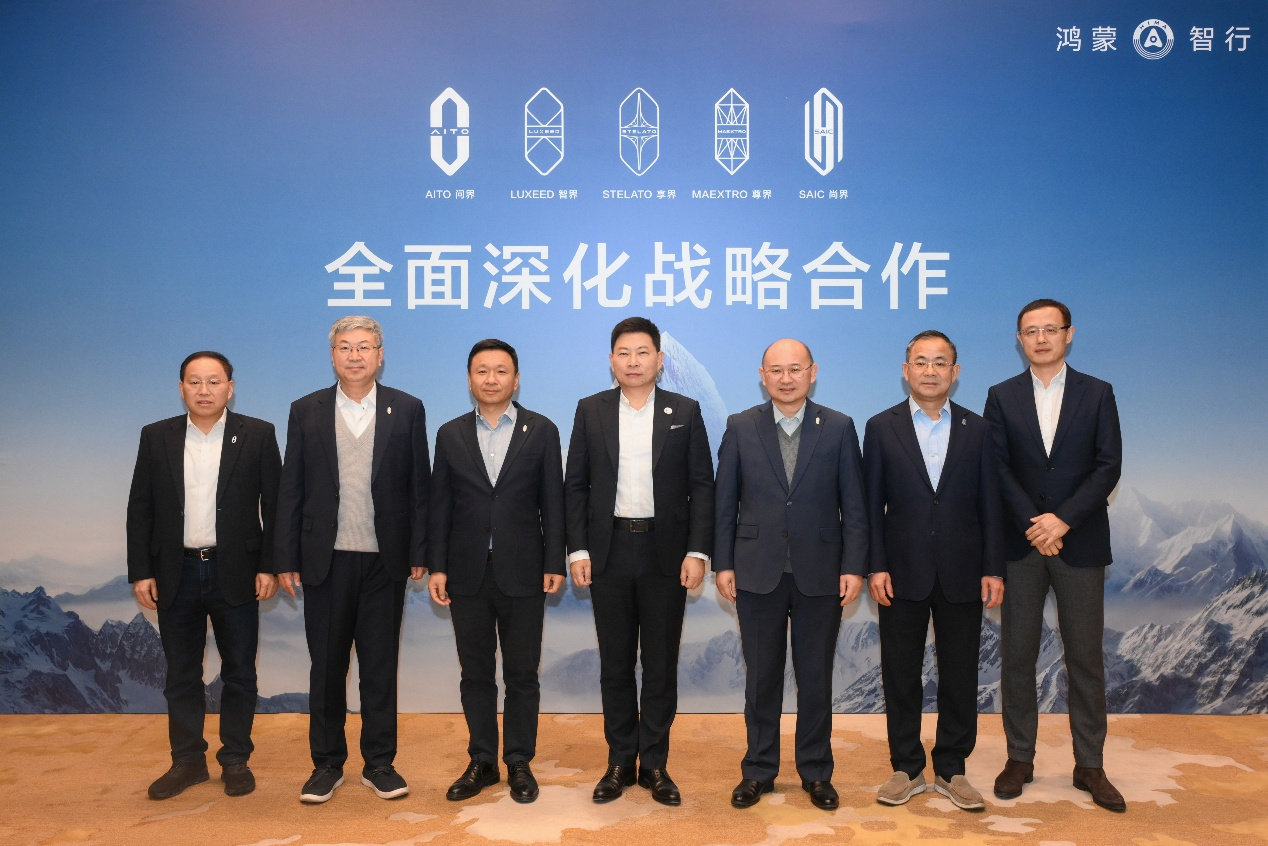
此次合作升级将围绕"统一标准、资源共建"的核心理念展开,意味着鸿蒙智行全方位生态联盟的合作再升级。联盟将重点推进以下五大领域合作: 一、推动解决方案平台化:推进鸿蒙座舱、智能驾驶、云服务等核心技术和部件的标准化,统一质量管控与生态接口,让车辆品质更稳定,助力中国智 能汽车标准体系创新。 二、构建标准化服务体系:联盟将打造行业内首个跨品牌共享售后服务中心网络,实现售前、交付、售后等全流程高质量服务标准化。 三、共建充电网络:五界品牌将联合投资建设"鸿蒙智行充电站",整合现有充电资源,构建覆盖全国的超级补能网络。通过统一的账号体系和充电地 图,为用户提供无缝的补能体验。 12月8日,鸿蒙智行问界、智界、享界、尊界、尚界品牌在上海共同宣布,将进一步全面深化战略合作。 华为常务董事、产品投资委员会主任、终端BG董事长余承东,赛力斯集团董事长(创始人)张兴海,奇瑞汽车股份有限公司董事长尹同跃,北京汽车 集团有限公司党委书记、董事长张建勇,江汽集团党委书记、董事长项兴初,上海汽车集团股份有限公司党委书记、董事长王晓秋等共同出席并见证了鸿蒙 智行合作的升级。 四、加快创新技术落地:设立联盟创新中心,共同研发下一代智能汽车技 ...
鸿蒙智行“五界”官宣:共建统一服务体系 打造智能汽车生态联盟
Xin Jing Bao· 2025-12-09 06:56
12月8日,鸿蒙智行问界、智界、享界、尊界、尚界在上海共同宣布全面深化战略合作。 据悉,此次合作升级将围绕"统一标准、资源共建"的核心理念展开,联盟将重点推进归一化、平台化解 决方案,标准化服务体系,共建充电网络,创新技术落地,联合营销服务五大领域合作,意味着鸿蒙智 行全方位生态联盟的合作再升级。 (文章来源:新京报) 具体来看,归一化、平台化解决方案将推动鸿蒙座舱、智能驾驶、云服务等核心技术和部件的标准化, 统一质量管控、统一生态接口;联盟将打造行业内首个跨品牌共享售后服务中心网络,实现售前、交 付、售后等全流程服务标准化;五界品牌还将联合投资建设"鸿蒙智行充电站",整合现有充电资源,构 建覆盖全国的超级补能网络,通过统一的账号体系和充电地图,为用户提供无缝的补能体验;设立联盟 创新中心,共同研发下一代智能汽车技术,加速创新成果商业化应用;建立联盟层面的营销服一体化操 盘机制,实现品牌协同、资源互补,提升整体市场竞争力。 11月,鸿蒙智行全系交付量为81864 辆,同比增长89.61%,创下了自成立以来单月销量的最高纪录。 ...