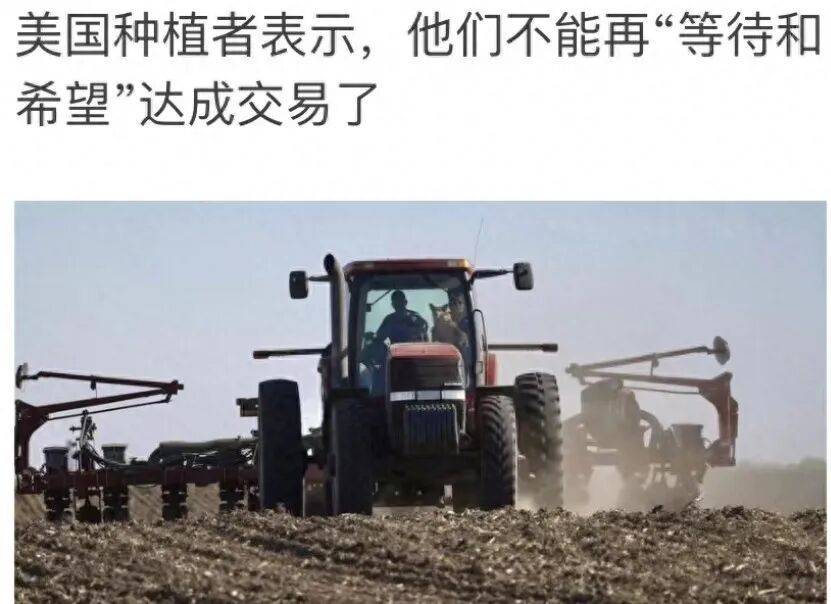
农产品种植

Search documents
【早间看点】SPPOMA马棕9月前25日产量环比减4.14% PAN巴西大豆播种进度已达4.16%-20250929
Guo Fu Qi Huo· 2025-09-29 06:16
1. Report Industry Investment Rating No relevant content provided. 2. Core Viewpoints The report presents a comprehensive overview of the futures market, including spot prices, fundamental information, macro - news, and capital flows. It covers multiple commodities such as palm oil, soybeans, and their derivatives, as well as related macro - economic indicators and policy actions. 3. Summary by Directory 01 Spot Quotes - The closing price of BMD Malaysian palm oil futures contract 12 was 4396.00, with a previous - day decline of 0.99% [1]. - Brent crude oil futures contract 12 on ICE closed at 68.82, with a previous - day increase of 0.03% and an overnight decline of 1.40% [1]. - NYMEX WTI crude oil futures contract 11 closed at 65.19, with a previous - day decline of 0.05% and an overnight decline of 1.72% [1]. - CBOT soybean futures contract 11 closed at 1014.00, with a previous - day increase of 0.20% and an overnight decline of 0.07% [1]. - The US dollar index was at 98.16, with a decline of 0.28% [1]. 02 Spot Quotes (Continued) - For DCE palm oil futures contract 2601, the spot price in North China was 9340, with a basis of 90 and a daily basis change of - 10 [2]. - For DCE soybean oil futures contract 2601, the spot price in Shandong was 8420, with a basis of 222 [2]. - For DCE soybean meal futures contract 2601, the spot price in Shandong was 2920, with a basis of - 25 and a daily basis change of 11 [2]. - The CNF quote for Brazilian imported soybeans was 478 dollars per ton, with a CNF premium of 290 cents per bushel [2]. 03 Important Fundamental Information 3.1 Production Area Weather - From October 1 to 5, high - temperature conditions will continue in major US soybean - producing states, with varying precipitation levels [3]. - The weather in the US Midwest will become dry over the weekend and this week, which is conducive to corn harvesting. However, scattered showers may delay the harvesting progress in the south and east regions until Thursday, but the drought situation may improve [5]. 3.2 International Supply and Demand - From September 1 - 25, 2025, Malaysian palm oil production decreased by 4.14% month - on - month, with a 3.19% decrease in yield per unit area and a 0.18% decrease in oil extraction rate [7]. - From September 1 - 25, 2025, Malaysian palm oil product exports were 795,947 tons, a 14.73% decrease compared to the same period last month [7]. - India's edible oil imports in the 2025/26 fiscal year are expected to increase by 4.6% to a record 17.1 million tons, driven by a 13.4% surge in palm oil imports to 9.3 million tons [8]. - As of the week ending September 23, CBOT soybean long positions decreased by 1407 lots to 165,944 lots, and short positions increased by 14,032 lots to 160,196 lots [8]. - Brazil's 2025/26 new - season soybean planting has started rapidly, with 4.16% of the expected planting area already sown, compared to 0.54% in the same period last year [9]. - As of last Friday, the soybean planting progress in Mato Grosso, Brazil, reached 5.97%, much faster than the 0.53% in the same period last year [9]. - After Argentina suspended the grain export tax from last Tuesday to Wednesday, it still has 7.6 million tons of soybean derivatives and 8.9 million tons of corn available for export, with a total value of 4.93 billion dollars [9]. - Consulting firm Expana has raised its forecast for EU rapeseed production in the current year to 20.4 million tons, a 21.4% increase from the previous year [10]. - As of the week ending September 24, the rapeseed harvesting rate in Saskatchewan, Canada, was 41.7% [10]. - In 2024, rapeseed accounted for less than a quarter of the raw materials for biodiesel and renewable diesel in Canada. Canada imported a large amount of used biodiesel and renewable diesel [11]. - On Friday, the Baltic Dry Index decreased by 7 points or 0.31% to 2259 points, with a weekly increase of 2.5% [12]. 3.3 Domestic Supply and Demand - On September 28, the trading volume of soybean oil and palm oil was 0 tons, a 100% decrease compared to the previous trading day [14]. - On September 28, the trading volume of soybean meal in major domestic oil mills was 30,500 tons, a decrease of 32,000 tons compared to the previous trading day [14]. - In the 39th week (September 20 - 26), the actual soybean crushing volume of domestic oil mills was 2.2672 million tons, with an operating rate of 63.28%, 120,600 tons lower than the forecast [14]. - As of the week ending September 26, the self - breeding and self - raising pig farming profit was a loss of 74.11 yuan per head, and the profit from purchasing piglets for farming was a loss of 236.57 yuan per head [15]. - On September 28, the "Agricultural Product Wholesale Price 200 Index" was 118.85, up 0.07 points from last Friday [15]. 04 Macroeconomic News 4.1 International News - The final value of the US one - year inflation rate expectation in September was 4.7%, lower than the expected 4.8% [17]. - The final value of the US Michigan Consumer Confidence Index in September was 55.1, lower than the expected 55.4 [17]. - The US core PCE price index annual rate in August was 2.9%, in line with expectations [17]. - The EU has appealed the panel report on the Indonesian biodiesel import tariff dispute at the WTO [17]. 4.2 Domestic News - On September 26, the US dollar/Chinese yuan exchange rate was reported at 7.1152, up 34 points (depreciation of the Chinese yuan) [19]. - On September 26, the People's Bank of China conducted 165.8 billion yuan of 7 - day reverse repurchase operations, resulting in a net withdrawal of 188.5 billion yuan [19]. - In August, the profits of industrial enterprises above the designated size in China increased by 20.4% year - on - year, compared to a 1.5% decline in the previous month [20]. - The third - quarter (110th) regular meeting of the Monetary Policy Committee of the People's Bank of China was held on September 23, emphasizing the implementation of a moderately loose monetary policy [20]. 05 Capital Flows - On September 26, 2025, the futures market had a net capital outflow of 7.678 billion yuan, including a net outflow of 7.205 billion yuan in the commodity futures market, 246 million yuan in the stock index futures market, and 132 million yuan in the treasury bond futures market [22]. 06 Arbitrage Tracking No relevant content provided.
油料陆续上市,盘面压力逐步增大
Hua Tai Qi Huo· 2025-09-28 09:34
Report Industry Investment Rating - The investment rating for both the soybean and peanut markets is neutral [1][4][8] Core Viewpoints - The pressure on the futures market is gradually increasing as various oilseeds are coming onto the market [1] - For soybeans, new season soybeans in the Northeast are gradually being listed, and supply is expected to increase. Currently, downstream demand is not fully released [2][3] - For peanuts, peanuts in various regions are gradually being listed, and supply pressure will continue to be released. Short - term demand may weaken [7] Summary by Related Catalogs Soybean Market Analysis Market News and Important Data - Futures: The closing price of the main soybean contract 2511 this week was 3935 yuan/ton, a week - on - week increase of 31 yuan, or 0.8% [1] - Spot: The spot basis of edible soybeans in various regions decreased compared to last week [1] Soybean Supply and Demand - Arrival forecast: In September 2025, the total arrival of Brazilian, Argentine and US soybeans in China is expected to be 10.14 million tons. New season soybeans in the Northeast are sporadically listed, and large - scale listing is expected at the end of the month. Currently, supply pressure is not obvious, and downstream demand is not fully released [2][3] Market Analysis - New season soybeans in the Northeast are gradually being listed, and supply is expected to increase during the National Day holiday [3] Strategy - The investment strategy for soybeans is neutral [4] Peanut Market Analysis Market News and Important Data - Futures: The closing price of the peanut 2511 contract this week was 7798 yuan/ton, a week - on - week decrease of 36 yuan, or 0.5% [4] - Spot: The spot basis in various regions showed different degrees of increase [4] Peanut Supply and Demand - As of September 25, the peanut inventory of domestic peanut oil sample enterprises decreased by 10,850 tons compared to last week. The arrival volume of oil mills increased, and the trading volume of the commodity rice market was weak [5][6] Market Analysis - As of September 25, the average price of national common peanuts increased by 0.08 yuan/jin week - on - week, or 1.15%. Peanuts in various regions are gradually being listed, and supply pressure will continue to be released. Short - term demand may weaken [7] Strategy - The investment strategy for peanuts is neutral [8]
玉米种植区域受到干旱影响 粳稻期货主力保持不变
Jin Tou Wang· 2025-09-28 04:03
Group 1 - The main contract for japonica rice futures remains unchanged, reported at 2758.00 yuan/ton as of the latest update [1] Group 2 - The USDA's weekly export sales report indicates that the net sales of U.S. corn for the week ending September 18, 2025, reached 1,923,400 tons, an increase from 1,231,600 tons the previous week and above market expectations [2] - In the main corn-producing states of the U.S., there is an 88.89% confidence that temperatures will be above normal in the next 6-10 days, while 44% of the area has a high confidence that precipitation will be below normal [2] - The European Commission forecasts the EU corn available production for the 2025/26 season at 56.8 million tons, down from the previous month's forecast of 57.6 million tons, while the import forecast remains unchanged at 18.8 million tons [2] - The latest USDA drought report shows that approximately 26% of U.S. corn planting areas are affected by drought as of the week ending September 23, up from 25% the previous week, consistent with the same period last year [2]

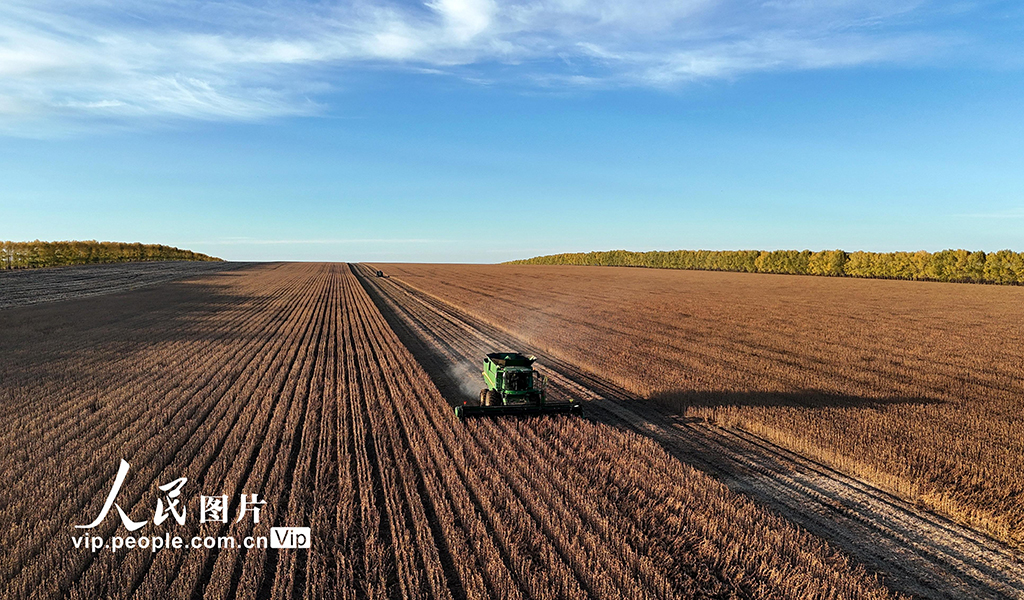
浑南这场农民丰收节“丰”味十足,欢笑满场
Ren Min Wang· 2025-09-28 03:00
Core Viewpoint - The harvest festival in Hunnan District showcased local agricultural products and provided a platform for farmers to promote their goods, enhancing community engagement and supporting rural revitalization efforts [1][8]. Group 1: Event Highlights - The harvest festival featured vibrant performances, including traditional dances and songs, celebrating the joy of harvest and life [3]. - The event was live-streamed, allowing online viewers to experience the festivities and local culture [3]. - A bustling agricultural product exhibition attracted many visitors, with local leaders promoting various fresh produce and homemade goods [3][5]. Group 2: Featured Products - Wangbin sweet potatoes were highlighted as a star product, with a dedicated display area and a popular tasting session that drew many attendees [5]. - The agricultural product competition showcased large pumpkins, plump corn, and colorful fruits, with judges evaluating based on quality, yield, and appearance [5][6]. Group 3: Economic Impact - The total sales at the festival exceeded 150,000 yuan, demonstrating the economic benefits of the event for local farmers [8]. - The festival not only highlighted the achievements of Hunnan's agricultural development but also provided farmers with opportunities for self-promotion and collaboration, boosting their income and motivation [8].
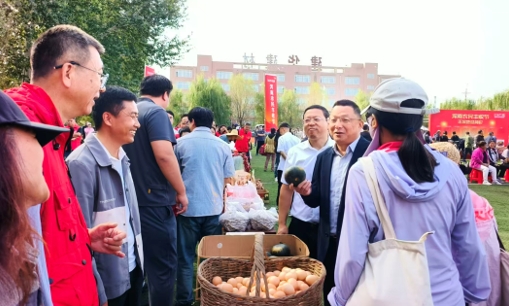
京津冀启动农产品促消费协同新机制 “衡沧蔬菜”等直达社区
Sou Hu Cai Jing· 2025-09-27 12:48
Core Points - The event "Promotion of High-Quality Specialty Agricultural Products in Beijing-Tianjin-Hebei" aims to enhance the supply chain from production to consumption, facilitating direct access to fresh local agricultural products for residents in the region [1][3] - The initiative is a collaboration among agricultural departments from Hebei, Beijing, and Tianjin, along with youth organizations, to create a sustainable platform for promoting and selling agricultural products [1][3] Group 1 - The launch event featured over 70 quality producers from the Beijing-Tianjin-Hebei region, with purchasing intentions reaching approximately 12 million yuan [3] - The event highlighted the importance of the "Hengcang Vegetables" brand, showcasing its standardized production and quality control systems [3][5] - A commitment was made by representatives of three production companies to ensure quality and safety in agricultural products through craftsmanship and technology [3][5] Group 2 - The initiative includes a dual-track model of "community + regular markets + continuous direct supply group purchases," which eliminates multiple intermediaries to provide fresher and more affordable agricultural products [5] - The first batch of property companies from the region received "Direct Supply Cooperation Community" plaques, marking the establishment of a collaborative network for distribution [5] - Future plans include hosting over a hundred market events in major cities like Beijing, Tianjin, and Shijiazhuang to promote the sale of high-quality agricultural products [6]

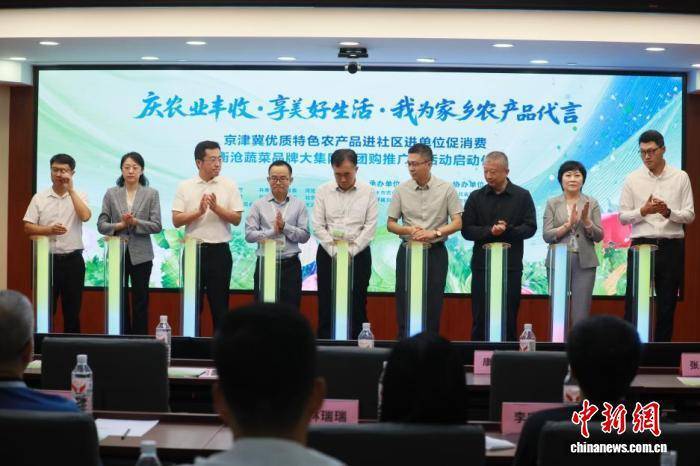
各县动态丨垣曲县:农特产品“赶集”庆双节 消费帮扶助振兴
Sou Hu Cai Jing· 2025-09-27 05:25
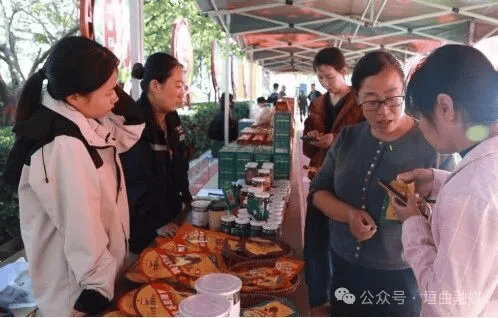
Group 1 - The event "Consumption Assistance Autumn Action - Agricultural Products Exhibition" was launched on September 24 in Yuancheng County, focusing on "benefiting farmers and citizens" [1] - Over 20 local enterprises and cooperatives showcased specialty agricultural products, including flour, millet, vermicelli, mushrooms, honey, and seasonal fruits, to meet diverse consumer purchasing needs [3] - The event aims to alleviate sales pressure on farmers and promote the development of specialty industries, contributing to rural revitalization [5] Group 2 - The exhibition provided consumers with high-quality and affordable options while effectively addressing the "last mile" of agricultural product sales [5] - The event coincides with the harvest season for various local agricultural products, such as Yulu fragrant pears, sunshine rose grapes, and millet [3] - The county's supply and marketing cooperative guided the organization of the exhibition to showcase the best products from cooperatives and farmers [3]
中国亮剑:已停购美国大豆4个月,要求先取消关税,然后再买
Sou Hu Cai Jing· 2025-09-27 05:21
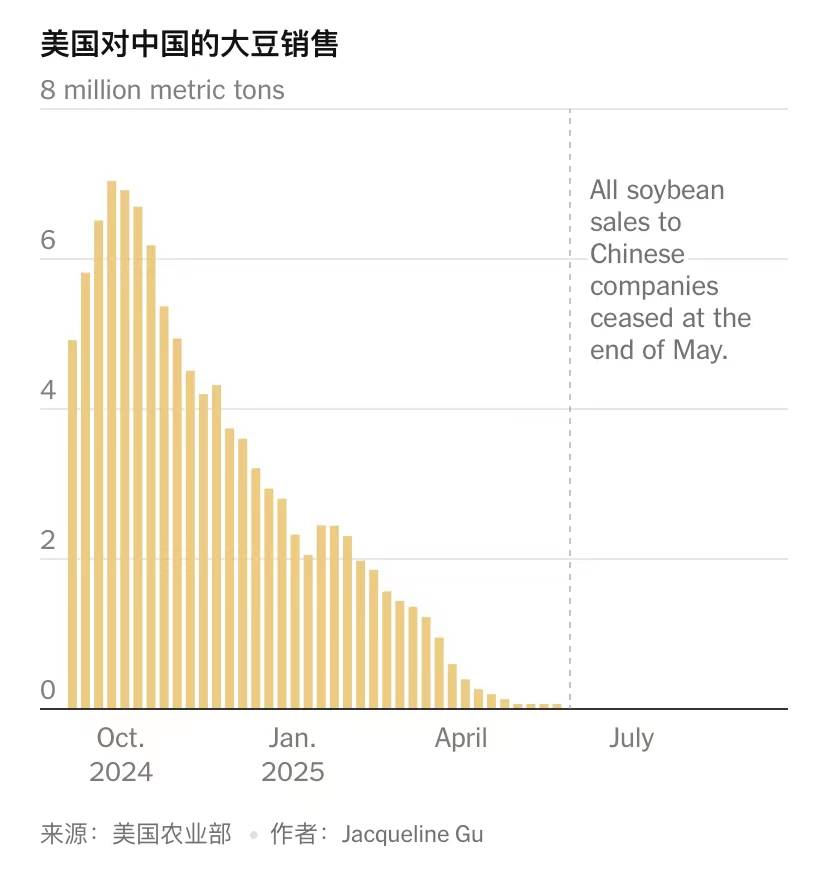
Core Viewpoint - The Chinese Ministry of Commerce signaled to the U.S. on September 25 that if the U.S. wishes to expand bilateral trade, it must remove unreasonable tariff measures, indicating a strong stance in the ongoing U.S.-China trade war, particularly regarding agricultural imports like soybeans [1] Group 1: Trade Dynamics - Since May, China has nearly halted its purchases of U.S. soybeans, a trend that has persisted for 4-5 months, with imports dropping to nearly zero, aligning with the escalation of the U.S.-China tariff conflict [6] - China was previously the largest buyer of U.S. soybeans, with annual imports reaching $12.6 billion, accounting for about 50% of U.S. soybean exports [6] Group 2: Market Shifts - China has shifted its focus to South American markets, significantly increasing imports from Brazil and Argentina, which are major competitors to U.S. soybeans, exacerbating the anxiety and dissatisfaction among U.S. farmers [7] - U.S. farmers are experiencing a psychological and economic impact due to the stagnation of soybean sales, leading them to pressure the Trump administration to adjust tariff policies [7] Group 3: Government Response - U.S. farmers are actively seeking alternative markets, urging the government to expedite trade negotiations with countries like the UK and Japan to boost corn exports [10] - The U.S. Secretary of Agriculture acknowledged the severe export situation for soybeans, corn, and wheat, discussing potential aid plans for farmers, including using tariff revenue to subsidize domestic agriculture [10] Group 4: Long-term Outlook - The soybean trade conflict between the U.S. and China may see temporary relief through compromise, but a stable long-term trade agreement is essential to address fundamental issues [11] - The ongoing trade dynamics reflect profound changes in the global trade landscape, with pressure from U.S. farmers and the government potentially acting as significant variables in negotiations [11]
2025中国农民丰收节镇江主场(丹阳)活动精彩纷呈 增加为农服务措施,增强农民参与度
Zhen Jiang Ri Bao· 2025-09-26 23:29
Core Viewpoint - The 2025 China Farmers' Harvest Festival in Zhenjiang, Jiangsu Province, emphasizes the joy of harvest and rural development through interactive experiences and performances, showcasing agricultural achievements and promoting local products [1][2]. Group 1: Event Highlights - The festival features lively performances that celebrate agricultural themes, including songs and dances that reflect the vitality of modern farmers and the beauty of rural life [2]. - The event includes the launch of the "Zhenjiang Harvest Map," allowing citizens to explore local agricultural products and their purchasing locations through a QR code [2]. Group 2: Agricultural Development - Recent agricultural policies in Zhenjiang focus on food security, support for specialty industries, and assistance for operational entities, enhancing the overall rural revitalization process [2]. - Zhenjiang has successfully established 17 agricultural brands recognized at the provincial level, with several products achieving national geographical indication status [2]. Group 3: Product Showcase - The festival features over 40 booths displaying local and regional specialty products, including traditional foods and fresh produce, highlighting the "taste of harvest" [3]. - Specific products showcased include various mooncakes priced between 98 to 198 yuan per unit and specialty mushrooms priced from 1,000 to 1,800 yuan per kilogram [3]. Group 4: Farmer Participation - The event emphasizes the importance of farmer participation, with representatives from the agricultural community taking center stage to promote their contributions to rural development [4]. - The initiative aims to elevate farmers' roles in the agricultural sector, encouraging them to share their stories and innovations [4].
中国亮招:已停购美国大豆 4 个月,明确先取消关税再恢复购买
Sou Hu Cai Jing· 2025-09-26 19:23
Group 1 - The Chinese Ministry of Commerce has urged the U.S. to take positive actions to remove unreasonable tariffs to facilitate trade between the two countries [1] - China has not purchased U.S. soybeans for the past four to five months, which aligns with the timeline of the U.S.-China tariff war, significantly impacting U.S. soybean farmers [2] - China has shifted its soybean imports to South America, primarily from Brazil and Argentina, which are competitors to U.S. soybean farmers, causing dissatisfaction among U.S. farmers regarding the tariffs imposed by Trump [5] Group 2 - U.S. corn farmers are pressuring the Trump administration to establish trade agreements with countries like the UK and Japan to secure alternative markets for their products [6] - The U.S. Secretary of Agriculture has acknowledged the difficulties faced by farmers and mentioned that the government is considering a support plan for affected farmers, potentially funded by tariffs collected from other countries [9] - The ongoing trade dispute over soybeans suggests that while temporary compromises may occur, a stable long-term agreement is necessary to resolve the issues and ensure a reliable supply chain for both countries [9]