
风电

Search documents
中方回应欧盟宣布调查金风科技,外交部:敦促欧方停止滥用单边经贸工具
Xin Lang Cai Jing· 2026-02-04 07:25
2月4日,外交部发言人林剑主持例行记者会。 法新社记者提问,欧盟宣布对中国风电巨头金风科技股 份有限公司展开调查,原因是担忧该公司从政府补贴中获益,"扭曲"欧盟市场竞争。外交部对此有何评 论? "你问到的具体情况建议向中方的主管部门了解。"林剑指出,欧盟频繁动用单边经贸工具,对中 国企业采取歧视性、限制性的措施,发出的是保护主义信号,损害的是欧盟形象,影响的是中国企业赴 欧投资的信心。 林剑强调,我们敦促欧方恪守市场开放承诺和公平竞争原则,停止滥用单边经贸工 具,为各国企业提供公平、透明、非歧视的营商环境。中方坚定维护中国企业的正当合法权益。 ...

欧美拒不买单!波罗的海小国傻眼,背债成弃子,竟向中国求救命?
Sou Hu Cai Jing· 2026-02-04 05:50
Core Viewpoint - Lithuania's recent announcement allowing domestic power projects to apply for exemptions to use Chinese-made components marks a significant shift from its previous stance against Chinese manufacturing, highlighting the challenges faced in achieving energy independence and the consequences of political decisions on economic realities [1][3][13]. Group 1: Energy Independence Challenges - Lithuania's government initially aimed for energy independence by cutting ties with Russian energy and banning Chinese power equipment, but this led to failed wind power project bids due to a lack of competitive suppliers [3][5]. - The second round of offshore wind power bidding failed as well, with the government imposing strict requirements that deterred European companies due to increased costs and extended delivery times [5][7]. - The decision to sever ties with the Russian power grid resulted in a 46% increase in domestic electricity prices, significantly impacting the cost of living and industrial expenses [5][8]. Group 2: Economic and Social Consequences - Lithuania's external debt has reached nearly €45 billion, creating a severe financial burden for the small nation [7]. - The economic downturn has led to a rise in poverty, with approximately 170,000 people living below the absolute poverty line, representing 5.6% of the population [8]. - Social issues have escalated, including a notable increase in women entering the sex industry, reflecting a broader societal crisis stemming from economic hardship [8]. Group 3: Diplomatic Miscalculations - Lithuania's attempts to mend relations with China have been met with indifference, as the country misjudged its diplomatic leverage and the international response to its earlier provocations [10][12]. - The expectation that the EU and the US would compensate for Lithuania's losses has proven misguided, with both entities rejecting requests for financial support [12][13]. - The shift from a hardline stance to seeking exemptions for Chinese components illustrates a disconnect between political ambitions and economic realities, leading to significant losses for the country [13].


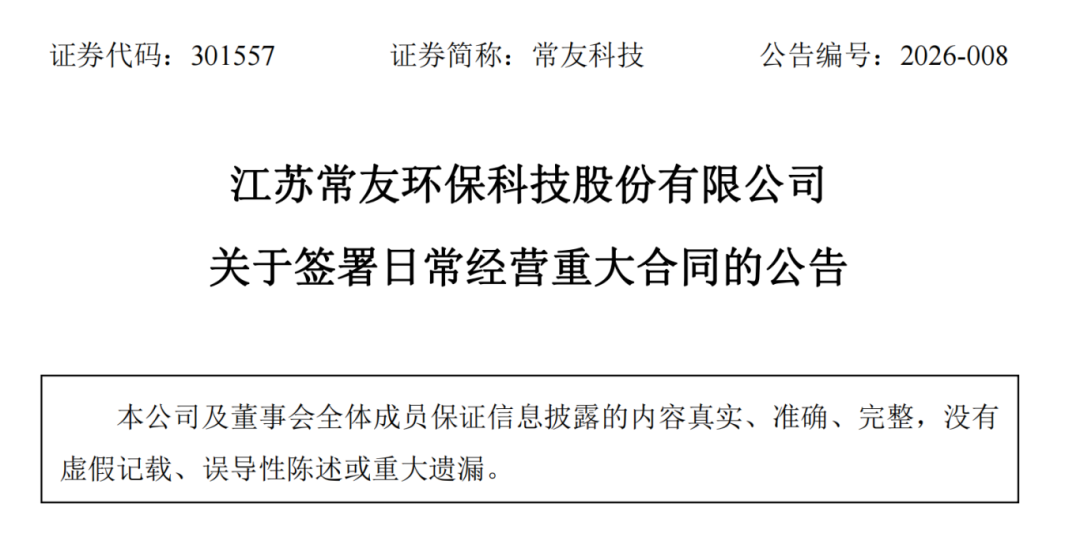
常友科技获远景能源9.49亿元风电叶片芯材大单
Xin Lang Cai Jing· 2026-02-04 05:15
Core Viewpoint - Changyou Technology's subsidiary, Changzhou Zhaogeng New Materials Co., has signed a supply agreement with Envision Energy for wind turbine blade core materials worth approximately 949 million RMB, covering the period from January 1, 2026, to December 31, 2028. This contract represents over 90% of the company's projected revenue for 2024, indicating a significant growth opportunity for the company in the wind energy sector [2][4]. Group 1: Financial Impact - The contract amount of approximately 949 million RMB is equivalent to over 90% of Changyou Technology's expected total revenue of 1.05 billion RMB for 2024 [4]. - The revenue from wind power lightweight core materials is projected to be 420 million RMB in 2024, reflecting a year-on-year growth of 7.35% [4]. Group 2: Product and Market Dynamics - Wind turbine blade core materials are critical components, typically installed in various parts of the blade to enhance structural stiffness, reduce weight, and improve load-bearing capacity. Core material costs account for over 25% of the total cost of wind turbine blades, second only to carbon and glass fibers [4]. - The demand for core materials is expected to grow as wind turbine blades become larger and lighter, driven by industry trends [4][6]. Group 3: Industry Growth and Technological Advancements - According to industry reports, domestic offshore wind power installations are expected to see over 40% year-on-year growth by 2026, with deep-sea components significantly influencing the quality of this growth [6]. - Changyou Technology has shifted its R&D focus to wind turbine covers and lightweight core materials since 2018, developing composite materials that can reduce blade weight by 15% to 20%, which is crucial for improving efficiency and lowering costs [3][6]. - The company is also developing salt mist corrosion-resistant composite materials for offshore wind environments, ensuring long-term stability for offshore projects [3][6].
2026年要把钱花在哪里?一图解读阳江“账本”
Xin Lang Cai Jing· 2026-02-04 05:07
Core Insights - Yangjiang's general public budget revenue has surpassed 10 billion yuan for the first time, reaching 11.54 billion yuan, with a year-on-year growth of 8.8%, ranking third in the province [1][3]. Financial Performance - Tax revenue amounted to 7.149 billion yuan, accounting for 62.0% of total revenue, which is an increase of 1.6 percentage points compared to 2024, indicating an improvement in revenue quality [3]. - The total public budget expenditure for the city was 27.41 billion yuan, reflecting a growth of 2% [25]. Expenditure Allocation - Significant allocations include 18.49 billion yuan for "three guarantees" (basic living security, education, and healthcare) and 1.52 billion yuan for ten key livelihood projects [17]. - Education received 5.28 billion yuan, while social security and employment were allocated 5.28 billion yuan [25]. Investment in Key Areas - The city has allocated 1.98 billion yuan to support the orderly transfer of industries and accelerate the integration into the Bay Area [8]. - Approximately 8.4 billion yuan is earmarked for key projects such as commercial aerospace launch sites and international wind power industrial cities [9]. Support for Economic Development - The city is focusing on enhancing market vitality with 649 million yuan directed towards emerging industries and urban renewal [11]. - A total of 99 billion yuan in new special bonds will be utilized, with over 90% directed towards high-quality development projects in counties and towns [14]. Environmental and Social Initiatives - 7.4 billion yuan is allocated for marine ecological restoration and soil protection, promoting sustainable use of marine resources [16]. - The city is investing 32.36 billion yuan in health and wellness, emphasizing grassroots healthcare capacity building [18].

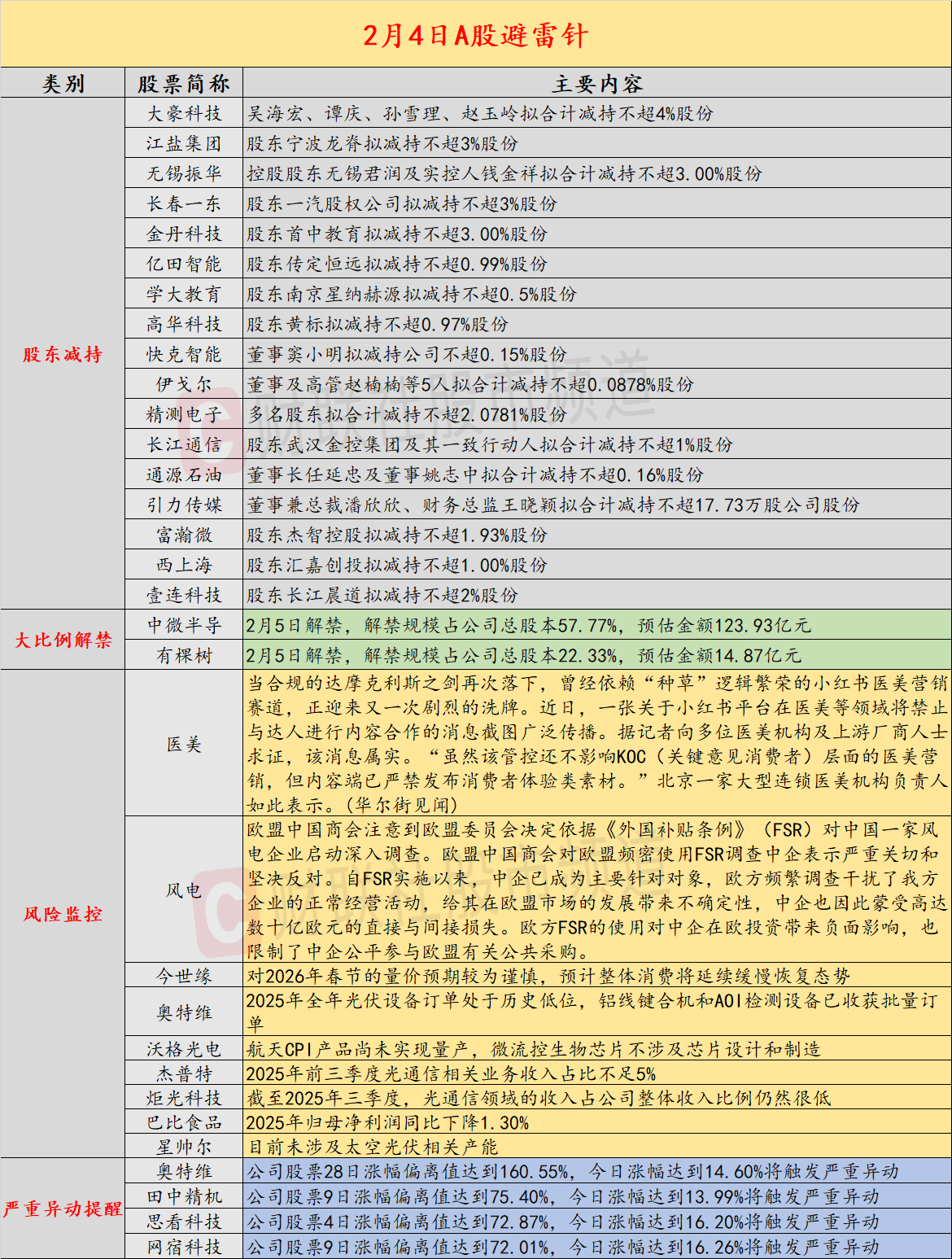
2月4日投资避雷针:这只白酒股对投资者表示 对可能成为“史上最冷春节”有心理预期
Xin Lang Cai Jing· 2026-02-04 00:25
Economic Information - Xiaohongshu platform will prohibit content collaboration with influencers in the medical beauty sector, marking a significant shift in marketing strategies within this industry [2] - In January, the expected recovery in the scale of bank wealth management products did not materialize, with a reported decline of 114.2 billion yuan in total scale, indicating a challenging start to the year for the sector [2][3] Company Alerts - Jinshiyuan anticipates a continued slow recovery in overall consumption, with expectations for a potentially "coldest Spring Festival" [6] - Aotwei reports that its orders for photovoltaic equipment in 2025 are at historical lows, although it has received bulk orders for aluminum wire bonding machines and AOI testing equipment [6] - Multiple companies, including Dahu Technology and Jiangyan Group, have announced plans to reduce shareholdings by up to 4% and 3% respectively [9] Overseas Alerts - The US stock market saw a collective decline, with the Dow Jones down 0.34%, Nasdaq down 1.43%, and S&P 500 down 0.83%, indicating a downturn in popular tech stocks [5] - Indonesian miners have suspended spot coal exports due to a government-imposed production cut plan, which could reduce output by 40% to 70% compared to 2025 levels [7]
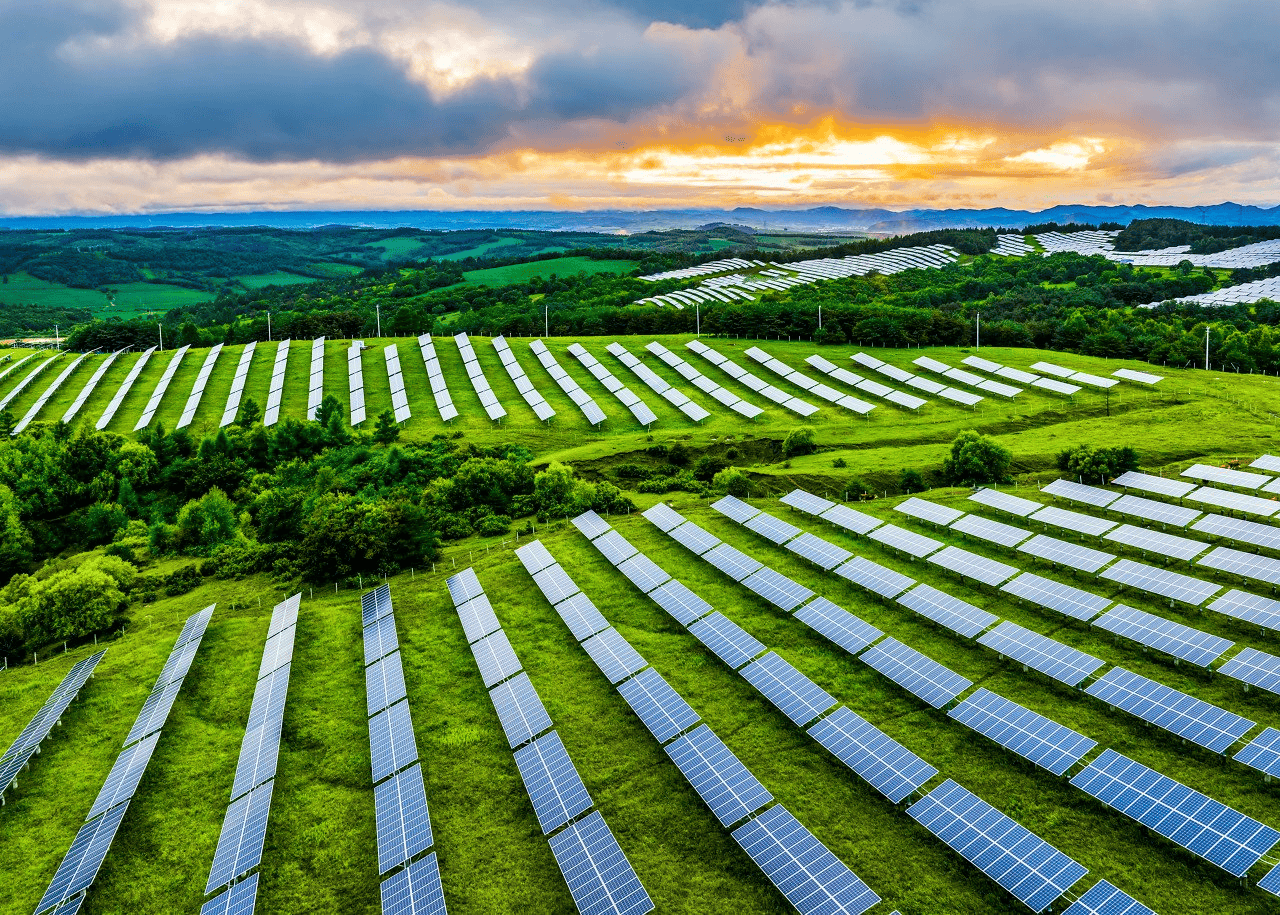
财经观察:加速“售后支持”入境,缓解本土制造难题,印度调整对华签证政策影响如何
Huan Qiu Shi Bao· 2026-02-03 22:57
Group 1 - India has introduced a new e-B-4 electronic business visa for Chinese citizens to facilitate the entry of professionals in engineering and technical fields, which has led to an increase in Chinese companies sending employees to India [1] - The approval process for business visas has significantly improved, with higher approval rates and shorter processing times, addressing the issue of "having orders but no personnel" for Chinese companies in India [2] - The renewable energy sector, particularly in solar and wind power, is a key area where India requires Chinese talent, as the country aims to achieve 500 GW of non-fossil energy capacity by 2030 [2] Group 2 - Bilateral trade between China and India has been growing, with China becoming India's largest trading partner, reaching a trade volume of $110.2 billion from April to December 2025 [3] - India has developed some manufacturing capabilities in wind energy components, while China excels in core components and specialized engineering equipment, indicating a complementary relationship [3] - Indian imports of engineering products from China amounted to approximately $24 billion from April to October 2025, reflecting a 12.6% increase year-on-year, with significant reliance on Chinese machinery in various sectors [4] Group 3 - Despite improvements in visa policies, challenges remain, such as lengthy approval times and the requirement for a guarantee letter from Indian companies, which can complicate the application process [5][6] - The Indian government is reconsidering its previous restrictions on Chinese investments, recognizing the need for collaboration in sectors like renewable energy and advanced manufacturing [9] - There is a growing acknowledgment within India that foreign capital should be assessed based on its economic impact rather than nationality, leading to potential policy adjustments to attract investment [9]
欧盟中国商会:坚决反对欧盟频密使用FSR调查中企
Xin Lang Cai Jing· 2026-02-03 20:48
Core Viewpoint - The EU Chamber of Commerce in China expresses serious concern and strong opposition to the European Commission's decision to initiate an in-depth investigation into a Chinese wind power company under the Foreign Subsidies Regulation (FSR) [1] Group 1: Impact on Chinese Companies - Since the implementation of the FSR, Chinese companies have become primary targets, with frequent investigations disrupting their normal business operations and creating uncertainty in the EU market [1] - Chinese companies have suffered direct and indirect losses amounting to billions of euros due to the EU's frequent use of FSR investigations [1] Group 2: Call for Fair Competition - The Chamber emphasizes that Chinese companies play a crucial role in supporting the EU's green and digital transformation [1] - There is a call for the EU to exercise restraint and implement relevant laws in a fair and transparent manner, ensuring a competitive environment that promotes innovation, investment, and sustainable growth [1] - The Chamber advocates for a fair, just, and non-discriminatory business environment for Chinese companies operating in the EU [1]
风光装机超18.4亿千瓦,占全球近一半!中国绿电成本已比煤电低30%
Sou Hu Cai Jing· 2026-02-03 18:30
Core Insights - China's renewable energy sector is experiencing unprecedented growth, with solar power capacity expected to reach 1.2 billion kilowatts and wind power capacity to reach 640 million kilowatts by the end of 2025, totaling 1.84 billion kilowatts [1][3] - This capacity represents approximately 47.3% of China's total electricity generation, equivalent to about 82 Three Gorges Dam's total capacity [3] - The average cost of electricity generated from wind and solar has decreased by around 30% compared to traditional coal power, enhancing the competitiveness of green energy [3] Industry Overview - China has maintained the world's largest installed capacity for wind and solar power for over a decade, accounting for nearly half of the global total [3] - Technological innovations in China have led to a more than 60% reduction in wind power costs and over 80% in solar power costs globally over the past ten years [3] - The production landscape for green energy is rapidly expanding, with advancements in photovoltaic conversion efficiency and offshore wind turbine capacity setting new world records [3][4] Market Dynamics - A vibrant industrial ecosystem has emerged, with most photovoltaic equipment manufacturers and over 60% of wind turbine manufacturers being private enterprises, fostering competition and continuous innovation [4] - The demand for green electricity is surging, with nearly 300 billion kilowatt-hours of green electricity traded in the first 11 months of 2025, marking a year-on-year increase of over 40% [4] Future Outlook - The focus of development is shifting from large-scale deployment to high-level consumption of renewable energy, with energy authorities promoting changes in renewable energy development models [6] - Initiatives such as the extension of ultra-high voltage power grids, rapid development of new energy storage, and construction of smart microgrids are paving the way for greater integration of green electricity [6] - There is potential for large-scale hydrogen production using green electricity, providing new solutions for industrial decarbonization [6]
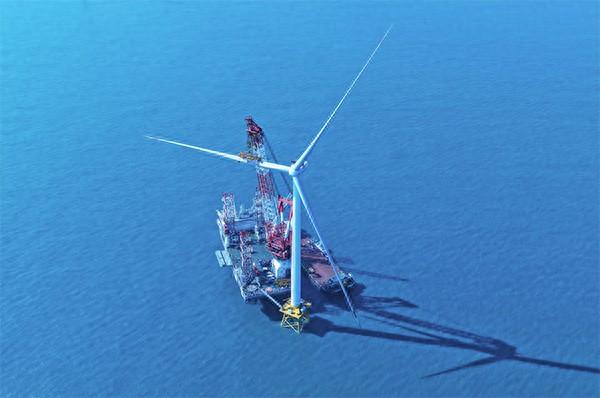
又动手!欧盟对中国一家风电企业发起FSR调查,欧盟中国商会坚决反对
Guan Cha Zhe Wang· 2026-02-03 15:46
Core Viewpoint - The European Commission has initiated an in-depth investigation into Chinese wind power company Goldwind Technology, claiming it received government subsidies that distort the EU market, despite objections from China [1][5]. Group 1: Investigation Details - The investigation is based on the Foreign Subsidies Regulation (FSR), which came into effect in July 2023, allowing the European Commission to scrutinize companies receiving external support from non-EU governments [1][2]. - Initial findings suggest that Goldwind may have benefited from foreign subsidies, including government grants, tax incentives, and preferential loans, prompting the formal investigation [1][5]. - The investigation is expected to conclude by autumn 2027 and could result in three outcomes: commitments from the company, corrective measures imposed by the Commission, or a determination that no distortion occurred [4]. Group 2: Broader Implications - The European Commission has indicated that it may expand its investigations to other Chinese wind power companies, signaling ongoing scrutiny of the market [2]. - The frequent investigations by the EU are causing significant operational disruptions for Chinese companies, leading to potential losses amounting to billions of euros [5]. - The FSR's application is seen as a tool that could exacerbate tensions between the EU and China, with implications for various sectors, including telecommunications and critical industries like steel and cement [5][6].
欧盟中国商会:对欧盟频密使用FSR调查中企表示严重关切和坚决反对
Xin Lang Cai Jing· 2026-02-03 13:20
Core Viewpoint - The EU Chamber of Commerce in China expresses serious concern and strong opposition to the EU's frequent use of the Foreign Subsidies Regulation (FSR) to investigate Chinese companies, particularly in the wind power sector, which disrupts normal business operations and creates uncertainty in the EU market for these companies [1][2]. Group 1 - The EU Commission has initiated an in-depth investigation into a Chinese wind power company under the FSR [1][2]. - Since the implementation of the FSR, Chinese companies have become primary targets, leading to significant direct and indirect losses amounting to billions of euros [1][2]. - The use of the FSR negatively impacts Chinese investments in the EU and restricts their fair participation in EU public procurement [1][2]. Group 2 - The Chamber emphasizes that Chinese companies play a crucial role in supporting the EU's green and digital transformation [1][2]. - A call is made for the EU to exercise restraint and implement relevant laws in a fair and transparent manner [1][2]. - The Chamber advocates for constructive dialogue to ensure a fair competitive environment that promotes innovation, investment, and sustainable growth for Chinese companies operating in the EU [1][2].