
快餐

Search documents
国证国际港股晨报-20251107
Guosen International· 2025-11-07 05:20
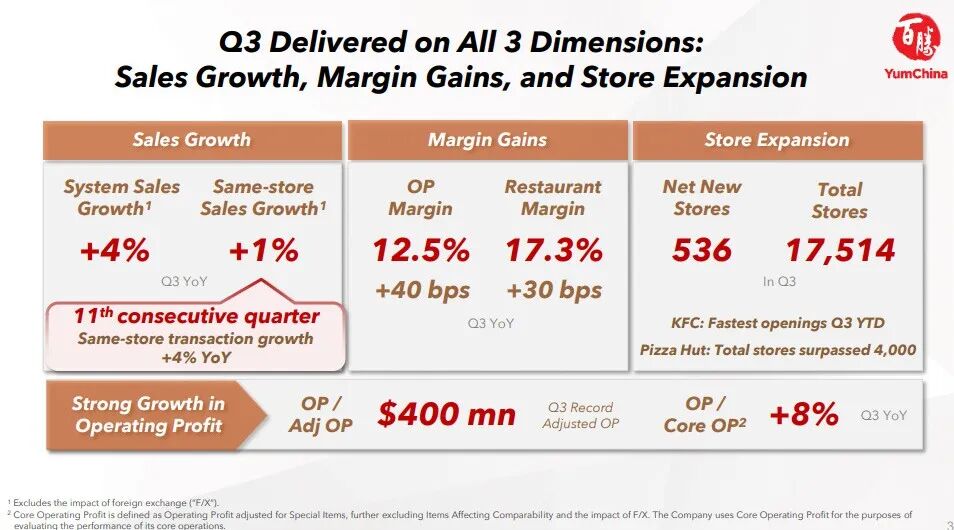
Group 1: Market Overview - The Hong Kong stock market showed strength with the Hang Seng Index rising by 2.12%, the Hang Seng China Enterprises Index increasing by 2.1%, and the Hang Seng Tech Index up by 2.74% [2] - The total trading volume reached HKD 234.65 billion, with short selling accounting for 17.06% of the total trading volume [2] - Northbound capital saw a net inflow of HKD 5.479 billion, with notable net purchases in stocks like Xpeng Motors and Southern Hang Seng Technology [2][3] Group 2: Economic and Political Context - The U.S. stock market faced pressure due to uncertainties surrounding tariffs, layoffs, and political deadlock, with the S&P 500 and Nasdaq Composite indices falling by 1.12% and 1.90% respectively [4] - A significant increase in layoffs was reported, with 153,000 job cuts announced in October, nearly tripling from the previous month, driven by AI integration and rising costs [5] - Political challenges for the Trump administration were highlighted by losses in local elections, which may impact the 2026 midterm elections and increase market volatility [5] Group 3: Company Analysis - Yum China (9987.HK/YUMC.US) - Yum China's total revenue for Q3 2025 grew by 4% year-on-year to USD 3.21 billion, with system sales also increasing by 4% [7] - The number of stores reached 17,500, a 10.4% increase from the previous year, while same-store sales rose by 1% [7] - Operating profit increased by 7.8% to USD 400 million, with an operating margin of 12.5%, up by 0.4 percentage points [7] Group 4: KFC Performance - KFC's Q3 revenue rose by 4.1% to USD 2.4 billion, with system sales increasing by 5% [8] - Same-store sales grew by 2%, with a 3% increase in transaction volume, although average ticket size decreased by 1% [8] - The restaurant profit margin improved to 18.5%, benefiting from favorable raw material prices and operational efficiencies [8] Group 5: Pizza Hut Performance - Pizza Hut's system sales increased by 4% in Q3, with same-store sales up by 1% and transaction volume rising by 17% [9] - The company added 151 new stores, maintaining a target of 1,600 to 1,800 new openings for the year [9] - Operating profit for Q3 grew by 7% to USD 57 million, with an operating margin of 8.9%, reflecting a 0.3 percentage point increase [9] Group 6: Investment Outlook - Yum China is viewed as having a strong competitive advantage and brand influence in the fast-food sector, with robust management capabilities [10] - The projected net profits for 2025, 2026, and 2027 are USD 940 million, USD 1.02 billion, and USD 1.05 billion respectively, with corresponding EPS estimates of HKD 20.3, HKD 21.8, and HKD 22.5 [10] - The target price is maintained at HKD 477.4, with a "Buy" rating suggested for the stock [10]

星巴克卖掉经营权,留住品牌权:外资的“知产底牌”
Sou Hu Cai Jing· 2025-11-07 04:33
Core Viewpoint - Starbucks announced the sale of 60% of its Chinese business to Boyu Capital, marking a significant shift in its operational strategy while retaining control over its brand and intellectual property [2][6]. Group 1: Business Strategy - The transaction allows Starbucks to maintain ownership of its trademark, brand, recipes, store designs, and supply chain standards, ensuring that the core elements of its business remain under its control [2][6]. - This move aligns with a trend seen in the fast-food industry, where companies like Yum Brands and McDonald's have previously sold operational rights while retaining brand control [5][6]. Group 2: Industry Context - The decision reflects a broader industry pattern where foreign brands, after experiencing market saturation and increased local competition, opt to divest operational control while keeping brand rights [5][6]. - The strategy of "selling operational rights while retaining brand" is common among over 90% of global consumer brands, contrasting with the less frequent approach of fully transferring brand ownership [7]. Group 3: Intellectual Property Importance - Retaining intellectual property (IP) is crucial as it serves as a risk isolation mechanism, allowing companies to control brand direction and generate long-term revenue through licensing fees even after operational rights are transferred [6][10]. - The article emphasizes the importance of treating IP as a core asset rather than a cost-saving measure, highlighting the risks associated with inadequate IP protection in international markets [8][10]. Group 4: Future Considerations - Companies are encouraged to evaluate the financial implications of selling versus retaining their IP, with a focus on structuring agreements that protect their brand and operational interests [10]. - The article suggests that a shift in mindset is necessary for Chinese companies to transition from a model of "sales without ownership" to one where IP is secured before entering partnerships [10].


不止糖葫芦,奶茶、烘焙以及汉堡也裹上了奶皮子
3 6 Ke· 2025-11-07 01:53
Core Insights - The innovative dessert "Milk Skin Candy Hawthorn" has rapidly gained popularity, becoming a trending item across various cities in China, with significant social media engagement and long queues at stores [1][4][6] Group 1: Product Popularity - The product has seen a surge in demand, with related posts on Xiaohongshu reaching hundreds of thousands and Douyin views exceeding 600 million [1] - In Shanghai, the offline price for a single Milk Skin Candy Hawthorn is 48 yuan, while online prices have soared to 99 yuan, indicating a strong market demand despite high prices [6][8] Group 2: Product Differentiation - The Milk Skin Candy Hawthorn features two key upgrades: a layer of milk skin made from fresh milk that enhances flavor and texture, and the introduction of various innovative fillings beyond traditional hawthorn [9][10] - The dessert offers a multi-layered taste experience, combining crispy outer sugar coating, soft and fragrant milk skin, and juicy fruit fillings, appealing to both taste and visual aesthetics [10][11] Group 3: Market Expansion - The success of Milk Skin Candy Hawthorn has prompted tea and bakery brands to explore "Milk Skin +" product lines, integrating milk skin into various offerings, such as drinks and baked goods [12][18] - New products like milk skin-infused teas and cakes have emerged, demonstrating the versatility and market appeal of milk skin across different food categories [20][21] Group 4: Industry Challenges - The lack of standardization in defining "milk skin" poses a challenge for the industry, as different brands interpret and utilize the ingredient in various ways [40] - High production costs and fluctuating raw material prices hinder the widespread adoption of milk skin products, with significant resource loss during production [41] - The high-fat content of milk skin may conflict with current health trends, and the reliance on social media for sales raises concerns about long-term consumer loyalty [42][43] Group 5: Future Outlook - The milk skin phenomenon illustrates the potential for local specialty ingredients to create market excitement, suggesting a replicable model for future food innovations [44][45]

国际餐饮巨头集体大调整
3 6 Ke· 2025-11-06 23:19
Core Insights - Yum China reported a strong performance for Q3 2025, with total revenue increasing by 4% year-on-year to $3.2 billion, and operating profit rising by 8% to $400 million [1][2][3] - The company achieved positive same-store sales growth for the second consecutive quarter, with a net addition of 536 stores, bringing the total to 17,514 [1][2][3] Revenue and Profitability - Total revenue for Q3 reached $3.2 billion, with system sales also up by 4% and same-store sales increasing by 1% [2][3] - The restaurant profit margin expanded to 17.3%, with operating profit growing by 8% year-on-year [2][3] - KFC's system sales grew by 5% and same-store sales by 2%, while Pizza Hut's system sales increased by 4% and same-store sales by 1% [2][3] Store Expansion - The company accelerated its store expansion, adding 536 new stores in Q3, with a total of 17,514 stores now [1][8] - KFC and Pizza Hut have 12,640 and 4,022 stores respectively, with a goal to reach 20,000 stores by the second half of 2026 [8][12] - Franchise stores account for 41% of KFC and 27% of Pizza Hut, aiding in expansion into new cities [11][12] Delivery and Customer Trends - Delivery sales grew by 23% year-on-year, now accounting for 51% of total sales, up from 40% in the previous year [4][7] - Average transaction value for Pizza Hut decreased by 13% to 70 yuan, while same-store transaction volume increased by 17% [3][4] - KFC's average transaction value was 38 yuan, with plans to introduce lower-priced meal options [4] Strategic Developments - Yum Brands announced a strategic review of Pizza Hut, indicating potential changes to enhance shareholder value [17][18] - Yum China expressed confidence in Pizza Hut's operations in China, emphasizing a cautious approach to potential investment opportunities [18][20] - The company is exploring new store formats and product categories, including partnerships with large enterprises for franchise expansion [11][12][17]
百胜中国回应“必胜客出售”:独立运营,中国市场不受影响
Nan Fang Du Shi Bao· 2025-11-06 23:14
Core Viewpoint - Yum! Brands is initiating a strategic review of its Pizza Hut brand, which may include the potential sale of the business, indicating a need for additional actions to enhance its value [1][2]. Group 1: Strategic Review and Operations - The CEO of Yum! Brands, Chris Turner, stated that the performance of Pizza Hut necessitates further actions to realize its full value, which may be better executed outside of Yum! Brands [2]. - Yum! Brands has not set a deadline for the completion of the strategic review and does not intend to comment further unless deemed necessary [2]. - Yum! China operates Pizza Hut independently and confirmed that the strategic review will not affect its daily operations in China [1][2]. Group 2: Financial Performance - In Q3 2025, Pizza Hut accounted for 12.13% of Yum! Brands' total revenue, while KFC and Taco Bell represented 44.42% and 36.89%, respectively [3]. - Yum! China's revenue from Pizza Hut in Q3 2025 was 6.35 billion USD, reflecting a year-on-year growth of 3.25%, while system sales increased by 4% [5]. - In contrast, Yum! Brands reported a decline in system sales for Pizza Hut, with revenue of 240 million USD, a decrease of 0.22% year-on-year [4]. Group 3: Market Dynamics - Pizza Hut in the U.S. and Europe experienced negative growth in system sales, while other markets showed positive growth [4]. - Yum! China's Pizza Hut has seen a recovery in revenue since Q3 2024, attributed to strategic adjustments such as menu updates and the introduction of cost-effective store formats [5][6]. - The average transaction value for Pizza Hut has been declining, with a drop of 14%, 13%, and 13% in Q1 to Q3 of 2025, while same-store sales volume has shown a consistent increase of 17% [6].

百胜中国回应必胜客出售评估,称不影响中国市场运营
Cai Jing Wang· 2025-11-06 12:55
Core Viewpoint - Yum Brands has initiated a strategic review of the Pizza Hut brand, including a potential sale, but this will not affect Pizza Hut's operations in China, which continues to show strong growth [1] Group 1: Company Performance - Yum China reported a total revenue of $3.2 billion for Q3 2025, representing a year-on-year increase of 4% [1] - The net profit attributable to the parent company for Q3 2025 was $282 million, a decrease of 5% year-on-year [1] - The company added a record 536 new stores in Q3 2025, with 32% of these being franchise stores [1] - As of September 30, 2025, Yum China operates a total of 17,514 stores, including 12,640 KFC locations and 4,022 Pizza Hut locations [1] Group 2: Market Position - Yum China operates KFC, Pizza Hut, and Taco Bell exclusively in mainland China, along with other brands such as Little Sheep hot pot and Huang Ji Huang stewed pot [2]
必胜客要被卖了?百胜中国回应
第一财经· 2025-11-06 11:21
Core Viewpoint - Yum Brands has initiated a strategic review of the Pizza Hut brand, including the potential for sale, while Yum China maintains that this will not affect its operations in China, where Pizza Hut continues to experience strong growth [3][4]. Group 1: Company Performance - Yum China's Q3 2025 total revenue reached $3.2 billion, representing a year-on-year growth of 4% [3]. - The net profit attributable to the parent company for Q3 was $282 million, showing a decline of 5% year-on-year [3]. - In Q3, Yum China added a record 536 new stores, with franchise stores accounting for 32% of the total [3]. Group 2: Store Expansion - As of September 30, 2025, Yum China operated a total of 17,514 stores, including 12,640 KFC locations and 4,022 Pizza Hut locations [3].
传红衫与源峰资本争夺汉堡王控股权,意图打造下一个“麦当劳中国”?
3 6 Ke· 2025-11-06 04:05
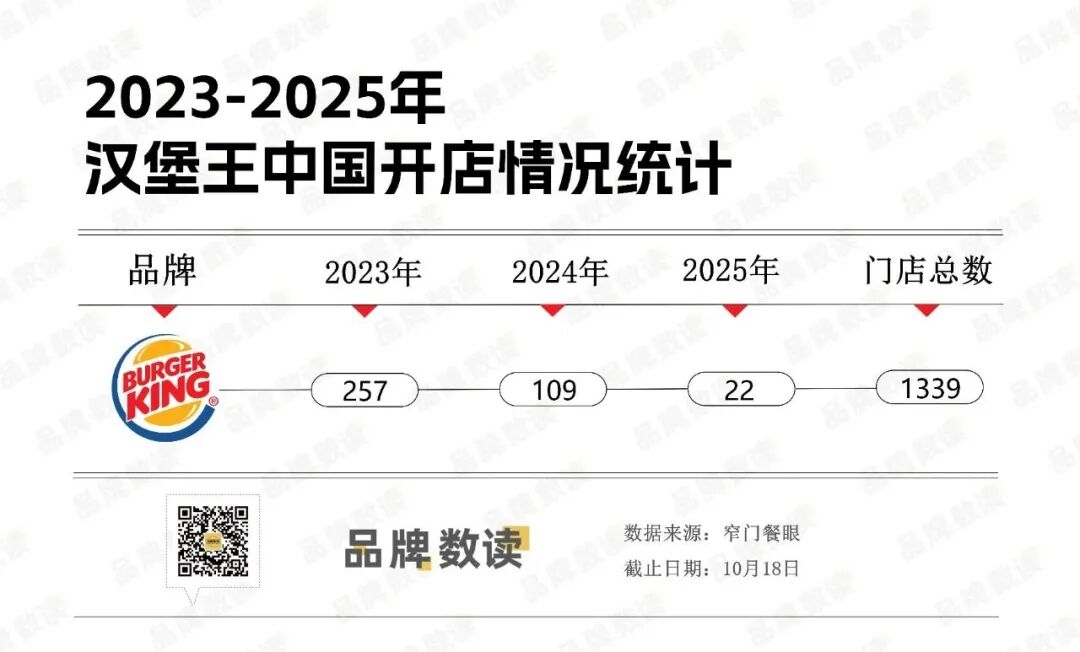
Group 1 - Burger King China is seeking a "white knight" as its parent company, RBI Group, confirms ongoing discussions with potential partners for a stake sale [1][2] - The financial performance of Burger King China has been underwhelming, with only about 1,300 stores after 20 years in the market, falling short of RBI's growth expectations [2][3] - The previous management under TFI Group is blamed for the slow development, leading to a widening gap with competitors like McDonald's and KFC [2][3] Group 2 - RBI Group's Q3 report shows a 12.1% increase in international sales, contrasting sharply with Burger King China's stagnant performance [1][2] - The sale of Burger King China is part of RBI's strategy to address business challenges, with the brand now classified as "held for sale" [2][3] - The potential buyers, Sequoia China and CPE Yuanfeng, have strong backgrounds in the consumer sector, which could lead to different strategic approaches for revitalizing the brand [3][4] Group 3 - Burger King China has faced a decline in new store openings, with only 22 new stores opened by mid-October 2023, down from 257 in 2023 and 109 planned for 2024 [4][7] - The brand's focus on high-tier cities has limited its presence in lower-tier markets, missing growth opportunities from local competitors [10][13] - High rental costs in prime locations are straining profitability, as Burger King's smaller store network lacks the scale to absorb these expenses effectively [13][14] Group 4 - New investors will face significant challenges, including resolving issues with franchisee profitability and optimizing the supply chain [14][15] - The previous management's failure to address these operational issues has led to a crisis among franchisees, with many reporting unsustainable profit margins [14][15] - Successful transformation of Burger King China will require a long-term commitment to restructuring its franchise system and market positioning [15][16]
麦当劳Q3净利润小幅下滑,同店销售超预期,“超值套餐”推动美国市场复苏
美股IPO· 2025-11-05 23:30
Core Viewpoint - McDonald's third-quarter same-store sales growth of 3.6% exceeded expectations, driven by promotional activities and price reductions in the U.S. market [1][3][4] Financial Performance - Third-quarter revenue was $7.08 billion, a 3% year-over-year increase, but slightly below the market expectation of $7.1 billion [4] - Adjusted net profit for the third quarter was $2.31 billion, a slight decrease from $2.32 billion in the same period last year [4] - Adjusted earnings per share were $3.22, missing analyst expectations of $3.32, compared to $3.23 in the previous year [4] U.S. Market Performance - Same-store sales in the U.S. grew by 2.4%, significantly higher than the 0.3% growth in the same quarter last year, primarily due to increased customer spending per visit [5][6] - The introduction of value meals and promotional activities, such as the "buy one get one free" offer, contributed to the recovery in the U.S. market [6][7] International Market Performance - International same-store sales increased by 4.3%, with Germany and Australia being key growth drivers [7] - Sales from restaurants operated by local partners rose by 4.7%, largely driven by the Japanese market [7] Customer Traffic and Challenges - Despite the positive sales growth, overall customer traffic for McDonald's declined by 3.5% from July to September, while the fast-food sector overall saw a 2.3% decline [7] - Analysts express concerns about the long-term sustainability of the value meal strategy, particularly if financial support for maintaining significant discounts diminishes [7]

百胜中国第三季度进账32亿美元增4%
Zheng Quan Shi Bao· 2025-11-05 18:28
Core Viewpoint - Yum Brands has initiated a strategic review of the Pizza Hut brand, including potential sale options, aiming to maximize value for franchisees, consumers, employees, and shareholders [1] Group 1: Financial Performance - Yum China reported total revenue of $3.2 billion for Q3, a 4% year-over-year increase, driven by new store openings and same-store sales growth [1] - Operating profit for Q3 increased by 8% to $400 million, with same-store sales growing by 1%, marking the 11th consecutive quarter of positive same-store transaction growth [1] - Net profit for the first three quarters was $789 million, a 1% decline year-over-year, while Q3 net profit was $282 million, down 5% year-over-year [2] Group 2: Store Expansion and Digital Growth - Yum China added 536 new stores in Q3, totaling 11,119 new stores in the first nine months, with 32% of new stores being franchises [2] - The total number of stores reached 17,514, with KFC accounting for 12,640 and Pizza Hut for 4,022 [2] - Digital orders generated $2.8 billion in Q3, representing 95% of restaurant revenue, and delivery sales grew by 32%, making up 51% of restaurant revenue [2] Group 3: Strategic Outlook - The CEO expressed confidence in future growth potential, citing a flexible store model and franchise strategy that allows for rapid expansion with lower investment [2] - The company aims to maintain same-store sales growth in Q4 similar to Q3, despite the traditionally challenging sales and profit season [3] - Huatai Securities has adjusted the target price for Yum China to HKD 413.59 per share, reflecting a 2026 PE of 18 times, while maintaining a focus on moderate single-digit system sales growth and profit margin improvement for the year [3]