农产品生产

Search documents
“十四五”期间全国农产品质量安全监测合格率稳定在97.5%以上
Zhong Guo Xin Wen Wang· 2025-09-16 06:23
Core Viewpoint - During the "14th Five-Year Plan" period, the national agricultural product quality safety monitoring compliance rate has remained stable at over 97.5%, ensuring food safety for the public [1][2]. Group 1: Regulatory Framework - The agricultural authorities have revised the Agricultural Product Quality Safety Law to strengthen supervision over production entities and impose stricter penalties for violations, enhancing the law's effectiveness [1]. - A total of 3,782 new or revised standards for pesticide and veterinary drug residues have been established, representing an increase of nearly 40% compared to the end of the "13th Five-Year Plan" [1]. - There are currently 6,471 effective agricultural industry standards, with 491 outdated standards eliminated, ensuring that all aspects of agricultural development have applicable standards [1]. Group 2: Production Safety - The elimination of highly toxic pesticides from field agriculture has been completed, contributing to improved product safety [2]. - Since 2017, the overall usage of veterinary antibiotics has been on a decline, with a complete ban on the use of growth-promoting antibiotic feed additives, addressing safety at the source [1][2]. Group 3: Monitoring and Accountability - Annual risk monitoring includes a wide range of products such as fruits, vegetables, tea, meat, eggs, milk, and seafood, with timely tracing and handling of identified issues [2]. - A grid management system has been implemented at the township level, ensuring accountability through defined responsibilities for personnel [2]. - A certification system for compliance has been established, providing agricultural products with a "certificate of conformity," thereby reinforcing producers' responsibilities for quality and safety [2]. Group 4: Enforcement Actions - A three-year action plan has been launched to address the issue of excessive veterinary drug residues, focusing on targeted governance for specific problem varieties [2]. - Regular inspections and monthly sampling have been intensified, with direct communication and reminders issued to areas with significant issues, ensuring local accountability [2]. - Strict enforcement actions are taken against violations, with a zero-tolerance policy for non-compliance, leading to a sustained improvement in agricultural product quality safety [2].

【图解】农业农村部:抓好6件事 贯彻实施农产品质量安全法
Zhong Guo Jing Ji Wang· 2025-09-11 10:32
Core Viewpoint - The Ministry of Agriculture and Rural Affairs emphasizes the implementation of the newly revised Agricultural Product Quality Safety Law, focusing on six key measures to enhance food safety and quality control in China [3][12]. Group 1: Regulatory Measures - All farmers are now included in regulatory oversight, with daily inspections achieving near-total coverage, resulting in an average of over 3,000 enforcement actions annually [4]. - Strict penalties are enforced for the use of banned substances, with over 400 cases of criminal prosecution, creating a strong deterrent effect [5]. - Enhanced monitoring of conventional drug residues has led to over 12,000 administrative enforcement cases related to residue exceedances [6]. Group 2: Certification and Standards - The implementation of a commitment-based certification system is underway, with compliance checks increasing, and most enterprises and cooperatives now issuing required certificates [7][8]. - The agricultural product quality safety standard system has been improved, with over 13,000 residue limits established, which is double the number set by international food standards [9]. - The development of green and high-quality agricultural products is being promoted, with standardized bases for green food covering 20.5 million acres and the number of quality agricultural products reaching 86,000 [10].


农业农村部副部长麦尔丹·木盖提:我国农兽药残留限量标准超1.3万项
Zhong Guo Jing Ji Wang· 2025-09-11 04:23
Core Points - The 2025 National Food Safety Publicity Week main event was held in Beijing, organized by 28 departments including the State Council Food Safety Office and the Central Civilization Office [1] - The Deputy Minister of Agriculture and Rural Affairs, Maierdan Mugeti, highlighted the implementation results of the revised Agricultural Product Quality Safety Law, which has been in effect for over two years [1] Group 1: Regulatory Measures - All farmers are now included in the regulatory framework, with daily inspections covering all farmers, resulting in an average of over 3,000 enforcement actions annually [2] - Strict penalties for the use of banned substances have been established, with over 400 cases of criminal and administrative penalties processed, creating a strong deterrent effect [2] - Enhanced monitoring of conventional drug residue exceeding standards has led to over 12,000 administrative enforcement cases [2] Group 2: Compliance and Standards - The implementation of a commitment to compliance certificate system has been emphasized, with local agricultural departments strengthening enforcement against non-compliance [2] - The agricultural product quality safety standard system has been improved, with over 13,000 mandatory residue limits established, which is double the number of international food code limits [3] - The development of green and high-quality agricultural products has been prioritized, with 205 million acres of standardized green food raw material bases established and over 86,000 types of green, organic, and geographical indication products [3]
农业生产者销售自产农产品如何申报增值税?
蓝色柳林财税室· 2025-09-01 01:34
Core Viewpoint - The article discusses the tax reporting procedures for small-scale and general VAT taxpayers in China, particularly focusing on the exemption policies for agricultural products and the necessary steps for filing VAT returns [2][4][6]. Group 1: Small-Scale Taxpayer Reporting - Company A, as a small-scale VAT taxpayer, benefits from the exemption policy for self-produced agricultural products, reporting a revenue of 1,000,000.00 yuan in the second quarter of 2025 [2]. - The first step in the reporting process involves filling out the VAT declaration main form, specifically entering the total amount of exempt sales in the designated line for "other exempt sales" [2]. - The VAT exemption details must be filled in the VAT exemption declaration detail form, including the sales amount and the calculated exempt tax amount based on a 3% rate [4]. Group 2: General Taxpayer Reporting - Company B, classified as a general VAT taxpayer, also enjoys the exemption policy for self-produced agricultural products, reporting a revenue of 1,000,000.00 yuan in June 2025 [6]. - Similar to small-scale taxpayers, the first step for general taxpayers is to fill out the VAT declaration main form, specifically entering the total amount of exempt sales in the "exempt goods sales amount" section [6].
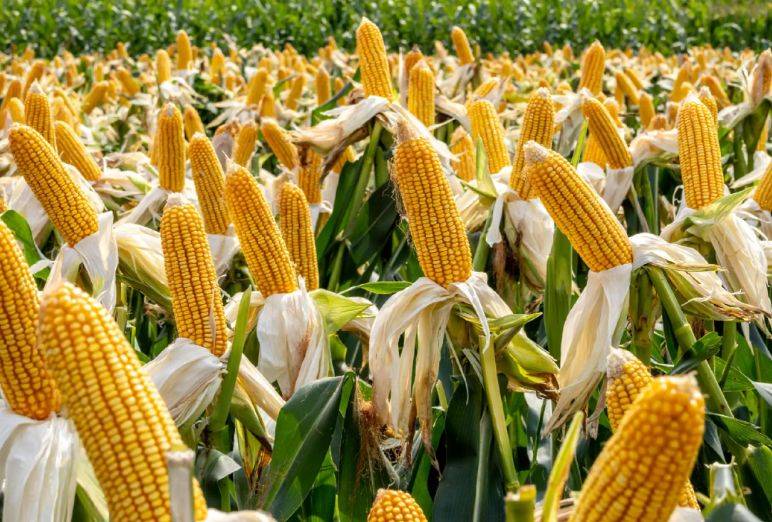
归农商城丨归农电商:农村庭院经济,商品生产新趋势
Sou Hu Cai Jing· 2025-08-25 07:00
Core Viewpoint - The rural courtyard economy is emerging as a new form of commodity production, significantly transforming traditional agriculture and serving as a vital driver for rural economic and agricultural development [1][4]. Group 1: Definition and Characteristics - The courtyard economy refers to farmers utilizing their home courtyards or surrounding land for planting, breeding, and processing activities to meet market demands, characterized by high flexibility, low investment, and quick returns [1][3]. - This economic model is particularly suitable for rural areas, adapting to the realities of rural labor transfer and market economy development [1][3]. Group 2: Impact on Rural Economy - The rise of the courtyard economy has led to increased income levels for farmers and optimized the rural industrial structure [3][4]. - Farmers can diversify and specialize their agricultural products based on market demand, thus meeting consumer needs for high-quality products and creating more market opportunities [3][4]. Group 3: Resource Utilization and Technological Innovation - The courtyard economy enhances the efficiency of agricultural resource utilization, allowing farmers to manage limited land more effectively and generate greater value [3][4]. - It promotes agricultural technological innovation and dissemination, as farmers increasingly demand new technologies and varieties, providing a broad market space for agricultural advancements [3][4]. Group 4: Challenges and Support Measures - The development of the courtyard economy faces challenges such as market information asymmetry, inadequate sales channels for agricultural products, and insufficient agricultural financial services [3][4]. - Government and relevant departments need to implement measures to support the courtyard economy, including enhancing market information services, expanding sales channels, and providing agricultural financial services [3][4].
筑牢经济底盘 夯实发展支撑——看中国经济之“重”
Ren Min Ri Bao· 2025-08-17 01:14
Group 1: Economic Overview - China's total grain production is expected to reach 1.4 trillion jin in 2024, with import and export scale stabilizing at 20 trillion yuan in the first half of the year, marking a historical high for the same period [1][2] - The Central Political Bureau meeting emphasized maintaining strategic determination and enhancing confidence to achieve annual goals, focusing on agriculture and external openness [1][2] Group 2: Agricultural Sector - The emphasis on solidifying the "three rural issues" (agriculture, rural areas, and farmers) is crucial for stabilizing agricultural production and ensuring food security [2][3] - Summer grain production reached 299.48 billion jin, overcoming drought challenges, with various agricultural products maintaining top global production levels [6][8] Group 3: Rural Economic Development - Rural residents' per capita disposable income reached 11,936 yuan in the first half of the year, reflecting a real growth of 6.2% after adjusting for price factors [7] - The collective economic income of villages is projected to exceed 500,000 yuan this year, contributing to infrastructure maintenance and agricultural equipment purchases [7] Group 4: Foreign Trade and Investment - In the first half of the year, China's total import and export value reached 21.79 trillion yuan, with a year-on-year growth of 2.9% [10][11] - The establishment of new foreign investment enterprises increased by 11.7%, indicating a strong foreign investment attraction [10][11] Group 5: Infrastructure and Investment - Infrastructure investment grew by 4.6% year-on-year in the first half of the year, outpacing overall investment growth [14] - The "two重" (two major projects) initiative aims to stimulate private investment and enhance effective investment, with significant progress expected by the end of the year [14][15]
筑牢经济底盘 夯实发展支撑 ——看中国经济之“重”
Ren Min Ri Bao· 2025-08-16 22:30
Group 1: Economic Performance and Agricultural Stability - China's total grain production is expected to reach 1.4 trillion jin in 2024, with summer grain production achieving 299.48 billion jin this year despite drought challenges [1][6] - The average income per mu for early rice has exceeded 1,000 jin, and farmers are seeing increased earnings from order-based purchases, enhancing agricultural productivity [6] - Rural residents' per capita disposable income reached 11,936 yuan in the first half of the year, reflecting a real growth of 6.2% year-on-year [7] Group 2: Foreign Trade and Investment - In the first half of the year, China's total import and export volume reached 21.79 trillion yuan, a year-on-year increase of 2.9%, with foreign investment enterprises increasing by 11.7% [10][11] - The establishment of new direct shipping routes and the launch of significant foreign investment projects indicate a robust foreign trade environment [12] - The "magnetic effect" of the Chinese market is highlighted by the completion of foreign investment targets ahead of schedule, supported by favorable policies [11][12] Group 3: Infrastructure and Investment Projects - Infrastructure investment grew by 4.6% year-on-year in the first half of the year, outpacing overall investment growth [14] - The completion of major projects under the "Two Major" initiative is expected to provide strong momentum for economic stability and growth [15] - The government has allocated over 300 billion yuan to support the third batch of "Two Major" construction projects, with a total of 8 trillion yuan planned for 1,459 projects by 2025 [15]
筑牢经济底盘 夯实发展支撑
Ren Min Ri Bao· 2025-08-16 22:03
Group 1: Economic Performance and Agricultural Stability - China's total grain production is expected to reach 1.4 trillion jin in 2024, with summer grain production achieving 299.48 billion jin this year despite drought challenges [1][6] - The average income per mu for early rice has exceeded 1,000 jin, and farmers are seeing increased earnings due to order-based purchasing, with an average additional income of over 100 yuan per mu [6] - Rural residents' per capita disposable income reached 11,936 yuan in the first half of the year, reflecting a real growth of 6.2% year-on-year after adjusting for price factors [7] Group 2: Foreign Trade and Investment - In the first half of the year, China's total import and export volume reached 21.79 trillion yuan, a year-on-year increase of 2.9%, with new foreign investment enterprises increasing by 11.7% [10][11] - The opening of new trade routes and projects, such as the "Zhuhai-Brazil" direct flight and the establishment of Tesla's first energy storage project in mainland China, highlights China's commitment to expanding high-level foreign trade [12] - The actual use of foreign capital in China reached 70.873 billion USD by the end of June, indicating a strong "magnetic effect" of the Chinese market [11] Group 3: Infrastructure and Investment Projects - Infrastructure investment in China grew by 4.6% year-on-year in the first half of the year, outpacing overall investment growth [14] - The completion of major projects under the "Two Major" initiative is expected to provide strong momentum for economic stability and growth, with over 3 trillion yuan allocated for these projects [15] - The "Two Major" projects are designed to enhance both current and long-term investment potential, contributing to a robust economic cycle [14][15]
山东青岛西海岸新区市场监督管理局关于2025年6月份食品安全抽检结果公示(2025年第5期)
Zhong Guo Zhi Liang Xin Wen Wang· 2025-08-14 07:29
Summary of Key Points Core Viewpoint The Qingdao West Coast New Area Market Supervision Administration has published the results of food safety inspections conducted in June 2025, highlighting various non-compliance issues related to food safety standards. Group 1: Inspection Results - The inspection revealed multiple food products that failed to meet safety standards, including excessive levels of harmful substances such as lead (Pb) and cadmium (Cd) [1]. - Specific products listed as non-compliant include various agricultural products contaminated with pesticides and heavy metals, indicating potential risks to consumer health [1][2]. Group 2: Regulatory Actions - The announcement serves as a public notice to ensure transparency and accountability in food safety practices within the region [1]. - The Market Supervision Administration emphasizes its commitment to enforcing food safety laws and regulations to protect public health [1][2]. Group 3: Implications for the Industry - The findings may lead to increased scrutiny and regulatory actions against food producers and suppliers in the Qingdao area, potentially impacting their operations and market reputation [1][2]. - Companies in the food industry may need to enhance their quality control measures to comply with safety standards and avoid penalties [1][2].
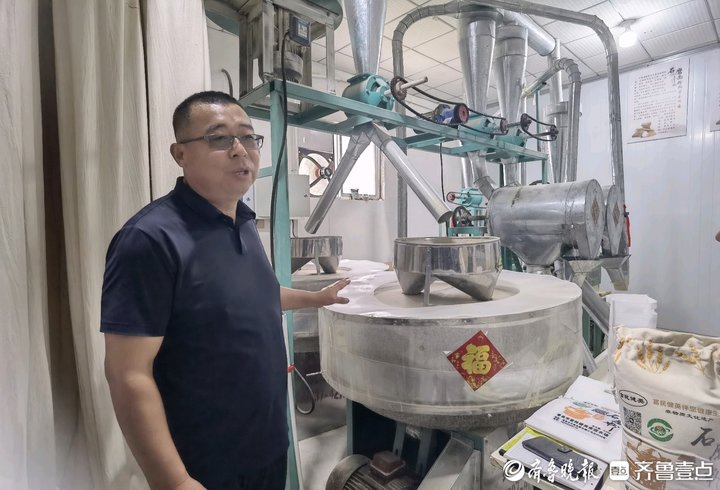
山东富硒产业三产融合发展提速,今年已新增14家示范基地
Qi Lu Wan Bao Wang· 2025-08-12 12:16
Group 1 - The core viewpoint of the article highlights the rapid growth of selenium-rich agricultural integration in Shandong, with the number of demonstration bases increasing from 3 to 17 within a year [1][3] - The three awarded units in Qingdao exemplify the successful development of the selenium-rich industry, focusing on quality control and innovative marketing strategies [1][3] - The integration of the three industries (planting, processing, and sales) significantly enhances the added value of selenium-rich agricultural products, benefiting both producers and consumers [3] Group 2 - The development of selenium-rich agriculture in Shandong is supported by national emphasis on agricultural product consumption and the establishment of relevant standards [4] - Future demonstration bases are expected to lead the way in promoting the scale, industrialization, and standardization of selenium-rich agriculture, contributing to rural revitalization and health initiatives in China [4]