动力电池

Search documents
宁德时代与奇瑞合资公司落地合肥,注册资本20亿元,动力电池龙头再扩自主车企版图
Jin Rong Jie· 2026-02-14 02:28
宁德时代方面,与车企成立合资公司已成为其深度绑定下游客户的惯常路径。此前,宁德时代已先后与 吉利、上汽、广汽等主流车企设立合资企业。此番与奇瑞携手,进一步拓宽了其在自主品牌阵营中的合 作覆盖面。 声明:市场有风险,投资需谨慎。本文为AI基于第三方数据生成,仅供参考,不构成个人投资建议。 财经频道更多独家策划、专家专栏,免费查阅>>责任编辑:栎树 动力电池龙头与自主车企的合作版图再度扩展。企查查工商信息显示,时代奇瑞(合肥)新能源科技有 限公司近日完成注册成立,注册资本20亿元,法定代表人为来永杰。该公司经营范围涵盖电池制造、电 池零配件生产与销售、储能技术服务等领域,由宁德时代、奇瑞汽车、奇瑞商用车(安徽)有限公司共 同持股。 合资公司的落地并非突然之举。早在2026年1月22日,国家市场监督管理总局已无条件批准宁德时代与 奇瑞汽车、奇瑞商用车共同新设合营企业。而双方的协同布局可追溯至2025年——当年7月,宁德时代 与奇瑞汽车宣布围绕产品开发、市场拓展与资源共享展开全方位合作,并联合合肥市政府推进动力电池 绿色智能制造项目;同年11月底,双方又与芜湖市政府签署投资框架协议,推动新能源汽车产业与零碳 城市发展 ...

地平线来了新总裁,朱威如何带团队冲刺商业化?
3 6 Ke· 2026-02-13 12:54
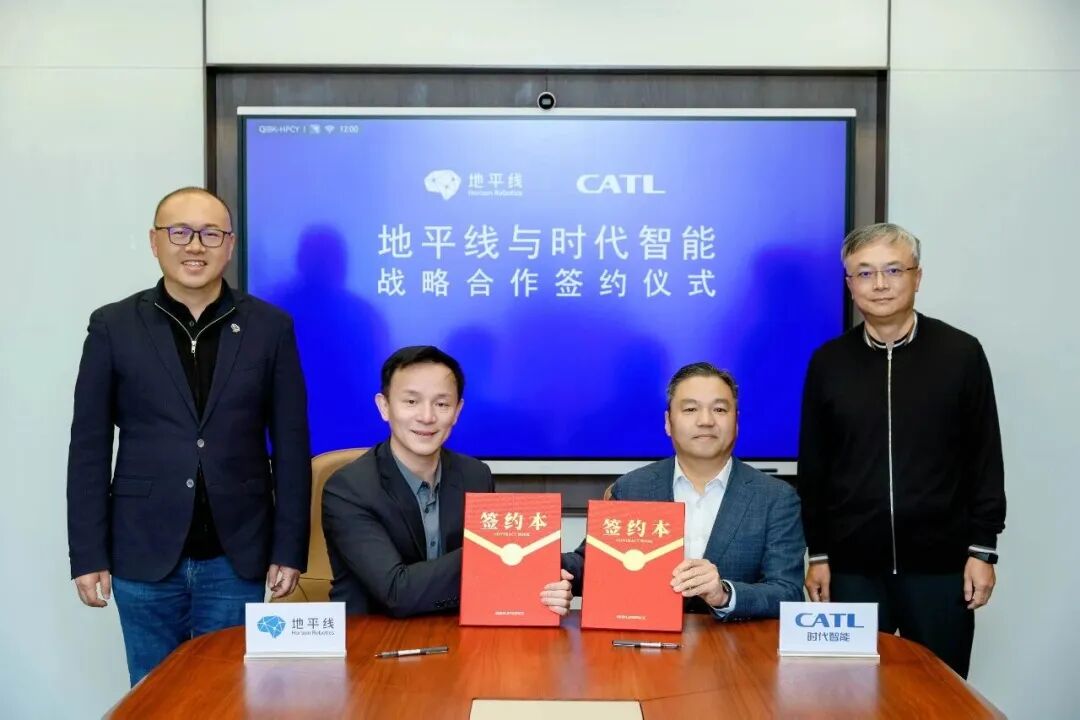
Core Viewpoint - Horizon has announced a strategic partnership with CATL's subsidiary, Times Intelligent, which signifies a significant collaboration in the automotive technology sector, particularly in smart driving and battery systems [1][12]. Group 1: Strategic Partnership - The partnership involves Times Intelligent providing its Rock Solid chassis products and technology, which enhances battery integration efficiency and allows for concurrent development with vehicle body and smart driving modules [13]. - Horizon will contribute its full-scene assisted driving products and solutions, including the recently launched Horizon HSD, marking a significant step in automotive intelligence [13][14]. - This collaboration is expected to help both companies reduce costs and improve competitiveness in the industry [14]. Group 2: Leadership Changes - Zhu Wei has been appointed as the new president of Horizon, previously serving as the executive president at CATL, indicating a strategic shift towards commercialization [3][19]. - The former president, Chen Liming, will transition to the role of vice chairman, focusing on major strategic decisions and governance improvements [3][19]. - Zhu Wei's extensive experience in sales and partnerships within the electric vehicle sector is anticipated to accelerate Horizon's market penetration and enhance its operational capabilities [16][19]. Group 3: Market Position and Challenges - Horizon has achieved a market share of approximately 46% in the ADAS market as of the first half of 2025, becoming the first domestic brand to exceed a cumulative shipment of 10 million smart driving chips [22]. - Despite this success, Horizon faces challenges such as increasing competition, price wars, and dependency on major clients, with 71.8% of its revenue in 2024 coming from its top five clients [28][29]. - The company is also under pressure to innovate and reduce costs, as competitors are rapidly advancing in technology and pricing strategies [24][31]. Group 4: Future Outlook - Horizon aims to expand its presence in the international market, leveraging Zhu Wei's experience to navigate competitive landscapes against global giants like Qualcomm and NVIDIA [18][31]. - The company has set ambitious goals for the next few years, including a target of producing 10 million HSD units and significantly enhancing smart driving capabilities in urban environments [34]. - To achieve these objectives, Horizon will need to invest in research and development, streamline costs, and accelerate the commercialization of its products [34].

宁德时代日赚2亿、手握3600亿现金再发1.7%利率50亿债券 “锦衣玉食者”仍不放过一张“套利优惠券”?
Xin Lang Cai Jing· 2026-02-12 07:22
Core Viewpoint - CATL has issued its first green technology innovation bond for 2026, raising a total of 5 billion yuan at a low interest rate of 1.7%, which has sparked discussions in the market regarding its financial strategy and market position [1][2][3] Group 1: Financial Performance - As of September 30, 2025, CATL's cash and trading financial assets exceeded 360 billion yuan, representing a nearly 20% increase from the end of 2024 [2] - The company's asset-liability ratio has decreased from a peak of 70.56% in 2022 to 64.33% by the end of Q3 2025, indicating an ongoing optimization of its debt structure [2] - CATL's short-term interest-bearing debt is approximately 31.3 billion yuan, with cash reserves covering this amount more than eight times [2] Group 2: Market Position and Competition - CATL's market share in global battery installations is projected to be 39.2% by 2025, maintaining its leading position, although its domestic market share is experiencing a decline [1] - In 2025, CATL's domestic battery installation volume is expected to be around 333.57 GWh, with a market share dropping to 43.42%, down from 45.08% in 2024, reflecting increased competition from second-tier battery manufacturers [1] Group 3: Strategic Financing Decisions - The issuance of the 5 billion yuan bond is seen as a strategic move to take advantage of low-cost funding, despite the company holding substantial cash reserves [3] - The bond's interest rate of 1.7% is significantly lower than CATL's weighted average loan rate and even some fixed deposit rates, allowing the company to achieve positive interest rate spread [3] - The decision to issue bonds despite having 360 billion yuan in cash raises questions about the necessity of such financing, suggesting a shift from survival financing to efficiency-driven financing [3]
开年即冲刺!江苏战新单日签约691亿总规模2756亿
投中网· 2026-02-12 06:31
Core Viewpoint - Jiangsu Province is rapidly advancing its strategic emerging industry fund cluster, having signed five specialized funds totaling 69.1 billion yuan, marking a significant step in its investment landscape for 2026 [4][5]. Fund Overview - The five funds signed on February 11, 2026, represent a diverse composition, including national, provincial, and municipal funds, showcasing a multi-dimensional capital linkage effect [6]. - The highlight of the signing is the Yangtze River Delta Venture Capital Guidance Fund, with a scale of 55.1 billion yuan, which is one of the first three regional funds established under the national venture capital guidance fund initiative [8]. Specific Fund Details - Jiangsu Province's Capital Expansion and High-Quality Development Fund, initiated by Jiangsu High-Tech Investment Group, has a scale of 10 billion yuan, focusing on supporting existing quality enterprises in technology upgrades and expansions [9]. - The Jiangsu New Energy (Guoxin) Industry Special Fund, with an initial scale of 1 billion yuan and a total scale of 5 billion yuan, aims to enhance the core functions and market competitiveness of provincial enterprises in the new energy sector [9]. - The Jiangsu Suhao Modern Service Industry Innovation Development Fund, with an initial scale of 2 billion yuan and a target scale of 10 billion yuan, addresses the capital layout gap in the modern service industry [9]. Fund Cluster Growth - With the signing of these funds, the total scale of the strategic emerging industry fund cluster has reached 275.6 billion yuan, with 46 specialized funds and 50 sub-funds completed, leading to over 200 direct equity investments [11]. - The "1650" industrial system, which includes 16 advanced manufacturing clusters and 50 key industrial chains, is the foundation for the fund's targeted investments, contributing to 75% of Jiangsu's industrial revenue [11][12]. Investment Strategy - Jiangsu's investment strategy is characterized by a "clustered and chained" industrial approach, allowing each signed fund to align with specific industrial chains, enhancing the effectiveness of capital deployment [12]. - The province has established itself as a leader in various sectors, including engineering machinery and high-end textiles, with funds focusing on strengthening leading enterprises through mergers and innovations [15]. Future Outlook - The recent surge in venture capital in Jiangsu is a result of its long-standing commitment to manufacturing and recent efforts towards transformation and upgrading [14]. - The province is expected to continue attracting global capital for high-tech industries, positioning itself as a key player in the Asian market for innovative technologies [14].

欣旺达再战港股!已与威睿达成和解
起点锂电· 2026-02-12 06:17
Core Viewpoint - The company is determined to successfully complete its secondary listing in Hong Kong, having resubmitted its application and financial data to the Hong Kong Stock Exchange, indicating confidence in its performance and commitment to the listing process [3]. Financial Performance - Revenue for the years 2022, 2023, and 2024 was reported at 52.162 billion, 47.862 billion, and 56 billion RMB respectively, with a compound annual growth rate of 3.6%. For the first three quarters of 2025, revenue reached 43.534 billion RMB, reflecting a year-on-year growth of 13.7% [5][6]. - The adjusted net profit for 2022, 2023, and 2024 was 1.03 billion, 535 million, and 729.5 million RMB respectively, with the adjusted net profit for the first three quarters of 2025 at 939 million RMB, a 29.3% increase from the previous year [8]. Business Structure - The company’s revenue sources are diversifying, with consumer products accounting for 51.7% of revenue in the first three quarters of 2025, while power products and energy storage systems have also seen increased contributions [6][7]. - The gross profit margin has improved from 12% in 2022 to 16.2% in the first three quarters of 2025, attributed to product structure optimization and economies of scale [8][9]. Market Expansion - The company is primarily focused on the Chinese market, but sales in the EU and Southeast Asia are gradually increasing, indicating successful overseas expansion efforts [10]. - The company has established 25 major production bases, with 19 in China and 6 overseas, enhancing its global delivery and support capabilities [10]. Production Capacity - As of September 2025, the company’s production capacity for consumer batteries was 558.9 million units, power batteries at 46.5 GWh, and energy storage systems at 21.3 GWh, with utilization rates of 90.5%, 64.3%, and 86.3% respectively [11][12]. R&D Investment - R&D expenditures from 2022 to 2024 were 2.742 billion, 2.711 billion, and 3.33 billion RMB, with a significant increase to 3.202 billion RMB in the first three quarters of 2025, reflecting a 41.2% year-on-year growth [12]. Legal Challenges - The company is currently facing two major legal disputes, one involving a lawsuit from a subsidiary of Zeekr Automotive claiming 2.314 billion RMB in damages due to battery quality issues, and another related to a recall by Volvo due to safety concerns with batteries supplied by a joint venture [14][15][18]. - The company has reached a settlement in the lawsuit with Zeekr, agreeing to pay 608 million RMB over five years, which is expected to impact its net profit for 2025 by 500 to 800 million RMB [16][18].

宁德时代孙明岩:内卷源于创新保护不足需完善知识产权体系
Zhong Guo Jing Ying Bao· 2026-02-12 02:20
Core Viewpoint - The essence of the current "involution" in the industry is a lack of innovation protection leading to homogeneous competition, highlighting the need for a robust intellectual property system to create a healthy industrial ecosystem [1] Group 1: Industry Challenges - The industry faces challenges such as frequent overseas patent litigation and geopolitical uncertainties [1] - The lack of adequate legal protection for China's leading innovation capabilities in the power battery sector is a significant concern [1] Group 2: Company Strategy - The company invests nearly 20 billion yuan annually in R&D and has established a global patent portfolio of 60,000 patents, creating a comprehensive "innovation-protection-application" management system [1] - The company employs a "technology licensing + light asset operation" (LRS model) strategy to effectively mitigate market risks and enhance global technological influence [1] Group 3: Recommendations - The company should adopt a "leader mentality" to construct an intellectual property strategy that continuously enhances the global competitiveness of Chinese enterprises [1] - There is a need to reshape the competitive order by strengthening intellectual property protection to address the issue of homogeneous competition caused by a lack of innovation protection [1]

孚能科技(688567.SH):攻克电池寿命验证瓶颈,有望加速产品研发迭代
Di Yi Cai Jing· 2026-02-12 01:54
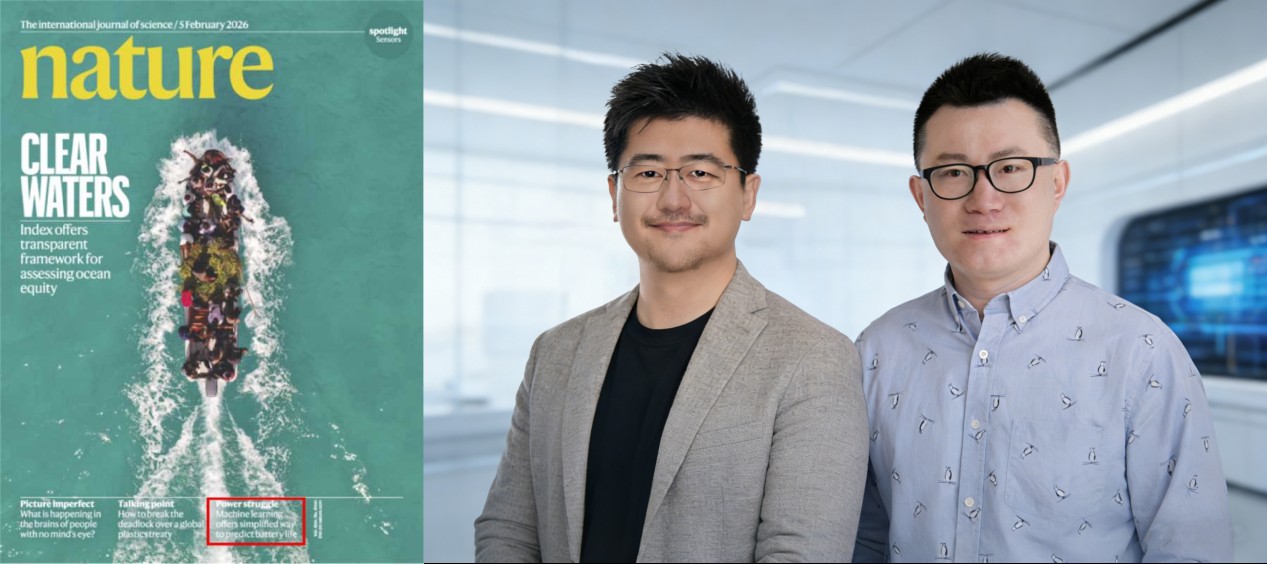
Core Viewpoint - The recent publication of the research paper "Discovery Learning predicts battery cycle life from minimal experiments" by Fulin Technology and a professor from the University of Michigan introduces a groundbreaking machine learning method that significantly reduces the time and energy required for battery life validation, addressing high development costs and long cycles in battery development [1][3][4]. Group 1: Discovery Learning Method - The "Discovery Learning" method compresses traditional battery life validation to 33 days and 0.468 MWh, saving 98% of time and 95% of energy, thus shortening the R&D cycle from years to months [3]. - Only 51% of the prototype's first 50 cycle data is needed to achieve results that exceed current mainstream methods, significantly reducing trial and error costs in R&D and manufacturing [3]. Group 2: Impact on Fulin Technology - The introduction of "Discovery Learning" not only represents a technological breakthrough but is also closely linked to the overall development of Fulin Technology, enhancing its competitiveness in the battery technology R&D field [4]. - Fulin Technology has established a flexible manufacturing platform capable of commercializing various battery types and materials, including high-nickel ternary, lithium iron phosphate, and sodium-ion batteries [3][4]. Group 3: Future Directions and Market Position - Solid-state batteries are viewed as the next core direction for power batteries, with Fulin Technology aiming to lead in this area through extensive R&D and industrialization efforts [5]. - The company has developed a diverse and high-quality customer ecosystem, including major clients such as GAC, Dongfeng, and a leading eVTOL company, which positions it well to expand market share and strengthen growth [5][6]. - Fulin Technology plans to continue its innovation-driven development approach, deepening collaborations with top research institutions and integrating cutting-edge technologies into its multi-material battery R&D and production processes [6].

智驾巨头迎来新总裁
Hua Er Jie Jian Wen· 2026-02-11 09:38
Core Insights - Horizon has made a significant personnel change by appointing Zhu Wei as the new president, succeeding Chen Liming, who will now serve as vice chairman [1][2] - Zhu Wei's experience at CATL, particularly in passenger vehicle and overseas energy storage businesses, positions him to lead Horizon's transition from a technology company to a commercial powerhouse [5][8] Company Strategy - The strategic partnership with CATL's Times Intelligent aims to enhance Horizon's capabilities in the smart driving market, focusing on the integration of hardware and software [6][7] - Horizon's goals for the next 3-5 years include producing 10 million units of HSD (Horizon SuperDrive) and increasing the average mileage for urban MPI (manual takeover intervals) by tenfold by 2026 [4][8] Market Context - The smart driving market is evolving from production capability to a competitive landscape focused on scalability, cost reduction, and efficiency [4][8] - The collaboration with CATL represents a strong alliance in the Chinese new energy vehicle sector, combining CATL's supply chain expertise with Horizon's smart technology [7] Leadership Transition - Chen Liming's tenure established a solid engineering foundation for Horizon, while Zhu Wei's role will focus on scaling operations and expanding market share [3][5] - Zhu Wei's entry is seen as a strategic move to enhance Horizon's competitive edge amid increasing competition from companies like Huawei and NVIDIA [8][9]
超过74亿元!宁德时代股票激励,涉及5000名核心员工!
Xin Lang Cai Jing· 2026-02-11 07:01
Core Viewpoint - Contemporary Amperex Technology Co., Limited (CATL) has announced a new employee stock ownership plan aimed at incentivizing nearly 5,000 core employees, aligning their interests with those of the company and shareholders [1][46]. Group 1: Purpose and Participants - The plan aims to retain talent and foster development by incentivizing mid-level and key employees through stock ownership, thereby aligning their interests with the company's long-term goals [1][46]. - Participants include approximately 5,000 core employees, primarily mid-level managers and key personnel, including foreign employees. Exclusions apply to directors, senior management, shareholders holding more than 5%, and their immediate family members [2][48][63]. Group 2: Stock Details and Pricing - The shares will be sourced from previously repurchased A-shares by the company [3][50]. - The purchase price is set at 183.64 yuan per share, which is approximately 50% of the higher of the average trading price from the previous day or the average over the last 20 days [4][51][70]. Group 3: Lock-up Period and Conditions - The total lock-up period is 36 months, with shares unlocking in three phases: 30% after one year, another 30% after two years, and the remaining 40% after three years [4][52][73]. - The unlocking of shares is contingent upon individual performance evaluations, with grades determining the percentage of shares that can be unlocked each year [4][52][75]. Group 4: Financial and Management Aspects - The total funding cap for the plan is approximately 74.32 billion yuan, with a maximum of about 404.68 million shares, representing 0.09% of the company's total equity. About 12.36% of the shares are reserved for future talent acquisition [6][53][65]. - The plan will be managed internally by the company, with a management committee elected by the participants overseeing daily operations [7][54][76]. Group 5: Duration and Transfer Restrictions - The effective duration of the employee stock ownership plan is set for five years (60 months) [8][55]. - During the plan's duration, participants cannot transfer, pledge, or use their shares for debt repayment [9][30]. Group 6: Next Steps - The plan has been approved by the board of directors but requires shareholder approval at a forthcoming meeting to be officially implemented [10][60][79].

知识产权战略重塑引领动力电池产业全球化新征程
Zhong Guo Qi Che Bao Wang· 2026-02-11 07:00
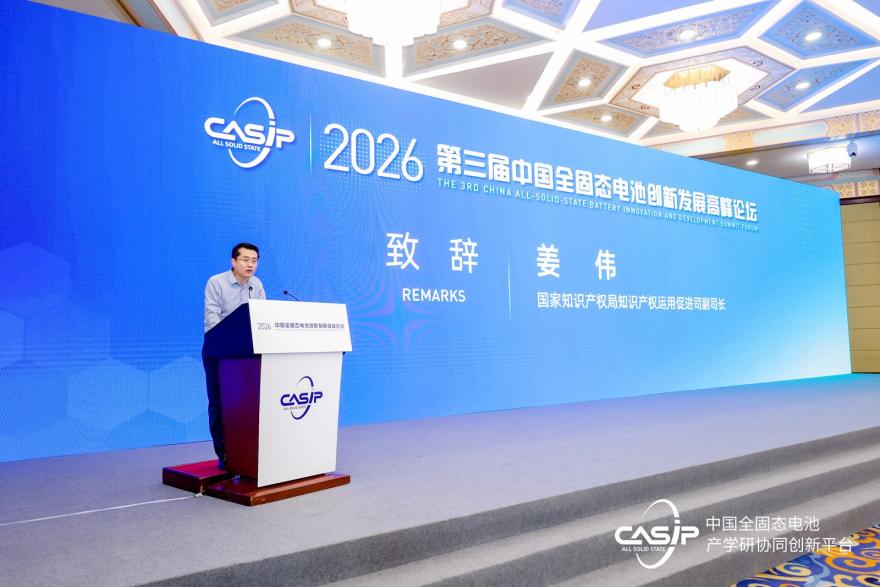
Group 1 - The forum focused on the strategic layout and risk prevention of intellectual property (IP) in the global development of the power battery industry, emphasizing the need for collaboration among various stakeholders [1][8] - The New Generation Power Battery Intellectual Property Alliance aims to prevent IP risks and promote efficient utilization, supporting the industry's global development [1] - Key issues identified include the gap in patent quality compared to international standards, increasing patent competition, and low implementation rates of university patents [3] Group 2 - CATL's Chief IP Officer shared insights on managing IP in the context of globalization, highlighting the company's annual R&D investment of nearly 20 billion yuan and a global patent portfolio of 60,000 patents [4] - The company has adopted a "technology licensing + light asset operation" model to mitigate market risks and enhance global technological influence [4] - The need for stronger legal protection for China's leading innovation capabilities in power batteries was emphasized, along with the call for a strategic approach to IP management [4] Group 3 - The analysis of solid-state battery IP risks highlighted challenges such as core patent barriers established by Japanese companies and compliance risks associated with standard essential patents (SEPs) [5] - A dual approach of innovation and compliance is recommended to build a robust IP defense system for technology commercialization [5] - The roundtable discussions underscored the importance of identifying overseas patent barriers and the need for collaborative innovation across the industry chain [6] Group 4 - The forum concluded that IP is a crucial engine for global competition in the power battery industry, advocating for a national strategy to guide corporate practices and collaborative innovation [8][9] - The integration of IP management into the entire R&D process was highlighted as essential for enhancing competitiveness [6] - The call for a resilient and dynamic IP ecosystem was reiterated, emphasizing its role in driving industry upgrades and global leadership [9]