粮食种植与加工

Search documents
“双节”餐桌上新 一起沉浸式感受大国粮仓的“底气”→
Yang Shi Xin Wen Ke Hu Duan· 2025-10-03 01:29
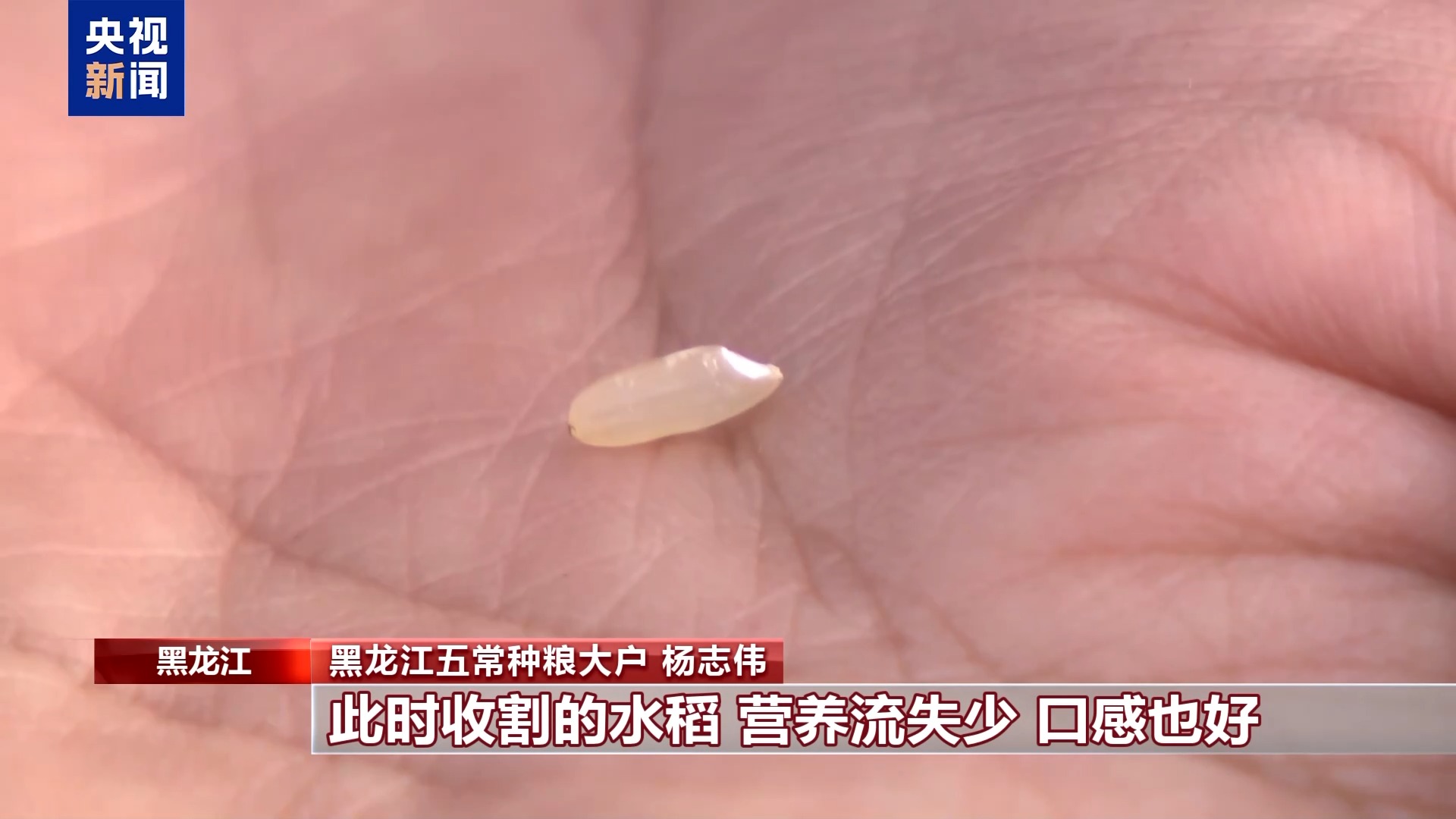
Group 1: Agricultural Production and Technology - The autumn harvest in Heilongjiang, China's largest grain-producing province, is underway, showcasing over 200 million acres of farmland with advanced technology such as drones and autonomous harvesters [3][5] - The "6-step fresh" technique implemented by large rice producers in Heilongjiang has reduced field losses by approximately 5% and significantly improved rice quality [5] - The processing of rice involves a meticulous journey from low-temperature drying to high-barrier aluminum packaging, ensuring freshness [6] Group 2: Supply Chain and Logistics - The new grain transportation system initiated by COFCO Group and China Railway Group aims for rapid response in the logistics of autumn grain, utilizing "iron-water combined transport" for seamless operations [10] - The national grain supply system is in "holiday mode," ensuring sufficient reserves and efficient distribution, with summer grain storage exceeding 100 million tons [13][15] - Advanced technology in food processing facilities allows for continuous operation, with a daily output of 400 tons of rice, supported by government policies and technological advancements [8] Group 3: Consumer Trends and Market Dynamics - The holiday dining experience has evolved, with a focus on diverse and innovative food offerings, reflecting the growth of the "taste economy" [25][32] - In Luoyang, new creative pastries incorporating local peony flowers are being introduced, showcasing the integration of cultural elements into food products [26][28] - The food processing industry in Shandong can produce over 600 different deep-processed products from wheat, indicating a trend towards diversification in food offerings [30]

盐城“射阳大米”跻身全国10个单一类品牌案例
Yang Zi Wan Bao Wang· 2025-09-19 13:57
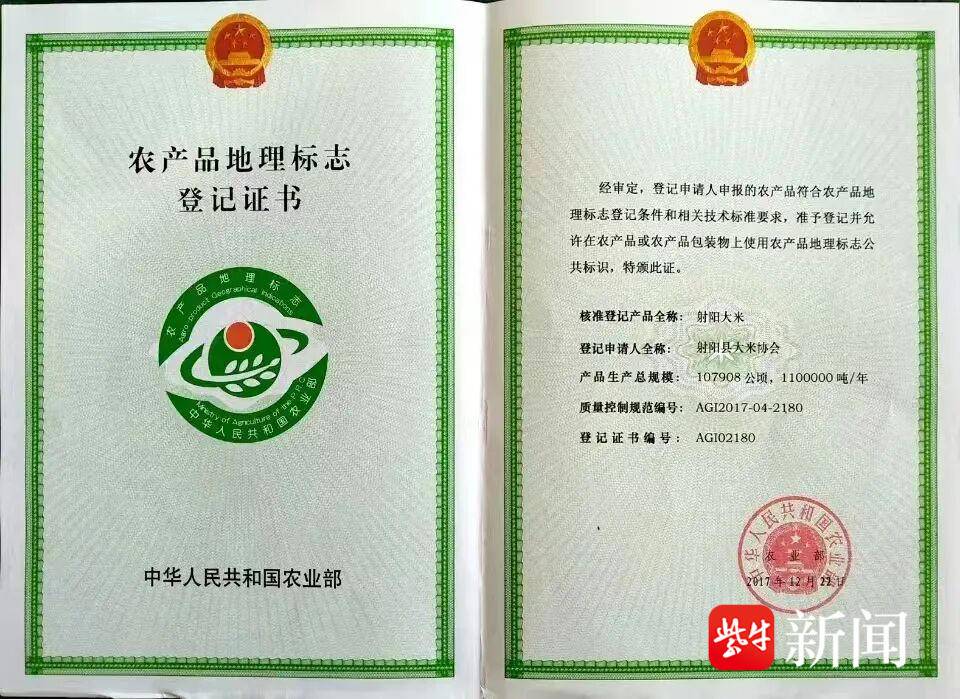
Core Viewpoint - The article highlights the successful case of "Shayang Rice" from Sheyang County, Jiangsu, which has been recognized as a model for quality management and brand development in the agricultural sector, contributing to consumer confidence and regional economic growth [1][2]. Group 1: Brand Development and Recognition - "Shayang Rice" has been awarded multiple honors, including "Top Ten Regional Public Brands of Rice in China" and "Jiangsu Boutique," with a brand value reaching 36 billion yuan [1]. - The brand has maintained a position on the Shanghai best-selling agricultural products list for 14 consecutive years, showcasing its market strength and consumer trust [1]. Group 2: Quality Improvement Initiatives - The county has implemented a comprehensive quality enhancement plan characterized by "government leadership, standard navigation, and technical support," allocating 20 million yuan annually for brand development [2]. - A tailored set of standards, including "Geographical Indication Product Shayang Rice" and "Rice Cultivation Technical Regulations," has been established, exceeding national standards and ensuring quality consistency from breeding to sales [2]. Group 3: Technological Innovations - The introduction of a dual-code traceability system allows for real-time tracking of product quality, integrating certification directly into the traceability information [2]. - The establishment of the first "Soo Chain Inspection" technical service expert workstation in the province has facilitated the initial review of two new rice varieties, enhancing quality through technological advancements [2]. Group 4: Economic Impact - The initiatives have led to the establishment of 600,000 acres of green bases and the cultivation of 39 green and organic food products, directly increasing farmers' income by 300 million yuan [4]. - The development path of "special resources → standard enhancement → brand value increase" has become a replicable model for regional public brand quality upgrades, providing valuable insights for national agricultural product brand development [4].
截至8月中旬,越南大米出口额破30亿美元
Shang Wu Bu Wang Zhan· 2025-09-04 16:51
Group 1 - The planting area for summer and autumn rice in the Mekong Delta has exceeded 1.82 million hectares, with 1.08 million hectares harvested and an expected yield of 6.53 million tons [1] - The planting area for autumn and winter rice is 581,000 hectares, achieving 83% of the planned target; the planting area for the current season rice is 145,000 hectares, achieving 43% of the planned target [1] Group 2 - The price of fragrant rice (5%) reached $455-460 per ton on August 28, marking the highest level since early January this year [2]
稻香链动“百千万”!汕尾丝苗米产业园的共富实践
Nan Fang Nong Cun Bao· 2025-08-22 12:06
Core Viewpoint - The article highlights the successful implementation of the "Hundred-Thousand-Million Project" in the Shantou rice industry, focusing on the establishment of a comprehensive service platform that enhances agricultural productivity and farmer income through modern agricultural practices and community engagement [2][5][94]. Group 1: Industry Overview - The Shantou rice industry has transformed from a fragmented structure to a clustered model, with the establishment of a comprehensive service platform for production, procurement, storage, processing, and sales [11][36]. - The planned area of the rice industry park covers 3,037.604 square kilometers, serving 1.36 million farmers with a rice planting area of 890,000 acres and an annual production exceeding 303,700 tons [7][8][6]. Group 2: Agricultural Practices - The industry park promotes a "six unifications" model, which includes unified varieties, planting, standards, drying, purchasing, and settlement, effectively addressing the concerns of farmers at various stages [13][18][81]. - Collaboration with agricultural research institutions has led to the establishment of a breeding demonstration base, focusing on local varieties and integrated pest management [26][28][29]. Group 3: Economic Impact - The implementation of the "order agriculture + full social service" model has reduced production costs for farmers by 300 yuan per acre per year, enhancing their income potential [81][82]. - In 2024, the company plans to purchase 34,100 tons of rice, expanding service coverage to over 85,000 acres, with a target of 44,000 tons and over 110,000 acres in 2025 [84][83]. Group 4: Branding and Market Expansion - The industry park is actively promoting the Shantou rice brand through advertising campaigns in major cities, enhancing brand recognition and market presence [54][56][60]. - The establishment of over 10 brand stores and partnerships with more than 600 clients in the food service and retail sectors has facilitated the distribution of Shantou rice products [61][62]. Group 5: Community Engagement - The industry park aims to create a tight-knit interest community among enterprises, village collectives, and farmers, promoting the "Hundred-Thousand-Million Project" to achieve sustainable income growth for farmers [78][79]. - Training programs have been conducted for 1,720 farmers, with 796 individuals gaining employment through the park's initiatives, emphasizing the importance of mechanization and modern agricultural techniques [90][91][92].

黑龙江友谊县:以糯稻为媒 架起产销两旺合作“金桥”
Zhong Guo Fa Zhan Wang· 2025-08-20 13:00
Core Insights - The event held in Heilongjiang's Youyi County aimed to promote the glutinous rice industry chain, focusing on connecting upstream and downstream resources, and highlighting industry support policies and technological innovations [1][2] - Local officials emphasized the region's natural advantages for glutinous rice cultivation, including mechanization, precision agriculture, and a supportive business environment, aiming for high-value and high-quality development of the industry [1] Group 1 - The promotional event was designed to accelerate the development of the glutinous rice industry towards a full-chain, high-value, and high-quality direction [1] - Youyi County's Secretary Li Wei expressed hopes for collaboration with various stakeholders to enhance technological innovation and connect the glutinous rice industry across regions [1] - County Mayor Zhang Chengliang highlighted the unique natural endowments and opportunities in the region for glutinous rice production, encouraging partnerships for mutual benefits [1] Group 2 - Representatives from the Heilongjiang Academy of Agricultural Sciences and various enterprises discussed agricultural and glutinous rice industry development during the event [2] - Attendees visited the production line of Northeast Daziran Grain and Oil Group Co., Ltd., showcasing the operational aspects of glutinous rice processing [2]

小麦“变身”600多种产品
Xin Hua Wang· 2025-08-15 23:58
Core Insights - The transformation of wheat into over 600 products showcases the integration of technology and value-added processes in the agricultural sector [1] - The successful cultivation of salt-tolerant wheat varieties has significantly improved yields in previously barren saline-alkali lands [3][5] - Innovative processing techniques have increased the economic value of by-products, such as wheat bran, which has seen a price increase from 1,800 yuan per ton to 30,000 yuan per ton [9] Group 1: Agricultural Innovation - The introduction of the "Yutian Wheat 126" variety has been pivotal in enhancing local agricultural productivity [5] - Farmers initially skeptical about new salt-tolerant varieties have shifted their attitudes after witnessing tangible results, leading to increased adoption [6] - The area under cultivation for salt-tolerant wheat has expanded significantly, with one farmer increasing his planting area to 300 acres [6] Group 2: Processing and Value Addition - The deep processing of wheat has led to a near-total utilization rate, saving approximately 500,000 tons of grain annually [12] - The development of custom filtration technology has improved the extraction of dietary fiber from wheat bran, contributing to an annual profit increase of 110 million yuan for the company [11][12] - The total value of wheat has increased from 3,700 yuan to around 9,140 yuan per ton through advanced processing and branding efforts [12] Group 3: Waste Management and Sustainability - The company has implemented a system to convert waste products, such as liquid distiller's grains, into valuable feed, enhancing feed efficiency by over 10% [12][13] - The use of anaerobic fermentation for pig manure treatment has improved soil quality and increased crop yields in saline-alkali fields [14] - The overall economic benefits from these innovations have led to a 20% increase in the profitability of pig farming [14]
西藏举办首届青稞产业发展大会
Ren Min Ri Bao· 2025-08-10 19:23
Core Viewpoint - The first Qingke Industry Development Conference in Tibet aims to promote high-quality development of the Qingke industry and support comprehensive rural revitalization [1] Group 1: Conference Overview - The conference was held in Lhasa, focusing on "Green Development, Healthy Sharing - Promoting High-Quality Development of the Qingke Industry" [1] - Organized by the Tibet Autonomous Region People's Government and the China Rural Development Volunteer Service Promotion Association, the event attracted over 100 participants, including agricultural departments, experts, and business representatives [1] Group 2: Agreements and Projects - Local governments from Lhasa, Shannan, and Shigatse signed cooperation agreements with several leading Qingke processing enterprises, covering 10 projects related to Qingke demonstration industrial park construction, production processing, and sales connections [1] Group 3: Industry Statistics - Tibet is the main production area for Qingke in China, with a projected planting area of 2.301 million acres and a production volume of 888,000 tons in 2024, accounting for 47% and 64% of the national totals, respectively [1] - The region has established the first national Qingke industry technology system, cultivating 78 excellent varieties, including the Zangqing and Himalaya series [1] - Through scientific fertilization, integrated pest management, and full mechanization, the yield of Qingke has increased by 2.2 times compared to 1975 [1]
耕好“无形良田”,建设更高水平“齐鲁粮仓”
Qi Lu Wan Bao Wang· 2025-07-24 02:37
Core Viewpoint - The 2025 International Conference on Food Loss Reduction will be held in Jinan, focusing on technological innovation to enhance food security globally [1] Group 1: Food Security and Legislation - Food security is a global issue essential for peace and development, with food loss reduction being a critical pathway to enhance food safety and nutrition levels [1] - The Food Security Guarantee Law of the People's Republic of China will take effect on June 1, 2024, marking a new phase in the legal governance of food loss reduction [1] Group 2: Shandong's Role in Food Production - Shandong is one of China's major grain-producing provinces, consistently ranking third in grain planting area and total production [3] - The province has maintained a total grain production of over 110 billion jin for four consecutive years, with a focus on increasing grain yield [3] Group 3: Technological Innovations in Agriculture - Shandong is implementing a comprehensive approach to enhance grain yield through the integration of five key factors: good land, good seeds, good timing, good methods, and good systems [3] - The province has established high-standard farmland covering 77.59 million acres, with a machinery power of 122 million kilowatts, leading the nation [3] Group 4: Grain Loss Reduction Strategies - The province is focusing on reducing losses from sowing to harvesting by promoting high-efficiency, low-loss agricultural machinery and new crop varieties [5] - Shandong has built a remote sensing monitoring platform to effectively manage pest and disease threats, reducing losses to below 5% [5] Group 5: Post-Harvest Management - Shandong has invested 3.71 billion yuan in scientific grain storage, significantly reducing post-harvest losses by an average of 5 percentage points [8] - The province has established a post-harvest service system with 280 service centers, enhancing grain drying and cleaning capabilities [8] Group 6: Grain Processing and Utilization - Shandong's grain industry has achieved an industrial output value exceeding 500 billion yuan for three consecutive years, accounting for over one-eighth of the national total [12] - The province promotes a "waste not" processing model, achieving over 90% utilization rates in deep processing capacities [12]
首农食品集团以科技重塑田间到餐桌全链条
Bei Jing Shang Bao· 2025-06-18 13:39
Core Viewpoint - Food security is a critical national issue, and the efforts of Shou Nong Food Group are pivotal in ensuring the food safety of the capital and the happiness of its citizens [1][3]. Group 1: Agricultural Production - Shou Nong Food Group has significantly increased wheat yields through technological advancements, achieving an average increase of nearly 539 jin per mu in the yield of wheat from reclaimed land [1]. - The Longyang Farm, part of the South Suburban Farm, reported a wheat yield of 1018 jin per mu from 300 mu of reclaimed land, surpassing the average yield of 755 jin per mu in Beijing for 2024 [3]. - The promotion of experimental techniques in reclaimed land has resulted in an annual increase of 2500 tons of wheat in Beijing [3]. Group 2: Food Storage and Emergency Preparedness - A modern industrial park located outside Beijing's South Sixth Ring Road plays a crucial role in the city's grain and oil emergency guarantee system, with a storage capacity of 200,000 tons for raw grains and 50,000 tons for finished grains [3]. - The design of the storage facilities includes three-story buildings with a total height of 34 meters, allowing for the storage of tens of thousands of tons of grain [3]. Group 3: Food Processing and Technology - Guochuan Food Company, part of Jingliang Group, has integrated automated packaging lines to enhance efficiency and accuracy in the food processing stage [4]. - The company has developed a diverse product matrix of over 80 types of flour, catering to various needs from home kitchens to high-end food industries [4]. - The research team at Jingliang Group has participated in numerous national and industry standards, establishing a strong technical foundation for food safety [4].
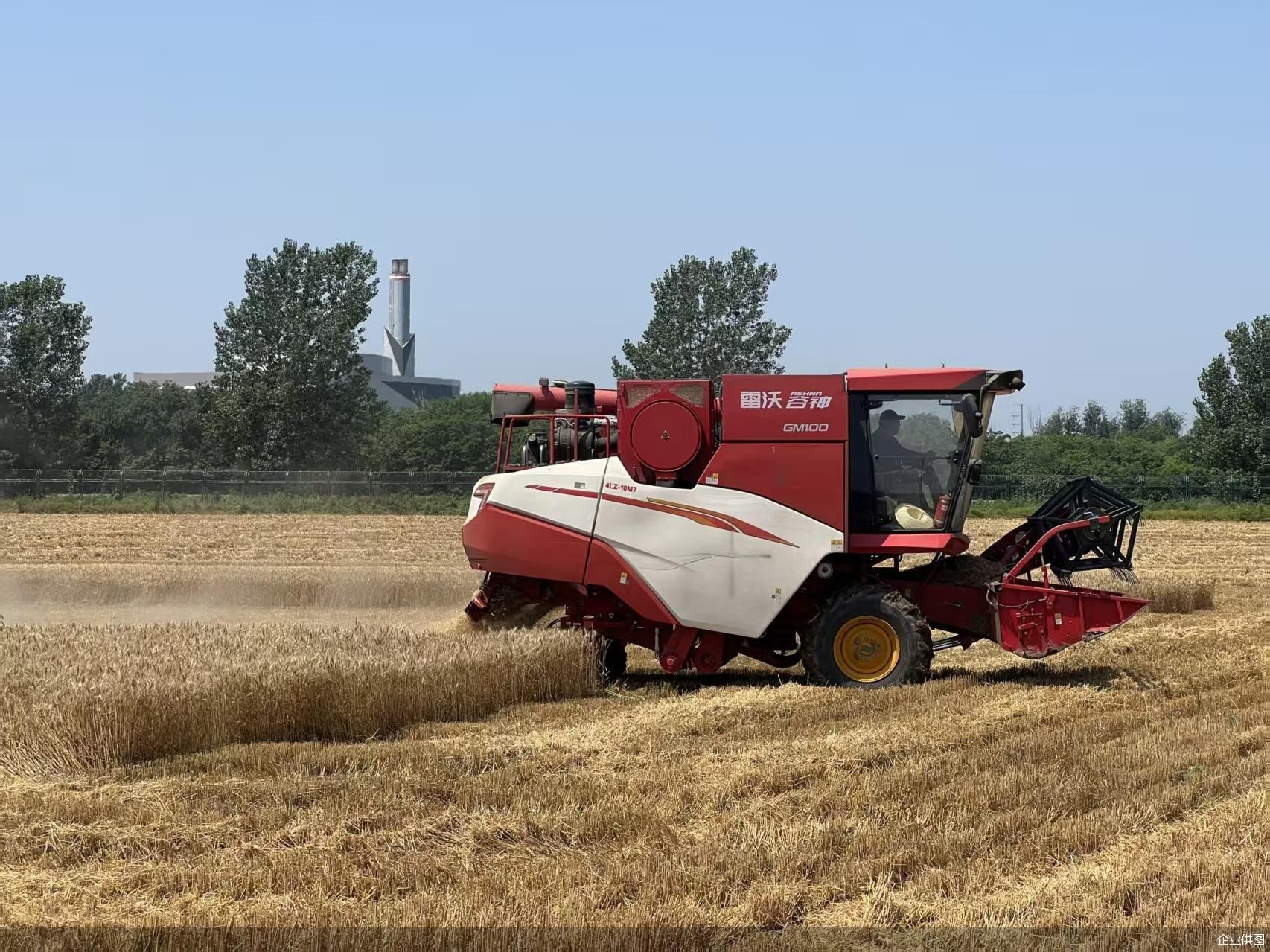
河南麦收基本结束 算算今年“三夏”账
He Nan Ri Bao· 2025-06-11 23:41
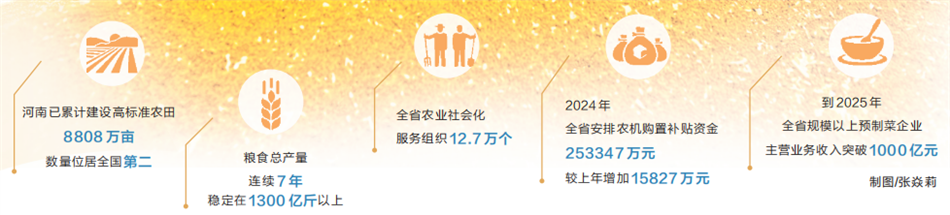
Core Viewpoint - The article highlights the successful wheat harvest in Henan Province, emphasizing the province's significant contribution to national food security and the modernization of agricultural practices [2][7]. Resource Account - Henan Province, with only 1/16 of the national arable land, produces nearly 1/10 of the country's grain output, showcasing the importance of land preservation for food security [3][6]. - The implementation of a grid-based land protection system has led to nearly 230,000 "land stewards" managing farmland, ensuring effective land use and protection [3]. - The average wheat yield in some areas has exceeded 1,400 pounds per acre, attributed to improved agricultural practices such as deep plowing [5][6]. Production Account - The government has introduced various subsidies and support measures, including a "one spray multiple prevention" package, which helps farmers save on pesticide costs [8]. - The establishment of over 127,000 agricultural social service organizations provides farmers with comprehensive support, enhancing productivity and efficiency [11]. - The integration of advanced agricultural machinery and technology has transformed traditional farming practices, making them more efficient and less labor-intensive [13]. Revenue Account - The value of wheat is being significantly enhanced through deep processing, with local companies transforming wheat into high-value products like bread and noodles [14][15]. - The province aims to develop its pre-prepared food industry, targeting over 100 billion yuan in revenue by 2025, which will further increase the value of agricultural products [18]. - Henan's modern food industry network includes a substantial share of national production for various food items, indicating a robust agricultural economy [18].