乡村旅游

Search documents
村咖焕活、菌菇富民、片区融合——姜堰奏响“全域振兴”田园交响曲
Xin Hua Ri Bao· 2025-10-23 23:04
Core Insights - The article highlights the innovative approaches in rural revitalization in Jiangyan District, Taizhou, showcasing how local businesses like coffee shops and mushroom cultivation are driving economic growth and community engagement [1][2][4][6]. Group 1: Rural Tourism Development - A village coffee shop, "Chunye," sells nearly a thousand cups daily, attracting visitors from major cities, which contributes to local tourism and economic activity [2][3]. - The coffee shop is expected to generate approximately 100,000 yuan annually for the village collective through guaranteed income and profit-sharing [2]. - The integration of local agricultural products, such as rice and grapes, with the coffee shop's offerings is enhancing the overall visitor experience and boosting sales [2][3]. Group 2: Community Engagement and Employment - The "Mushroom Tribe" educational base in Xiaoyang Community has created job opportunities for over 240 residents, generating nearly 1.6 million yuan in annual income for the village collective [4][5]. - Local residents, like Cao Youqin, express satisfaction with new job opportunities and income from both working at the base and land leasing [5]. Group 3: Integrated Development Strategy - The Jiangyan District is implementing a comprehensive development plan centered around the Qinhai Wetland, covering three towns and 16 administrative villages, focusing on optimizing space and upgrading industries [6][7]. - The area is developing a public brand "Jiangwei Shizu," leveraging local geographical products and cultural resources to enhance tourism and economic integration [7]. - Seasonal events and activities, such as the Qintong Boat Festival, are being organized to attract tourists, with nearly 300,000 visitors during the recent holiday period [7]. Group 4: Future Prospects - The "Chunye" coffee shop plans to expand its offerings to include outdoor activities and educational experiences, aiming to create a comprehensive rural tourism model [3]. - The overall strategy emphasizes the harmonious integration of ecology, culture, and industry, paving the way for sustainable rural development [7].
“蹦跳路”成了共富路
Ren Min Ri Bao· 2025-10-23 22:42
Core Insights - The S219 road has transformed from a difficult route to a vital connection for urban-rural integration and economic development in Pujiang County, Zhejiang Province, significantly reducing the income gap between urban and rural residents [1][2][3] Group 1: Economic Development - Pujiang County's operational income for all administrative villages exceeded 500,000 yuan last year, with the urban-rural income disparity reduced to below 1.86 [1] - The county has seen a 2.4 times increase in collective economic income since 2017, with over 70% of villages previously earning less than 50,000 yuan [2] - The grape industry in Pujiang has achieved an annual output value exceeding 1.4 billion yuan, with a 35% increase in product premium rates due to direct sales to urban markets [3] Group 2: Tourism and Employment - The New Light Village, with over 300 years of history, has become a popular tourist destination, attracting over 10,000 visitors daily during the National Day holiday, contributing to a collective income exceeding 1 million yuan for four consecutive years [2] - The S219 road connects various tourist attractions and has enabled local residents to benefit from tourism-related income [2][3] - Employment opportunities have been created through agricultural projects, with over 300 jobs provided and an average monthly income increase of over 3,500 yuan for surrounding farmers [1] Group 3: Regional Collaboration - The establishment of the "S219 Three-Region Common Prosperity Alliance" aims to enhance tourism resource sharing and collaborative economic development among Pujiang, Tonglu, and Jiande [3] - Initiatives include cross-county public transport, employee wellness programs, and unified tourism branding, expected to generate an additional 200 million yuan in rural tourism revenue this year [3]
新农人更是“兴农人”
Ren Min Ri Bao· 2025-10-23 22:42
Group 1 - The article highlights the success of the old courtyard black chicken farming in Sichuan's Dazhou, which has become a significant source of income for local farmers [1][2] - Liu Xiaogang, known as "Black Chicken Brother," transitioned from teaching to farming, achieving annual sales exceeding 30 million yuan and helping over 300 households increase their income by more than 4,000 yuan each [2] - The Dazhou government is actively promoting the cultivation of new farmers, with over 1,200 new farmers working to boost local industries and improve the livelihoods of their communities [2] Group 2 - Dazhou County has implemented the "One Village One CEO" initiative, selecting 121 villages to attract talented individuals to lead rural development, with successful candidates receiving up to 10% of village collective income [3] - The collaboration between the village of Guangzi and Zhejiang Tianyan Weizhen Network Technology Co., Ltd. has led to the development of agritourism, transforming idle land and old houses into tourist attractions [3] - The Dazhou Agricultural and Rural Bureau emphasizes the importance of supporting and trusting new farmers, allowing them to thrive in the rural revitalization efforts [3]
推动乡村发展“一直兴”(专家点评)
Ren Min Ri Bao· 2025-10-23 21:55
Core Viewpoint - The 20th Central Committee's Fourth Plenary Session has systematically deployed the promotion of comprehensive rural revitalization during the "14th Five-Year Plan" period, emphasizing the development of rural characteristic industries and the deep integration of rural culture and tourism [1][2]. Group 1: Policy and Strategic Direction - The 2025 Central Document No. 1 calls for the implementation of rural industry integration development projects and the promotion of deep integration between rural culture and tourism, providing a clear direction for rural revitalization [1]. - The rise of "village sports" events, such as "Village BA" and "Village Super," exemplifies the development of new rural industries and practices, transforming spectator engagement into economic benefits through tourism, dining, and agricultural product sales [1]. Group 2: Community Engagement and Economic Impact - In these events, villagers serve as athletes, organizers, spectators, and beneficiaries, enhancing community identity and cohesion, while digital media expands participation beyond geographical limits [1]. - The integration model of "sports + culture + tourism + industry" extends the value chain of events, strengthens rural economic resilience, and explores sustainable development paths [1]. Group 3: Future Development Strategies - Future efforts should focus on systematic planning, including product innovation, data platforms, talent services, and collaborative development to promote high-quality rural cultural tourism [1]. - Key strategies include enhancing the branding and regularization of "village sports," avoiding homogenization, and empowering rural revitalization through cultural industry initiatives [1]. - The digital transformation of rural culture and tourism is essential, utilizing new media to expand communication channels and improve service experiences [1]. - Infrastructure and public service improvements are necessary to attract young entrepreneurs back to rural areas, fostering a new generation of agricultural professionals [1]. - Establishing benefit-sharing mechanisms is crucial to ensure that farmers become the main participants and beneficiaries of cultural tourism development [1].
浙江S219路段改建拓宽变通途 “蹦跳路”成了共富路
Ren Min Ri Bao· 2025-10-23 21:51
Core Insights - The S219 road has transformed from a difficult path to a vital route for economic development and rural revitalization in Pujiang County, Zhejiang Province, facilitating urban-rural integration and promoting common prosperity [1][2][3] Group 1: Economic Development - Pujiang County has seen all administrative villages achieve operational income exceeding 500,000 yuan, with the urban-rural income gap reduced to below 1.86 [1] - The cold chain logistics system has enabled the direct delivery of seasonal highland vegetables to urban supermarkets, creating over 300 job opportunities and increasing the average monthly income of surrounding farmers by over 3,500 yuan [1] - The collective economy of six villages has increased by over 4 million yuan annually, with highland vegetables becoming one of the five key agricultural industries in Pujiang [1] Group 2: Tourism and Cultural Development - The New Light Village, with over 300 years of history, has been developed into a multi-functional rural tourism destination, attracting over 10,000 visitors daily during the National Day holiday [2] - The S219 road connects major scenic spots and popular tourist destinations, allowing local residents to benefit from tourism-related income [2] - The county has established a "消薄" (poverty alleviation) task force to guide villages in developing profitable industries, resulting in a nearly 2.4 times increase in collective economic income since 2017 [2] Group 3: Regional Collaboration - The establishment of the "S219 Three-Region Common Prosperity Alliance" among Pujiang, Tonglu, and Jiande aims to share tourism resources and enhance economic cooperation [3] - Initiatives include cross-county public transport, employee wellness programs, and the creation of a new cultural tourism brand, expected to generate an additional 200 million yuan in rural tourism revenue [3] - The collaboration seeks to break down administrative barriers and innovate mechanisms for regional cooperation, contributing to the construction of a common prosperity demonstration zone in Zhejiang [3]
秋季乡村游持续升温 带动文旅消费蓬勃发展
Yang Shi Wang· 2025-10-23 02:54
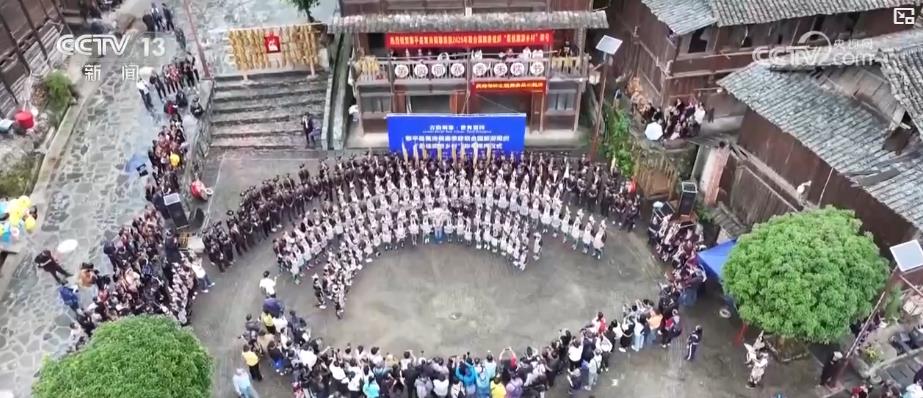
四川甘孜藏族自治州基卡依村是嘉绒东女文化重要发源地,村中完整保存着22座古碉楼与大量传统民居。当地将自然风光、川西 高原民族文化与生态旅游相融合,打造了兼具技艺展示与文化体验功能的旅游民宿集群,并开发了沉浸式文旅剧目、非遗手作体验项 目等,实现了遗产保护与旅游开发的良性互动。据统计,今年上半年,全村接待游客超过13.6万人次,实现旅游综合收入1.4亿元,同 比增长22%。 在山东聊城,鲁超联赛与2025中国·聊城全民轮滑嘉年华暨两大赛事举办,吸引3万名观众和3300余名轮滑爱好者齐聚江北水城, 当地推出多项惠民政策及文化节等相关活动,为游客提供更加优质、丰富的旅游体验。 央视网消息:进入秋季,乡村旅游持续升温,依托各具特色的人文地理资源,通过举办文旅赛事等多彩活动,带动乡村文旅蓬勃 发展的同时,为乡村振兴注入活力。 打造乡村文旅新业态,在福建省南平市建阳区马伏村,有着800多年历史的云庄书院历经元、明、清多次修葺,2025年完成重建并 对外开放,集阅读、文化展示与非遗体验于一体,以"宋韵田园风"为基调,开设华服馆、咖啡厅、文创店,吸引大量年轻人前来创 业。 贵州省黎平县黄岗村刚刚入选联合国旅游组织评选的202 ...

“寻宝”碧山村 遇见慢时光(艺术改变乡村)
Ren Min Ri Bao· 2025-10-22 22:21
Core Insights - The article highlights the transformation of Banshan Village into a creative rural destination, integrating cultural experiences with tourism [1][2] - The village has successfully preserved its historical architecture while adapting it for modern cultural activities, such as the Banshan Bookstore and fish lantern workshops [1][2] Summary by Sections Cultural and Historical Significance - Banshan Bookstore, located in a former Qing Dynasty ancestral hall, retains its original structure while incorporating movable bookshelves to display literature related to Huizhou architecture and culture [1] - The bookstore serves as a cultural space that connects the memories of local villagers with the experiences of visitors [1] Tourism and Visitor Experience - Tourists are actively engaged in hands-on activities, such as making fish lanterns, which are a traditional craft passed down through generations [2] - The immersive experience of creating and lighting their own fish lanterns has become a popular attraction for visitors [2] Economic Development and Innovation - Banshan Village has developed a unique tourism model that includes homestays, cultural creative districts, ancient scenic tours, educational bases, and wellness retreats [2] - Currently, the village boasts 42 various homestays and dining establishments, along with 11 creative shops, contributing to its status as a creative rural hub [2]
桑基鱼塘、青春IP 解码千年农业文化遗产破“圈”之路
Yang Shi Wang· 2025-10-22 02:25
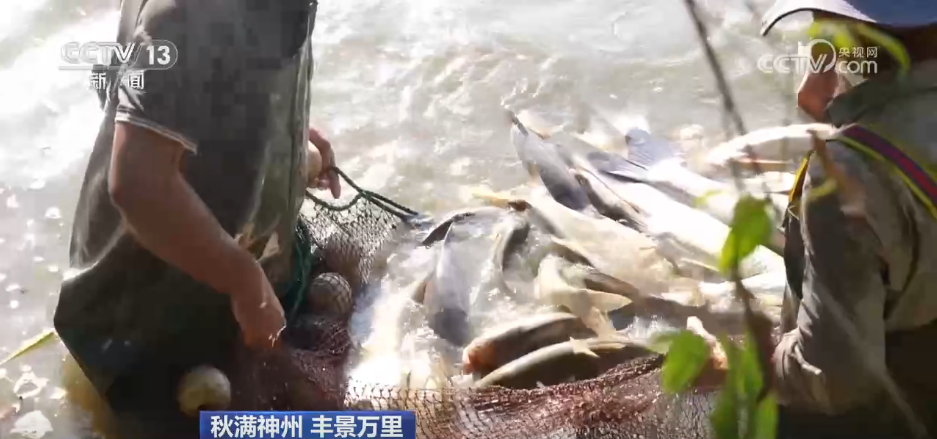
Core Viewpoint - China's agricultural cultural heritage, with 25 globally recognized sites and 188 nationally significant sites, plays a crucial role in preserving ancient farming wisdom while injecting new vitality into rural revitalization [1][14]. Group 1: Agricultural Cultural Heritage - The "Sangji Fish Pond" system in Huzhou, Zhejiang, exemplifies a sustainable ecological model that has been preserved for over 2,500 years, integrating mulberry cultivation, silkworm breeding, and fish farming [4][11]. - The heritage site has become a modern success story, generating significant economic benefits, with annual fish production exceeding 12,000 pounds and total income around 50,000 yuan from a 5-acre pond [4][8]. Group 2: Economic Impact and Community Engagement - The village of Ogan has developed over 40 educational programs related to fish culture and sericulture, attracting more than 100,000 visitors and generating over 5 million yuan in additional income for local residents [6][8]. - The tourism revenue for Ogan village has surpassed 140 million yuan this year, with total annual output value exceeding 200 million yuan, benefiting over 1,000 local households [8][14]. Group 3: Innovation and Modernization - Young innovators are utilizing technology to enhance the visibility and sustainability of agricultural heritage, including interactive tourism experiences and creative cultural products [9][13]. - The "Yiyuan Tea House Youth Version" project has received international recognition, showcasing innovative educational approaches to promote agricultural heritage [13]. Group 4: Broader Trends in Agricultural Heritage - Other regions in China, such as Longma Village in Yunnan and various locations in Guizhou, are also revitalizing their agricultural heritage through community-driven tourism initiatives, addressing the challenge of maintaining cultural significance while achieving economic viability [14][15]. - The integration of agriculture, tourism, and cultural experiences is transforming static agricultural heritage into dynamic economic assets, contributing to rural revitalization across the country [17].
(乡村行·看振兴)山乡小村的“蝶变密码”:农文旅融合助“村游”出圈
Zhong Guo Xin Wen Wang· 2025-10-21 12:43
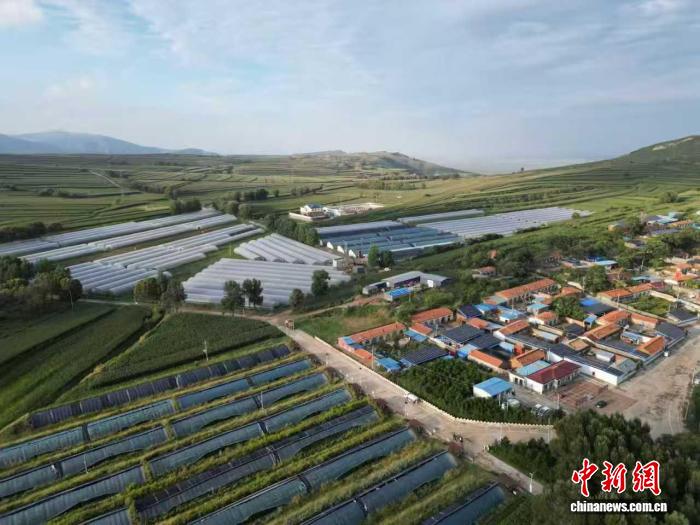
Core Insights - The article highlights the transformation of Rongzhuangzi Village in Shanxi Province through the integration of agriculture, culture, and tourism, leading to a vibrant rural development model [1][3]. Group 1: Village Development and Governance - The implementation of the "Ten Million Project" has facilitated the development of public affairs and the flow of urban-rural elements in Rongzhuangzi Village [3]. - A "grid + points" governance model has been adopted, dividing the village into six micro-grids to better address community needs through a closed-loop service mechanism [3]. - The village has received multiple honors, including "National Democratic and Legal Demonstration Village" and "Top Ten Beautiful Villages in China," showcasing its effective governance and community engagement [3]. Group 2: Economic Diversification - The village has diversified its economy through six key industries: specialty planting, quality breeding, deep processing, green energy, e-commerce for agriculture, and cultural tourism [3][6]. - The "Xingheli Scenic Area" serves as a flagship for the village's agricultural and cultural tourism integration, offering immersive experiences that reflect local characteristics [6]. Group 3: Agricultural Innovation - Rongzhuangzi Village has developed 2,830 acres of organic dry farming and established 75 cold storage facilities and 5 greenhouses for off-season fruit and vegetable cultivation [8]. - The village has implemented a "light and nutrition complementary" approach, installing a 600 kW distributed photovoltaic power station on 29 sheep sheds, generating an additional annual income of 85,000 yuan for the village [8]. Group 4: Tourism Impact - The scenic area attracts approximately 26,000 visitors annually, providing employment for 23 local residents and contributing to their increased income [6]. - The village's improved environment and infrastructure have enhanced the quality of life for residents, with increased tourism leading to economic growth [6]. Group 5: Future Outlook - By 2025, the village aims to exceed one million yuan in collective economic income, continuing to deepen the "Ten Million Project" experience and upgrade the integration of agriculture, culture, and tourism [8].
传统与现代融合“交响” 古村落呈现“人来、村活、业兴、文盛”繁荣景象
Yang Shi Wang· 2025-10-21 04:40
Core Insights - The article highlights the intersection of cultural heritage and rural revitalization in traditional villages, particularly in Pingnan, Fujian, showcasing the harvest season and the influx of tourists [1][9]. Agricultural Production - In 2023, the expected production of persimmons in Pingnan County's traditional villages is over 150 tons, marking a 10% increase from the previous year [3]. - The county has also reclaimed over 8,000 acres of abandoned farmland, with total grain and oil production projected to exceed 48,000 tons, the highest in five years [7]. Tourism Development - Pingnan's 25 traditional villages have welcomed over 730,000 tourists in October, indicating a thriving cultural tourism sector [9]. - The emergence of new business models and creative industries in these villages has contributed to a vibrant atmosphere characterized by increased visitor engagement and economic activity [10][12]. Community and Demographic Changes - A notable trend is the influx of young people, many of whom are not locals, participating in agricultural activities, particularly in persimmon harvesting [10]. - The local government has implemented policies to attract and retain these new residents, fostering a collaborative environment for community development [14]. Technological Integration - New residents are introducing modern agricultural practices and technologies, such as small threshing machines and light rail systems for transporting crops, enhancing productivity in challenging terrains [18][19]. - The establishment of cooperatives and the integration of internet and creative branding into agricultural activities are driving innovation in the local economy [22]. Cultural Integration - The blending of traditional and modern elements is evident in various cultural events, such as music concerts and art exhibitions, which are attracting tourists and enriching the local cultural landscape [21].