
城市轨道交通

Search documents
北京地铁站内首个博物馆文创店正式运营
Bei Jing Shang Bao· 2025-08-15 03:13
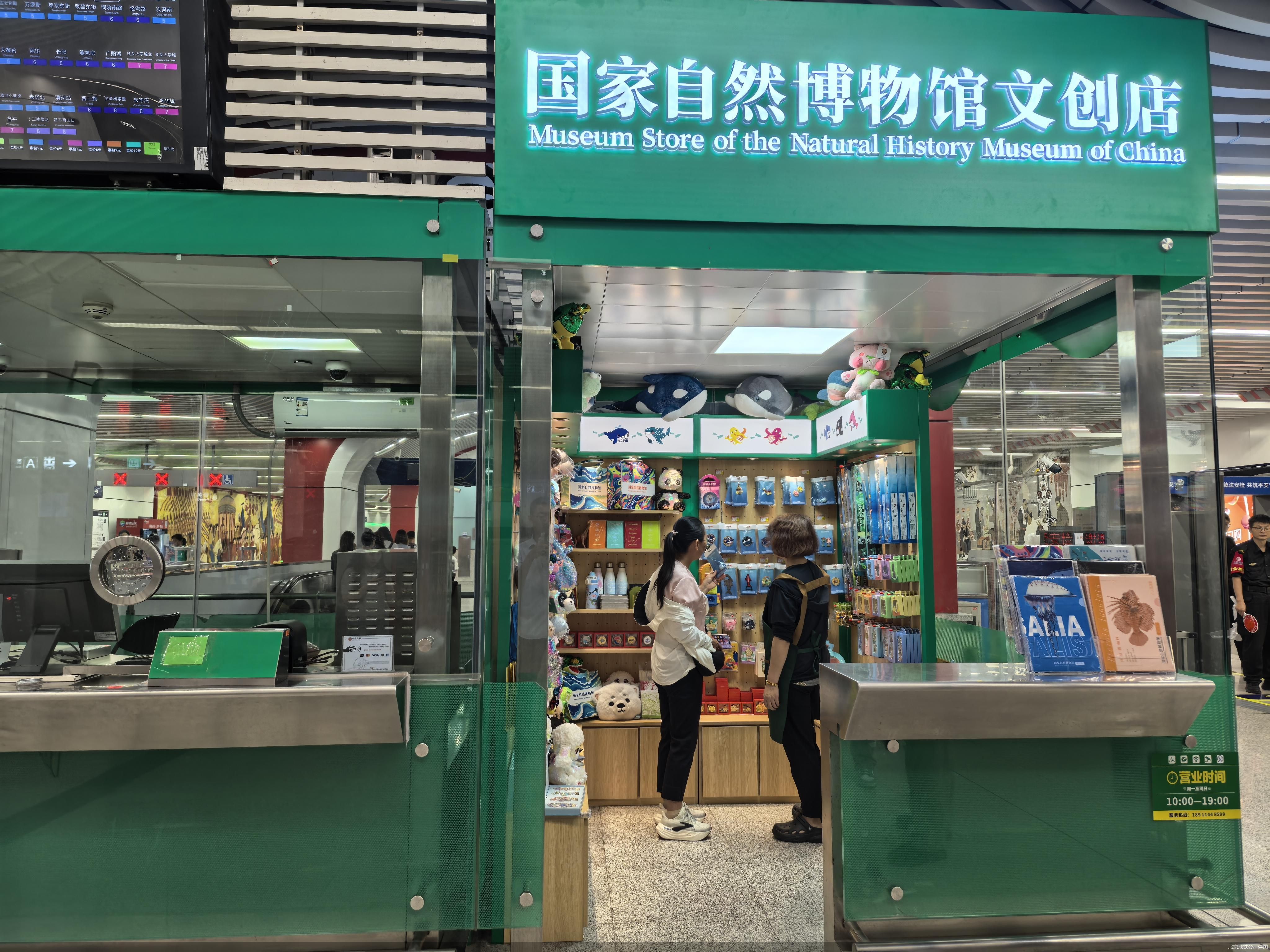
Group 1 - The first museum-themed cultural and creative store in Beijing subway stations, the National Museum of Natural History cultural store, officially opened at Tianqiao Station on August 15 [1] - The store features over 200 selected cultural and creative products, including natural science commemorative coins, marine animal fridge magnets, and marine animal notebooks, and offers cultural guidance and product sales to meet diverse passenger needs [3] - From August 15 to October 15, the store will host a series of activities including a stamp collection competition, cultural creative discount week, and the distribution of cultural creative coupons [4] Group 2 - This initiative marks the first time Beijing Subway has introduced a museum IP into a transit station, showcasing an innovative practice in cultural integration [4] - The company plans to continue promoting the "subway + culture" development strategy, exploring innovative cooperation models to make public transport a significant window for displaying the cultural characteristics of the capital [4]

6号线支线二期年内开通
Shen Zhen Shang Bao· 2025-08-14 22:54
Core Viewpoint - The Shenzhen Metro Line 6 Phase II will open within the year, enhancing connectivity with high-speed rail and other metro lines, significantly improving transportation efficiency in the Guangming District [1][2] Group 1: Project Details - The total length of Metro Line 6 Phase II is 4.96 kilometers, connecting Guangming City Station to Guangming Station with three underground stations: Guangming City Station, Hongqiao Park Station, and Bi'an Station [1] - The line will operate in fully automated driverless mode, serving as a crucial transportation artery for Guangming District [1] Group 2: Connectivity and Infrastructure - Guangming City Station will provide seamless connections to the Guangzhou-Shenzhen-Hong Kong High-Speed Railway, Gan-Shenzhen High-Speed Railway, and Metro Line 13, enhancing the overall transportation network [1] - Future plans include the introduction of the Shenzhen-Dongguan Intercity Line, further integrating high-speed rail, intercity rail, and metro systems [1] - Bi'an Station is designed to accommodate future transfers to Metro Line 29, increasing the line's extension potential and network accessibility [1] Group 3: Event Impact - The 15th National Games will take place in November, with the Guangming District hosting events such as football, equestrian, and cycling, producing 12 gold medals [2] - The Hongqiao Park Station, located near the freestyle BMX venue, will allow participants and spectators to reach the event site directly via the metro [2] - The opening of Line 6 Phase II is expected to significantly enhance transportation connectivity in Guangming District, supporting regional integration and development [2]
地铁涨价背后:城市和地产的转型之困
Hu Xiu· 2025-08-14 11:06
Group 1 - Increasing subway ticket prices in various cities reflect not only the significant losses faced by subway companies but also the growing pains of urbanization and real estate transformation in China [1] - The issue of subway fare hikes appears to be an operational problem, yet it is deeply intertwined with macroeconomic trends related to urbanization and the real estate sector [1]
杭港心悦里 清凉阅读角
Hang Zhou Ri Bao· 2025-08-14 03:05
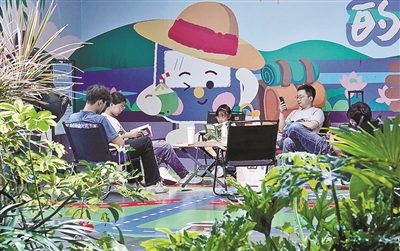
Group 1 - The article highlights the collaboration between Hangzhou Metro and the provincial Xinhua Bookstore to create "cool reading corners" in the metro stations [2] - These reading corners are located at Fengqi Road Station on Line 1 and Jianghui Road Station and Yucai North Road Station on Line 5, providing a comfortable space for citizens to relax and read [2] - The initiative aims to promote a civilized way to cool off during the hot summer while offering free access to various books [2]
中国唯一“没有机场”的省会,正在疯狂建地铁
Qian Zhan Wang· 2025-08-14 01:46
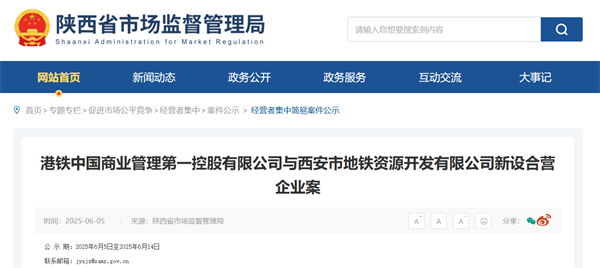
Core Insights - Xi'an is a unique city in China's urban transportation landscape, often referred to as the "provincial capital without a civil airport," and is developing its metro system as a vital artery for modern growth [1] - The total length of Xi'an's metro has increased from 158 kilometers in 2019 to over 400 kilometers by 2024, making it the tenth largest metro system in China [2] - The collaboration between Xi'an Metro and Hong Kong MTR has raised questions about the strategic intentions behind this partnership, especially given the broader challenges facing China's metro industry [2] Industry Overview - The Chinese metro industry is currently facing a "high investment, low return" dilemma, with 26 out of 28 metro companies reporting losses after subsidies in their 2024 financial reports [2][4] - Xi'an Metro reported revenues of 3.362 billion yuan in 2024 but incurred a net loss of 526 million yuan, indicating a shift from profit to loss compared to the previous year [4][11] - The operational costs of metro systems are significantly high, with construction costs averaging 700-800 million yuan per kilometer, and operational costs driven primarily by labor and energy expenses [5][7] Financial Performance - The financial performance of major cities' metro systems shows that most are heavily reliant on government subsidies to remain operational, with Xi'an's losses expected to exceed 2.8 billion yuan without financial support [11][12] - The revenue structure of metro companies is primarily based on ticket sales, which are limited by low pricing policies, and commercial operations, which are still in their infancy [8][11] Strategic Initiatives - The partnership with Hong Kong MTR is seen as a critical attempt for Xi'an Metro to explore market-driven revenue generation mechanisms [12][20] - Hong Kong MTR's successful business model, which integrates property development with metro operations, serves as a potential blueprint for Xi'an to enhance its commercial viability [13][16] - Xi'an Metro has the opportunity to leverage its rich cultural heritage and high passenger flow to develop unique commercial offerings that align with local characteristics [21][23] Market Potential - The current commercial landscape around Xi'an Metro stations is underdeveloped, with limited coverage and a lack of diverse offerings, indicating significant untapped potential [22][24] - Recommendations for enhancing commercial development include creating a tiered commercial system that caters to different passenger demographics and optimizing the use of underground space [22][24] - The integration of cultural elements into commercial offerings could differentiate Xi'an Metro from other systems and enhance its appeal to both locals and tourists [23][24] Conclusion - The transition from a reliance on government subsidies to a self-sustaining operational model is crucial for Xi'an Metro's future success, necessitating innovative strategies that combine transportation and commercial development [24][26] - The evolution of Xi'an's metro system reflects broader trends in urban development in China, emphasizing the importance of integrating transportation planning with economic and social needs [26]

杭州地铁再传好消息 市民出行更方便
Mei Ri Shang Bao· 2025-08-13 02:44
与公交接驳的"最后一公里"更加便捷、地铁前往德清的线路有新进展……最近,杭州地铁方面传来 了不少新消息。 地铁出站换乘公交将"更聪明" 杭德市域铁路连通杭州市余杭区和湖州市德清县。该线路开通后,将与杭州地铁10号线贯通运营。 它的建成,意味着杭州在已有杭海城际铁路、绍兴地铁1号线的基础上,将再增加一条连接杭州与都市 圈内其他城市的轨道交通线路,对杭州至德清"一小时都市圈"的形成,具有重要意义。 升级后,这些情况将"挥手告别"。据悉,杭州地铁与杭州公交携手打通了小程序实时数据,升级了 地铁站出入口张贴的公交换乘信息,让它们"活"了起来——在保留原先线路信息的基础上,更新了原本 在墙贴底部的二维码,扫一扫便能直接弹出的实时公交信息。这样一来,大家在地铁站内就能查询到接 驳公交的到站时间。 以西溪湿地北地铁站A口为例,扫一扫二维码,就能直接查看A口附近的两个公交站,每个公交站 停靠的所有公交线路都清晰可见,再点击想要乘坐的线路就能看到票价、线路走向。不仅如此,具体车 辆的到站时刻、当前所处位置,也会在小程序上呈现,用微信或支付宝轻松一扫,就可以实时追踪想要 搭乘的公交。 目前这一升级服务已经在地铁7号线明星路站和地 ...
广东“双子星”,要建一条新高铁?
Mei Ri Jing Ji Xin Wen· 2025-08-12 23:01
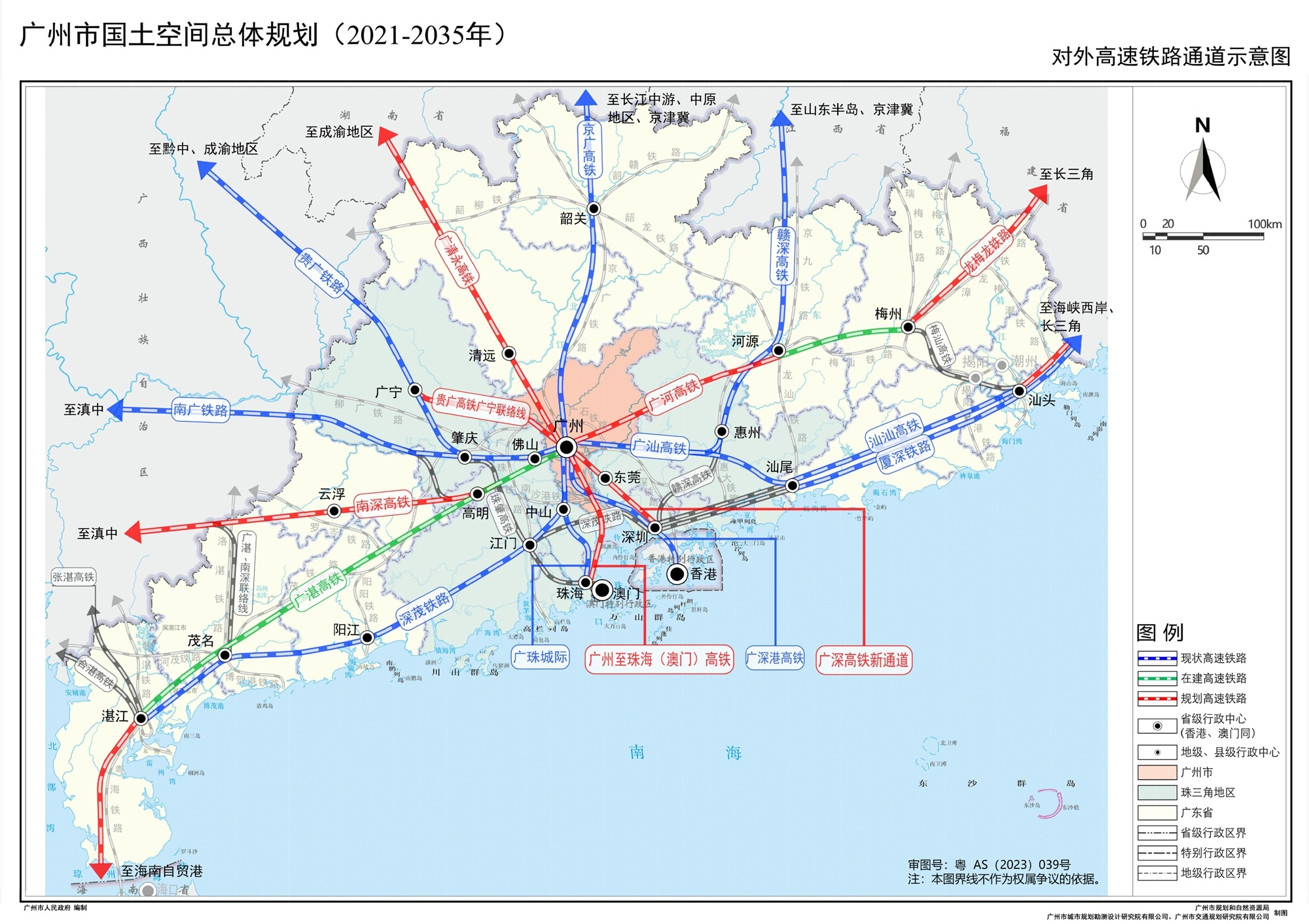
Core Points - The Shenzhen Development and Reform Commission has officially initiated the pre-research bidding for the planning and construction of the Guangzhou-Shenzhen Second High-Speed Railway southern extension line, which is expected to enhance connectivity between Hong Kong and the mainland [1] - The Guangzhou-Shenzhen Second High-Speed Railway is part of the infrastructure connectivity plan approved by the National Development and Reform Commission in May 2020, aiming to create a new high-speed rail corridor from Shenzhen Airport to Guangzhou North Station [1][2] - The southern extension line is crucial for supporting the development of the Qianhai Cooperation Zone and promoting rail transit connectivity within the Guangdong-Hong Kong-Macao Greater Bay Area [1][5] Summary by Sections Project Overview - The Guangzhou-Shenzhen Second High-Speed Railway will connect Shenzhen Airport, Dongguan, Baiyun Airport, and Guangzhou North Station, linking to the Guangqing Yongzhou High-Speed Railway [1] - The specific route and station layout for the southern extension have not yet been defined [1] Historical Context - The project was prioritized as early as 2018 to address the growing demand for high-speed rail travel between the core urban areas of Guangzhou and Shenzhen [2] - The 2021 planning document confirmed the inclusion of the second high-speed rail corridor in national planning [5] Current Developments - The Guangdong Provincial Government has accelerated preliminary work on the second high-speed railway project, indicating progress towards its realization [5] - Existing rail connections between Guangzhou and Shenzhen, such as the Guangzhou-Shenzhen-Hong Kong High-Speed Railway and the Guangzhou-Shenzhen Railway, are insufficient to meet the increasing travel demand [6] Economic Impact - The new high-speed railway is projected to reduce commuting time between the two city centers to half an hour, significantly improving travel efficiency [6] - It will facilitate rapid connections between Guangzhou Baiyun Airport and Shenzhen Bao'an Airport, enhancing the competitiveness of the Greater Bay Area's airport resources [6]
酷暑里的“地铁医生”
Hang Zhou Ri Bao· 2025-08-12 02:49
Core Viewpoint - The article highlights the dedication and meticulous work of a signal maintenance technician in the Hangzhou Metro, emphasizing the importance of safety and precision in the maintenance of railway systems during extreme weather conditions [2][3][4] Group 1: Technician's Role and Responsibilities - The technician, Liao Haoqiang, has been working in the Hangzhou Metro for nearly 7 years, performing routine inspections on switch machines during non-peak hours to ensure operational efficiency [2] - The switch machine is described as the "heart" of the track switch, guiding trains from one track to another, which underscores the critical nature of the technician's work [2] - The technician conducts a thorough inspection of the switch machine, which includes checking automatic openers, safety contacts, and cable boxes, highlighting the complexity and precision required in the job [3] Group 2: Working Conditions and Challenges - The technician faces challenging working conditions, including high temperatures and restrictions on food and drink during inspections, which emphasizes the demanding nature of the job [3] - The inspection process requires attention to detail, with specific parameters that must be adhered to, as even minor errors can lead to significant safety risks [3] - After completing the inspection, the technician expresses relief and satisfaction, reflecting a strong commitment to the job and the importance of maintaining safety standards in public transportation [4] Group 3: Commitment to the Profession - The technician's dedication is evident in his statement about loving his work and the importance of performing well in every equipment inspection, showcasing a strong work ethic [4] - The article conveys a sense of pride in the role of maintenance technicians in ensuring the safety and reliability of the metro system, which is vital for the city of Hangzhou [4]
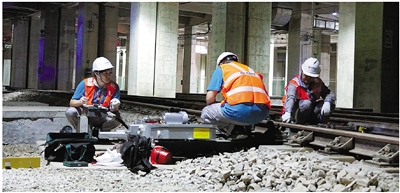
亦庄线台湖车辆段将增设一站,利用并改造现状车辆段建设
Xin Jing Bao· 2025-08-12 02:24
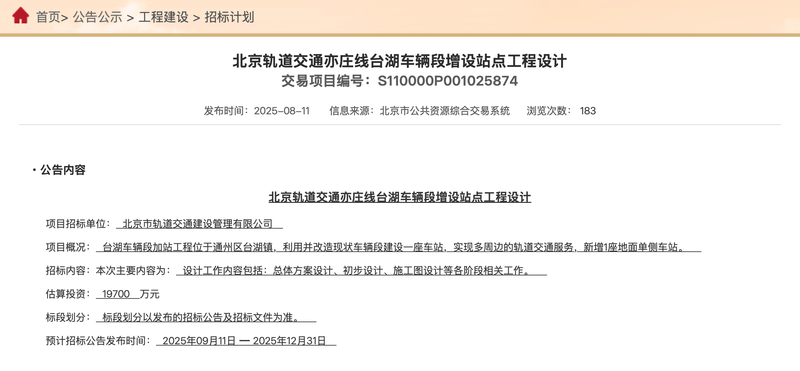
新京报讯(记者裴剑飞)近日,北京地铁亦庄线有了新动向。8月11日,北京市公共资源交易服务平台发布了亦庄 线台湖车辆段增设站点工程的设计及勘察招标计划,这也意味着亦庄线将在台湖镇内增设一个新站点。 8月11日,亦庄线台湖车辆段增设站点工程设计招标计划发布。图片来自北京市公共资源交易服务平台 北京地铁亦庄线起自丰台区宋家庄站,途经朝阳区、大兴区,终点止于通州区亦庄火车站,连接北京中心城区与 北京经济技术开发区。北京地铁亦庄线全长23.3千米;共设14座车站,其中地下站6座、高架站8座;拥有宋家庄 停车场1个停车场和台湖车辆段1个车辆段;列车采用6节编组B型列车。 根据招标计划披露的信息,北京轨道交通亦庄线台湖车辆段加站工程位于通州区台湖镇,利用并改造现状车辆段 建设一座车站,实现对周边的轨道交通服务,新增1座地面单侧车站。估算投资为1.97亿元,预计招标公告发布时 间为2025年9月11日至2025年12月31日。 从地图上看,台湖车辆段位于目前亦庄线终点站亦庄火车站的北部,与亦庄火车站间隔了京津城际铁路和京津高 速,两个地块间的通行不便,居住在台湖车辆段周边的居民想要乘坐地铁必须绕行至少3.5公里的距离。随着新 ...
地铁客流今年38次超千万人次
Shen Zhen Shang Bao· 2025-08-11 23:02
Group 1 - Shenzhen Metro's daily passenger flow reached a record high of 11.21 million on August 8, 2023, marking the second time in history it surpassed 11 million in a single day [1][2] - The average daily passenger flow for Shenzhen Metro during the summer transportation peak in July was 9.65 million, exceeding last year's figure of 9.3 million, setting a new monthly average record [2][3] - Shenzhen Metro has recorded 38 days this year with passenger flow exceeding 10 million, significantly higher than the 15 days recorded in previous years [1][2] Group 2 - The passenger flow at key transportation hubs has shown significant growth, with notable increases at Houhai Station (19.5%), Songgang Station (18.1%), and Gangxia North Station (16.4%) compared to the previous year [2] - The average daily passenger flow for the entire metro network from January to July 2023 was 8.81 million, reflecting a year-on-year increase of 610,500 passengers, with a growth rate of 7.45% [3] - The passenger flow at port stations increased by 11.0% in the first half of the year, indicating a strong trend in cross-border consumption between Shenzhen and Hong Kong [3]