四新经济

Search documents
临高县委书记唐守兵:打造自贸港港产城融合发展重要节点
Hai Nan Ri Bao· 2026-02-01 02:07
Core Viewpoint - The article emphasizes the commitment of Lingao County to develop as a significant node for the integration of port, industry, and city within the Hainan Free Trade Port framework, focusing on high-quality economic and social development [2]. Group 1: Development Strategy - Lingao County aims to implement a "1243" development strategy system, focusing on the development of the Golden Port Economic Zone as a key driver for economic growth [2]. - The county plans to accelerate the construction of a modern marine economy and a new highland for the integration of agriculture, culture, and tourism, while fostering new economic drivers in digital economy, green energy economy, modern service industry, and low-altitude economy [2]. - The goal is to establish a collaborative development pattern of "one area and three parks" [2]. Group 2: Regional Coordination - The county intends to leverage its geographical and port advantages to enhance efficient connections with the central and western regions of the island, improving regional collaborative development effectiveness [2]. - It will focus on the unique advantages and resource endowments of each town to develop differentiated regional development strategies [2]. Group 3: Improving Livelihood - The county is committed to a people-centered approach, addressing key areas of public concern such as ecology, housing, education, employment, and healthcare [2]. - Efforts will be made to strengthen social welfare and improve service systems, promoting the construction of a livable, educational, and business-friendly environment [2]. Group 4: Practical Work Style - The article highlights the importance of cultivating a practical work style, emphasizing party leadership and the establishment of a correct performance view among party members and officials [3]. - There will be a focus on enhancing government efficiency and the capabilities of officials in industry development, project planning, investment attraction, and promoting growth [3].
历城区:以内涵式发展锻造高质量发展新引擎
Qi Lu Wan Bao· 2026-01-20 03:30
Core Insights - The transformation and development of Licheng District is characterized by proactive innovation, urban-rural integration, and a commitment to improving the well-being of its residents [1] Group 1: Industrial Transformation - Licheng District is shifting from a reliance on traditional industries to a focus on four leading sectors: digital economy, biomedicine, trade logistics, and emerging services, along with a "3+2" industrial chain [3] - The district has attracted 50 leading enterprises, including Zhongke Shuguang and Bond Laser, and has established a digital economy park and a digital economy pilot zone [3] - By the first half of 2025, the output value of high-tech manufacturing in Licheng is expected to account for 70.2% of the industrial output above designated size, surpassing provincial and city averages [4] Group 2: Innovation Ecosystem - Licheng has over 700 high-tech enterprises, with R&D investment reaching 3.5% of GDP, and is home to 16 national-level "little giant" enterprises [5][6] - The district has established a multi-layered innovation network, including national key laboratories and various research institutions, facilitating the transformation of research outcomes into practical applications [6] - Talent resources in Licheng have exceeded 270,000, supported by initiatives like the "Zhihui Licheng" plan and the establishment of a talent development group [6] Group 3: Urban-Rural Integration - Licheng is focusing on "systematic promotion" of urban renewal, transitioning from isolated projects to comprehensive development strategies [7] - The district is enhancing urban infrastructure with projects like the Supercomputing Technology City and International Land Port, while also promoting rural revitalization through integrated development [8] - The urbanization rate in Licheng has reached 90.92%, with a reduction in the income disparity between urban and rural residents from 2.24:1 to 2.09:1 [8] Group 4: Quality of Life Improvements - Over 80% of Licheng's fiscal expenditure is directed towards improving living standards, transitioning from basic support to quality enhancement [9] - The district has created 20,400 new urban jobs this year, contributing to a steady increase in per capita disposable income [9] - Educational improvements include the construction of 46 new or expanded schools, resulting in an additional 43,500 student places [10]
区域经济转型升级系列(四):浙江民营经济活跃,改革发展领先,培育金融沃土
Huachuang Securities· 2025-11-29 07:48
Investment Rating - The report maintains a "Recommend" rating for the banking industry in Zhejiang Province, highlighting its strong potential due to the active private economy and favorable financial environment [2]. Core Insights - The banking sector in Zhejiang, particularly Hangzhou Bank, is positioned as a high-potential financial partner, benefiting from the region's economic vitality and robust growth in various financial services [3][8]. - The report emphasizes the resilience of Zhejiang's economy, with a GDP growth rate consistently above the national average, despite challenges such as trade friction [9][20]. - The analysis identifies several unlisted banks in Zhejiang as potential investment opportunities, focusing on their profitability, growth potential, and asset quality [8][9]. Summary by Sections 1. Overview of Zhejiang's Private Economy - Zhejiang's private economy reached 6.1 trillion yuan in 2024, accounting for 67.4% of the province's GDP, contributing over 70% of tax revenue and 80% of imports and exports [13][20]. - The province has a strong entrepreneurial culture, with a historical reliance on private economic forces due to limited state support [19][20]. 2. Economic Structure - The primary industries in Zhejiang are wholesale and retail, and manufacturing, with the service sector contributing approximately 60% to the GDP [26][30]. - The province's export dependency is significant, with over 40% of GDP derived from exports, and a notable reliance on the U.S. market [35][39]. 3. Banking Sector Characteristics - Zhejiang has a diverse banking landscape with 168 legal entities, including 13 city commercial banks and 82 rural commercial banks, primarily serving small and medium-sized enterprises [56][57]. - The report highlights the strong profitability and asset quality of listed city commercial banks like Hangzhou Bank and Ningbo Bank, which focus on different customer segments [57][59]. 4. Hidden Gems in Banking - The report identifies six unlisted city commercial banks and 25 rural commercial banks in Zhejiang with strong ROE and low non-performing loan ratios as potential investment targets [8][9][56]. 5. Investment Recommendations - Investors are encouraged to focus on the high-growth potential of banks in Zhejiang, particularly listed banks that may be undervalued, as well as exploring opportunities in unlisted banks [8][9].


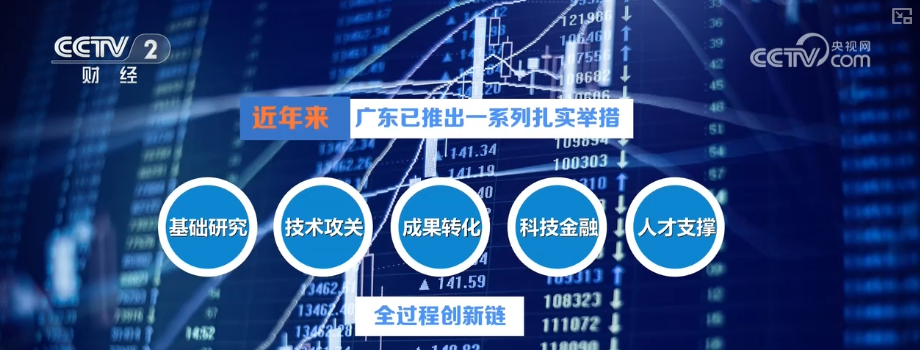
企业借力政策与资本“双翼”做大做强 梯度培育激活万千中小企业创新引擎
Yang Shi Wang· 2025-11-28 06:36
Core Insights - Guangdong's enterprises are crucial participants in market economic activities, with over 9 million enterprises expected by September 2025, and 41.46 million of these being new economy enterprises, accounting for 37.92% of new enterprises in the province [1][3] Innovation Capacity - Guangdong ranks first in regional innovation capacity in China for 2025, maintaining this position for nine consecutive years, supported by a comprehensive innovation chain that includes basic research, technology breakthroughs, results transformation, technology finance, and talent support [3] Development of SMEs - Guangdong has successfully nurtured 43,498 innovative SMEs and 2,617 specialized "little giant" enterprises, establishing a gradient cultivation system for high-quality SMEs [5][17] Talent Attraction - The "Million Talents Gather in Nanyue" initiative launched in February 2025 aims to attract and retain talent, with Guangdong's skilled workforce reaching 22.01 million, including 8.27 million high-skilled workers [14] Economic Transformation - The opening of the Shenzhen-Jiangmen tunnel in 2024 has facilitated a shift from traditional manufacturing to emerging industries like robotics and semiconductors in Jiangmen, enhancing collaboration between Shenzhen's R&D and Jiangmen's production [15] Policy Support - Guangdong's government has implemented a structured guiding fund system to support innovation, creating a regional innovation network that amplifies the scale and radiation effects of entrepreneurship [17][18]

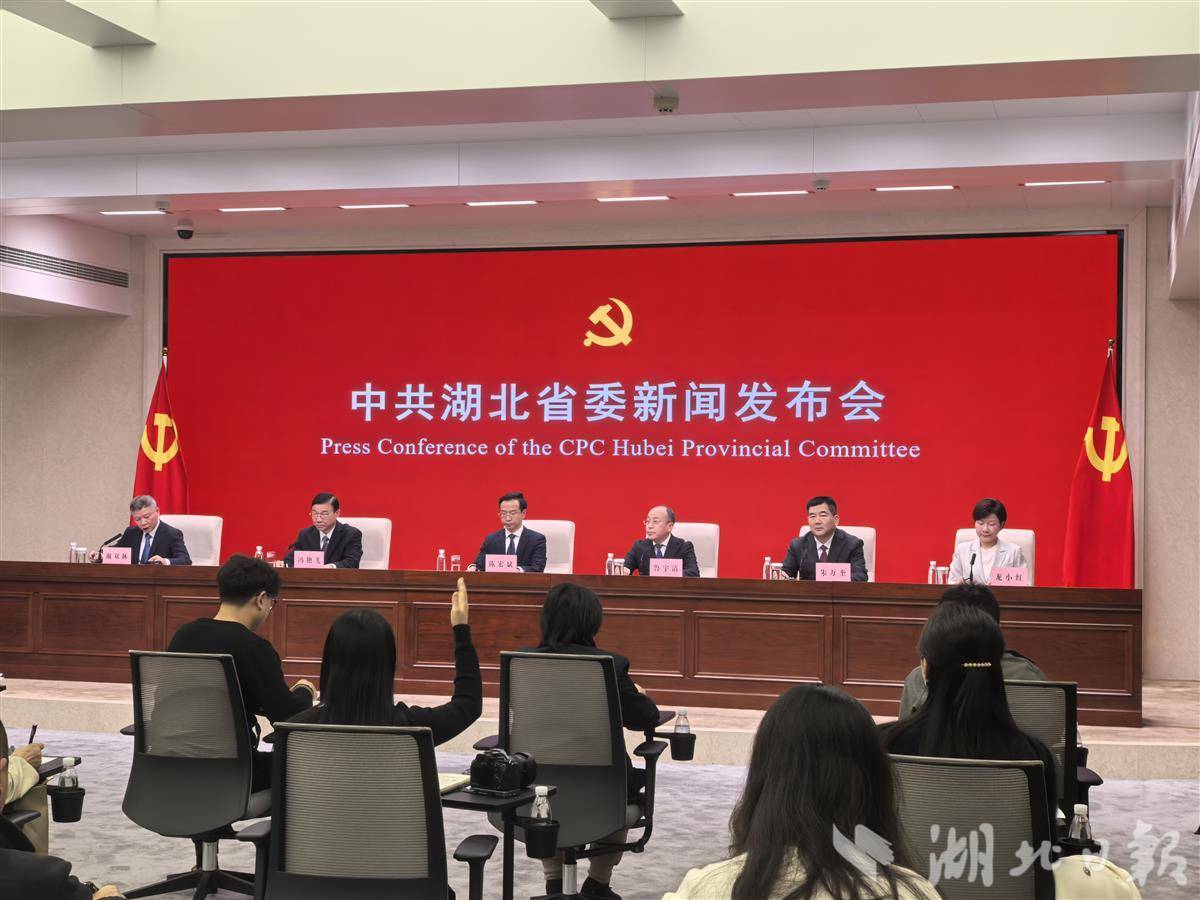
全国第六个!湖北经营主体突破1000万户 每10家企业就有5家是“四新”企业
Sou Hu Cai Jing· 2025-11-22 19:02
Core Viewpoint - Hubei Province has surpassed 10 million business entities, becoming the sixth province in China to achieve this milestone, reflecting significant economic growth and a robust business environment [1][3]. Group 1: Business Entity Growth - The total number of business entities in Hubei has exceeded 10 million, marking a historic achievement for the province [1][3]. - The growth from 5 million to 10 million business entities took only 6 years, despite facing external challenges such as trade protectionism and the COVID-19 pandemic [3][5]. - The first individual business registration in Hubei dates back to 1979, with the establishment of a small commodity market in Wuhan, which has since evolved into a thriving business hub [3]. Group 2: Economic Environment and Reforms - Hubei has implemented the "210" standard for business registration, allowing for a streamlined process that takes only 1 day and incurs no fees, enhancing the attractiveness of starting a business [5]. - The province has committed to reducing various costs for business entities by over 400 billion yuan during the "14th Five-Year Plan" period, fostering a competitive market environment [5][7]. - The focus on creating a favorable business environment has led to a significant increase in new technology and industry enterprises, with over 160,000 "four new" enterprises established, accounting for approximately 53% of total enterprises [7]. Group 3: Employment and Investment - Hubei aims to promote entrepreneurship among over 1 million migrant workers by 2025, contributing to job creation and economic stability [7]. - The province's economic growth is reflected in a 5.7% year-on-year increase in private investment in the first three quarters of this year, indicating strong investor confidence [7].
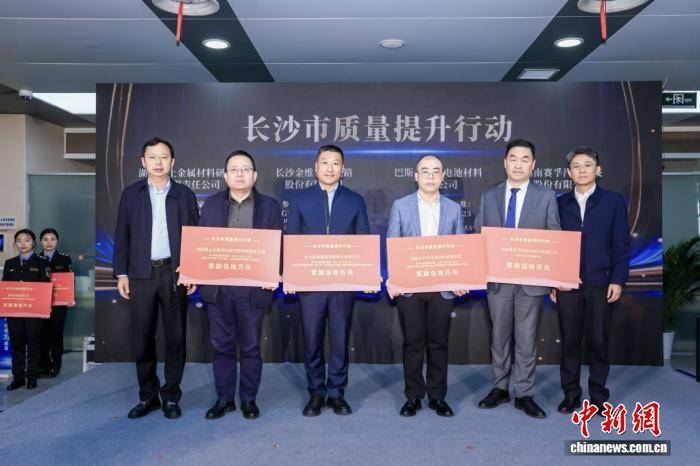
长沙市场监管全链条护航经营主体高质量发展活动举行
Chang Sha Wan Bao· 2025-11-20 03:34
Core Insights - The event held on November 19 in Changsha focused on supporting high-quality development of business entities, with awards presented to companies recognized for quality improvement in 2023 and 2024 [1] Group 1: Regulatory and Administrative Measures - Changsha's market regulatory department has implemented precise measures to empower college students' innovation and entrepreneurship, achieving over 90% online processing rate for business registration services [1] - The city has a 99.5% one-day completion rate for newly established enterprises, indicating efficiency in administrative processes [1] Group 2: Business Development Support - The city has supported the transformation of 3,150 individual businesses into enterprises, accounting for 32% of the total in the province [1] - A tiered cultivation mechanism has been established to promote the development of new technologies, industries, business formats, and models, with "Four New" enterprises increasing to 373,000, representing 49.7% of all existing enterprises in Changsha and 42.5% in the province [1] Group 3: Strategic Partnerships - A strategic cooperation agreement was signed between Changsha's market regulatory bureau and local banks, marking a new chapter in government-bank collaboration to support business development [2]
长沙举行市场监管护航活动 全链条赋能经营主体高质量发展
Sou Hu Cai Jing· 2025-11-20 02:06
Group 1 - The event "Service Zero Distance to Forge High Quality" showcased the innovative practices of market regulation in Changsha, focusing on creating a favorable business environment and supporting high-quality development for enterprises [1] - The "Launch Plan" for university student entrepreneurship has led to the establishment of 8,028 new business entities and 4,010 enterprises this year, with a one-day business license completion rate of 99.5% and over 90% of registrations processed online [3] - The quality improvement initiatives have resulted in the registration of 31,365 new advanced manufacturing and technology service enterprises, with 16,135 new R&D centers, and the "Four New" economy enterprises reaching 373,000, accounting for 49.7% of all existing enterprises [3] Group 2 - The Changsha market regulatory authority signed cooperation agreements with local banks to enhance financial services for university entrepreneurs and small businesses, addressing financing challenges [5] - The event emphasized the need for institutional innovation and collaborative development, aiming to explore replicable experiences to support high-quality development for business entities [5]

山东城市观察丨谁在狂飙、谁最挣钱?济南各区县前三季度GDP公布
Xin Lang Cai Jing· 2025-11-12 05:26
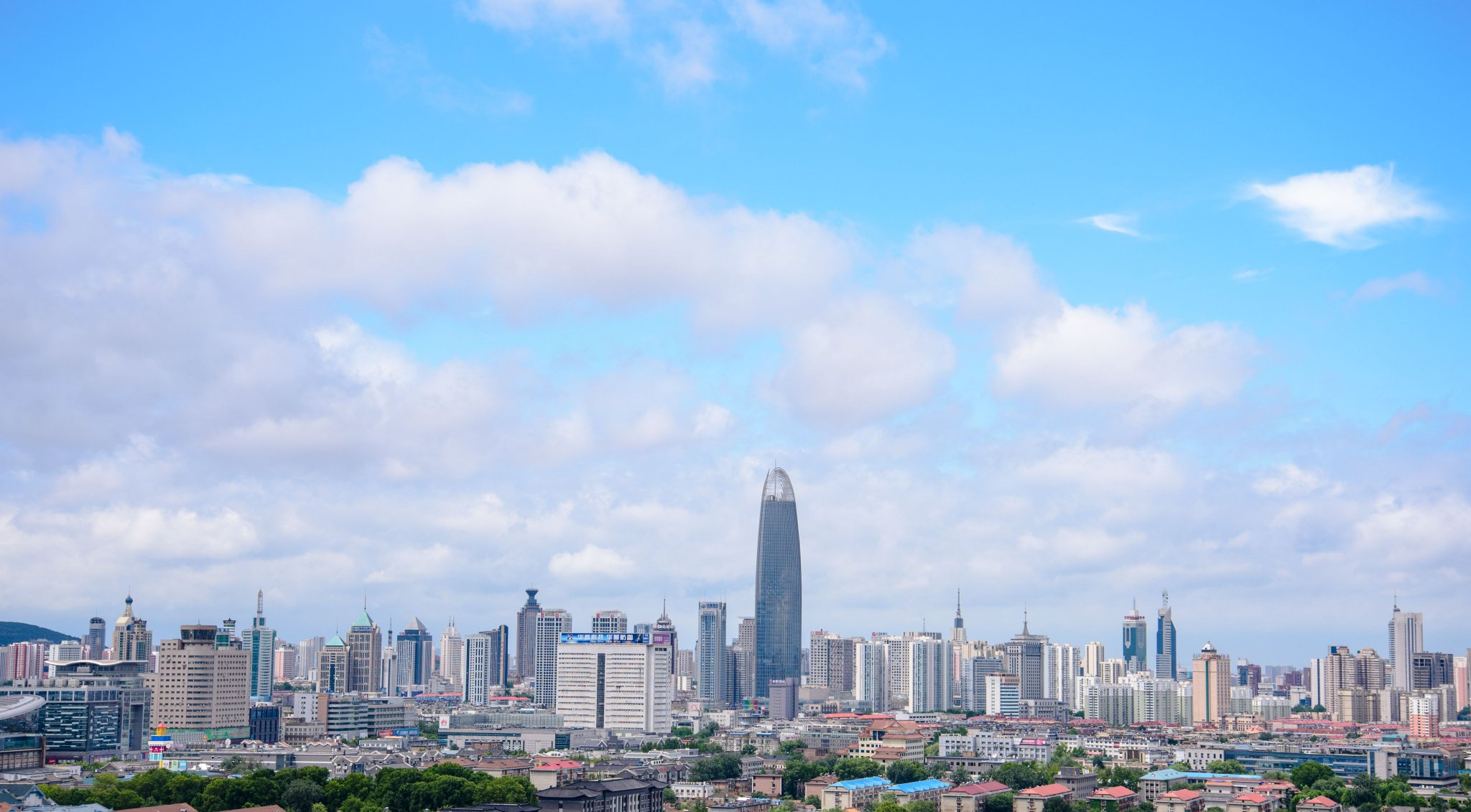
Economic Overview - Jinan's GDP surpassed 10,433.7 billion yuan in the first three quarters of this year, with a year-on-year growth of 5.4% [1] - The leading districts in terms of economic output are Lixia District, High-tech Zone, Shizhong District, and Licheng District, with Lixia District achieving 2,032.3 billion yuan [1][3] Lixia District Performance - Lixia District maintained its position as the economic leader with a GDP of 2,446.9 billion yuan in 2023, growing by 6.0% [3] - The district's GDP is projected to reach 2,577.8 billion yuan in 2024, with a growth rate of 5.6% [3] - Lixia District was recognized as a "Shandong Province High-Quality Development Demonstration Zone," with modern service industries accounting for 64.9% of service sector value added [3][4] Qibu District Highlights - Qibu District exhibited remarkable growth with a GDP growth rate of 15.8%, the highest in the city [6] - Key indicators such as public budget revenue and retail sales also showed significant increases, with public budget revenue growing by 55.5% [6][7] - The industrial sector in Qibu District saw a 20.7% increase in industrial added value, significantly above the city average [6][7] High-tech Zone Achievements - The High-tech Zone achieved a GDP of 1,656.7 billion yuan, with a year-on-year growth of 7.8% [9] - The zone's industrial and service sectors reported substantial revenues, with industrial revenue reaching 2,777.5 billion yuan, a 47.3% increase [9][10] - The High-tech Zone's public budget revenue is projected to approach 200 billion yuan by the end of the year, surpassing Lixia District for the first time [10][12] Future Prospects - The High-tech Zone aims to initiate a "third entrepreneurship" phase, targeting the creation of a "new high-tech zone" within the next decade [13] - The district is focusing on developing key industries such as new generation information technology, high-end equipment, and biomedicine, which are expected to drive future growth [12][13]
地方政府与城投企业债务风险研究报告:山东篇
Lian He Zi Xin· 2025-11-10 12:43
1. Report Industry Investment Rating No relevant content provided. 2. Core Viewpoints of the Report - Shandong Province's economic aggregate ranks third in China, with its general public budget revenue ranking among the top in the country. Affected by the land and real - estate market environment, the government - funded revenue has declined. The province has made continuous progress in the "New and Old Kinetic Energy Conversion" and formed a cluster system of "Ten Strong Industries" [4]. - In 2024, the debt balance and debt ratio of local governments in Shandong increased, and the province continued to promote the "Package Debt Resolution Plan". From the perspective of urban investment enterprises, the overall debt scale of urban investment enterprises in Shandong showed an upward trend from 2022 - 2024, but the growth rate slowed down in 2024. Although the "Debt of Bond - issuing Urban Investment Enterprises + Local Government Debt"/Comprehensive Financial Resources ratio of some cities exceeded 500%, considering the large economic development potential and multiple debt - resolution policies, the risks of bond - issuing urban investment enterprises were generally controllable [4][5]. 3. Summary According to the Directory 3.1 Shandong's Economic and Fiscal Strength 3.1.1 Regional Characteristics and Economic Development in Shandong - Shandong has developed transportation, obvious location and port advantages. In 2024, its economic growth rate was slightly higher than the national average, and its economic aggregate ranked third in China. The province has a large population base with a negative growth rate, and its urbanization rate is slightly lower than the national average [6][10][11]. - The province's economy has been growing steadily. In 2024, its GDP was 98565.8 billion yuan, with a growth rate of 5.7%. In the first half of 2025, its GDP was 50046 billion yuan, a year - on - year increase of 5.6%. The per - capita GDP in 2024 was about 97,800 yuan, ranking 11th in China [11]. - Shandong's marine economy is prominent. In 2024, its marine economic output value was 18011.8 billion yuan, ranking second in China, accounting for 18.3% of GDP. The "New and Old Kinetic Energy Conversion" continued to advance, and the "Ten Strong Industries" cluster system took shape. The construction of the Transportation Power Shandong Demonstration Zone and ports will boost the development of key industries [15][16][17]. - Shandong has received central policy support. Since 2024, it has actively implemented a package of incremental policies, striving for multiple funds and launching multiple policy lists [19]. 3.1.2 Fiscal Strength and Debt Situation in Shandong - In 2024, Shandong's general public budget revenue ranked fifth in China, with a growth of 3.3%. Affected by the real - estate market, the government - funded revenue decreased in 2024 and the first half of 2025 [22][23]. - Shandong's comprehensive financial resources continued to grow, ranking fifth in China. The overall government debt burden was at a medium level in China. In 2024, the government debt scale, debt ratio, and debt - to - GDP ratio all increased compared with the previous year [28][30]. - The province continued to promote the "Package Debt Resolution Plan", issued large - scale implicit debt replacement bonds in 2024 and 2025, and steadily advanced the "Withdrawal from Platform" work, aiming to "eliminate" the stock of implicit debt by the end of 2028 [31]. 3.2 Economic and Fiscal Strength of Prefecture - level Cities in Shandong 3.2.1 Development Status of Prefecture - level Cities in Shandong - Shandong has 16 prefecture - level cities, forming a "One Group, Two Centers, Three Circles" regional development pattern. The provincial capital economic circle and the Jiaodong economic circle have good industrial foundations, while the southern Shandong economic circle is relatively weak [32]. - In terms of GDP scale, Qingdao, Jinan, and Yantai rank among the top. In 2024, the GDP growth rate of each city slightly declined, and in the first half of 2025, the GDP continued to grow with little change in the growth rate [35]. - The per - capita GDP of Dongying and Qingdao is relatively high, while that of Linyi and Heze is relatively low. Qingdao and Jinan have strong population siphon effects [36]. 3.2.2 Fiscal Strength and Debt Situation of Prefecture - level Cities in Shandong - In 2024, the general public budget revenue of each city in Shandong increased, but the scale differentiation was obvious. In the first half of 2025, the growth rate generally slowed down, and Yantai's general public budget revenue decreased [38][39]. - Affected by the real - estate market, the government - funded revenue of some cities continued to decline significantly in 2024 and the first half of 2025 [41][43]. - Cities with lower urbanization rates in Shandong have a higher proportion of superior subsidy income. The comprehensive financial resources of each city vary significantly, and more than 50% of the cities' comprehensive fiscal revenues have not exceeded 100 billion yuan [44]. - In 2024, the government debt balance and debt ratio of each city in Shandong increased. Qingdao and Weihai had relatively high government debt ratios. The province increased transfer payments, and each city also resolved debts by seeking financial resource support and revitalizing stock assets [47][49]. 3.3 Debt - paying Ability of Urban Investment Enterprises in Shandong 3.3.1 Overview of Urban Investment Enterprises - As of the end of September 2025, there were 265 urban investment enterprises with outstanding bonds in Shandong. Qingdao and Weifang had a relatively large number of bond - issuing urban investment enterprises. The main credit ratings of bond - issuing urban investment enterprises were AA and AA +, and AAA - rated enterprises were mainly concentrated at the provincial level, in Jinan, and in Qingdao [52]. 3.3.2 Bond - issuing Situation of Urban Investment Enterprises - In 2024, the number and scale of bond issuances in Shandong decreased. Qingdao and Jinan had a large net bond financing scale. From January to September 2025, the net bond financing of urban investment enterprises in some cities turned negative, and Jining had a large - scale net bond repayment [54]. 3.3.3 Analysis of Debt - paying Ability of Urban Investment Enterprises - From 2022 - 2024, the overall debt scale of urban investment enterprises in Shandong showed an upward trend, but the growth rate slowed down in 2024. Bank loans and bond financing were the main financing methods, and the proportion of other financing channels decreased [55][58]. - As of the end of June 2025, most cities' bond - issuing urban investment enterprises' short - term debt - paying indicators improved, but those in Qingdao, Rizhao, and Liaocheng still faced great short - term debt - paying pressure. The scale of bonds due in 2026 in Qingdao and Jinan was relatively large [55][62]. - Jining's net cash flow from financing activities has been negative since 2023, and Rizhao's turned negative since 2024 [58][64]. 3.3.4 Support and Guarantee Ability of Fiscal Revenue of Prefecture - level Cities for the Debt of Bond - issuing Urban Investment Enterprises - The ratio of "Debt of Bond - issuing Urban Investment Enterprises + Local Government Debt"/Comprehensive Financial Resources of prefecture - level cities in Shandong exceeded 200%. Considering the large economic development potential and multiple debt - resolution policies in cities such as Qingdao and Jinan, the risks of bond - issuing urban investment enterprises were generally controllable [68].
突破2000万户、稳居全国第一,广东“特产”是老板!
2 1 Shi Ji Jing Ji Bao Dao· 2025-09-22 10:37
Core Viewpoint - Guangdong has a significant number of business entities, reflecting a robust entrepreneurial environment that contributes to the province's economic strength [5][6][8]. Group 1: Business Landscape - As of September 2025, Guangdong has over 20 million registered business entities, accounting for 10% of the national total [5][6]. - This translates to approximately one in every six residents in Guangdong being a business owner, with over 90% of these entities being privately owned [6]. - The province's business environment is rated as the best in the country according to a survey by the All-China Federation of Industry and Commerce [8]. Group 2: Business Environment Evaluation - Guangdong's business environment is characterized by efficiency, innovation, and internationalization [9]. - The time required to register a company has been reduced from 35 days to just one working day, with 98% of the procedures available online [9]. - In the first eight months of the year, over 200,000 new business entities were established, with more than one-third classified as "new economy" businesses [11]. Group 3: Innovation and Internationalization - The "Shenzhen-Hong Kong-Guangzhou" innovation cluster has become the largest in the world, attracting numerous AI and robotics companies [13]. - Over 350 Fortune 500 companies have established a presence in Guangdong, with 230,000 registered foreign-invested enterprises as of August this year, an increase of 15,000 from the end of 2024 [13]. - The Guangdong-Hong Kong-Macao Greater Bay Area is a preferred destination for foreign investment, with nearly 98% of new foreign-invested enterprises established in the first eight months located in this area [15]. Group 4: Economic Contributions - The continuous improvement of the business environment through regulations and financial initiatives has instilled confidence among entrepreneurs [15]. - The thriving business landscape not only benefits business owners but also creates more job opportunities for the general population, allowing them to share in the economic growth [15].