
酒业

Search documents
王朝酒业(00828)发盈警 预期上半年综合盈利约740万港元至930万港元 同比减少约50%至60%
智通财经网· 2025-08-19 12:33
Core Viewpoint - Dynasty Fine Wines Group (00828) expects to report an unaudited consolidated profit range of approximately HKD 7.4 million to HKD 9.3 million for the first half of 2025, representing a year-on-year decrease of about 50% to 60% [1] Group Summary - The decline in profit is primarily attributed to two factors: 1) A moderate decrease in sales revenue due to fluctuations in the Chinese macroeconomic and consumer market, leading to reduced operating profit 2) Increased marketing and promotional expenses [1] - The company is closely monitoring market conditions and adjusting its business strategies to mitigate negative impacts on operations [1] - The company has also strengthened cost control measures and taken appropriate actions in a timely manner [1]
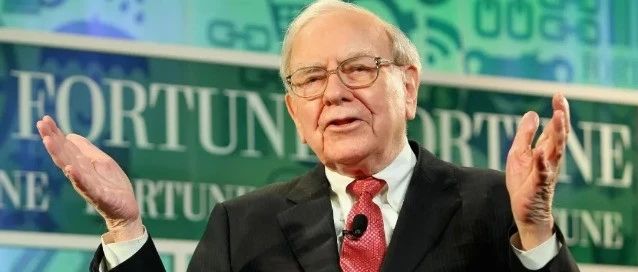
巴菲特减持苹果!“神秘持仓”曝光
新浪财经· 2025-08-15 09:46
Core Viewpoint - Berkshire Hathaway disclosed its Q2 holdings report, revealing a reduction in Apple and Bank of America shares, while also unveiling new investments in healthcare, steel, and real estate sectors [2][5]. Group 1: New Investments - Berkshire initiated positions in six new stocks during Q2, including UnitedHealth (UNH), Nucor Steel (NUE), Lennar (LEN), D.R. Horton (DHI), Lamar Advertising (LAMR), and Allegion (ALLE) [2][6]. - The total market value of these new positions at the end of Q2 was approximately $3.65 billion [6]. Group 2: Reduction in Holdings - In Q2, Berkshire reduced its stake in Apple by 20 million shares, a decrease of about 6.67%, while still maintaining it as the largest holding [9]. - Additionally, Berkshire sold over 26.3 million shares of Bank of America, representing a reduction of approximately 4.17% [9]. Group 3: Market Reaction - Following the announcement of new positions, stocks like UnitedHealth and Nucor Steel saw significant after-hours gains, with increases exceeding 8% [3]. Group 4: Investment Strategy - The new investments are viewed as defensive positions with potential for valuation recovery, aligning with Buffett's investment philosophy of seeking companies with a "moat" [7].


调仓防御“路线”曝光 巴菲特二季度操作全景解析
Huan Qiu Wang Zi Xun· 2025-08-15 06:28
Core Insights - Berkshire Hathaway, led by Warren Buffett, has made significant adjustments to its investment portfolio in Q2, notably reducing its stake in Apple and unveiling previously "mysterious" holdings [1][3] Group 1: Portfolio Adjustments - In Q2, Berkshire sold approximately 20 million shares of Apple, representing a 6.67% reduction, while still maintaining Apple as its largest holding [2] - The company also reduced its stake in Bank of America by over 26.3 million shares, a decrease of about 4.17% [2] - New investments included increasing positions in Chevron by approximately 3.45 million shares and Constellation Brands by about 1.39 million shares, along with notable increases in other sectors [2] Group 2: New Holdings - The previously speculated "mysterious holdings" were revealed, with Berkshire establishing new positions in six companies across various sectors, including healthcare, steel, and real estate, with a total market value of approximately $3.65 billion [3] - The increase in the cost basis for the "commercial, industrial, and other" category in Q2 was $2.8 billion, bringing the total increase over two quarters to $4.8 billion, indicating significant new investments [3] Group 3: Investment Strategy - Analysts suggest that the new acquisitions reflect a defensive investment strategy, focusing on undervalued companies that are leaders in their respective niches, aligning with Buffett's "moat" investment philosophy [4] - The current portfolio emphasizes a "core asset bottoming + defensive allocation" strategy, with the top five holdings comprising over 70% of the portfolio, primarily in financials and consumer sectors [4] - The reduction in Apple shares is viewed as a strategic move to maintain a safety margin amid market uncertainties, shifting focus towards more resilient sectors like healthcare and infrastructure [4]
加拿大抵制美货情绪不减 美国酒业对加出口额上半年暴跌62%
Feng Huang Wang· 2025-08-15 03:20
Core Insights - The imposition of additional tariffs by the U.S. on Canadian goods has led to a significant consumer boycott of American products in Canada, particularly affecting alcoholic beverages [1][2] - The Canadian Distillers Association reported a 62% decline in U.S. distilled spirits exports to Canada in the first half of the year, amounting to $4.34 million [1] - The California Wine Association estimated a loss of over $173 million in U.S. wine exports to Canada, which accounted for 35% of total U.S. wine exports in 2024 [2] Group 1: Impact on U.S. Alcohol Exports - U.S. distilled spirits exports to Canada dropped by approximately 62% in the first half of the year [1] - U.S. wine exports to Canada decreased by about 67% [1] - The CEO of Sagamore Spirit indicated that the company's sales to Canada have fallen from 10% to zero, resulting in an estimated loss of $2 million [2] Group 2: Canadian Market Response - Ontario's Liquor Control Board reported that sales of U.S. spirits and wines have dropped to zero, while local sales increased by 14% since the boycott began [2] - Some consumers in Alberta are stockpiling American alcohol due to concerns over future availability, leading to a 30% increase in U.S. wine sales and a 7% increase in bourbon sales [3] Group 3: Broader Implications - The boycott has not only caused market disruption but also signifies a breakdown of trust between the U.S. and Canada, impacting farmers and businesses reliant on international markets [2] - The situation reflects a significant shift in consumer behavior and market dynamics in response to trade tensions [3]
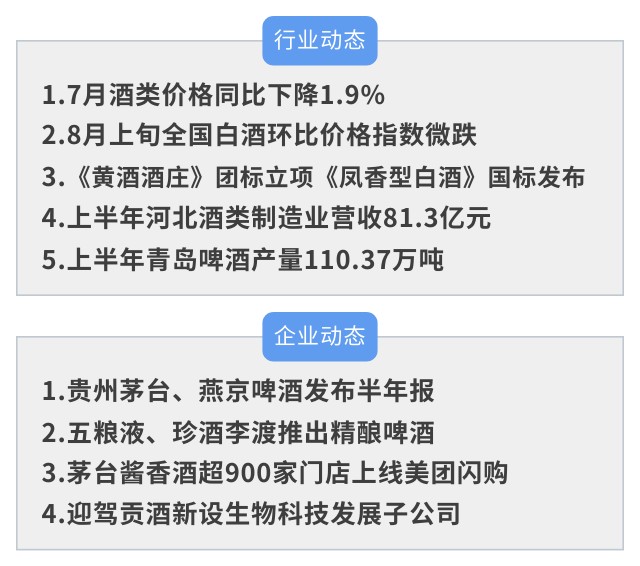
酒业周报∣7月酒类价格同比下降1.9%,《黄酒酒庄》团标立项、《凤香型白酒》国标发布,贵州茅台发布半年报
Xin Hua Cai Jing· 2025-08-15 03:07
Industry Dynamics - In July, the price of alcoholic beverages decreased by 1.9% year-on-year, while the overall consumer price index remained flat [4] - In early August, the national white wine price index slightly fell by 0.18%, with famous wines down by 0.20% and local wines down by 0.24% [4] - The China Alcoholic Drinks Association has initiated the drafting of a group standard for "Yellow Wine Winery" and approved the national standard for "Fengxiang Type Baijiu," effective from August 1, 2026 [4] Company Dynamics - In the first half of 2025, Hebei's liquor manufacturing industry reported revenues of 8.13 billion yuan, with a profit of 1.07 billion yuan, showing a year-on-year revenue decline of 2.8% but a profit increase of 54.2% [5] - Guizhou Moutai reported a total revenue of 91.094 billion yuan in the first half of 2025, a year-on-year increase of 9.16%, with net profit reaching 45.403 billion yuan, up 8.89% [6] - Yanjing Beer achieved a revenue of 8.558 billion yuan in the first half of 2025, with a net profit of 1.103 billion yuan, reflecting a revenue growth of 6.37% and a profit increase of 45.45% [6] - New craft beers have been launched by Wuliangye and Zhenjiu Liudu, indicating a trend of traditional liquor companies entering the craft beer market to diversify their product offerings [6] - Moutai's partnership with Meituan Shanguo has led to over 900 stores offering instant purchase options for Moutai's products, enhancing its retail strategy [7] - Yingjia Gongjiu has established a subsidiary focused on biotechnology development, indicating a diversification into biological feed and organic fertilizers [7]




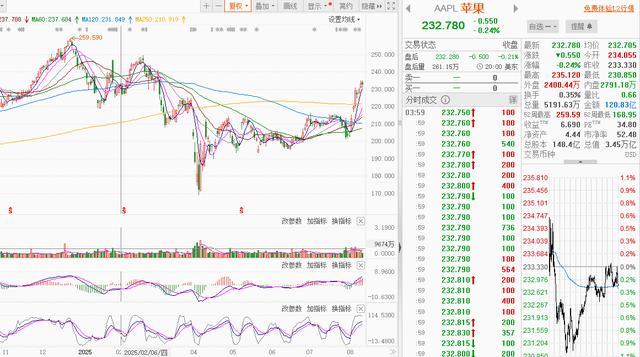
减持苹果2000万股!巴菲特二季度调仓:36亿美元重仓六只新防御股
Jin Rong Jie· 2025-08-15 00:17
Core Insights - Berkshire Hathaway disclosed its Q2 holdings report, revealing a reduction in its stake in Apple and the unveiling of a "mystery holding" [1] - The company reduced its Apple shares by 20 million, approximately 6.67%, while still maintaining it as its largest holding [1] - Additionally, Berkshire sold 26.3 million shares of Bank of America, a reduction of about 4.17% [1] New Investments - Berkshire initiated positions in six new stocks across various sectors, including healthcare, steel, and real estate, with a total market value of approximately $3.65 billion at the end of the quarter [2] - Notable new purchases include over 5 million shares of UnitedHealth (valued at about $1.57 billion), over 6.6 million shares of Nucor Steel (valued at about $860 million), and over 700,000 shares of Lennar (valued at about $780 million) [2] - The new investments are considered defensive plays with potential for valuation recovery, aligning with Buffett's "moat" investment philosophy [2] Increased Holdings - In Q2, Berkshire increased its stake in Chevron by approximately 3.45 million shares and added to its positions in Constellation Brands (about 1.39 million shares) and Pool Corporation (nearly 2 million shares) [2] - The company also made slight increases in its holdings in aerospace company Heico and Domino's Pizza [2] Financial Performance - Berkshire's Q2 net profit for 2025 was reported at $12.37 billion, reflecting a significant year-over-year decline of 59.24% [3]
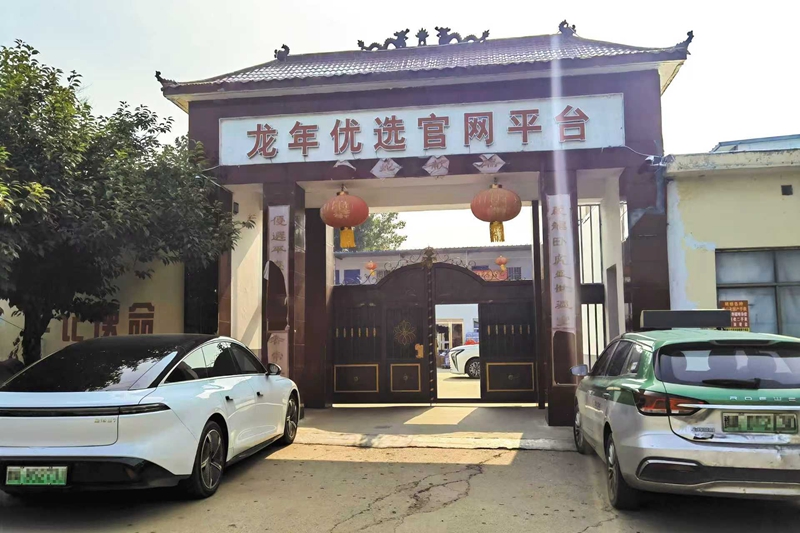
投资“第五大电商”年化收益可超200%?政府部门:是传销
Di Yi Cai Jing· 2025-08-14 13:04
Core Viewpoint - The emergence of the "Long Year Preferred" platform has attracted many middle-aged and elderly individuals across various provinces to invest significant amounts, with some investing over one million yuan, raising concerns about its legitimacy and potential classification as a pyramid scheme [1][3][22]. Group 1: Platform Legitimacy and Operations - "Long Year Preferred" claims to be a legitimate platform approved by the Ministry of Industry and Information Technology, positioning itself as the "fifth largest e-commerce platform" [4][11]. - The platform has allegedly misrepresented its ICP filing as a government approval certificate, misleading investors about its legitimacy [6][20]. - The platform's reported membership has exceeded 2 million, with projections suggesting it could reach 10 million by August 1, 2024, and 30 million by the end of 2025 [9][11]. Group 2: Investment Structure and Returns - The platform offers a tiered membership structure with varying levels of investment and potential returns, with claims of annualized returns exceeding 200% [12][14]. - Members can achieve higher ranks and income through recruiting new members or through direct investments, with significant financial incentives for those who reach higher tiers [12][14]. - Some members have reported investing large sums, even borrowing money to do so, due to the enticing promise of quick returns [16][18]. Group 3: Regulatory and Investigative Actions - Local authorities have begun investigating the operations of "Long Year Preferred" following numerous complaints, indicating potential violations of financial regulations [22]. - Previous warnings have been issued regarding similar platforms that employ high-return promises and recruitment strategies, highlighting the risks associated with such investment schemes [22][23].
丹泉酒业针对假冒产品发布严正声明
Bei Jing Shang Bao· 2025-08-13 04:20
Group 1 - The company, Danquan Liquor Industry, issued a statement regarding counterfeit products named "Danquan Dongtian Jiu Qingyun" [1] - The statement confirmed that unauthorized businesses are using the company's trademark, logo, and name to sell the counterfeit product [1] - The counterfeit product is not developed or produced by Danquan, and the images and product descriptions displayed on platforms are false information [1]
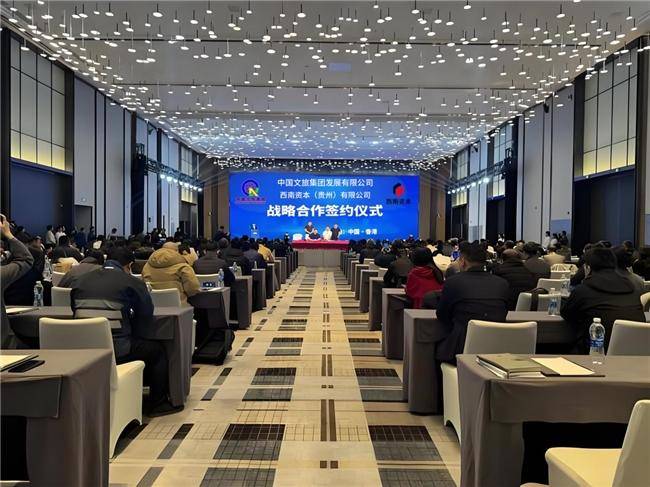
西南资本(贵州)有限公司获20亿元战略投资,多元产业布局再提速
Sou Hu Cai Jing· 2025-08-12 16:10
Core Viewpoint - Southwest Capital (Guizhou) Co., Ltd. has signed a strategic investment agreement with China Cultural Tourism Group, which will inject a total of 2 billion RMB into six major industries, marking a new chapter in Southwest Capital's diversified development [1][6]. Group 1: Investment and Collaboration - The strategic investment of 2 billion RMB will be allocated to the film, low-altitude economy, pharmaceutical, mining, liquor, and technology sectors [1][6]. - The collaboration period is set for five years, during which China Cultural Tourism Group will not participate in the daily management or profit distribution of Southwest Capital, ensuring operational autonomy [5]. Group 2: Industry Focus and Strategic Alignment - The six industries targeted by the investment align with national strategic emerging industries and leverage Guizhou's resource endowments and industrial foundations [3]. - The low-altitude economy is in line with national policies promoting general aviation, while the pharmaceutical, mining, and liquor sectors benefit from Guizhou's rich biological and mineral resources [3]. Group 3: Future Development and Goals - The investment will provide sufficient funding for technology research and development, project construction, and market expansion, accelerating the scale development and synergy of the six industries [6]. - Southwest Capital aims to deepen industry integration and move steadily towards its listing goal, contributing more to the regional economic development of Guizhou [6].
白酒联名产品火出圈 食品消费行业跨界营销蔚然成风
Xin Hua Wang· 2025-08-12 05:48
Group 1 - Luckin Coffee and Kweichow Moutai launched a co-branded coffee product, attracting significant consumer attention and high order rates at various locations [1] - The collaboration is seen as a response to the highly homogeneous and competitive landscape in the fast-moving consumer goods (FMCG) industry, with brands seeking differentiation and cross-industry consumer engagement [1][3] - Kweichow Moutai's ice cream product, launched in 2022, achieved nearly 10 million cups in sales, indicating successful cross-industry marketing strategies [1] Group 2 - Other liquor companies, such as Yanghe and Wuliangye, have also introduced co-branded ice cream products, leveraging popular trends like blind box marketing to attract younger consumers [2] - Xiangjiao Liquor has partnered with tea brands to create alcoholic beverages, demonstrating the trend of cross-industry collaborations in the beverage sector [2] - The industry is increasingly focusing on meeting the core demands of the new generation of consumers, who are becoming the main consumer force in the FMCG sector [3] Group 3 - Cross-industry marketing is viewed as a way to enhance brand recognition and loyalty by combining the consumer bases of different brands [3] - Maintaining product quality is emphasized as a critical factor for the success of cross-industry collaborations, with companies aiming to use high-quality products to build brand influence [3] - The challenge for brands is to sustain consumer interest beyond initial product launches, necessitating long-term strategies for innovation and engagement [3]

