环保

Search documents
环保公用事业行业周报:10月用电量增速全面提升至10.4%,创年内新高-20251123
CMS· 2025-11-23 15:15
Investment Rating - The report maintains a "Recommendation" rating for the industry [2] Core Insights - The environmental and public utility sectors experienced declines, with the environmental index down 6.02% and the public utility index down 4.33%, indicating a larger drop compared to the overall market [6][23] - The report highlights a significant increase in electricity consumption, with a year-on-year growth of 10.4% in October, marking a new high for the year [10][21] - The coal industry is facing a reduction in production, with national raw coal output declining by 3.8%, 3.2%, and 1.8% in July, August, and September respectively [6] - The report suggests investment opportunities in the electricity sector, particularly recommending companies like Guodian Power and Anhui Energy, which are expected to see valuation recovery [6] Summary by Sections Key Event Analysis - In October, total electricity consumption reached 857.2 billion kWh, a year-on-year increase of 10.4%, with significant growth in the first and third industries [10][21] - The Ministry of Ecology and Environment released allocation plans for carbon emissions trading for the steel, cement, and aluminum industries for 2024 and 2025, indicating a move towards free allocation based on carbon emissions [21][22] Market Review - The environmental and public utility sectors saw significant declines, with the environmental sector up 15.11% year-to-date, outperforming the CSI 300 index [6][23] - The electricity sector's year-to-date growth is only 1.77%, lagging behind the CSI 300 and the ChiNext index [6][23] Key Data Tracking - As of November 21, 2025, the price of Qinhuangdao 5500 kcal thermal coal is 820 CNY/ton, stable compared to the previous week but down 2.4% year-on-year [40] - The Three Gorges Reservoir's water level is at 174.4 meters, up 4.2% year-on-year, with inflow and outflow rates also increasing [42] - The average electricity price in Guangdong reached 253.72 CNY/MWh, a 7.7% increase from the previous week [53] Industry Events - The report notes several key regulatory developments, including initiatives to promote green manufacturing in Jiangxi Province and the establishment of zero-carbon parks in Liaoning Province [64][65]
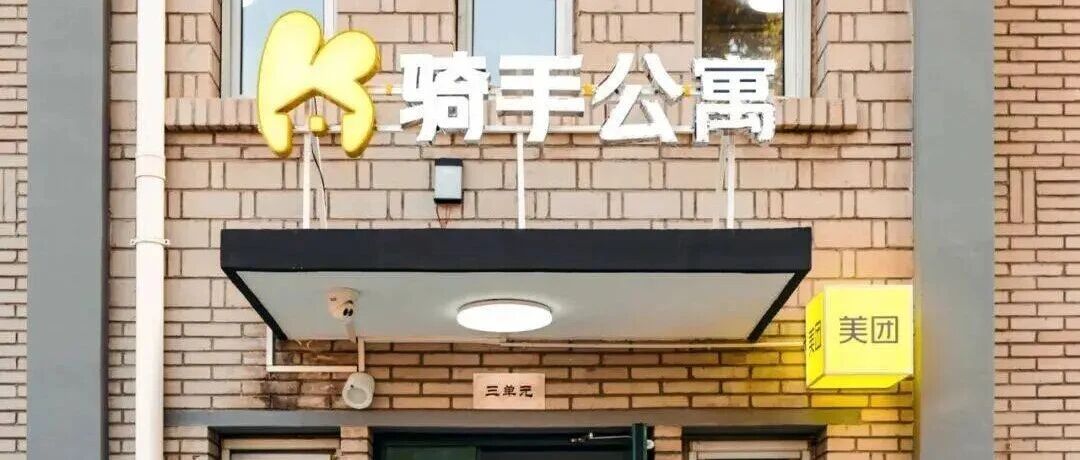
美团将建骑手公寓|首席资讯日报
首席商业评论· 2025-11-23 03:33
Group 1 - Meituan plans to invest 10 billion yuan over the next five years to build a comprehensive rider protection system, including the establishment of "rider apartments" in cities like Beijing, Shenzhen, and Chongqing [2] - Xiaomi's automotive division has been ordered by a court to return double the deposit to consumers for unfulfilled vehicle deliveries, marking a potential precedent in consumer rights [2] Group 2 - The Ministry of Industry and Information Technology announced that the output value of China's civil aviation products is expected to exceed 160 billion yuan in 2024, representing a year-on-year growth of 23.6% [5] - Jiuzhaigou scenic area has welcomed its 7 millionth visitor this year, achieving a historical high and a 27.05% increase compared to the previous year [6] Group 3 - The Beijing-Tianjin-Hebei region has made significant progress in air pollution prevention during the 14th Five-Year Plan period, with a reduction in environmental protection tax costs per unit of GDP from 18.6 yuan to 17.6 yuan [7] - Shanghai's Songjiang District is expanding the operational area for shared bicycles in response to public demand for improved commuting options [8] Group 4 - The 2025 China 5G+ Industrial Internet Conference has commenced in Wuhan, where the Ministry of Industry and Information Technology launched commercial trials for satellite IoT services [10][12][13] - Golden Dragon Fish has responded to a contract fraud case involving its subsidiary, asserting its innocence and planning to appeal the ruling [11]

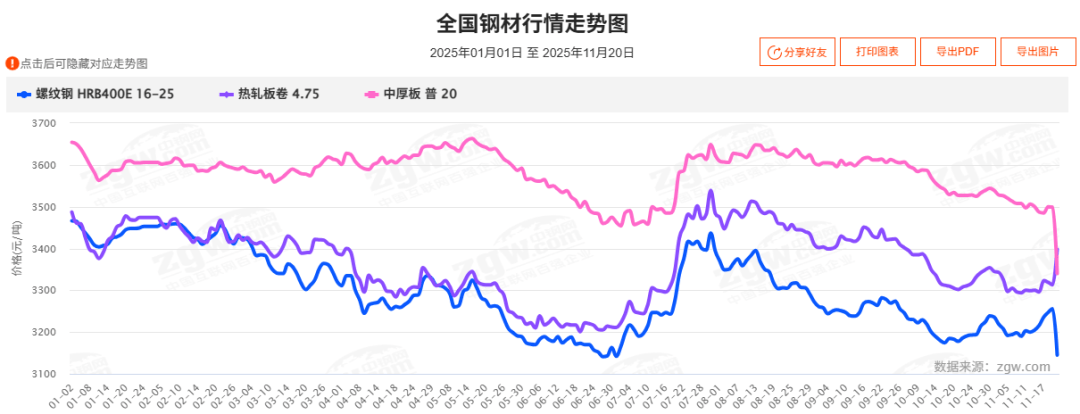
11月21日钢市资讯:12 月美联储降息无望?
Sou Hu Cai Jing· 2025-11-22 02:05
Macro Policy - The "14th Five-Year Plan" has shown significant achievements in basic research, but there are still shortcomings that need to be addressed through increased funding, talent cultivation, and stimulating corporate vitality to strengthen the foundation for technological self-reliance [1] - The third round of the fifth batch of central ecological environment protection inspections has been fully implemented, with all ten inspection teams entering their respective areas [1] Economic Highlights - Hongyu New Materials Company has successfully completed its ultra-low emission transformation project in the steelmaking area, with an investment of 400 million and a construction period of 22 months, achieving industry-leading emission standards [2] - Baogang Manufacturing has achieved its first export of large-tonnage electric arc furnaces, with two 120-ton ultra-high power electric arc furnaces set to be shipped to Uzbekistan, marking a breakthrough in high-end metallurgical equipment manufacturing [3] - China has established over 5,100 provincial-level green mines, including 1,054 national-level and 4,055 provincial-level mines, with over 300 new additions in the first ten months of this year, aiming for 90% of large and 80% of medium-sized mines to meet standards by the end of 2028 [4]
世界儿童日主题活动在京举行 青少年创新方案助力绿色未来
Huan Qiu Wang· 2025-11-22 01:40
原标题:中国48个城市携手青少年庆祝世界儿童日,响应"敢作气候担当"的行动 11月20日, "敢作气候担当,点亮儿童未来"世界儿童日主题活动在北京科技职业大学举行。今年 的世界儿童日主题活动聚焦于青少年从校园到国际舞台为应对气候变化所采取的积极行动。 在主题活动现场,参加了"2025年中国青少年应对气候变化倡导活动"的青少年代表分享了他们的创 新解决方案,并介绍了他们展示这些方案的经历。 11月20日, "敢作气候担当,点亮儿童未来"世界儿童日主题活动在北京科技职业大学举行。今年 的世界儿童日主题活动聚焦于青少年从校园到国际舞台为应对气候变化所采取的积极行动。 在主题活动现场,参加了"2025年中国青少年应对气候变化倡导活动"的青少年代表分享了他们的创 新解决方案,并介绍了他们展示这些方案的经历。 在世界儿童日到来之际,中国48个市县以及30多所联合国儿童基金会项目学校在联合国儿童基金会 的支持下,举办了丰富多彩、富有创意的活动,彰显了对实现儿童权利的承诺。为响应今年世界儿童日 的主题,这些市县和项目学校组织儿童青少年利用生活中产生的可回收物品创作并展示了"气候朋友"艺 术作品及手工作品,或通过其他形式的活动 ...
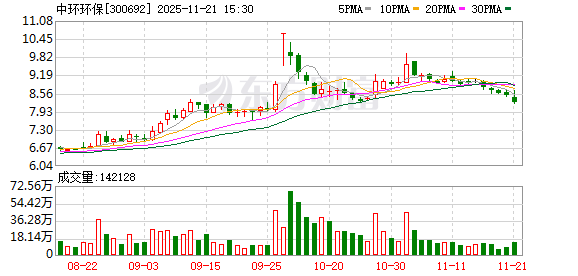
中环环保:关于特定股东减持计划期限届满暨实施情况的公告
Zheng Quan Ri Bao· 2025-11-21 15:24
Core Viewpoint - The announcement from Zhonghuan Environmental highlights a planned share reduction by a specific shareholder, indicating potential changes in ownership structure and investor sentiment towards the company [2] Summary by Relevant Sections Shareholder Reduction Plan - Anhui Gaoxin Jintong Anyi Equity Investment Fund (Limited Partnership) plans to reduce its holdings by up to 15,058,300 shares, which represents a maximum of 3.55% of the company's total share capital, or 3.63% when excluding shares in the company's repurchase account [2] Reduction Timeline and Method - The reduction is scheduled to occur between August 22, 2025, and November 21, 2025, utilizing methods such as centralized bidding, block trading, and agreement transfer [2] Current Status of Share Reduction - As of November 21, 2025, the shareholder has completed a reduction of 4,141,130 shares through centralized bidding [2]

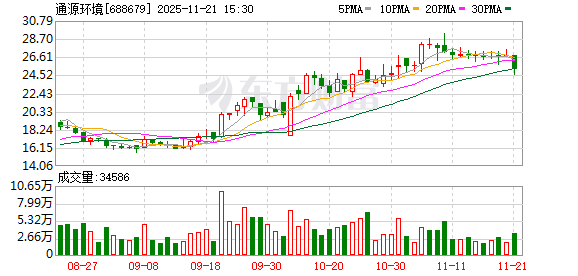
通源环境:关于实际控制人的一致行动人权益变动触及1%刻度的提示性公告
Zheng Quan Ri Bao· 2025-11-21 15:22
(文章来源:证券日报) 证券日报网讯 11月21日晚间,通源环境发布公告称,2025年11月21日,公司收到股东安徽源通股权投 资合伙企业(有限合伙)及其一致行动人发来的《减持权益变动告知函》,其于2025年11月17日至2025 年11月20日期间通过集中竞价方式合计减持公司股份901,991股,占公司股份总数的0.68%。本次权益 变动后,安徽源通股权投资合伙企业(有限合伙)及其一致行动人所持公司股份比例由54.67%变动至 53.99%,权益变动触及1%刻度。 ...

11.21犀牛财经晚报:私募仓位再度刷新年内新高 腾讯加入漫剧大战
Xi Niu Cai Jing· 2025-11-21 10:44
Group 1 - The largest bond ETF in the market, Short-term Bond ETF (511360), has surpassed 70 billion yuan in scale, growing rapidly from 25.23 billion yuan in March to over 400 billion yuan in the past eight months [1] - The stock private equity position index reached a new high for the year at 81.13% as of November 14, showing a significant increase of 1.05 percentage points from November 7, with large private equity firms showing even higher positions [1] - Gold jewelry prices have shown varied adjustments among brands, with prices around 1300 yuan per gram, indicating a slight decline for some brands while others remained stable [1] Group 2 - OLED tablet panel shipments are expected to grow by 39% year-on-year in 2026, reaching 15 million units, driven by strong demand after years of underperformance [2] - Tencent has officially entered the comic drama market with the launch of "Mars Animation" and "Mars Animation Society," although the content is currently limited and still in testing [2] - A domestically developed 2-ton eVTOL has successfully completed low-altitude cargo test flights in mountainous areas, marking a breakthrough in logistics applications [2] Group 3 - NIO's CEO Li Bin stated that competition in the automotive market is fierce and will continue to intensify, with the smart electric vehicle sector entering a "final stage" in 2024 and 2025 [3] - The China Consumers Association has issued a warning about the risks associated with pirated drama apps, highlighting potential privacy violations and security threats [4] Group 4 - Guolian Aquatic announced it received a warning letter from the Guangdong Securities Regulatory Commission regarding non-operating fund occupation amounting to 7.8 million yuan, which was cleared by the end of November 2024 [4] - Shen High-Speed announced the resignation of its director and CFO due to job changes, effective immediately [5] - Bohai Chemical reported a delay in the routine maintenance of its PDH unit, now expected to resume production by the end of February 2026 due to project demands [6] Group 5 - Angel Yeast plans to invest 232 million yuan in a smart manufacturing project for yeast extract blending, with an expected return on investment of 9.23% [7] - Goodix Technology announced a share repurchase plan with a budget of 200 to 400 million yuan, aiming to buy back 1.61 to 3.22 million shares [8] - China Merchants Energy announced the delivery of a new multi-purpose heavy-lift vessel, enhancing its fleet capabilities [9] Group 6 - Fangyuan Co. plans to apply for a comprehensive credit limit of up to 5.5 billion yuan for 2026, with various financing options available [10] - Huibo Technology has won a contract for the Iraq Naft Khana oilfield revitalization project, valued at approximately 1.596 billion yuan, which constitutes 61.20% of its expected revenue for 2024 [11] - Jiarong Technology is planning a major asset restructuring and has suspended trading of its stock due to uncertainties surrounding the transaction [12] Group 7 - The ChiNext index fell over 4% amid a broader market decline, with nearly 100 stocks hitting the limit down, while AI application concepts showed resilience [13] - The overall market saw significant trading volume, with a total turnover of 1.97 trillion yuan, indicating increased market activity despite the downturn [13]
60多家上市公司发布补税公告
Sou Hu Cai Jing· 2025-11-21 06:53
Core Insights - A wave of tax payments has emerged among A-share listed companies, with over 60 companies announcing tax payments totaling more than 2.8 billion yuan, primarily for the years 2021 to 2024 [1][2] Group 1: Tax Compliance and Internal Control - The tax payment phenomenon has raised concerns regarding the tax compliance, internal control quality, and financial transparency of listed companies [1][2] - Most companies initiated self-inspections through tax bureau data checks, leading to tax payments primarily consisting of late fees rather than fines [1][2] - The tax payment issues are widespread across various industries, including 15 in pharmaceuticals, 11 in chemicals, 12 in semiconductors, and others [1] Group 2: Reasons for Tax Payments - Specific tax issues include adjustments in consumption tax policies for the energy and chemical industries, complex tax matters for pharmaceutical companies, and high-tech firms facing challenges related to tax incentives [1][2] - Some tax payments stem from foreign tax authorities' requirements due to differing interpretations of investment tax incentives [2] Group 3: Impact on Financial Performance - The direct impact of tax payments on financial statements and performance may pressure company operations and strategic implementation [2] - Tax payments and late fees typically affect current profits, leading to significant cash outflows that could strain operational funding [2] - Companies may face increased debt repayment pressure, and for those already experiencing tight cash flow, substantial tax payments could trigger liquidity crises [2] Group 4: Regulatory and Market Reactions - Frequent tax payment announcements may attract heightened scrutiny from regulatory bodies, leading to stricter requirements for internal controls, accounting practices, and information disclosure [3] - Investors are increasingly demanding transparency regarding tax risk management systems and potential tax disputes, prompting companies to enhance tax information disclosure [3]
创业环保:正在进行“十五五”战略规划 强化战略指引功能
Quan Jing Wang· 2025-11-21 05:54
Core Insights - The company held a successful earnings briefing for Q3 2025 on November 20, featuring key executives and board members [1] - The independent director emphasized the ongoing "14th Five-Year" strategic planning, focusing on long-term development and high-quality growth [1] Financial Performance - For the first nine months of 2025, the company reported a revenue of 3.447 billion yuan, a year-on-year increase of 1.70% [1] - Net profit reached 702 million yuan, reflecting a year-on-year growth of 3.59% [1] - The company achieved a net operating cash flow of 521 million yuan [1] - In Q3 alone, revenue was 1.269 billion yuan, up 8.36% from the same period last year [1] - Q3 net profit was 295 million yuan, showing a year-on-year increase of 2.22% [1]

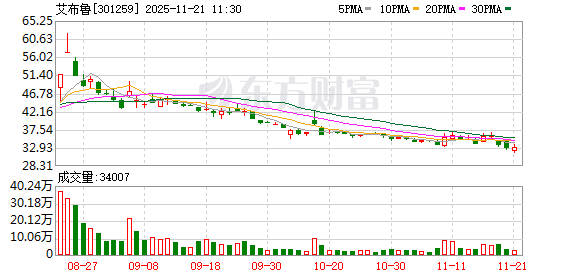
艾布鲁:子公司星罗智算科技(杭州)有限公司未参与中兴通讯主导的乌镇千卡智算中心建设
Mei Ri Jing Ji Xin Wen· 2025-11-21 04:23
Group 1 - The company’s subsidiary, Xingluo Zhican Technology (Hangzhou) Co., Ltd., did not participate in the construction of the Wuzhen Qianka Smart Computing Center led by ZTE Corporation [2]