芯片制造

Search documents
特朗普重仓了!
Zhong Guo Ji Jin Bao· 2025-11-16 16:08
Core Insights - Trump purchased at least $82 million in corporate and municipal bonds from late August to early October, with total potential investments exceeding $337 million based on upper limits of disclosed ranges [1][2] - The bonds acquired span various sectors, including those benefiting from Trump's policy adjustments, such as financial deregulation [1] - Notable companies whose bonds were purchased include Broadcom, Qualcomm, Meta, Home Depot, CVS Health, Goldman Sachs, and Morgan Stanley [1] Investment Details - Trump bought bonds from Intel following the U.S. government's investment in the company [2] - The financial disclosure does not specify exact transaction amounts, only general ranges, and no asset sales were reported [2] - Since returning to the presidency, Trump has purchased over $100 million in bonds, with significant income reported from various business ventures, including cryptocurrency [2] Management and Oversight - Unlike previous administrations, Trump has not divested assets or placed them in a blind trust; his business empire is managed by his sons [3] - Trump's financial activities raise potential conflict of interest concerns due to the overlap between his business interests and presidential policies [3]
突发!特朗普,重仓了!
中国基金报· 2025-11-16 16:05
Core Insights - Trump purchased at least $82 million in corporate and municipal bonds from late August to early October, with total potential purchases exceeding $337 million based on upper range estimates [1][2]. Group 1: Investment Details - The bonds acquired by Trump include those issued by various sectors benefiting from his administration's policy adjustments, such as financial deregulation [2]. - Specific companies whose bonds were purchased include semiconductor manufacturers like Broadcom and Qualcomm, tech companies like Meta, retail firms such as Home Depot and CVS Health, and Wall Street banks like Goldman Sachs and Morgan Stanley [2][3]. Group 2: Regulatory Compliance - Trump is required to disclose financial transactions under the 1978 Ethics in Government Act, but the reports do not specify exact transaction amounts, only approximate ranges [3]. - No asset sales were reported by Trump in the disclosures, and his investment portfolio is managed by a third-party financial institution [3]. Group 3: Financial Background - Since returning to the presidency, Trump has purchased over $100 million in bonds, with significant income reported from various business ventures, including cryptocurrency and golf course properties, totaling over $600 million [4]. - Unlike his predecessor, Trump has not divested assets or placed them in a blind trust, with his business empire managed by his sons, which raises potential conflict of interest concerns [4].

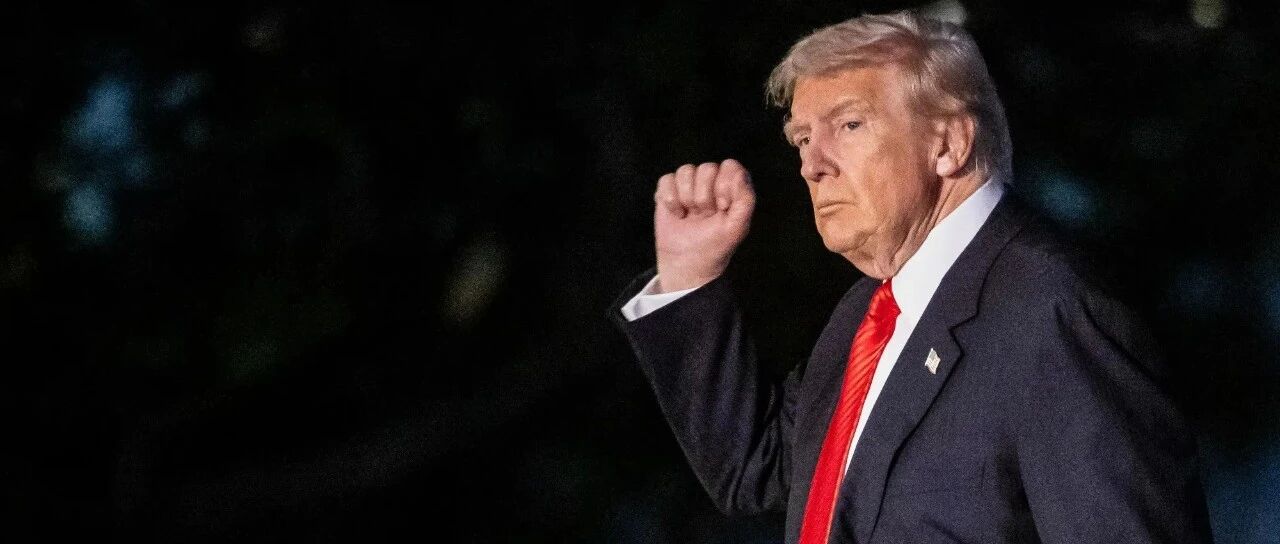
特朗普一个多月购债券逾八千万美元,涉及受益于其政策的行业
Sou Hu Cai Jing· 2025-11-16 14:22
Group 1 - The U.S. Office of Government Ethics reported that President Trump purchased at least $82 million in corporate and municipal bonds between late August and early October, including investments in industries benefiting from his policies [2] - Trump's financial disclosures indicate he has continued to earn income from numerous luxury real estate and business projects, many valued at tens of millions of dollars [2] - During the specified period, Trump made over 175 financial purchases, with total bond investments exceeding $337 million, primarily in municipal, state, county, and school district bonds [2] Group 2 - Trump's bond purchases included those from major companies such as Intel, Broadcom, Qualcomm, Meta Platforms, Home Depot, CVS Health, and investment banks like Goldman Sachs and Morgan Stanley [3] - Since returning to the presidency on January 20, Trump has purchased over $100 million in bonds, raising concerns about potential conflicts of interest due to his ongoing business interests [3] - Trump's annual disclosure for 2024 revealed income exceeding $600 million from various ventures, including cryptocurrency and golf properties, indicating a significant increase in wealth from these investments [3]
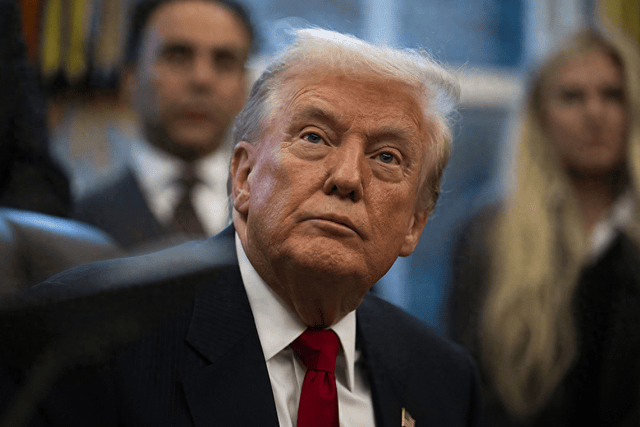
没了“股神”佩洛西,还有“股神”特朗普
凤凰网财经· 2025-11-16 13:10
Core Insights - The article discusses the financial activities of former President Trump, highlighting his significant investments in corporate and municipal bonds, totaling at least $82 million from late August to early October 2023 [4][5]. Group 1: Trump's Investments - Trump purchased corporate bonds from major companies such as Broadcom, Qualcomm, Meta Platforms, Home Depot, CVS Health, Goldman Sachs, and Morgan Stanley [5]. - The total value of bonds purchased by Trump during the specified period exceeded $337 million, with over 175 financial transactions reported [4][5]. - Trump's bond investments are linked to industries benefiting from his administration's policy changes, particularly in financial deregulation [4]. Group 2: Government and Financial Oversight - The financial disclosures were made public under the 1978 Ethics in Government Act, which mandates transparency in government officials' financial dealings [4]. - Trump's investments are managed by third-party financial institutions, and he has stated that he and his family do not directly manage the investment portfolio [8]. Group 3: Broader Context of Political Investments - The article also mentions other political figures, such as Nancy Pelosi, who has reported significant investment activities, with her family's investment returns reportedly reaching 84.3% in 2023 [11]. - Pelosi's investment success has drawn attention, with her family's wealth increasing from $41 million in 2004 to $120 million in 2023, showcasing the potential for substantial financial gains among political figures [11].

特朗普,大举买入!
Zheng Quan Shi Bao· 2025-11-16 13:00
Group 1 - President Trump purchased at least $82 million in corporate and municipal bonds between late August and early October, benefiting industries aligned with his policy initiatives [1] - The total value of the bonds purchased exceeded $337 million, with over 175 financial transactions reported during this period [1] - The bonds included those from semiconductor manufacturers like Broadcom and Qualcomm, tech companies such as Meta Platforms, retailers like Home Depot and CVS Health, and Wall Street banks including Goldman Sachs and Morgan Stanley [1] Group 2 - Trump also acquired bonds from investment banks like JPMorgan Chase, while simultaneously requesting an investigation into JPMorgan's past relationship with Jeffrey Epstein [2] - Following the U.S. government's acquisition of Intel shares, Trump also invested in Intel bonds [3] Group 3 - There are allegations of insider trading involving members of Congress, including Nancy Pelosi, who is accused of timing stock purchases based on legislative actions [4] - Adam Schiff has called for an investigation into whether Trump's suspension of tariffs constituted insider trading or market manipulation, which led to stock price surges [4] - Concerns have been raised about Trump's posts potentially leading to market manipulation charges, as he holds significant influence over trade policy [4][5] Group 4 - Jim Angel, a finance professor, noted that investigations into potential market manipulation typically begin with exchanges like NYSE or NASDAQ, which report findings to the SEC [5] - The SEC's ability to take action is complicated by the lack of clarity on who might benefit from Trump's posts, making it difficult to identify potential violations of disclosure regulations [5]
特朗普,大举买入!
证券时报· 2025-11-16 12:28
Core Viewpoint - The article discusses the financial activities of former President Trump, highlighting his significant investments in corporate and municipal bonds, particularly in sectors benefiting from his administration's policies, raising concerns about potential conflicts of interest and market manipulation [1][4]. Group 1: Trump's Financial Activities - Trump purchased at least $82 million worth of corporate and municipal bonds between late August and early October, with total bond purchases exceeding $337 million [1]. - The bonds acquired include those from companies like Broadcom, Qualcomm, Meta Platforms, Home Depot, CVS Health, Goldman Sachs, and Morgan Stanley [1]. - Trump's investments are linked to industries that have benefited from regulatory changes under his administration, such as financial deregulation [1]. Group 2: Investigations and Controversies - Trump requested an investigation into JPMorgan Chase's relationship with Jeffrey Epstein shortly after purchasing their bonds [2]. - There are allegations of insider trading involving members of Congress, including Nancy Pelosi, who reportedly profited from stock trades influenced by legislative actions [4]. - Adam Schiff has called for an investigation into whether Trump's actions regarding tariffs constituted insider trading or market manipulation [4]. Group 3: Regulatory Implications - Financial experts suggest that Trump's statements about market conditions could lead to investigations by regulatory bodies like the SEC, although proving violations may be challenging due to the vague nature of his comments [5][6]. - The SEC has not commented on the matter, and it remains unclear who might be implicated in any potential legal actions stemming from Trump's financial activities [7].
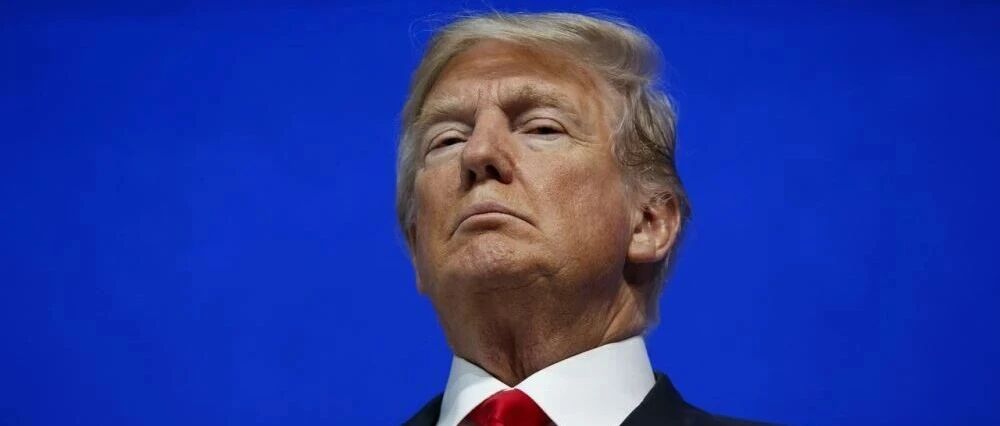
8月下旬以来 特朗普购买了至少8200万美元的债券
Feng Huang Wang· 2025-11-16 11:28
Group 1 - The financial disclosure report from the U.S. Office of Government Ethics (OGE) revealed that President Donald Trump purchased at least $82 million in corporate and municipal bonds between late August and early October, including investments in industries benefiting from his policies [1] - Trump's bond investments include those from semiconductor manufacturers like Broadcom and Qualcomm, technology companies such as Meta Platforms, retailers like Home Depot and CVS Health, and Wall Street banks including Goldman Sachs and Morgan Stanley [2] - Trump also bought bonds from Intel after the U.S. government purchased shares in the company under his direction, with a previous disclosure indicating he had acquired over $100 million in bonds since taking office [3] Group 2 - The recent financial activities included over 175 transactions, primarily involving bonds issued by municipal, state, county, school districts, and other public entities [1] - Trump's investments in the bond market are part of a broader portfolio that has reportedly generated over $600 million in income from various businesses, including cryptocurrency and golf properties [3] - The 2024 annual disclosure document indicated that Trump's total assets are valued at a minimum of $1.6 billion, with significant increases attributed to his investments in the cryptocurrency sector [3]

公开信息披露:8月下旬至10月初,特朗普购入至少8200万美元债券
Sou Hu Cai Jing· 2025-11-16 06:53
Group 1 - President Trump purchased at least $82 million in corporate and municipal bonds between late August and early October, benefiting from industries influenced by his policies [1] - Over 175 financial transactions were conducted by Trump during this period, with total bond purchases exceeding $337 million [1] - The bonds acquired include those from various sectors, such as semiconductor manufacturers like Broadcom and Qualcomm, tech companies like Meta Platforms, retailers like Home Depot and CVS Health, and Wall Street banks like Goldman Sachs and Morgan Stanley [1] Group 2 - Trump also bought bonds from investment banks like JPMorgan Chase and requested an investigation into JPMorgan's past relationship with Jeffrey Epstein [2] - The Trump administration acquired shares in Intel, and subsequently, Trump purchased Intel bonds [2] - Since returning to the presidency, Trump has purchased over $100 million in bonds, with a total reported income of over $600 million from various investments, including cryptocurrency and golf courses [4] Group 3 - Nancy Pelosi, a prominent investor in Congress, disclosed stock transactions totaling approximately $59 million over the past three years, with a family investment return of 84.3% in 2023 [6] - Pelosi's family wealth grew from $41 million in 2004 to $120 million in 2023, showcasing significant investment success [6] - Other notable investors in Congress include Senator Ron Wyden and Representative Marjorie Taylor Greene, indicating a trend of wealth accumulation among lawmakers [6]
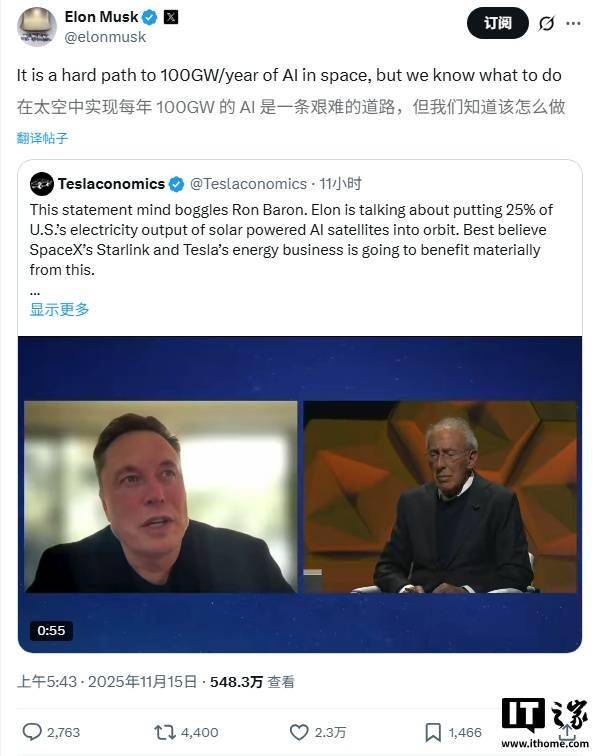
马斯克最新访谈:目标每年在太空部属100吉瓦AI卫星
Sou Hu Cai Jing· 2025-11-15 08:31
Core Insights - Elon Musk discussed various topics including artificial intelligence, energy, chip manufacturing, robotics, Neuralink, personal wealth perspective, and long-term vision during an interview with investor Ron Baron [1] Group 1: Space and Energy - Musk sees a feasible technological path to launch solar-powered AI satellites with a target of 100 gigawatts (GW) annually, which could provide energy for large-scale AI operations, potentially becoming the lowest cost method for powering AI at scale [2] - The current average electricity load in the U.S. is approximately 460 GW, highlighting the scale of Musk's ambitions [2] Group 2: Chip Manufacturing - Musk expressed high regard for TSMC and Samsung, noting that Tesla and SpaceX collaborate with these companies to expedite chip production and increase capacity [2] - He mentioned that inquiries about the time required to build new wafer fabs resulted in a response of approximately five years from initiation to production, which Musk described as an eternity [3] Group 3: AI Development - Musk stated that Grok-4-Heavy is currently the smartest AI, utilizing a multi-agent parallel collaboration approach to improve its outputs continuously [3] Group 4: Personal Wealth Perspective - Musk is not motivated by money or luxury, focusing instead on human survival and the need for sufficient ownership to guide his companies forward [4][5] - He mentioned having only a modest home in Austin and a small house at Starbase, indicating a minimalist lifestyle [5] Group 5: Future Vision - Musk envisions a future where AI and robotics can fully meet human needs, benefiting everyone [6] - His long-term goals include expanding human consciousness, exploring other galaxies, and gaining a deeper understanding of the universe [6] Group 6: Neuralink Progress - Neuralink has implanted devices in over 10 patients, some of whom were previously unable to move or communicate, and they can now interact at nearly normal conversational speeds [7][8] Group 7: Robotics and Healthcare - Musk believes that the Tesla humanoid robot, Optimus, will enable access to top-tier surgical procedures due to its superhuman precision [9] - He stated that Optimus could perform complex medical surgeries that are currently beyond human capabilities, addressing the limitations posed by the scarcity of skilled medical professionals [10]
联邦政府停摆“后遗症” 或逐步显现
Di Yi Cai Jing Zi Xun· 2025-11-15 01:23
Core Viewpoint - The article discusses the recent volatility in the U.S. stock market following the end of the government shutdown, highlighting concerns over economic data shortages and the potential impact on Federal Reserve interest rate decisions, particularly regarding AI stocks' valuations [2][3]. Group 1: Market Reactions - The Nasdaq index experienced a significant drop of over 2%, marking its largest decline in four days, with a year-to-date increase driven by AI stocks now down approximately 5% from its October peak [3]. - European and Asian markets also faced declines, with major indices in Tokyo, Paris, and London falling, and Bitcoin hitting a near six-month low of approximately $96,000 [3]. - The widening credit spreads indicate rising liquidity pressures, reflecting a market environment characterized by heightened risk aversion [3]. Group 2: Economic Data Concerns - The government shutdown resulted in an "information vacuum," affecting the collection of critical economic data, including employment and inflation statistics, which may not be published [3][4]. - Federal Reserve Chairman Jerome Powell likened the current situation to "driving in the fog," suggesting that the lack of data may lead to a pause in interest rate cuts rather than further reductions [3]. Group 3: Valuation and Market Sentiment - The S&P 500's expected price-to-earnings ratio stands at 22.8, significantly above its 10-year average of 18.8, indicating that continued Fed rate cuts are necessary to justify current valuations [5]. - High-performing sectors, particularly technology, are experiencing increased volatility, with notable declines in stocks like Palantir and Oracle, and Nvidia's upcoming earnings report is deemed critical [5][6]. Group 4: Systematic Market Pressures - The market is facing potential "anti-dispersion" effects, driven by large-cap tech stocks, and two significant pressures: tax-loss harvesting and year-end window dressing, which could exacerbate stock performance issues [7]. - The presence of negative dealer gamma indicates that options traders are amplifying market volatility rather than stabilizing it, leading to further selling pressure during downturns [8]. Group 5: Liquidity and Future Outlook - The growth of leveraged ETFs poses a risk, as they must rebalance by selling assets during market downturns, potentially leading to significant asset sales [9]. - Bank of America suggests that market liquidity has peaked, with potential warning signs emerging from bank stocks or credit spreads, indicating a shift towards risk aversion [10].