
体育消费

Search documents
8.8北京体育消费节点燃夜经济
Jin Rong Shi Bao· 2025-08-08 04:03
Core Viewpoint - The 16th Beijing Olympic City Sports Culture Festival and the 6th "8·8" Beijing Sports Consumption Festival were launched with the theme "AI Sports, Enjoying a Summer" to enhance citizen participation in sports events and promote the integration of commerce, culture, tourism, and the sports industry [1] Group 1 - The sports consumption festival runs from August 1 to August 31, featuring both online and offline activities [1] - The event aims to create a lifestyle where watching sports becomes fashionable and to establish a "never-ending" sports consumption festival [1] - The initiative seeks to improve the overall experience of citizens participating in sports events [1]
加速释放体育消费潜力
Jing Ji Ri Bao· 2025-08-07 23:23
Core Insights - Sports consumption is a key area for cultivating new growth points in consumption, with retail sales of sports and entertainment goods increasing by 22.2% year-on-year in the first half of this year [1] - The government aims to release the consumption potential in culture, tourism, and sports through special actions to boost consumption [1] Policy Measures and Development Potential - Sports consumption can be categorized into tangible, participatory, and spectator consumption, with a shift towards service expenditure in participatory and spectator categories [2] - Since 2014, a series of policies have been implemented to unleash sports consumption potential, including top-level design in national sports strategy and various action plans to stimulate market vitality [3] - The "14th Five-Year Plan" targets a total scale of over 2.8 trillion yuan in sports consumption, with a noticeable shift from tangible to participatory and spectator consumption [4] Market Trends and Opportunities - The sports consumption market is expected to grow significantly, driven by rising disposable income and increased awareness of sports and leisure [5] - The integration of sports with culture, tourism, health, and education is deepening, creating new market segments [5] - Digital transformation is accelerating, with smart wearable devices and online fitness platforms enhancing consumer experiences [5][6] Role of Sports Events - Sports events are becoming a crucial engine for expanding domestic demand, directly driving the demand for related sports products and services [7][8] - Events like the Chengdu International Table Tennis Championships have demonstrated significant economic impact, generating substantial ticket sales and boosting local hospitality and dining sectors [8] Venue Development and Consumer Experience - High-quality sports venue construction is essential for promoting sports consumption, with examples showing significant increases in local spending during major events [11][12] - The number of sports venues has increased significantly, with a total of 484.2 million venues and a total area of 4.23 billion square meters by the end of 2024 [13] Challenges and Recommendations - Despite progress, there are challenges such as uneven regional development and a lack of diverse event offerings [10][20] - Recommendations include tailoring events to local needs, enhancing collaboration across sectors, and improving venue operations to better meet consumer demands [10][15]
【智库圆桌】加速释放体育消费潜力
Sou Hu Cai Jing· 2025-08-07 22:54
Core Insights - Sports consumption is a key area for cultivating new growth points in consumption, with retail sales of sports and entertainment goods increasing by 22.2% year-on-year in the first half of this year [1] - The government aims to release the consumption potential in culture, tourism, and sports through special actions to boost consumption [1] Policy Measures and Development Potential - Sports consumption can be categorized into tangible, participatory, and spectator consumption, with a shift towards service expenditure in participatory and spectator categories [2] - Since 2014, a series of policies have been implemented to unleash sports consumption potential, including top-level design in national sports strategy and various action plans to stimulate market vitality [3] - The "14th Five-Year Plan" targets a total scale of over 2.8 trillion yuan in sports consumption, indicating a continuous growth trend [4] Market Trends and Consumer Behavior - The structure of sports consumption is optimizing, with a decline in tangible consumption from 53.7% in 2014 to a lower percentage, while participatory and spectator consumption are on the rise [4] - High-income regions show a growing demand for high-end sports products and services, with outdoor and ice sports gaining popularity among young consumers [4] - The per capita sports consumption in first-tier cities is projected to be around $500 by 2024, compared to over $1,000 in the U.S., indicating significant room for growth [4] Integration and Digital Transformation - The integration of sports with culture, tourism, health, and education is deepening, creating new market segments [5] - Digital transformation is accelerating, with smart wearable devices and online fitness platforms enhancing consumer experiences [5][6] Role of Sports Events - Sports events are becoming a crucial engine for expanding domestic demand, directly driving the demand for related sports products and services [7][8] - Events like the Chengdu International Table Tennis Championships have demonstrated significant economic impact, generating substantial revenue and boosting local hospitality and dining sectors [8] Venue Development and Consumer Experience - The construction of sports venues is essential for improving conditions for sports participation and consumption, with examples showing significant increases in local spending during events [11][12] - The number of sports venues has grown significantly, with over 484.2 million venues nationwide, indicating a robust infrastructure to support sports consumption [13] Challenges and Recommendations - Despite progress, challenges remain, such as the need for diversified post-event operations and improved service quality in venues [14] - Recommendations include enhancing venue operations through professional management, embracing smart technologies, and integrating venues with urban development to create multi-functional spaces [15][16] Trends in Fitness and Training - The trend is shifting towards personalized and intelligent services in fitness and sports training, with a growing demand for niche sports and tailored experiences [17][18] - Community-level sports activities are gaining traction, with initiatives aimed at increasing participation and enhancing public health awareness [19][20]
体育促消费 河南在“提速”
Sou Hu Cai Jing· 2025-08-07 15:28
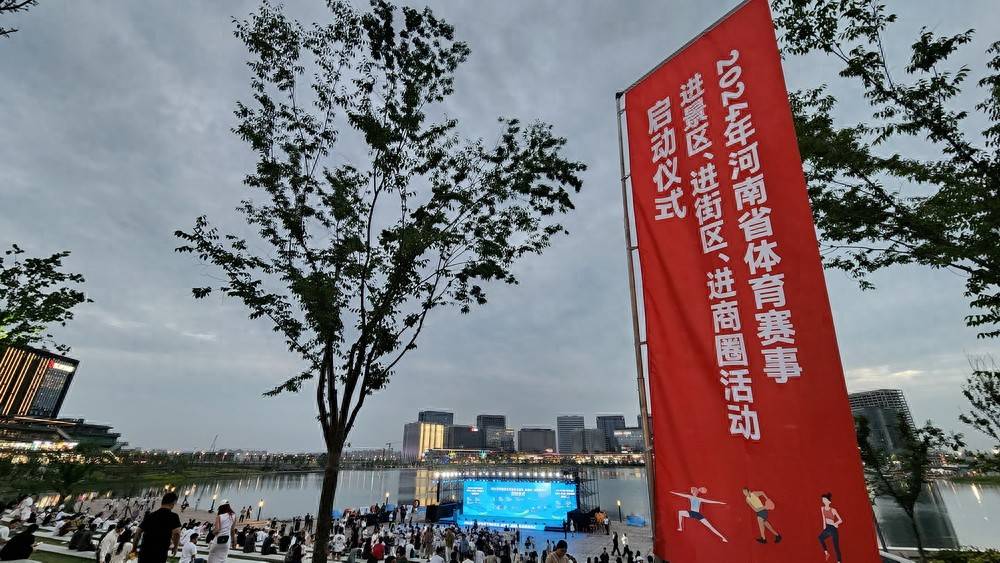
Core Viewpoint - The article emphasizes the importance of sports consumption as a means to stimulate economic growth and improve people's livelihoods in Henan Province, highlighting various measures taken to enhance sports consumption and its positive impacts on the economy and society [1][2]. Group 1: Sports Consumption Statistics - As of the end of 2023, 82.85% of residents in Henan participated in sports consumption, with a total sports consumption scale reaching 140.3 billion yuan, and a per capita sports consumption amount of 1,429 yuan, reflecting a year-on-year growth of 1.81% [2][4]. - Sports consumption accounts for 4.78% of residents' disposable income, indicating its significant role in the local economy [2]. Group 2: Policy and Infrastructure Development - The Henan Provincial Sports Bureau has implemented policies to support sports consumption, including the "Outdoor Sports Industry Development Plan (2024-2026)" and initiatives to bring sports events into scenic areas and commercial districts [4][6]. - A budget of over 370 million yuan has been allocated for the construction of 245 sports facilities, aiming to create a "15-minute fitness circle" in urban communities, with 70% of residential areas equipped with complete sports facilities [6][8]. Group 3: Event Organization and Participation - In 2024, the Provincial Sports Bureau plans to organize various events, including the "Ten Thousand Villages and Thousand Towns" basketball tournament and other community sports activities, with a target of hosting over 5,743 events and engaging more than 8.26 million participants [10][12]. - The province has successfully hosted high-level sports events, including international competitions, to meet diverse public demands and enhance sports consumption [10][12]. Group 4: Sports Consumption Coupons - The Provincial Sports Bureau has introduced sports consumption coupons as a direct measure to stimulate sports consumption, with the total value of coupons increasing from 6 million yuan in 2020 to 10 million yuan in 2024 [13][15]. - From 2020 to 2023, 18 million yuan in fitness vouchers were distributed, benefiting 200,000 participants and generating over 57 million yuan in sports consumption [15][19]. Group 5: Integration of Sports and Tourism - The article discusses the integration of sports events with tourism, promoting the concept of "traveling with events," which has become a trend in Henan, with various events being held in scenic areas to attract tourists [22][23]. - The province has developed 24 national-level sports tourism projects, creating favorable conditions for the "traveling with events" initiative [23]. Group 6: Youth Sports Initiatives - The Provincial Sports Bureau has organized over 30 provincial youth sports events during the summer months, significantly boosting local consumption through increased participation from families [25][26]. - The establishment of over 1,000 sports training institutions supports youth engagement in sports, contributing to the overall growth of sports consumption [26][27].

德州群众体育消费需求不断释放,成为发展新引擎、生活新风尚
Da Zhong Ri Bao· 2025-08-04 02:11
Group 1 - The demand for sports consumption in Dezhou is continuously being released, becoming a new engine for development and a new trend in lifestyle [1][2] - The "Good Luck Shandong" sports consumption season and the 15th Shandong Provincial Mass Fitness Games have created an immersive sports experience for citizens, integrating sports, consumption, and trends [1][2] - The popularity of sports events, such as the "Village BA" basketball league, has attracted significant public participation, leading to substantial direct and indirect consumption [2][4] Group 2 - The improvement of hardware facilities and refined services is crucial for the sustained rise in mass fitness, with Dezhou accelerating the establishment of a comprehensive fitness service network [3] - The city has integrated sports elements into urban renewal, with new facilities like running tracks and multi-functional courts being well-received by citizens [3] - There is a noticeable shift in consumer behavior towards investing in health, with increased willingness to spend on sports services and experiences, particularly in youth sports training [3] Group 3 - Dezhou is actively hosting sports events to stimulate sports consumption, with 286 events held in the first half of the year, attracting over 700,000 participants [4] - Plans for the second half of the year include hosting over 300 events, such as the Dezhou Grand Canal Marathon and the Provincial Mass Fitness Games, further promoting sports facilities in parks and events in commercial areas [4]
激活体育消费大有可为
券商中国· 2025-07-21 04:18
Core Viewpoint - The rise of niche sports like pickleball reflects a shift in consumer preferences towards personalized and refined experiences in sports consumption, driven by social media and changing demographics [2][3][6]. Group 1: Niche Sports and Consumer Trends - Pickleball has gained significant popularity, with 140 million views on social media platforms and over 1100% sales growth during the "6·18" shopping festival on Tmall [2]. - The characteristics of pickleball, such as smaller courts and lighter equipment, make it more accessible compared to traditional sports like tennis [2]. - Experts suggest that the current popularity of pickleball partially stems from the overflow of demand from tennis, although its long-term sustainability is questioned [2][3]. Group 2: Role of Social Media - Social media plays a crucial role in promoting niche sports, enhancing participation through sharing and community engagement [6]. - The viral nature of platforms allows niche sports to gain visibility, potentially transforming them into mainstream activities in the future [6]. Group 3: Market Dynamics of Sports - Niche sports often cater to high-net-worth individuals, leading to higher average spending per participant, while traditional sports have a larger market scale due to broader participation [7]. - The distinction between niche and mainstream sports is not absolute, as many niche sports may evolve into popular activities over time [6][7]. Group 4: Policy and Economic Impact - Recent policies aim to stimulate sports consumption through events and activities, recognizing the potential economic benefits of sports [8][9]. - The balance between high-value niche sports and widely participated mainstream sports is essential for overall sports consumption growth [7][9]. Group 5: Importance of Leisure Time - The availability of leisure time is deemed more critical than income for driving sports consumption, emphasizing the need for better work-life balance [10][11]. - Implementing effective vacation policies can significantly enhance participation in sports, thereby boosting consumption [11].

成都体育产业产值总规模力争今年突破1500亿元
Xin Hua Cai Jing· 2025-07-13 09:00
Group 1 - Chengdu hosted 38 major sports events in the first half of the year, with total sports consumption expected to reach 41 billion yuan, a year-on-year increase of approximately 9% [1] - The total output value of the sports industry in Chengdu is projected to reach 74 billion yuan, reflecting a year-on-year growth of about 8% [1] - Chengdu aims to prepare for the 12th World Games and the International Table Tennis Federation Mixed Team World Cup, while also fostering local brand events like the Chengdu Marathon and Tianfu Greenway International Cycling Race [1] Group 2 - Chengdu is implementing a "Sports+" integration strategy to promote deep integration of culture, commerce, tourism, and sports, with initiatives like hosting gymnastics elite competitions and street athletics events [2] - The city aims to achieve a total sports consumption scale of 80 billion yuan this year [2] - Chengdu is focusing on enhancing its sports industry by developing smart sports equipment manufacturing, outdoor sports, and the emerging health esports sector, with a target to exceed 150 billion yuan in sports industry output value this year [2]
“苏超”跑出区域经济新赛道,长三角催生体育消费新场景
2 1 Shi Ji Jing Ji Bao Dao· 2025-06-20 13:26
Group 1: Core Insights - The "Su Chao" league has gained significant popularity, with discussions about it occurring across various demographics, including young adults and middle-aged individuals [1][2] - The league's success is attributed to the competitive spirit among the 13 cities in Jiangsu, which has led to a nationwide interest in the event [1][4] - The rise of "Su Chao" reflects a broader trend of increasing public engagement in sports events across the Yangtze River Delta region, indicating a critical period for sports consumption [1][4] Group 2: Economic Impact - The "Su Chao" league has stimulated local tourism, with Jiangsu's travel orders on Meituan increasing by 50% week-on-week, making it the top province for travel orders [4][5] - Food consumption has also surged, with dining orders from non-local consumers increasing by over 49% during the league's matches [5] - The league's affordable ticket prices and engaging atmosphere have unlocked previously suppressed consumer spending in sports [5][6] Group 3: Future Development - Experts suggest that the integration of sports events with urban commercial activities can create new business opportunities and enhance local economies [6][7] - The Yangtze River Delta region is exploring new models for mass sports events, with cities like Hangzhou initiating their own "Super League" to promote community engagement [8][10] - The development of sports health centers and community fitness initiatives indicates a growing recognition of the importance of health and wellness in conjunction with sports [14][16]
国家吹响减肥号角!“减重经济”能否激发万亿级消费新浪潮
GLP1减重宝典· 2025-06-19 12:45
Core Viewpoint - The article highlights the emergence of a "weight management economy" driven by national health policies, consumer upgrades, and technological innovations, with a focus on the "Weight Management Year" initiative launched during the 2023 Two Sessions, aiming to address obesity as a public health issue and create a trillion-level market across various sectors [4][5]. Group 1: Health Crisis to Economic Opportunity - The obesity issue in China is severe, with over 50% of adults classified as overweight or obese, projected to rise to 70.5% by 2030, leading to significant healthcare costs [6]. - The "Weight Management Year" initiative represents a strategic shift from treatment to prevention, aiming to reduce healthcare burdens and improve national health levels [6]. Group 2: Industry Opportunities - National policies are transitioning from "treating diseases" to "preventing diseases," fostering a diverse ecosystem in the weight management economy [7]. - The release of tailored dietary guidelines and the integration of medical and health services are creating new business models in personalized dining and weight management clinics [7]. Group 3: Five Key Consumption Upgrades - **Healthcare**: The pharmaceutical sector is seeing a surge in interest in weight loss medications, with GLP-1 drugs like Semaglutide gaining attention, and over 20 companies are developing similar products [8]. - **Smart Health Devices**: The market for wearable devices is booming, with a 19.3% year-on-year increase in shipments, making China the largest market globally [9]. - **Sports Consumption**: The outdoor sports sector is thriving, with a 51.86% increase in the number of outdoor sports merchants by the end of 2024 [10]. - **Healthy Eating**: The shift towards health-conscious eating is evident, with brands launching low-calorie and functional foods to meet diverse consumer needs [11]. - **Sleep Economy**: Products aimed at improving sleep quality are gaining popularity, reflecting a broader trend in health and wellness [12]. Group 4: Scientific, Personalized, and Experiential Upgrades - The integration of AI and smart devices is transforming weight management into a data-driven, personalized experience, enhancing user engagement through gamification [13]. - The Z generation is reshaping the industry by prioritizing interactive and enjoyable experiences over traditional weight loss methods, leading to a shift in consumer expectations [14]. Group 5: Economic Insights from Weight Management - The health management sector is evolving into a trillion-dollar market, driven by technological advancements and consumer demand for personalized health solutions [15]. - Smart health devices are becoming critical data entry points for health management, with significant sales growth and user engagement [16]. - The fusion of the metaverse and health management is creating new consumer experiences, while social media platforms are driving community engagement in weight management [17]. - The new generation of consumers values aesthetics and cultural relevance in health products, indicating a shift towards lifestyle branding in the weight management sector [18].
广州借十五运会促体育消费,力推冰雪运动和赛马运动
2 1 Shi Ji Jing Ji Bao Dao· 2025-06-13 08:22
Core Viewpoint - Guangzhou is actively promoting sports consumption through various initiatives, including the preparation for major sporting events and the development of sports-related activities to boost the local economy [1][2]. Group 1: Sports Consumption Initiatives - The Guangzhou Municipal Bureau of Commerce has released a draft plan to enhance sports consumption, focusing on events like the 15th Provincial Games and the Special Olympics [1]. - The plan includes organizing sports carnivals, consumption seasons, and promoting sports events in scenic areas and commercial districts [2]. - The city aims to support the upgrade of ice and snow venues and accelerate the construction and operation of the Hong Kong Jockey Club's Conghua Racecourse to foster the development of ice sports and horse racing consumption [2]. Group 2: Economic Impact and Participation - The sports consumption scale in Guangzhou is projected to exceed 63 billion yuan in 2024, indicating strong growth in the sports industry [1]. - During the May Day holiday, the "Hot Snow Miracle" venue reported a nearly 30% increase in visitor traffic, with skiing experiences accounting for about 60% of the activities [2]. - The ongoing sports carnival initiatives are expected to enhance the public fitness activity system and create a vibrant atmosphere for the upcoming sports events, converting event traffic into consumer spending [2].