工业旅游

Search documents
拓展新消费增长点 北京丰富工业旅游场景
Bei Jing Shang Bao· 2025-08-06 13:59
Core Insights - Beijing is expanding its industrial tourism sector to strengthen new consumption growth points [1] - The city will launch the "Beijing Industrial Culture Experience Map" during the 2024 Beijing Cultural Forum, featuring ten themes and a hundred experiential projects [1] - Innovative activities such as Industrial Tourism Open Days and festive promotions will be introduced to ensure monthly events with unique characteristics [1] Group 1 - The "Beijing Industrial Culture Experience Map" will promote industrial tourism through hand-drawn maps, brochures, and promotional videos [1] - The initiative aims to attract citizens to visit industrial sites, creating a new consumption trend in Beijing [1] - During the 2025 Spring Festival, eight special industrial tourism sites will be highlighted, with over 300,000 reservations and approximately 430,000 actual visitors [1]
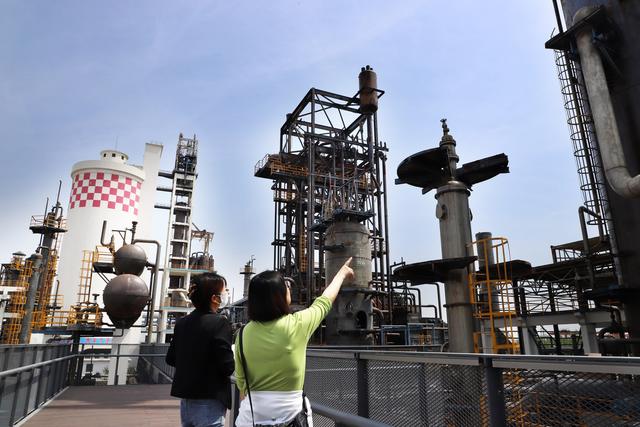
百年高炉遇见“未来世界”
Bei Jing Ri Bao Ke Hu Duan· 2025-08-03 22:51
Core Viewpoint - The transformation of industrial sites into tourist attractions is gaining popularity, with the Shougang Park exemplifying this trend through its innovative integration of industrial heritage and modern leisure activities [1][3][6]. Group 1: Industrial Tourism Development - Shougang Park has evolved from an old industrial site into a vibrant tourist destination, attracting a younger demographic interested in industrial heritage [3][6]. - The park features various attractions, including a sci-fi theme park and cultural events, which have significantly increased visitor numbers and engagement [5][7]. Group 2: Visitor Statistics and Economic Impact - In 2024, Shougang Park is expected to receive 13 million visitors, representing an over 8% increase year-on-year [6]. - The park's visitor spending has generated approximately 260 million yuan in revenue in the first half of the year, marking an 8% growth compared to the previous year [7]. Group 3: Community and Cultural Engagement - The park serves as a hub for various activities, including sports, arts, and family-friendly events, making it a popular gathering place for diverse groups [7]. - The integration of modern amenities and cultural events has transformed Shougang Park into a new landmark for consumption and leisure in the city [6][7].

日本经济衰退的30年,仍有不少企业保持高速增长
创业家· 2025-07-27 09:44
Core Viewpoint - The article draws parallels between Japan's past economic stagnation and China's current economic challenges, suggesting that China can learn valuable lessons from Japan's experience [2][3]. Group 1: Economic Insights - Over the past 25 years, Japan has seen a significant increase in national wealth, with elderly citizens holding substantial assets, indicating unmet consumption needs among this demographic [3][4]. - In China, the population aged 60 and above is projected to rise from 19% in 2021 to 30% by 2035, mirroring Japan's demographic trends [4]. Group 2: Consumer Behavior - The article highlights a wealthy and discerning consumer group in Japan, particularly among the elderly, whose consumption needs are not fully addressed [5]. - Companies like NIKKO TRAVEL cater to this demographic with unique travel experiences, achieving high customer loyalty and significant sales [5]. Group 3: Tourism and Leisure Industry - Japan's tourism sector, particularly theme parks like Tokyo Disneyland and Universal Studios Japan, has thrived, with high visitor numbers pre-pandemic [8][9]. - The leisure and vacation industry in Japan is well-developed, with successful destinations like Karuizawa and innovative rural tourism models that combine multiple industries [9]. Group 4: Cultural and Traditional Influences - Japan effectively utilizes its cultural heritage to create attractive tourism products, with traditional festivals and arts drawing significant domestic and international visitors [10]. - The integration of traditional culture into modern tourism, such as through music festivals and anime, has enhanced Japan's global appeal [10]. Group 5: Shifts in Economic Paradigms - The article notes a shift from rapid economic growth to a more nuanced understanding of consumer needs, indicating that the era of quick profits is over [12]. - The changing landscape requires businesses to adapt to evolving consumer demands and preferences, moving away from traditional profit models [12].
新闻有观点·行业洞察丨从“闲人免进”到 “一票难求” 工厂转身成网红景点藏着哪些生意经?
Yang Guang Wang· 2025-07-22 06:03
Core Insights - The industrial tourism market is projected to exceed 45 billion with a growth rate of at least 18% this year, highlighting its significant development potential [2] - Industrial tourism is shifting from niche exploration to mainstream trend, becoming a vital force in regional economic transformation and cultural tourism consumption [1][2] Group 1: Market Potential - Industrial tourism is increasingly recognized by enterprises as a means to enhance brand influence and consumer trust, transitioning competition from product quality to experiential and brand competition [2] - The integration of industrial tourism can help optimize internal management, transforming cost centers into profit-generating departments [2] Group 2: Challenges and Solutions - Traditional factories face challenges such as insufficient investment and unclear development paths in the transformation to industrial tourism [4] - Emphasizing "experience first" is crucial for struggling enterprises, focusing on showcasing unique technologies in an engaging manner to attract consumers [4] Group 3: Digital Transformation - For enterprises with limited investment, "digital experience" through VR and online interactions can be a viable solution to showcase products and engage consumers [5] - Collaborating with larger enterprises to develop themed industrial tourism can also enhance the experience [5] Group 4: Cultural Integration - Non-operational factories should focus on creating cultural tourism experiences that align with industrial heritage, as seen in successful cases like Beijing's Shougang Factory [5] Group 5: Balancing Commercialization - To prevent the dilution of industrial value due to over-commercialization, a principle of "commercial whitespace" should be followed, limiting commercial services to no more than 30% of the site [9] - Success in industrial tourism can be evaluated through metrics such as visitor numbers, revenue, product diversity, and repeat visitation rates [9] Group 6: Future Outlook - Industrial tourism is expected to become a cultural symbol for cities, leveraging unique industrial histories and emotional connections to enhance local narratives [10] - With government support in defining development boundaries for industrial heritage, the potential for industrial tourism to thrive as a cultural icon is promising [10]

锈迹新生 看我国轻工业遗产的蜕变之路
Xiao Fei Ri Bao Wang· 2025-07-21 05:48
Core Insights - The transformation of industrial heritage sites in China is creating new cultural landmarks that reflect the shift from manufacturing to intelligent manufacturing [1] - Over 200 industrial sites nationwide have been repurposed, enhancing their economic value through cultural tourism and innovation incubation [1] Group 1: Case Study - Tao Xichuan Cultural and Creative District - The former porcelain factory in Jingdezhen has been transformed into a vibrant creative hub, winning 64 national and international awards [5] - The creative market has expanded from 55 stalls to over 1,200, attracting around 11.64 million visitors in 2024 [6] - The average age of artisans in the area is 28, highlighting the youthful energy and artistic atmosphere of the district [6] Group 2: Case Study - Zhongshan Canned Food Factory - The Zhongshan canned food factory has been repurposed into an "art garden," preserving its industrial heritage while catering to modern tastes [10] - The renovation involved an investment of approximately 120 million yuan, focusing on functional and safety upgrades without demolishing existing structures [11] - The site now serves as a cultural and creative tourism destination, integrating various functions such as dining, entertainment, and community spaces [11] Group 3: Case Study - Donghu Vinegar Garden - Donghu Vinegar Garden in Shanxi has become a national 4A-level tourist attraction, showcasing the rich history of Shanxi aged vinegar [15] - The garden features multiple exhibition halls that educate visitors about traditional vinegar-making techniques and cultural heritage [15][16] - The establishment of an innovation studio aims to blend traditional skills with modern design, creating new cultural products and enhancing the visitor experience [17]
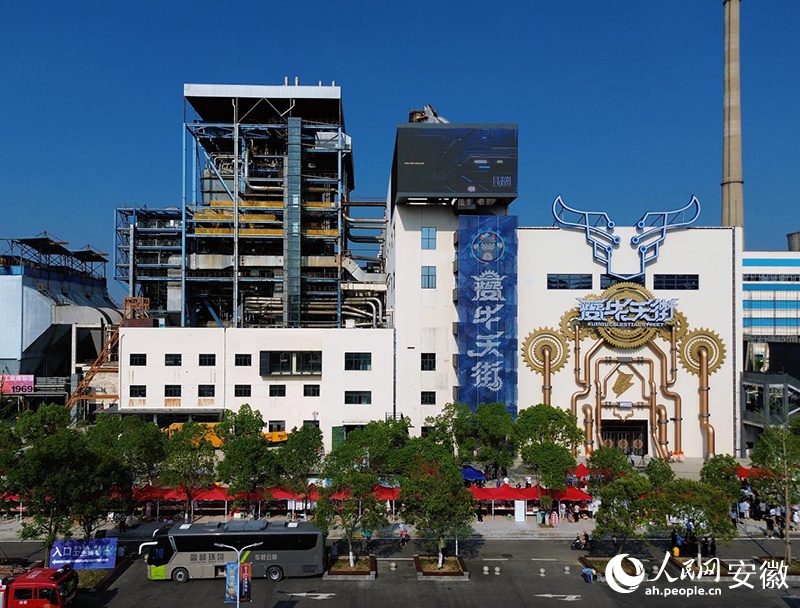
老电厂变身文旅新地标,淮北夔牛天街正式运营
Ren Min Wang· 2025-07-07 06:44
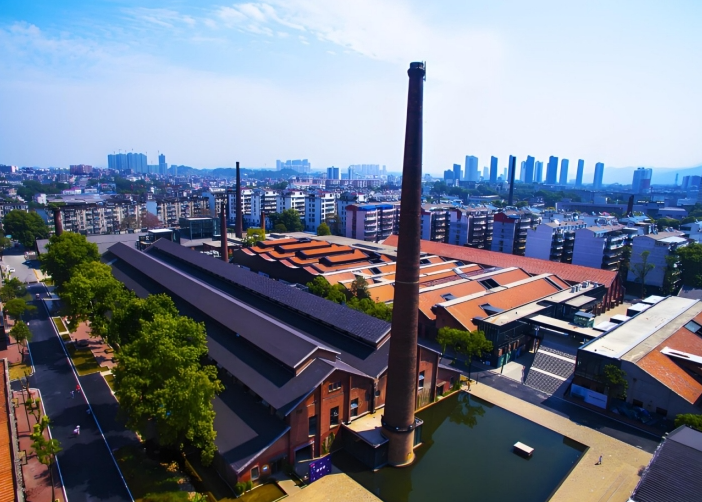
Core Viewpoint - The transformation of the old power plant in Huai Bei into a cultural and tourism complex, known as the Kui Niu Tian Street project, represents a successful model of industrial heritage preservation and urban renewal, integrating industrial culture with modern tourism experiences [1][2][6]. Group 1: Project Overview - The Kui Niu Tian Street project is located at the intersection of Suixi Road and Huili Road in Huai Bei, on the site of the former Datang Power Plant, which served for half a century before its closure in 2018 due to energy structure adjustments and environmental regulations [2][5]. - The project covers a total construction area of over 10,000 square meters and is part of a broader initiative to promote the protection and utilization of industrial heritage in old industrial cities [2][6]. Group 2: Design and Features - The complex features a 10-meter tall mechanical Kui Niu named "Leilei," symbolizing resilience and innovation, and serves as a modern interpretation of ancient mythology while honoring industrial spirit [3][5]. - The project employs a "protection first, functional reconstruction" principle, preserving key industrial elements such as red brick buildings and steam pipes, while creatively revitalizing them [5]. Group 3: Visitor Experience and Economic Impact - The complex is designed with a four-level layout catering to diverse audiences, including entertainment, cultural education, family activities, and creative retail, enhancing the overall visitor experience [5]. - The project has led to a 15% increase in the rental rates of surrounding commercial properties, demonstrating significant economic spillover effects [6]. Group 4: Future Prospects - The success of the Kui Niu Tian Street project is expected to serve as a model for further industrial heritage revitalization in Huai Bei, promoting a shift from single attractions to comprehensive tourism experiences [6].
胶州开展提振消费系列活动 开启“工业旅游”新体验
Sou Hu Cai Jing· 2025-06-05 03:25
Group 1 - The core event was the opening of the Qingdao Lighthouse Flavor Industry Co., Ltd.'s immersive industrial tourism experience, attracting over 500 attendees, including representatives from various sectors and tourists [2] - The Qingdao Lighthouse Museum and Seasoning Science Park aims to promote traditional brewing culture while integrating cultural tourism, serving as a platform for showcasing local industry characteristics and intangible cultural heritage [2] - The park is part of the company's 2025 cultural promotion strategy, emphasizing ecological sightseeing, cultural experiences, and leisure vacation opportunities for the community [2] Group 2 - The Jiaoxi Street system is actively planning to boost consumption and expand domestic demand, leveraging the synergy of primary, secondary, and tertiary industries [3] - Various events have been organized this year, including the "May Day" event that attracted over 3,000 visitors, focusing on local food, agricultural experiences, and cultural education [3] - The street aims to enhance consumption upgrades and rural revitalization, positioning industrial tourism as a key driver for economic growth and brand storytelling [3]
推动工业旅游向体验化、情感化方向演进
Xiao Fei Ri Bao Wang· 2025-06-05 03:10
Core Insights - Industrial tourism is emerging as a new highlight in the cultural tourism market, attracting more visitors through its unique charm [1] - The demand for tourism has shifted from superficial sightseeing to deep experiences that resonate emotionally with consumers, with 70% of tourists prioritizing "emotional value" in their travel choices [1] - Current industrial tourism products are still in the early stages of development, lacking in-depth cultural exploration and creative design, resulting in a lack of distinctiveness and themes [1] Group 1 - Industrial tourism leverages industrial landscapes, culture, and heritage to showcase the history and achievements of industrial development, fulfilling multiple functions such as tourism, culture, and education [1] - High-quality cultural IP is essential for enhancing industrial tourism, as it can create diverse derivative content and foster emotional connections with visitors [2] - Increasing the participatory nature of industrial tourism products can enhance emotional investment from tourists, as seen in various interactive experiences offered in different regions [2] Group 2 - Industrial tourism plays a crucial role in promoting the integration of secondary and tertiary industries, as well as driving innovation and transformation [3] - There is a need to transform industrial heritage from productive resources into creative experiential spaces, focusing on immersive, interactive, and personalized experiences [3] - This transformation can cultivate new urban development momentum and inject lasting vitality into the construction of a modern industrial power [3]
工业文旅热潮起 企业品牌“泛舟”新蓝海
Zhong Guo Chan Ye Jing Ji Xin Xi Wang· 2025-05-21 03:21
Core Insights - Industrial tourism has emerged as a significant sector in China's cultural tourism market, blending industrial heritage with modern tourism experiences [1][2] - The development of industrial tourism is supported by national and local policies, indicating a strong growth potential in the coming years [2][4] Group 1: Development and Achievements - Industrial tourism in China has transitioned from pilot exploration to comprehensive display, entering a phase of rapid development [2][4] - As of now, 231 national industrial heritage sites have been recognized, over 700 industrial museums have been established, and more than 100 national industrial tourism demonstration bases have been identified [2][4] - The integration of industrial heritage into tourism is supported by various policies aimed at revitalizing and utilizing industrial relics [3][4] Group 2: Brand Development and Challenges - The focus on brand development in industrial tourism is crucial for achieving high-quality growth, yet there are challenges such as homogenization and lack of cultural depth [5][6] - Differentiation through unique IP creation and the integration of industrial history with local culture is essential for overcoming current challenges [6][7] Group 3: Integration and Market Activation - The fusion of industrial tourism with cultural tourism is seen as a new engine for activating the consumer market, with emphasis on infrastructure improvement and service quality [8][9] - Successful examples include the integration of dining experiences with cultural tourism, enhancing emotional connections and social value [8][9] Group 4: Future Directions - Recommendations for future development include enhancing planning and design, promoting mutual learning among industrial parks, scenic areas, and cultural parks, and utilizing data analytics for personalized visitor experiences [9][10] - The importance of aligning industrial tourism with corporate culture and product promotion is highlighted, showcasing successful case studies [10]
工业遗存改造催生京津冀文旅新地标
Bei Jing Ri Bao Ke Hu Duan· 2025-05-17 14:30
Group 1 - The core idea of the article is the transformation of industrial heritage sites into cultural and recreational spaces, highlighting the shift from "industrial rust belt" to "urban showcase" in Beijing Shougang Park and other areas in the Beijing-Tianjin-Hebei region [1][2] - The recent policy document encourages market-driven approaches to revitalize old industrial areas, emphasizing the protection and utilization of industrial heritage [1] - The transformation of the Cangzhou Dahua plant into an industrial cultural heritage display area showcases the successful integration of industrial history with tourism [3][5] Group 2 - The popularity of industrial tourism in Tangshan remains high, with the Kailuan National Mine Park attracting numerous visitors for its "underground exploration" tours [5][6] - The park serves as a comprehensive site for industrial relic protection, coal culture education, and displays of industrial civilization, contributing to the local tourism economy [5] - Tangshan has launched a themed study tour route that includes various industrial heritage sites, allowing visitors to explore the city's industrial history [6] Group 3 - The Shijiazhuang Steel Industrial Site Park has been transformed into a cultural landmark, retaining elements of its industrial past while hosting music and cultural events [9][7] - The park features iconic structures from the former Hebei Steel Group, creating a vibrant atmosphere that combines industrial heritage with modern entertainment [9][7] - Shijiazhuang aims to foster new cultural consumption models through the integration of music and tourism, enhancing the visitor experience [9]