
水运

Search documents
四川乐山:打好“航运牌”、唱好“双城记”,“黄金水道”启新程
Ren Min Ri Bao· 2025-12-25 22:20
地处长江"黄金水道"上游的四川省乐山市,襟带三江、南北通衢,是成都平原经济区的重要水运枢纽, 也是重特大件进出川的重要港口。 "水上蜀道"联动川渝 "一条江"打开新格局 近年来,乐山坚持全面融入成渝地区双城经济圈建设,以岷江港航电综合开发为抓手,加快推进乐山港 升级打造为成都平原经济区"天府港",畅通成渝"黄金水道",加快提升乐山区域中心城市能级,打造全 省重要的区域交通物流枢纽。 打好"航运牌"、唱好"双城记",乐山"黄金水道"启新程。 "黄金水道"通江达海 "一张图"谋划新空间 长220米、宽34米的船闸,"人"字门缓缓打开,一艘艘船舶顺水而下,从西南腹地通江达海。这是西南 地区最大单级船闸——岷江犍为航电枢纽船闸开闸现场。犍为航电枢纽自2019年11月试运行起,已调度 船舶5566艘次、载重量52.95万吨;下游不远处,龙溪口航电枢纽自2022年11月船闸通航,已来往船舶 6480艘次、载重量75.81万吨。 船舶往来穿梭,乐山"黄金水道"建设扎实推进。 四川拥有长江、岷江等七大航运通道,却因航道等级不高、关键节点不畅,导致水运成本低、运能大、 绿色低碳的比较优势未能充分发挥。作为长江经济带综合立体交通 ...
【好评中国】年终回望:交通强国书写流动中国新答卷
Xin Lang Cai Jing· 2025-12-25 09:09
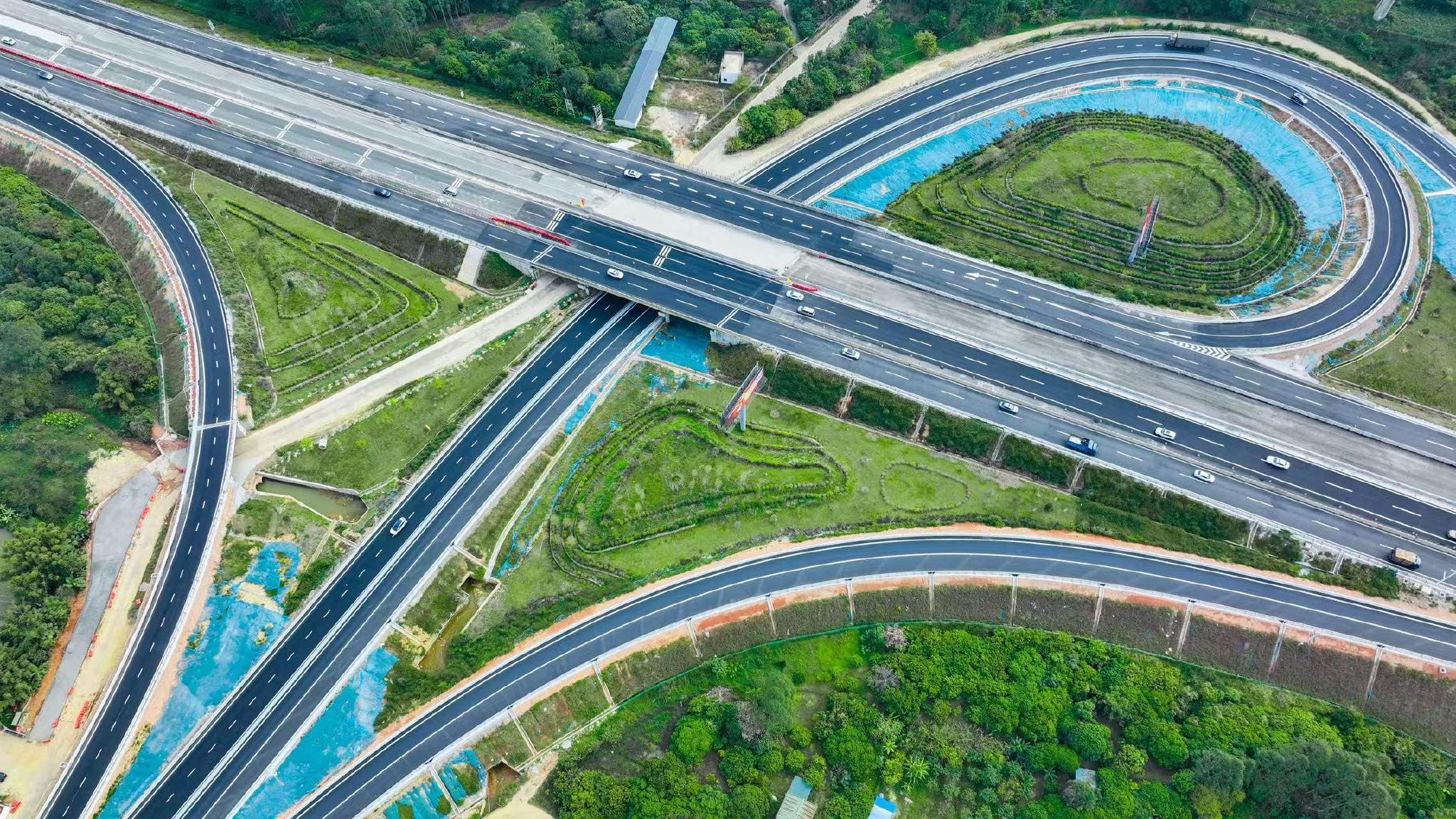
Core Insights - China's transportation development is evolving into a comprehensive network that integrates road, air, water, and rail, reflecting resilience and governance capabilities [2] - The evaluation criteria for transportation construction are shifting from quantity to accessibility, systematization, and operational efficiency, indicating a proactive role in shaping development space [2] - The construction of rural roads is focusing on completing the network and enhancing connectivity, which is crucial for urban-rural factor flow [2] Group 1: Road Development - The emphasis in rural road construction is on network completion rather than merely extending mileage, highlighting the importance of the "last mile" [2] - The overall network improvement approach exemplifies the logic of "big transportation" [2] Group 2: Air and Water Transport - The enhancement of the air transport system and port capabilities supports the overall transportation network, facilitating efficient cross-regional movement [3] - These developments are interlinked, contributing to the overall operational capacity of the transportation system [3] Group 3: Rail Transport - Railways are now viewed as part of a comprehensive transportation system, complementing other modes rather than being solely focused on speed [3] - The opening of the Guangzhan High-Speed Railway illustrates this shift, serving as a key component in the regional transportation network [3] Group 4: Systemic Transformation - The changes observed during the Spring Festival travel season reflect the maturity of the "big transportation" concept, with multiple transport modes working together [4] - The focus is shifting from fragmented construction to systematic advancement, integrating various transport modes into a unified development blueprint [4] - Future trends will emphasize smart transportation, green transformation, and multimodal transport, reinforcing collaboration among different transport methods [4]

完善现代化综合交通运输体系为基本实现社会主义现代化取得决定性进展提供有力保障
Xin Lang Cai Jing· 2025-12-24 20:50
Core Viewpoint - The article emphasizes the importance of enhancing the modern comprehensive transportation system in China to support the country's goal of achieving significant progress in socialist modernization, as outlined in the 20th National Congress of the Communist Party of China [1]. Group 1: Achievements in Transportation Sector - Over the past five years, the transportation sector has made significant achievements, completing all 17 major indicators set in the 14th Five-Year Plan, with a total fixed asset investment of 18.8 trillion yuan [2]. - The national comprehensive transportation network has seen over 90% completion of its main framework, with high-speed rail covering approximately 97.2% of cities with populations over 500,000 [2]. - The efficiency of transportation hubs has improved significantly, with major urban areas in key city clusters achieving two-hour connectivity [2]. Group 2: Future Development Paths - The 15th Five-Year Plan period is crucial for achieving the strategic goal of becoming a transportation powerhouse, focusing on high-quality development and a modern comprehensive transportation system [5]. - The plan includes the construction of a high-quality national comprehensive transportation network, aiming for a completion rate of over 95% for the main framework [6]. - The strategy emphasizes four key areas: integration of transportation modes, safety enhancement, digital transformation, and green transition [7]. Group 3: Infrastructure and Service Improvements - The plan aims to accelerate the construction of modern transportation infrastructure, including major corridors and urban transportation hubs, while enhancing interconnectivity [8]. - There will be a focus on improving transportation services, promoting integrated public transport systems, and enhancing accessibility for all demographics [9]. - The development of advanced transportation technology and equipment is prioritized, with an emphasis on smart transportation and the integration of cutting-edge technologies [10]. Group 4: Governance and Regulatory Framework - The transportation sector will undergo reforms to optimize toll road policies and enhance regulatory frameworks, ensuring a unified national market [10]. - A new regulatory mechanism based on credit will be established, alongside the revision of key transportation laws to improve safety and efficiency [10].
到今年底,四川将建成54条出川大通道
Xin Lang Cai Jing· 2025-12-24 17:46
Core Viewpoint - Sichuan province has achieved significant progress in its comprehensive transportation network, reaching a total length of 443,000 kilometers, ranking first in the country, with plans to expand its outbound transportation corridors to 54 by the end of the year [5][6][10]. Transportation Infrastructure Development - The construction of the Chongqing Tongliang to Neijiang Zizhong Expressway is nearing completion, marking the 17th expressway connecting Sichuan and Chongqing, enhancing the region's transportation capacity [5][6]. - Over the past five years, Sichuan has built 3,000 kilometers of new expressways, with the total expressway mileage expected to exceed 11,000 kilometers by the end of the year, placing it among the top three provinces in China [5][6]. - The province's outbound transportation corridors will include 54 routes by the end of the year, integrating rail, highway, and waterway connections [5][6]. Regional Connectivity - The new expressways and railways are facilitating faster travel times between cities, with the Chengdu to Jiuzhaigou journey reduced from 8 hours to 4 hours, enhancing connectivity with neighboring provinces [7]. - The completion of the Long-Pu-Xu Railway will connect Sichuan to Guangxi Beibu Gulf, forming a crucial part of the new land-sea transport corridor [6][7]. Economic Impact - Improved transportation infrastructure is expected to enhance the efficiency of agricultural product distribution, allowing farmers to reach broader markets more easily [9]. - The expansion of the Chengnan Expressway will significantly improve access for 38 surrounding towns, creating a "half-hour expressway circle" [9]. Multi-Modal Transport Initiatives - Sichuan has established 15 stable multi-modal transport routes, successfully launching new iron-water combined transport lines that reduce logistics costs by 20% [10][11]. - The integration of transportation, logistics, and data networks is being promoted to enhance the modern logistics industry, with significant data aggregation and service improvements for manufacturing enterprises [11].
安全“零事故”、业务量翻番,潍坊激活小清河“黄金水道”
Qi Lu Wan Bao· 2025-12-24 14:03
Core Viewpoint - The Weifang Maritime Bureau is implementing innovative services to enhance the quality of shipping along the Xiao Qing River, aiming to double the shipping volume by 2025 and reduce logistics costs by approximately 15% [1][2]. Group 1: Shipping Volume and Cost Reduction - By 2025, the shipping volume on the Xiao Qing River is expected to double compared to the previous year, with logistics costs reduced by about 15% [1]. - The Weifang Maritime Bureau has introduced the "non-stop operation and certification" service, which reduces downtime for each vessel by over 7 days, facilitating rapid capacity replenishment and efficient conversion [1][2]. - In the first 11 months of 2025, the Xiao Qing River completed over 1,200 transshipment operations and 180 direct operations, transporting over 120,000 tons of goods and more than 10,000 standard containers, marking a significant increase in business volume compared to 2024 [1]. Group 2: Safety Measures and Innovations - The Weifang Maritime Bureau has developed a "wind circle early warning" platform and created easy-to-understand navigation guidelines, achieving a record of "zero incidents and zero accidents" since the resumption of navigation [2]. - A comprehensive safety management system has been established, utilizing modern monitoring technologies such as VTS, drones, and CCTV to ensure effective oversight of shipping activities [3][4]. - The Bureau has implemented a proactive safety inspection mechanism, collaborating with various stakeholders to ensure comprehensive safety checks on operational vessels [4]. Group 3: Policy and Infrastructure Development - The Weifang Maritime Bureau is advocating for policy improvements to optimize the shipping environment, including proposals for the construction of a transit port and the establishment of a special provincial policy to support high-quality development of Xiao Qing River shipping [5]. - A new 12-kilometer extension of the shipping route has been planned to enhance operational capacity and efficiency, addressing previous bottlenecks [6]. - The Bureau is also focusing on the development of new ship types and the application of advanced technologies, with plans for 10 new vessels, including the first three conventional power ships already launched [6]. Group 4: Future Outlook - The Weifang Maritime Bureau aims to continue enhancing the safety, efficiency, cost-effectiveness, and environmental sustainability of Xiao Qing River shipping, contributing significantly to regional economic development and the construction of a strong transportation nation [7].
锚定新坐标 奋进新征程——甘肃省水运事业发展中心第三期“水运大讲堂”开讲
Xin Lang Cai Jing· 2025-12-24 10:39
Core Insights - The lecture emphasized the historical significance of the Yellow River in Gansu, highlighting its role in shaping the region's water transport culture and the spirit of collaboration and resilience [1][2] Group 1: Achievements during the 14th Five-Year Plan - Gansu's water transport infrastructure has seen significant improvements, with 44 safety enhancement projects for convenient ferry terminals and the Lanzhou Port route being recognized as a national waterway tourism route [2] - The waterway passenger volume is projected to reach 1.5748 million by 2024, with the operation of water buses around the clock, showcasing the integration of water travel and tourism [2] - A robust safety framework has been established, conducting 32 safety inspections and addressing over 1,890 hidden risks, achieving zero major safety incidents [2] - Continuous innovation is evident through regional cooperation in ship inspection among seven western provinces and the application of virtual buoy technology, alongside significant reforms in systems and research [2] Group 2: Focus Areas for the 15th Five-Year Plan - The focus will be on the "national westward opening strategy," centering on the Yellow River and Bailong River, with plans for comprehensive channel improvements and construction projects in the Lanzhou urban area [3] - Service quality will be enhanced by optimizing port layouts, upgrading ferry terminals, and improving the waterway layout to integrate with urban development, ecological protection, and rural revitalization [3] - A safety barrier will be reinforced through a cross-departmental collaboration mechanism, ensuring intelligent monitoring of passenger vessels and establishing an emergency rescue system [3] - The industry will leverage smart technologies by promoting efficient operation of electronic document systems and enhancing the capabilities of maritime law enforcement teams [3] Group 3: Community Response and Future Actions - Participants expressed that the "Water Transport Lecture Hall" provided detailed and instructive content, clarifying the historical roots and practical paths for water transport development [4] - There is a commitment to translate learning outcomes into actionable responsibilities, focusing on key areas such as channel construction, service quality, safety supervision, and smart empowerment [4] - The aim is to drive high-quality development in Gansu's water transport sector, contributing significantly to the construction of a prosperous new Gansu [4]


数览交通运输“促消费+惠民生”向智向绿发展答卷
Yang Shi Wang· 2025-12-24 07:29
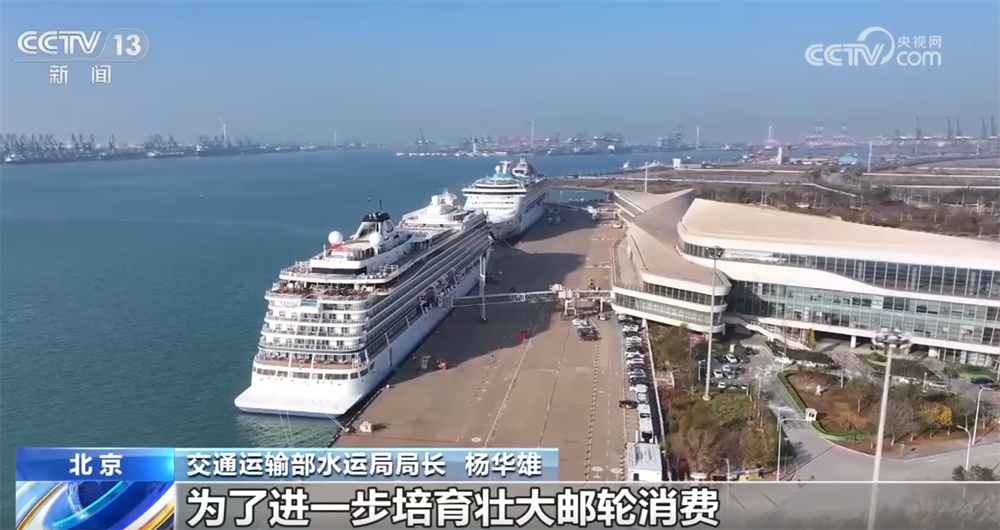
Group 1: Cruise Economy Development - The cruise economy is identified as a new economic growth point, with passenger transport volume reaching 1.265 million, a year-on-year increase of 27.8% from January to November this year [1] - The Ministry of Transport has implemented measures to address issues such as the inability of certain cruise ships to dock due to lack of electrical facilities and the limited variety of cruise routes [1] - Ten measures have been proposed to enhance cruise service quality, including allowing ships without electrical facilities to dock at ports until the end of 2029 and expanding cruise routes and products [1] Group 2: Highway Service Area Upgrades - The Ministry of Transport plans to launch a nationwide upgrade action for highway service areas next year, focusing on increasing the number of charging stations and improving facilities for elderly travelers [2] - By 2026, over 10,000 charging guns are planned to be installed in highway service areas, with at least 25% being high-power chargers [2] - The Ministry aims to enhance the accessibility of service areas for elderly travelers and improve the standardization of "Driver's Home" facilities for truck drivers [2] Group 3: Driver Support Initiatives - The Ministry of Transport has launched the 12328 hotline for truck drivers, achieving a response rate of 97%, a resolution rate of 85%, and a satisfaction rate of 89% [4] - The Ministry has taken action against issues such as freight payment delays, assisting 188,000 truck drivers in recovering 1.25 billion yuan in overdue payments [4] - A "Guarding Action" has been initiated to provide support for truck drivers facing emergencies during transport [4] Group 4: Transportation Equipment Upgrades - The transportation sector is undergoing significant upgrades, with over 450 old railway locomotives replaced and 114,000 old city buses and their batteries scrapped [5] - The Ministry has implemented policies to support the scrapping and updating of old freight vehicles, enhancing the green and intelligent levels of transportation equipment [5] - The focus is on expanding consumption scenarios in the transportation sector, particularly in yacht and cruise consumption and small micro-car rentals [5][6] Group 5: Multi-Modal Transport Cooperation - The China National Railway Group has signed agreements with seven shipping companies to expand container multi-modal transport services [7] - This initiative aims to enhance the efficiency of logistics by allowing customers to track their shipments through a unified platform [7] - The collaboration has already resulted in the establishment of six multi-modal transport channels, with 38,000 standard containers shipped [7]
新增长点、新消费场景……数览交通运输“促消费+惠民生”向智向绿发展答卷
Yang Shi Wang· 2025-12-24 04:22
Group 1: Cruise Economy Development - The cruise economy is identified as a new growth point with a strong driving force, as China's cruise passenger transport volume reached 1.265 million from January to November, a year-on-year increase of 27.8% [1] - The Ministry of Transport has issued measures to address issues such as the inability of certain cruise ships to dock due to lack of electrical facilities and the limited variety of cruise products, aiming to enhance supply, improve services, and stimulate new demand [4][6] - The measures include allowing cruise ships without electrical facilities to dock at Chinese ports until the end of 2029 and expanding cruise routes and products [4] Group 2: Highway Service Area Upgrades - The Ministry of Transport plans to launch a nationwide upgrade action for highway service areas, focusing on increasing the number of charging stations and improving facilities for elderly travelers [7][9] - By 2026, the goal is to build over 10,000 charging stations along national highways, with at least 25% being high-power chargers [7] - The Ministry is also working on standardizing "Driver's Homes" to meet the needs of truck drivers, with 863 already completed and more planned for the next year [12] Group 3: Driver Rights and Support - The Ministry of Transport has implemented the 12328 hotline for truck drivers, achieving a response rate of 97%, a resolution rate of 85%, and a satisfaction rate of 89% [13] - Actions have been taken to address common issues faced by truck drivers, including a crackdown on fraudulent practices and assistance in recovering overdue freight payments totaling 1.25 billion [15] - The "Escort Action" initiative provides support for truck drivers involved in accidents, offering care, escort services, and assistance [17] Group 4: Transportation Equipment Upgrades - The transportation sector is undergoing significant upgrades, with over 450 old railway locomotives replaced and 114,000 old city buses and diesel trucks eliminated [18] - Policies have been introduced to support the scrapping and updating of old freight vehicles, establishing a three-tiered coordination mechanism [21] Group 5: Expansion of Consumption Scenarios - The Ministry of Transport is focusing on expanding consumption scenarios in the transportation sector, with a particular emphasis on yacht and cruise consumption, as well as small micro-car rentals [22] - The number of newly registered yachts has been growing at an annual rate of over 40% in the past three years, prompting regulatory updates to facilitate consumption [22] - The small micro-car rental market has reached 4 million vehicles, with expectations of a 15% annual growth during the 14th Five-Year Plan period [25] Group 6: Multi-Modal Transport Cooperation - The China National Railway Group has signed agreements with seven shipping companies to expand the "one document" multi-modal transport service, increasing the number of cooperating companies to 11 [28] - This initiative aims to enhance the efficiency of container transport through integrated rail and waterway services, allowing customers to track their shipments easily [32]
贯彻落实党的二十届四中全会精神权威访谈丨完善现代化综合交通运输体系 为基本实现社会主义现代化取得决定性进展提供有力保障——访交通运输部党组书记、部长刘伟
Xin Hua Wang· 2025-12-23 23:40
Core Viewpoint - The article emphasizes the importance of improving the modern comprehensive transportation system in China as a key factor in achieving decisive progress towards socialist modernization, as outlined in the 14th Five-Year Plan [1]. Group 1: Achievements in Transportation Sector - Over the past five years, China has completed a total fixed asset investment of 18.8 trillion yuan in transportation, marking it as the most investment-intensive and fastest network construction period [2]. - The main framework of the national comprehensive three-dimensional transportation network has been built to over 90%, with high-speed rail covering approximately 97.2% of cities with populations over 500,000 [2]. - The efficiency of comprehensive transportation hubs has significantly improved, with major cities in key urban agglomerations achieving two-hour connectivity [2]. Group 2: Future Development Strategies - The 14th Five-Year Plan aims to enhance the modern transportation infrastructure system, focusing on the construction of major corridors and the integration of various transportation modes [6][8]. - The strategy includes promoting safety, digital upgrades, and green transformation in transportation, with an emphasis on carbon neutrality and the use of clean energy [7][9]. - The development of a modern transportation service system will prioritize urban transportation integration and the promotion of multi-modal transport facilities [9]. Group 3: Governance and Regulatory Framework - The article highlights the need for deepening reforms in the transportation sector, including optimizing toll road policies and enhancing regulatory mechanisms based on credit [10][11]. - It stresses the importance of improving safety regulations and ensuring the rights of new employment groups within the transportation industry [11].
今年我国新增高速铁路超2000公里
Xin Lang Cai Jing· 2025-12-23 20:12
(来源:千龙网) 昨天(23日),国务院新闻办公室举行新闻发布会,介绍新时代交通运输服务经济社会高质量发展有关情 况。交通运输部副部长李扬介绍,今年交通运输主要经济指标平稳增长,预计将完成交通固定资产投资 超3.6万亿元,新增高速铁路超2000公里、高速公路约8000公里、高等级航道约900公里,跨区域人员流 动量超660亿人次。 京津冀等重点城市群内主要城市间实现2小时通达 李扬介绍,今年我国交通运输总体上运行平稳、稳中有进,顺利完成全年的各项目标任务。目前全国54 个城市轨道交通数量合计已经超过1.1万公里,每天平均乘轨道交通出行的人次超过了9000万,枢纽机 场轨道交通的接入率达到83.3%。 交通运输领域新质生产力加快发展。印发了"人工智能+交通运输"的实施意见,启动了综合交通运输大 模型建设;完成约1700公里高速公路、2200余处公路水路附属设施数字化改造;累计建成集装箱、散货 自动化码头60座,中国自己制造的民航飞机C919安全载客突破300万人次;"6轴7廊8通道"国家综合立 体交通网主骨架建成率超过90%;京津冀、长三角、粤港澳大湾区、成渝等重点城市群内主要城市间实 现2小时通达;客货运输量 ...