
汽车产业

Search documents
特朗普关税步步紧逼,德国这次不忍了:如果美国想打仗,美会得偿所愿
Sou Hu Cai Jing· 2025-07-22 04:51
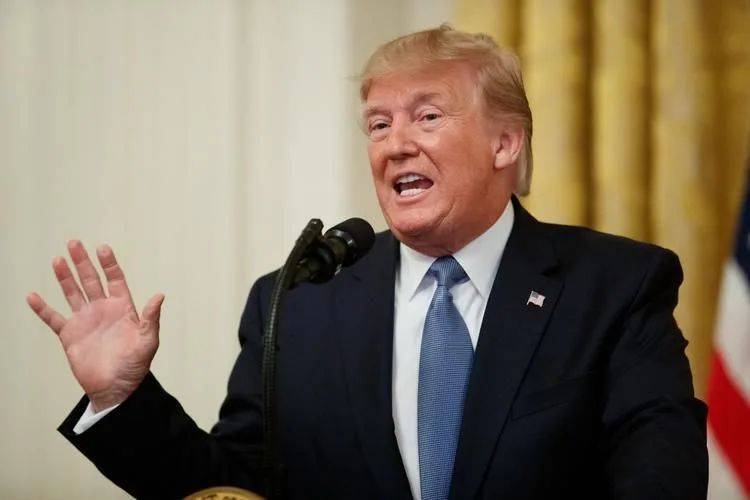
Core Points - The article discusses the escalating trade tensions between the United States and the European Union, particularly focusing on the U.S. decision to increase tariffs on EU goods, which has sparked a potential trade war [1][3][9] Group 1: U.S. Tariff Actions - The U.S. has proposed raising tariffs on most European goods to 15% or higher, exceeding the EU's previous compromise target of 10% [1] - The U.S. maintains a 50% tariff on steel and aluminum and a 25% tariff on automobiles from the EU, which has put significant pressure on European economies, especially Germany [3] - Trump's recent letter indicated that the new 30% tariff would take effect on August 1, marking a 10 percentage point increase from the previously proposed 20% [3] Group 2: EU's Response - Germany has shifted from a conciliatory stance to a more aggressive position, indicating readiness to implement retaliatory tariffs and other countermeasures against U.S. actions [4] - The EU is preparing a first round of counter-tariffs valued at €21 billion, with a second round of €72 billion already on the agenda [7] - The EU is considering measures such as limiting U.S. companies' access to public procurement markets and introducing a digital services tax [7] Group 3: Internal EU Dynamics - There are divisions within the EU regarding the response to U.S. tariffs, with countries like France advocating for immediate retaliation, while export-oriented nations like Germany prefer negotiation [9] - The EU's strategy includes sincere negotiations, preparation for countermeasures, coordination with other countries, and enhancing competitiveness [7] - The deadline of August 1 is approaching, and if the U.S. maintains its stringent demands, a global trade war seems inevitable [9] Group 4: Broader Implications - The article suggests that the U.S. tariff policies are reshaping global trade dynamics, with Germany's newfound assertiveness reflecting a broader resistance to unilateralism and protectionism [9] - Strengthening cooperation between China and the EU is seen as a strategic move to counter U.S. tariffs, with significant trade volumes between the two regions [6] - The evolving situation indicates a potential shift towards a new multilateral trade order, as countries seek to resist unequal trade rules imposed by the U.S. [9]

石破茂彻底清醒了,对特朗普放狠话:竟敢如此对日本!事情不简单
Sou Hu Cai Jing· 2025-07-18 10:52
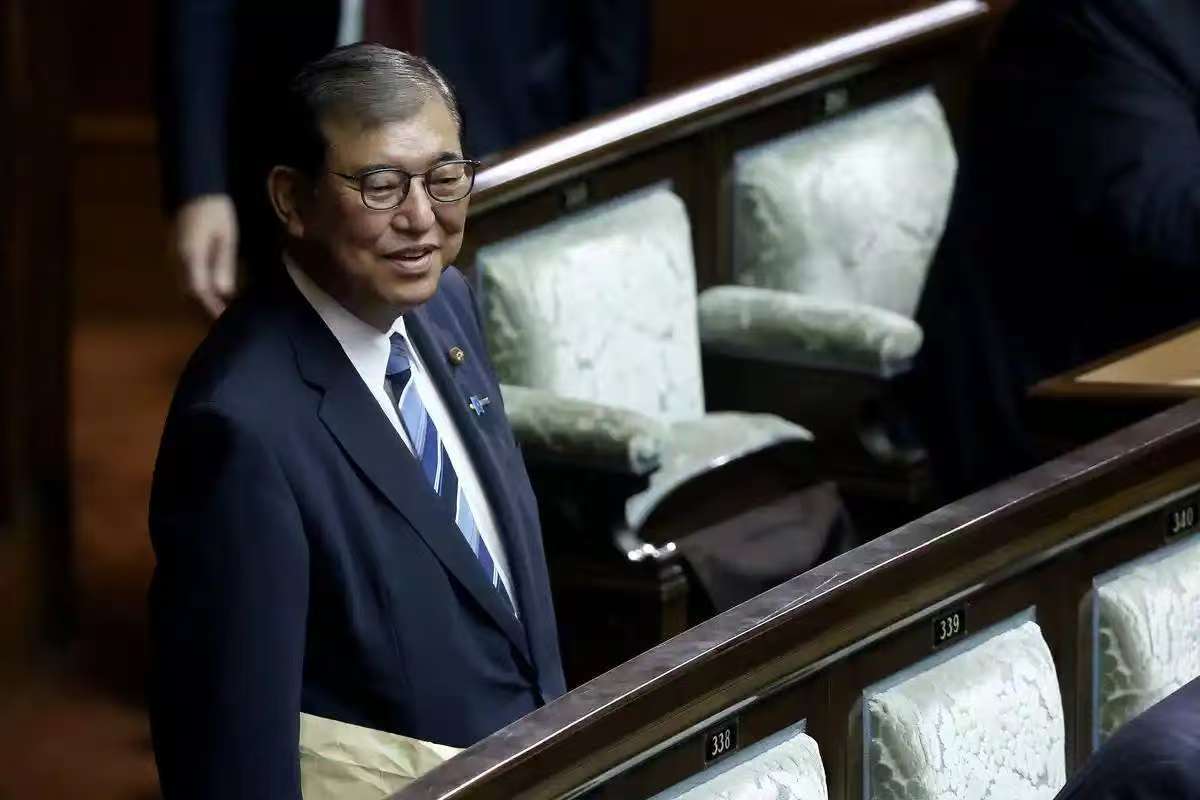
Group 1 - The core point of the article is the significant shift in Japan's stance towards the U.S. in response to Trump's announcement of a 25% tariff on Japanese goods, indicating a more aggressive approach from Japan's leadership [1][3][7] - Japan's automotive industry is crucial to its economy, with exports to the U.S. expected to exceed $40 billion in 2024, representing nearly 30% of Japan's total exports to the U.S. [3] - The potential economic impact of U.S. tariffs on Japanese automobiles could lead to losses of approximately $87 billion for Japan, accounting for nearly 2% of its GDP [3] Group 2 - Domestic political factors are influencing Japan's response, as Prime Minister Kishida's party faces a challenging election on July 20, prompting a need to demonstrate a strong defense of national interests [3][5] - The U.S. economic situation, including a 0.3% decline in GDP in Q1 2025 and a drop in consumer confidence, is affecting the dynamics of trade negotiations between the two countries [5] - Japan holds $1.13 trillion in U.S. debt, which could be leveraged as a bargaining chip in tariff negotiations, reflecting Japan's strategic positioning in the ongoing trade discussions [5][7] Group 3 - The evolving U.S.-Japan relationship highlights broader implications for global economic and political dynamics, with increased competition expected in trade and political arenas [7] - The international community is closely monitoring the developments in U.S.-Japan negotiations, as outcomes will significantly influence global economic trends and international relations [7]
中美日最新债务差距惊人:美36万亿,日本9.1万亿,中国出乎意料
Sou Hu Cai Jing· 2025-07-18 04:10
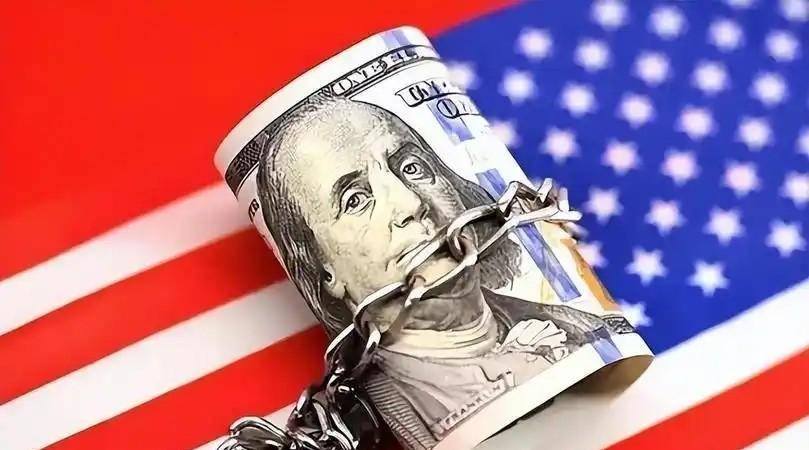
Group 1 - China's total debt is approximately $12 trillion, accounting for about 65% of its GDP, which is relatively low compared to the US and Japan [2] - Over 80% of China's debt is directed towards infrastructure projects such as high-speed rail, highways, 5G networks, and automated ports, which are seen as long-term investments [2] - The profitability of projects like the Beijing-Shanghai high-speed rail, generating annual profits in the billions, demonstrates the effectiveness of China's investment strategy [2] Group 2 - Japan's total debt is around $9 trillion, with a debt-to-GDP ratio exceeding 220%, indicating a precarious financial situation [5] - More than 90% of Japan's national debt is held domestically, creating a cycle of internal funding that mitigates external shocks but poses long-term risks [5] - Japan's aging population and rising pension and healthcare costs are significant contributors to its fiscal challenges, leading to a reliance on borrowing to maintain balance [5] Group 3 - The US has a staggering $36 trillion in debt, averaging about $110,000 per citizen, with a significant portion allocated to military spending and social welfare [7] - Political struggles have exacerbated the US debt crisis, with reduced foreign investment in US Treasury bonds indicating challenges to the sustainability of its borrowing model [7] - The US's approach of living beyond its means raises concerns about future economic stability, as interest payments alone exceed $1 trillion annually [7]
大棒砸向欧盟,美国宣布加征30%关税,欧洲力挺美国,已求锤得锤
Sou Hu Cai Jing· 2025-07-13 06:24
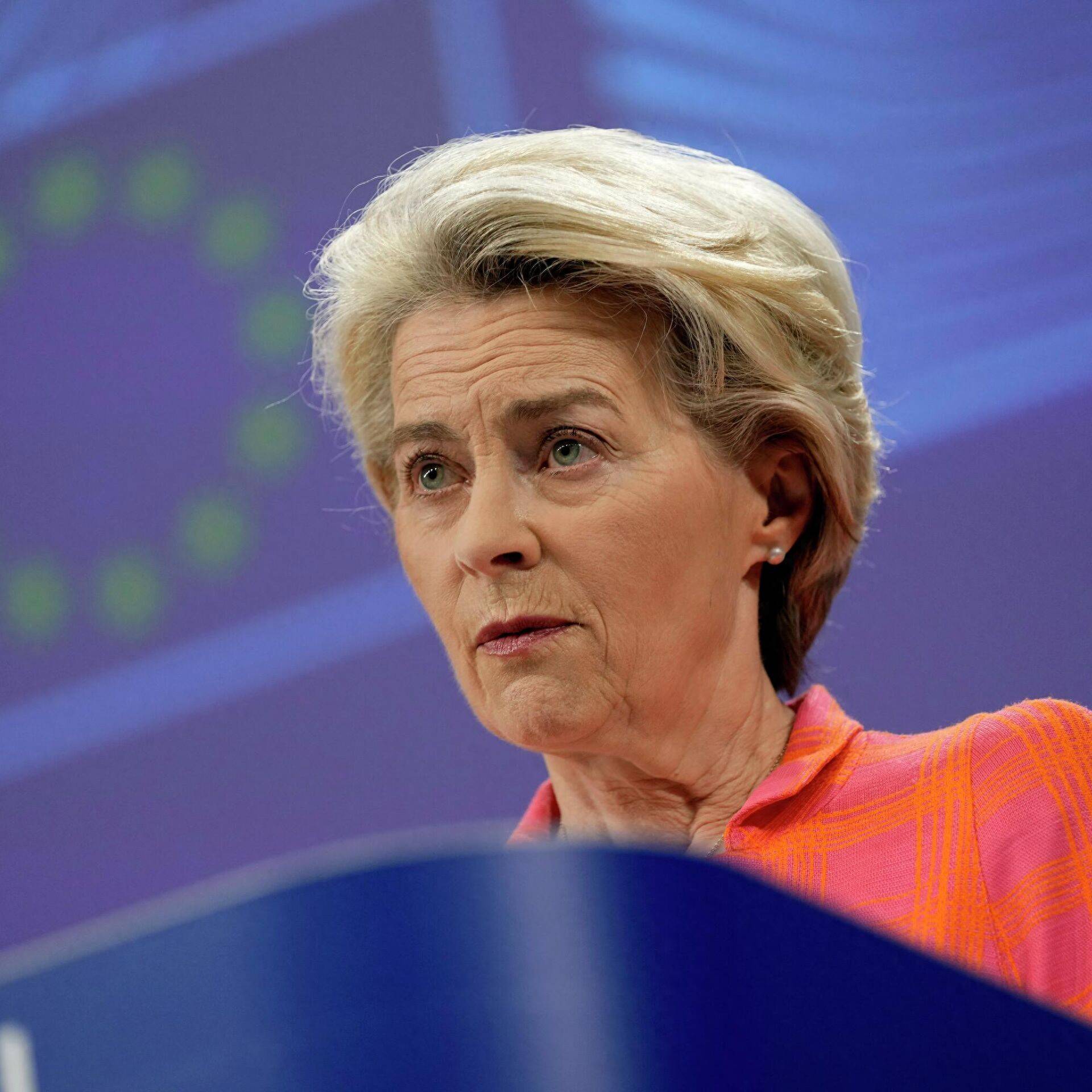
Group 1: U.S. Tariff Policy - The U.S. has announced a 30% tariff on the EU, effective August 1, which has raised significant concerns among international observers [4] - The U.S. has also notified Japan and South Korea of a 25% tariff, indicating a more lenient approach compared to the EU [4] - The U.S. is adopting a more direct approach to tariff imposition, informing trade partners through letters and threatening retaliation with doubled tariffs if they respond [6] Group 2: Economic Impact on the EU - The EU is facing a crisis as it has already made concessions on digital taxes, yet still faces the imposition of tariffs on all products from the EU [10] - The EU's manufacturing sector is suffering due to the loss of energy benefits from Russia amid the ongoing Russia-Ukraine conflict, and the new tariffs will further challenge product competitiveness, particularly in the automotive industry [10] - The U.S. has generated significant tariff revenue, exceeding hundreds of billions in June, which may encourage the Republican government to continue its tariff strategy [8]
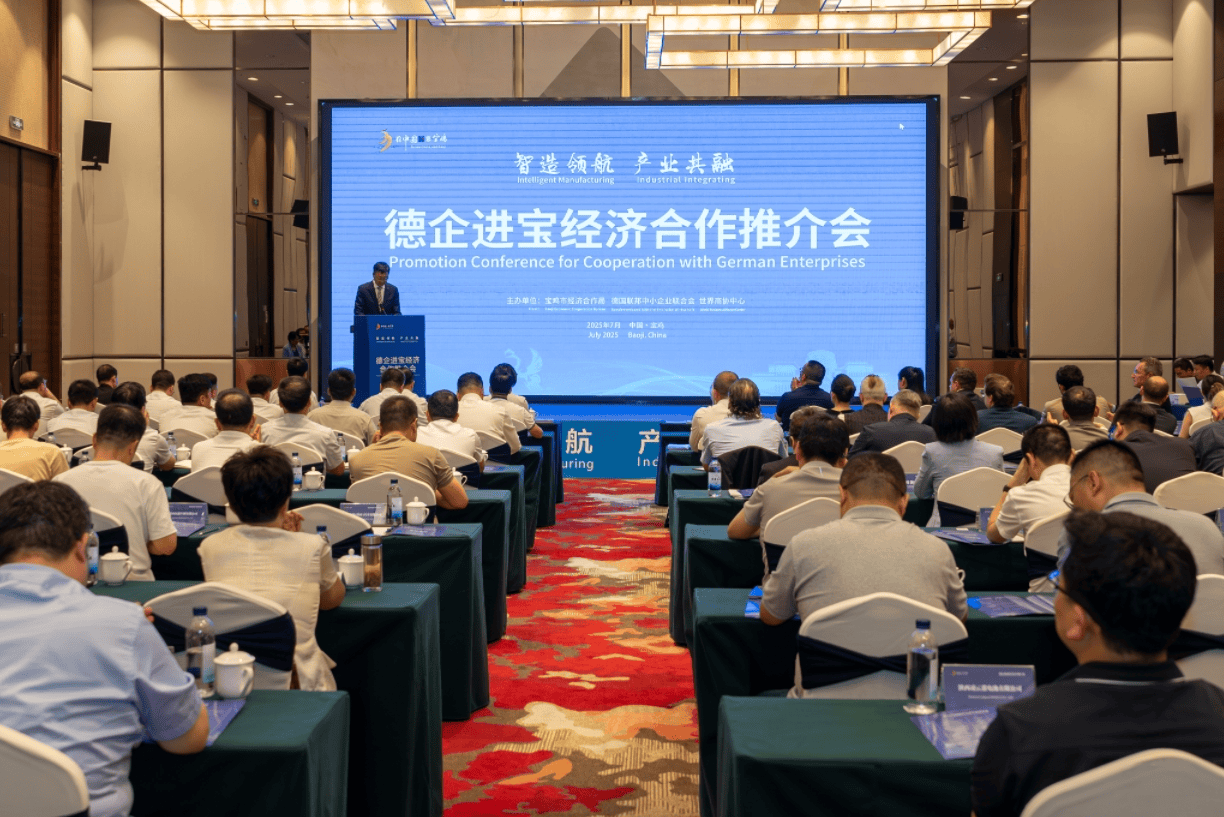
宝鸡举办德企进宝经济合作推介会
Sou Hu Cai Jing· 2025-07-10 10:48
Group 1 - The event held in Baoji City, Shaanxi Province, aimed to establish a cooperation bridge between local industries and German enterprises, focusing on "Intelligent Manufacturing Leading Industrial Integration" [1] - Baoji City is recognized as one of the top 100 advanced manufacturing cities in China, with a strong industrial foundation and a complete industrial system, making it an attractive location for German investments [2] - The event featured presentations from various local government departments and German companies, highlighting key industries such as automotive parts, high-end equipment manufacturing, and new materials [4] Group 2 - German representatives expressed their positive impressions of Baoji's industrial capabilities and the supportive business environment, indicating a strong interest in collaboration [6] - The event attracted over 40 local enterprises for discussions and potential partnerships, emphasizing the mutual benefits of cooperation between China and Germany [9]
参议院选举压顶,日本对美关税谈判“寸让难行”?
Zhong Guo Qing Nian Bao· 2025-07-09 06:46
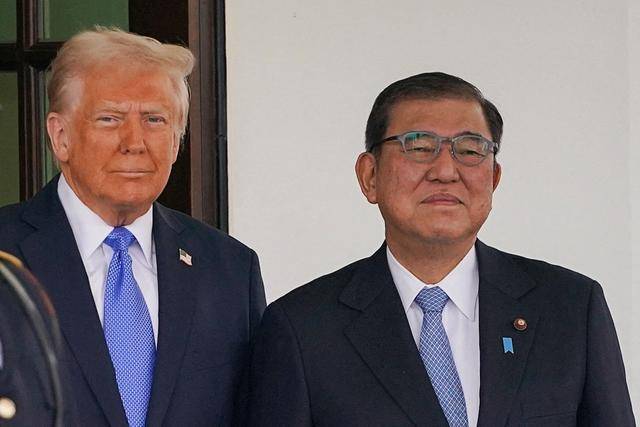
Core Viewpoint - The U.S. has announced an increase in tariffs on imports from 14 countries, with Japan being the first affected, leading to a stalemate in U.S.-Japan tariff negotiations [1][2]. Group 1: Tariff Negotiations - Japan has been actively negotiating with the U.S. since April, but despite seven rounds of talks, no substantial progress has been made [2][3]. - The main reason for the deadlock is the significant gap in demands between Japan and the U.S., with Japan seeking the removal of "reciprocal tariffs" and linking them to discussions on auto tariffs and steel/aluminum tariffs [2][3]. - The U.S. has rejected Japan's requests and pressured Japan to increase imports of U.S. cars and rice while reducing the trade deficit [2][3]. Group 2: Negotiation Dynamics - The complexity of the U.S. negotiation team, which includes multiple representatives from different departments, has contributed to the slow progress of talks, making it difficult for Japan to identify a clear point of contact [3][4]. - Japan has maintained a firm stance on auto tariffs, which are crucial to its economy, and has not used them as bargaining chips in negotiations [4][5]. Group 3: Political Context - The upcoming Japanese Senate elections on July 20 are influencing the government's approach, as Prime Minister Shigeru Ishiba's administration faces low approval ratings and potential loss of seats [5][6]. - Public sentiment in Japan has shifted against the U.S., with a majority of citizens supporting a firm stance rather than rushing to reach an agreement [6][7]. Group 4: Future Implications - The outcome of the Senate elections will directly impact the future of U.S.-Japan tariff negotiations, with a potential acceleration of talks if the ruling coalition retains a majority [6][7]. - The final agreement is expected to reflect the unequal nature of the U.S.-Japan alliance, suggesting that the terms will not be equitable [7].
美国再打关税战,公开拿盟友祭旗?白宫:只给给日韩20天谈判时间
Sou Hu Cai Jing· 2025-07-08 02:26
美国白宫在7月7日宣布,美国计划从8月1日开始,对于所有来自日本和韩国的产品加征20%的关税,这 次是美国公开拿盟友祭旗的节奏。从美国白宫发布的公告来看,首批的14个国家,有两个是美国的坚定 的盟友,也就是日本和韩国。美国总统特朗普通过社交媒体宣布,已经向日韩两国致函,宣布对于日韩 加征相关的关税,而且特朗普态度非常强硬,宣称不许日本和韩国反抗,特朗普威胁要通过加倍的关税 来反制日韩的反抗,为此立即引发了美国股市的波动。 对于为何选择从日本和韩国开始加征25%的关税,美国白宫新闻秘书公开宣称,是因为美国总统谈判的 特权,为此选择从日本和韩国开始。日本和韩国都是美国的盟友,并且常态力挺美国的对外战略,但是 如今却落到了被祭旗的地步,因此也是莫大的悲哀。在美国再打关税战的时候,美国并没有将欧盟纳入 加征关税的行列,为此也是让外界看到了美国和欧盟关系的紧密程度。烽火前站分析认为,欧盟是因为 有可以拿捏美国的条件,为此可以和美国通过协商解决关税问题,而日本和韩国的体量不够大,因此缺 乏和美国较量的基础。 从白宫公布的信息来看,美国仅仅给日本和韩国20天的谈判时间,显然是在迫使日韩尽快让步,美国公 布的税率,不仅仅冲击 ...
韩国和特朗普没谈拢,李在明转头就找上中方:要加紧修复中韩关系
Sou Hu Cai Jing· 2025-07-07 02:45
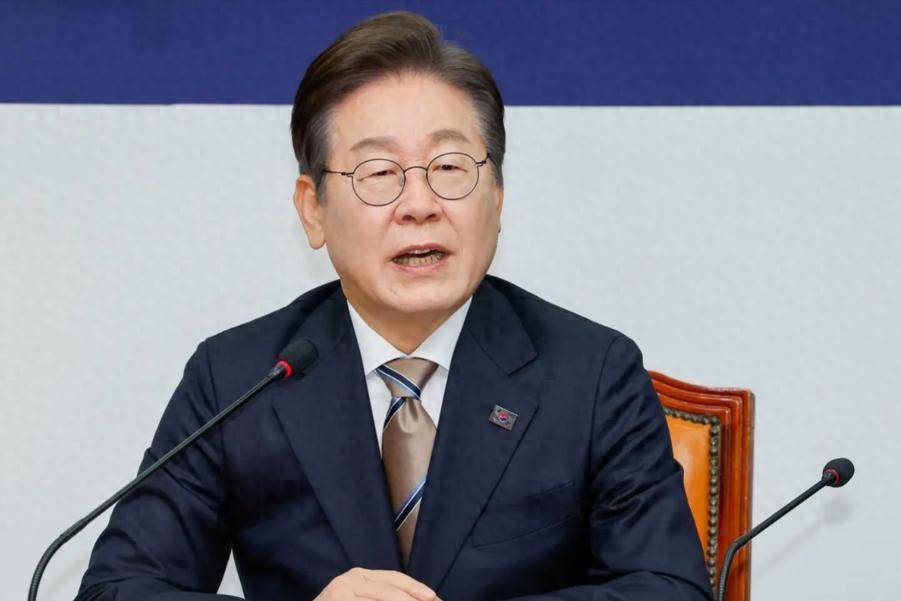
Group 1 - The core viewpoint of the article is that South Korean President Lee Jae-myung is seeking to improve relations with China while facing challenges in negotiations with the United States regarding tariffs [1][3][5] - Lee Jae-myung emphasized the importance of the Korea-U.S. alliance and aims to deepen trilateral cooperation with the U.S. and Japan, while also focusing on improving relations with China and Russia [3][10] - The economic situation in South Korea is a significant concern for Lee, as the country has experienced a decline in exports and economic growth due to the tariff issues initiated by Trump [5][7] Group 2 - The automotive industry, a key pillar of the South Korean economy, has been severely impacted by the ongoing tariff disputes, prompting Lee to engage in negotiations with Trump [5][7] - Despite efforts to negotiate, Lee described the discussions with the U.S. as "very difficult," and there is uncertainty about reaching an agreement by the July 8 deadline [5][7] - The political instability in South Korea complicates Lee's ability to address these issues effectively, as opposition forces remain vigilant and influential [7][9] Group 3 - Lee's statements regarding improving relations with China may also be influenced by the need to mitigate the negative impacts of U.S. tariffs on South Korea's economy [7][10] - The improvement of South Korea-China relations is expected to be prioritized once Lee resolves domestic and international challenges [10]
突传大消息!印度拟对美征收报复性关税
Zheng Quan Shi Bao Wang· 2025-07-04 14:53
Group 1 - India plans to impose retaliatory tariffs on the US due to the impact of US tariffs on Indian automotive exports [1] - The EU is prepared to reach a principle agreement with the US on tariffs before the July 9 deadline, but will take countermeasures if negotiations fail [3] - Japan and the US trade negotiations are at a standstill, with key issues being automotive and agricultural tariffs [3] Group 2 - India and the US are in discussions regarding tariffs, but remain divided on agricultural and dairy products, which India considers "red lines" [4] - India's Finance Minister has emphasized the importance of protecting domestic farmers' interests in trade negotiations with the US [4] - The EU's readiness to defend its economic interests indicates a potential escalation in trade tensions if agreements are not reached [3]
高层会议上的两个线索
Hu Xiu· 2025-07-01 11:31
Group 1 - The central theme of the article revolves around the insights from a high-level meeting and the market sentiment in July, particularly in the technology sector [1][3]. - The sixth meeting of the Central Financial Committee focused on advancing the construction of a unified national market, emphasizing the need to address challenges such as low-price disorderly competition and to guide companies towards improving product quality [3][4]. - The policy direction for the second half of the year is expected to focus on reducing overcapacity and eliminating vicious competition, which has been highlighted in recent discussions and articles [3][4]. Group 2 - Specific industries that may benefit from the policy shift towards reducing internal competition and overcapacity include the new energy sector, automotive industry, traditional energy sectors like coal, and traditional manufacturing industries such as steel [4]. - The anticipated policy changes could lead to a reduction in supply while maintaining demand, potentially allowing prices to recover and improving financial performance for companies within these sectors [4].