
咖啡

Search documents
星巴克之后汉堡王中国也卖了,中国市场玩法变了|财经早察
2 1 Shi Ji Jing Ji Bao Dao· 2025-11-14 23:09
Core Insights - International brands like Starbucks and Burger King are seeking local partnerships in China to adapt to the unique market dynamics and consumer preferences [1][2] - The shift towards localization is not merely about menu adjustments but involves a comprehensive restructuring of supply chains, store strategies, and marketing approaches [2][3] - Successful examples from the past decade, such as McDonald's and Yum China, highlight the necessity of localization for international brands to thrive in the Chinese market [2][3] Group 1 - Burger King announced a joint venture with CPE Yuanfeng, investing $350 million to expand its Chinese stores from 1,250 to 4,000 by 2035 [1] - Starbucks has partnered with Boyu Capital, relinquishing 60% of its stake in its Chinese operations [1] - The changing consumer landscape in China demands innovative products that cater to local tastes rather than standardized offerings [1][2] Group 2 - Localization requires a more agile supply chain to quickly respond to trends and consumer preferences [2] - Store opening strategies must adapt to lower-tier cities, considering appropriate store types and pricing [2] - Marketing strategies need to resonate with local culture and trends, such as engaging with social media platforms [2][3] Group 3 - The trend of localization is evident beyond the food industry, with automotive companies also prioritizing comprehensive localization strategies [3] - The rapid evolution of the Chinese electric vehicle market necessitates a fundamental restructuring of international brands' approaches [3] - The competitive landscape in China favors brands that deeply understand local consumer needs and preferences [3]
跟风的小红书momo党、CBD糖葫芦与流动的盛宴
3 6 Ke· 2025-11-14 11:11
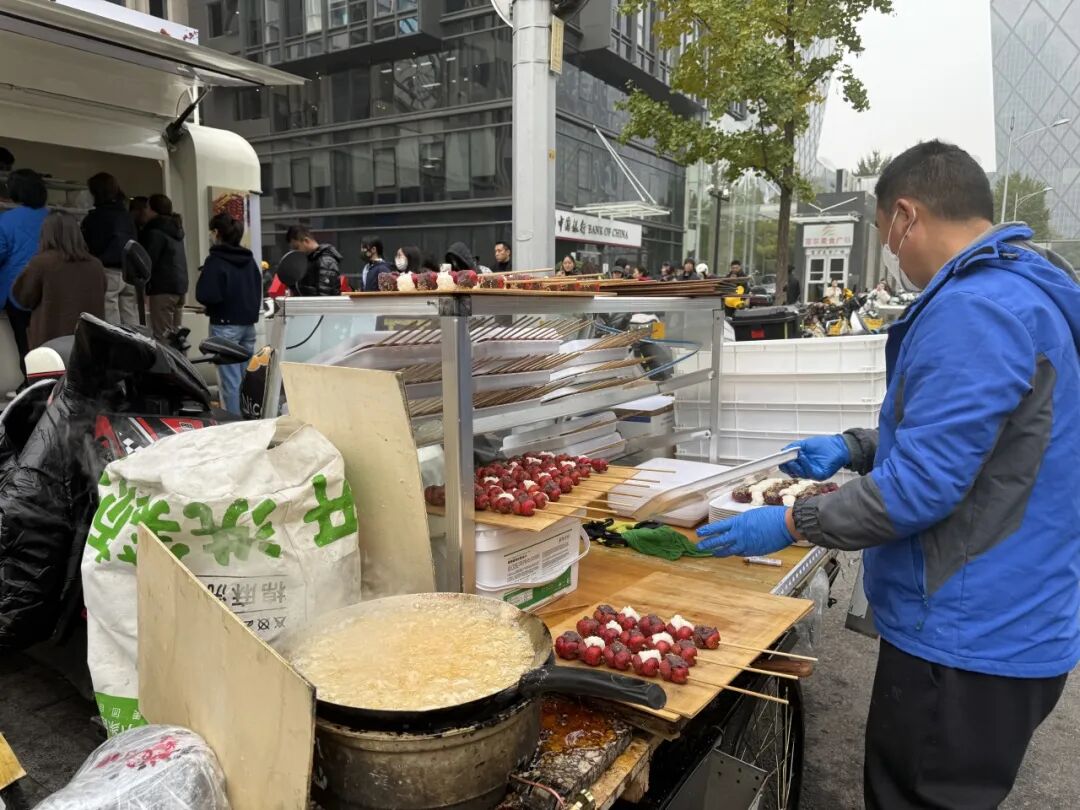
Core Insights - The rise of street food vendors, particularly sugar-coated hawthorn and fried rice stalls, in Beijing's CBD reflects a shift in consumer preferences towards affordable, authentic food experiences amidst a backdrop of high-end dining options [1][3][8] - Social media platforms like Xiaohongshu (Little Red Book) have played a significant role in popularizing these street food vendors, creating a new wave of consumer engagement and marketing opportunities [35][36][38] Group 1: Street Food Phenomenon - A roadside sugar-coated hawthorn stall has become a sensation in the CBD, with customers willing to wait up to two hours for a treat priced at 8 yuan per skewer, contrasting sharply with the high prices of nearby restaurants [1][3] - Another popular vendor, "Little Guangdong Fried Rice," originally a nighttime stall, has seen its customer base grow to over 1,500 people, with long queues forming even in the early hours [3][5] - The popularity of these vendors highlights a consumer desire for "smoky" street food experiences that offer social interaction and a sense of community, which are often lacking in high-end dining [8][35] Group 2: Impact of Social Media - Xiaohongshu has become a key platform for promoting these street food vendors, with users actively sharing their experiences and forming communities around these food options [8][36][38] - The rise of social media-driven food culture has led to a shift in how consumers perceive dining, prioritizing experience and social engagement over traditional metrics like taste [8][35] - The phenomenon of "代购" (daigou) or purchasing on behalf of others has emerged, indicating a growing trend where consumers are willing to pay extra for the convenience of accessing popular street food [1][35] Group 3: Changing Dining Landscape - The CBD's dining scene has evolved, with traditional high-end restaurants facing competition from affordable street food options that resonate more with the current consumer sentiment [1][3][8] - The transformation of street food vendors into more formalized operations, such as food trucks and mini-stores, reflects a broader trend of adapting to consumer expectations while maintaining the essence of street food [43][46] - The success of these vendors serves as a reminder that consumer preferences can shift rapidly, and businesses must adapt to remain relevant in a changing market [35][43]

星巴克的“退”与“变”:当中国市场不再是光环,而是考场
美股研究社· 2025-11-14 10:39
Core Insights - Starbucks is undergoing a significant transformation in the Chinese market, marking a shift from being a foreign brand to a local partner through a strategic collaboration with Boyu Capital [1][19] - The narrative of foreign brands in China is changing, as the allure of foreign brands diminishes and local brands gain prominence [2][25] Group 1: Market Dynamics - Over the past decade, Starbucks has defined the Chinese coffee market, selling not just coffee but a lifestyle and social experience [4] - The rise of competitors like Luckin Coffee and Kudi has shifted the perception of coffee from a luxury experience to a more affordable beverage, leading to a price war [6][9] - Consumers are increasingly valuing product experience, convenience, and price over brand prestige, indicating a shift in consumption habits [13][28] Group 2: Strategic Adjustments - Starbucks has attempted to adapt by introducing services like "Fei Kuai" and collaborating with platforms like Tmall, but these efforts have not addressed the fundamental issues of pricing and consumer perception [14] - The partnership with Boyu Capital allows Starbucks to retain 40% ownership while integrating local capital into its decision-making process, signifying a shift towards a co-governance model [17][19] - This trend of foreign brands localizing their operations is becoming more common, as seen with other brands like Burger King and McDonald's [20][22] Group 3: Cultural Shift - The myth that imported brands equate to high quality is being dismantled, as local brands like Mixue and Manner gain traction and redefine consumer expectations [24][27] - The cultural awakening among Chinese consumers is leading to a preference for local brands that resonate more with their values and experiences [28][29] - The competitive landscape is evolving, with local brands not only dominating the domestic market but also expanding internationally, challenging the traditional dominance of foreign brands [26][31]

洋品牌卖股权复盘:一招鲜打遍全球哑火 引中资狂飙下沉市场
Di Yi Cai Jing· 2025-11-14 09:14
星巴克中国之后,COSTA咖啡也与中国买家联系在一起。据外媒报道,瑞幸咖啡的大股东大钲资本被 指有意竞购Costa咖啡,相关讨论尚处于早期阶段。 不过记者向大钲资本方面求证,后者未对市场传言作出回应。 在此之前,星巴克刚刚宣布与博裕投资成立合资企业,共同运营星巴克在中国市场的零售业务,博裕投 资将持有合资企业至多60%股权。而在本周,CPE源峰也宣布与汉堡王的股东成立合资企业,交易完成 后持有汉堡王中国约83%股权。 从达美乐,麦当劳,星巴克到汉堡王,多家国际巨头都在通过引入中资股东、出让控股权等方式,重塑 在华发展路径。这一趋势的背后,是外资品牌在存量竞争时代对"风险外包"与增长效率的权衡。 "卖身"后狂飙下沉市场 最早将中国业务"卖身"中资的是百胜集团。2016年,肯德基、必胜客等品牌的母公司百胜,将其中国业 务出售给春华资本集团及蚂蚁金融服务集团。 在此之后的几年,百胜中国稳步发展,并向下沉市场扩张。2025年前3季度,肯德基净增992家店,共 1.26万家。其中,三线及以下城市门店占比近4成。百胜中国旗下的肯悦咖啡也在开拓下沉市场,截至 2025年三季度,其门店总数已经突破了1800家。 2017年, ...

新华视点|变革与创新:中国基层高质量发展新图景
Xin Hua Wang· 2025-11-14 08:39
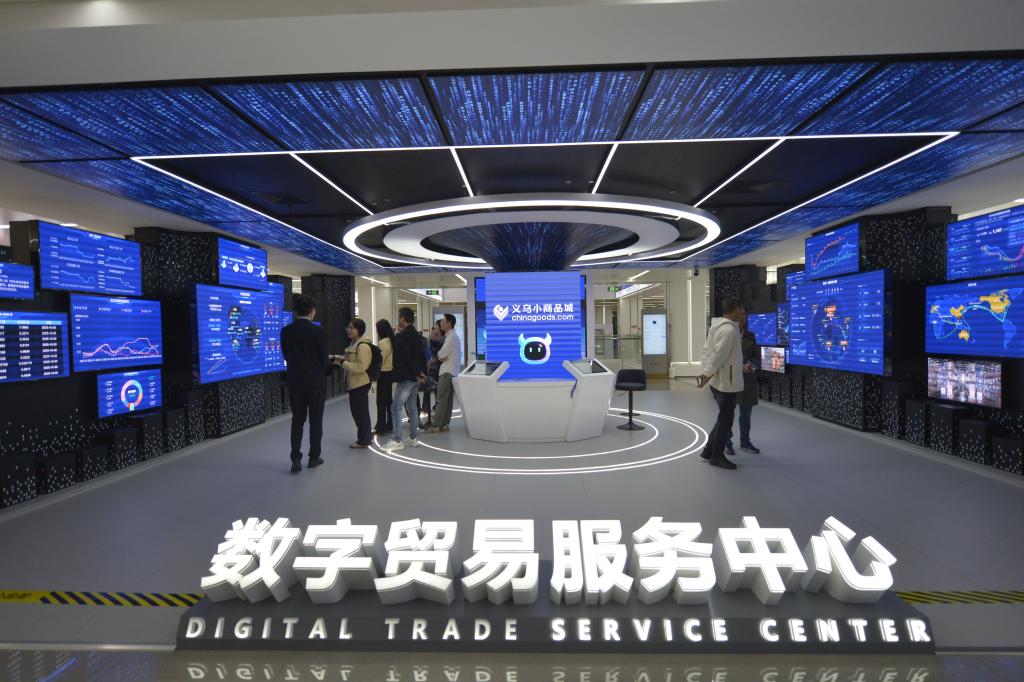
Group 1 - The core viewpoint highlights the transformation of traditional trade models to digital trade ecosystems, exemplified by the launch of the sixth-generation global digital trade center in Yiwu, Zhejiang [2][4] - The global digital trade center spans 1.25 million square meters and includes five functional areas: market, business office, commercial street, apartments, and digital trade port [6] - Yiwu's foreign trade has shown significant growth, with total imports and exports reaching 631.2 billion yuan in the first three quarters of the year, a year-on-year increase of 26.3% [11] Group 2 - The coffee industry in Kunshan has developed a robust ecosystem, accounting for 60% of China's coffee bean roasting volume and over 60% of bean imports, despite not producing raw beans [17][19] - Kunshan has established an Asia-Pacific coffee bean distribution center, which allows for rapid inspection of 90% of imported coffee beans, reducing inspection time by two-thirds [21] - The city aims to build an international coffee industry hub, targeting a scale of 100 billion yuan for its coffee industry and promoting a "coffee+" cultural brand matrix [23]
中国有可能成为最大生产国和最大消费国吗?
Sou Hu Cai Jing· 2025-11-14 07:07
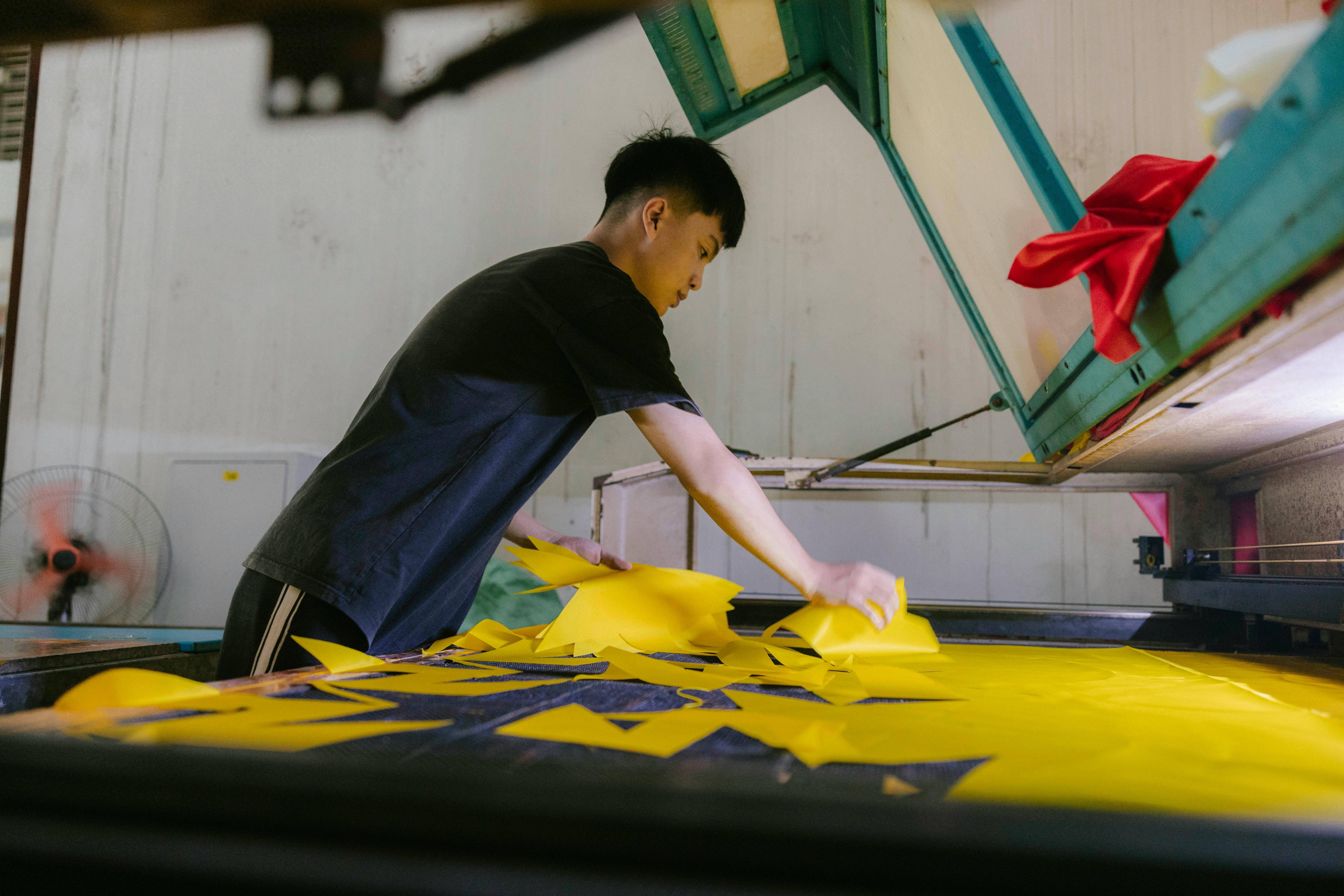
Core Viewpoint - China is the world's largest manufacturing country, producing nearly one-third of global manufactured goods, but faces challenges in consumer spending, which only accounts for 40% of GDP, significantly lower than the global average [1][6]. Production and Consumption - China is firmly established as the leading manufacturing power, with a strong likelihood of maintaining this position in the future, although external factors and demographic changes could impact this [1]. - Despite being the second-largest consumer market globally, China's consumption is heavily supported by its large population, contrasting with the U.S., which has a much smaller population but higher per capita consumption [1][6]. - The imbalance between production and consumption is evident, as China remains an export-driven economy, relying on exports to sustain economic growth [6][7]. Export and Economic Growth - China's trade surplus approached $1 trillion last year and is expected to exceed this figure again, highlighting the importance of exports as a key driver of economic growth [7]. - However, the overcapacity in production poses risks, leading to price wars across various industries, indicating a mismatch between supply and demand [7][8]. Investment and Market Dynamics - The current state of overproduction is attributed to excessive investment rather than a genuine lack of demand, suggesting that the market's real conditions are being misinterpreted [8][10]. - The reliance on leverage for growth has resulted in a belief in perpetual demand, leading to overinvestment in sectors like real estate and manufacturing [10][11]. Addressing Consumption Challenges - To become the largest consumer market, China must focus on increasing income levels, as higher income will naturally lead to increased consumption [5][12]. - Addressing production issues, such as overcapacity and resource misallocation, is crucial for improving consumer spending and overall economic health [12][15]. Future Outlook - Achieving a consumer spending share of 50% of GDP within the next decade is a target, but this still falls short of the U.S. level of 67% [16]. - The next 5-10 years are critical for China to transition into the largest consumer market, contingent on resolving overinvestment issues and enhancing income levels [17][16].
星巴克中国40亿美元易主 博裕资本能否破解本土化迷局?
Xin Lang Zheng Quan· 2025-11-14 02:27
2025年11月4日,全球咖啡巨头星巴克宣布将其中国业务60%的股权以40亿美元出售给博裕资本,成立 合资企业共同运营中国市场。这家进入中国26年、拥有约8000家门店的咖啡连锁品牌,在经历市场份额 持续下滑后,最终选择了交出控股权。 交易落定的那一刻,星巴克中国迎来了命运转折点,也标志着中国咖啡市场竞争进入全新阶段。 交易背后:星巴克中国的发展困境 星巴克在中国市场正面临前所未有的挑战。尽管星巴克在1999年就进入中国,并一度成为咖啡代名词, 但近年来其市场地位已被本土品牌撼动。 欧睿国际数据显示,星巴克在中国的市场份额从2017年42%的峰值,下滑至2024年的14%。与此同时, 瑞幸咖啡则以35%的市场份额成功登顶,库迪也以12%的份额紧随其后。 从门店数量来看,星巴克的8011家门店(截至2025财年第四季度)远远落后于瑞幸的26117家。更让星 巴克感到压力的是两者的增速对比——2025财年第四季度,星巴克中国营收同比增长6%,而瑞幸同期 增速高达47%。 业绩压力之下,星巴克中国的客单价连续下滑。2025财年第四季度,星巴克中国同店销售额虽然同比增 长2%,但客单价却同比下降了7%,在一线城市甚至 ...
瑞幸回应重返美国主板上市;吉野家重启中国拉面店业务
Sou Hu Cai Jing· 2025-11-14 01:16
Group 1 - Luckin Coffee's CEO revealed the company's intention to return to the US main board for listing, but there is no specific timeline yet [2] - The company is currently focused on executing its business strategy and development [2] - Yoshinoya has reopened its ramen business in China with a new store "Kiramekino Mirai" in Shanghai, aiming to expand its overseas operations [2] Group 2 - Yoshinoya's ramen is positioned as the third major pillar of its business after beef rice and udon, with a signature ramen priced at 39 yuan, lower than in Japan [2] - The company plans to introduce exclusive dishes for the Chinese market, such as fried pork cutlet and fried oysters [2] - Blue Bottle Coffee in China has appointed a new legal representative, Chen Yixiang, filling a six-month vacancy [4] Group 3 - Izakaya Shokudo reported its first profit decline in five years, with a net profit of 23.2 billion yen (approximately 1.07 billion yuan), a 6% year-on-year decrease [5] - The decline is attributed to rising sales costs, particularly due to soaring rice prices in Japan [6] - The sushi chain "Hama Sushi" under the same parent company showed strong performance, with operating profit increasing by 23% to 11.9 billion yen (approximately 550 million yuan) [6] Group 4 - Huang Jihuang has launched a new store concept "Huang Jihuang Braised Small Restaurant," offering a variety of new dishes [7] - The new menu includes braised dishes and stir-fried small pots, featuring local flavors and ingredients [7]

一杯咖啡里的中国大市场
Bei Jing Qing Nian Bao· 2025-11-14 00:50
Core Insights - The coffee market in China has shown significant growth potential, with consumption increasing at an annual rate of over 15% since 2010, far exceeding the global average of about 2% [2] - The number of coffee-related enterprises in China has surpassed 250,000, with over 100,000 new registrations in the first ten months of this year alone [2] - By 2024, the scale of China's coffee industry is expected to exceed 300 billion yuan, with per capita annual coffee consumption reaching 22.24 cups, indicating substantial room for growth compared to markets in Europe, the US, and Japan [2] Market Dynamics - The coffee industry in China is characterized by a diverse range of players, including international giants like Starbucks and emerging local brands such as Luckin, Kudi, and Manner, alongside a growing number of personalized coffee shops and specialty cafes [2] - Innovative flavor offerings and unique consumption experiences are emerging, catering to diverse consumer preferences and showcasing the vitality of supply-side innovation [2][3] Consumer Behavior - The shift in consumer preferences from material consumption to service-oriented and experiential consumption reflects a deeper transformation in China's consumption structure, driven by rising GDP and changing lifestyle aspirations [4] - Consumers are increasingly seeking not just coffee, but also cultural experiences and emotional connections, leading to the integration of coffee with music, tourism, and other lifestyle elements [4] Industry Evolution - The coffee industry is evolving towards a more mature and expansive ecosystem, with a complete supply chain from production to consumption being established, as seen in places like Shanghai's Hongqiao International Coffee Port [5] - The industry is transitioning from a "follower" to a "runner" position in various segments, indicating a significant leap in capabilities and market influence [5] Economic Impact - The coffee sector is a reflection of broader economic trends in China, where rising consumer expectations are driving the emergence of new business models and market opportunities across various industries [6] - The interaction between supply and demand is fostering a robust internal economic cycle, contributing to high-quality economic development in China [6]
正推动重回美国主板上市?瑞幸咖啡:会持续关注美国资本市场,重返主板上市没有确定时间表
Sou Hu Cai Jing· 2025-11-13 16:25
瑞幸2020年在纳斯达克停牌 2017年10月,瑞幸全国首家门店在北京开业,总部则设在福建厦门,瑞幸原创始人陆正耀是神州租车的创始人,他将互联网烧钱的打法搬到了咖啡赛道, 通过不断烧钱补贴用户,拉低了现磨咖啡的购入门槛,同时其不断开店,刷新了咖啡赛道的开店纪录,而在营销方式,其在宣传上多次声称对标星巴克, 还签约了张震、汤唯等多个明星作为代言人。 仅仅创立18个月时间,瑞幸就在美股上市,但在美股上市之后不到一年,2020年2月,瑞幸就被曝出财务造假的丑闻,随后,瑞幸承认确实存在虚假交易 22.46亿元,舆论哗然。在丑闻爆发后,2020年5月,时任瑞幸CEO的钱治亚被停职,次月,瑞幸在纳斯达克正式停牌,同年7月,陆正耀被罢免了董事长 的职务,之后郭谨一接任CEO和董事长。 11月初,根据厦门市工商联发布的视频,在2025年厦门企业家日大会上,瑞幸咖啡CEO郭谨一表示,瑞幸在厦门市委市政府的指导下,正积极推动重回美 国主板上市进程。同时,郭谨一透露,瑞幸预计2025年营业收入超500亿元。 图源:厦门市工商联 对此,11月12日,瑞幸相关负责人告诉南都湾财社记者,瑞幸咖啡会持续关注美国资本市场,但公司目前对于重返 ...
