超市

Search documents
永辉西北布局再落一子 “胖东来模式”调改店进驻汉中吾悦广场
Zheng Quan Shi Bao Wang· 2025-09-21 10:01
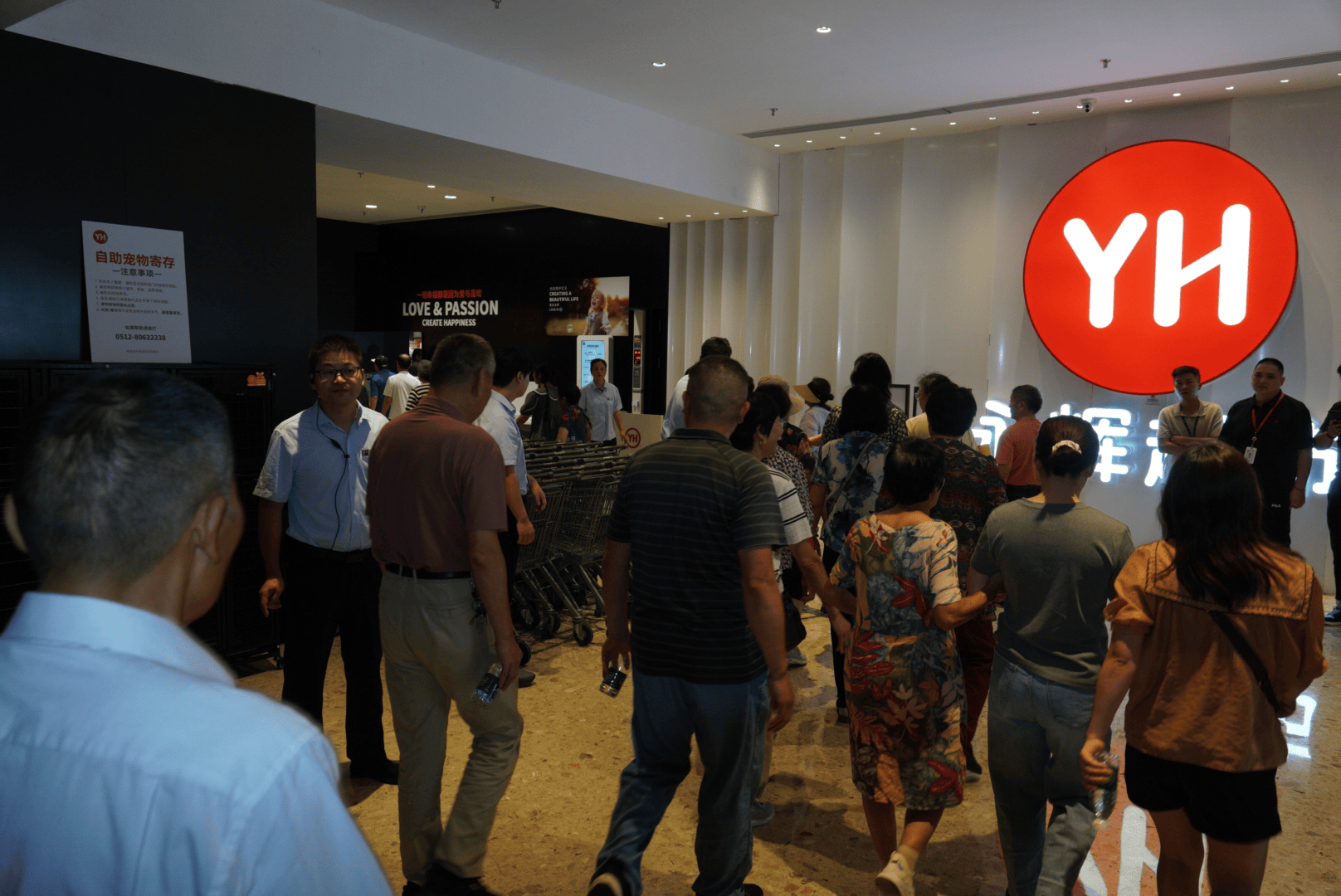
Core Viewpoint - Yonghui Supermarket has officially opened its first upgraded store in Hanzhong, marking a significant step in its expansion in the northwest market and aiming to enhance the local consumer experience through the "Pang Donglai" model [1][2] Group 1: Store Upgrade and Product Offering - The Hanzhong Wuyue Plaza store has undergone a comprehensive product restructuring, with over 56% of the products being newly added, aligning its product structure closely with that of Pang Donglai [1] - The store's imported product ratio has increased to 12%, with a significant expansion in fresh food categories such as baked goods and ready-to-eat items [1] - The fresh produce section emphasizes quality and traceability, featuring a variety of high-demand and premium organic products [1] Group 2: Store Environment and Employee Welfare - The store environment has been optimized with a unified shelf height of 1.6 meters and simplified product display layers, enhancing customer convenience [2] - Employee numbers have significantly increased, with improved overall compensation and benefits, including paid annual leave and enhanced facilities [2] - The store is offering free gift wrapping services for certain products and additional services for customers during the National Day holiday [2] Group 3: Strategic Goals and Market Impact - The opening of the Hanzhong store is part of Yonghui's strategy to deepen its presence in the northwest market, focusing on product upgrades and service optimization [2] - The company aims to provide a higher quality shopping experience, contributing to the development of Hanzhong as a regional consumption center [1][2]

王守诚出任永辉超市CEO;“鸭脖大王”绝味食品拟被ST;海蓝之谜等品牌撤下全智贤代言内容 | 品牌周报
36氪未来消费· 2025-09-21 08:46
Group 1 - The outdoor brand Arc'teryx collaborated with artist Cai Guoqiang to launch an art fireworks project in the Himalayas, which sparked significant controversy due to environmental concerns [3] - The project used biodegradable materials for fireworks, but critics questioned the actual effectiveness of these materials and the potential environmental impact [3] - Following the backlash, Arc'teryx and Cai Guoqiang's studio issued an apology and removed related content from social media platforms [3][4] Group 2 - Yonghui Supermarket appointed Wang Shoucheng as CEO, who has been with the company since 2017 and has held various positions [5] - The company reported a revenue decline of 20.73% year-on-year for the first half of 2025, with a net loss of 241 million yuan compared to a profit of 275 million yuan in the same period last year [5][6] Group 3 - Jewei Food, known as the "Duck Neck King," received an administrative penalty notice for false financial reporting, leading to a potential ST (special treatment) status for its stock [8] - The company reported a revenue decline of 15.57% year-on-year for the first half of 2025, with a net profit decrease of 40.71% [10] - Jewei Food has seen a reduction of approximately 4,000 stores over the past year, impacting its overall performance [10] Group 4 - M Stand opened a new concept store in Shanghai, introducing innovative food products and a "day coffee, night bar" operational model [12] - Gap officially entered the beauty and personal care market, launching beauty sections in 150 Old Navy stores, with a focus on affordable products [14][15] - The beauty and personal care market in the U.S. is projected to exceed $100 billion by 2025, indicating significant growth potential [15] Group 5 - Lucky Coffee has expanded its presence in Beijing, reaching 70 stores, and has signed over 1,200 new stores nationwide in July [18] - Bawang Tea Ji opened its second store in North America, located in a major shopping center in Los Angeles, and plans to open its 200th store in Malaysia [19] - Salia plans to expand its breakfast menu across Japan by 2027, responding to consumer feedback [20] Group 6 - Deji Plaza is accelerating its expansion with the establishment of two new companies focused on commercial complex management and outlet development [21]


新嘉中心揭幕首批主力店、老牌五星级酒店焕新,更多消费新场景亮相浦东
Sou Hu Cai Jing· 2025-09-21 04:43
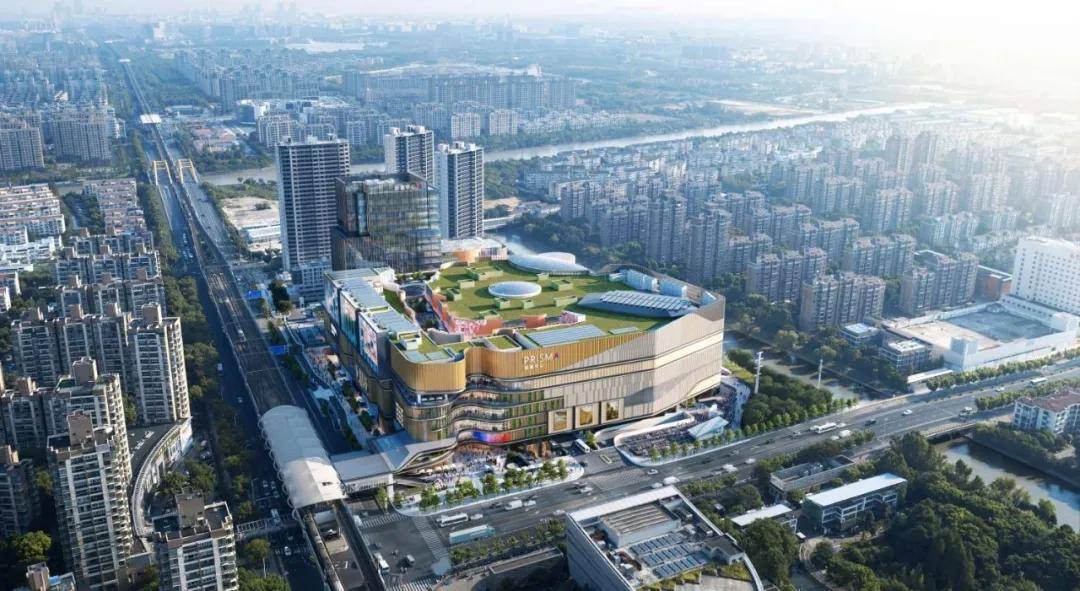
Group 1: PRISMA New Jia Center - PRISMA New Jia Center, a large-scale TOD (Transit-Oriented Development) complex, has officially opened with a total construction area of approximately 430,000 square meters, aiming to create a vibrant future hub that integrates various transportation networks [1][2][4] - The center features eight benchmark brands, including Olé Supermarket, MUJI, and IMAX cinema, along with several flagship stores, providing a high-quality lifestyle destination that caters to all age groups and offers diverse experiences [2][4][6] - The project emphasizes a "full-domain life" concept, combining shopping, diverse experiences, and community coexistence, with a focus on immersive experiences and large-scale spaces [4][6] Group 2: Shanghai Jin Jiang Tower InterContinental Hotel - The Shanghai Jin Jiang Tower InterContinental Hotel has undergone a comprehensive renovation, enhancing its exterior and lighting, while maintaining its historical significance as the first five-star hotel in Pudong [7][9] - Originally built in 1993 with a total investment of approximately $55 million, the hotel features 418 rooms and stands 92 meters tall, representing a significant landmark in the area [9][12] - The renovation is part of a strategic investment to welcome back domestic and international guests as the tourism industry recovers, aiming to enhance guest experiences and integrate with the modern commercial atmosphere [12][13] Group 3: Pinshang Life Store - The first Pinshang Life store in Pudong is set to open in November at the Shanghai Zhen Da Thumb Plaza, covering an area of 12,000 square meters and featuring a comprehensive supermarket model [13][15] - This new store will highlight a diverse range of offerings, including dining, pharmacy, and trendy products, while maintaining a focus on freshly prepared items with over 800 products available [15] - Pinshang Life is recognized for its unique "handmade" and "lively atmosphere," aiming to provide a curated selection of around 6,000 products to enhance consumer experience [15]
凝视社区烟火:在甄惠客的货架间,看见折扣上的生活温度
Sou Hu Cai Jing· 2025-09-20 08:35
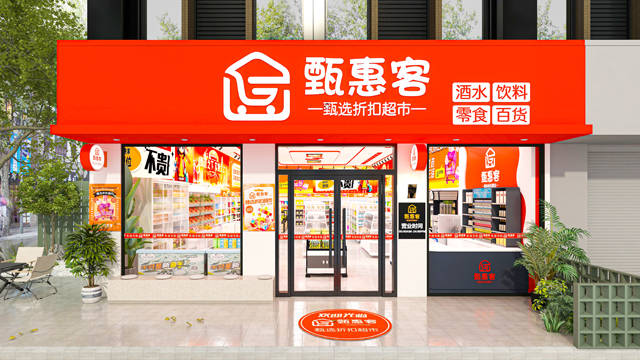
Core Viewpoint - The company emphasizes a community-oriented supermarket experience that combines both online and offline shopping, focusing on quality, convenience, and customer engagement without being overly promotional [9][11]. Group 1: Operational Insights - Fresh produce is delivered daily, with staff conducting quality checks to ensure high standards, reflecting the company's commitment to quality over price [3][5]. - The store layout is designed for an enhanced shopping experience, allowing easy navigation even during peak hours, which contributes to customer satisfaction [3][5]. - The integration of online and offline shopping is evident, with customers able to compare prices and make purchases through both channels seamlessly [5][9]. Group 2: Customer Experience - The store operates a "night mode" for late-night shoppers, providing a quiet and efficient shopping environment that caters to various customer needs [7][9]. - The company employs technology to monitor customer behavior and provide assistance when needed, enhancing the overall shopping experience [9][11]. - The supermarket aims to create a warm and welcoming atmosphere, likening itself to a tree that supports the community through its deep supply chain and diverse product offerings [9][11].
山姆超市,突然被曝!网友:还能吃吗?
新浪财经· 2025-09-20 07:29
Core Viewpoint - The discussion around the two-year shelf life of frozen broccoli sold by Sam's Club has sparked significant public interest and debate regarding the safety and nutritional value of such products [2][3]. Group 1: Consumer Reactions - Some consumers express clear concerns about the acceptability of purchasing frozen broccoli with a long shelf life [5]. - Other consumers question the value of spending hundreds of yuan on a membership to buy frozen broccoli [6]. - There are also concerns from parents about the safety of feeding such long-frozen products to their children [8]. Group 2: Expert Insights - A representative from Sam's Club clarified that frozen vegetables are preserved using rapid freezing technology, which locks in freshness and prevents nutrient loss, similar to dehydrated vegetables [8]. - The representative assured that as long as children are not allergic to broccoli, it is safe to consume, and the two-year shelf life has been scientifically validated [10]. - Expert Xie Qingchao from Shanghai Ocean University emphasized that commercial quick-freezing has a significantly lesser impact on food quality and nutrition compared to regular home freezing methods [11]. - Xie also noted that quick-freezing requires food to reach a temperature below -18°C within 30 minutes, contrasting with the longer freezing times of home freezers [12]. - He ranked food preservation methods by nutritional value, placing commercial frozen foods above fresh foods from markets and below freshly harvested items [12].
行业调改路径分化,90后CEO挂帅:永辉超市背水一战
Hua Xia Shi Bao· 2025-09-20 06:57
Core Viewpoint - The retail industry in China is transitioning from aggressive expansion to a buyer's market, making store adjustments a critical survival strategy for companies like Yonghui Supermarket [2][6]. Company Updates - Yonghui Supermarket appointed Wang Shoucheng, a post-90s executive, as the new CEO after a six-month vacancy [3]. - The company plans to raise up to 3.11 billion yuan through a private placement of A-shares, with a significant portion allocated for store upgrades [6]. Performance and Strategy - Yonghui has faced continuous losses for four years, with a total loss of 9.5 billion yuan, and reported a revenue decline of 20.73% year-on-year in the first half of 2025 [4][5]. - The company is implementing a store closure strategy, shutting down 232 stores in 2024 and an additional 227 in the first half of 2025, reducing its total operational stores from 1,000 to 552 [4]. Market Trends - The retail sector is witnessing a shift towards quality retail, hard discount, and membership store models, with many companies, including Yonghui, focusing on quality upgrades [8][9]. - The competition is intensifying, with new entrants in the hard discount space and established players like Yonghui adapting their strategies to enhance customer experience and operational efficiency [7][9]. Future Outlook - Yonghui's focus on quality retail aims to consolidate resources and avoid the pitfalls of previous strategies that lacked a clear direction [5][10]. - The company is expected to continue its store adjustments in 2024, aligning with industry trends as the era of rapid expansion comes to an end [6][8].
年薪116万的34岁青年,接管600亿超市龙头
2 1 Shi Ji Jing Ji Bao Dao· 2025-09-19 13:14
Group 1 - The core point of the article is the appointment of Wang Shoucheng as the new CEO of Yonghui Supermarket, who is tasked with leading the company's transformation efforts amid ongoing financial challenges [2][16]. - Wang Shoucheng, born in 1991, has been recognized for his role in the "Fat Reform" project and has been instrumental in establishing operational standards within the company [2][3]. - Under Wang's leadership, Yonghui has initiated a nationwide reform program, with 124 stores undergoing transformation as of June this year, and an expectation to reach 200 by the end of the year [5][19]. Group 2 - Wang's rapid rise within the company is notable, having joined as a management trainee in 2017 and quickly advancing through various roles, culminating in his appointment as CEO [8][12]. - The company reported a revenue of approximately 30 billion yuan in the first half of the year, reflecting a 20% decline, with ongoing losses of around 800 million yuan [17]. - Wang emphasizes the importance of transforming the retail experience, focusing on upgrading service quality and creating a "quality lifestyle center" for consumers [19][20].
超市巨头,迎来首位“90后”CEO
Zhong Guo Ji Jin Bao· 2025-09-19 12:58
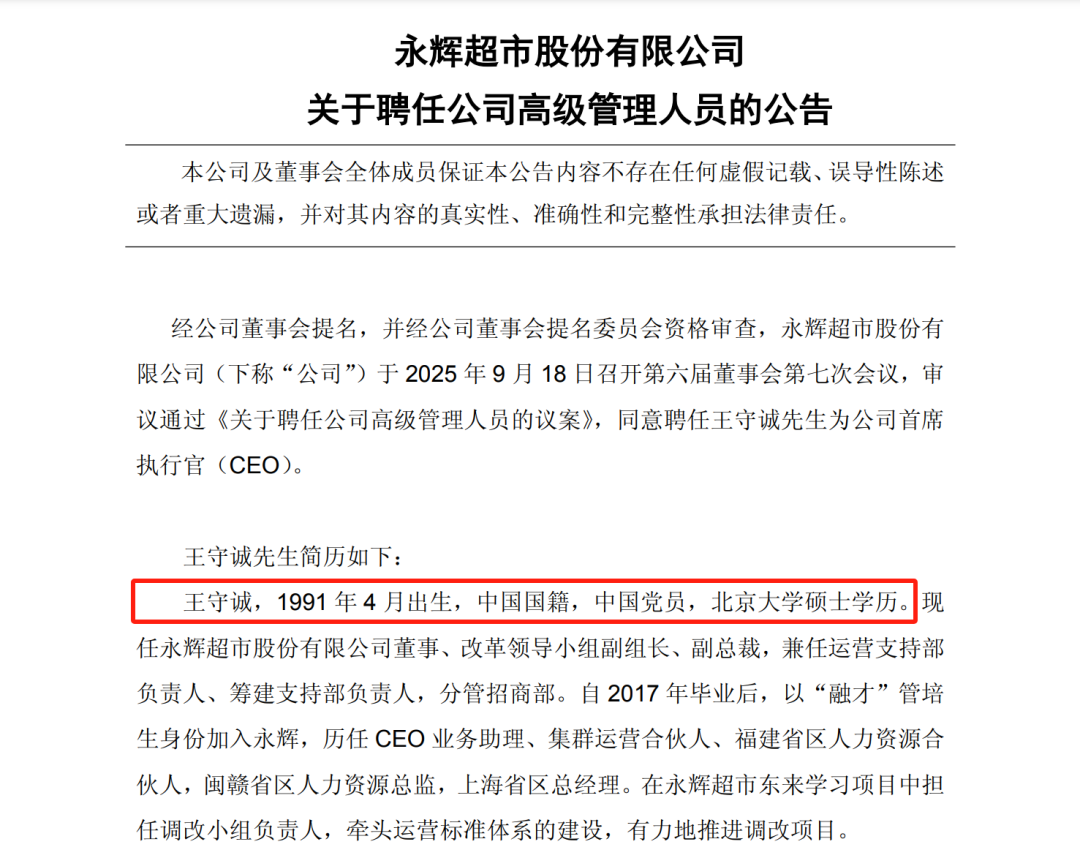
Core Viewpoint - Wang Shoucheng has been appointed as the new CEO of Yonghui Supermarket, marking a significant leadership change as he is the youngest CEO in the company's history. His promotion is closely tied to his successful management of the company's transformation projects, particularly the "Fat Reform" initiative inspired by the successful model of the Chinese supermarket chain, Pang Donglai [5][6]. Group 1: Leadership Background - Wang Shoucheng is a product of Yonghui Supermarket's internal training program and holds a master's degree from Peking University. Before becoming CEO, he served as the Vice President and was responsible for various operational roles within the company [2][3]. - Wang joined Yonghui in 2017 as a management trainee and has held multiple positions, including CEO business assistant and regional HR partner, accumulating extensive operational and management experience over his 8-year career [3][4]. Group 2: Business Transformation and Performance - The opening of the first "Fat Reform" store in Zhengzhou on June 19, 2024, was a significant milestone, achieving sales of 1.88 million yuan on its first day, which is 13.9 times the average daily sales prior to the reform. The store also attracted over 12,000 customers, 5.3 times the previous average [4]. - As of September 16, 2025, Yonghui has nearly 200 "Fat Reform" stores, with expectations of profitability within three months of operation. The first quarter of 2025 saw 41 "stable reform stores" generating a total profit of 74.72 million yuan [7][8]. Group 3: Financial Strategy and Challenges - Yonghui Supermarket plans to raise up to 3.114 billion yuan through a private placement, with 2.405 billion yuan allocated for store upgrades, 309 million yuan for logistics improvements, and 400 million yuan for working capital [8]. - Despite these initiatives, Yonghui reported a revenue decline of 20.73% year-on-year for the first half of 2025, with a net loss of 241 million yuan, indicating ongoing challenges in balancing significant investment in transformation with overall profitability [8].
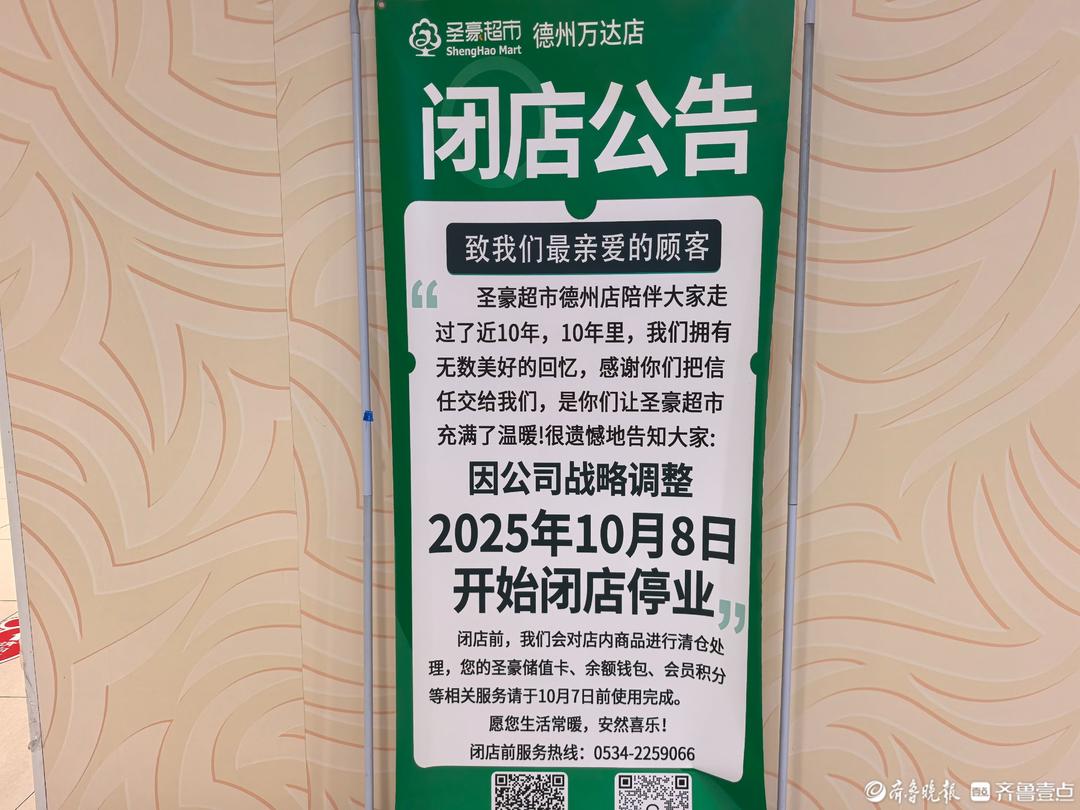
圣豪超市德州万达店即将闭店,盒马鲜生有望首次进入德州市场
Qi Lu Wan Bao Wang· 2025-09-19 11:53
Core Points - Shandong's well-known supermarket brand Shenghao Supermarket announced the closure of its Dezhou Wanda store starting from October 8, 2025, due to strategic adjustments [1] - The store will conduct clearance sales before closing, and customers must use Shenghao's stored value cards, wallet balances, and membership points by October 7 [1] Group 1 - Despite being a weekday, the Dezhou Wanda store had a significant number of customers shopping, with many items already sold out due to discounts [3] - There are reports that Hema Fresh will take over the store location, marking its first entry into the Dezhou market, although official confirmation is pending [6] - Hema Fresh, established in 2015 and part of Alibaba Group, has over 420 stores across 50 cities and plans to accelerate expansion with nearly 100 new stores by fiscal year 2025 [6] Group 2 - Shenghao Supermarket's parent company, Shandong Shenghao Commercial Co., Ltd., has its origins in a state-owned enterprise from 1991 and has expanded to cities like Jinan and Dezhou [6] - The Dezhou Wanda store, opened in January 2016, has served as a vital supply station for local residents [6] - The potential entry of Hema Fresh into Dezhou is expected to provide consumers with convenient services such as "30-minute delivery" and direct sourcing of fresh products [6]
深耕苏城多元消费 永辉胖东来模式调改店首进苏州相城区
Sou Hu Cai Jing· 2025-09-19 09:55
Core Insights - The opening of the Suzhou High-speed Rail Wuyue Plaza store marks the third "Fat Donglai" model store for Yonghui, reinforcing its strategic layout in the Suzhou market and enhancing regional commercial service upgrades [1][9]. Store Location and Concept - The store is located at No. 3188, Xiangcheng Avenue, Suzhou High-speed Rail Wuyue Plaza, and aims to create a comfortable, convenient, and quality shopping space for consumers, particularly family customers in Xiangcheng District [2]. Product Offerings - The store features a comprehensive product renewal, including highland specialty vegetables and over 40 types of organic vegetables, all sold in packaging to save customer selection time. New ready-to-eat items such as fruit cuts, juices, and cold brew tea have been introduced, alongside partnerships with high-end fruit and vegetable brands [3]. - The prepared food section employs a professional chef team to offer a variety of dishes, including traditional items and modern snacks aimed at younger consumers. The store also includes dedicated brand zones for both Fat Donglai and Yonghui's private label products, covering a wide range of categories [5]. Shopping Environment and Services - The store has improved its shopping environment by lowering shelf heights and simplifying the layout to enhance comfort and accessibility. New customer service areas have been added, including rest zones and various amenities to cater to diverse customer needs [6]. - Food safety measures are strictly enforced, including a "468 principle" for fresh-cut fruits to ensure quality and freshness [7]. Employee Development - Yonghui has launched a "Craftsman Plan" to enhance employee skills and service awareness, aiming to cultivate a professional workforce and improve service quality in stores [8]. Strategic Vision - The Suzhou High-speed Rail Wuyue Plaza store's opening is seen as a significant milestone for Yonghui, reflecting its commitment to consumer needs and continuous improvement in product and service offerings. The company plans to further strengthen its presence in the Suzhou market [9].