
金融

Search documents
外资公募绩优产品持仓曝光!制造业为底盘,科技与资源品双线布局
券商中国· 2026-01-29 06:16
Core Viewpoint - In 2025, several actively managed equity products under foreign public funds achieved significant excess returns, with clear positioning in technology growth and resource sectors, reflecting strong stock selection and allocation capabilities [1][2]. Group 1: Performance Overview - Many foreign public fund products recorded impressive gains throughout 2025, with standout performances in their categories. For instance, BlackRock Advanced Manufacturing A rose by 63.34%, Fidelity Low Carbon Growth A increased by 44.27%, Schroders China Power A gained 47.94%, Allianz China Select A surged by 65.83%, and Robeco Resource Select A achieved a remarkable 97.28% increase, showcasing the strong grasp of foreign institutions in structural market conditions [3]. Group 2: Portfolio Structure - The portfolio structure of these foreign public funds remains centered on manufacturing, while maintaining a high focus on technology growth and resource opportunities. Specifically, BlackRock's holdings are heavily concentrated in manufacturing, with significant investments in technology stocks such as Zhongji Xuchuang, Cambrian, and Luxshare Precision in the fourth quarter [3][4]. - Fidelity Low Carbon Growth also prioritizes manufacturing, with key holdings including Xinyi Semiconductor, Information Development, and Shanghai Fudan, balancing low-carbon transformation and technology growth [3]. - Robeco Resource Select has a more diversified portfolio, including significant allocations to materials and mining sectors, with major investments in Zijin Mining, Chipbond Technology, and China Aluminum, indicating a clear focus on commodities and related industry chains [3]. Group 3: Investment Strategy - The latest quarterly reports from various foreign public funds indicate a dual approach in investment strategy: a sustained optimism towards cyclical resource sectors and a selective approach within the technology sector. The ongoing economic transformation, technological advancements, and supportive policies in China continue to underpin the value reassessment of Chinese stocks [5][6]. - Robeco Resource Select has optimized its portfolio structure by shifting towards cyclical sectors while reducing exposure to black metals and early-cycle segments, and increasing chemical sector allocations, while also maintaining and slightly increasing investments in upstream industries related to the current technology innovation cycle [6]. - Schroders China Power maintains a high equity position while rebalancing its structure, transitioning from previously favored technology sectors to undervalued non-bank financials and chemicals [6]. Group 4: Future Outlook - Looking ahead to 2026, there is a strong belief in the continued value reassessment of Chinese stocks, with high-quality technology assets expected to remain core to this process, potentially yielding significant excess returns [7].


顶流基金经理最新持仓曝光,年回报率最高近65%
21世纪经济报道· 2026-01-29 06:13
Core Viewpoint - The article highlights the significant divergence in performance among various sectors in the Chinese stock market during Q4 2025, with technology and growth sectors like AI computing and semiconductors outperforming traditional sectors such as real estate and pharmaceuticals [1][2][4]. Summary by Sections Market Performance - In Q4 2025, the Shanghai Composite Index rose by 2.22%, while the CSI 300 Index fell by 0.23%, and the ChiNext Index decreased by 1.08%. The Hang Seng Index dropped by 4.56%, and the Hang Seng China Enterprises Index fell by 6.72% [1]. Fund Manager Strategies - Star fund managers like Fu Pengbo and Li Xiaoxing achieved significant excess returns, with Fu's Ruiyuan Growth Value Fund and Li's Yinhua Small Cap Select both rising over 60% in 2025, driven by heavy investments in AI computing and semiconductors [1][2]. - Balanced allocation funds, such as Zhu Shaoxing's Fuguo Tianhui Select Growth A, showed stable performance with over 20% annual growth, benefiting from diversified holdings across multiple sectors [2][12]. Technology Growth Focus - Funds focusing on technology growth, like those managed by Fu Pengbo and Xie Zhiyu, saw rewards for their strategies, with increased allocations to data center cooling, storage, and computing-related companies [4][5]. - Li Xiaoxing emphasized AI as a key investment theme, with a strong focus on semiconductor companies, indicating a shift towards domestic advanced processes and military-civilian integration opportunities [6]. Traditional Value Sector - Fund managers like Zhang Kun and Liu Yanhun maintained positions in traditional sectors like consumer goods and pharmaceuticals, facing significant net value pressure in Q4 2025. Liu's fund saw a decline of 5.85% in Q4, while Zhang's fund remained stable but adjusted sector allocations [8][10]. - Despite challenges, the pharmaceutical sector showed signs of improvement due to policy changes and innovation, with opportunities emerging in innovative drug chains and medical devices [9][10]. Consensus Among Fund Managers - Despite differing investment styles, fund managers shared common views on the impact of "anti-involution" policies on corporate fundamentals and the relative attractiveness of equity assets in the current market environment [16][17]. - The importance of stock selection has increased significantly, with a focus on identifying core companies with competitive advantages in both growth and value sectors [17].

野村首席观点 | 陆挺:2026年中国宏观经济分析和展望
野村集团· 2026-01-29 04:03
Core Viewpoint - The article discusses the macroeconomic outlook for China in 2026, emphasizing the need for increased government spending and policy measures to stabilize the economy and address internal demand pressures [5][10]. Economic Policy and Government Spending - In 2026, China is expected to implement larger-scale government spending plans, including the issuance of special bonds and a moderate reduction in interest rates by the central bank [5]. - The government aims to address the real estate sector's debt issues and reform the pension system to support sustainable consumption [5][11]. Domestic Demand and Economic Growth - In 2025, China's economy surpassed 140 trillion yuan, growing by 5% year-on-year, but internal demand remains weak, with retail sales and fixed asset investment declining [6][7]. - The export sector showed resilience, contributing 15%-20% to GDP, supported by China's strong industrial base and competitive pricing [7]. Stock Market Performance - The stock market was active in 2025, with the Shanghai Composite Index rising nearly 22% from 3,262 to 3,968 [8]. - Government policies have successfully supported the stock market, but there are concerns about the wealth effect being limited for retail investors due to pressures in the real estate market [8][9]. Future Economic Trends - The economic trajectory for 2026 is expected to be "front low, back high," with a focus on expanding domestic demand and stabilizing the real estate market [10]. - The central bank is anticipated to have limited room for further interest rate cuts, emphasizing the need for fiscal policy to stabilize the economy [10][12]. Debt Management and Social Security - A key focus for 2026 will be managing the debt of real estate companies and improving credit relationships to restore credit demand [11]. - Enhancing the social security system, particularly increasing pension levels, is crucial for boosting consumer spending and addressing effective demand shortages [12].

消费维权该去哪里?五大高效投诉渠道盘点
Xin Lang Cai Jing· 2026-01-29 03:41
在消费过程中遇到问题,很多人第一反应是"我要投诉 【下载黑猫投诉客户端】"——但具体该去哪儿 投诉、怎么投诉才最高效?面对商家的推诿或拖延,消费者往往感到无助与迷茫。其实,除了大家熟知 的12315之外,如今已涌现出不少专业、便捷的投诉平台,能够帮助消费者更快速地推动问题解决。本 文将为你系统梳理几个主流的投诉途径,涵盖官方、公益与行业专属渠道,助你精准维权、少走弯路。 一、官方权威渠道:12315平台 提到消费维权,绝大多数人首先想到的是12315。这是由国家市场监管总局主办的官方投诉举报平台, 具有法律效力和强制执行力,覆盖全国各类市场主体。消费者可通过网站、APP、微信小程序或拨打 12315热线进行投诉。其优势在于: 不过,12315处理流程相对正式,调查周期可能较长,适合不急于解决、希望借助公权力施压的纠纷。 黑猫投诉平台链接:https://tousu.sina.com.cn/ 二、行业专属投诉平台 不同行业的消费纠纷,有时在行业专属平台上处理会更高效、更有针对性。例如: 这些渠道专业性强,对接行业监管部门,处理效率较高,适合明确属于某一行业监管范畴的投诉。 三、互联网公益投诉平台:以黑猫投诉为例 ...
陆家嘴金融沙龙新年首期举行
Jie Fang Ri Bao· 2026-01-29 01:31
据介绍,"陆家嘴金融沙龙"去年全年举办40场活动。沙龙秘书处形成200余万字嘉宾发言实录,总 结提炼出104条政策建议。其中有55条建议被浦东新区"十五五"金融规划采纳,31条列入《中国(上 海)自由贸易试验区提升能级深入推进高水平制度型开放方案》,为上海国际金融中心建设贡献了行业 智慧。 记者 杜晨薇 市委常委、浦东新区区委书记李政出席活动。 昨天下午,"陆家嘴金融沙龙"2026年系列活动开幕。首期活动以"点燃浦东新春消费新引擎"为主 题,为浦东消费企稳回升、实现经济高质量发展凝聚金融智慧。 ...

港股早评:三大指数低开,科技金融走低,金价新高黄金股继续涨势
Ge Long Hui· 2026-01-29 01:29
美联储维持利率不变,美股三大指数涨跌不一,热门中概股多数上涨。昨日大涨的港股三大指数低开, 恒指跌0.72%,国指跌0.63%,恒生科技指数跌0.79%。权重科技股集体走低,京东跌超2%,阿里巴 巴、百度、美团均跌超1%;昨日领衔大市上涨的金融股、中字头股多数低开。另外,现货黄金刷新历 史高位至5400美元上方,黄金股继续上涨行情,赤峰黄金、山东黄金、招金矿业、灵宝黄金等齐创历史 新高。(格隆汇) ...
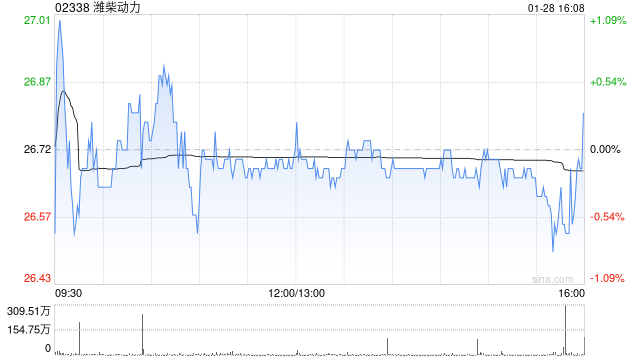
潍柴动力遭摩根大通减持约562.97万股 每股作价约25.57港元
Xin Lang Cai Jing· 2026-01-29 00:02
香港联交所最新资料显示,1月23日,摩根大通减持潍柴动力(02338)562.9684万股,每股作价25.5673 港元,总金额约为1.44亿港元。减持后最新持股数目约为1.5亿股,最新持股比例7.74%。 责任编辑:卢昱君 热点栏目 自选股 数据中心 行情中心 资金流向 模拟交易 客户端 责任编辑:卢昱君 香港联交所最新资料显示,1月23日,摩根大通减持潍柴动力(02338)562.9684万股,每股作价25.5673 港元,总金额约为1.44亿港元。减持后最新持股数目约为1.5亿股,最新持股比例7.74%。 热点栏目 自选股 数据中心 行情中心 资金流向 模拟交易 客户端 ...

统筹推动区域协调发展和城乡融合发展探索具有福建特色的共同富裕之路
Xin Lang Cai Jing· 2026-01-28 23:06
郭凌欢委员代表经济界的发言:当前,我省沿海六市地区生产总值是山区三市的近6倍,"以强带弱"实现资源错位相融大有可为。建议:一是 进一步优化山海协作布局。持续做大福州都市圈和厦漳泉都市圈发展能级,由辐射区承接中心城市的外溢产业。建设一批"产业飞地",统筹发 挥飞出地优势和飞入地保障作用,实现"双向奔赴"。二是进一步细化山海产业发展。把山区县作为产业升级焦点,实行分类施策、"一县一 业"。对生态资源型,创新碳汇、林票、水权等绿色金融工具,激活生态消费市场;对农业主导型,发展农产品即食、生物医药等高端化精加 工产业链;对工业驱动型,支持山区到沿海设立"科创飞地",并推动成果到山区转化生产。三是进一步活化山海资源保障。用好用足专项资 金,鼓励社会各界资本投向区域协调关联项目和民生服务。改造盘活山区闲置的宅基地、校舍、厂房等,打造"星罗棋布、多点开花"格局。推 进"新农人培养"、远程顾问、候鸟专家等人才工程,实现"引才图强"和"增收致富"统筹兼顾。 ...

恒指夜期收盘︱恒生指数夜期(2月)收报27625点 低水202点
Zhi Tong Cai Jing· 2026-01-28 22:52
Group 1 - The Hang Seng Index night futures (February) closed at 27,625 points, down 279 points or 1.000%, with a discount of 202 points [1] - The total number of open contracts reached 122,615, an increase of 26,638 contracts [1] - The net number of open contracts reported at 52,631, an increase of 19,501 contracts [1]