
纺织服装

Search documents
人民币升值浪潮下,中小企业如何破局?
Sou Hu Cai Jing· 2025-12-22 06:01
Core Viewpoint - The appreciation of the RMB is becoming increasingly evident, with predictions that the exchange rate against the USD will rise from 7.0 to around 6.0 over the next decade, presenting both opportunities and challenges for small and medium-sized enterprises (SMEs) in China [1]. Group 1: Impact of RMB Appreciation on SMEs - The impact of RMB appreciation varies significantly among different types of SMEs. Import-dependent companies, such as those in the paper industry, will benefit as their raw material costs decrease by 0.8-1.2 percentage points for every 1% appreciation of the RMB [3]. - Conversely, export-oriented companies, like those in the textile and apparel sector, will face challenges, with a 1% appreciation leading to a 0.5-0.8 percentage point decrease in price competitiveness [3]. - Cross-border e-commerce firms may emerge as the biggest winners, with RMB appreciation expected to lower overseas procurement costs by 10-15% by 2030, significantly enhancing profit margins for SMEs in this sector [3]. Group 2: Strategies for SMEs to Adapt - SMEs need to establish systematic risk management mechanisms to cope with exchange rate fluctuations. Basic tools like forward foreign exchange contracts can help mitigate unexpected losses, as demonstrated by a stationery export company that avoided losses through a 12-month forward contract [4]. - A proactive strategy involves adjusting business structures. For instance, a lighting company shifted from OEM to self-branded exports, reducing the impact of exchange rate fluctuations on profits from 8% to below 3% [4]. - Digital transformation is crucial, with SMEs leveraging big data to predict demand changes in different currency zones, leading to a 37% year-on-year increase in exports to ASEAN markets [4]. Group 3: Policy Opportunities for SMEs - The internationalization of the RMB offers significant advantages, with over 80 countries incorporating it into their foreign exchange reserves. SMEs can reduce exchange costs and avoid third-party currency risks through cross-border RMB settlements, as seen in an electronic components company that cut its exchange costs from 3.2% to 0.5% [5]. - Policy adjustments in the consumer sector, such as raising minimum wage standards and implementing paid leave, may increase labor costs but also stimulate consumption upgrades. A home furnishings company capitalized on this trend by transitioning to smart home solutions, resulting in a 210% increase in average transaction value [5]. - Financial support for innovation is also noteworthy, with some export tax refund resources being redirected to innovation. A biotechnology company successfully increased its R&D investment from 5% to 12% by applying for innovation funds, leading to three core technology patents [5]. Group 4: Economic Significance of RMB Appreciation - The appreciation of the RMB signifies a critical transition in China's economic development stage. SMEs are encouraged to proactively adapt to this trend, transforming challenges into opportunities for upgrading and enhancing product value and trade structure [6].

短期内市场仍面临扰动因素,逢低布局绩优股或是占优策略
British Securities· 2025-12-22 03:07
Market Overview - The A-share market experienced fluctuations, with the consumer sector showing strong performance, while the real estate sector rebounded from low levels. External factors, such as the Bank of Japan's interest rate hike, briefly boosted market sentiment, but the gains were not sustained, indicating that external factors can only cause short-term emotional fluctuations without altering the underlying market logic [1][4][14] - The recent market volatility is attributed to the uncertainty surrounding the strength of domestic economic recovery, the time required for policy effects to materialize, and seasonal liquidity pressures as the year-end approaches. Institutional rebalancing for annual performance also contributes to short-term disturbances [1][14] Sector Analysis Consumer Sector - The consumer sector has been active, with significant gains in retail, food and beverage, and other consumer stocks driven by favorable consumption policies. Recent government initiatives aim to stimulate consumption, indicating a structural rally in this sector [7][8][10] Real Estate Sector - The real estate sector has seen a rebound due to the implementation of supportive policies from both central and local governments. The focus on stabilizing the real estate market and addressing local debt risks is expected to improve the sector's fundamentals, providing short-term boosts to the market [10][11] Financial Sector - The financial sector, particularly insurance and brokerage stocks, has shown upward momentum. Recent regulatory adjustments have lowered risk factors for insurance companies, which is expected to enhance their performance. The overall market conditions, including liquidity and economic recovery, are favorable for the financial sector [11][12] Technology Sector - The technology sector, including semiconductor and AI-related industries, remains a focus for investment. The report suggests selecting stocks with strong earnings support while avoiding high-valuation stocks lacking performance backing [2][14] Automotive Sector - The autonomous driving sector has gained attention with the approval of L3 level autonomous driving vehicles for commercial use, marking a significant step towards commercialization in China. This development is expected to drive interest and investment in related stocks [12]
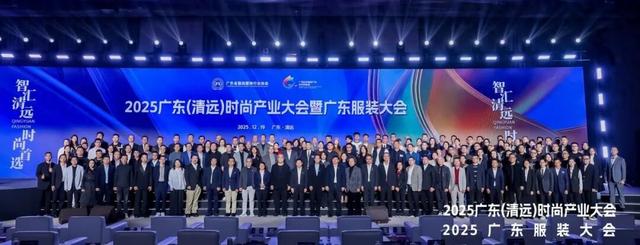
2025广东(清远)时尚产业大会暨广东服装大会召开
Xin Lang Cai Jing· 2025-12-22 02:51
Core Insights - The 2025 Guangdong (Qingyuan) Fashion Industry Conference and Guangdong Clothing Conference successfully highlighted the importance of the textile and apparel industry as a traditional advantage and vital livelihood industry in Guangdong Province [2][11] - Qingyuan is positioned as a core area for the orderly transfer of the textile and apparel industry in the province, providing a "Qingyuan model" for high-quality development in the fashion industry [2][11] Industry Overview - The conference theme "Intelligent Gathering in Qingyuan, Fashion First Choice" emphasizes the integration of intelligence and strength in the industry [2] - The Guangdong Garment and Apparel Industry Association presented an annual report analyzing the current state of the industry, showcasing new practices in technology, digitalization, culture, sustainability, and globalization [2] Project Announcements - The Guangqing Textile and Apparel Industry Transfer Park Management Committee discussed Qingyuan's advantages in location, transportation, spatial capacity, cost, and targeted fashion industry policies [4] - Four projects, including the Jimei Weaving Technology Industrial Park and the production project of Guangdong Meixu Biotechnology Co., were announced to commence, while five projects, including the production of 170,000 tons of polyester pre-oriented yarn, were launched [4] Innovation and Integration - The "AI + Sample Garment Co-creation Full-Scene Empowerment Platform" was launched to facilitate rapid transformation from trend insights to physical samples [4] - The integration of cultural tourism and the fashion industry was highlighted, showcasing Qingyuan's rich cultural resources and sustainable development concepts [5] Expert Insights - The conference featured discussions on macroeconomic trends and industry transformations, providing innovative insights for industry change [5] - A roundtable dialogue titled "Breaking the Deadlock, Finding a Way Out" gathered industry leaders to explore new models, dynamics, and values for industrial development [5] Brand and Supply Chain Perspectives - The "Brand Outlook" session focused on brand value reconstruction and the expression of national cultural trends, emphasizing the need for brands to transcend product functionality [7] - The "Industry Chain Outlook" session discussed the importance of building a resilient, intelligent, green, and integrated new industrial system to maintain a competitive edge in the global market [9] Conference Outcomes - The conference coincided with the Guangdong Garment and Apparel Industry Association's third member representative meeting, where work and financial reports were approved, and new directors were elected [9] - Various activities, including exhibitions and supply-demand matchmaking, were organized to enhance industry understanding of Qingyuan's textile and apparel development and promote effective investment [9]
大消费景气展望:基数与大促后增速放缓,期待明年政策发力
2025-12-22 01:45
Summary of Conference Call Records Industry Overview - **Consumer Sector Outlook**: The consumer sector is expected to face challenges in the first half of 2026 due to the tapering of the trade-in policy, which may lead to a slowdown in durable goods consumption. However, service consumption is showing strong internal momentum, with growth expected in sectors like elderly care and home services, which may receive more policy support [1][4][5]. Key Points and Arguments - **Consumer Data Trends**: In November 2025, retail sales growth fell to 1.3%, the lowest of the year, primarily due to the early Double Eleven promotions, the impact of the trade-in policy, and weakened consumer confidence due to falling housing prices [2][3]. - **Trade-in Policy Impact**: The decline in the trade-in policy is anticipated to negatively affect consumer spending in early 2026, particularly in durable goods like home appliances and automobiles, which are expected to see continued low growth [3][21]. - **Service Consumption Growth**: Service retail growth has increased from 4.9% at the beginning of the year to 5.4%, with significant contributions from education and dining sectors [4]. - **Investment Recommendations**: Focus on the AI industry and emerging sectors like pet economy and trendy toys. Real estate is expected to recover by 2026-2027, benefiting related industries [1][6][7]. Important but Overlooked Content - **High-End Consumption and Travel Chain**: The service sector in 2026 will focus on high-end consumption and travel, with recommendations for companies in the duty-free, hotel, aviation, and dining sectors, such as China Duty Free Group and hotel chains like Jin Jiang and Huazhu [7]. - **Overseas Expansion Opportunities**: Companies like Anker Innovations and Huakai 100 are recommended for their potential in overseas markets, despite current low stock prices [9][10]. - **Alcohol and Beverage Sector**: The alcohol sector is currently in a low season, but some brands are seeing price recovery due to channel control measures. The soft drink market is also expected to show potential growth despite current sales being slow [11][12][13]. - **Food and Beverage Trends**: The snack sector is seeing positive demand ahead of the Spring Festival, with health-oriented products like konjac and oats showing significant growth. Companies like Wancheng and Yanjinpuzi are highlighted for investment [12]. - **Investment in New Consumption Areas**: The new consumption sector is showing upward trends, particularly in the vaping and AI glasses markets, with companies like Smoore and Kangnai Optical recommended for their growth potential [16]. Conclusion - The consumer sector is navigating a complex landscape with both challenges and opportunities. The focus on service consumption, emerging sectors, and strategic investments in high-potential companies will be crucial for navigating the anticipated economic conditions in 2026.
“一身塑料过冬”?聚酯纤维,是怎么在互联网塌房的?
Zhong Guo Xin Wen Wang· 2025-12-22 01:32
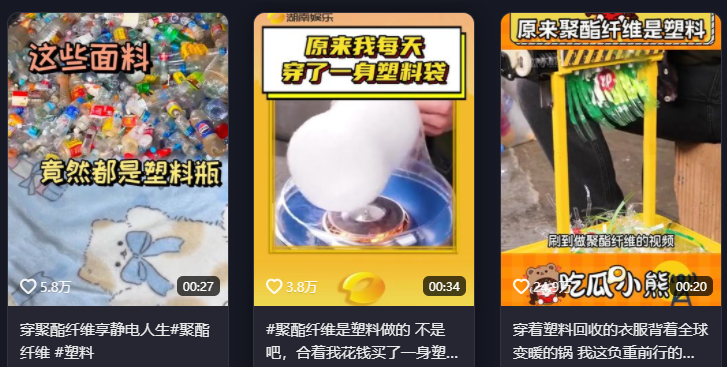
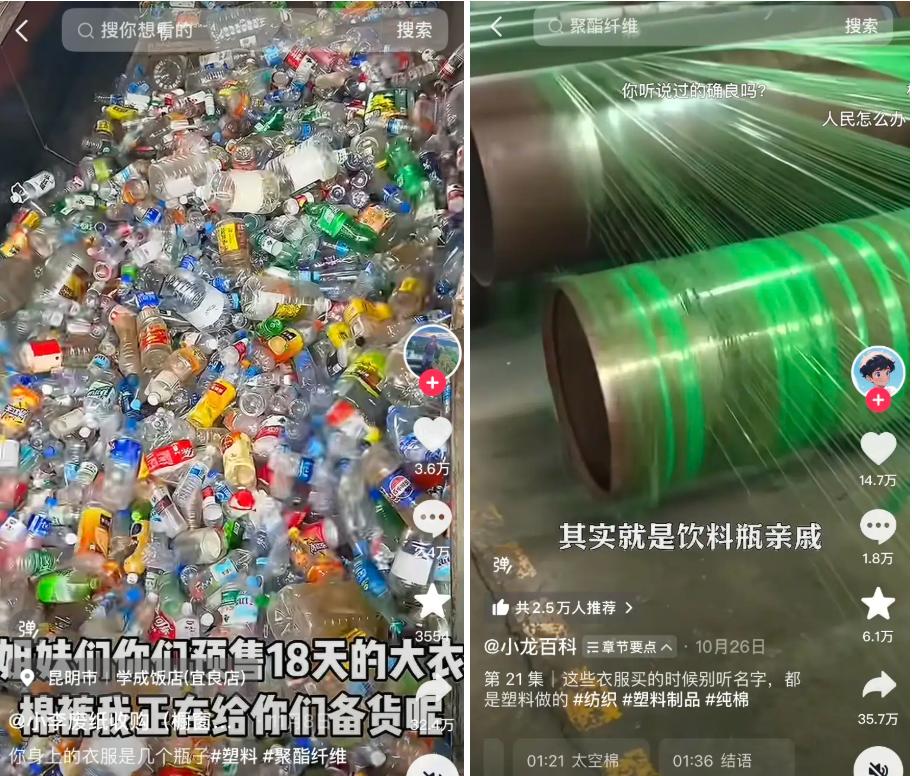
"古人说,我本一介布衣;现代人说,我本一介塑料衣。" "你今天穿的是雪碧还是芬达?我穿王老吉的吧,免得上火!" "原来我穿的不是衣服,是行走的塑料瓶。" "塑料瓶山去哪了——都在我们身上。" …… 眼下,聚酯纤维已经成为重要的服饰面料。 然而最近,"一身塑料过冬"的话题在网络上引发热议,甚至被调侃成了穷人的名片。 随着冬天的到来,这玩意更是被赋予了静电元凶的罪名。 当各种" 废旧塑料瓶做成衣服 "的视频开始传播,画风逐渐走偏,各种谣言也相继传开。 一时间,聚酯纤维被很多网友塑造成了穿不得,躲不掉的服装界毒瘤。 聚酯纤维的本质究竟是不是塑料瓶?真的会释放有毒物质吗? 聚酯纤维,是啥? 简单来说,聚酯纤维的化学名字叫聚对苯二甲酸乙二醇酯(PET)——和塑料瓶的主要成分是"亲兄弟"。 它是一种通过化学合成得到的纤维,正因为是合成的,所以可塑性极强,能变身成各种功能面料。 聚酯纤维是用塑料瓶做的吗? 一部分是的。 目前,市场上的聚酯纤维面料来源主要有两方面: 一是直接由石油化工原料生产,称为"原生涤纶"。 二是用废旧塑料瓶等(主要是PET材质)生产,称为"再生涤纶""环保涤纶"或"rPET"。 有专家表示,目前市场上 ...
国信证券晨会纪要-20251222
Guoxin Securities· 2025-12-22 00:56
Macro and Strategy - The macroeconomic review indicates a moderate slowdown in domestic economic growth, with November GDP growth estimated at 4.1%, down 0.2 percentage points from October, suggesting a low probability of significant rebound in December [9][10] - The service sector is identified as the main drag on economic growth, with a notable decline in the production index, particularly in traditional industries like finance and real estate, while emerging sectors show resilience [10] - The shift in policy focus from growth preservation to structural adjustment is highlighted, indicating a transition towards high-quality development [10] Fixed Income - The fixed income market is experiencing seasonal increases in cross-year funding demand, with expectations of rising market interest rates in December [11] - The report notes a slight fluctuation in interbank and exchange repo rates, with a forecasted increase in excess deposit reserve ratios for November and December [11] - The convertible bond market is showing signs of recovery, with a notable increase in the average price and a decrease in the average premium rate [13][14] Industry and Company Insights - The internet securities industry is transitioning from a traditional service model to a customer-centric ecosystem, which is expected to drive innovation and growth [15][17] - The insurance asset-liability management framework is moving towards a more comprehensive regulatory system, emphasizing long-term value and risk prevention [18][19] - The food and beverage sector is projected to benefit from cost advantages and efficiency improvements, with a focus on innovation and recovery opportunities [26][28] - The electric power equipment and new energy sector is witnessing significant developments, particularly with the first large-scale green methanol project in China, indicating a market potential exceeding 10 billion annually [30][31] - Nike's performance shows regional disparities, with North America recovering faster than the Greater China region, which faces significant pressure due to competitive pricing and brand positioning challenges [32][33] - Wanhua Chemical is experiencing a rebound in MDI product prices, driven by production cuts and increased demand from the US housing market due to interest rate cuts [34][36]
从营商到“赢商”
Xin Lang Cai Jing· 2025-12-21 23:49
Core Viewpoint - Huzhou's private economy demonstrates robust vitality, with significant achievements in various rankings and investments, attributed to an optimized business environment and effective government reforms [1][2]. Business Environment Optimization - Huzhou has made substantial progress in enhancing its business environment through the "136X" framework, focusing on six key areas: market, rule of law, openness, government affairs, elements, and culture [1]. - By the end of November, 87 out of 92 measures for 26 key initiatives for 2025 have been completed, achieving a completion rate of 91.1% for 41 out of 45 "benefit enterprises" projects [1]. Market Dynamics - The local silk industry has transformed through the "Dinan Silk Rhythm" brand, leading to a 20% increase in sales for Huzhou Siyiyi Clothing Co., Ltd., which exceeded 3 million yuan this year [2]. - Huzhou's business registration and operational efficiency have improved, with a 100% one-day completion rate for business registrations and a 97.1% online processing rate [2][3]. Legal and Administrative Support - Huzhou has implemented an innovative "check, correct, and serve" model for enterprise-related law enforcement, resulting in a 54.7% reduction in enterprise inspections and an 83.7% implementation rate for comprehensive checks [6]. - The city has enhanced its legal support for businesses, ensuring a more predictable and stable environment for investment [6]. International Expansion - Huzhou is actively expanding its international market presence, establishing overseas service centers in 14 countries and regions, with 80 companies already registered [8]. - The government has organized 686 domestic and international trade delegations from January to October, achieving a 38.9% increase in participation and generating 1.39 billion yuan in intended orders [9].
被“网暴”的聚酯纤维,穷人要为它正名
3 6 Ke· 2025-12-21 23:37
Group 1 - The article argues that polyester fiber is not synonymous with cheap or bad materials, highlighting its advantages such as wind resistance, warmth, durability, and quick-drying properties [1][31] - There is a growing consumer backlash against polyester, fueled by social media narratives that demonize it as a low-quality and toxic material, often linking it to broader societal issues of consumer deception [8][10] - The article emphasizes that polyester is a synthetic fiber derived from organic acids and alcohols, and while it can be made from recycled materials like plastic bottles, it undergoes a thorough process to ensure safety and quality [9][10] Group 2 - The narrative around polyester reflects a broader societal fear of industrialization and a preference for "natural" materials, which often overlooks the practical benefits of synthetic fibers [22][35] - Innovations in polyester, such as its use in high-performance fabrics like GORE-TEX, demonstrate its versatility and ability to meet specific consumer needs, contradicting the notion that it is inherently inferior [18][31] - The article discusses the historical context of polyester's evolution from a high-end material to a widely accessible one, illustrating how industrial advancements can democratize quality products [14][16]
大道之兴 产业强州动能澎湃
Xin Lang Cai Jing· 2025-12-21 22:47
Core Insights - Guizhou's industrial transformation is driven by strategic initiatives focusing on six major industrial bases and resource optimization, aiming to enhance economic strength through industrial development [10][11]. Group 1: Industrial Development - The construction of a high-purity manganese project in Guizhou is nearing completion, with production expected to start in one month [9]. - Guizhou's gold industry is set to achieve a production value exceeding 10 billion yuan in 2024, reflecting a year-on-year growth of 111.3% [14]. - The aluminum industry in Guizhou is forming a comprehensive industrial cluster, integrating upstream and downstream processes, with 14 companies involved in the aluminum production chain [15]. Group 2: Agricultural Advancements - Guizhou's agricultural sector has seen an average annual growth of 5.2%, with a processing conversion rate of 58% for agricultural products [17]. - The region has established 38 production bases recognized as "vegetable baskets" for the Guangdong-Hong Kong-Macao Greater Bay Area [17]. - The brand value of "Puan Red" tea has reached 3.25 billion yuan, marking its entry into the top ten national red teas [26]. Group 3: Service Sector Growth - The service sector's contribution to GDP has reached 53.3%, with overnight tourist numbers increasing by an average of 14.82% annually [18]. - The opening of the Panxing High-speed Railway has significantly boosted tourism, with hotel occupancy rates rising to 75% shortly after its launch [29]. - Guizhou is enhancing its tourism offerings by integrating cultural and health tourism, with a focus on creating diverse travel experiences [30]. Group 4: Infrastructure and Investment - Guizhou has signed over 700 projects since the start of the 14th Five-Year Plan, with total contracted investments exceeding 150 billion yuan [24]. - The region is actively optimizing its business environment, with the number of industrial enterprises reaching 344 by the end of 2024 [24]. - Infrastructure investment has seen an average annual growth of 12.3%, contributing to the overall economic development [17].

辉煌“十四五” 壮美新答卷 | 贵港推动工业扩量提质焕新升级
Guang Xi Ri Bao· 2025-12-21 03:04
Group 1 - The core focus of the news is on the rapid development of industrial projects in Guigang City, emphasizing the establishment of a "6+5" industrial system to support high-quality economic growth [1] - Guigang City is investing heavily in various sectors, including green chemicals, wood furniture, food processing, metallurgy, energy, and modern paper industries, with significant projects like the 137 billion yuan paper industry project and over 200 billion yuan green chemical materials project [1] - The city is also advancing automation and digitalization in manufacturing, as seen in the operations of Guangxi Guigang Yada Technology Co., which produces over 10 million mobile phone chargers monthly and expects an annual output value exceeding 100 million yuan [1] Group 2 - In the context of the AI era, Guigang City is integrating technology into manufacturing, signing 26 AI-related projects in 2023 with a total investment of 13.34 billion yuan, and establishing 7 new provincial-level smart factories [2] - The city has recognized 97 new national high-tech enterprises and 308 technology-based SMEs, indicating a robust growth in innovation and technology-driven businesses [2] - Guigang City is optimizing its industrial structure by introducing new industries like PCB electronics, with the establishment of an electronic circuit industry park and 26 companies already in operation [3] Group 3 - The city is implementing numerous projects to enhance traditional industries and promote digital transformation, with 53 "Double Hundred Double New" projects and 188 "Thousand Enterprises Technical Reform" projects initiated in 2023 [3] - Guigang City has one industrial cluster with over 50 billion yuan and four clusters exceeding 10 billion yuan, with ongoing efforts to improve the business environment and attract industrial projects [3] - In 2023, the city has introduced 428 industrial projects with a total contract investment of 202 billion yuan, including 7 projects worth over 10 billion yuan, showcasing strong development momentum [3]