
职业教育

Search documents
勾勒现代工匠学院升级版蓝图
Guang Xi Ri Bao· 2025-09-25 03:33
9月15日,《人工智能赋能中国—东盟现代工匠学院建设方案》在南宁发布。这是对2023年公布的 《中国—东盟现代工匠学院建设方案》内容的进一步升级。 新方案以人工智能、大数据、云计算等新一代信息技术为引擎,聚焦推进产教融合建设模式、赋能 专业转型、AI赋能教学模式创新、AI赋能实训基地提质、教学领域东盟语料库建设和多元共建共管机 制等六大升级版块,勾勒出现代工匠学院升级版蓝图,全面服务广西面向东盟的人工智能发展,是构 建"人工智能+"东盟职业教育一体化的解决方案。 2023年,广西正式启动了中国—东盟现代工匠学院立项建设工作,遴选出17所现代工匠学院,覆盖 10个东盟国家。截至目前,这些现代工匠学院累计招收学历教育学生1000余名,面向中资企业、东盟国 家技术人员、企业短期订单班学员开展非学历教育培训累计近4万人次,培训中外方教师上千人,认证 东盟国家教师227人次,建设国际化专业标准44个、课程标准223个、职业标准72个,开设培训课程228 门、国际化培训资源包95个、双语(英语或东盟语言)教材71部、职业教育教学装备357套,建设成效 明显,有力支撑了中国—东盟经贸合作,推动了中国—东盟人文交流与民心相通 ...
全国冠军! 1金1铜6优胜!新东方烹饪荣耀全国技能大赛
Xin Lang Zheng Quan· 2025-09-24 09:32
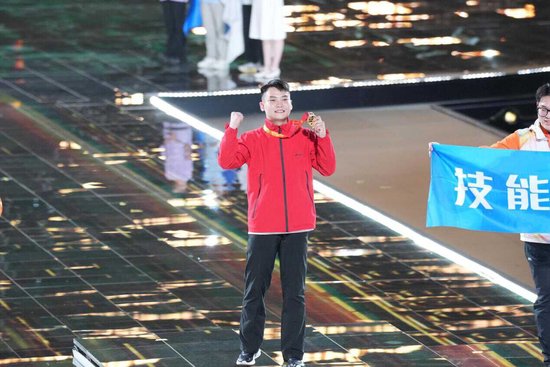
Core Insights - The third National Skills Competition concluded in Zhengzhou, with New Oriental Culinary students achieving notable success, including one gold medal and one bronze medal [1][5]. - The event highlighted the effectiveness of vocational education in cultivating high-quality skilled talent, aligning with the national strategy of "Skill Strong Nation" [5][6]. Group 1: Awards and Achievements - Wang Zhiwei from the Anhui team won the gold medal in the Western Cuisine category [1][3]. - Wang Tianxiang from the Anhui team secured the bronze medal in the Sugar Art and Western Pastry category [1][5]. - New Oriental Culinary students collectively won six merit awards across various categories, showcasing their diverse skills [1][5]. Group 2: Educational Impact - The achievements at the competition serve as a strong validation of New Oriental Culinary's teaching standards and the effectiveness of the "competition-based education" model [5][6]. - New Oriental Culinary has trained hundreds of thousands of skilled talents over the years, embodying the value of "skills change destiny" [5][6]. - The organization aims to continue developing precise talent cultivation paths and practical teaching models to support national needs and industry upgrades [6].

热烈祝贺!新华电脑教育学子国赛摘银,创历史最佳成绩
Xin Lang Zheng Quan· 2025-09-24 09:32
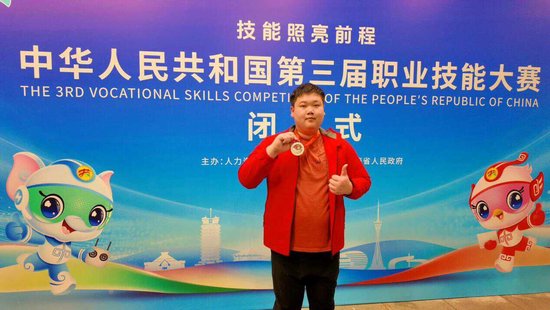
Core Viewpoint - The recent success of Xie Lianghao from China Oriental Education at the National Vocational Skills Competition highlights the importance of skill development and the integration of competition into educational practices [1][5][8]. Group 1: Competition Overview - The National Vocational Skills Competition is the highest-level comprehensive national vocational skills event in China, featuring 106 competition items and attracting 3,420 participants [1]. - Xie Lianghao won a silver medal in the 3D Digital Game Art category, showcasing his skills in concept design, modeling, and animation production under strict time constraints [5][7]. Group 2: Individual Achievement - This is not Xie Lianghao's first appearance at the national skills competition; he previously achieved fifth place in the second competition, demonstrating significant improvement over two years [7]. - His success is attributed to diligent training and the guidance of his instructors, reflecting a strong commitment to skill enhancement [7]. Group 3: Educational Approach - Xinhua Computer School has implemented a talent cultivation model that integrates competition with daily teaching, resulting in notable achievements in various vocational skill competitions [7]. - The school focuses on the film and animation design major, aligning its curriculum with the demands of the digital creative industry, providing advanced teaching facilities and practical platforms for students [7][8]. Group 4: Industry Context - The 3D digital game art field is a vital component of the digital economy, with a growing job market driven by the rapid development of gaming, animation, and virtual reality industries [8]. - Xie Lianghao's performance not only brings honor to the school but also serves as an inspiration for students in vocational colleges, reinforcing the importance of skill development [8].
教育告别象牙塔:实践成果可抵论文,学生站上生产一线
21世纪经济报道· 2025-09-24 08:00
Core Viewpoint - The article discusses the progress and achievements in building a strong education system during the "14th Five-Year Plan" period, emphasizing the role of higher education in supporting economic development and technological innovation [1][3]. Group 1: Higher Education's Role - Higher education institutions have become the main force in national basic research and a source of major technological breakthroughs, providing a rich talent resource for economic resilience [3][5]. - "Double First-Class" construction is highlighted as a key initiative, with these universities producing over 50% of the country's master's degrees and 80% of doctoral degrees, fulfilling over 90% of national high-level talent training tasks [5][6]. - A significant reform allows students to apply for degrees based on practical achievements, such as patents and product designs, rather than traditional thesis requirements, marking a shift towards innovation-driven education [6][9]. Group 2: Technology Transfer and Innovation - During the "14th Five-Year Plan," over 75% of national natural science and technology invention awards came from universities, indicating their pivotal role in advancing high-level technological self-reliance [9]. - Universities are establishing regional technology transfer centers and optimizing university science parks to create a comprehensive system for technology commercialization, facilitating the transition from research to market [9][10]. - Notable examples include the establishment of various research institutes and technology transfer platforms that have successfully connected over 4,800 university research outcomes with industry [10][11]. Group 3: Vocational Education and Industry Support - Vocational education is crucial for supporting industrial upgrades, with China having the world's largest vocational education system, comprising over 9,300 secondary vocational schools and 1,562 higher vocational institutions [12][13]. - The government plans to add 12,000 new vocational programs during the "14th Five-Year Plan," with 50% focused on engineering and technology fields, enhancing the alignment of skills training with regional economic needs [12][13]. - Collaborative programs between universities and enterprises, such as the "on-site engineer" class, aim to improve students' practical skills and adaptability to complex manufacturing environments [13].

瞄准世界技能大赛,11名“北京工匠”进入国家集训队
Xin Jing Bao· 2025-09-24 07:00
Group 1 - The third National Skills Competition concluded on September 23, showcasing the talents of skilled individuals across the country, with 105 participants from Beijing, resulting in 47 awards, including 2 silver and 1 bronze [1] - Eleven award-winning participants from Beijing will enter the national training team for the 48th World Skills Competition to be held in Shanghai next year [1] Group 2 - A teacher from Beijing Information Vocational Technology College participated in the blockchain technology competition to set an example for students, emphasizing the importance of practical experience in teaching [2] - The teacher highlighted the growing relevance of blockchain and artificial intelligence in education, with new courses being introduced in recent years [2] Group 3 - A participant in the elderly care sector expressed satisfaction with choosing this growing industry, noting the increasing professional requirements and the positive changes in public perception of elderly care facilities [3] - The participant has been involved in the elderly care industry for 13 years and has witnessed significant changes in service standards and expectations [3] Group 4 - A unique partnership formed between two competitors in the gardening project, who quickly adapted to each other's working styles and successfully completed their tasks despite a shortened competition timeframe [4] - The competitors' experience highlighted the physical demands of the gardening project and the personal growth achieved through participation [4]
一年落子三所技师学院 “职教航母”中国东方教育锚定高质量职教发展
Zhong Zheng Wang· 2025-09-24 01:34
Core Viewpoint - China Oriental Education Group has strategically established three vocational colleges to enhance its educational ecosystem through a "industry + capital + region" approach, focusing on local economic development and talent needs [1][7]. Group 1: Strategic Expansion - The three vocational colleges are located in East China, North China, and Southwest China, aligning their programs with local industry demands, thereby strengthening the group's educational capabilities [1][2]. - The establishment of these colleges broadens the recruitment scope, allowing the group to attract students from secondary vocational schools, higher vocational colleges, and beyond, especially under the backdrop of policies promoting higher vocational education [1][3]. Group 2: Specialized Focus Areas - Anhui Wantong, now a vocational college, focuses on the new energy vehicle sector, offering programs that align with the local industry's needs, particularly in the context of major companies like BYD and NIO [2]. - Shanxi Metallurgy Vocational College, acquired by the group, emphasizes CNC technology and electrical automation, aiming to cultivate high-skilled talent for the smart manufacturing sector [2]. - Guiyang New Oriental Culinary Vocational College, the first of its kind in Guizhou, targets the culinary field, supporting the local restaurant and tourism industries while also contributing to rural revitalization efforts [3]. Group 3: Educational Quality and Recognition - The approval of these vocational colleges marks a significant milestone for China Oriental Education, indicating official recognition of its educational standards and capabilities [4][5]. - The colleges will facilitate a pathway for high-skilled talent development, enhancing students' prospects in terms of further education and career advancement [6]. Group 4: Industry Trends and Policy Alignment - The establishment of these colleges reflects a broader trend in the vocational education sector towards high-quality, integrated development, aligning with national policies that encourage participation from various stakeholders [7]. - The focus on local industries and emerging sectors in the colleges' program offerings demonstrates a commitment to aligning vocational education with regional economic needs [7]. Group 5: Long-term Strategic Goals - The strategic establishment of these vocational colleges is aimed at solidifying the group's foundational development, enhancing brand influence, and opening up high-value business growth opportunities [8].
育人对标产业需求 产教融合赋能应用型人才培养
Xin Hua Ri Bao· 2025-09-23 21:50
Core Viewpoint - Jiangsu Vocational College of Transportation is focusing on integrating education with industry to cultivate high-quality technical talents that meet the demands of the evolving transportation industry and contribute to regional economic development [1][2][3] Group 1: Talent Development Strategy - The college has enrolled over 2,400 new students, emphasizing the importance of applying education to meet industry needs [1] - The college plans to introduce two new majors in engineering safety evaluation and intelligent control technology by 2025, while also updating traditional majors to include industrial internet and artificial intelligence [1] - The college's approach is to align its curriculum with the demands of emerging industries such as smart transportation and new energy vehicles [2] Group 2: Curriculum and Industry Integration - The college is developing a comprehensive curriculum that includes courses on industrial robotics, drone applications, and internet of things technologies to address the smart and connected transformation in the transportation sector [2] - A complete course system is being established for new energy vehicles, covering everything from batteries to vehicle maintenance, in support of the national "dual carbon" strategy [2] - The college is enhancing traditional road and bridge programs by integrating AI and big data analysis to meet modern engineering needs [2] Group 3: Quality of Education and Collaboration - The college is breaking away from traditional teaching methods by incorporating industry standards and practices into the entire talent cultivation process [2][3] - A collaborative ecosystem involving government, industry, enterprises, and schools is being built to enhance the effectiveness of talent training [2][3] - The college is continuously updating its teaching plans based on industry needs, ensuring that students are well-prepared for the job market [3]
教育告别象牙塔:实践成果可抵论文,学生站上生产一线
2 1 Shi Ji Jing Ji Bao Dao· 2025-09-23 09:31
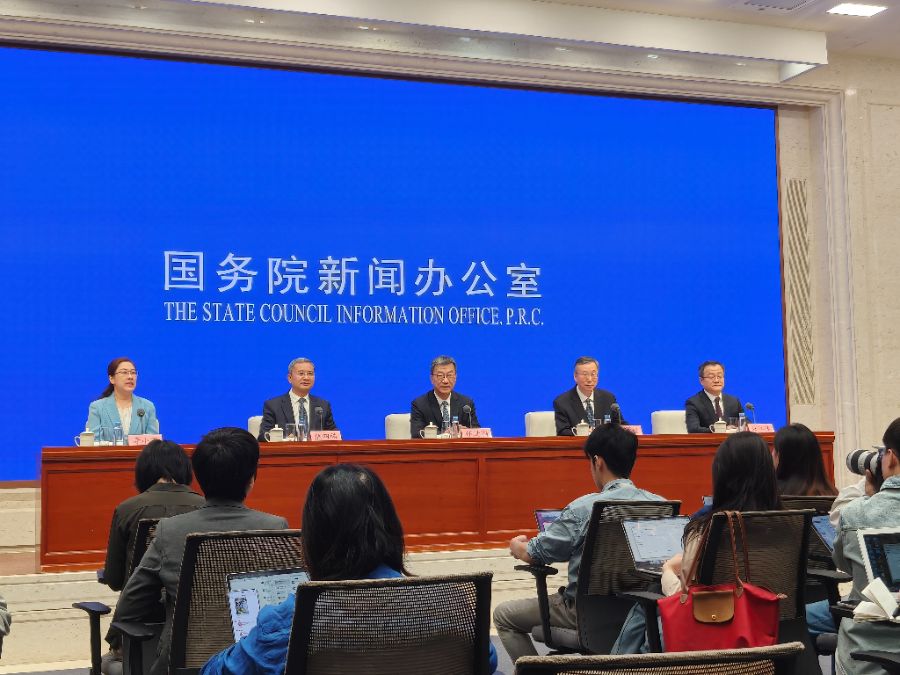
Group 1: Core Insights - The "14th Five-Year Plan" period has seen significant advancements in education, contributing to social and economic development [1] - Higher education institutions have become the main force in national basic research and a source of major technological breakthroughs, providing a rich talent resource for economic resilience [1][2] - The "Double First-Class" initiative is a key project for building a strong education nation, with universities producing over 50% of master's and 80% of doctoral graduates in the country [2] Group 2: Talent Development and Evaluation Reform - The "Double First-Class" universities have undertaken over 90% of national high-level talent training tasks, focusing on cultivating strategic talents like excellent engineers [2][5] - A major reform allows students to apply for master's and doctoral degrees based on innovative achievements such as patents and product designs, rather than traditional thesis requirements [2][5] - As of now, 40 national excellent engineer colleges have been established in collaboration with top enterprises, enhancing the integration of education and industry [5][6] Group 3: Technology Transfer and Innovation - Over 75% of national natural science and technology invention awards during the "14th Five-Year Plan" period have come from higher education institutions [7] - Universities are establishing regional technology transfer centers and optimizing university science parks to facilitate the conversion of scientific achievements into practical applications [8][9] - New university technology parks are significantly contributing to technological transformation and regional economic development [9][10] Group 4: Vocational Education and Industry Support - China has the largest vocational education system globally, with 34 million students across various levels, supporting the transition from "Made in China" to "Created in China" [11] - The vocational education system is expanding, with 12,000 new professional points added during the "14th Five-Year Plan" period, focusing on engineering and technology [11][12] - Initiatives like the "High-Skilled Talent Cluster Training Plan" are being implemented to enhance the practical skills of students through real-world industry exposure [12][13]
港股收评:三大指数齐跌 恒指跌0.7%险守26000点 科技股普跌 黄金股活跃
Ge Long Hui· 2025-09-23 08:30
Market Overview - The Hong Kong stock market indices collectively declined, with the Hang Seng Technology Index dropping as much as 2.6% before closing down 1.45% [1] - The Hang Seng Index fell 0.7% to remain above 26,000 points, while the National Enterprises Index decreased by 0.86% [1] Sector Performance - Major technology stocks experienced widespread declines, with Baidu falling over 5%, JD.com down 4.4%, Meituan down nearly 3%, Xiaomi down over 1%, and Tencent down nearly 1% [1] - Alibaba managed to close slightly positive, while Apple-related stocks saw significant pullbacks, with Lens Technology down over 7% and both Wasion Group and QiuTai Technology down over 3% [1] - Other sectors such as real estate, automotive, Chinese brokerage firms, steel, lithium battery, gambling, shipping, aviation, and semiconductor stocks also showed weak performance [1] Education Sector - The Ministry of Education announced the establishment of the world's largest vocational education system, leading to a rise in vocational education stocks, with Thinker Education up over 6% and New Oriental, a leader in online education, rising nearly 2% [1] Gold Market - Spot gold reached a new historical high, resulting in active performance among gold stocks [1] Individual Stock Movements - Newly listed stocks saw significant gains, with Yunzhihui Technology soaring over 103% and other companies like Mixue Group and Kangfang Biotech rising 4.7% and 4.28% respectively [1] - Conversely, Guotai Junan International fell by 11.57% and Canggang Railway dropped by 12.5% [1] - Notable gains included Shanga Holdings up 22.25% and Hong Kong Broadband up 15.85% [1]
中国已进入高等教育普及化阶段:高等教育毛入学率达60.8%
Xin Jing Bao· 2025-09-23 07:49
Group 1 - The core achievement of the "14th Five-Year Plan" is the significant improvement in China's education system, with a focus on expanding and enhancing the quality of education [1][2] - The gross enrollment rate for preschool education has increased from 64.5% in 2012 to 92%, benefiting over 12 million children this year [1] - The gross enrollment rate for higher education has more than doubled from 30% in 2012 to 60.8%, marking a transition to a recognized stage of popularization [1][2] Group 2 - During the "14th Five-Year Plan," higher education has contributed 55 million talents to society, with vocational education supplying over 70% of new high-quality skilled talents in modern industries [2] - Over 75% of national natural science awards and technology invention awards, as well as over 55% of technological progress awards, have been obtained by universities [2] - The implementation of the "Strong Foundation Program" and the establishment of pilot programs in cutting-edge fields like artificial intelligence and integrated circuits are ongoing to enhance talent cultivation [2] Group 3 - Comprehensive education reforms are being promoted, with a focus on revitalizing county-level education and reducing competition and anxiety associated with exams [3] - The "New Double High" reform in vocational education aims to enhance educational capabilities and quality, aligning talent development with regional economic and social needs [3] - Graduate students in the engineering field can now apply for degrees based on innovative achievements, breaking the traditional requirement of a thesis [3]