博物馆

Search documents
文化中国行丨3000多岁的对“象”、奇幻的昆虫世界……这些博物馆能玩又能学
Yang Shi Xin Wen· 2025-05-17 05:41
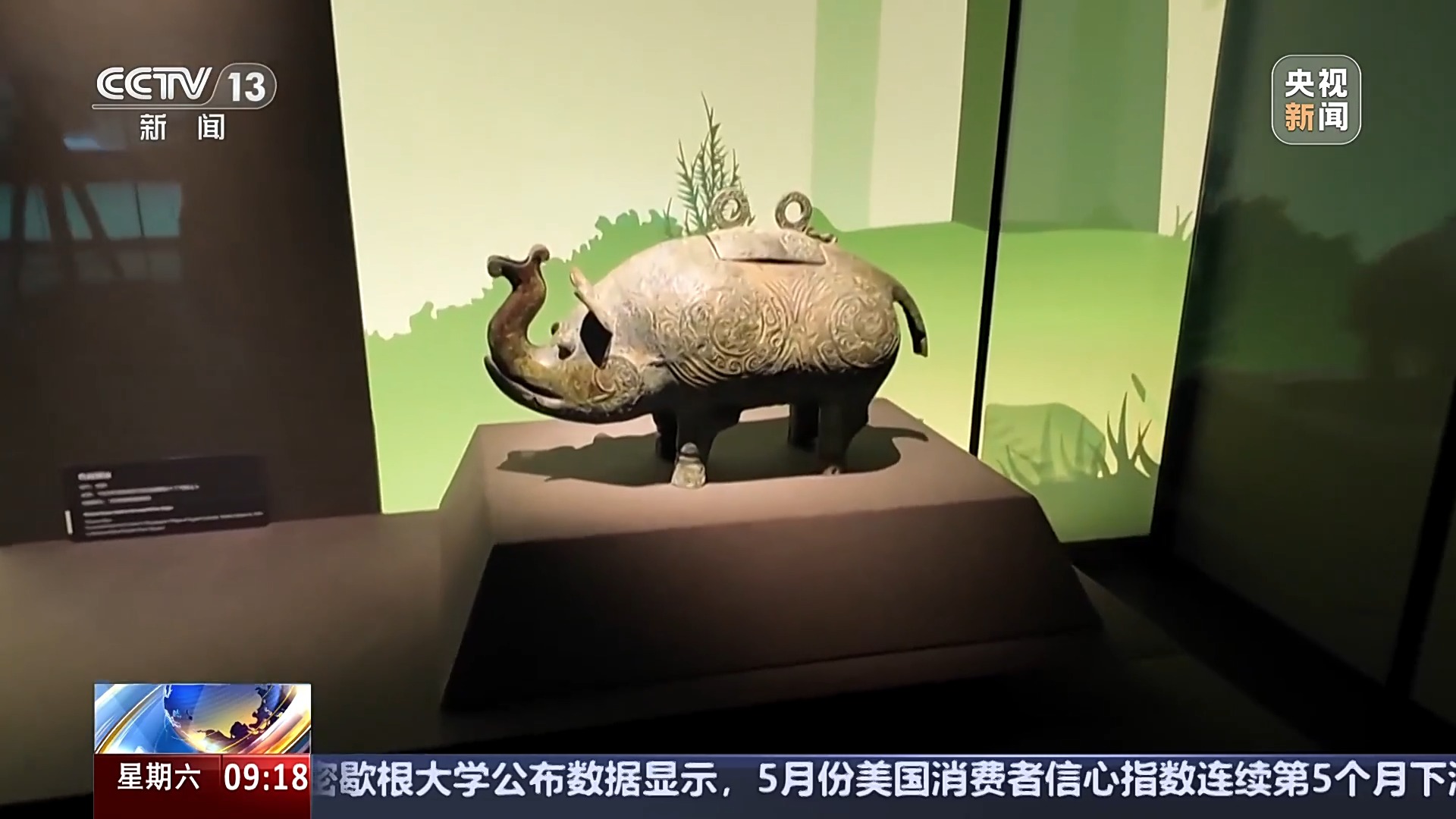
Group 1 - The article highlights the significance of the Baoji Bronze Museum, which houses over 480,000 artifacts, primarily focusing on Shang and Zhou dynasty bronze items, including the earliest written record of "China" found on the He Zun [1][5] - The museum features a unique 3,000-year-old elephant-shaped bronze vessel, known as Xiang Zun, which serves as a wine container and reflects the cultural and climatic history of the Guanzhong region [2][6][10] - The design of the Xiang Zun is noted for its scientific and practical features, such as a level alignment of the trunk and back, preventing spillage, and a spout for pouring, showcasing advanced understanding of physics [8][10] Group 2 - The Baoji Bronze Museum is renowned for its collection of animal-shaped bronze artifacts, which provide insights into the natural world as perceived by the people of the Zhou dynasty, contributing to the understanding of Chinese civilization [10] - The museum's exhibits include various animal-themed bronzes, such as the bronze mother and child tiger and unique three-legged bronze birds, emphasizing the diversity of ancient Chinese craftsmanship [10] - The article emphasizes the cultural significance of the Xiang Zun, as the elephant symbolizes auspiciousness in Chinese tradition, reflecting ancient people's aspirations for a good life [6][10]

博物馆喊年轻人“做文创” 拉满情绪引领价值
Zhong Guo Qing Nian Bao· 2025-05-17 04:04
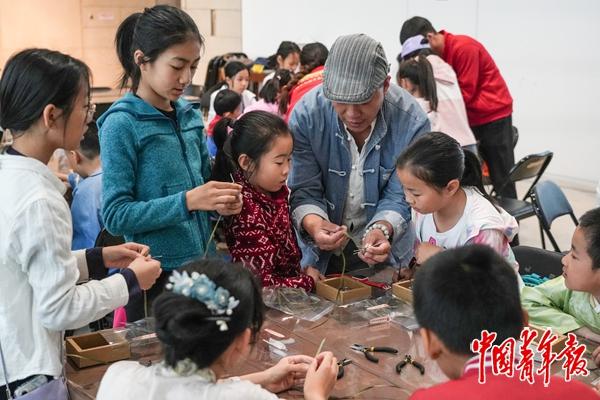
Core Viewpoint - The article discusses the evolution of museums from being mere collections of artifacts to becoming interactive spaces that engage the public through cultural and creative experiences, emphasizing the importance of participatory activities in cultural transmission [3][6][10]. Group 1: Museum Engagement and Cultural Transmission - Museums are increasingly recognized as essential venues for cultural and creative activities, with the notion that "museums need to engage in cultural creation" gaining traction within the industry [2][3]. - The concept of "participatory museums" allows visitors to create, share, and interact with cultural content, enhancing their connection to heritage [3][6]. - The value of cultural products lies not in sales but in transforming visitors into co-creators of cultural heritage [3][10]. Group 2: Hands-on Experiences and Educational Initiatives - Various museums are offering hands-on experiences, such as making traditional crafts, which provide unique, personalized artifacts that reflect individual creativity [6][8]. - Educational programs, like the "Su Bo Night School," aim to cater to adult audiences by offering art and heritage courses, enhancing their engagement with cultural content [9][10]. - The integration of interactive elements, such as the "archaeological blind box" from the Henan Museum, has proven to be a successful model for engaging visitors and promoting cultural education [13][14]. Group 3: Emotional and Value-driven Aspects of Cultural Products - Cultural products are designed to evoke emotional connections and provide value-based guidance, particularly for younger audiences [14][16]. - The Henan Museum's "archaeological blind box" has become a phenomenon, highlighting the importance of storytelling and cultural context in enhancing the appeal of museum products [13][14]. - Museums are increasingly adopting innovative approaches to connect with younger generations, such as hosting workshops and interactive events that resonate with contemporary interests [16].
国际博物馆日邂逅文化和自然遗产日 8条寻访线路“守沪文脉”
Jie Fang Ri Bao· 2025-05-17 01:27
Core Insights - Shanghai has registered 171 museums by the end of 2024, with a ratio of one museum for every 145,000 residents, significantly higher than the national average [1] Group 1: Events and Activities - From May 16 to June 30, 2024, Shanghai will host a series of immersive cultural tourism events themed "Preserving Shanghai's Cultural Heritage, Creating a Shared Future," featuring 80 themed exhibitions and over a hundred online and offline activities [1] - The events will include knowledge competitions, interactive experiences, music performances, and cultural markets, with 145 museums and 73 art galleries offering free admission from May 17 to May 19 [1] Group 2: Digital and Interactive Experiences - The "Shenhuo Collection" cultural and creative market will debut, integrating cultural product sales, educational experiences, and art performances, starting from May 16 to May 18 at Xujiahui Academy [2] - A session titled "AI × Museums: Co-creating the Future of Museums" will be part of the launch ceremony, highlighting the theme of the International Museum Day [2] - The city’s cultural and tourism bureau has released a list of 30 recommended smart exhibition projects that utilize cutting-edge technologies such as digital exhibitions, AR interactions, and metaverse experiences [2]
川渝两地博物馆总数和等级博物馆数量5年来大幅增长 去年1.28亿人次逛川渝博物馆
Si Chuan Ri Bao· 2025-05-17 01:21
Core Insights - The museum sector in the Sichuan-Chongqing region has experienced significant growth, with a total of 598 registered museums by the end of 2024, including 457 in Sichuan [1][2] - Visitor numbers reached a historic high of 128 million in 2024, showcasing the increasing popularity and engagement of museums in the region [1][2] Group 1: Museum Development - The number of registered museums in the Sichuan-Chongqing region has increased substantially compared to 2020, with 23 national first-class museums, 56 second-class, and 32 third-class museums [1] - The new Sanxingdui Museum in Guanghan has become the largest archaeological museum in Southwest China, covering an area of 54,400 square meters [1] Group 2: Collection Growth - The total number of collections in the Sichuan-Chongqing museums has grown from over 1.87 million items in 2020 to over 6.72 million items by 2024 [2] Group 3: Exhibitions and Educational Activities - In 2024, the region's museums hosted 1,606 permanent exhibitions and 1,617 temporary exhibitions, along with over 40,000 social education activities [2] Group 4: Cultural and Creative Development - The development of cultural and creative products has seen a significant increase, with over 12,800 new products launched in 2024 and creative revenue reaching 450 million yuan, a 319% increase from 2020 [2] Group 5: Popular Museums - Six museums in the region attracted over 3 million visitors each in 2024, indicating a vibrant and thriving museum landscape [2]
考古成果和历史遗址进馆 多家博物馆焕新登场
Yang Guang Wang· 2025-05-17 01:07
Core Points - The International Museum Day has prompted several archaeological and heritage museums to open, showcasing archaeological findings and historical sites to the public [1] - The Lingjiatan Site Museum, which began trial operations on May 16, features a comprehensive display of 1,100 pieces of prehistoric jade, stone, and pottery artifacts, including a significant collection from tomb 07M23, which contains approximately 340 artifacts, 210 of which are jade [1] - The Suzhou Archaeological Museum, opening on May 17, showcases over 1,200 artifacts, with more than 80% being displayed for the first time, including a nearly 90-ton reconstruction of the "Sun Wu No. 1 Tomb," the largest single artifact exhibited in the Jiangsu and Zhejiang regions [1] - The Zhejiang Province's first archaeological museum, the Yujia Mountain Archaeological Museum, is set to open on May 18, allowing visitors to engage with ancient rice cultivation and jade artifacts while also exploring the nearby archaeological park [2] - The museum in Linping provides a comprehensive narrative of prehistoric archaeological discoveries, illustrating the lifestyle of the Liangzhu culture [3]
放下身段,博物馆在Z世代群体中火热出圈
Huan Qiu Shi Bao· 2025-05-16 22:43
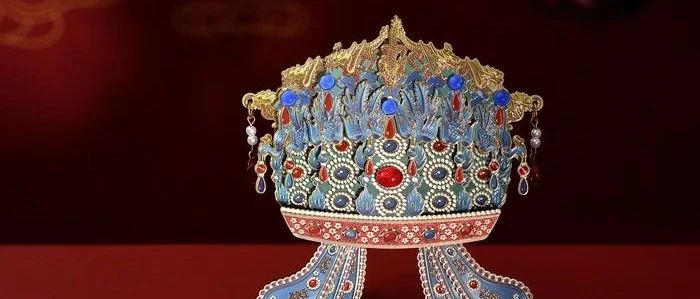
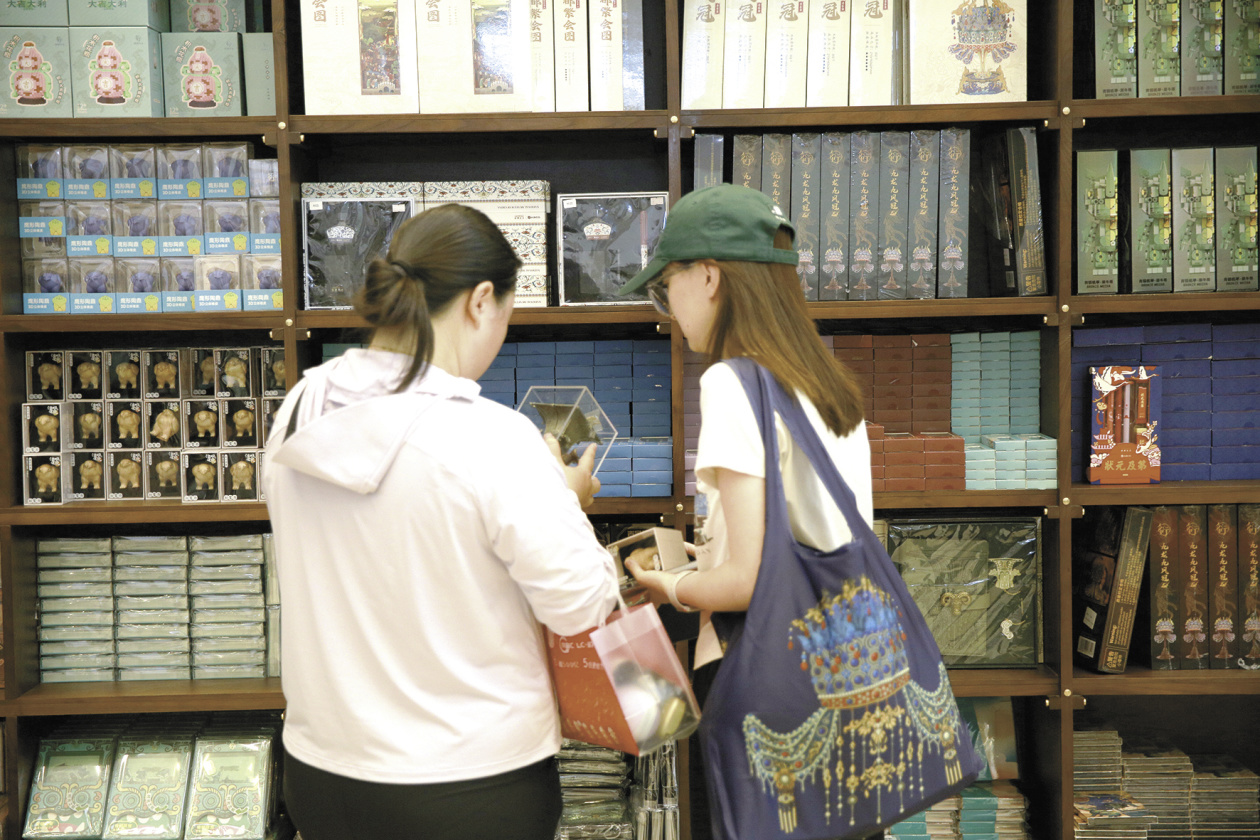
Core Viewpoint - The rising interest in museums among the youth in China is a reflection of the country's cultural renaissance, driven by economic growth and enhanced educational experiences, with museums evolving to engage younger audiences through innovative and interactive methods [1][4][7]. Group 1: Youth Engagement in Museums - The National Museum of China has created a multifunctional cultural space that combines cultural dissemination, social interaction, and youth education, attracting a significant number of young visitors, with 62.09% of attendees being under 35 years old [2][4]. - Young people are increasingly engaging with museums through interactive experiences and creative interpretations of artifacts, as evidenced by the popularity of products like the "Phoenix Crown" fridge magnet, which sold over 1 million units in less than eight months [4][6]. - Museums are adapting to the preferences of younger audiences by incorporating technology and creative storytelling, transforming visitors from passive observers into active participants in cultural experiences [6][7]. Group 2: Innovative Approaches and Collaborations - Museums are leveraging technology, such as AI and interactive installations, to enhance visitor engagement and create immersive experiences that resonate with younger generations [6][18]. - Collaborative initiatives, such as the "Youth Group" at the British Museum, allow young people to participate in exhibition planning, fostering a sense of ownership and connection to the museum [19]. - Various museums are exploring partnerships with digital platforms and social media to reach younger audiences, exemplified by the Egyptian Museum's AR project that enhances visitor interaction through augmented reality [18][19]. Group 3: Cultural and Emotional Value - The emotional and artistic value of exhibits is increasingly important for young visitors, who seek deeper connections with the artifacts beyond their historical significance [6][10]. - Museums are encouraged to balance professional knowledge with accessibility, ensuring that exhibitions are engaging and understandable for a broader audience [10][12]. - The trend of "community museums" is gaining traction, focusing on relatable themes that resonate with young people's daily lives, such as environmental issues and personal identity [12][13].
博物馆冷热不均? “大动脉”与“毛细血管”都须激活
Zhong Guo Qing Nian Bao· 2025-05-16 22:28
Core Viewpoint - The theme for International Museum Day 2025 is "The Future of Museums in a Rapidly Changing Society," highlighting the evolving role of museums from cultural options to essential societal builders [1] Group 1: Museum Popularity and Visitor Experience - Popular museums are experiencing overwhelming visitor demand, with some exhibitions, like the "Ancient Egyptian Civilization Exhibition" at the Shanghai Museum, attracting over 2 million visitors since its opening in July 2024 [2][3] - The "Ancient Egyptian Civilization Exhibition" will implement a "no-sleep night" mode in its final week to accommodate visitor demand, aiming for a continuous 168-hour opening record [3] - The Beijing Ancient Architecture Museum has seen a fivefold increase in visitors in 2024 compared to 2023, with approximately 37,000 visitors during the five-day May Day holiday [4] Group 2: Challenges of Overcrowding - High visitor numbers create pressure on museum spaces, leading to a diminished visitor experience due to noise and overcrowding in exhibition halls [5] - The Beijing Ancient Architecture Museum is addressing visitor flow by increasing volunteer numbers for guided tours and coordinating visitor distribution across different exhibition areas [6] Group 3: Strategies for Lesser-Known Museums - Lesser-known museums, like the Guo Shoujing Memorial Museum, have successfully increased their visitor numbers from 30,000 to a more substantial figure through targeted renovations and community engagement [8] - The Guo Shoujing Memorial Museum focuses on providing quality services, personalized experiences, and engaging exhibitions to attract a broader audience [9] - Innovative strategies, such as developing educational materials for children and hosting themed events, have been implemented to enhance visitor engagement [9][10] Group 4: Balancing Visitor Distribution - The need for a balanced visitor distribution between popular and lesser-known museums is emphasized, with suggestions for promoting lesser-known museums through partnerships and community outreach [12][14] - Young people's involvement in promoting lesser-known museums is crucial, as they can help raise awareness and develop engaging content that resonates with their peers [15] - The integration of museums into local tourism routes and the use of innovative marketing strategies are recommended to enhance the visibility of lesser-known museums [14][15]
看中国也看世界
Ren Min Ri Bao· 2025-05-16 22:12
Core Insights - The Shanghai Museum's "Pyramid Summit: The Great Exhibition of Ancient Egyptian Civilization" is set to close in 100 days, having established multiple records as the largest and highest-level exhibition of ancient Egyptian artifacts globally, and the first collaboration between a Chinese museum and the Egyptian government [1] - The exhibition features 492 groups of 788 precious artifacts from various periods of ancient Egyptian civilization, with over 95% of the items making their debut in Asia, highlighting the cultural exchange between China and Egypt [1] - More than 70% of visitors traveled from outside Shanghai specifically for this exhibition, including a significant number of foreign tourists, indicating its international appeal [1] Group 1 - The Shanghai Museum has developed new directions for both its new and old venues, with the new museum focusing on being a "Chinese Ancient Art Museum" and the old museum positioning itself as a "World Civilization Museum" [1] - The new museum aims to serve as an important cultural window for the world to view China, while the old museum prepares permanent exhibitions reflecting global civilization and cultural exchanges [1] - Understanding ancient civilizations and their interactions is crucial for comprehending ancient China and the history of human civilization, emphasizing the interconnectedness of human progress [1] Group 2 - The previous exhibition, "The Glory of Ancient Persia: Highlights of Iranian Artifacts," showcased nearly 300 artifacts, establishing a preliminary impression of Iranian ancient civilization through three thematic sections [2] - The themes included "Dawn of the Plateau," showcasing exquisite gold and silver items, "Glorious Era," highlighting the prosperity of ancient Persian trade, and "Art of Faith," focusing on Islamic art from the 7th century [2] - The exhibition aimed to express the idea of mutual learning and integration among different civilizations, which is foundational to human progress [2] Group 3 - The exhibition "The Universe East and West: China and the World through the Eyes of Marco Polo" utilized the perspective of the Venetian traveler Marco Polo to display over 200 artifacts from the 13th to 15th centuries, illustrating the artistic and material achievements of both East and West [3] - The exhibition highlighted the importance of mutual development between Eastern and Western civilizations for facilitating trade and cultural exchange [3] - The Shanghai Museum is also exploring the establishment of overseas branches to create more platforms for dialogue among different civilizations, aiming to weave the vast tapestry of world civilization into compelling narratives [3]
博物馆日|为一个展奔赴一座城!上海171家博物馆等你来
Xin Lang Cai Jing· 2025-05-16 12:58
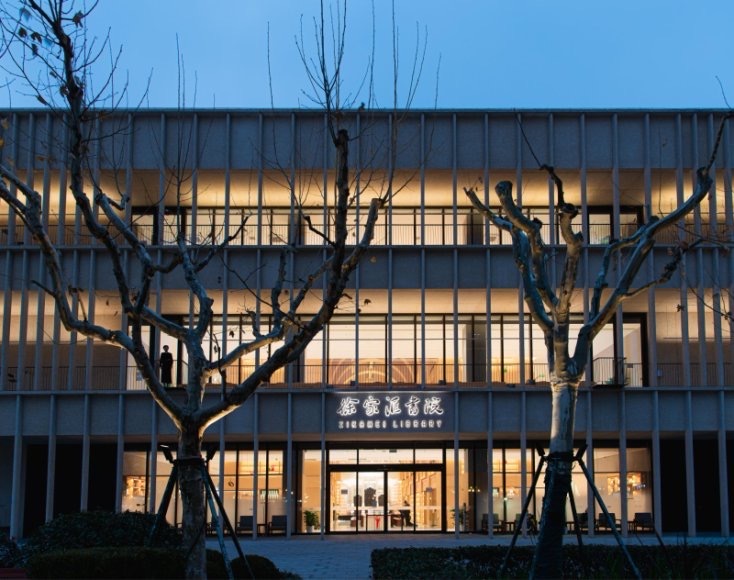
今年5月18日是第49个国际博物馆日,主题为"快速变化社会中的博物馆未来"。5月16日下午,2025年国际博物馆日上海主会场活动暨文化遗产季启动仪式在 徐家汇书院举办。 上海有着171家博物馆,一大批高质量展览近年来不断掀起"文博热","来上海,看文博大展"日渐深入人心,"为一个展奔赴一座城"成为普遍现象。今年围 绕"守沪文脉,创享未来"等主题,一系列丰富多彩的活动拉开帷幕,在接下来的两个月里,上海的博物馆、文物建筑、城市文化空间将融合为一座没有边界 的"博物馆"。 据今天发布的《上海博物馆发展2024年度报告》最新数据,截至目前,上海共有备案博物馆171座,每14.5万人就拥有一座博物馆,远高于全国平均水平。 2024年,上海全市博物馆举办陈列展览949个,共接待观众4086万人次,相比2023年增长31.9%,创历史新高。 2024年7月19日,上海博物馆,观众在参 观埃赫纳吞雕像。智通财经记者 朱伟辉 摄 近年来,上海一大批高质量展览掀起"文博热","来上海,看文博大展"日渐深入人心,"为一个展奔赴一座城"成为越来越普遍的现象。正在上海博物馆展出 的"埃及展"既卖座、又叫好,成为跨年度"现象级大展"。截 ...
青年和技术,如何改变了博物馆?|2025国际博物馆日
腾讯研究院· 2025-05-16 06:53
Core Viewpoint - The article emphasizes the evolving role of museums in a rapidly changing society, highlighting the need for museums to embrace digital technology while maintaining their cultural core values to foster social progress and inclusivity [1][4][24]. Group 1: Future of Museums - The theme for International Museum Day 2025 is "The Future of Museums in Rapidly Changing Communities," focusing on how museums can continue to exert influence amid social, technological, and environmental changes [1]. - Museums are transitioning from traditional roles of artifact collection and display to dynamic platforms that connect the past with the future, facilitating social dialogue and cultural transmission [4][7]. Group 2: Youth Engagement - The National Cultural Heritage Administration emphasizes the importance of engaging youth in museum activities, transforming museum spaces into platforms for cultural expression and social exploration [4]. - Youth audiences prioritize immersive and interactive experiences, prompting museums to adopt digital technologies and creative exhibition designs to enhance engagement [10][12]. Group 3: Technological Integration - Emerging technologies like AI, VR, and AR are reshaping museum operations, enhancing artifact management, and enriching visitor experiences [7][8]. - Museums are leveraging digital tools for high-precision digitization of collections, with the Palace Museum digitizing approximately 920,000 artifacts and creating a 3D model of the Forbidden City covering 720,000 square meters [8]. Group 4: Cultural Consumption Trends - The shift in cultural consumption habits among youth is evident, with a growing trend of sharing experiences on social media, leading museums to design "Instagram-friendly" spaces [10][12]. - Cultural products, such as the "Phoenix Crown" refrigerator magnet from the National Museum, have gained popularity, with sales exceeding 530,000 units since its launch, significantly boosting ticket reservations [12]. Group 5: Communication Evolution - The rise of short video platforms has transformed museum communication, allowing for rapid and engaging cultural expression that resonates with younger audiences [16][18]. - Museums are adapting content strategies to be more story-driven and engaging, utilizing social media to enhance cultural recognition and community cohesion [18][19]. Group 6: Global Cultural Exchange - Chinese youth, as digital natives, are pivotal in cultural production and dissemination, using new media to bridge cultural gaps and promote Chinese heritage globally [19][20]. - Successful examples, such as the game "Black Myth: Wukong," demonstrate how youth creativity can merge traditional culture with modern technology, enhancing China's cultural soft power [20][21]. Group 7: Balancing Change and Tradition - While technology offers innovative opportunities, museums must uphold their core mission of cultural preservation and education, ensuring that changes enhance rather than diminish their societal roles [23][24]. - The balance between innovation and tradition is crucial for museums to remain relevant and impactful in a rapidly evolving landscape [24].