
核能

Search documents
“玲龙一号”全球首堆冷试成功;复旦团队造出可告别铅污染的太阳能电池,光电转换效率达17.7%丨智能制造日报
创业邦· 2025-10-17 03:24
Group 1 - The world's first sub-angstrom snapshot spectral imaging chip "Yuheng" has been developed by a team led by Professor Fang Lu from Tsinghua University, marking a significant advancement in intelligent photonics technology for high-precision imaging and measurement [2] - The RoboChallenge, the first large-scale, multi-task benchmark test for real robots operating in real physical environments, has been launched, providing reliable and comparable evaluation standards for visual language action models in robotics [2] Group 2 - A new type of artificial muscle developed by a research team from Ulsan National Institute of Science and Technology can switch between "soft and flexible" and "hard and powerful" states, capable of lifting objects weighing 4,000 times its own weight, which may advance soft robotics, wearable devices, and medical assistive technologies [4][5] - Fudan University has developed a tin-based perovskite solar cell that achieves a world record light-to-electricity conversion efficiency of 17.7% while being environmentally friendly throughout its lifecycle [5] - The "Linglong No. 1" modular small reactor has successfully completed its cold test, laying a solid foundation for subsequent fuel loading and commercial operation, with an expected annual power generation of 1 billion kWh, sufficient to meet the electricity needs of 526,000 households in Hainan and reduce carbon emissions by approximately 880,000 tons [5]



“玲龙一号”全球首堆在昌江冷试成功
Hai Nan Ri Bao· 2025-10-17 03:07
Core Insights - The successful cold test of "Linglong No. 1," the world's first land-based commercial modular small reactor, marks a significant achievement for China's nuclear energy sector and reinforces its competitive advantage in the international small reactor market [2][3] Group 1: Project Overview - "Linglong No. 1" is recognized as the first land-based commercial modular small reactor to pass the International Atomic Energy Agency (IAEA) safety review, representing a major breakthrough in China's nuclear power innovation [2] - The cold test serves as a comprehensive performance check of the reactor, validating the integrity and sealing of the primary circuit pressure boundary and ensuring the quality of equipment installation for safe and stable future operations [2] Group 2: Environmental Impact - Once operational, "Linglong No. 1" is expected to generate an annual electricity output of 1 billion kilowatt-hours, sufficient to meet the annual electricity needs of 526,000 households in Hainan [3] - The project is projected to reduce carbon dioxide emissions by approximately 880,000 tons annually, equivalent to planting 7.5 million trees each year, contributing to China's dual carbon goals and the development of Hainan as a "clean energy island" [3]
AI泡沫已经蔓延至能源股
阿尔法工场研究院· 2025-10-17 00:03
Core Viewpoint - The article highlights the rising valuations of unprofitable energy companies, suggesting that the real over-speculation may be occurring in the energy sector rather than in technology stocks [3]. Group 1: Unprofitable Energy Companies - A group of unprofitable energy companies has seen their total valuation exceed $45 billion, based solely on the expectation that technology companies will eventually purchase their yet-to-be-built energy facilities [4]. - Oklo, a nuclear energy startup supported by OpenAI CEO Sam Altman, has seen its stock price increase approximately sevenfold this year, with a current market capitalization of around $26 billion [4]. - Fermi, another unprofitable company, had an initial valuation of about $19 billion upon its IPO earlier this month, making it one of the largest unprofitable companies by market cap at IPO [5]. Group 2: Company Details and Market Comparisons - Fermi plans to build energy facilities with a total installed capacity of 11 GW, comparable to the total capacity of Talen Energy, which already has operational assets [6]. - Despite its high valuation, Fermi has only secured natural gas equipment that meets 5% of its total capacity goal and has not signed binding contracts with any customers [6]. - Nano Nuclear Energy, a smaller company, has seen its stock price double this year, with a current valuation exceeding $2 billion [7]. Group 3: Market Trends and Predictions - Companies like NuScale Power and Plug Power, which have generated some revenue, are still not expected to achieve profitability for several years, with predictions extending to 2030 [10][11]. - The surge in interest for speculative energy companies may be driven by the high valuations of profitable energy firms, with Bloom Energy's stock price increasing over 400% this year [11]. - If the AI bubble bursts, these unprofitable energy companies are likely to be the most affected, facing significant declines and lacking buffer space [12].

影响市场重大事件:全球首个陆上商用模块式小型堆“玲龙一号”全球首堆冷试成功;固态电池新突破,新能源车续航有望翻倍
Mei Ri Jing Ji Xin Wen· 2025-10-16 22:17
Group 1: Nuclear Energy - The "Linglong No. 1," the world's first land-based commercial modular small reactor, successfully completed its cold test on October 16, 2025, marking a significant milestone in nuclear energy development [1] - Once operational, it is expected to generate 1 billion kWh annually, meeting the electricity needs of 526,000 households in Hainan and reducing carbon emissions by approximately 880,000 tons, equivalent to planting 7.5 million trees in a year [1] Group 2: Computing and Telecommunications - The Ministry of Industry and Information Technology aims to achieve a 70% coverage rate for 1-millisecond latency in urban computing by 2027, enhancing the deployment of optical networks and new technologies [2] - The initiative includes the establishment of a monitoring mechanism for medium and large computing centers to ensure low-latency access capabilities [2] Group 3: Battery Technology - Chinese scientists have made breakthroughs in solid-state battery technology, potentially doubling the range of electric vehicles from 500 kilometers to over 1000 kilometers [3] Group 4: Automotive Industry - The Ministry of Industry and Information Technology emphasizes the importance of intelligent connected vehicles as a new driving force for industrial development, focusing on technology innovation and policy framework [4] - The development of generative autonomous driving models is prioritized to enhance vehicle safety through systematic testing and data utilization [9] - Beijing is fostering innovation platforms in areas like high computing power and environmental perception to accelerate the development of the intelligent connected vehicle industry [10] Group 5: Artificial Intelligence Market - A report indicates that the AI hardware and software market is projected to reach between $780 billion and $990 billion by 2027, with an average growth rate of 40%-55%, presenting significant global opportunities for Chinese enterprises [5] Group 6: Energy Storage - In Q3 2025, China's energy storage battery shipments reached 165 GWh, a 65% year-on-year increase, with total shipments for the first three quarters exceeding 430 GWh [6] - The industry is expected to maintain a supply-demand imbalance, with total shipments projected to reach 580 GWh for the year, reflecting a growth rate of over 75% [6] Group 7: Treasury Securities - The U.S. Treasury's issuance of treasury securities has surged, prompting speculation that the Federal Reserve may consider halting its balance sheet reduction [7]
证监会重大出击!10月16号,暂停上市,三大消息正式公开
Sou Hu Cai Jing· 2025-10-16 19:25
Market Overview - The market experienced a strong rebound after an early drop, with the Shanghai Composite Index rising over 1% and surpassing the 3900-point mark, while the ChiNext Index increased by over 2% [1] - Despite the positive movement in stock prices, the trading volume in the Shanghai and Shenzhen markets decreased significantly to 2.07 trillion yuan, down by 503.4 billion yuan from the previous trading day, indicating a decline in risk appetite among investors [1] Technical Analysis - The three major indices are showing signs of recovery, with small upward trends indicating improvement; the Shanghai Composite Index has emerged from its adjustment phase, with 3883 points acting as a resistance level since August 25 [3] - The Shenzhen Component Index and ChiNext Index have both fallen below the 30-day moving average, which is a critical support level; if this level is not regained, the trend may weaken further [5] - The Shanghai Composite Index is facing support tests at the lower end of its trading range, with trading volumes nearing recent lows, suggesting a potential cycle of low trading volume and lack of confidence [5] Nuclear Fusion Industry - The China National Nuclear Corporation's Southwest Institute of Physics has made significant breakthroughs in key technologies for magnetic confinement nuclear fusion energy, establishing a research system for liquid metal and helium cooling technology at an internationally advanced level [7] - This achievement lays a solid experimental foundation for the engineering application of future fusion reactors, with several A-share companies beginning to engage in core components, key systems, and supporting materials for the nuclear fusion industry [7] Robotics Industry - Shanghai has launched an action plan for the high-quality development of the intelligent terminal industry, focusing on enhancing the capabilities of robotic terminals and supporting the research and mass production of humanoid robots [11] - The humanoid robotics industry is experiencing significant advancements, with both domestic and international companies optimistic about mass production and increasing order volumes, indicating a strong market sentiment [12] Innovative Pharmaceuticals - The Hong Kong Stock Exchange is witnessing a surge in IPOs for innovative drugs, covering areas such as small molecule drugs, oncolytic viruses, ADCs, siRNA, and radioactive drugs, reflecting a critical phase of development in China's innovative drug sector [12] - China's innovative drug research pipeline accounts for approximately one-quarter of the global total, with many companies transitioning from transformation pains to harvesting results as commercialization accelerates [12]

“玲龙一号”全球首堆冷试成功!
中国能源报· 2025-10-16 06:57
Core Viewpoint - The successful completion of the cold functional test for the "Linglong No. 1" modular small reactor marks a significant advancement in China's nuclear energy capabilities and positions the country favorably in the international small reactor market [1][3]. Group 1: Project Overview - "Linglong No. 1" is the world's first land-based commercial modular small reactor, which has passed the International Atomic Energy Agency's safety review, representing a major breakthrough in China's independent innovation in nuclear power [1]. - The cold functional test serves as a comprehensive assessment of the reactor's performance, ensuring the integrity and sealing of the primary circuit pressure boundary, and verifying the installation quality of related equipment and pipelines [1]. Group 2: Environmental Impact - Once operational, "Linglong No. 1" is expected to generate an annual electricity output of 1 billion kilowatt-hours, meeting the electricity needs of approximately 526,000 households in Hainan [3]. - The project is projected to reduce carbon dioxide emissions by about 880,000 tons annually, equivalent to planting 7.5 million trees in a year, contributing to China's "dual carbon" goals and the construction of Hainan as a "clean energy island" [3]. Group 3: Industry Significance - The successful test enhances China's competitive edge in the small reactor market and establishes a strong foundation for future operations, including thermal testing and reactor loading [1]. - The demonstration of advanced reactor technology is expected to promote the development of nuclear energy globally, setting a benchmark for small reactor advancements [1].
“玲龙一号”全球首堆冷试成功
财联社· 2025-10-16 06:20
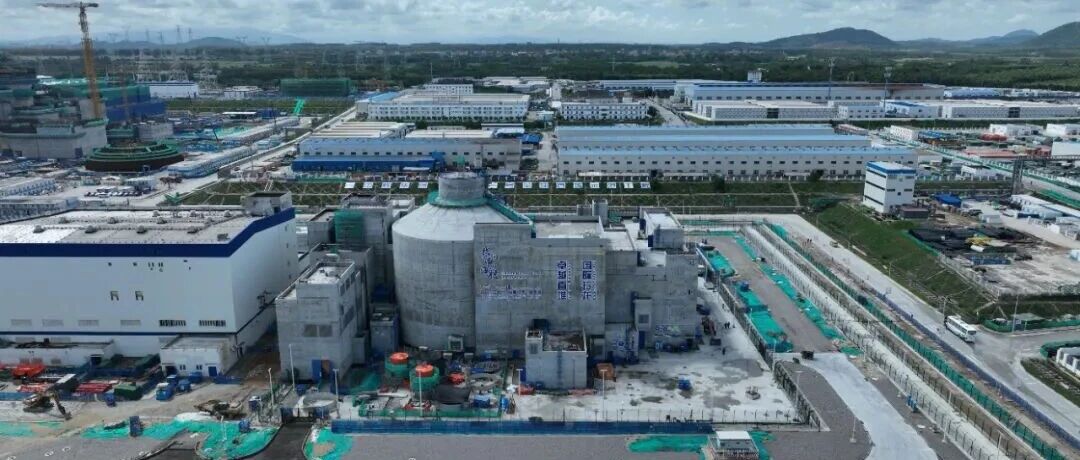
据了解,"玲龙一号"于2021年7月13日在海南核电开工建设。 建成投运后,预计每年发电量可达10亿度,可满足海南52.6万户家庭用电需 求,每年可减少二氧化碳排放量约88万吨,相当于一年植树750万棵。不仅将以稳定可靠的清洁能源助力国家"双碳"目标实现和海南"清洁 能源岛"建设,更将以先进反应堆技术的示范效应,推动世界核能的发展。 冷态功能试验是核电厂大型综合专项调试试验,主要目的是验证一回路系统和设备及其辅助管道在高压下的各项性能,并在各个压力平台下 进行主系统和辅助系统的相关试验,是对整个反应堆性能的第一次全面"体检"。此次"玲龙一号"小堆示范工程一回路冷态功能试验圆满成 功,意味着机组一回路压力边界完整、密封良好,检验了相关设备管线的安装质量,确保后续安全稳定运行。 下载财联社APP获取更多资讯 据中核集团, 10月16日,全球首个陆上商用模块式小型堆—— 中核集团海南昌江多用途模块式小型堆科技示范工程"玲龙一号"一回路冷态 功能试验圆满成功。 此次冷态功能试验成功彰显了我国在新型核能系统设计、高端装备制造及复杂工程协同管理上的综合实力,对巩固我 国在小堆国际竞争中先发优势、形成我国模块式小型堆先进品 ...
“玲龙一号”全球首堆冷试成功
Yang Shi Xin Wen· 2025-10-16 06:03
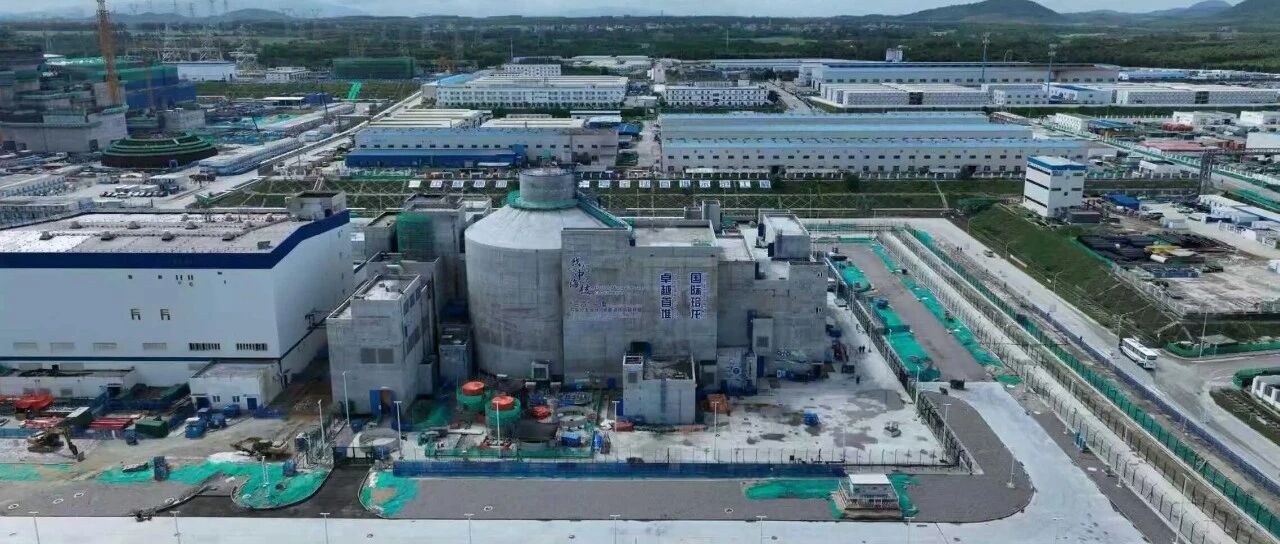
记者从中核集团获悉,"玲龙一号"全球首堆的冷态性能试验今天(16日)圆满完成,为后续的反应堆装 料及商运奠定了坚实的基础。 全球首个陆上商用模块式小型堆——"玲龙一号"位于海南昌江,是全球首个通过国际原子能机构安全审 查的陆上商用模块化小堆。今天完成的冷态功能试验是核电厂大型综合专项调试试验,是对整个反应堆 性能的第一次全面"体检",确保后续安全稳定运行。 (文章来源:央视新闻) 后续,"玲龙一号"还将按计划开展热态性能试验、临界试验等试验工作。建成投运后,预计每年发电量 可达10亿度,满足海南52.6万户家庭用电需求,减少二氧化碳排放量约88万吨,相当于一年植树750万 棵。 ...
美国陆军启动“双面神计划”研发核微型反应堆 BWX Technologies(BWXT.US)等核能企业或打开市场
智通财经网· 2025-10-16 03:46
Group 1 - The U.S. is accelerating the deployment of military micro nuclear reactors through the "Janus Program" to address power shortages and grid vulnerabilities [1][2] - The U.S. military's largest portable generator currently outputs about 800 kW, but future weapon and radar technologies require higher power [1] - The Janus Program aims to equip military bases with micro reactors by 2028, which can generate up to 20 MW and require less frequent fuel replenishment [1] Group 2 - The ownership and operation of the micro reactors will be managed by commercial entities like BWX Technologies, while the U.S. Army and the Department of Energy will provide uranium fuel [2] - The successful implementation of the program could lead to market opportunities for nuclear energy companies, as their stock prices have significantly increased over the past year [2] - Micro nuclear reactors may eventually receive authorization to supply power to other sectors, such as data centers that have high energy demands [2]

A股可控核聚变概念股集体回调,中国核建跌超7%
Ge Long Hui· 2025-10-16 02:41
Group 1 - The A-share market experienced a collective pullback in controllable nuclear fusion concept stocks [1] - Hezhong Intelligent fell over 8%, while China Nuclear Construction dropped over 7% [1] - Aikesaibo, Changfu Co., and Baili Electric each declined over 5%, and Far East Holdings and Rongfa Nuclear Power fell over 4% [1]


